Menu listWelcome,-san
Search for travel destinations in Japan
Tabiiro Special Content
×
Search by area
A
C
E
F
G
H
I
K
M
N
O
S
T
W
Y
← Back to main menu

 Kyoto
"Kyokaido Gourmet Market" is a culinary destination showcasing seafood and agricultural products from Miyazu City, Kyoto - also known as the "Kyoto of the Sea". This multi-purpose facility offers a convenient way to enjoy the flavours of the region all in one place. The "Kyokaido Bakery" is known for its soft French bread, approximately 60 cm in length, baked fresh throughout the day. The retail section features ham and sausages produced by Tango Foods, the local company that operates the facility. At "Kyokaido Cafe", visitors can enjoy dishes made with ingredients from Miyazu City. On Fridays, Saturdays, and Sundays after 5:00 P.M., the café transforms into an Italian night bar, offering craft beer and wine alongside its seasonal fare.
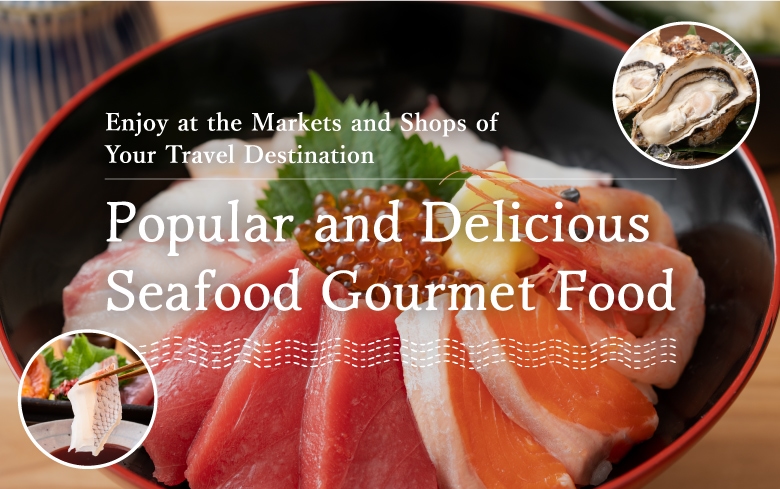
During road trips, you may come across roadside stations or tourist markets and streets offering takeout seafood delights such as kushiyaki (grilled skewers), grilled oysters in their shells, and mini seafood bowls loaded with fresh ingredients. This takeout style allows you to easily enjoy local and B-class gourmet food unique to the region, making it a popular option for family trips with children or casual outings with friends.
All 2 facilities
京街道グルメ館
"Kyokaido Gourmet Market" is a culinary destination showcasing seafood and agricultural products from Miyazu City, Kyoto - also known as the "Kyoto of the Sea". This multi-purpose facility offers a convenient way to enjoy the flavours of the region all in one place. The "Kyokaido Bakery" is known for its soft French bread, approximately 60 cm in length, baked fresh throughout the day. The retail section features ham and sausages produced by Tango Foods, the local company that operates the facility. At "Kyokaido Cafe", visitors can enjoy dishes made with ingredients from Miyazu City. On Fridays, Saturdays, and Sundays after 5:00 P.M., the café transforms into an Italian night bar, offering craft beer and wine alongside its seasonal fare.
京・寿司 おおきに
The chef, born to a sushi chef father, trained at some of Kyoto's leading kaiseki restaurants and sushi establishments before opening his own restaurant in 2000. Only wild-caught seafood is used, along with vegetables grown primarily without pesticides. Ingredient selection emphasizes a health-conscious approach, including the complete avoidance of chemical seasonings. Alongside traditional nigiri, the popular specialty "Kyoto Vegetable Pickle Sushi," made with Kyoto vegetables and other ingredients, is also served. The restaurant is suitable for everything from everyday meals to business dinners and group gatherings.