Menu listWelcome,-san
Search for travel destinations in Japan
Tabiiro Special Content
×
Search by area
A
C
E
F
G
H
I
K
M
N
O
S
T
W
Y
← Back to main menu

 Kyoto
"Watatsumi" is a seafood izakaya in Miyazu City, Kyoto, known for fresh seasonal fish caught daily at Ine Bay and a carefully curated selection of local sake. The menu features generous portions such as "Otsukuri Moriawase" (sashimi platter) and "Nigirizushi Moriawase" (sushi platter), along with seasonal delicacies like isaza, rock oysters, cockles, and blue crab. Rare fish not typically found on the market are also served at reasonable prices. A variety of alcoholic drinks is available to complement the dishes, including premium local sake. The cosy, relaxed interior offers comfortable table seating. Conveniently located near Amanohashidate, it's an ideal stop during your travels.
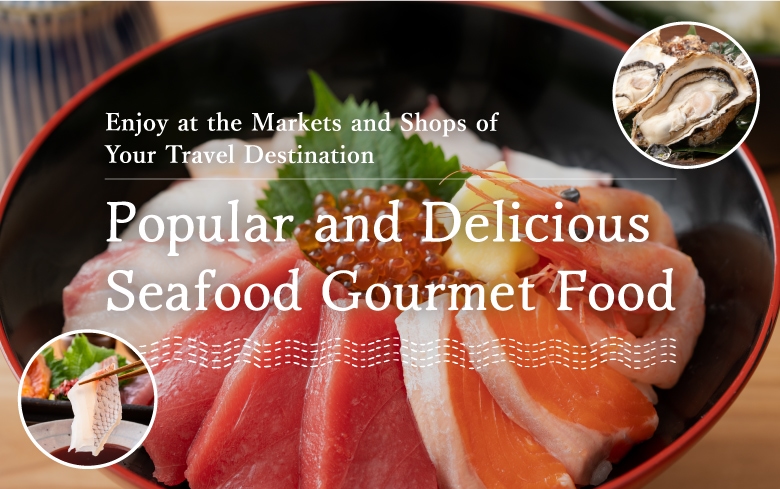
If you want to enjoy freshly caught seafood, a restaurant at the fish market is a must. Breakfast is especially popular. Frequented by people working at fishing ports and markets, these spots offer hearty seafood bowls and set meals at reasonable prices. Some of the most popular markets among tourists include Hakodate Morning Market, Otaru Triangle Market, Odawara Fish Center, Sakata Seafood Market, Fukui Nihonkai Fish Town, Oarai Seafood Market, and Tsukiji Outer Market. Enjoy the lively atmosphere while filling your stomach with delicious seafood.
All 2 facilities
海鮮居酒屋 海神
"Watatsumi" is a seafood izakaya in Miyazu City, Kyoto, known for fresh seasonal fish caught daily at Ine Bay and a carefully curated selection of local sake. The menu features generous portions such as "Otsukuri Moriawase" (sashimi platter) and "Nigirizushi Moriawase" (sushi platter), along with seasonal delicacies like isaza, rock oysters, cockles, and blue crab. Rare fish not typically found on the market are also served at reasonable prices. A variety of alcoholic drinks is available to complement the dishes, including premium local sake. The cosy, relaxed interior offers comfortable table seating. Conveniently located near Amanohashidate, it's an ideal stop during your travels.
京・寿司 おおきに
The chef, born to a sushi chef father, trained at some of Kyoto's leading kaiseki restaurants and sushi establishments before opening his own restaurant in 2000. Only wild-caught seafood is used, along with vegetables grown primarily without pesticides. Ingredient selection emphasizes a health-conscious approach, including the complete avoidance of chemical seasonings. Alongside traditional nigiri, the popular specialty "Kyoto Vegetable Pickle Sushi," made with Kyoto vegetables and other ingredients, is also served. The restaurant is suitable for everything from everyday meals to business dinners and group gatherings.