


Recommended articles in the same area
Introducing seasonal outing spots and event information in Shizuoka! Visit the places that interest you!
大乗院 三仭坊
 Iwata City, Shizuoka
大乗院 三仭坊
A Yamabushi Prayer Center Closely Connected to People's Lives
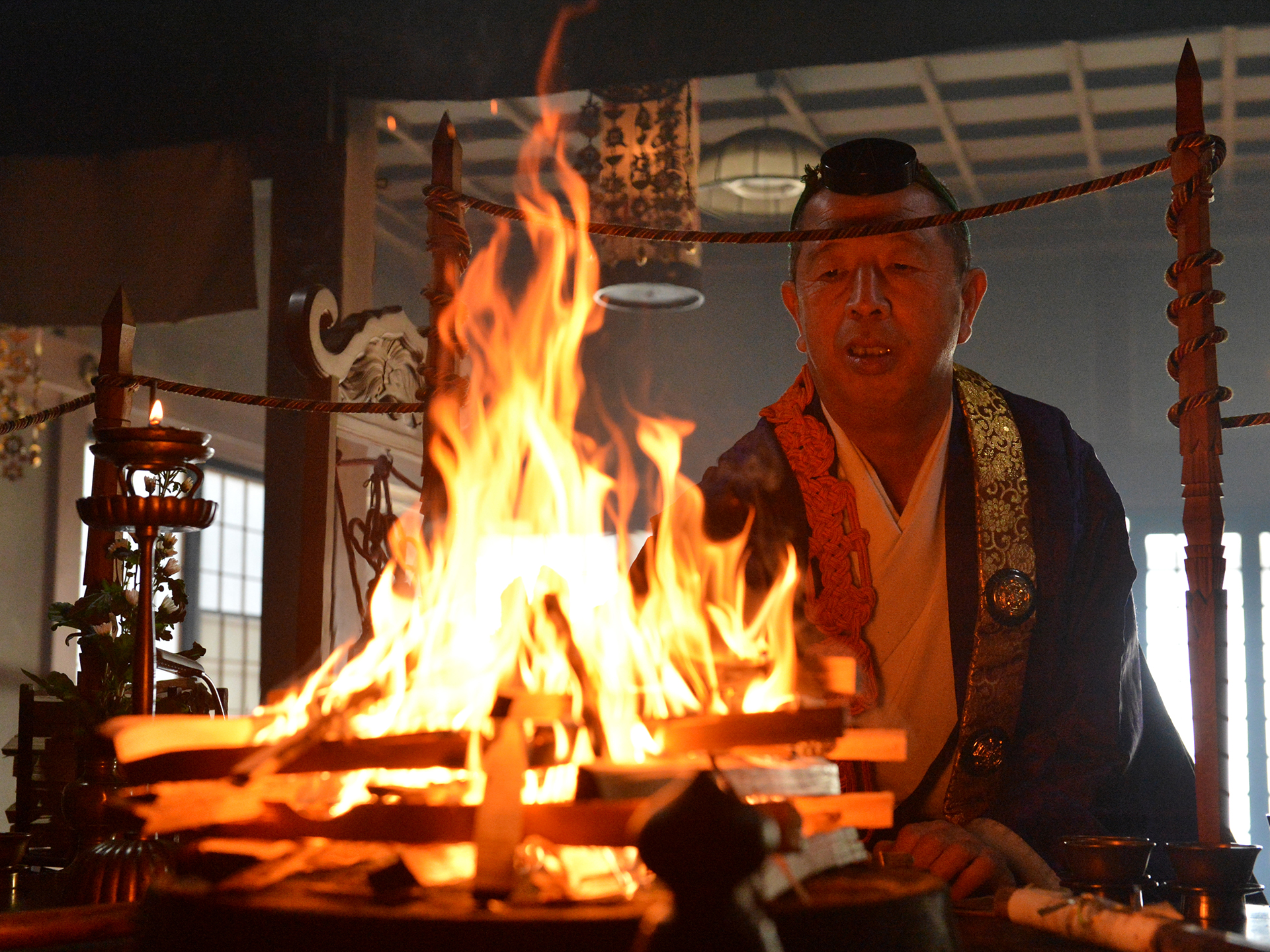
Located in Nakaizumi, Iwata City, Shizuoka Prefecture, "Daijoin Mihirobo Temple" is affectionately known as 'Mihirobo-san.' Long a place where people have sought help with their concerns, the temple serves as a center for prayer rituals conducted by yamabushi (Japanese religious ascetics who undergo rigorous training in the mountains). These practitioners perform prayers and purification rituals and offer house-layout assessments and fortune readings, helping people address a wide range of worries and uncertainties. From major life aspirations and concerns about the future to personal worries and everyday problems, the temple offers an approachable place to seek advice. It is cherished as a warm, welcoming temple for those hoping to fulfill a wish, ease their worries, or find a way forward.



Chief priest
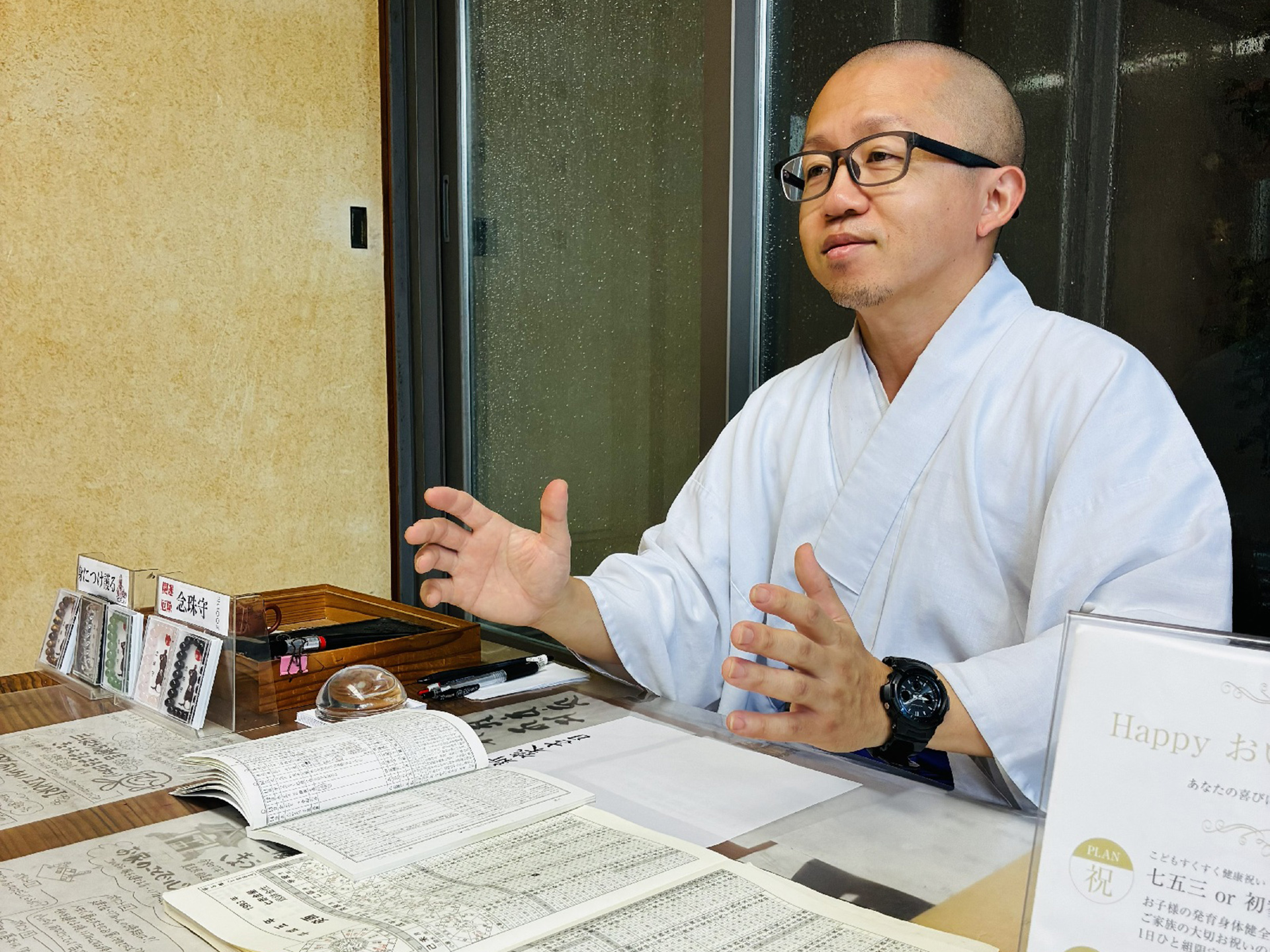
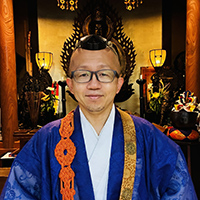
Ogasa Ryoun
A chief priest and Shugendo practitioner who has undergone rigorous training in the mountains, he listens to people's concerns and prayers. From major life decisions to everyday anxieties, he offers each person compassionate support.

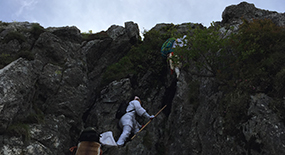
A yamabushi undergoes rigorous training in the mountains while also raising a family and experiencing the joys and hardships of everyday life. Because he lives much like those who seek his guidance, he is able to support people from a close and understanding perspective through the many concerns they face in life. Through prayer rites and consultation, he offers support from birth through major milestones and new beginnings, and ultimately through the final stage of life.

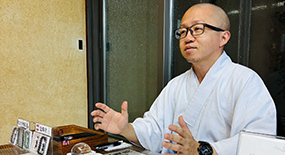
Another distinctive feature is the wide range of services offered, from jichinsai ground-purification rites and house-orientation assessments when building a home to personal fortune readings. Drawing on a perspective rooted in yamabushi practice, prayers are offered for concerns ranging from everyday matters to major new stages in life, providing guidance when taking a new step forward.

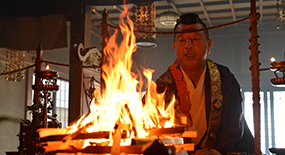
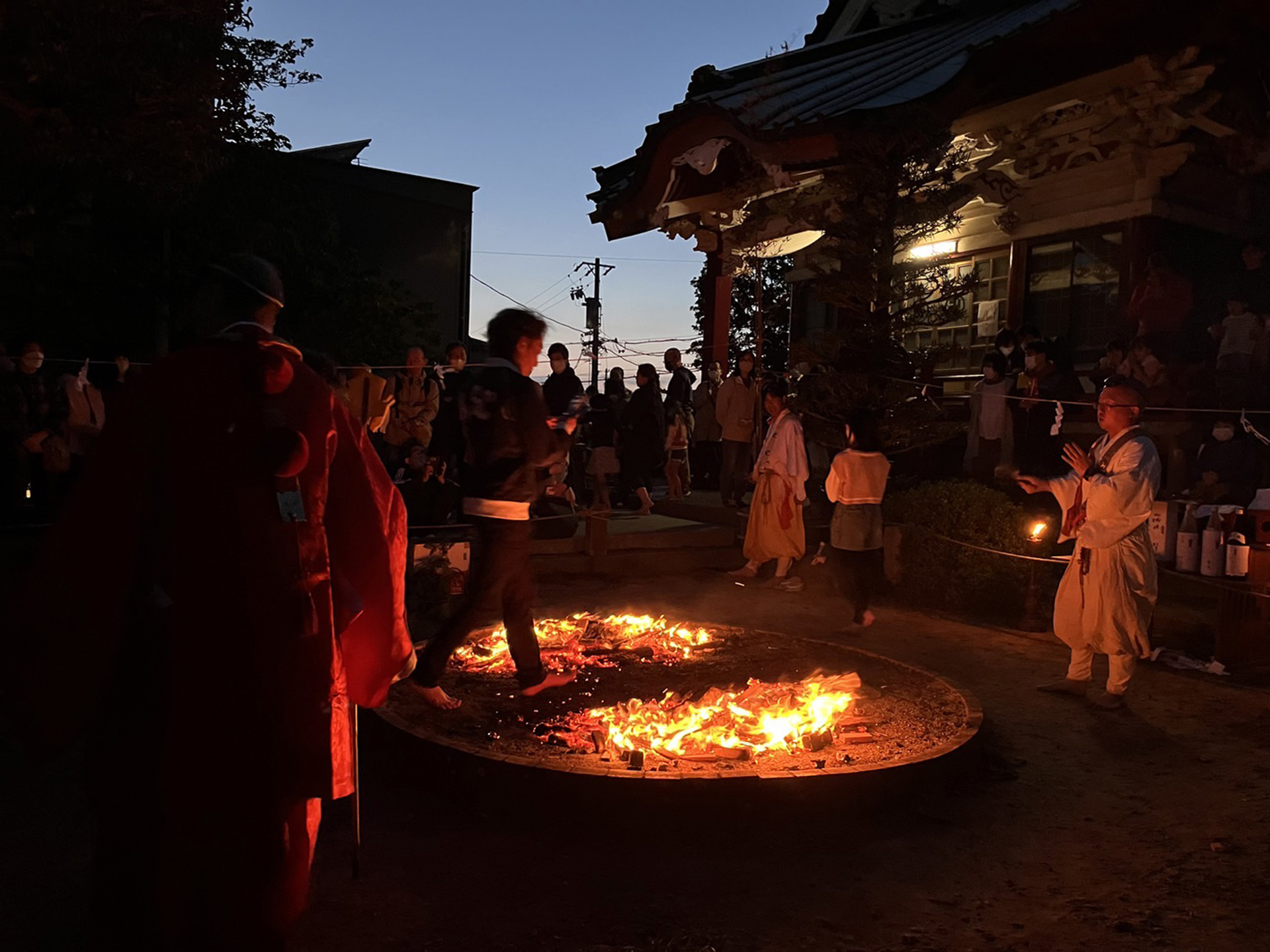
At the "Monthly Goma Prayer Festival", held on the 27th of every month except April, the impurities of those seeking prayers are burned away before the principal object of worship, while goma prayer sticks bearing their wishes are offered to the flames. At the annual grand festival in April, participants may also take part in a powerful fire-walking ritual. The powerful prayers through fire characteristic of Shugendo offer a chance to purify body and mind and renew one's spirit.

 Shichi-go-san (Children’s Ceremony)
 Miyamairi (Newborn Blessing)
 Matchmaking
 Cutting Ties
 Financial Luck
 Business Prosperity
 Yakuyoke (Purification)
 Health & Well-being
 Safe Childbirth
 Exam Success
 Traffic Safety
 Fertility
 Performing Arts
 Love Fulfillment
 Bountiful Harvest
 Family Safety
 Academic Success
 Recovery from Illness

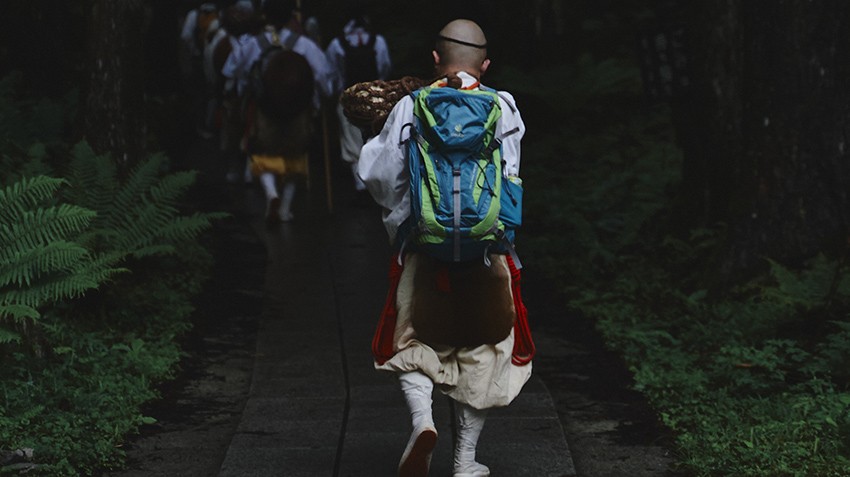
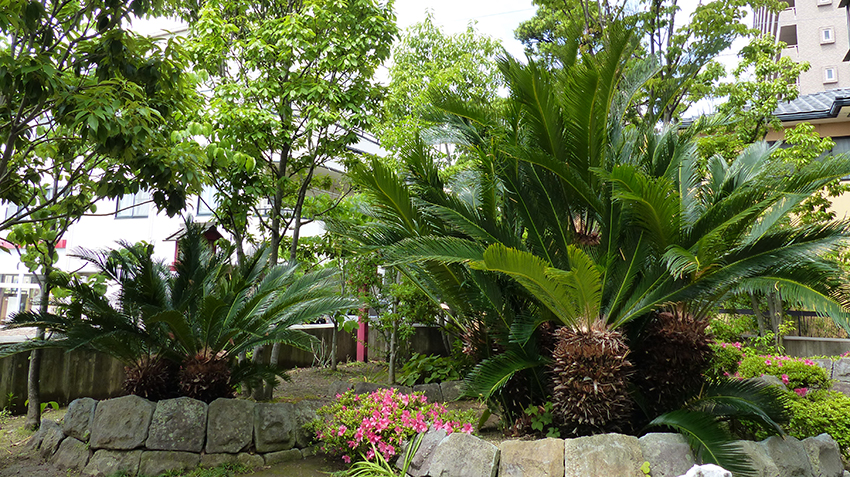
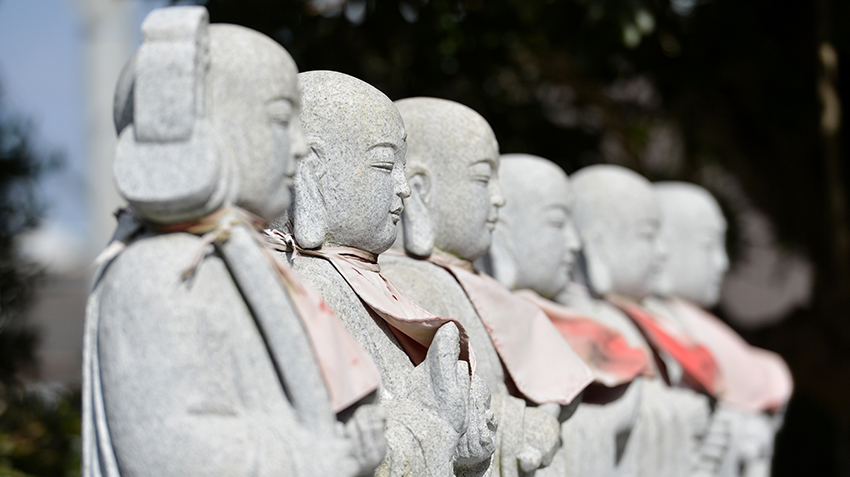
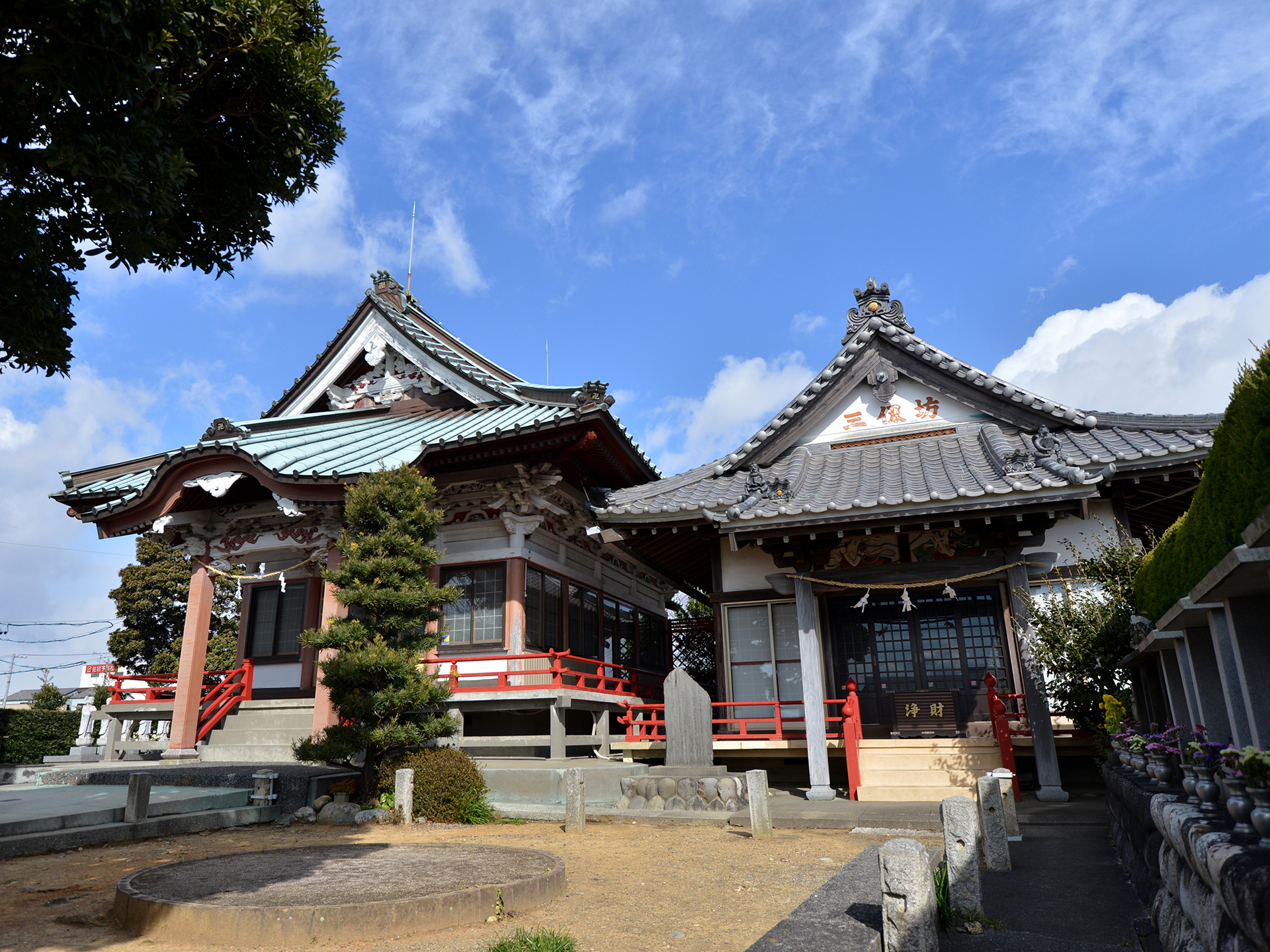
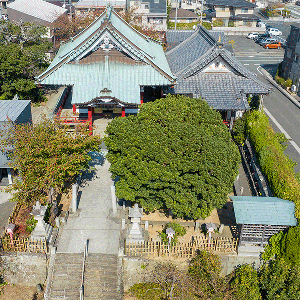
"Daijoin Mihirobo Temple", a temple of the Daigo school of Shingon Buddhism, is said to have a history of about 1,300 years. It has long served as a place of prayer and training for yamabushi, and its grounds contain two temples, "Kanko-zan Daijoin" and "Ogasayama Shoryuji." In the early Edo period, it oversaw yamabushi from Mikawa Province to the Kanto region and had close ties with Tokugawa Ieyasu. "Ogasayama Shoryuji" is said to have protected against the unlucky northeast direction when a residence was built in Iwata, and descendants of a sago palm believed to have been planted by Ieyasu still remain on the grounds. The temple was temporarily abolished following the Meiji government's prohibition of Shugendo, but it was revived from the late Meiji to Taisho period and merged with "Daijoin" in 1942. Its two principal deities are Daishomen Kongo, associated with recovery from illness, and Mihirobo Daigongen, believed to overcome difficulties and guide worshippers toward the fulfillment of great wishes.
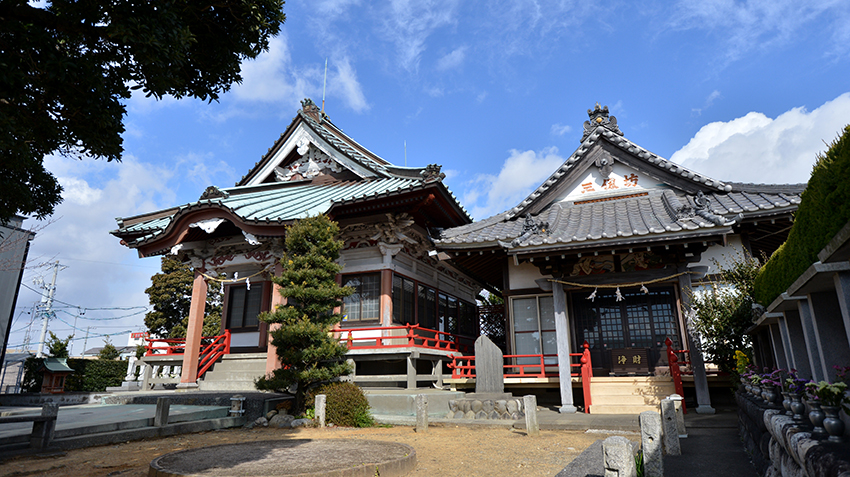
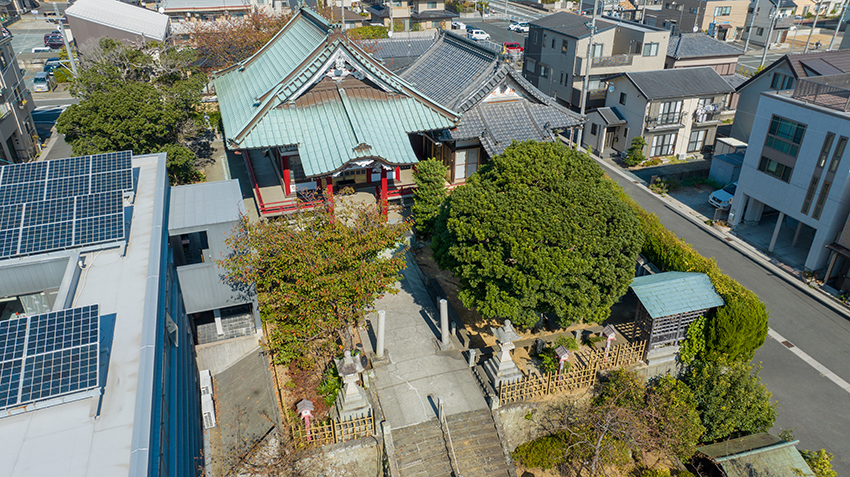
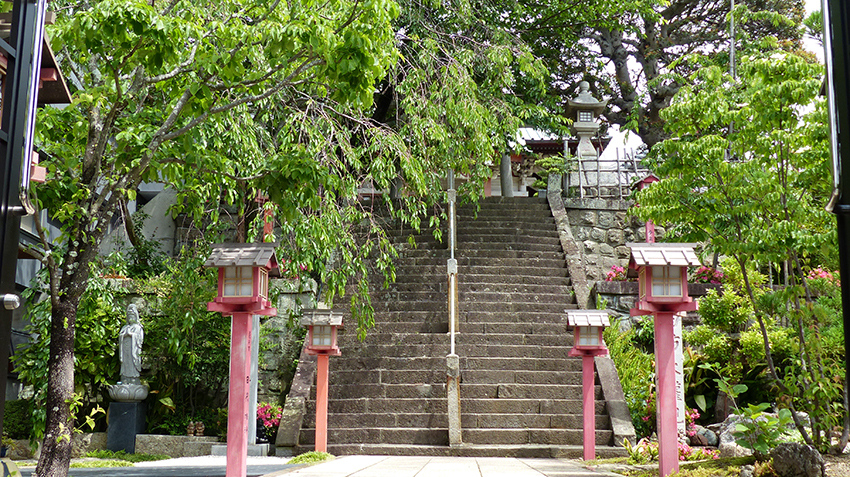
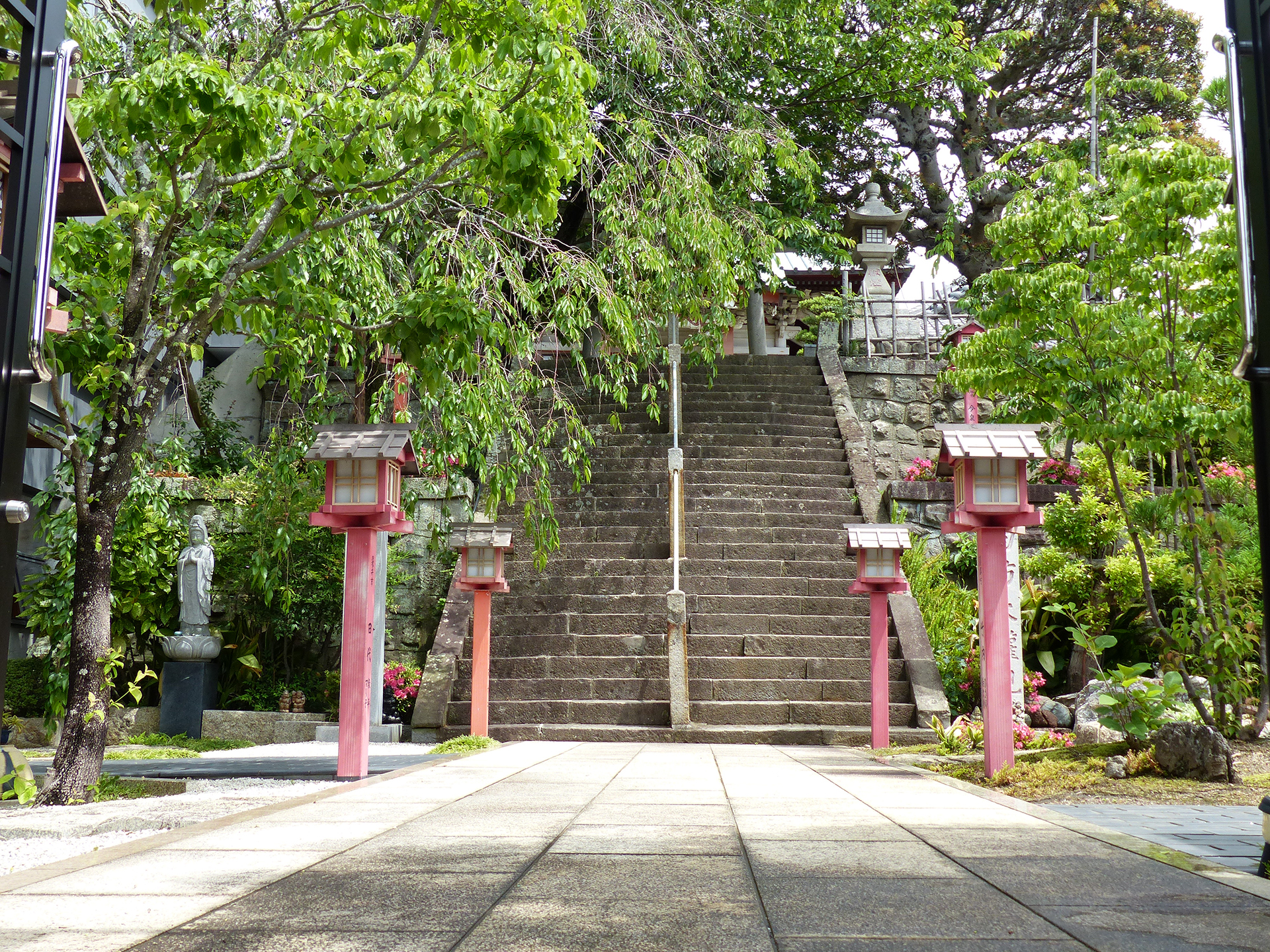
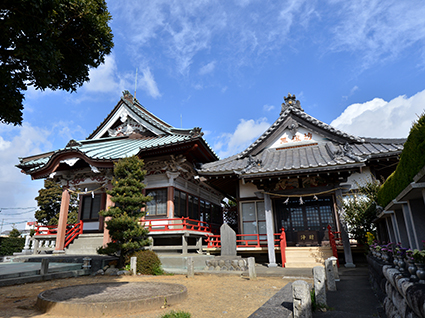
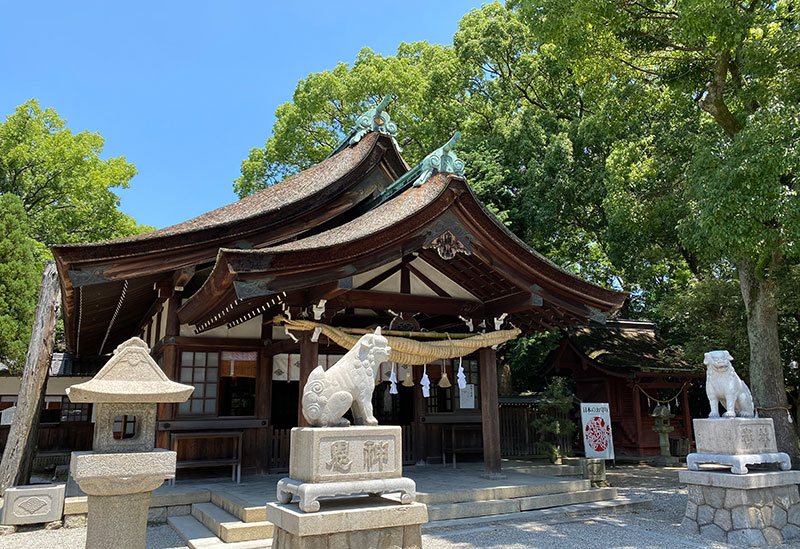
The Main Hall stands atop the Koshinzuka Kofun in Iwata City, Shizuoka Prefecture. Said to have a history extending back to the Nara period, the site has long attracted local devotion. In connection with the principal image, Daishomen Kongo, carvings of the Three Wise Monkeys, known for the saying "See no evil, speak no evil, hear no evil", can also be seen. The Main Hall, built in the latter half of the Edo period, is distinguished by intricate wood carvings throughout. These include the twelve animals of the zodiac, the moon and sun, and ascending and descending dragons, expressing the complementary principles of yin and yang. Particularly distinctive is a carving of the zodiac rat seated on a daikon radish. Other points of interest include a garden developed as part of urban planning in 2006, the Six Jizo (Buddhist bodhisattva), Benten, and Inari. An old cherry tree on the grounds produces beautiful blossoms in spring, marking the changing seasons. The grounds offer an opportunity to encounter the worldviews of Esoteric Buddhism and Shugendo while appreciating the craftsmanship of the detailed carvings.
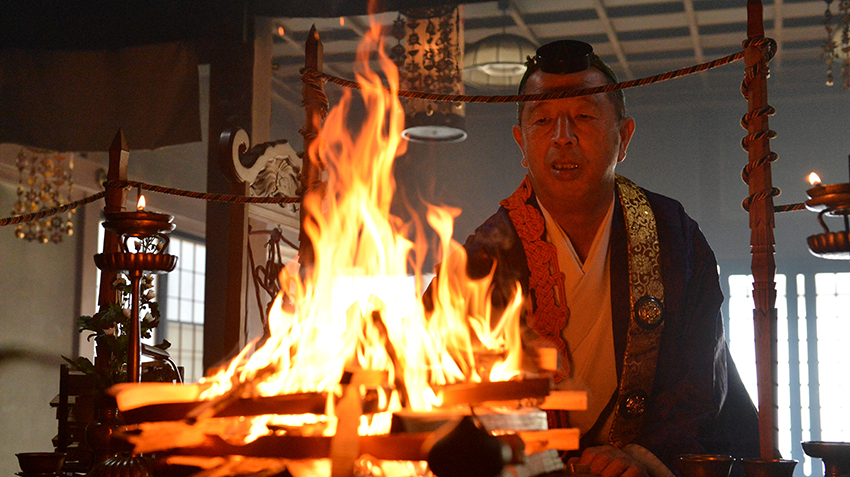
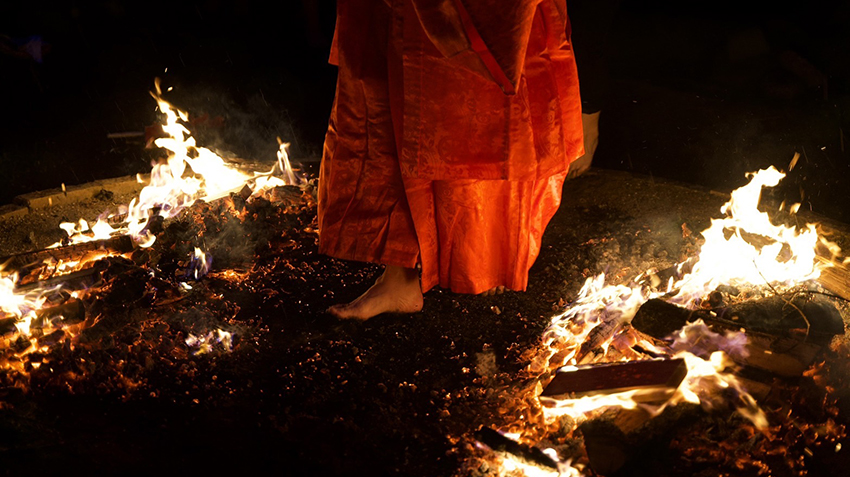
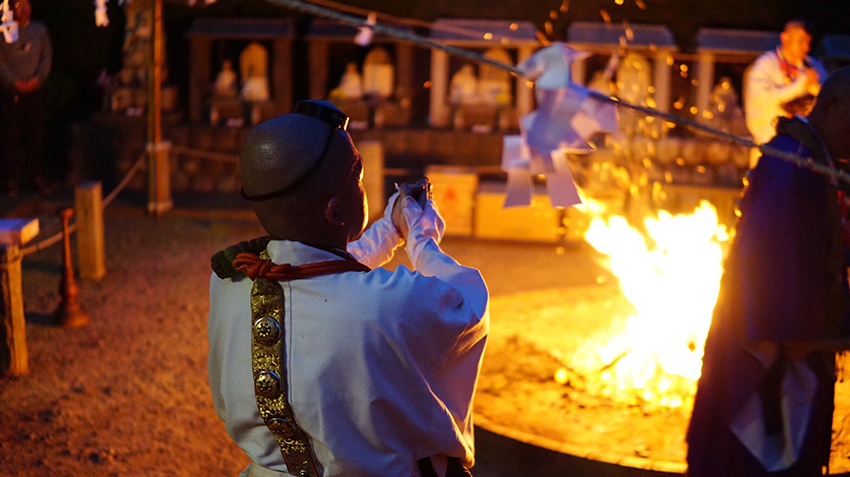
This temple of yamabushi mountain ascetics supports people while maintaining traditions of rigorous religious training. Through services such as house-orientation assessments when building a home, personal fortune readings, divination, and name selection, it offers support for life's turning points and everyday concerns and is said to give people the strength to move forward. On the 27th of every month except April, the "Monthly Goma Prayer Festival" is held before the principal object of worship, with goma prayer sticks bearing people's wishes burned in the ritual fire. The ritual is said to burn away the petitioners' impurities and convey their wishes to the principal object of worship. A special kaji ritual using the goma fire is also performed to purify each person's body and mind. At the annual "Daijoin Mihirobo Temple Grand Festival", held on the third Sunday of April, prayers are offered for protection from misfortune, family safety, prosperity in business, recovery from illness, physical and mental well-being, and the fulfillment of many other wishes. A powerful fire-walking ritual, open to anyone, is also performed. Amid the resounding conch shells and Buddhist chanting, the powerful flames of this distinctive Shugendo prayer ritual offer a moment to renew one's spirit.

Daijoin Mihirobo Temple
大乗院 三仭坊


Introducing seasonal outing spots and event information in Shizuoka! Visit the places that interest you!
Pick popular spots nearby!

11.2kmfromDaijoin Mihirobo Temple
Address:3F Kajimachi Plaza, 1-2 Kajimachi, hamamatsu, shizuoka

23.8kmfromDaijoin Mihirobo Temple
Address:193 Tabata, Inasa Town, hamamatsu, shizuoka

38.7kmfromDaijoin Mihirobo Temple
Address:80-2 Hiuchizaka, Oiwa Town, toyohashi, aichi

43.2kmfromDaijoin Mihirobo Temple
Address:53 Kamidenma Town, toyohashi, aichi

55.2kmfromDaijoin Mihirobo Temple
Address:4-1 Sotoda, Natsuyama Town, okazaki, aichi

56kmfromDaijoin Mihirobo Temple
Address:2F SOZOSYA TERRACE, 16-3 Shichiken Town, shizuoka, shizuoka

56.7kmfromDaijoin Mihirobo Temple
Address:20 Miyuki Town, shizuoka, shizuoka

56.8kmfromDaijoin Mihirobo Temple
Address:(Shin-Shizuoka Station) Takajo 1-14-1, shizuoka, shizuoka

62.8kmfromDaijoin Mihirobo Temple
Address:(Summit of Nihon-daira) 597-8 Kusanagi, shizuoka, shizuoka
81.3kmfromDaijoin Mihirobo Temple
Address:12 Kanda, Nishimachi, chiryu, aichi
 Café/Sweets
7.5kmfromDaijoin Mihirobo Temple
Address:959 Iida Town, hamamatsu, shizuoka
 Local Specialties
8.3kmfromDaijoin Mihirobo Temple
Address:454 Shimoe Town, hamamatsu, shizuoka
 Izakaya/Bar
11.4kmfromDaijoin Mihirobo Temple
Address:2F Anset Building, 312-12 Sakana Town, hamamatsu, shizuoka
 Café/Sweets
11.4kmfromDaijoin Mihirobo Temple
Address:2588-1 Komatsu, hamamatsu, shizuoka
 Local Specialties
11.6kmfromDaijoin Mihirobo Temple
Address:18F Hotel Concorde Hamamatsu, 109-18 Motojo Town, hamamatsu, shizuoka
 Chinese Cuisine
11.6kmfromDaijoin Mihirobo Temple
Address:2417-9 Aritamanishi machi, hamamatsu, shizuoka
 Café/Sweets
12.7kmfromDaijoin Mihirobo Temple
Address:3-26-7 Hirosawa, hamamatsu, shizuoka
 Japanese Cuisine
21kmfromDaijoin Mihirobo Temple
Address:238-2 Kiga, Hosoe Town, hamamatsu, shizuoka
 Japanese Cuisine
43.7kmfromDaijoin Mihirobo Temple
Address:5 Monzen Town, toyokawa, aichi
 Café/Sweets
44.7kmfromDaijoin Mihirobo Temple
Address:1-11-9 Nishikogawa, yaizu, shizuoka

11.5kmfromDaijoin Mihirobo Temple
Address:218-1 Motoshiro Town, hamamatsu, shizuoka

48.1kmfromDaijoin Mihirobo Temple
Address:Hamatome Kaigandori Hoshigaoka, yaizu, shizuoka

51.3kmfromDaijoin Mihirobo Temple
Address:(Front Desk) 3375-1 Mariko, shizuoka, shizuoka

51.4kmfromDaijoin Mihirobo Temple
Address:3344-11 Mariko, shizuoka, shizuoka

55.7kmfromDaijoin Mihirobo Temple
Address:411 Nakanoshinden, shizuoka, shizuoka

56kmfromDaijoin Mihirobo Temple
Address:2-2-5 Hitojyuku Town, shizuoka, shizuoka

56.9kmfromDaijoin Mihirobo Temple
Address:1-40 Morishita Town, shizuoka, shizuoka

71.4kmfromDaijoin Mihirobo Temple
Address:6 Okitsu Hon Town, shizuoka, shizuoka

71.8kmfromDaijoin Mihirobo Temple
Address:103 Okitsu Naka Town, shizuoka, shizuoka

75.4kmfromDaijoin Mihirobo Temple
Address:4269-10 Umegashima, shizuoka, shizuoka

