


Recommended articles in the same area
Introducing seasonal outing spots and event information in Aichi! Visit the places that interest you!
知立神社
 Chiryu City, Aichi
知立神社
A Renowned Tokaido Shrine Known as Mikawa Province's Second-Ranked Shrine
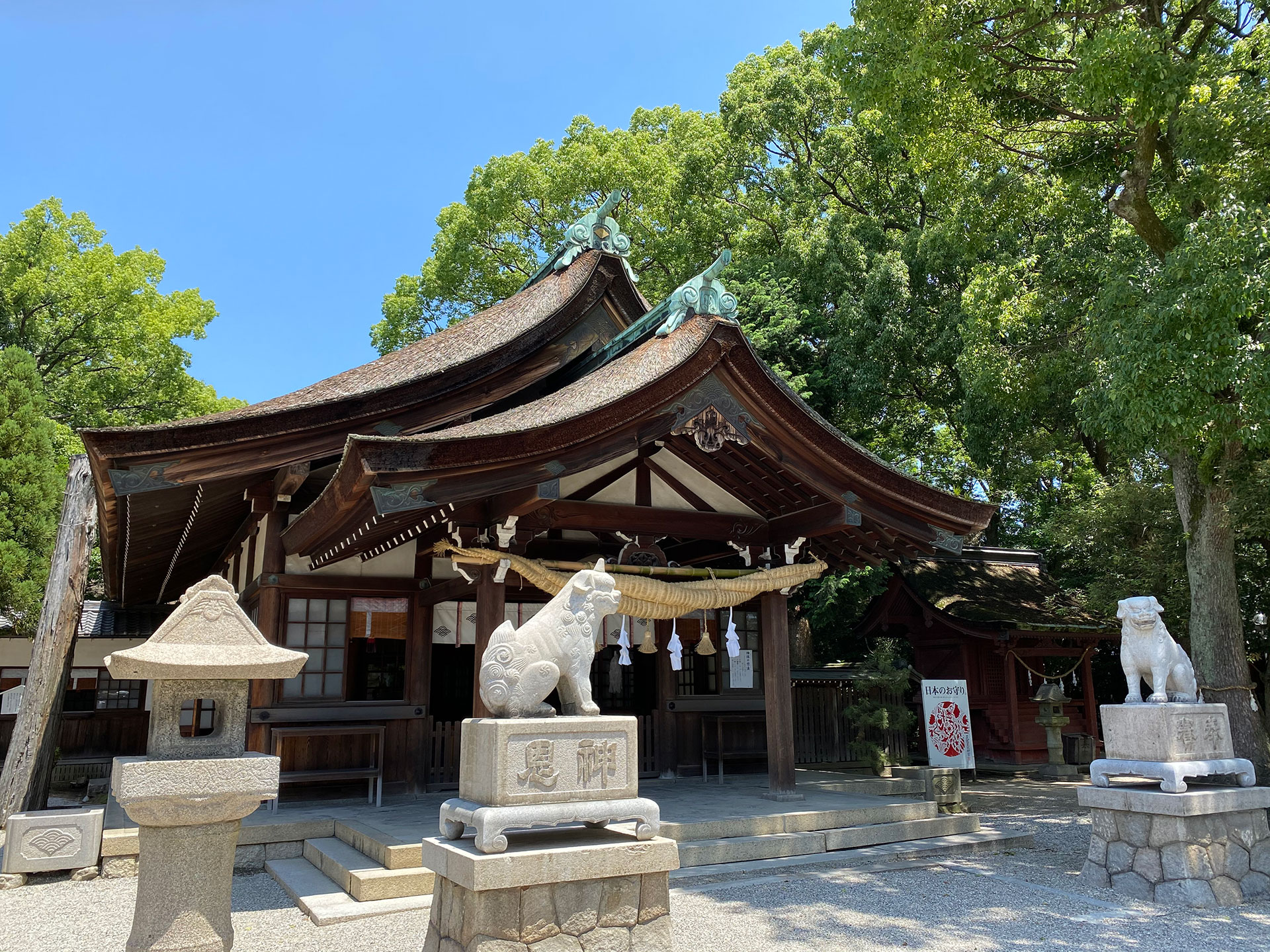
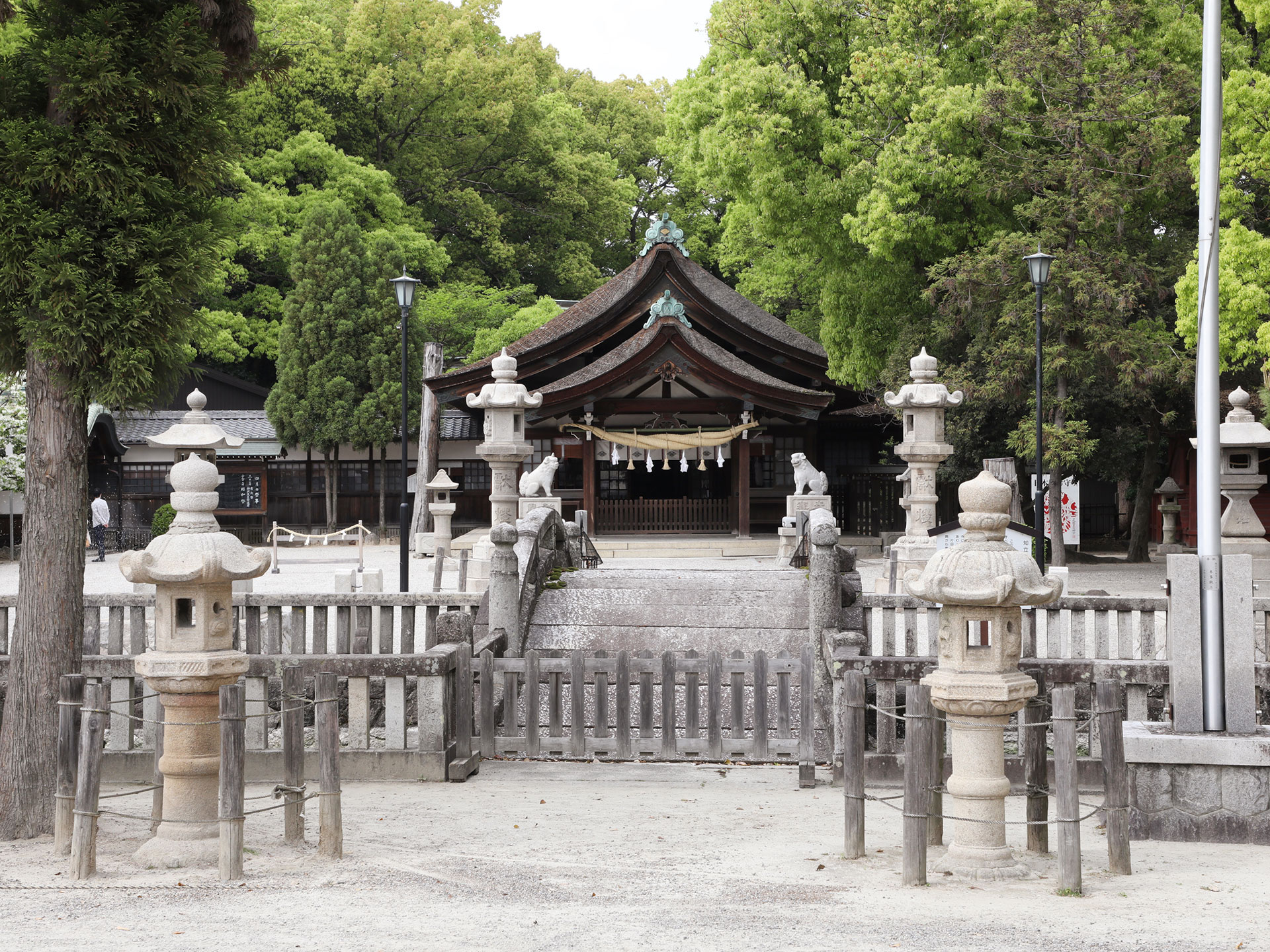
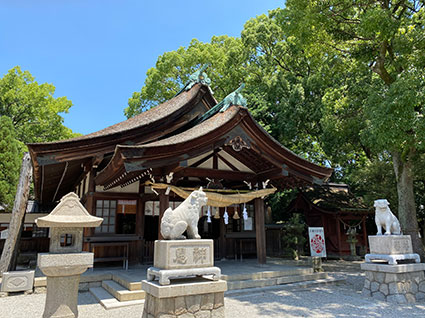
"Chiryu Shrine" stands in Nishimachi, Chiryu City, Aichi Prefecture. Its origins trace back to Yamato Takeru-no-Mikoto, who prayed for victory during his campaign to pacify eastern Japan and enshrined an ancestral deity of the imperial family on his return. The shrine has attracted devoted worshipers for over 1,000 years. It enshrines four deities, including Ugayafukiaezu-no-Mikoto. Revered as the Ninomiya (second-ranking shrine) of Mikawa Province, it has long been associated with protection from mamushi pit vipers and blessings for safe childbirth. A tahoto pagoda designated as a National Important Cultural Property stands on the grounds. Together with the historic shrine buildings, it reflects the religious traditions passed down through generations.





Assistant priest
Nonoyama Masato
As a Shinto priest, he serves as a "nakatorimochi," an intermediary connecting local parishioners with the deity, and devotes himself to serving the shrine. He carries out his duties with a strong sense of purpose while supporting worshippers' prayers and

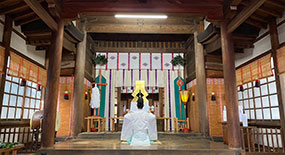
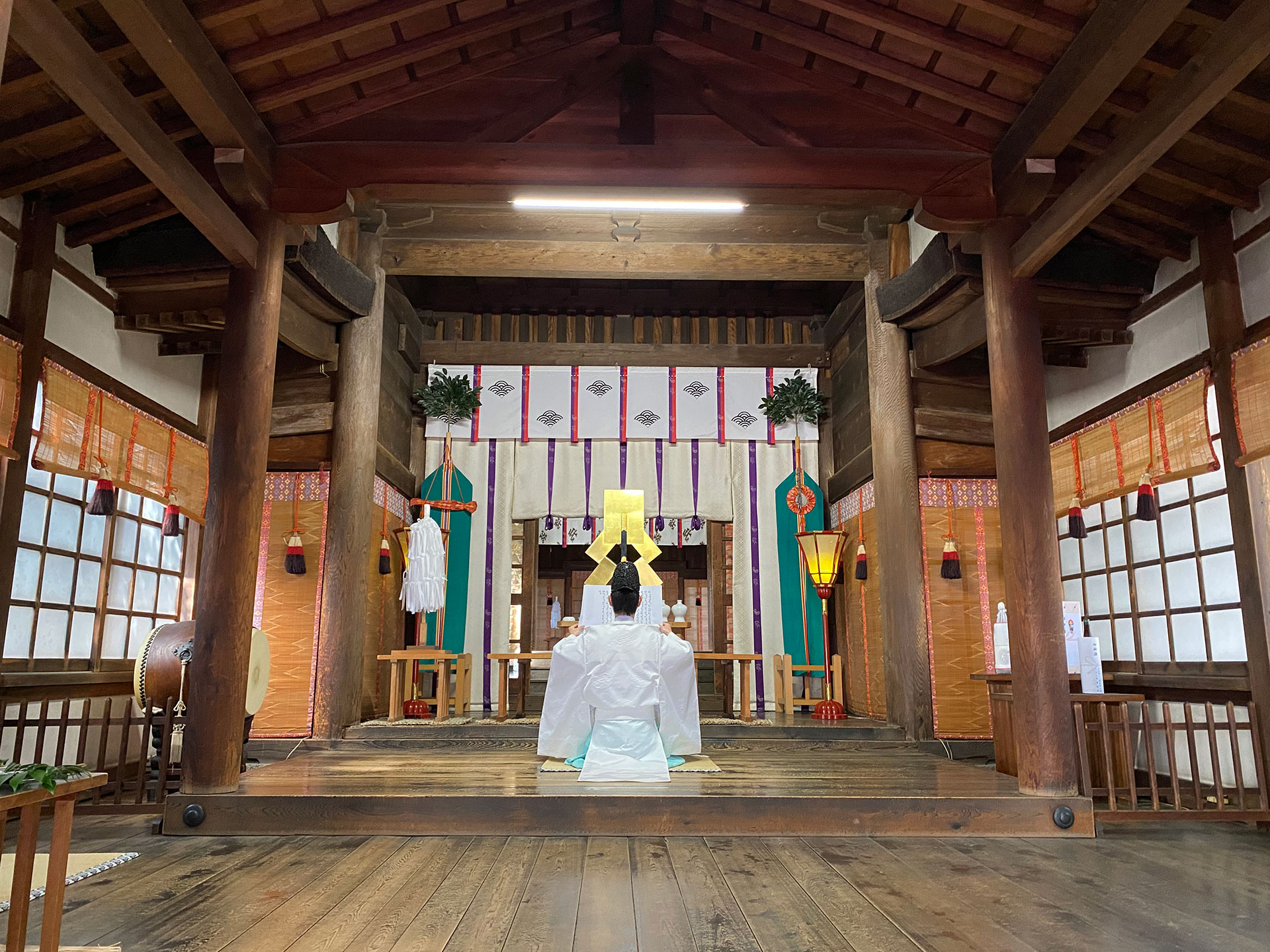
Prayer rites are conducted every day for a range of life events and personal wishes, including safe childbirth, Hatsumiyamairi, Shichi-Go-San, and purification for yakudoshi, or traditionally inauspicious years. Group prayers for companies and other organizations are also available, along with off-site ceremonies such as jichinsai ground-purification rites. Reservations are required for these services.

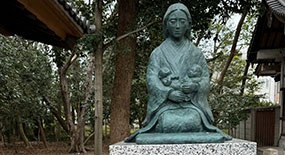
Chiryu Shrine was served for generations by members of the Nagami family as its Shinto priests. "Oman no Kata", daughter of the seventeenth priest, became a concubine of Tokugawa Ieyasu while he was residing at Hamamatsu Castle. She gave birth to twin sons in Ubumi Village near the castle. One later became Yuki Hideyasu, while the other, Nagami Sadaai, was taken in by his mother's family and later succeeded as priest of "Chiryu Shrine".

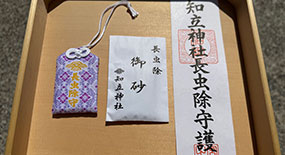
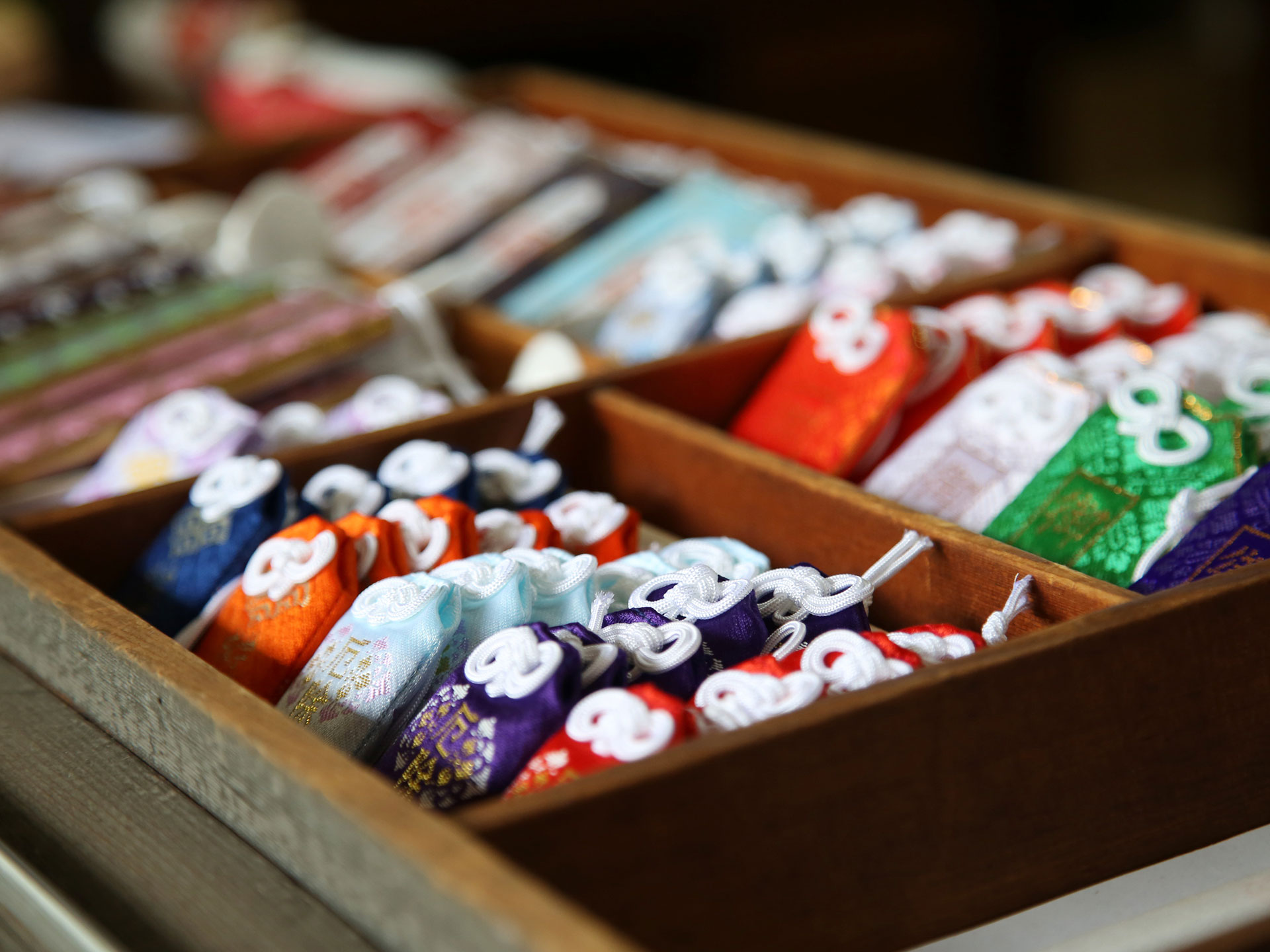
During the Edo period, the shrine was widely known as "Chirifu Daimyojin". Travelers along the Tokaido frequently received talismans for protection from mamushi pit vipers and for safety on their journeys. The talismans gained a reputation for protecting those who carried them from snakebites, and the deity was invited and enshrined at branch shrines across a wide area from northern Kanto to the Sanin region, attracting deep devotion.

 Shichi-go-san (Children’s Ceremony)
 Miyamairi (Newborn Blessing)
 Matchmaking
 Cutting Ties
 Financial Luck
 Business Prosperity
 Yakuyoke (Purification)
 Health & Well-being
 Safe Childbirth
 Exam Success
 Traffic Safety
 Fertility
 Performing Arts
 Love Fulfillment
 Bountiful Harvest
 Family Safety
 Academic Success
 Recovery from Illness

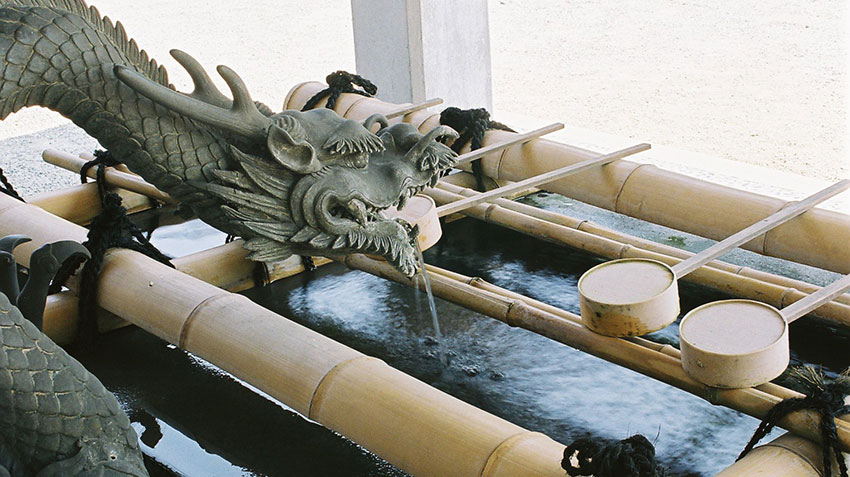
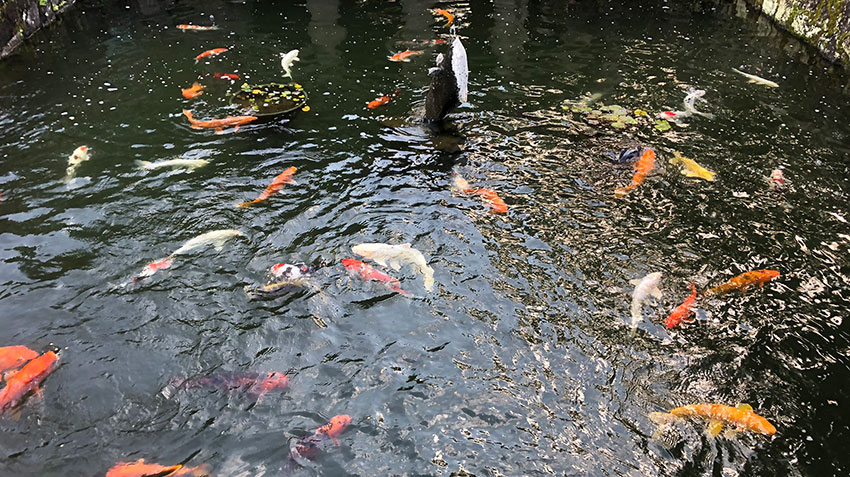
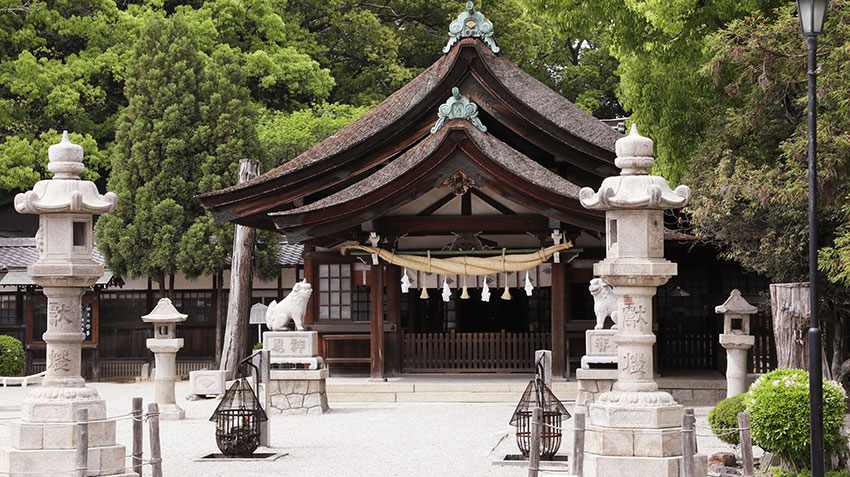
Tradition holds that during the reign of Emperor Keiko, Yamato Takeru-no-Mikoto stopped here on his way to subdue the eastern regions, enshrined the ancestral deities of the imperial line, and prayed for victory. After the campaign, he is said to have built a shrine in gratitude, enshrining Ugayafukiaezu-no-Mikoto as the principal deity together with Hikohohodemi-no-Mikoto, Tamayorihime-no-Mikoto, and Kamu-Yamato-Iwarehiko-no-Mikoto. The shrine is listed as a shikinaisha in the "Engishiki Jinmyocho," compiled in 927, and in the medieval period was revered as Mikawa Province's Ninomiya. During the Edo period, it received deep devotion from local lords and other daimyo. Successive lords of the Kariya Domain worshipped here and made ritual offerings, while many daimyo passing through on sankin-kotai journeys are said to have received shrine talismans. Before the Meiji period, it was known as "Chirifu Daimyojin" and counted among the three major shrines along the Tokaido.
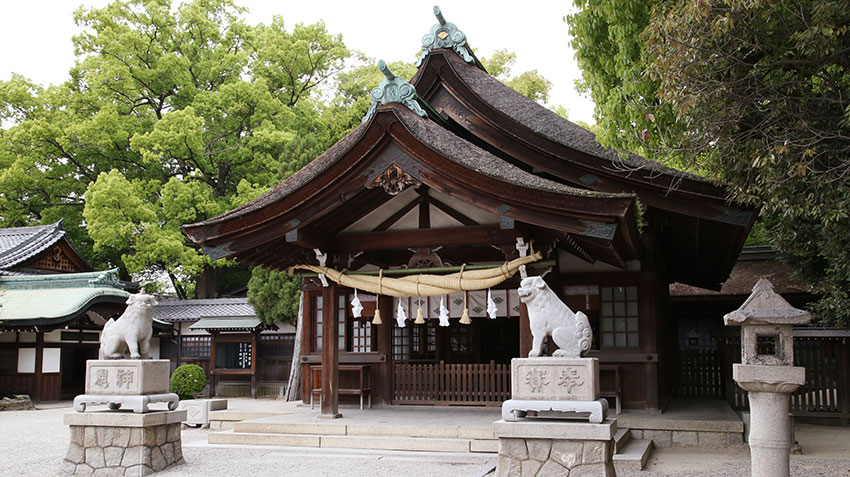
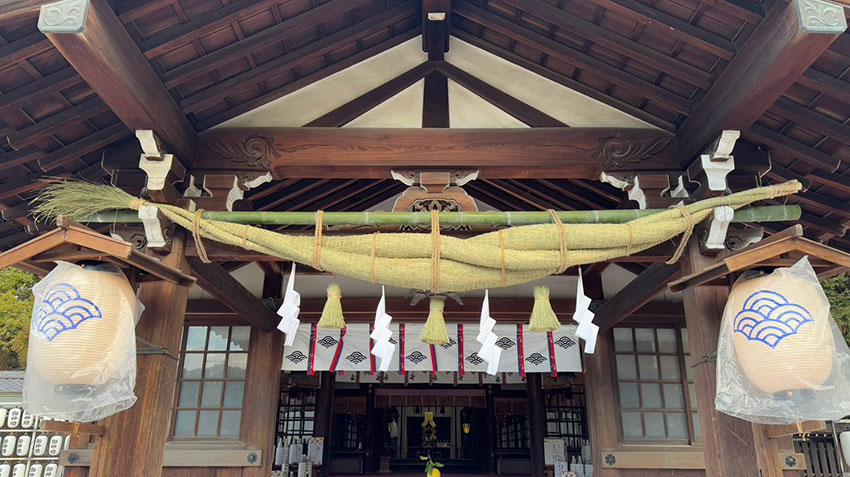
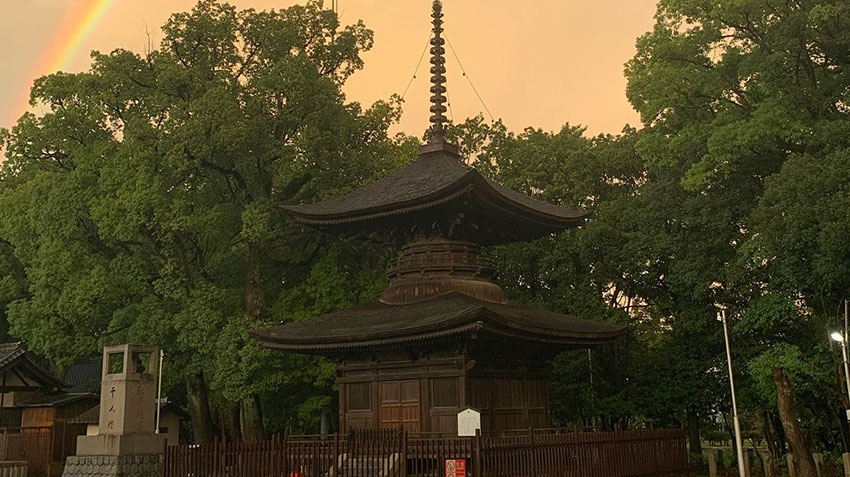
During the Sengoku period, the shrine stood near the border between Owari and Mikawa provinces and was repeatedly caught in warfare. In 1547, the area became a battlefield between the Oda and Imagawa forces, and the shrine buildings were destroyed by fire set by Toda Nobumitsu, a commander on the Imagawa side. After the shrine site was temporarily moved to Shigehara Village, the shrine was relocated once again to its present location when new buildings were constructed in 1571, after the fighting had subsided.
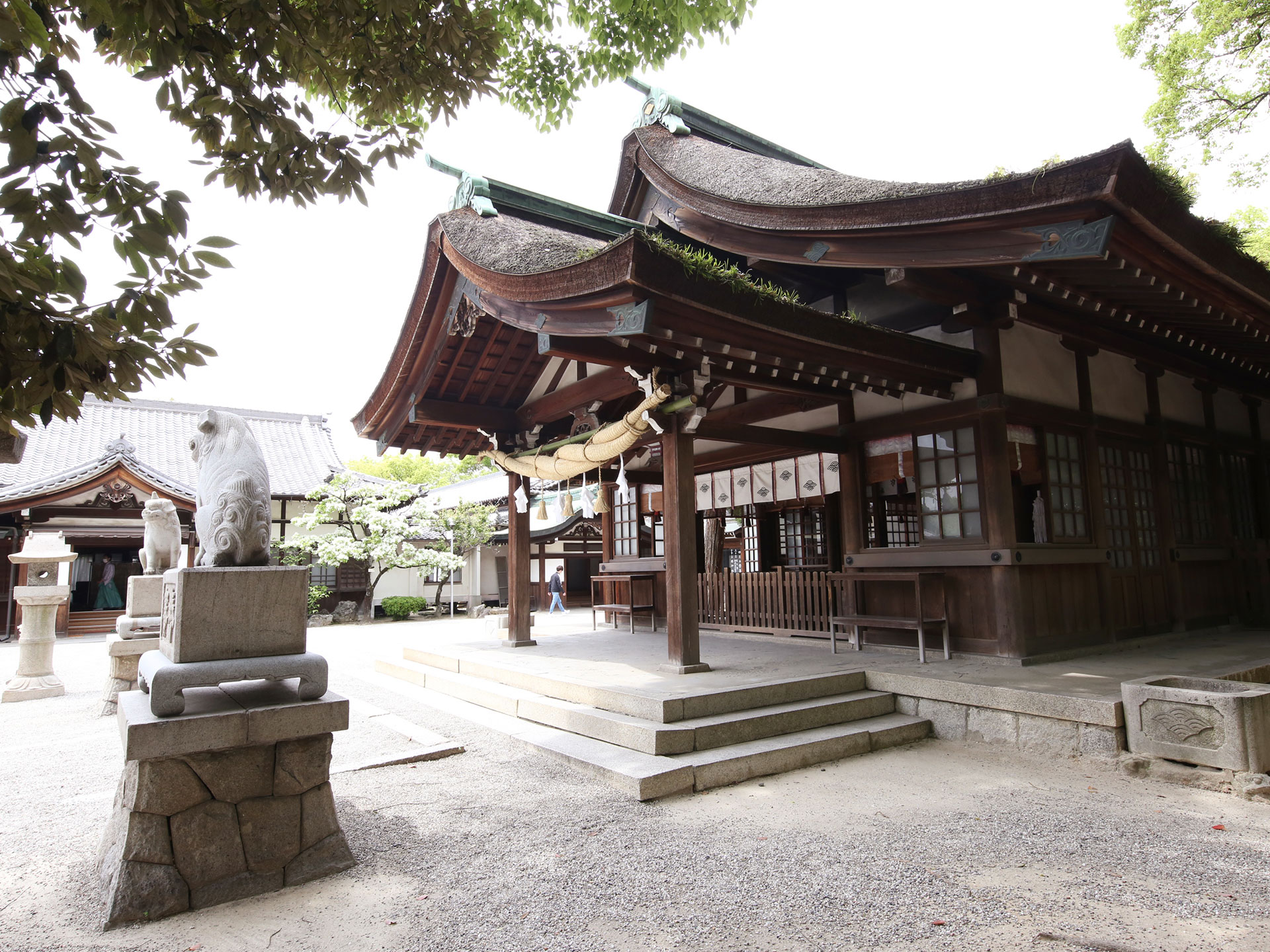
The present Main Sanctuary, Heiden, Worship Hall, Saimonden Hall, and corridors, together with the auxiliary "Ubagami Shrine" and the "Chirifu-an" teahouse, were registered as National Tangible Cultural Properties in 2014. The shrine buildings from the Main Sanctuary to the Worship Hall are aligned in a single row along a north-south central axis. The entrance to the Worship Hall is positioned on the gabled end of the roof in a configuration known as "tsumairi." This architectural arrangement is called "Owari-zukuri" and is considered extremely rare in the Mikawa region, making it an important surviving example in the architectural history of shrines. The complex preserves both the history inherited through the upheavals of the Sengoku period and its distinctive architectural form.
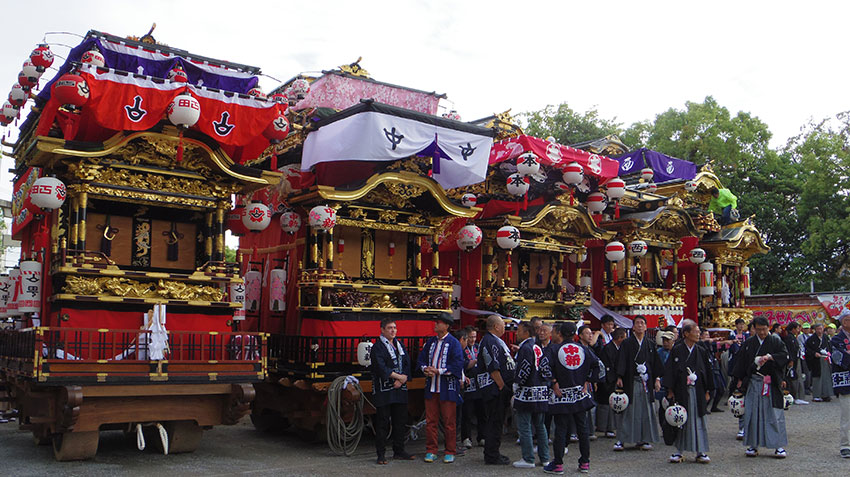
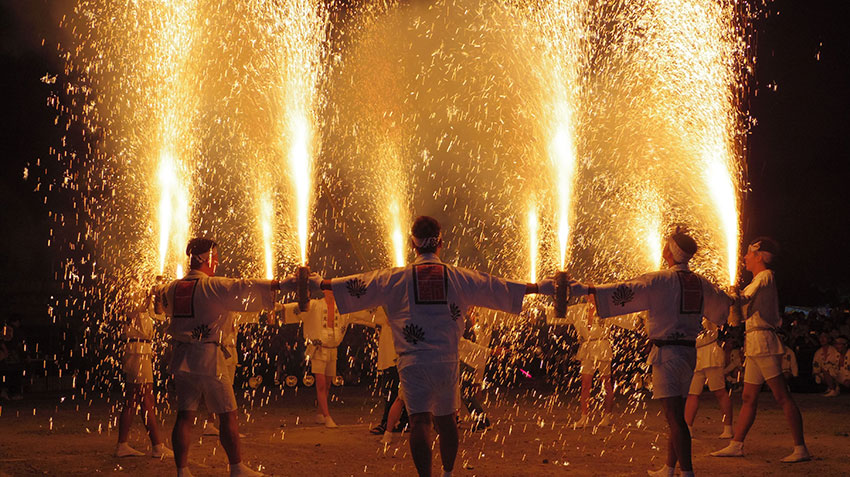
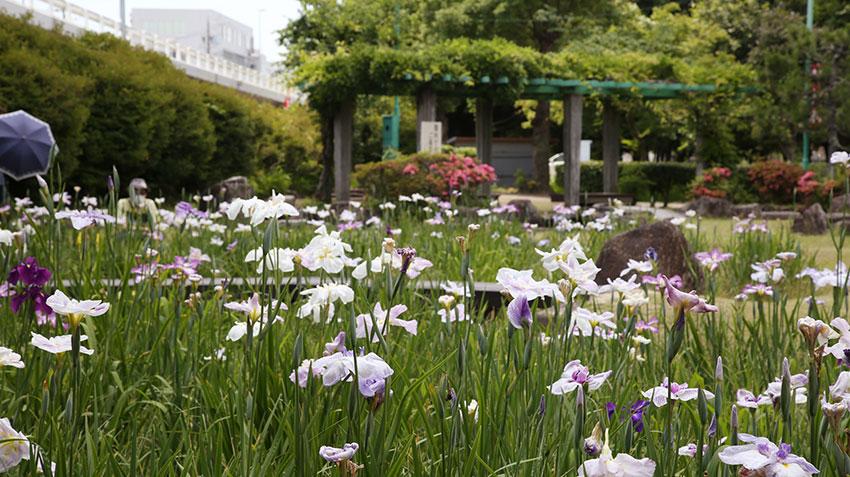
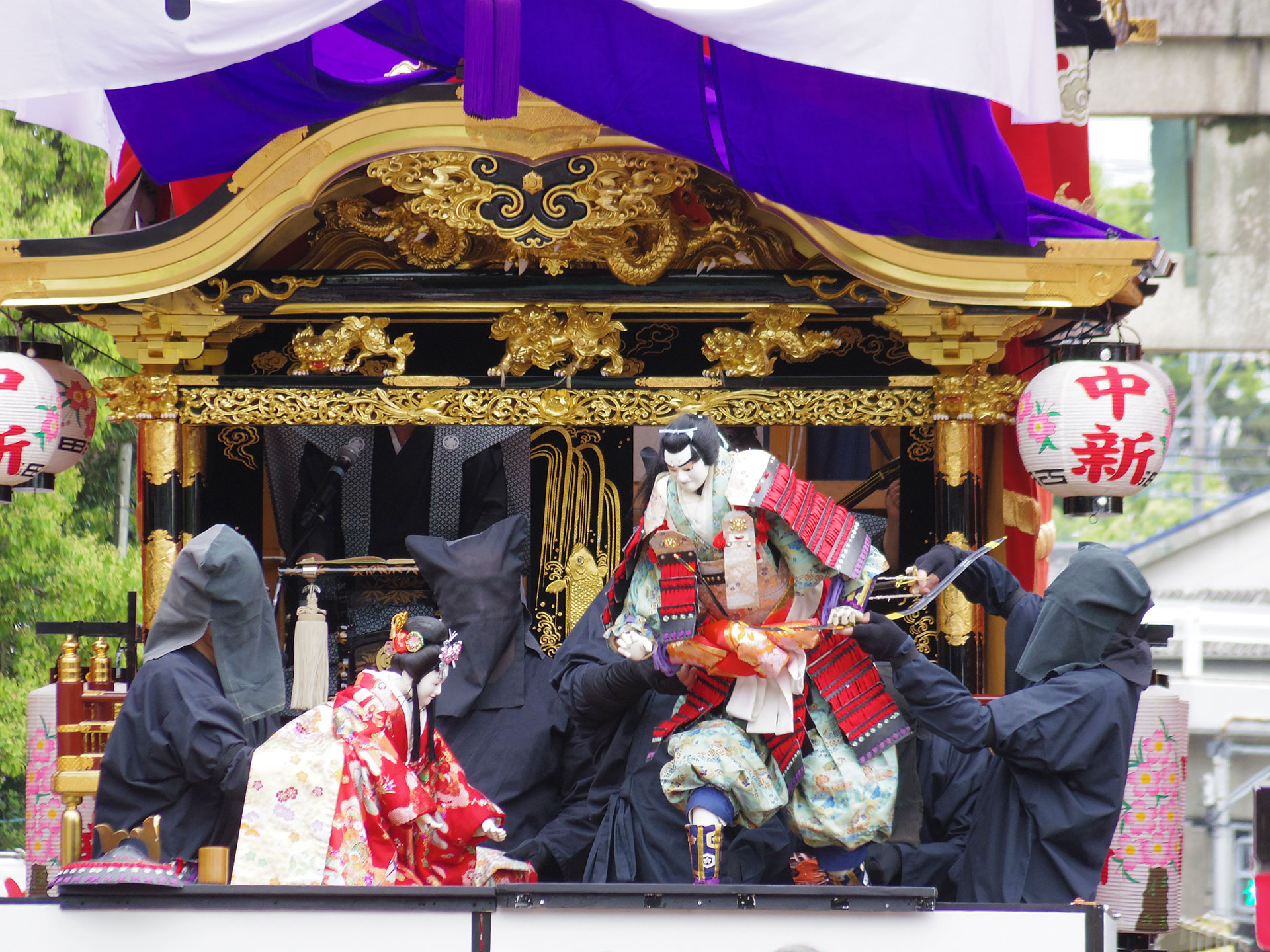
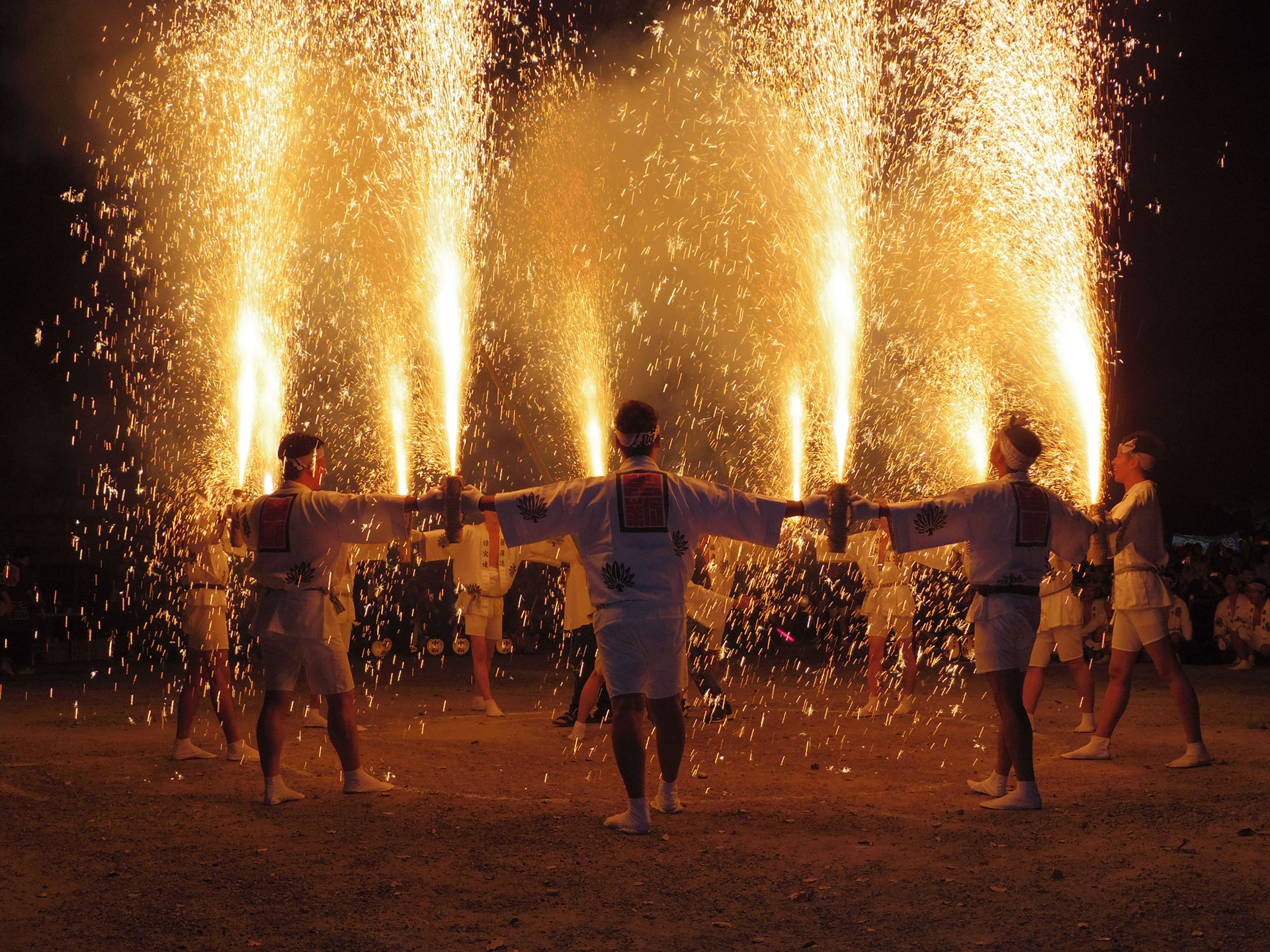
"Chiryu Shrine" holds a wide variety of festivals and events throughout the year. During the annual "Chiryu Matsuri" on May 2 and 3, a mikoshi procession and the dedication of red gourds take place. In years when the main festival is held every other year, five dashi festival floats line the shrine grounds. In addition to the impressive sight of these ornate floats, the "Chiryu Float Bunraku and Karakuri", performed atop the floats and handed down since the Edo period, is another major highlight. These traditions are inscribed on UNESCO's Intangible Cultural Heritage list and are also designated an Important Intangible Folk Cultural Property of Japan. On a Sunday around September 23, the annual "Akiba Matsuri" is held at the subsidiary "Akibasha Shrine". Local young men offer hand-held tezutsu fireworks, filling the shrine grounds with a powerful display. At the neighboring Chiryu Park Iris Garden, approximately 30,000 Japanese irises bestowed by Meiji Jingu reach peak bloom from May through June. During the "Chiryu Park Japanese Iris Festival" held at this time, events including a treasure exhibition and karakuri puppet demonstrations draw many visitors.

Chiryu Shrine
知立神社


Introducing seasonal outing spots and event information in Aichi! Visit the places that interest you!
Pick popular spots nearby!

3.3kmfromChiryu Shrine
Address:55-55 Yoshino, Higashisakai Town, kariya, aichi

8.5kmfromChiryu Shrine
Address:3305 Arimatsu, nagoya, aichi

22.2kmfromChiryu Shrine
Address:7-56 Okujo, tokoname, aichi

22.2kmfromChiryu Shrine
Address:2F Nagoya Premium Medical Mall Marunouchi, 2-16-8 Marunouchi, nagoya, aichi

22.4kmfromChiryu Shrine
Address:1 Osugi and 2 Shimizu, nagoya, aichi

23.6kmfromChiryu Shrine
Address:3F AEON MALL Nagoya Noritake Garden, 3-1-17 Noritake Shinmachi, nagoya, aichi

23.7kmfromChiryu Shrine
Address:3-1605, Sekohigashi, nagoya, aichi

23.8kmfromChiryu Shrine
Address:4-47 Oaki Town, nagoya, aichi

26.7kmfromChiryu Shrine
Address:4-1 Sotoda, Natsuyama Town, okazaki, aichi

31.8kmfromChiryu Shrine
Address:1-53 Takane, komaki, aichi
 Western Cuisine
2.4kmfromChiryu Shrine
Address:1F Grand House, 2-11-1 Tsukiji Town, kariya, aichi
 Western Cuisine
3.8kmfromChiryu Shrine
Address:6-411 Shinmei Town, kariya, aichi
 Western Cuisine
4.3kmfromChiryu Shrine
Address:3-58 Sumiyoshi Town, kariya, aichi
 Western Cuisine
4.9kmfromChiryu Shrine
Address:67-3 Maeda, Yoshiwara Town, toyota, aichi
 Western Cuisine
5.3kmfromChiryu Shrine
Address:2-6-12 Mikawa Anjo Hon-machi, anjo, aichi
 Japanese Cuisine
6.9kmfromChiryu Shrine
Address:39-11 Yamahata, Fukuda Town, miyoshi, aichi
 Café/Sweets
8.1kmfromChiryu Shrine
Address:3-343 Hiiragiyama Town, obu, aichi
 Japanese Cuisine
9kmfromChiryu Shrine
Address:1-13-7 Shinmei Town, takahama, aichi
 Western Cuisine
9.1kmfromChiryu Shrine
Address:5-142-1, Miyama Town, toyota, aichi
 Café/Sweets
9.7kmfromChiryu Shrine
Address:Obayashi Town 10-1-2 Sky Terrace B, toyota, aichi

21.8kmfromChiryu Shrine
Address:1-2-7 Sakae, nagoya, aichi

22.5kmfromChiryu Shrine
Address:3-21-7 Meieki, nagoya, aichi

22.8kmfromChiryu Shrine
Address:1-9 Kamimeno Town, nagoya, aichi
22.9kmfromChiryu Shrine
Address:3-28-2 Kamikomeno Town, nagoya, aichi

23.2kmfromChiryu Shrine
Address:2-12-3 Kamejima, nagoya, aichi
23.4kmfromChiryu Shrine
Address:2-39-5 Nakajima Town, nagoya, aichi

51.3kmfromChiryu Shrine
Address:7045-67 Chikusa Higashieno, Komono Town, mie, mie
54.8kmfromChiryu Shrine
Address:1290-167 Yoro Park, Yoro Town, yoro, gifu

58.6kmfromChiryu Shrine
Address:1220-6 Kudami, Yaotsu Town, kamo, gifu

61.2kmfromChiryu Shrine
Address:1693 Matsushita, Futami Town, ise, mie

