


Recommended articles in the same area
Introducing seasonal outing spots and event information in Fukuoka! Visit the places that interest you!
別格本山 鎮國寺
 Munakata City, Fukuoka
別格本山 鎮國寺
A Historic Munakata Temple Rooted in History and Prayer
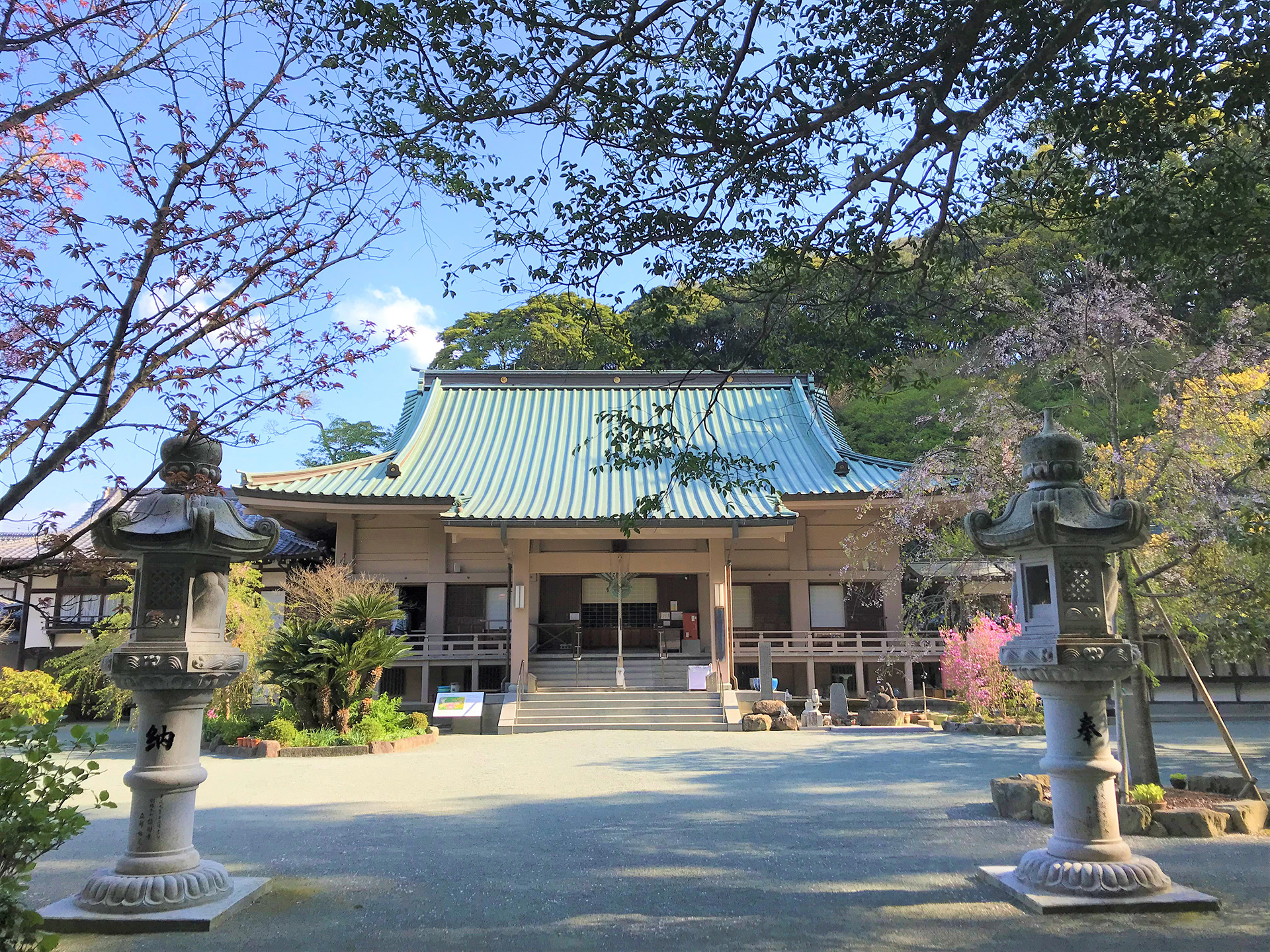
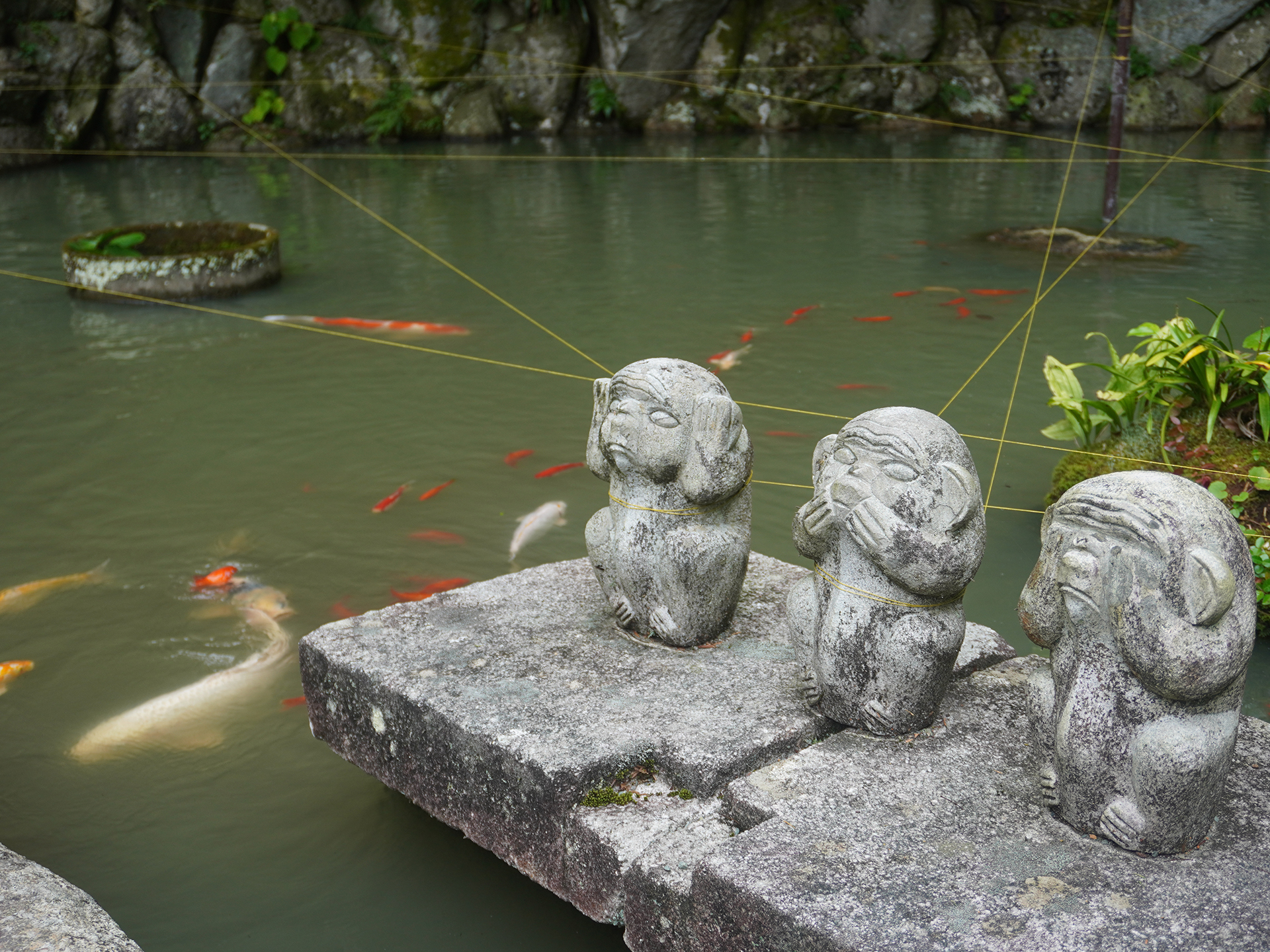
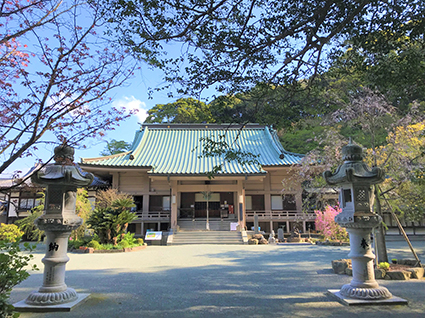
Located amid the natural beauty of Munakata City, Fukuoka Prefecture, "Special Head Temple Chinkokuji" is said to have been founded in 806 and is the oldest temple of Shingon Buddhism. The temple enshrines Dainichi Nyorai as its principal object of worship, and its grounds are dotted with sites of historical interest and traditional charm. A particular highlight is the nationally designated Important Cultural Property "Standing Statue of Migawari Fudo Myoo," a hidden Buddhist image traditionally attributed to Kukai (Kobo Daishi). An annual unveiling of the statue also includes a fire-walking ritual, attracting many worshippers who come to pray for the fulfillment of their wishes. The grounds also contain Goma Hall and the main hall (Five Buddha Hall), a city-designated Cultural Property, making the temple an appealing destination for exploring history and visiting sites believed to hold spiritual power.





Chief priest
Tatebe Zuishin
The head priest strives to help visitors find fulfillment and ease their worries, even if only a little. He aims to make the temple a place where strolling through the grounds and admiring the flowers can inspire a change of heart.

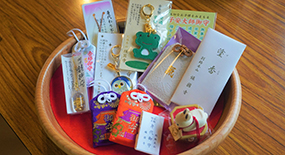
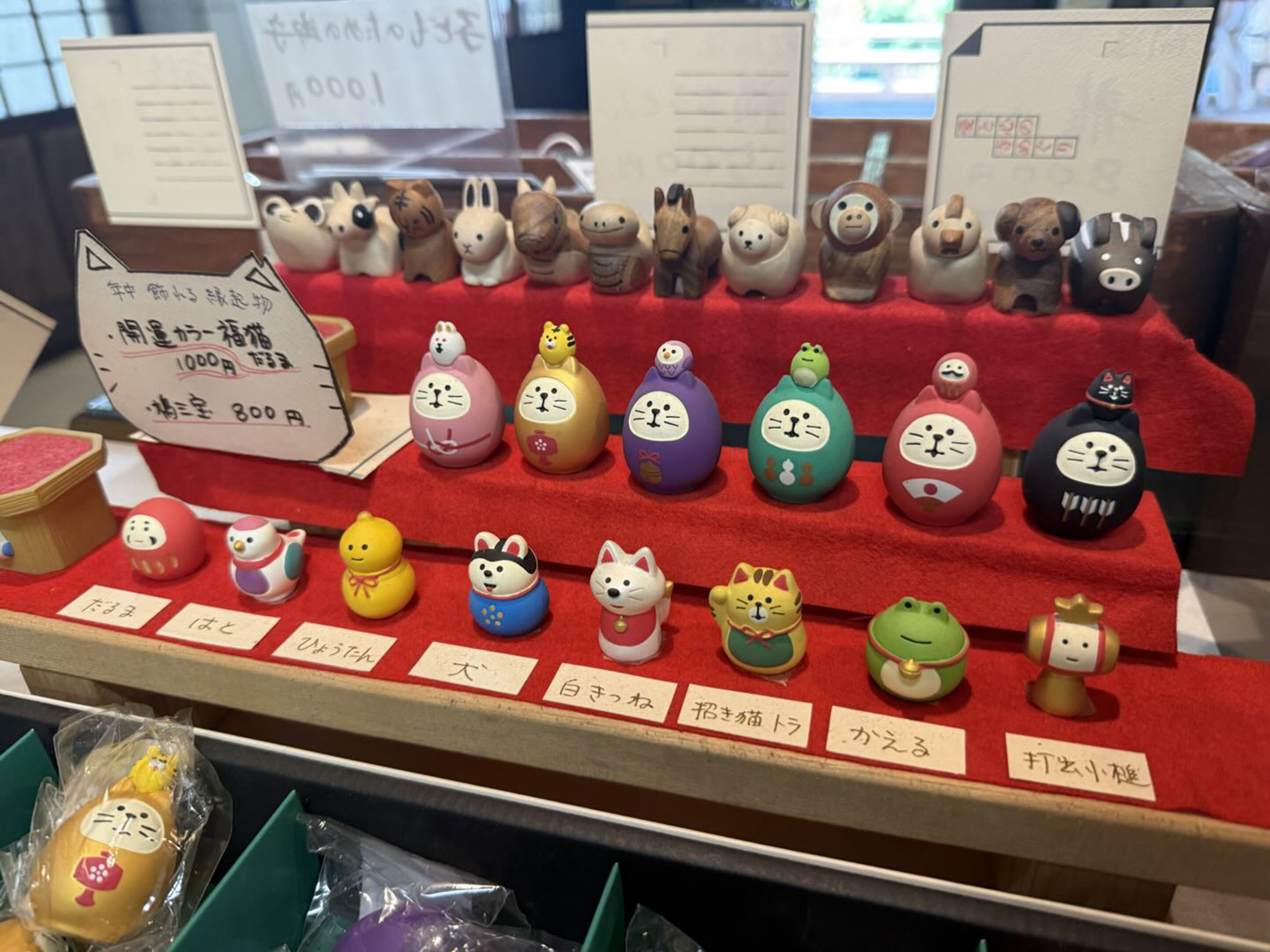
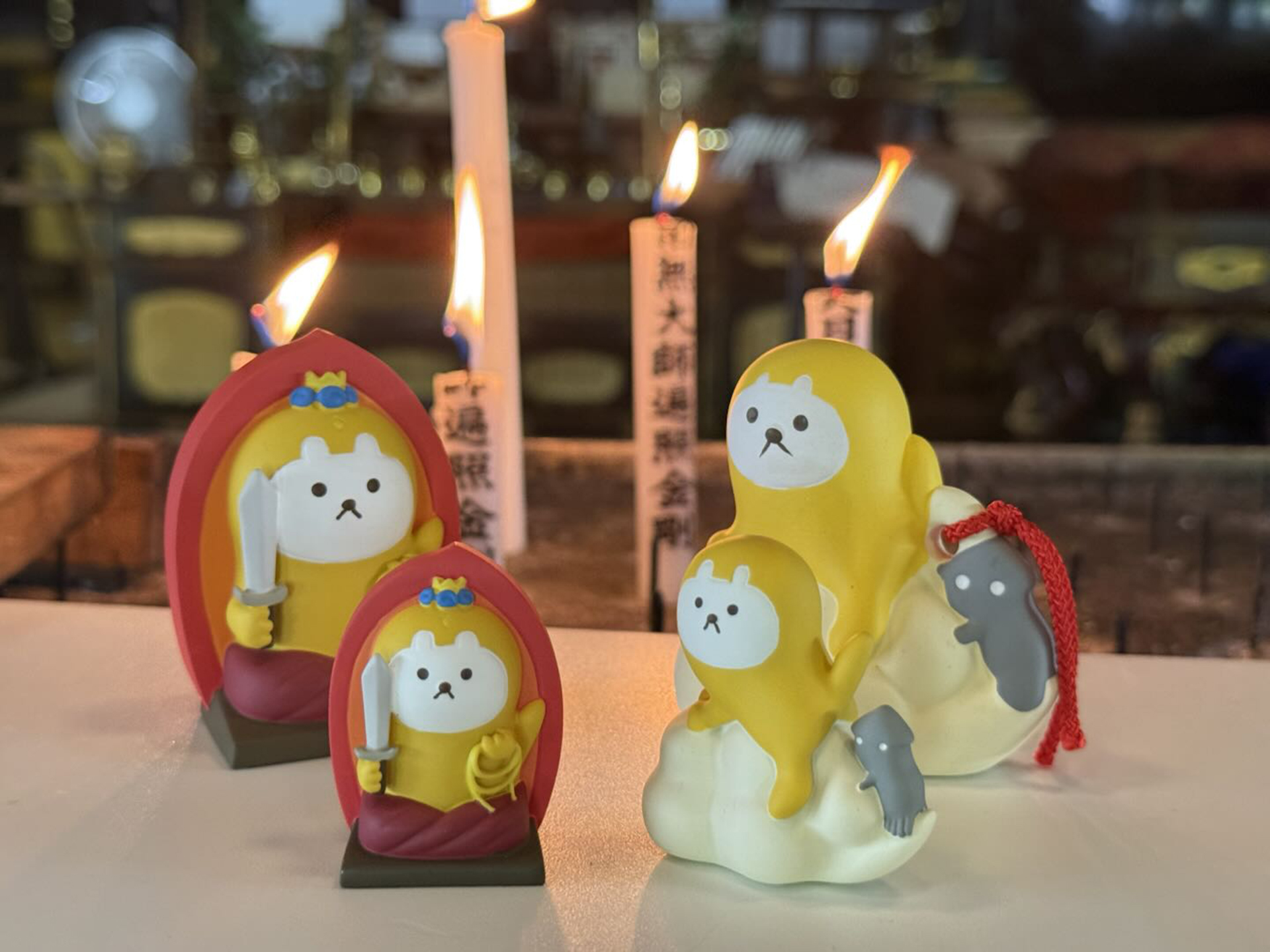
A wide variety of amulets are available year-round at the temple's amulet office. A recommended choice is the "Migawari Omamori," an amulet associated with Fudo Myo-o, who has long been revered for his miraculous powers. It is said to protect its bearer by taking their place when misfortune strikes. Find an amulet that matches your personal wishes.

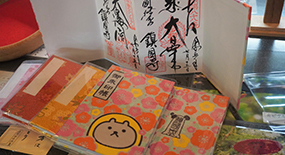
Charming goshuin stamps and goshuin stamp books created in collaboration with "Munakata no Ten-chan," a local mascot character from Munakata City in Fukuoka Prefecture, are popular with visitors. Some designs incorporate squid, a local specialty, adding a playful touch. Look for a favorite design to commemorate your visit to the temple.

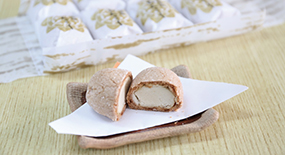
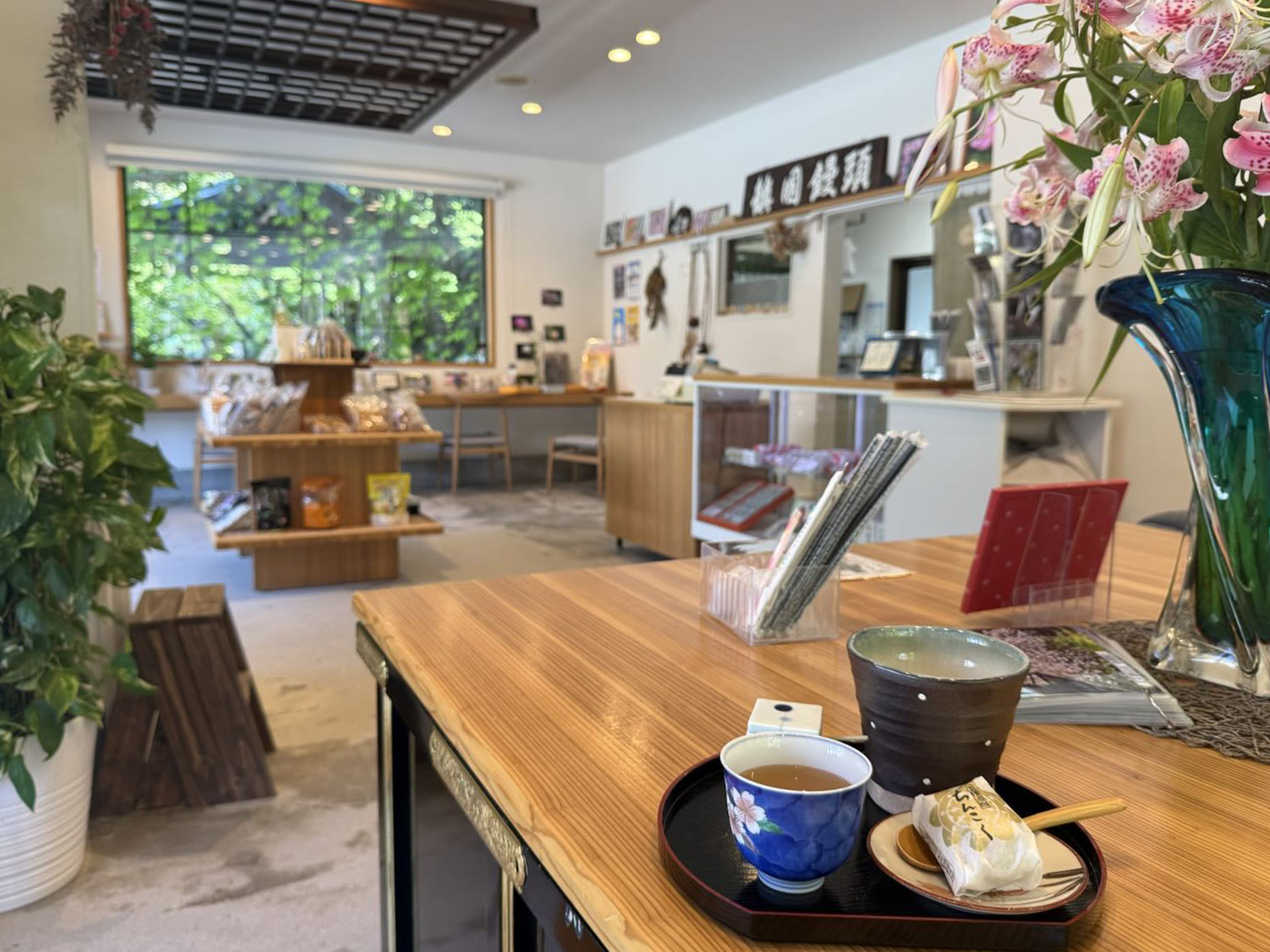
The shop on the temple grounds sells "Chinkoku Manju," a popular local sweet from Munakata City in Fukuoka Prefecture. The dough is fragrant with cinnamon and butter and coated in granulated sugar, offering a crisp texture with a soft, fluffy bite. Its delicate sweetness pairs well with the sweet egg yolk filling, making these treats a great choice for souvenirs.

 Shichi-go-san (Children’s Ceremony)
 Miyamairi (Newborn Blessing)
 Matchmaking
 Cutting Ties
 Financial Luck
 Business Prosperity
 Yakuyoke (Purification)
 Health & Well-being
 Safe Childbirth
 Exam Success
 Traffic Safety
 Fertility
 Performing Arts
 Love Fulfillment
 Bountiful Harvest
 Family Safety
 Academic Success
 Recovery from Illness

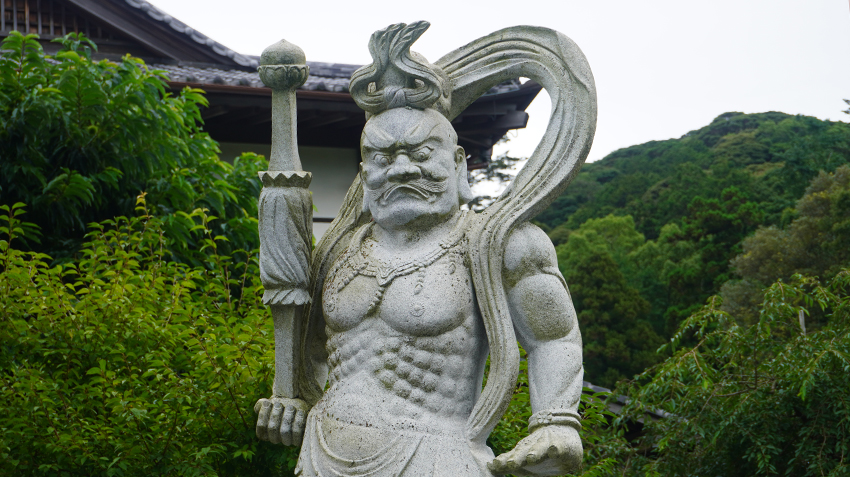
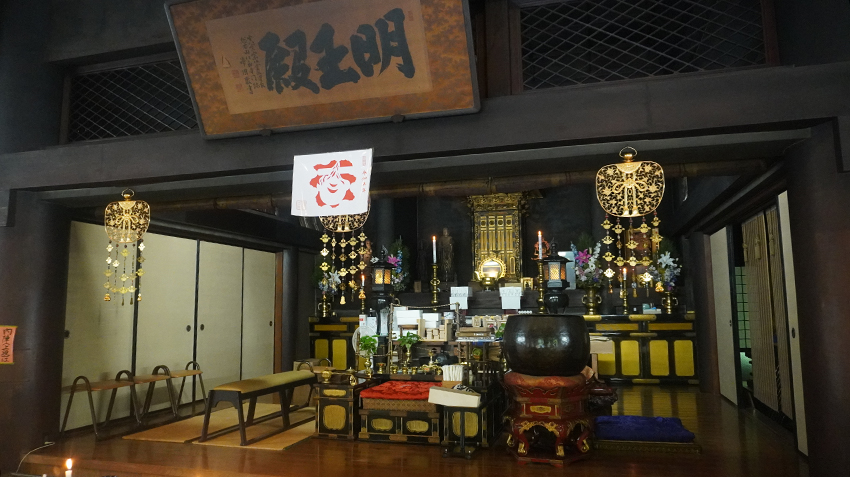
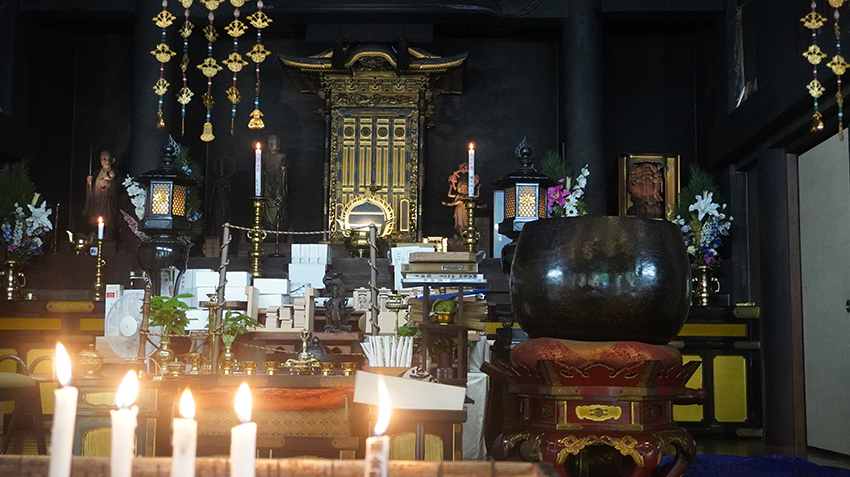
"Special Head Temple Chinkokuji" belongs to the Omuro school of Shingon Buddhism and is said to have been founded in 806 by Kukai (Kobo Daishi) after his return from Tang China. A legend involving Kukai and Fudo Myoo is associated with the temple's origins. According to the legend, Kukai encountered a storm on his way to Tang China and prayed to the deities of Munakata and various Buddhas and bodhisattvas. Fudo Myoo then appeared and calmed the raging waves. After returning to Japan, Kukai visited Munakata Taisha Shrine and engaged in Buddhist practice on Mount Byobu, where he received a revelation declaring the area "sacred ground for a principal center of Buddhist practice dedicated to protecting the nation." He built a temple hall there, marking the beginning of Chinkokuji Temple. With Dainichi Nyorai as its principal object of worship, the temple flourished during the medieval period as the Buddhist temple affiliated with Munakata Taisha Shrine. Today, this historic temple continues to preserve the legacy of Shinto-Buddhist syncretism. Its grounds offer numerous points of historical interest, including the "Standing Statue of Migawari Fudo Myoo," a hidden Buddhist image said to have been carved by Kukai and designated a National Important Cultural Property. A leisurely stroll through the grounds offers a chance to discover the temple's long history.
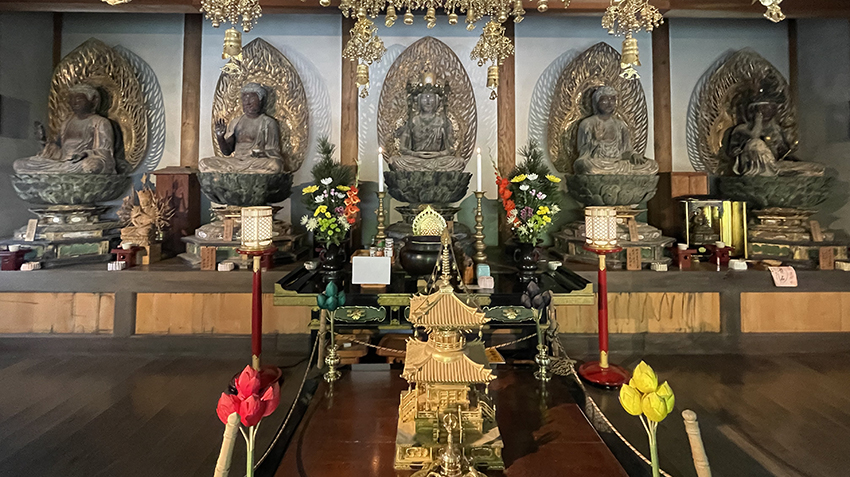
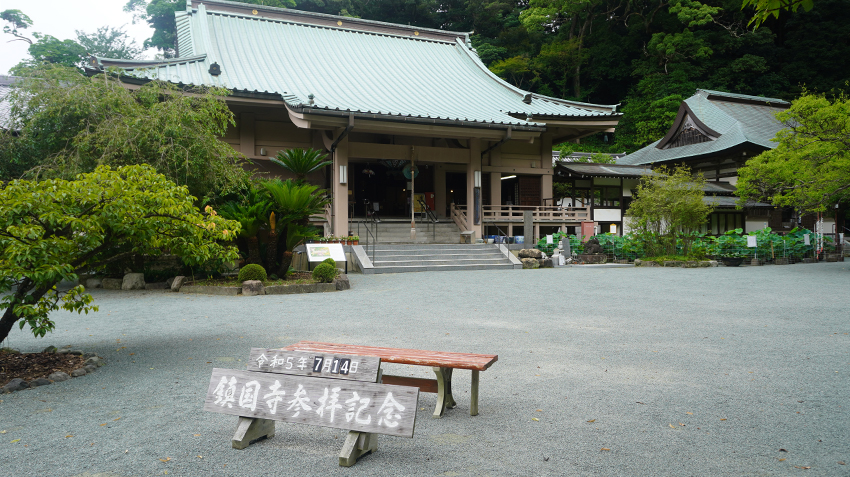
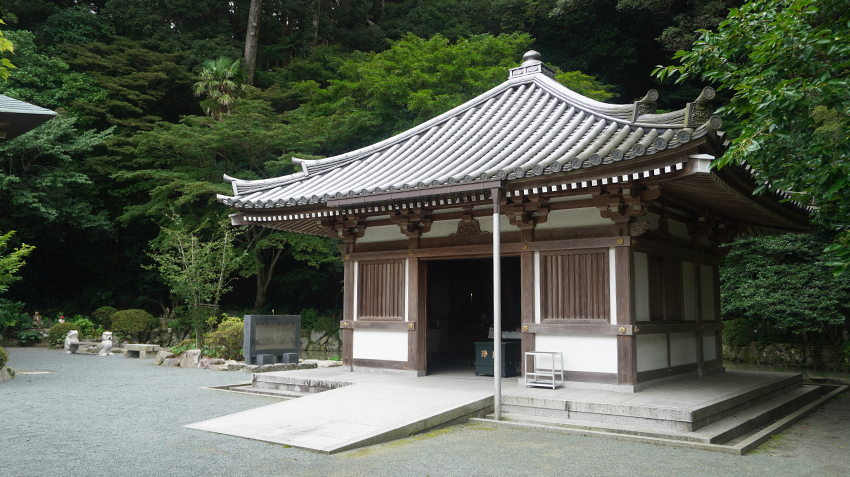
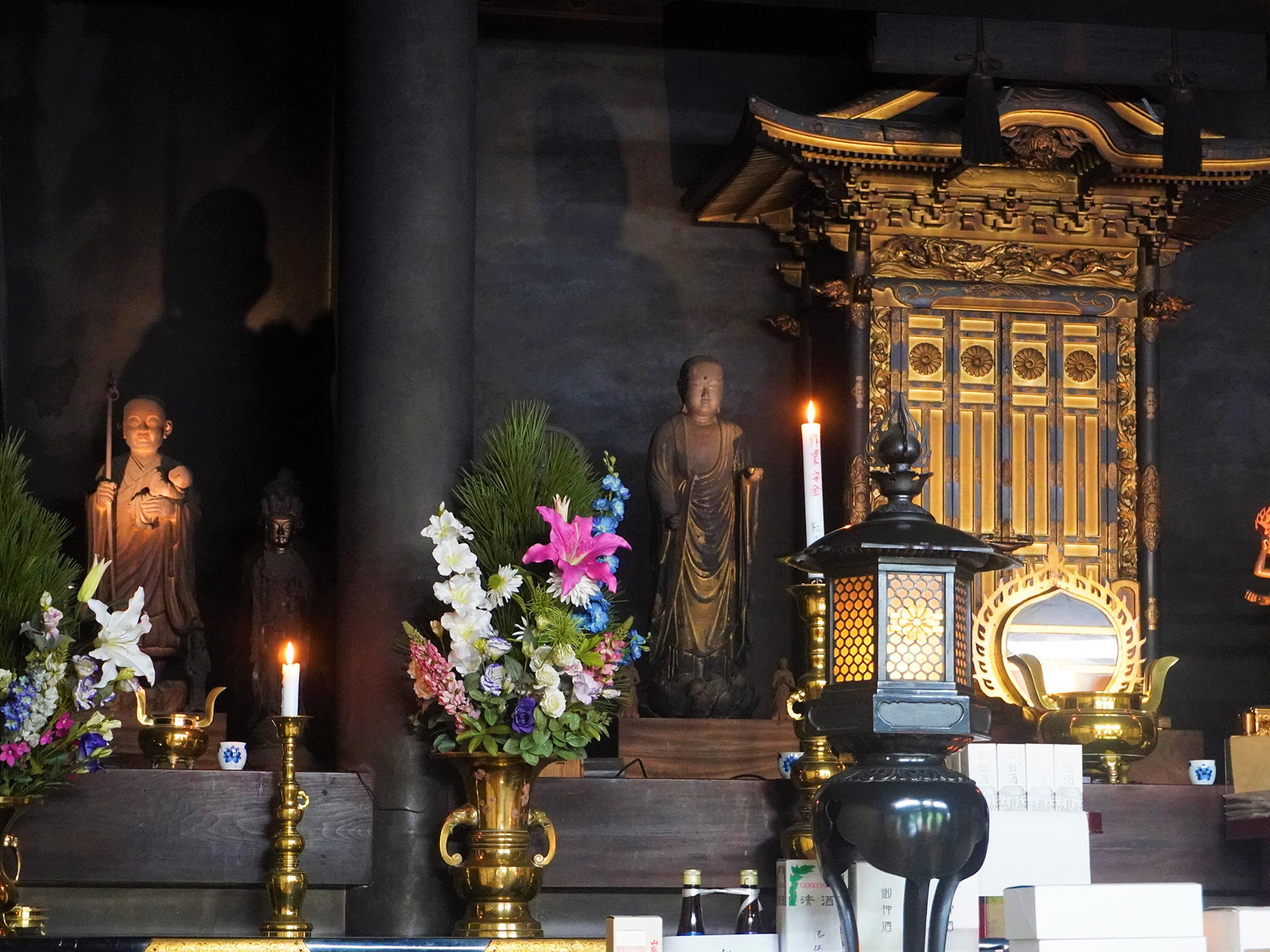
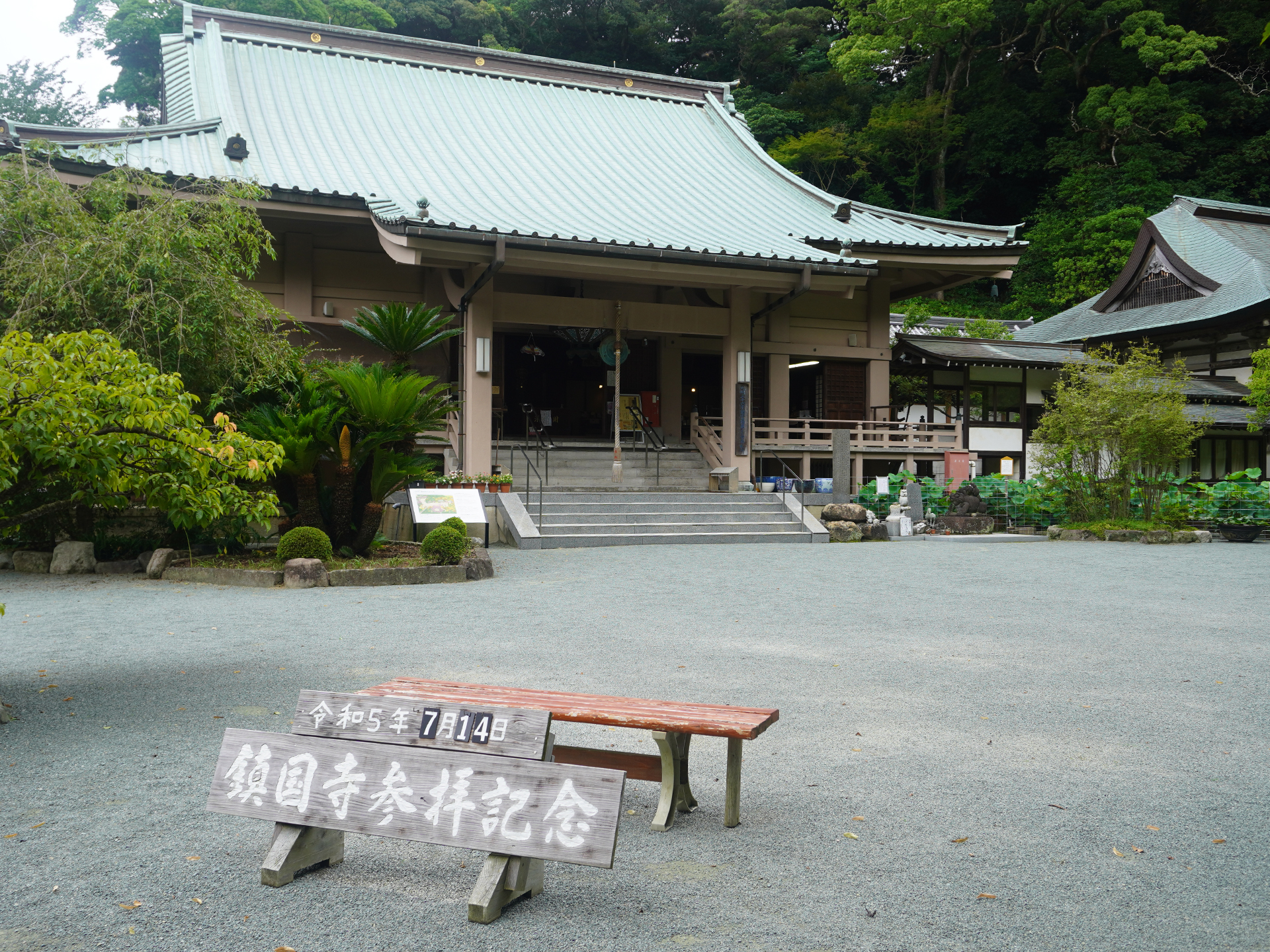
The temple grounds are dotted with historic buildings, including the main hall (Five Buddha Hall), Goma Hall, Daishi Hall, and the inner sanctuary. Of particular note is the main hall, rebuilt in 1650 by feudal lord Kuroda Tadayuki. All five Buddhist statues housed inside are designated Prefectural Cultural Properties. The hall is also known as "Five Buddha Hall" because it enshrines five statues: Dainichi Nyorai, Shaka Nyorai, Yakushi Nyorai, Amida Nyorai, and Nyoirin Kanzeon Bosatsu. Goma Hall enshrines the "Standing Statue of Migawari Fudo Myoo," a hidden Buddhist image, and serves as the venue for major annual Buddhist ceremonies and special prayer services, as well as the reception area for goshuin stamps. Farther into the mountains is the inner sanctuary, centered around a rock cave where Kukai (Kobo Daishi) is said to have performed Buddhist rituals. Other statues throughout the grounds include "Ikiiki Kannon," a figure of Kannon intended to encourage people to lead more fulfilling lives, and "Shugyo Daishi," depicting Kukai traveling throughout Japan during his younger years as part of his religious training. Exploring the grounds offers an opportunity to discover the different histories and religious traditions associated with each site.
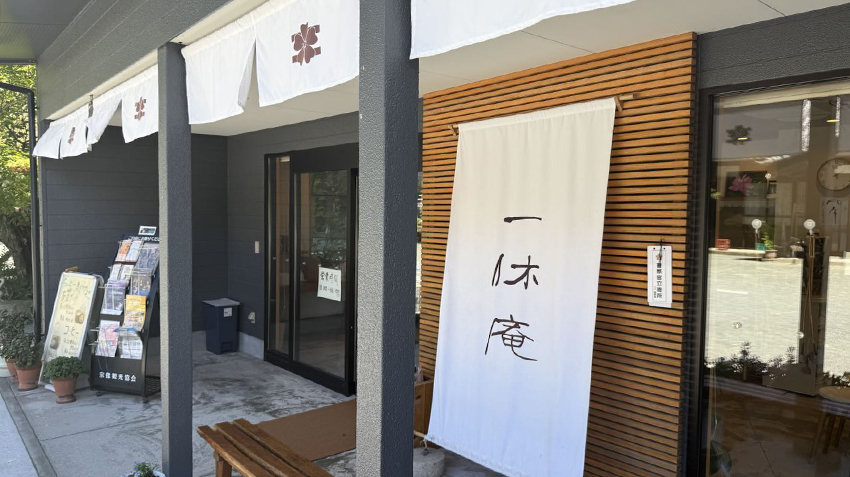
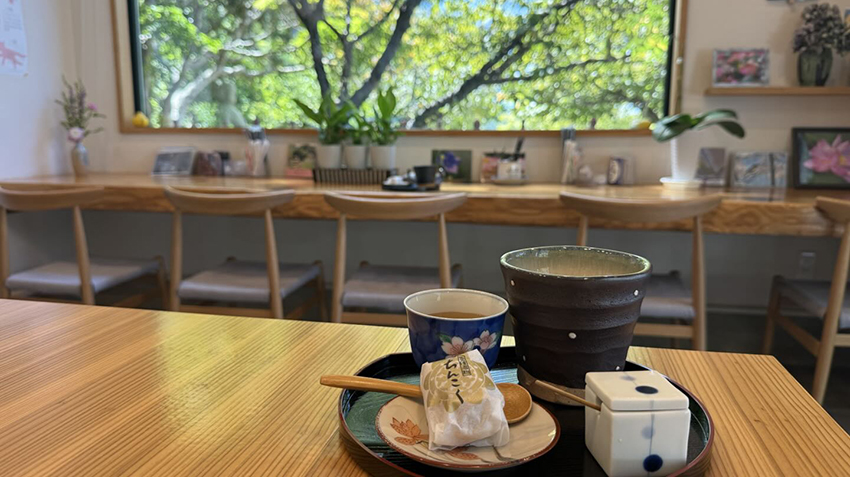
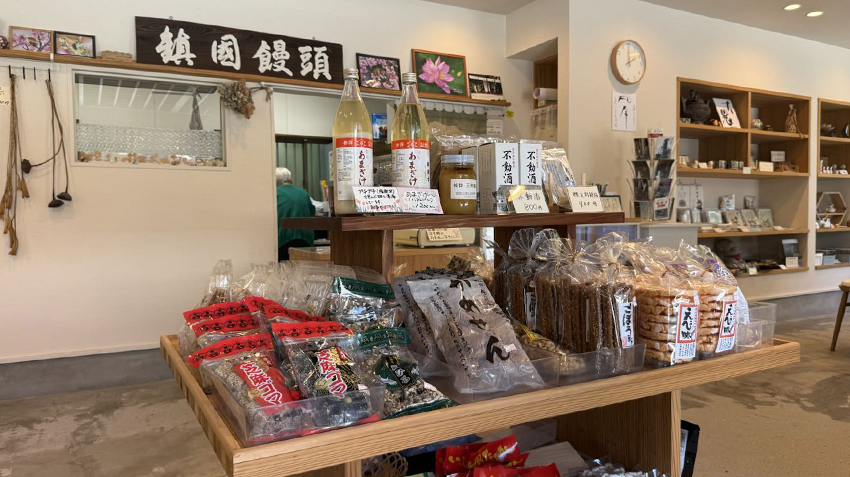
"Ikkyuan," located on the temple grounds, is a shop and rest area where visitors can stop during their visit. It offers a place to take a break over sweet treats and drinks such as amazake, a sweet rice drink. A particular highlight is the popular Japanese sweet "Chinkoku Manju." It was created in 1961 by the previous owner of "Tsuzumiya," a Japanese confectionery shop in Munakata City, Fukuoka Prefecture, after repeated trials driven by a desire to create a local specialty for Munakata. Since then, its traditional flavor has remained a favorite among locals, temple visitors, and tourists alike, with many returning for more. Its simple, nostalgic taste pairs especially well with "Amazake" or "Coffee" from the drink menu. It makes a good souvenir or a treat to enjoy at home. After visiting the temple, "Ikkyuan" is an inviting place to savor something sweet, unwind amid the peaceful atmosphere of the grounds, and take a relaxing break from the day's travels.

Seasonal beauty within the shrine's grounds and nature


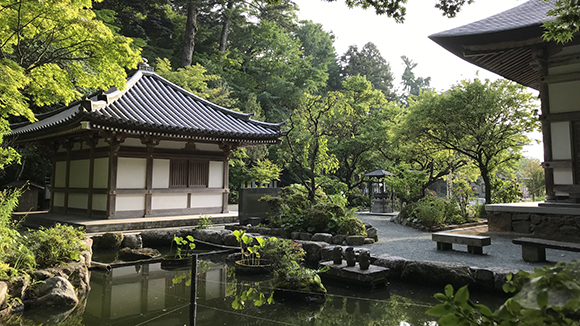
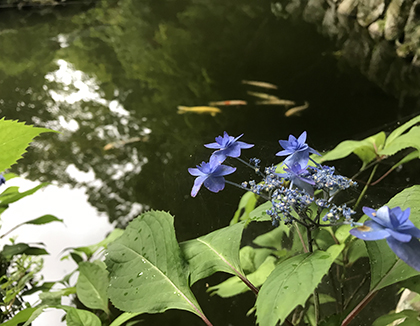
Deep Greenery Glowing
Refreshing Temple Grounds

Vibrant Fall Foliage
A Beautiful Autumn Landscape
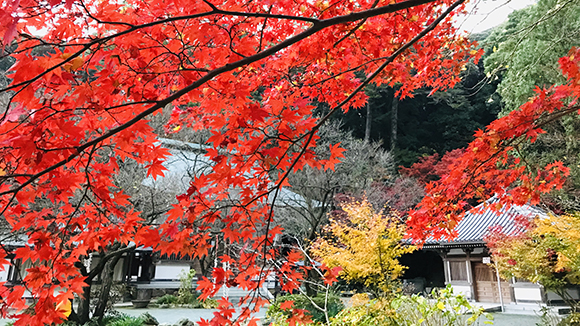
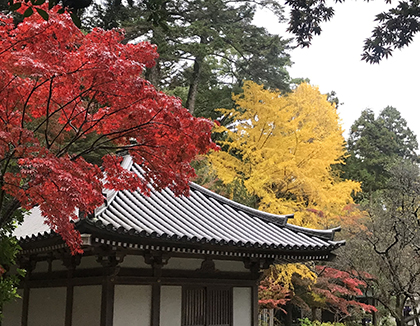

Wrapped in Winter Scenery
Quiet and Solemn Temple Grounds
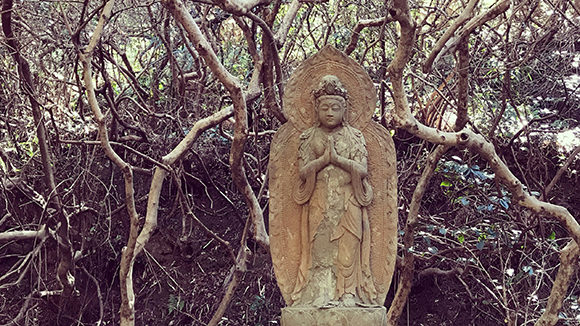
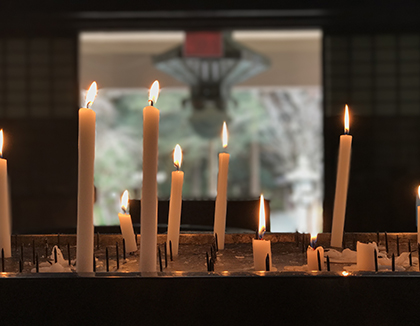

Special Head Temple Chinkokuji
別格本山 鎮國寺


Introducing seasonal outing spots and event information in Fukuoka! Visit the places that interest you!
Pick popular spots nearby!
27.2kmfromSpecial Head Temple Chinkokuji
Address:41-2 Kamisue, kasuya, fukuoka

27.2kmfromSpecial Head Temple Chinkokuji
Address:7-1 Higashi Koen, fukuoka, fukuoka
32.4kmfromSpecial Head Temple Chinkokuji
Address:1-26-55 Takatori, fukuoka, fukuoka

33.4kmfromSpecial Head Temple Chinkokuji
Address:2-1 Jonai, kitakyushu, fukuoka
41.5kmfromSpecial Head Temple Chinkokuji
Address:2-6-8 Akada Town, shimonoseki, yamaguchi
43.2kmfromSpecial Head Temple Chinkokuji
Address:1F, 545-1 Fukue, shimonoseki, yamaguchi
65.5kmfromSpecial Head Temple Chinkokuji
Address:876-4 Nakamura, Toyota Town, shimonoseki, yamaguchi

67.7kmfromSpecial Head Temple Chinkokuji
Address:667 Hirayuki, Isugi Town, karatsu, saga
90.6kmfromSpecial Head Temple Chinkokuji
Address:99-1 Ko, Furueda, kashima, saga

91.5kmfromSpecial Head Temple Chinkokuji
Address:1-4-28 Nakadaru, Nishimatsuura, saga
 Western Cuisine
15.8kmfromSpecial Head Temple Chinkokuji
Address:666-2 Otono, miyawaka, fukuoka
 Japanese Cuisine
28.4kmfromSpecial Head Temple Chinkokuji
Address:Floral A Hakata, 1-8 Shimokawabata Town, fukuoka, fukuoka
 Japanese Cuisine
28.9kmfromSpecial Head Temple Chinkokuji
Address:9F/10F, FPG Links NAKASU, 2-3-8 Nakasu, fukuoka, fukuoka
 Café/Sweets
28.9kmfromSpecial Head Temple Chinkokuji
Address:2F HEARTS Bus Station Hakata, 4-14-13 Hakataekimae, fukuoka, fukuoka
 Western Cuisine
29.3kmfromSpecial Head Temple Chinkokuji
Address:5-2-8 Watanabedori, fukuoka, fukuoka
 Café/Sweets
29.3kmfromSpecial Head Temple Chinkokuji
Address:2F Faro di Haruyoshi II, 2-9-1 Haruyoshi, fukuoka, fukuoka
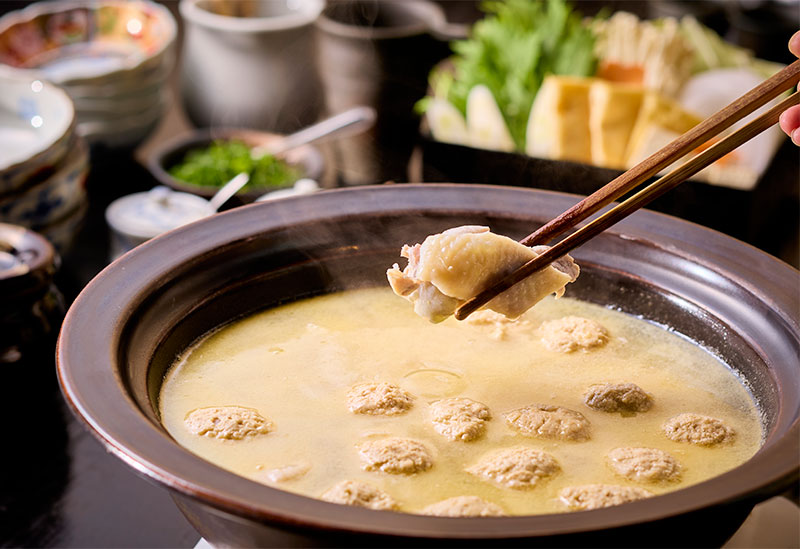 Local Specialties
29.6kmfromSpecial Head Temple Chinkokuji
Address:2F Poseidon Building, 2-11-2 Minato, fukuoka, fukuoka
 Café/Sweets
29.8kmfromSpecial Head Temple Chinkokuji
Address:1F Erianto Daimyo, 1-1-8 Daimyo, fukuoka, fukuoka
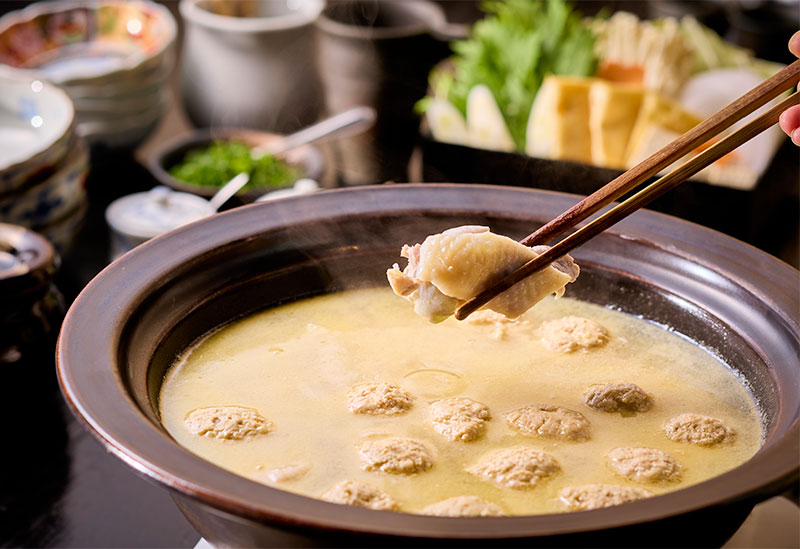 Local Specialties
29.8kmfromSpecial Head Temple Chinkokuji
Address:2F Ragaza Daimyo, 1-10-16 Daimyo, fukuoka, fukuoka
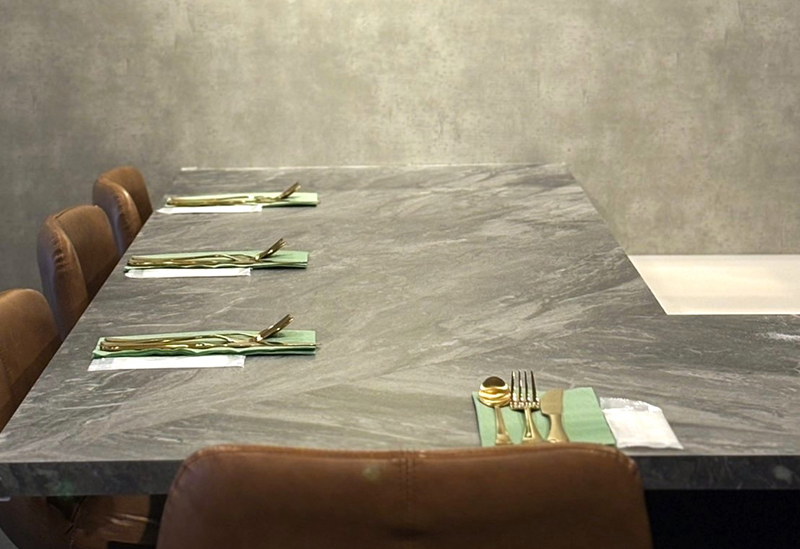 Café/Sweets
30.3kmfromSpecial Head Temple Chinkokuji
Address:301 OAK VILLA BUREAU Yakuin Odori, 2-1-5 Yakuin, fukuoka, fukuoka

15.5kmfromSpecial Head Temple Chinkokuji
Address:667-3, miyawaka, fukuoka

28.7kmfromSpecial Head Temple Chinkokuji
Address:5-5-1 Nakasu, fukuoka, fukuoka
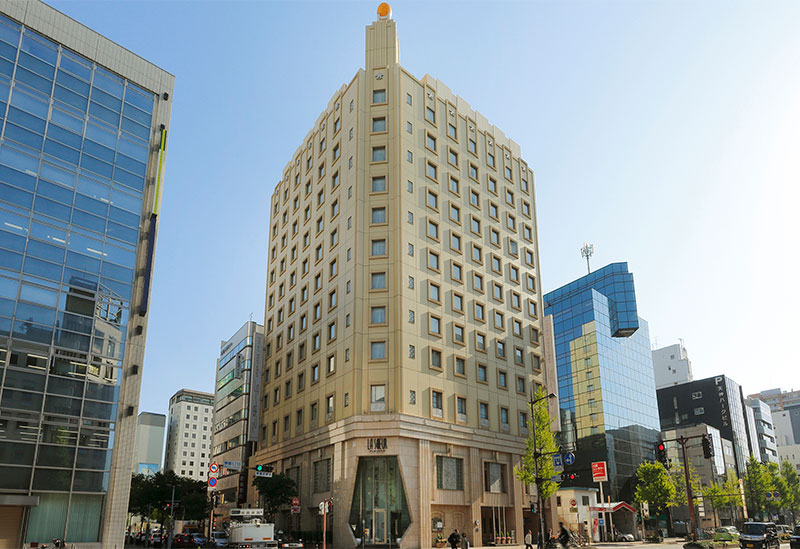
29.3kmfromSpecial Head Temple Chinkokuji
Address:2-8-27 Daimyo, fukuoka, fukuoka
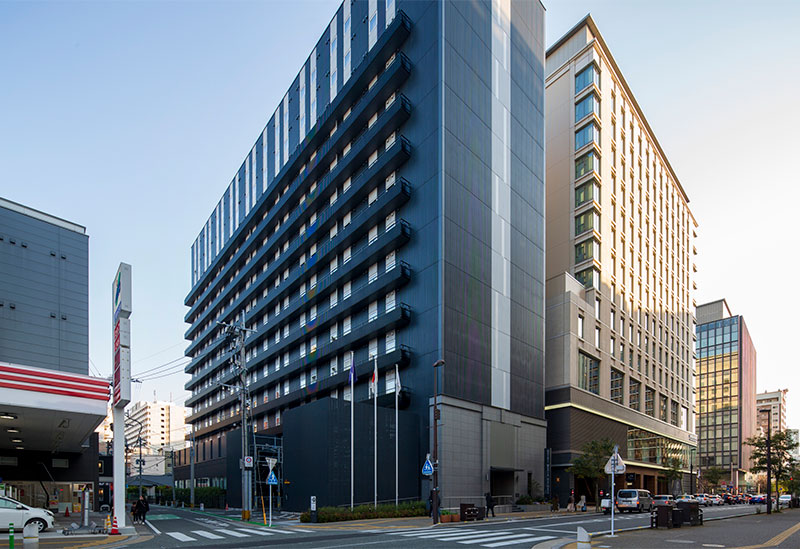
29.6kmfromSpecial Head Temple Chinkokuji
Address:3-4-24 Watanabe-dori, fukuoka, fukuoka
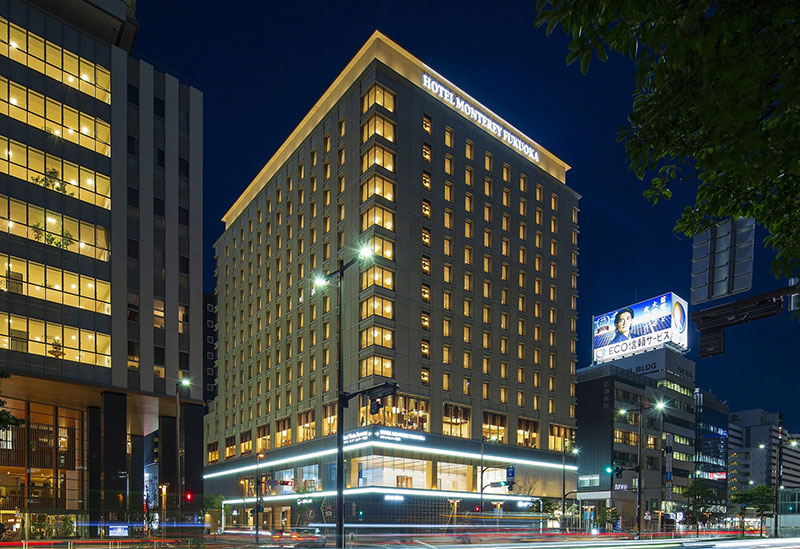
29.7kmfromSpecial Head Temple Chinkokuji
Address:3-4-13 Watanabe-dori, fukuoka, fukuoka
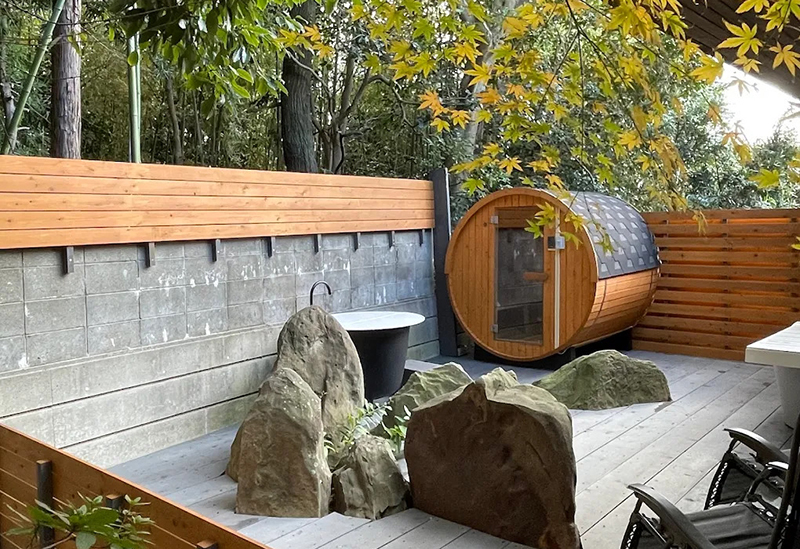
41.5kmfromSpecial Head Temple Chinkokuji
Address:2-6-8 Akada Town, shimonoseki, yamaguchi

67.3kmfromSpecial Head Temple Chinkokuji
Address:3567-13 Kanda, Toyokita Town, shimonoseki, yamaguchi
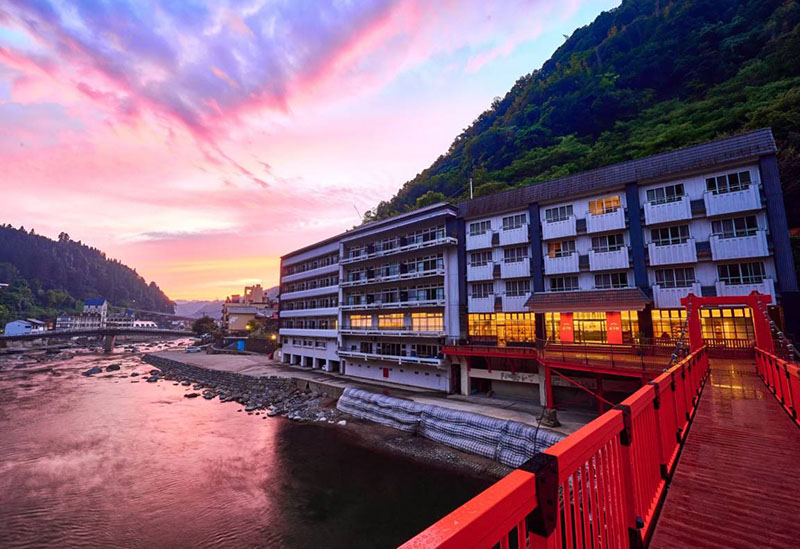
80kmfromSpecial Head Temple Chinkokuji
Address:1143 Yuyama, Amagase Town, hita, oita

87.8kmfromSpecial Head Temple Chinkokuji
Address:4709 Aiohigashi (Nakamichi Beach), yamaguchi, yamaguchi

95.7kmfromSpecial Head Temple Chinkokuji
Address:1021 Oaza Shimojuku Otsu, Ureshino Town, ureshino, saga


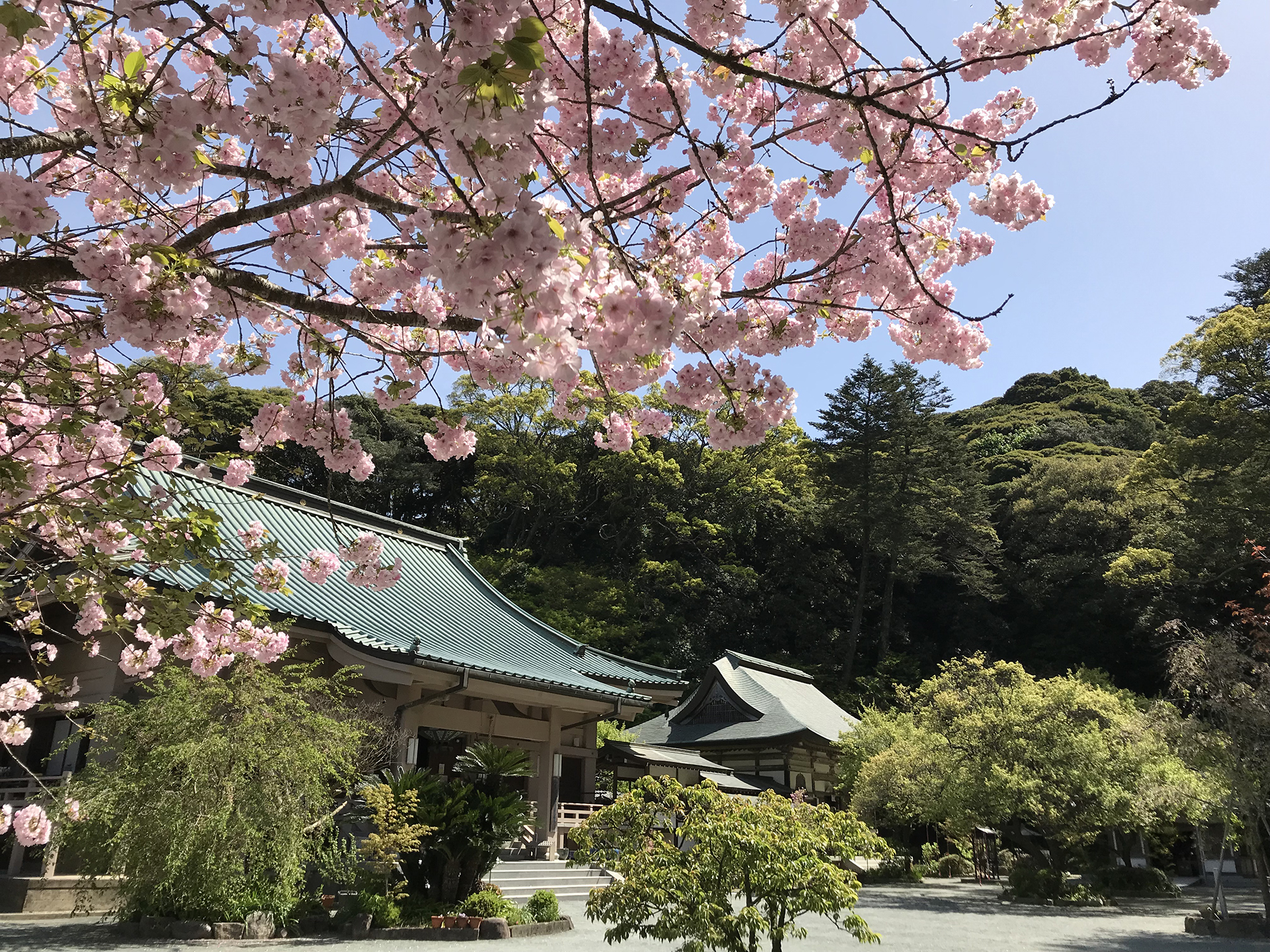
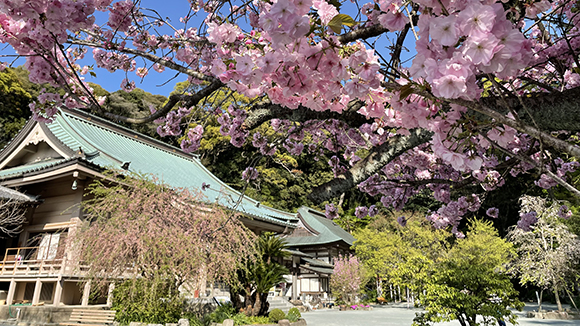
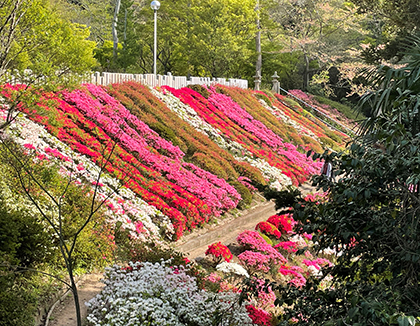
Cherry Blossoms in Bloom
Temple Grounds Aglow with Spring