


Recommended articles in the same area
Introducing seasonal outing spots and event information in Fukuoka! Visit the places that interest you!
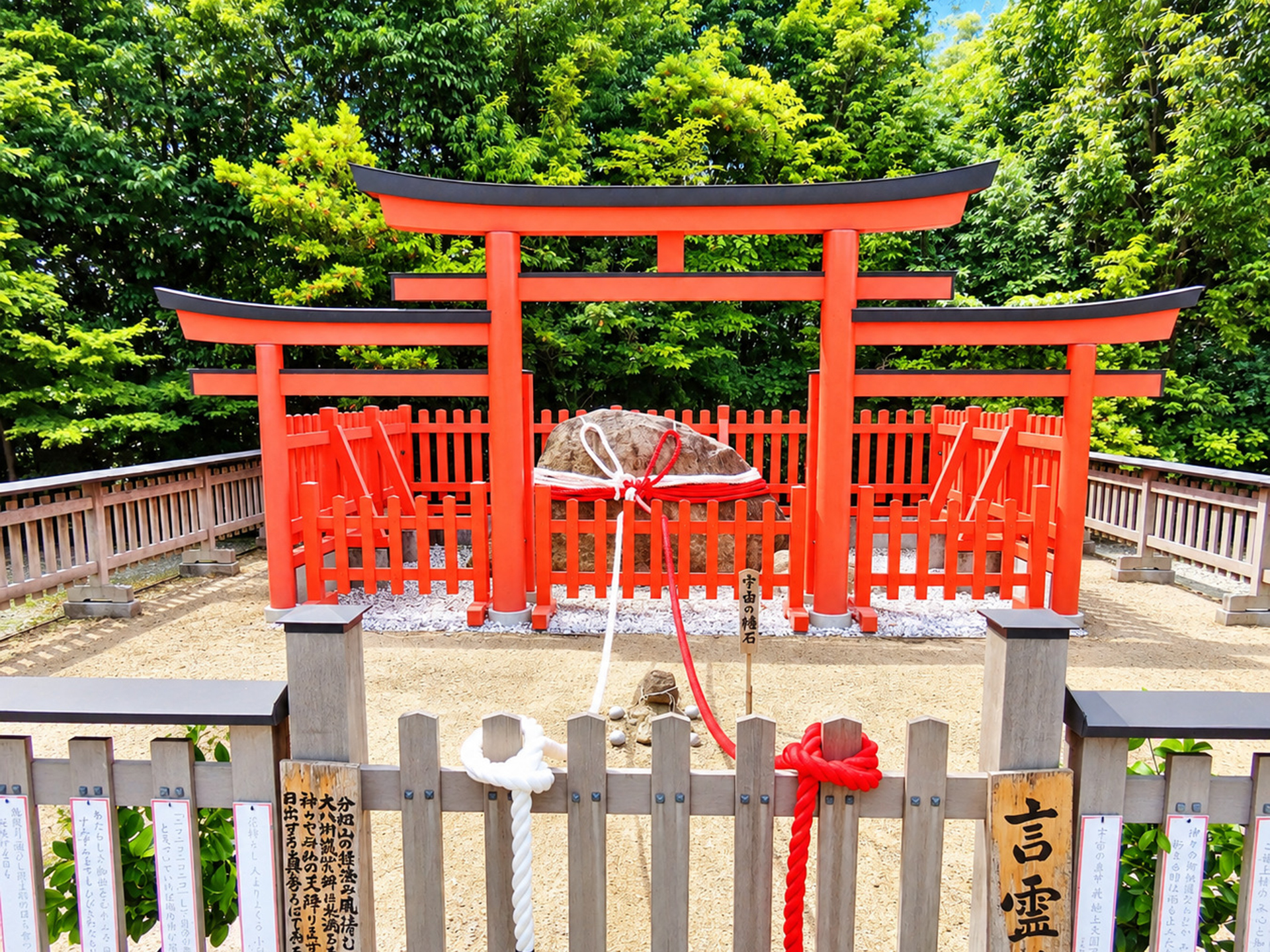
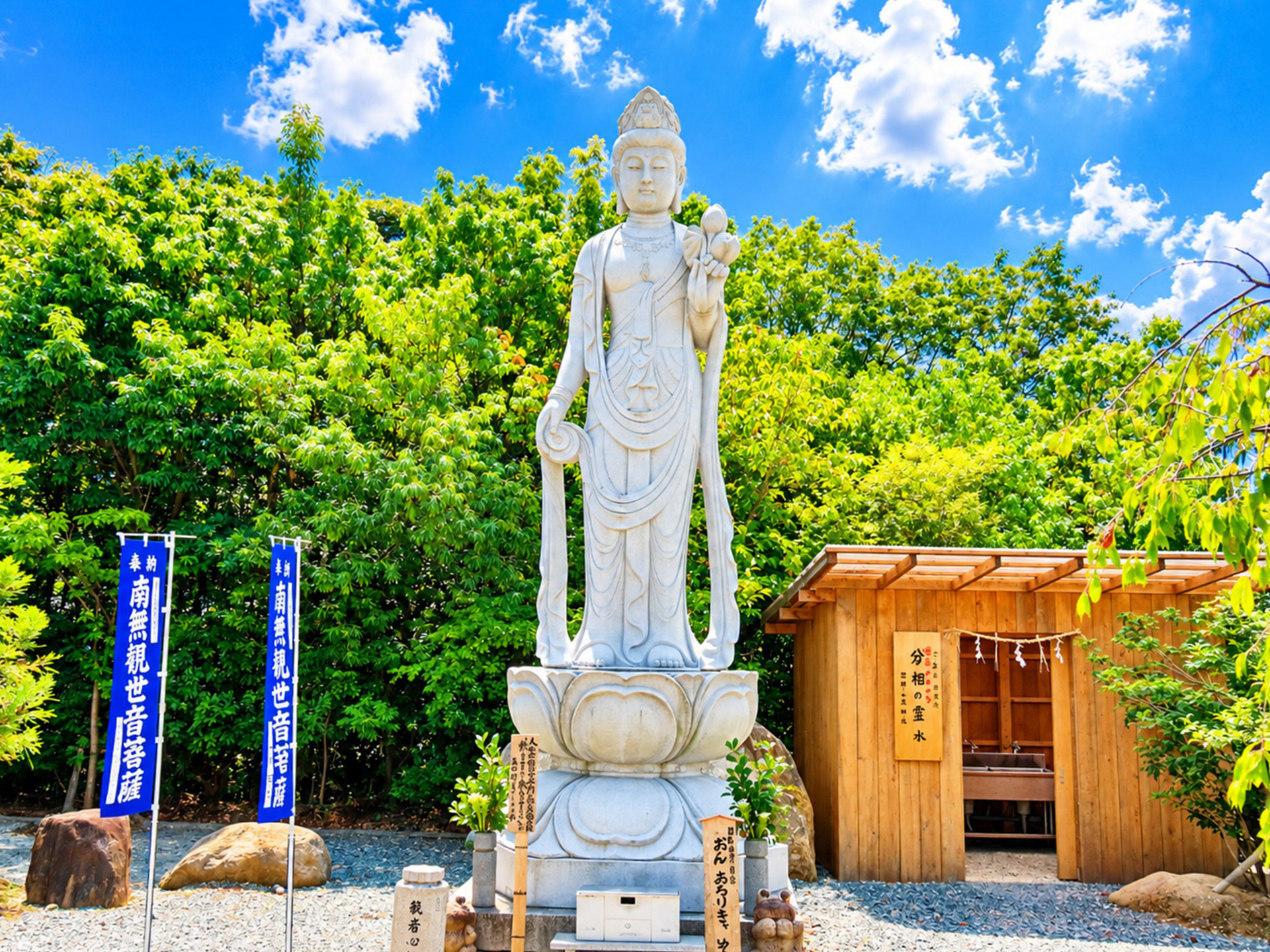
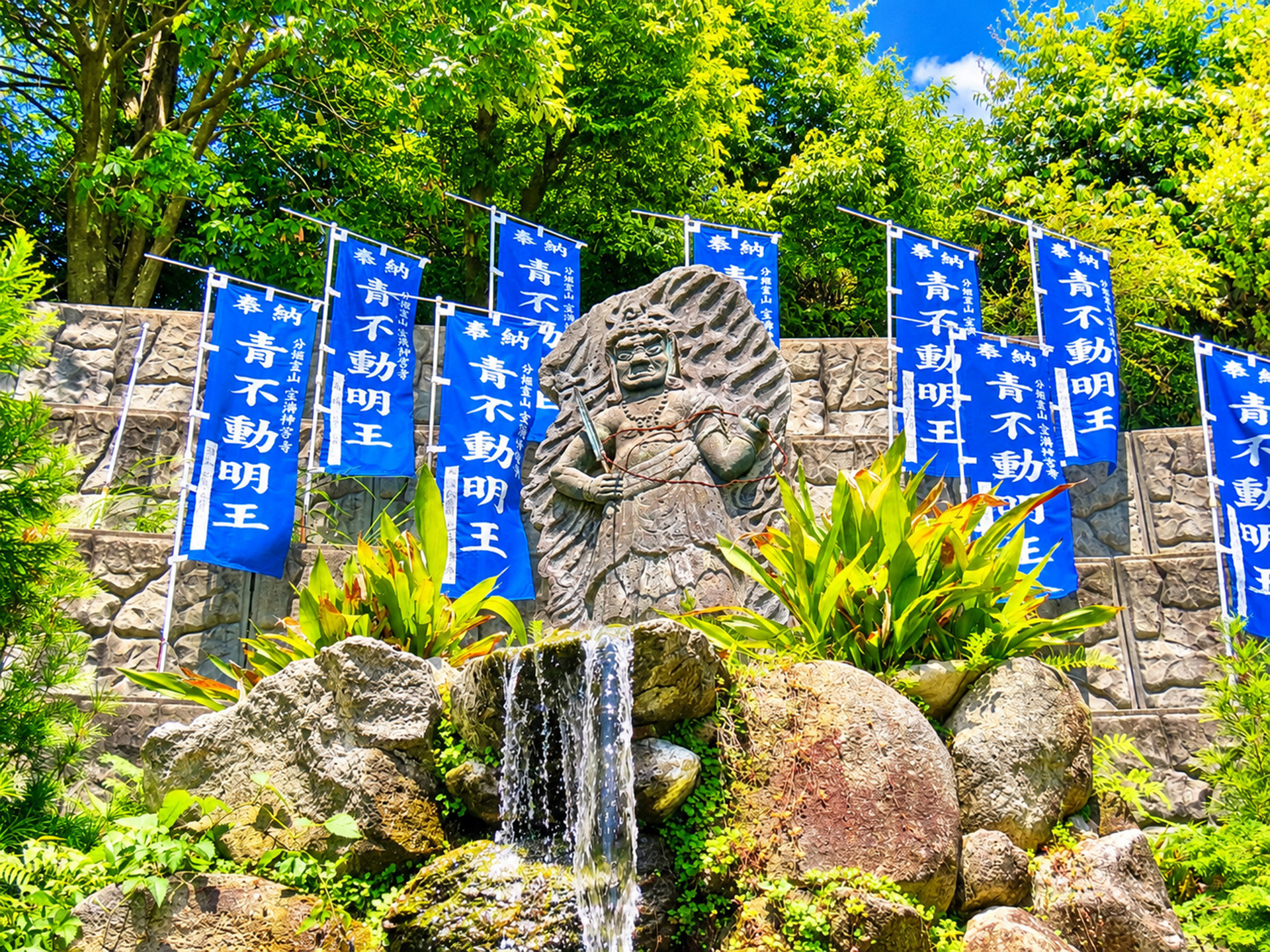
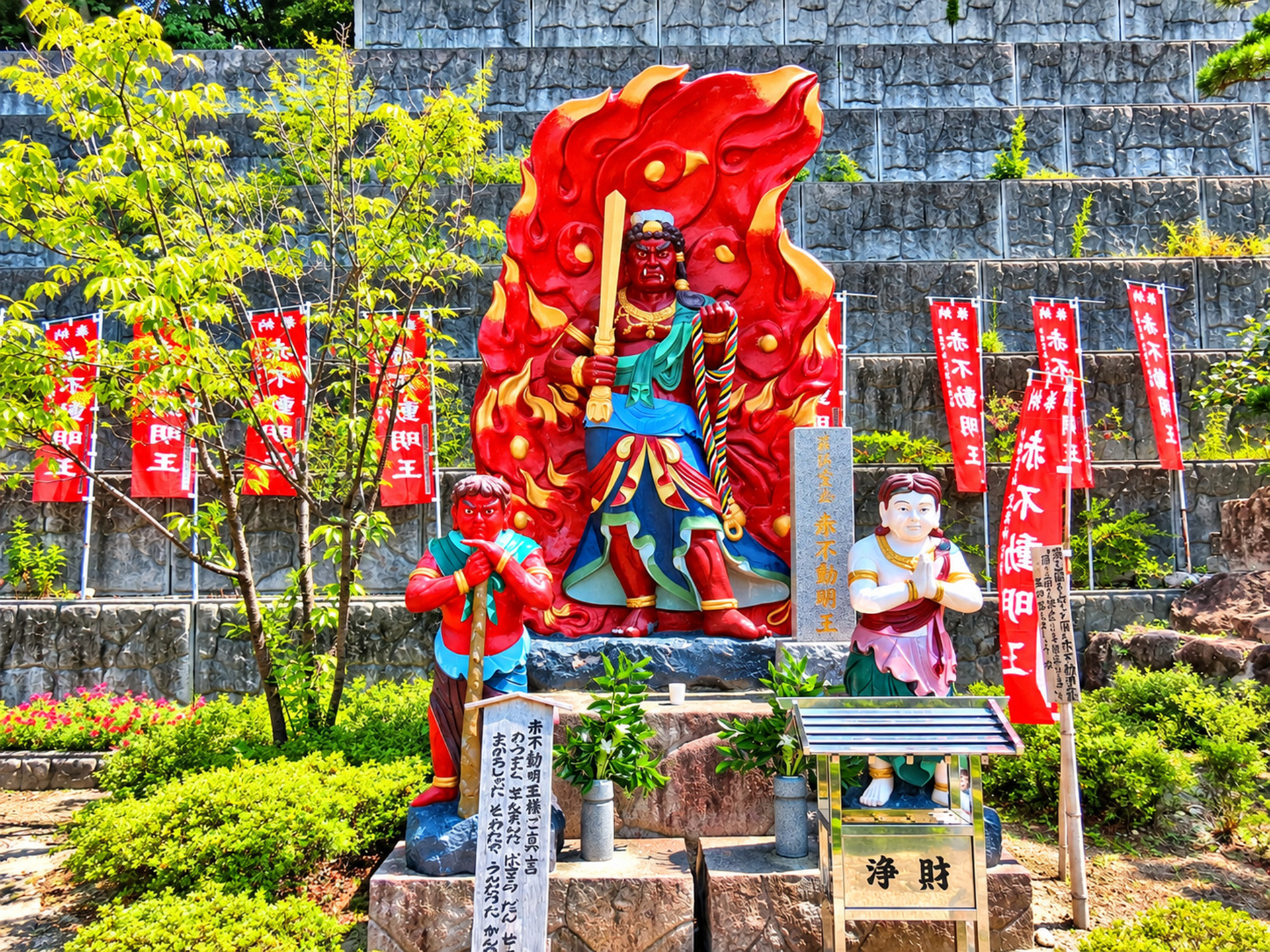
分椙霊山 宝満神宮寺
 Sue-machi, Kasuya County, Fukuoka
分椙霊山 宝満神宮寺
A Sacred Site Blending Shinto and Buddhist Traditions, Centered on Dainichi Nyorai
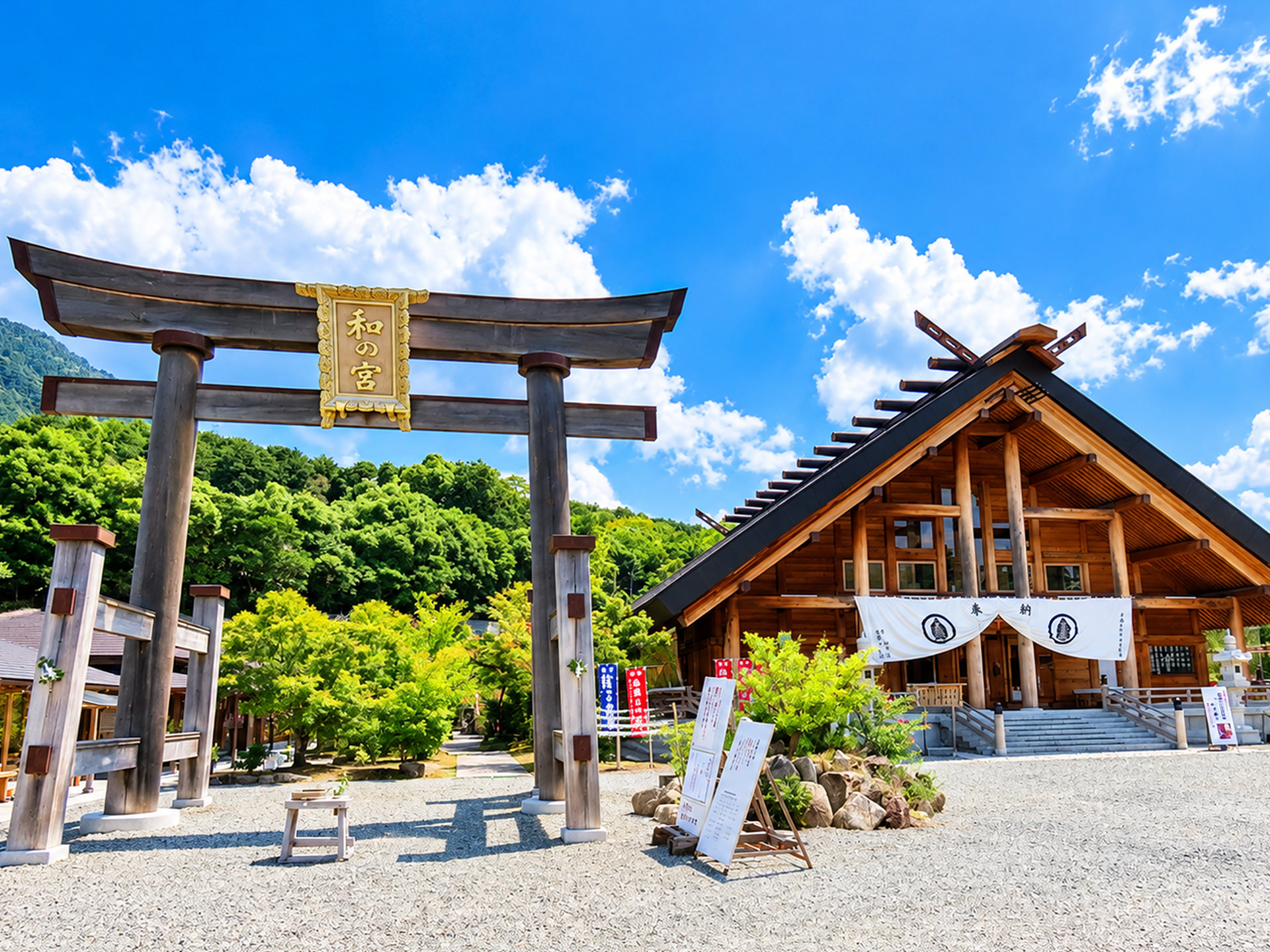
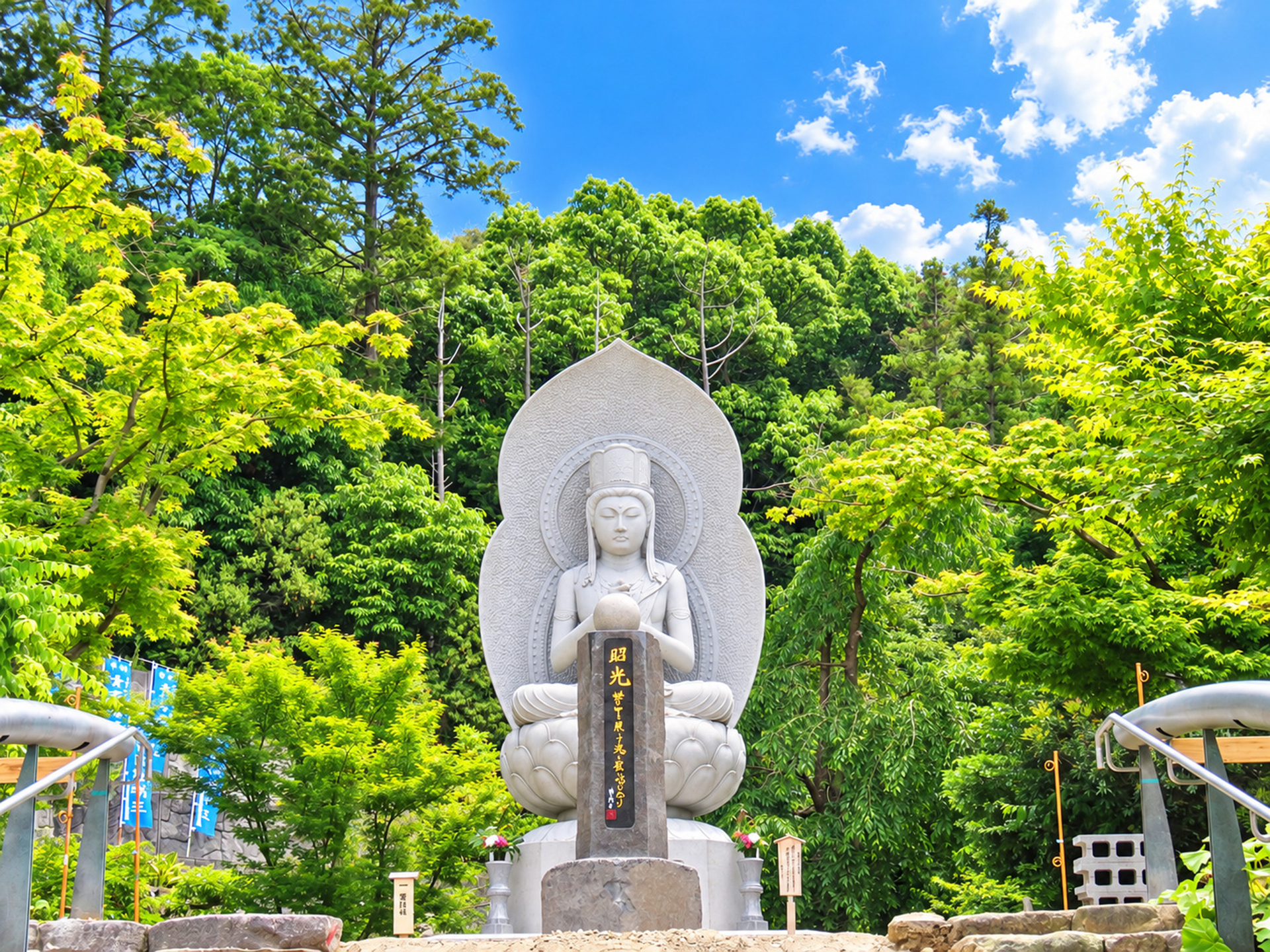
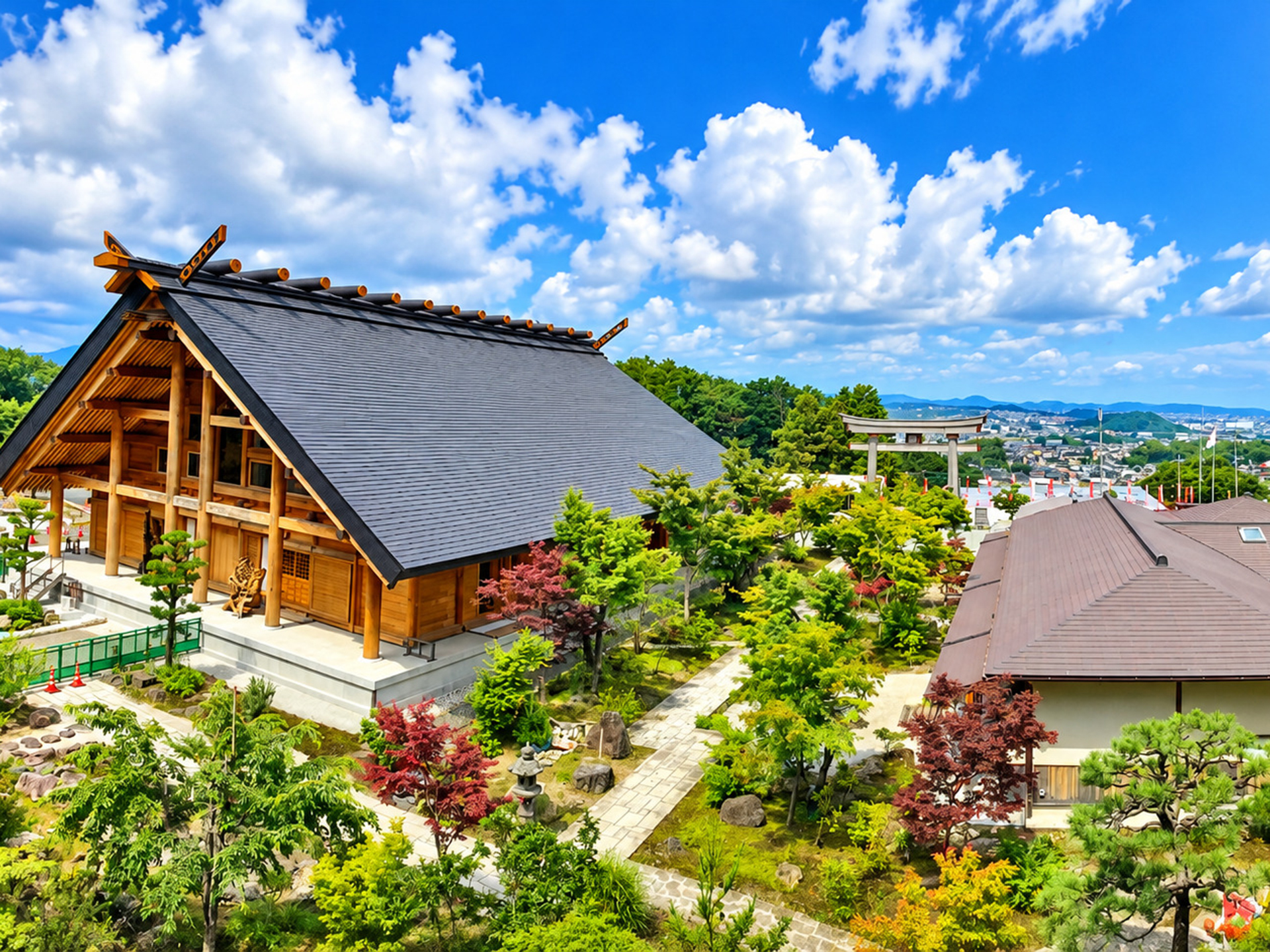
Located about a 6-minute drive from JR Sue-Chuo Station, "Wakesugi Reizan Homan Jinguji Temple" stands at the southern foot of Mount Wakasugi in Sue Town, Fukuoka Prefecture. Built using approximately 94 Japanese hiba cypress trees transported from the Noto Peninsula, it is affectionately known as a "sacred mountain of faith and legend." The three enshrined Shinto deities are Ame-no-Minakanushi-no-Okami, Amaterasu Omikami, and Takemikazuchi-no-Okami. The shrine also enshrines Dainichi Nyorai as its principal Buddhist object of worship and is renowned as a place where Shinto and Buddhist traditions coexist. On the spring and autumn equinoxes, when the sun rises due east, sunlight streams through the worship hall windows and fills the sanctuary with a divine radiance.




Shrine Representative
Yamashita Kazuhiko
In 2012, he welcomed Takemikazuchi-no-Okami from "Kashima Jingu" for enshrinement. His aim is to make the shrine grounds a place where visitors feel, "Coming here lifts my spirits."

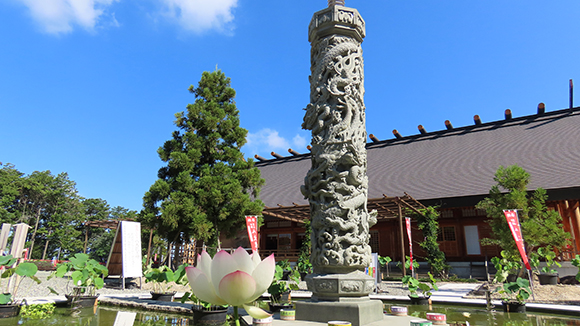
The large drum dedicated to commemorate His Majesty the Emperor's enthronement is adorned with a dragon carving. When beating the drum, worshippers pray for peace in Japan and around the world, for natural disasters and other calamities to subside, and for their own personal wishes. It is said that by warding off evil and receiving the power of the deities of good fortune, "wishes take flight as dragons and come true."

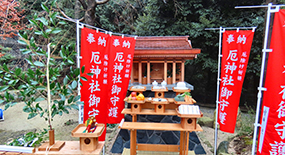
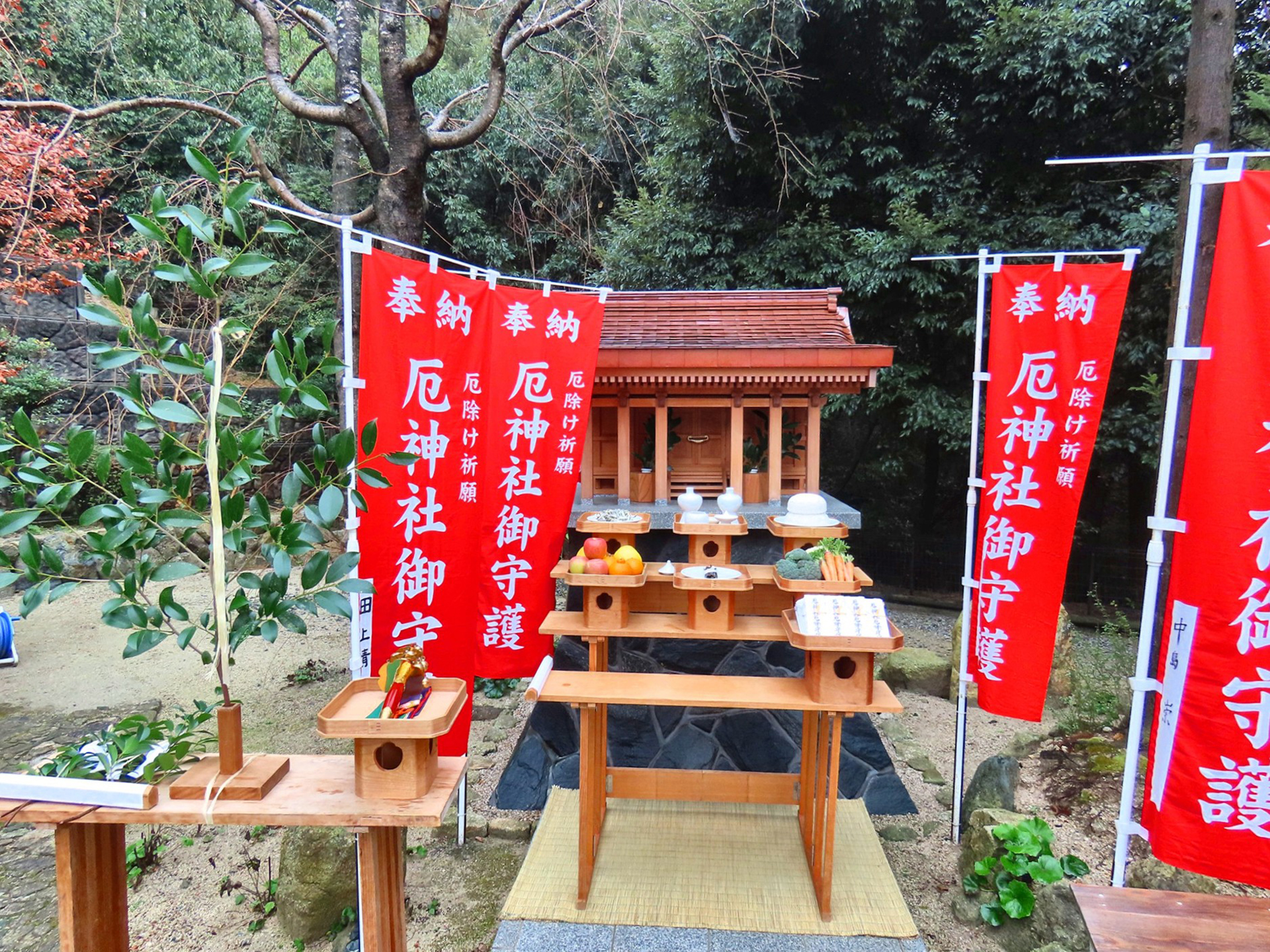
The "Yakuyoke and Hoi-yoke Prayer Festival," held on the 15th of every month, is a ritual intended to calm stress caused by worries and anger and ward off everyday misfortunes. Worshippers also receive a sacred talisman from the deity Yakugami, believed to offer protection against evil. For those with busy daily lives, the festival provides an opportunity to renew their spirits.

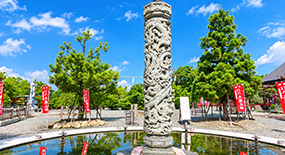
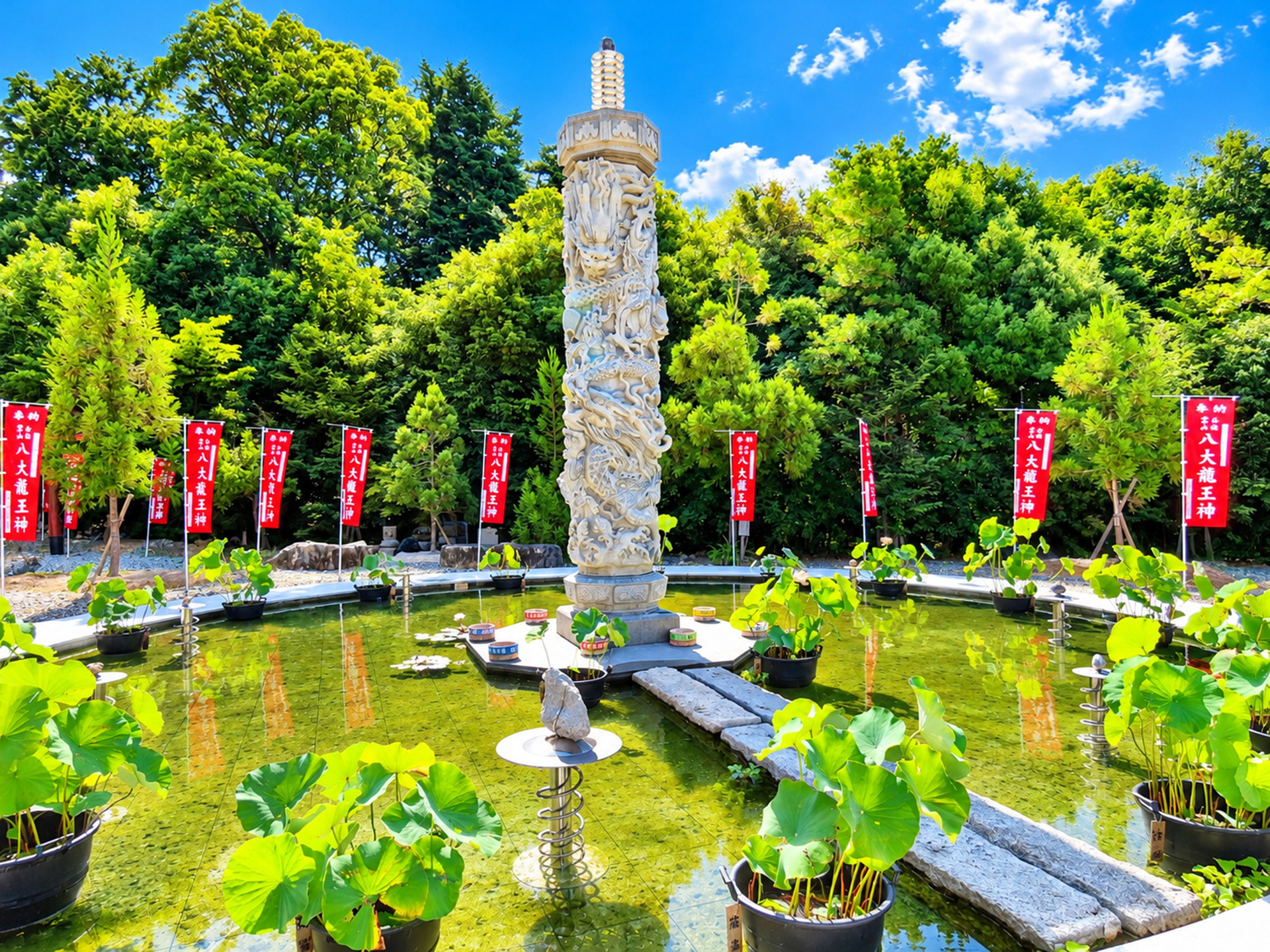
Standing in the center of Ryujin Pond is "Hachidai Ryuo-jin," a sacred power spot believed to possess the ability to see beyond the physical world and move freely between the heavenly, earthly, and human realms while watching over people. It is said that pouring pond water over the deity's figure while praying with hands pressed together not only purifies worshippers but also bestows boundless divine blessings.

 Shichi-go-san (Children’s Ceremony)
 Miyamairi (Newborn Blessing)
 Matchmaking
 Cutting Ties
 Financial Luck
 Business Prosperity
 Yakuyoke (Purification)
 Health & Well-being
 Safe Childbirth
 Exam Success
 Traffic Safety
 Fertility
 Performing Arts
 Love Fulfillment
 Bountiful Harvest
 Family Safety
 Academic Success
 Recovery from Illness

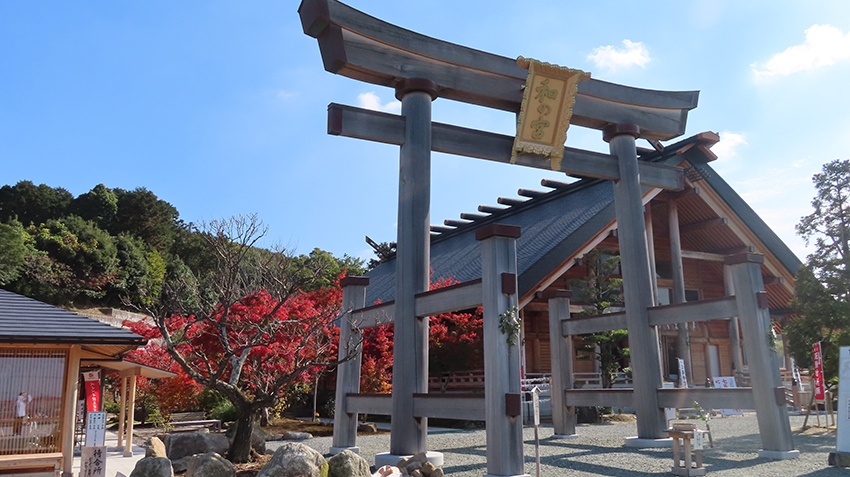
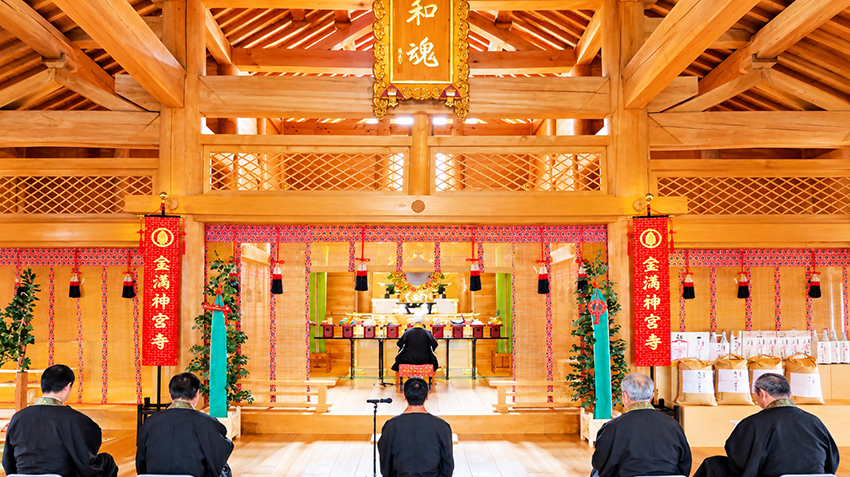
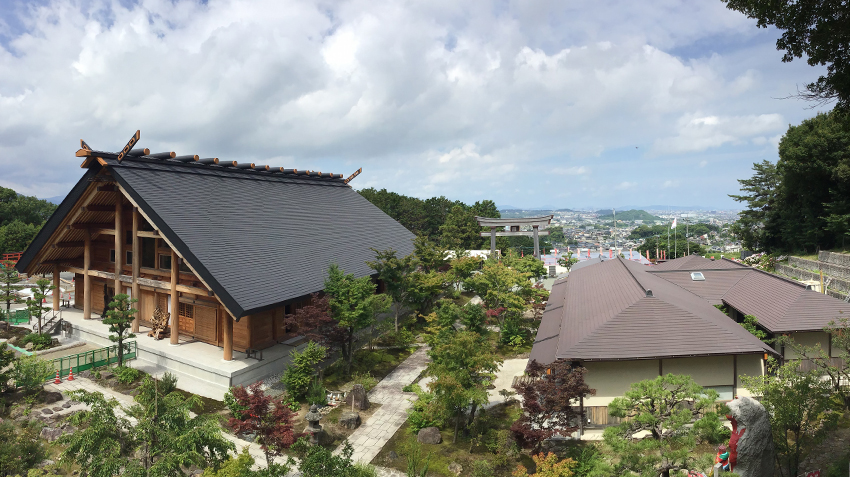
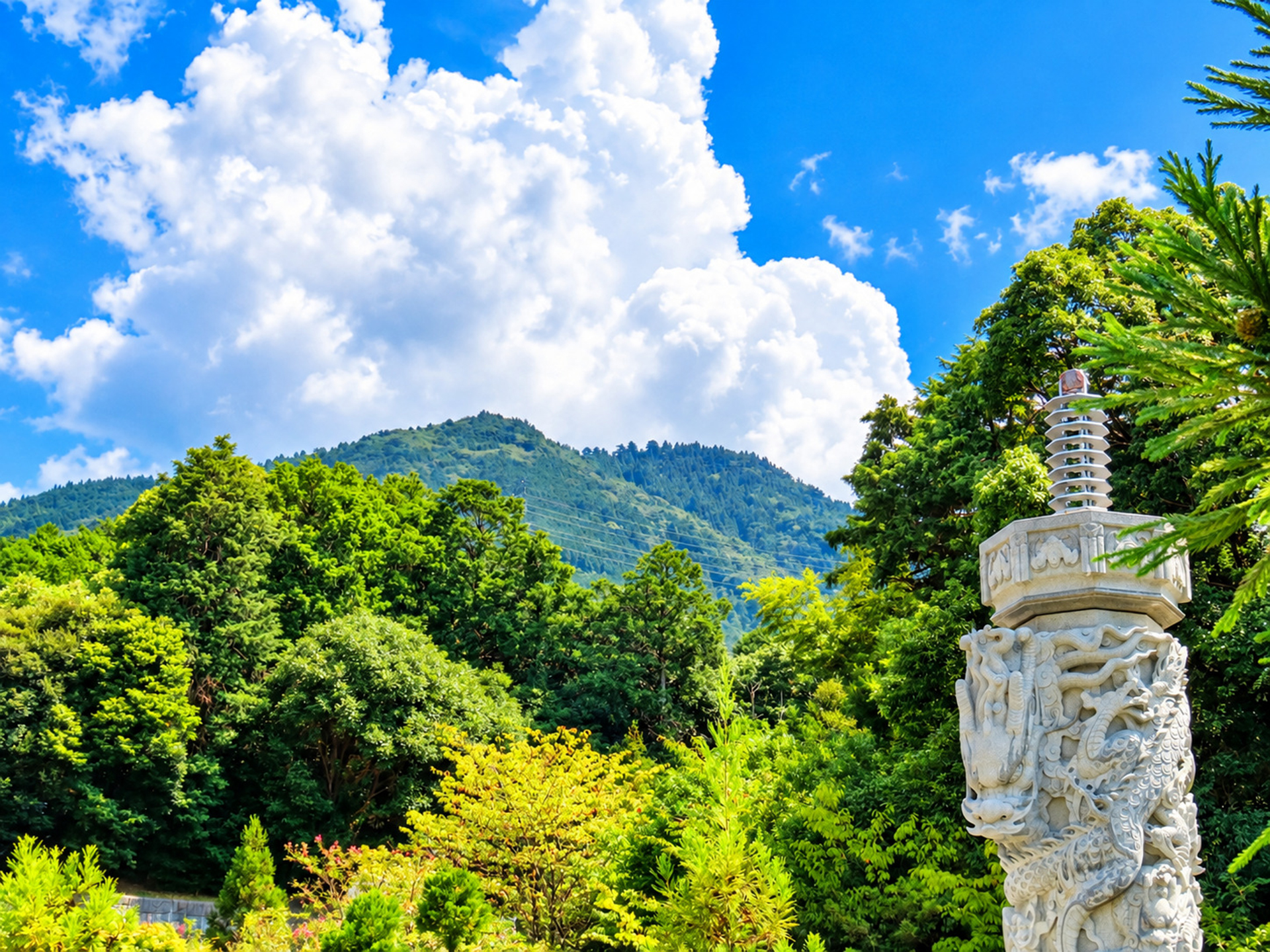
The mountains around Mount Wakasugi and Mount Homan have long been believed to be home to Shinto deities and Buddhist figures. Rooted in this tradition of mountain worship, "Wakesugi Reizan Homan Jinguji Temple" preserves the history of shinbutsu shugo, the blending of Shinto and Buddhist beliefs and practices. According to tradition, around 3,000 years ago, a group of people departed from the ancient province of Tsukushi, carrying the three Munakata goddesses, and traveled by sea currents to Noto in the Hokuriku region. The shrine buildings were constructed using approximately 94 hiba trees brought from the mountains of Noto, the setting of this tradition. The name "Wakesugi" derives from the historical names for Mount Wakasugi, "Wakasugi" and "Wakesugi," and is also connected to a legend involving an offshoot of the "Ayasugi" cedar planted and nurtured by Empress Jingu at Kashii-gu Shrine. The name expresses the wish to share the protection of Shinto deities and Buddhist figures with others while cherishing a sincere heart. On the grounds, a statue of Dainichi Nyorai carved from Aji stone from Kagawa Prefecture is enshrined as the principal object of worship. In September 2012, the shrine received a divine revelation, and on October 8 of that year, the deity Takemikazuchi-no-Okami was ritually brought from "Kashima Jingu" in Ibaraki Prefecture and enshrined here.
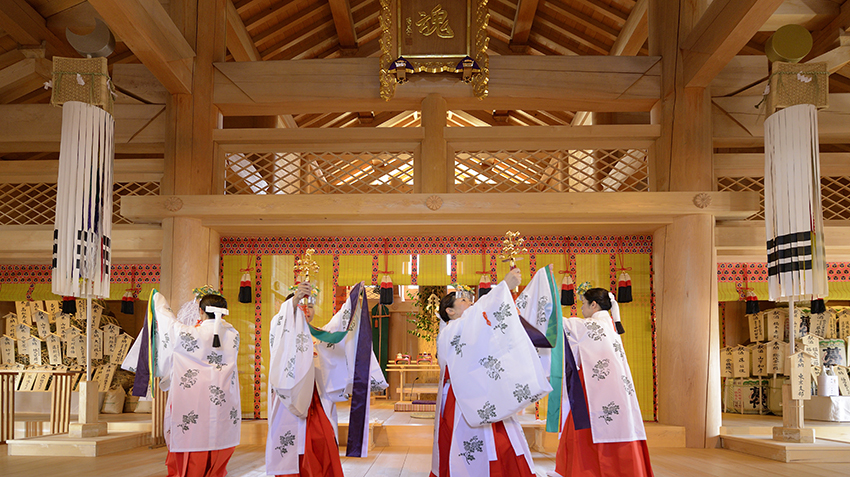
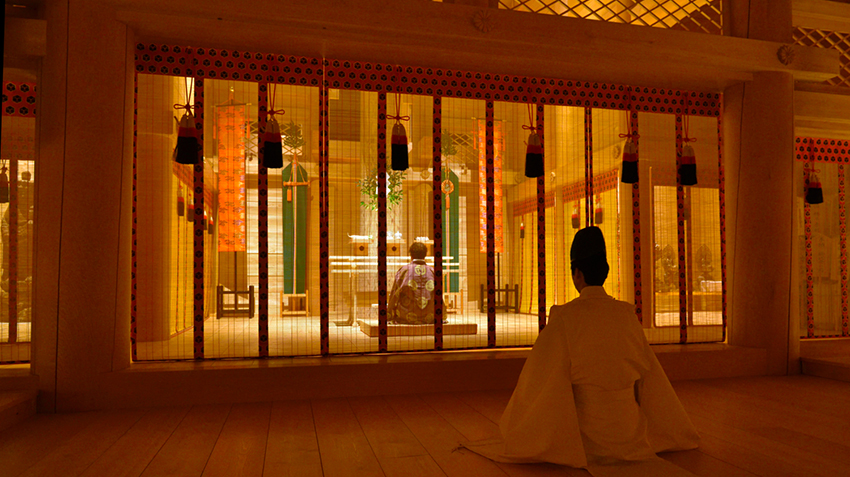
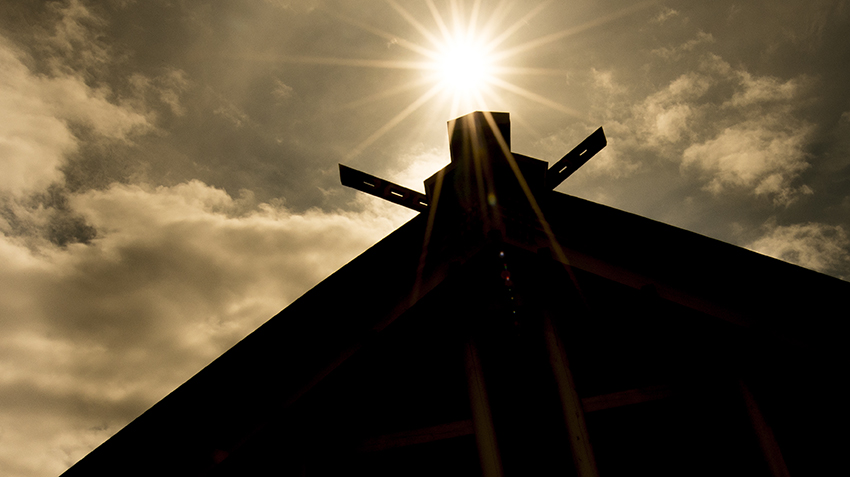
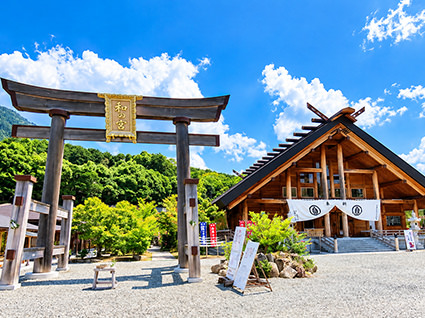
The shrine building is an imposing wooden structure built using approximately 94 hiba trees brought from Noto. At the front stands a simple yet solemn worship hall surrounded by the cedars of Mount Wakasugi. Its foundation stones are made of granite from Kurokami Island in the Seto Inland Sea, known as the "Island of the Gods." On the mornings of the spring and fall equinoxes, sunlight enters the worship hall from due east through its upper windows, illuminating the sanctuary. Inside stand rows of "sacred pillars," each believed to house Shinto deities and Buddhist figures. Before Dainichi Nyorai is enshrined the "Orb of Life," said to transform evil into good. Worshippers can touch it directly as they pray. Elsewhere on the grounds are a statue of Fudo Myoo with flames behind it and the enshrined Hachidai Ryuo (Eight Great Dragon Kings), believed to bring good fortune. Another attraction that draws many worshippers is the "Root of Life," a thick, powerful root brimming with vitality. Surrounded by the energy of nature, the grounds have a pure, tranquil atmosphere.
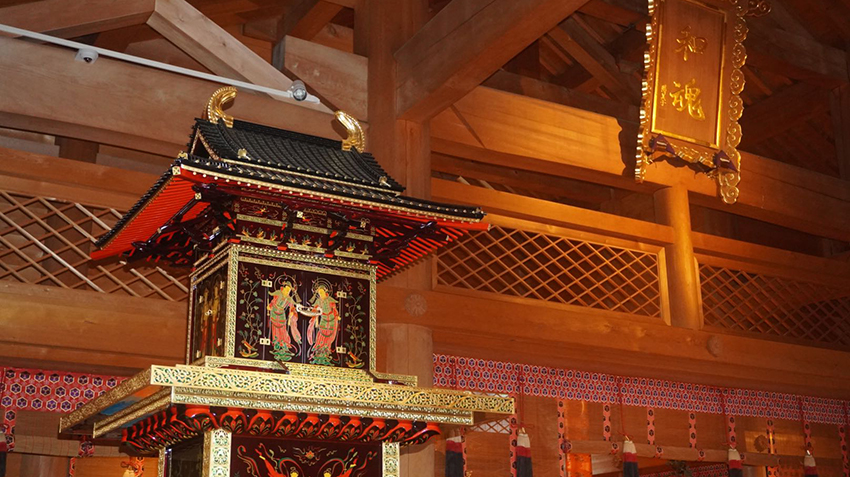
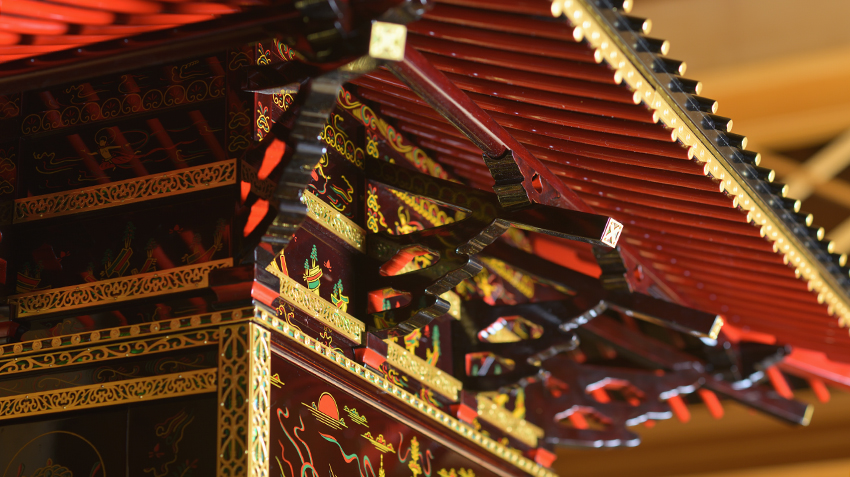
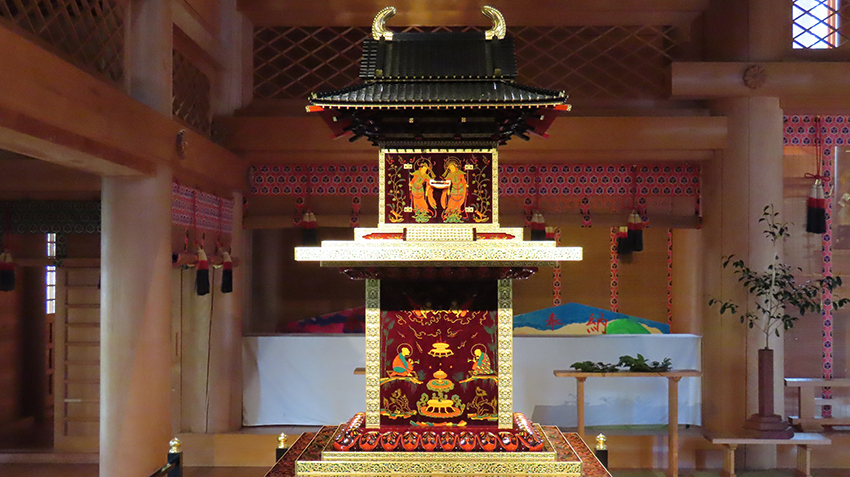
The prayer hall houses a work of craftsmanship donated to the site that carries forward the form and spirit of the "Tamamushi Shrine," a seventh-century National Treasure from Japan's Asuka period, preserved at Horyuji Temple. Created by skilled contemporary artisans, the piece revives the prayer traditions and traditional beauty of ancient Japan in the Reiwa era. It embodies the makers' strong desire to pass these traditions on to future generations, bringing together the finest aesthetic sensibilities and techniques handed down through the centuries. Before the miniature shrine stands a statue of Prince Shotoku depicting his filial devotion, enshrined with prayers for world peace and people's happiness in keeping with his teaching, "Harmony is to be valued above all." This precious cultural artifact combines exquisite craftsmanship with the Japanese spirit of prayer that connects the past, present, and future. The solemn atmosphere of the prayer hall offers a chance to appreciate the spirit of harmony and the wish for peace. Surrounded by the artisans' skill and heartfelt dedication, it is a place to spend a quiet moment collecting one's thoughts.

Seasonal beauty within the shrine's grounds and nature

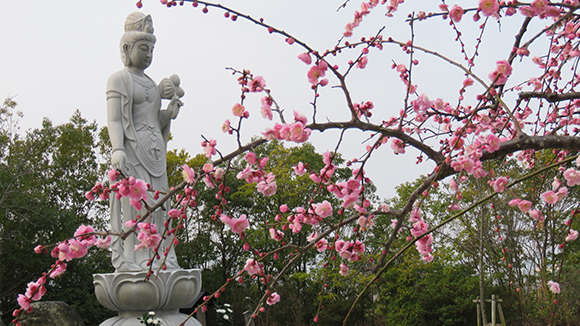

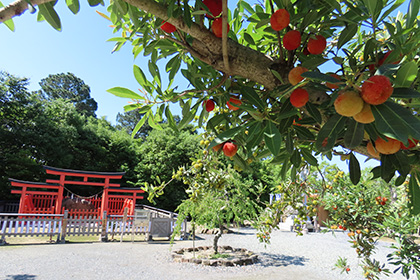
Greenery Glowing in the Sunlight
Refreshing Summer Scenery

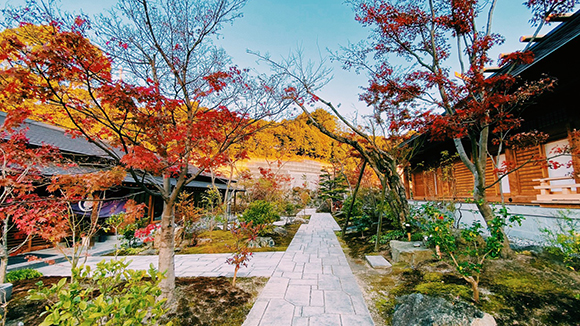
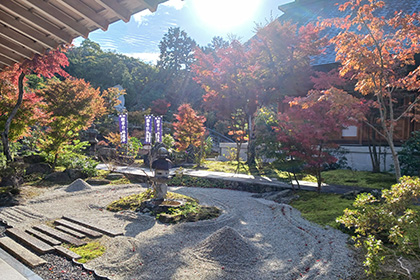
A Quiet Approach in Autumn Colors
Vibrant Colors That Soothe the Soul

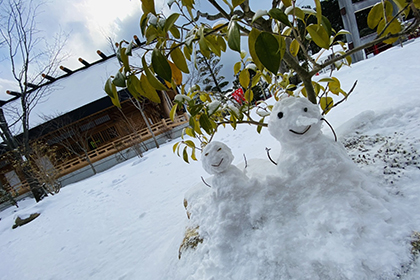
Winter Scenery Blanketed in Snow
Silent Grounds Amid a Sea of White
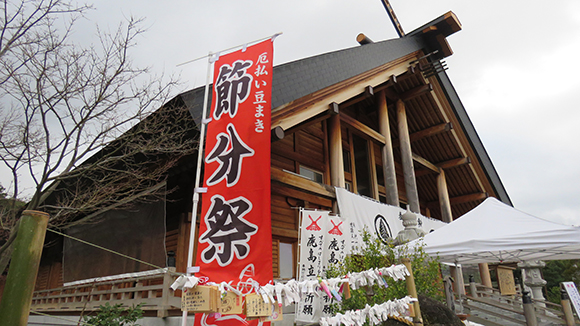

Wakesugi Reizan Homan Jinguji Temple
分椙霊山 宝満神宮寺


Introducing seasonal outing spots and event information in Fukuoka! Visit the places that interest you!
Pick popular spots nearby!

10kmfromWakesugi Reizan Homan Jinguji Temple
Address:7-1 Higashi Koen, fukuoka, fukuoka
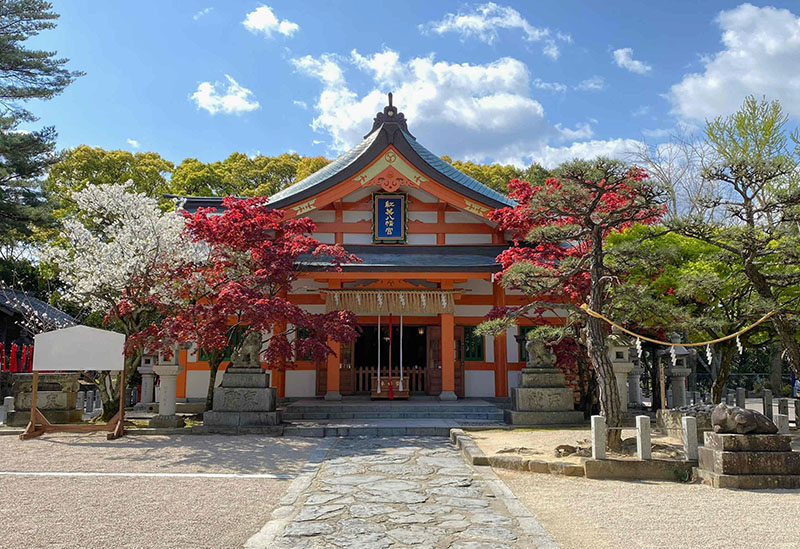
16.2kmfromWakesugi Reizan Homan Jinguji Temple
Address:1-26-55 Takatori, fukuoka, fukuoka
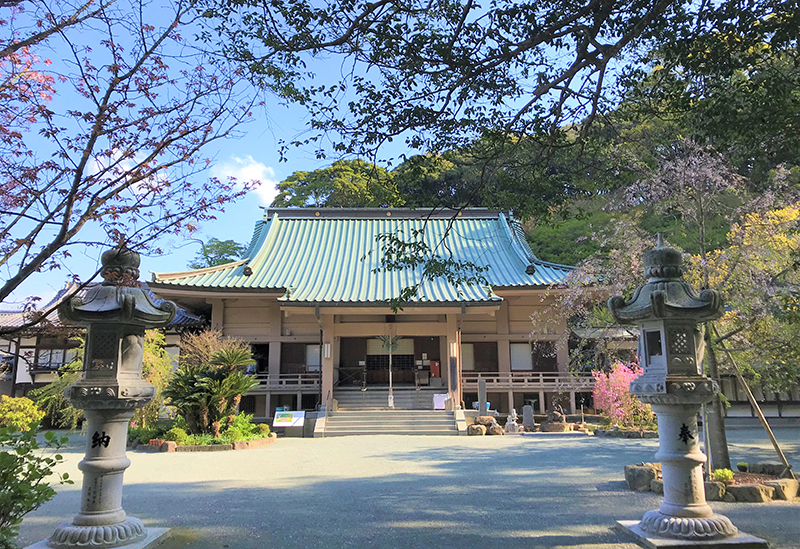
27.2kmfromWakesugi Reizan Homan Jinguji Temple
Address:966 Yoshida, munakata, fukuoka

46kmfromWakesugi Reizan Homan Jinguji Temple
Address:2-1 Jonai, kitakyushu, fukuoka

49.4kmfromWakesugi Reizan Homan Jinguji Temple
Address:667 Hirayuki, Isugi Town, karatsu, saga
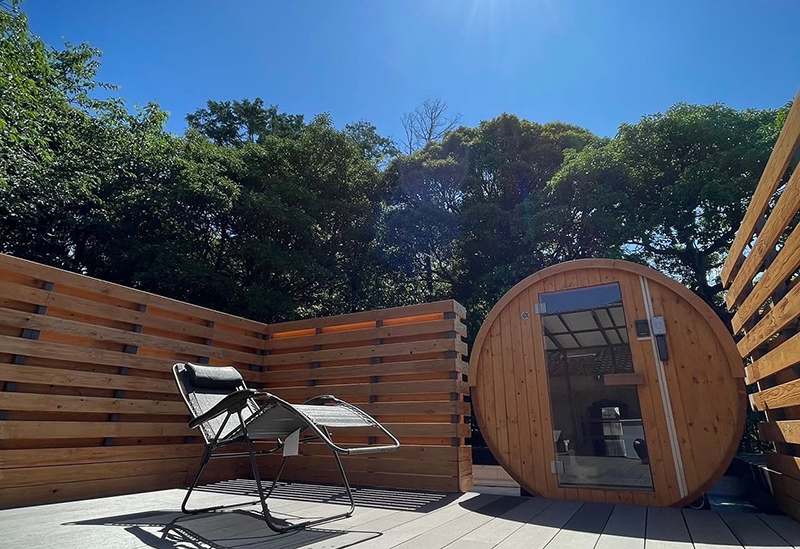
58kmfromWakesugi Reizan Homan Jinguji Temple
Address:2-6-8 Akada Town, shimonoseki, yamaguchi

61.7kmfromWakesugi Reizan Homan Jinguji Temple
Address:1F, 545-1 Fukue, shimonoseki, yamaguchi
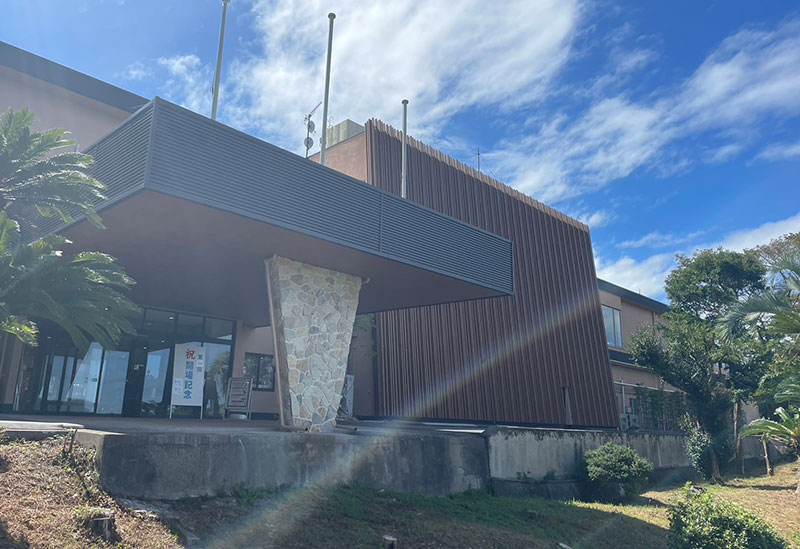
66.2kmfromWakesugi Reizan Homan Jinguji Temple
Address:4737 Shimosakashita, Nankan Town, tamana, kumamoto
67.2kmfromWakesugi Reizan Homan Jinguji Temple
Address:99-1 Ko, Furueda, kashima, saga

72.7kmfromWakesugi Reizan Homan Jinguji Temple
Address:1-4-28 Nakadaru, Nishimatsuura, saga
 Café/Sweets
9.7kmfromWakesugi Reizan Homan Jinguji Temple
Address:2F HEARTS Bus Station Hakata, 4-14-13 Hakataekimae, fukuoka, fukuoka
 Japanese Cuisine
10.2kmfromWakesugi Reizan Homan Jinguji Temple
Address:1F Tamagawa Apartment, 15-6 Tamagawa Town, fukuoka, fukuoka
 Western Cuisine
10.4kmfromWakesugi Reizan Homan Jinguji Temple
Address:1F Soejima Building, 1-27-7 Noma, fukuoka, fukuoka
 Japanese Cuisine
10.9kmfromWakesugi Reizan Homan Jinguji Temple
Address:9F/10F, FPG Links NAKASU, 2-3-8 Nakasu, fukuoka, fukuoka
 Café/Sweets
10.9kmfromWakesugi Reizan Homan Jinguji Temple
Address:2F Faro di Haruyoshi II, 2-9-1 Haruyoshi, fukuoka, fukuoka
 Japanese Cuisine
10.9kmfromWakesugi Reizan Homan Jinguji Temple
Address:Floral A Hakata, 1-8 Shimokawabata Town, fukuoka, fukuoka
 Western Cuisine
11.2kmfromWakesugi Reizan Homan Jinguji Temple
Address:5-2-8 Watanabedori, fukuoka, fukuoka
 Local Specialties
11.6kmfromWakesugi Reizan Homan Jinguji Temple
Address:3-16-14 Hirao, fukuoka, fukuoka
 Café/Sweets
11.9kmfromWakesugi Reizan Homan Jinguji Temple
Address:1F Erianto Daimyo, 1-1-8 Daimyo, fukuoka, fukuoka
 Café/Sweets
11.9kmfromWakesugi Reizan Homan Jinguji Temple
Address:301 OAK VILLA BUREAU Yakuin Odori, 2-1-5 Yakuin, fukuoka, fukuoka
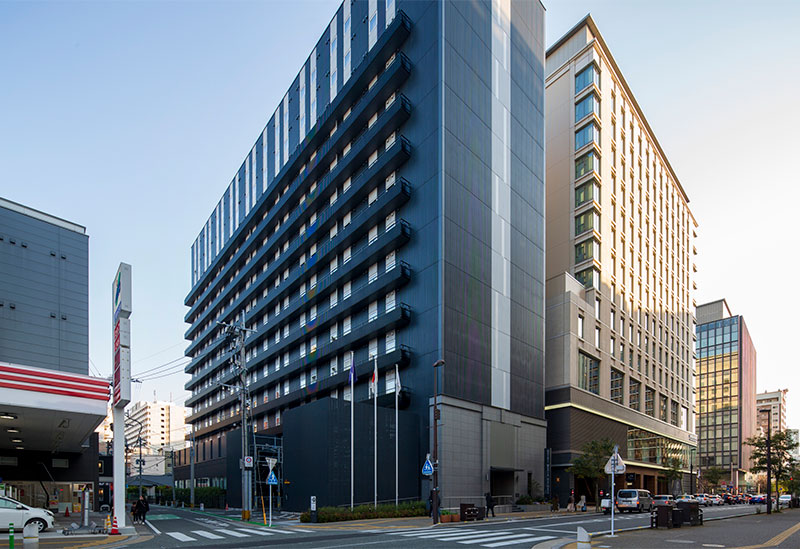
11.1kmfromWakesugi Reizan Homan Jinguji Temple
Address:3-4-24 Watanabe-dori, fukuoka, fukuoka

11.2kmfromWakesugi Reizan Homan Jinguji Temple
Address:3-4-13 Watanabe-dori, fukuoka, fukuoka

11.2kmfromWakesugi Reizan Homan Jinguji Temple
Address:5-5-1 Nakasu, fukuoka, fukuoka
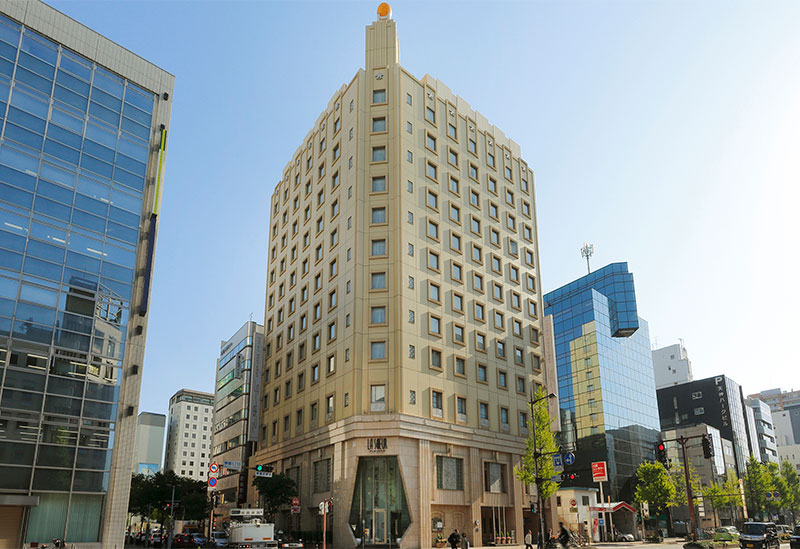
12kmfromWakesugi Reizan Homan Jinguji Temple
Address:2-8-27 Daimyo, fukuoka, fukuoka

13.9kmfromWakesugi Reizan Homan Jinguji Temple
Address:667-3, miyawaka, fukuoka
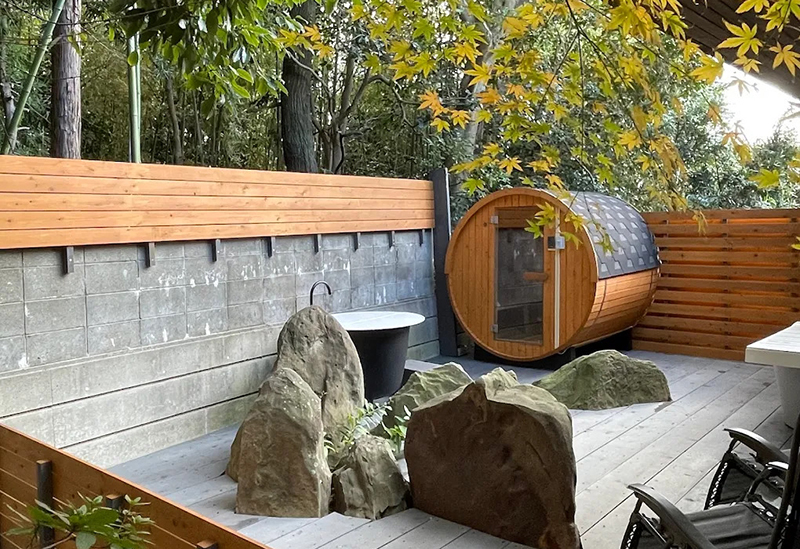
58kmfromWakesugi Reizan Homan Jinguji Temple
Address:2-6-8 Akada Town, shimonoseki, yamaguchi
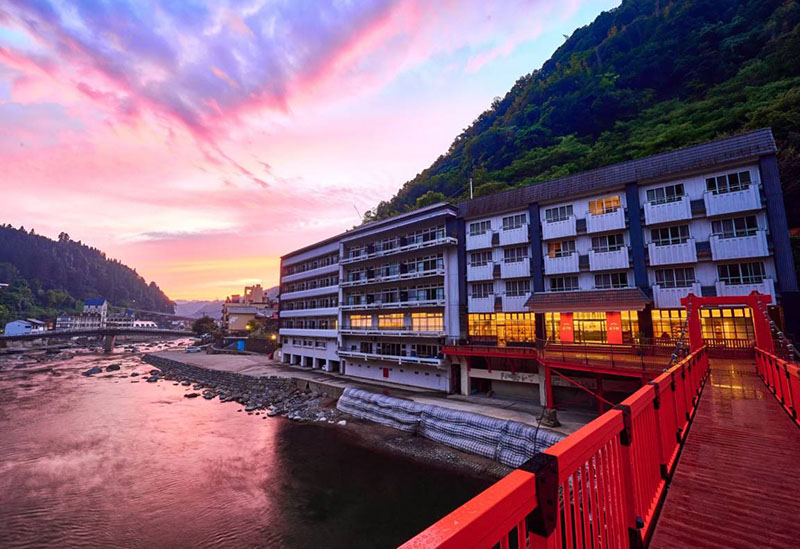
59.8kmfromWakesugi Reizan Homan Jinguji Temple
Address:1143 Yuyama, Amagase Town, hita, oita

73.3kmfromWakesugi Reizan Homan Jinguji Temple
Address:311-1 Ichibo, Ueki Town, kumamoto, kumamoto

73.5kmfromWakesugi Reizan Homan Jinguji Temple
Address:1701 Oura Town, Tara Town, fujitsu, saga

74.3kmfromWakesugi Reizan Homan Jinguji Temple
Address:1021 Oaza Shimojuku Otsu, Ureshino Town, ureshino, saga


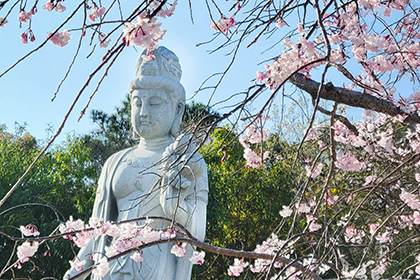
Kannon Amid Blooming Flowers
A Peaceful Moment in Spring