


Recommended articles in the same area
Introducing seasonal outing spots and event information in Fukuoka! Visit the places that interest you!
紅葉八幡宮
 Sawara Ward, Fukuoka City, Fukuoka
紅葉八幡宮
A Shrine Watching Over Safe Childbirth and Parenting Amid Beautiful Fall Foliage
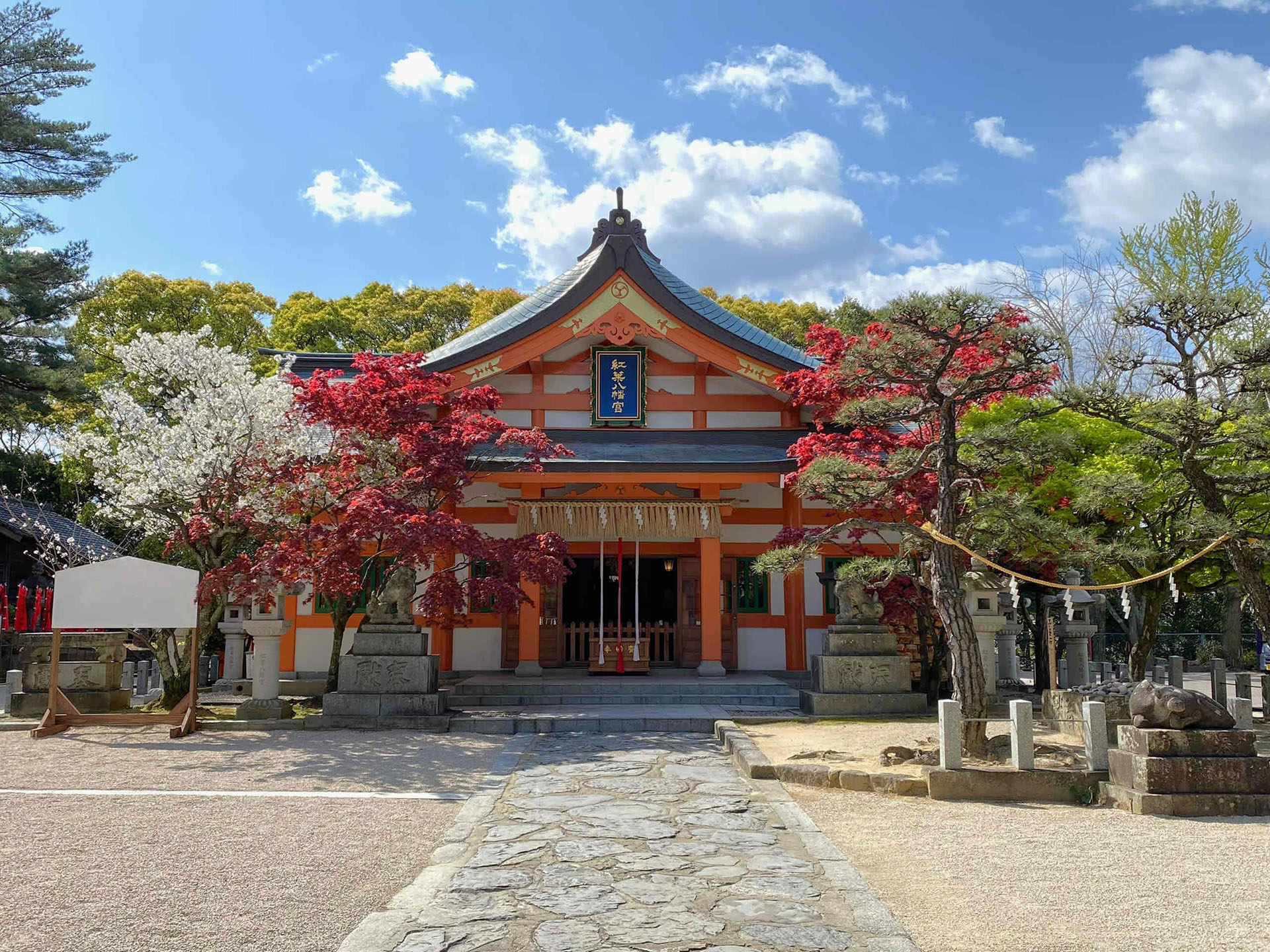
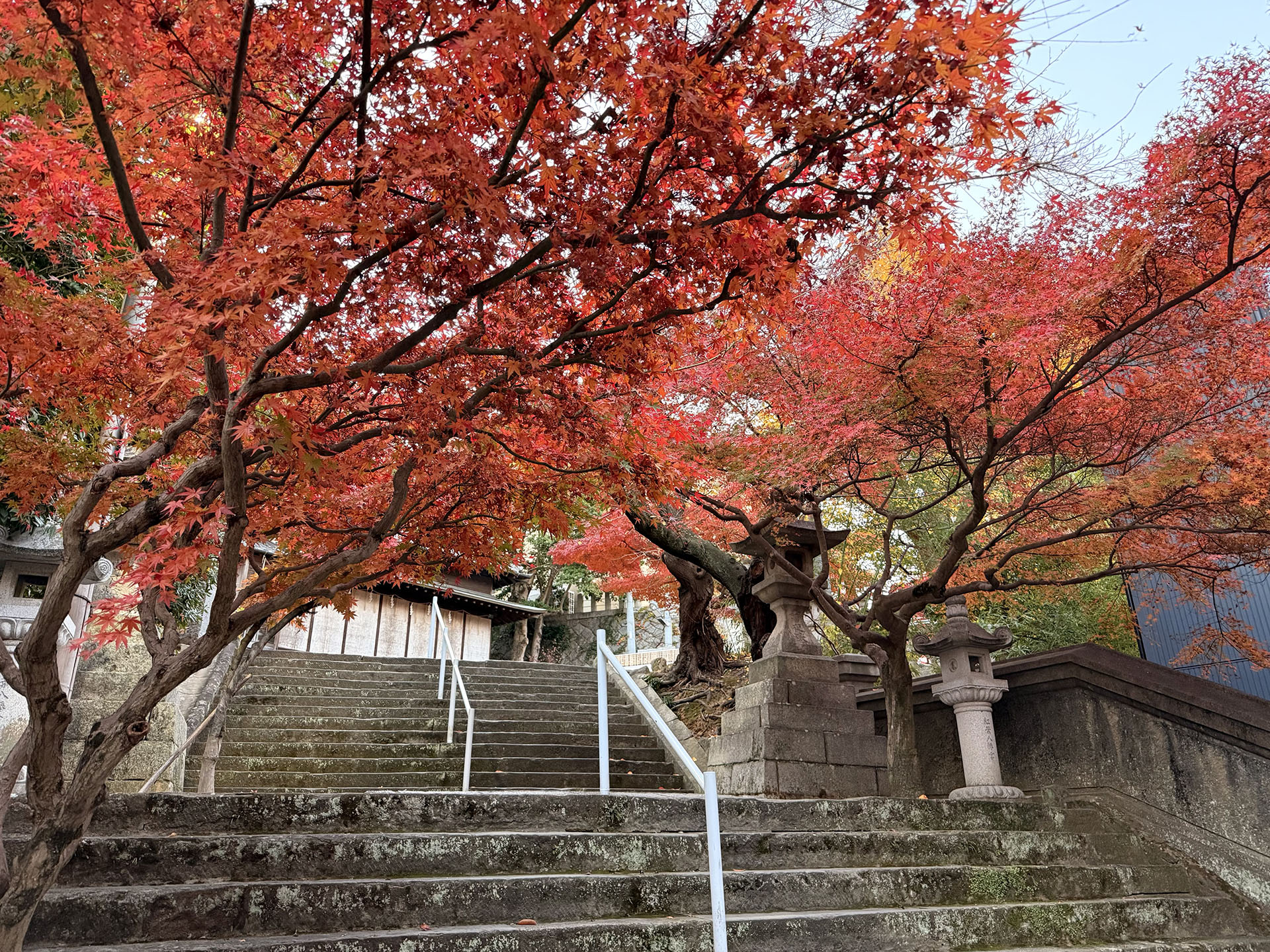
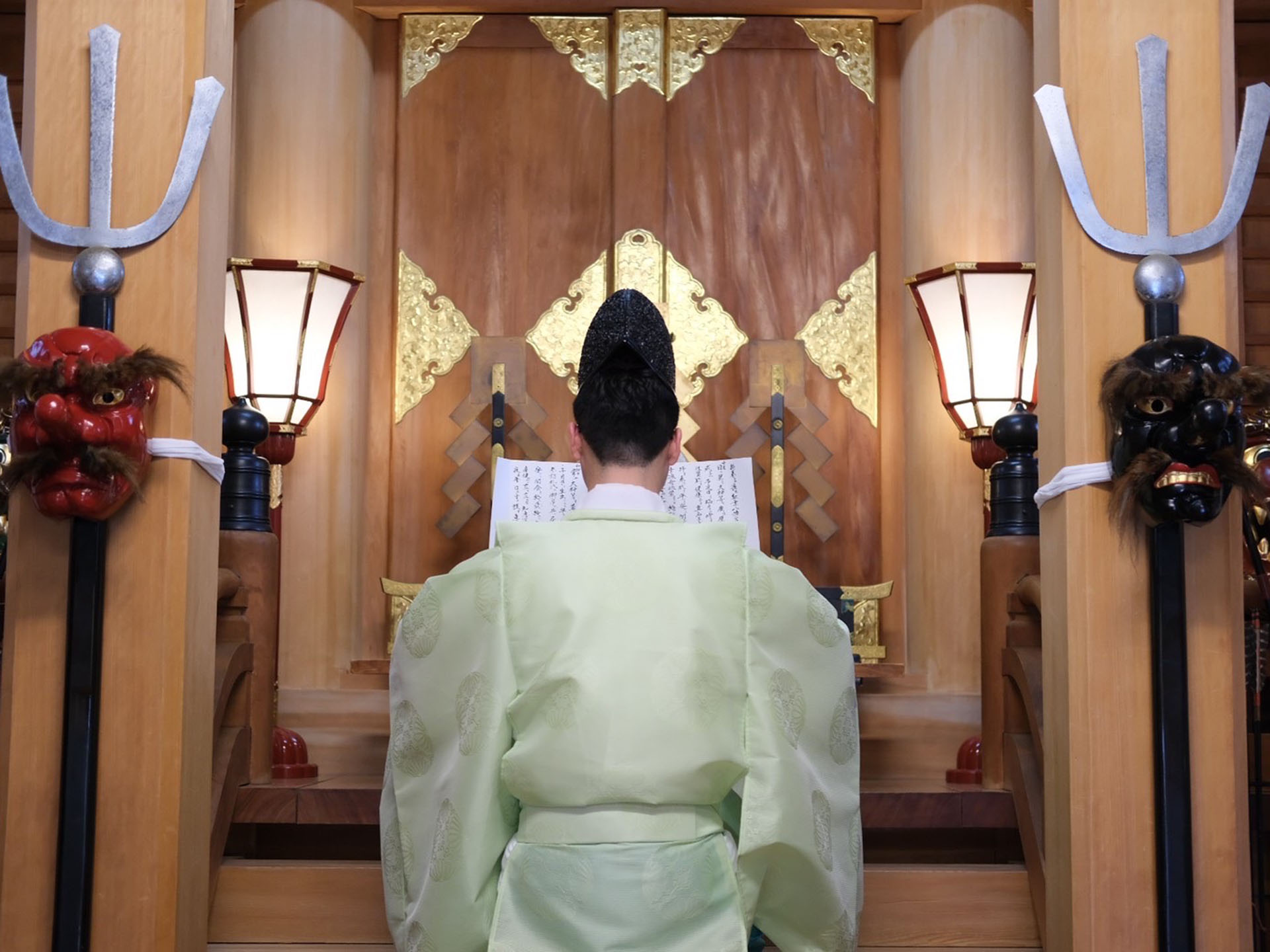
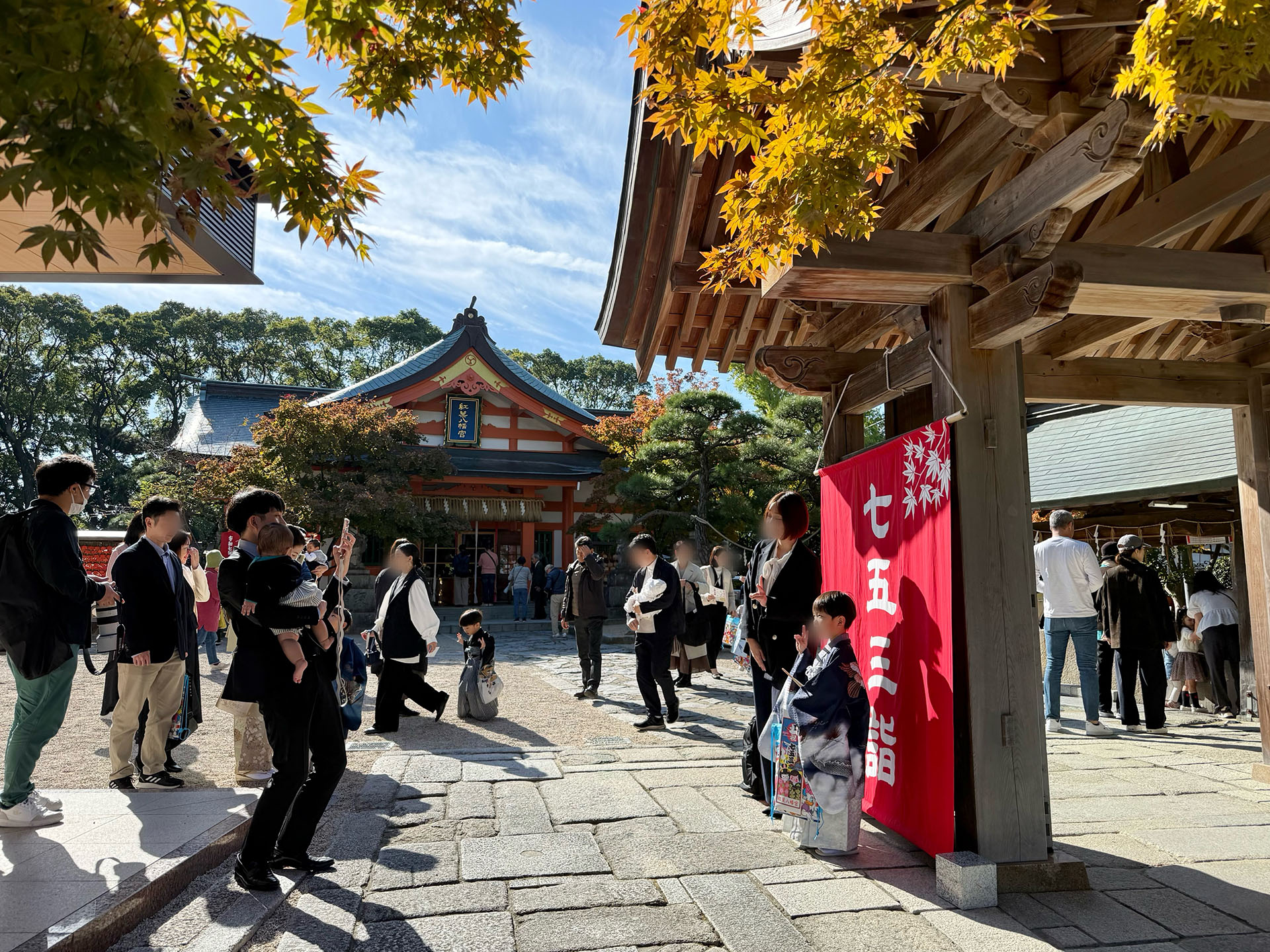
Located a seven-minute walk from Fujisaki Station on the Fukuoka City Subway, "Momiji Hachimangu Shrine" was founded in 1482 (Bunmei 14). It enshrines 12 deities, including Emperor Ojin and Empress Jingu, and was deeply revered by the Kuroda family, lords of the Fukuoka Domain, during the Edo period. The shrine has long been worshiped as a protector of mothers during childbirth and of children. Numerous maple trees fill the grounds with vibrant colors in fall, attracting many worshipers throughout the season. The shrine has also introduced "Goshuin AR," an augmented reality experience accessed through a dedicated smartphone app, drawing attention as a new approach to shrine visits.





Priest
Hirayama Michiyoshi
Born into a family of Shinto priests with a history spanning several centuries, he is committed to serving the deities and creating a shrine cherished by the local community. He also works to maintain grounds where worshippers can focus on their prayers and to share the shrine's appeal.

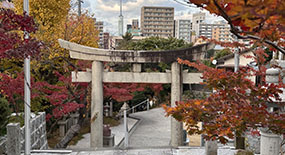
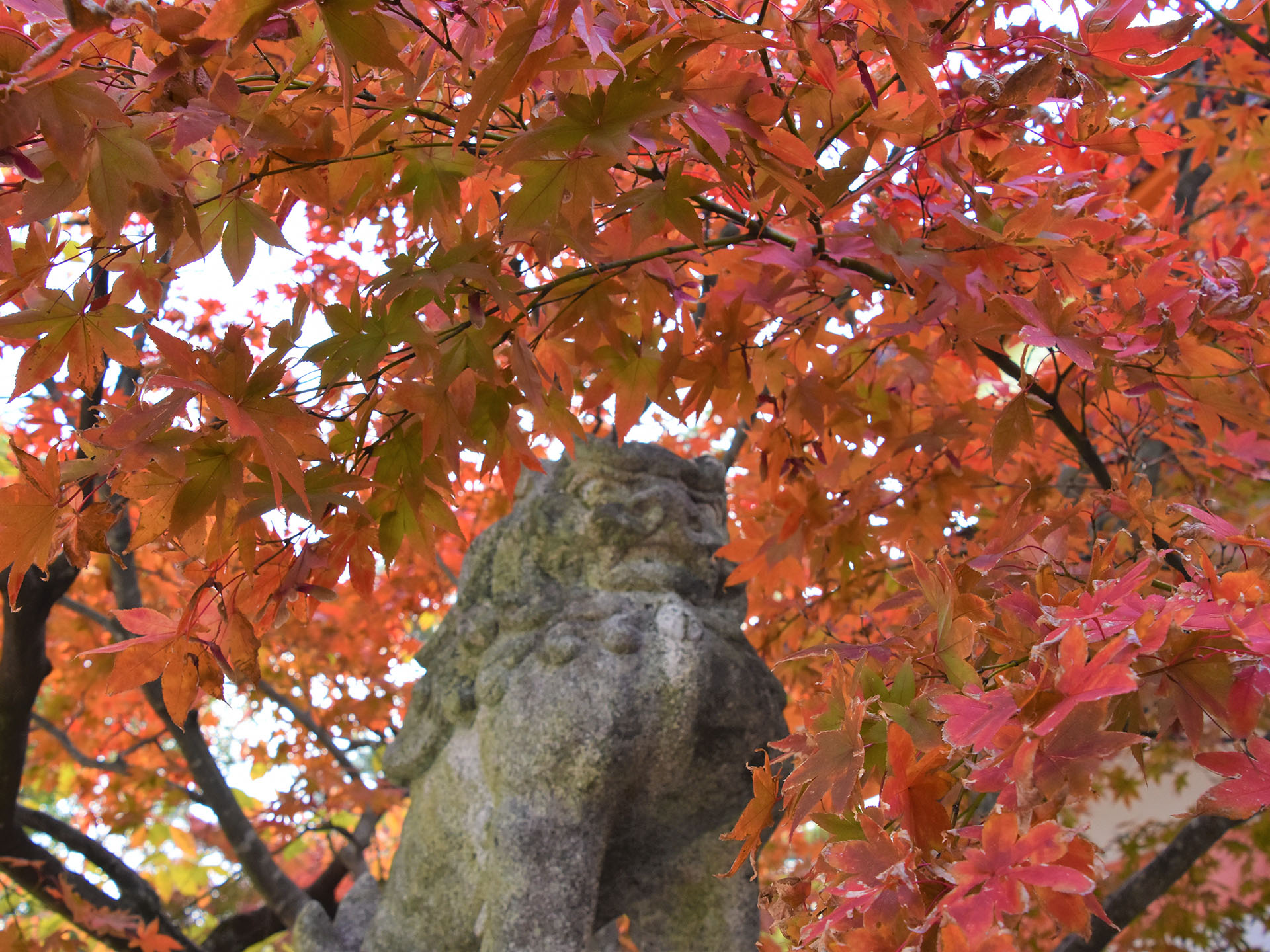
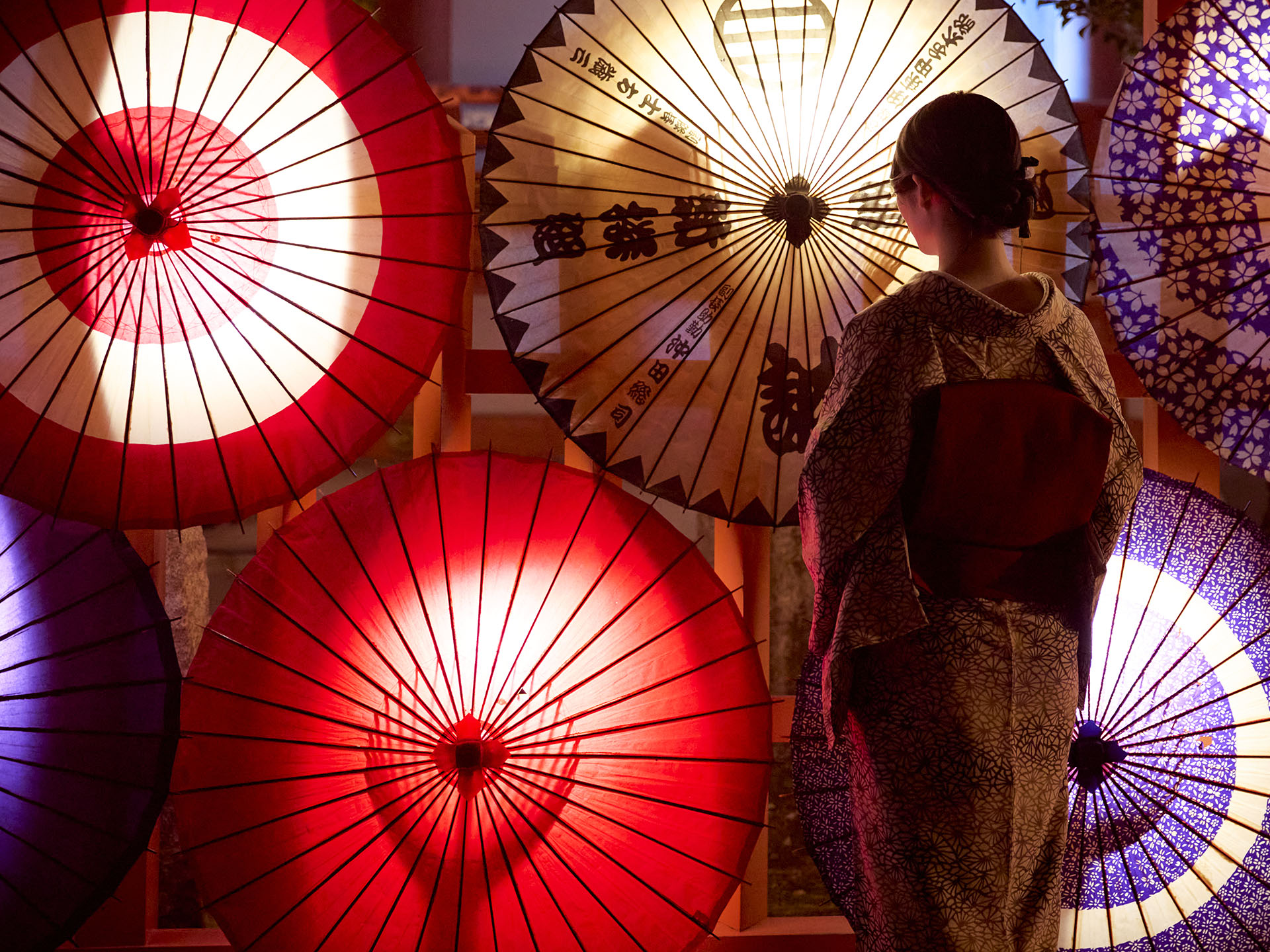
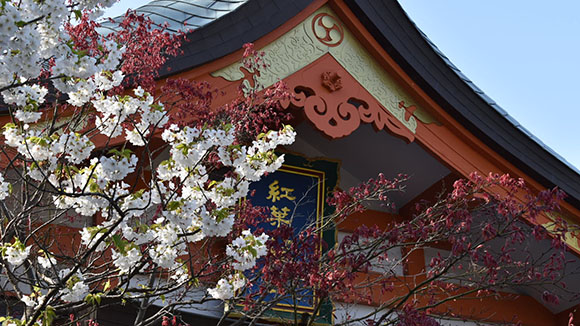
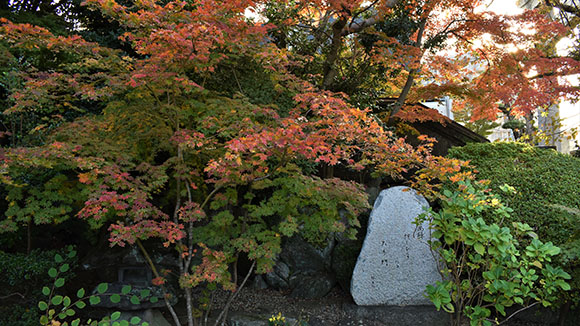
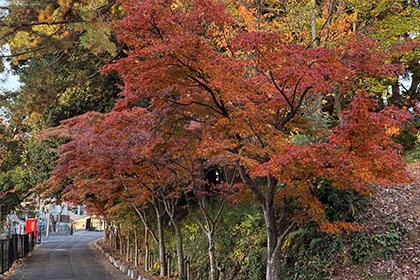
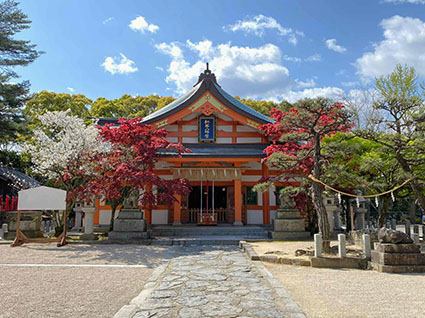
The shrine grounds include varieties of maple trees whose leaves change color in spring, allowing colorful foliage to be enjoyed twice a year. During the autumn foliage season, the shrine approach is illuminated, and the "Momiji Festival" is held in late November. The shrine is also conveniently located about a seven-minute walk from the nearest station.

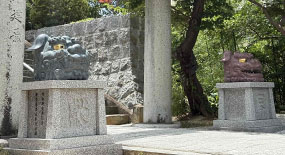
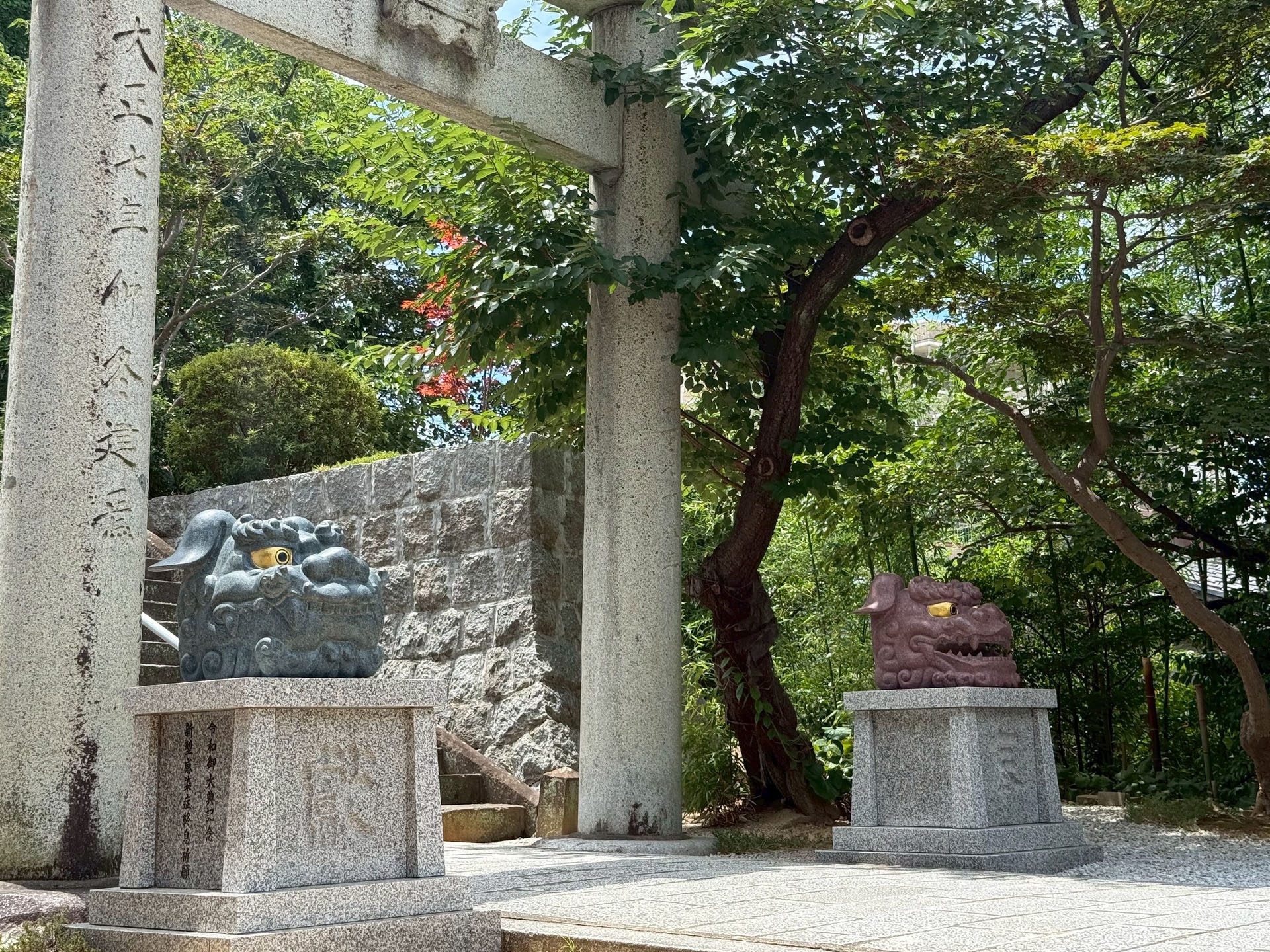
These A-Un lion heads, carved from granite, were installed on the shrine grounds as a symbol of the tradition of the "Shishi Matsuri". Their fierce expressions are believed to possess the power to ward off misfortune, and worshippers who look directly into the eyes of the stone figures are said to receive blessings for good health and protection from illness.

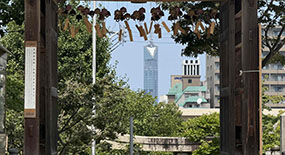
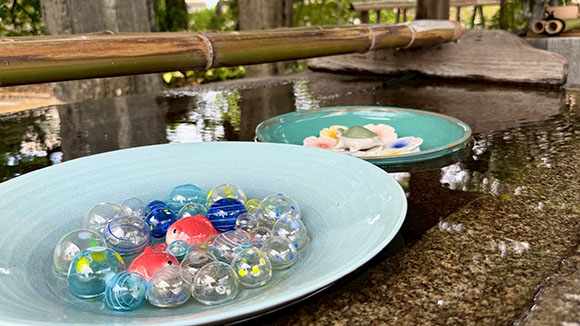
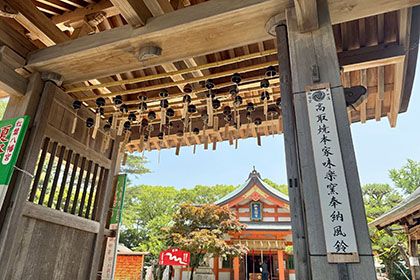
After passing through the Shinmon Gate from the Main Sanctuary and looking back, "Fukuoka Tower", a landmark of Fukuoka City, Fukuoka Prefecture, can be seen directly ahead. The view combining traditional shrine architecture with the futuristic tower is another highlight. From July through August, Takatori ware wind chimes are hung throughout the grounds, filling the summer air with their clear, refreshing tones.

 Shichi-go-san (Children’s Ceremony)
 Miyamairi (Newborn Blessing)
 Matchmaking
 Cutting Ties
 Financial Luck
 Business Prosperity
 Yakuyoke (Purification)
 Health & Well-being
 Safe Childbirth
 Exam Success
 Traffic Safety
 Fertility
 Performing Arts
 Love Fulfillment
 Bountiful Harvest
 Family Safety
 Academic Success
 Recovery from Illness

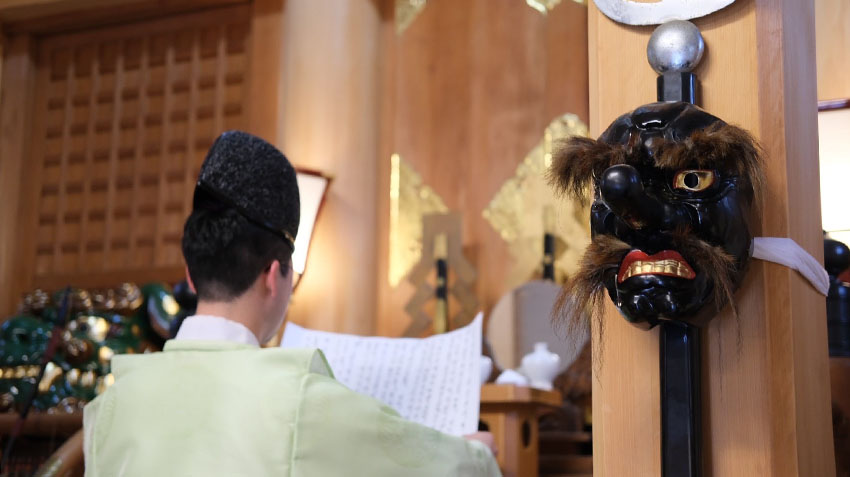
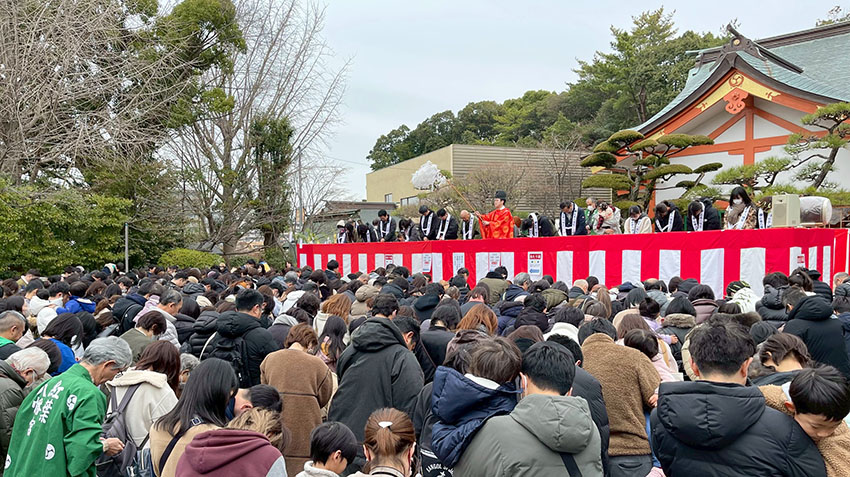
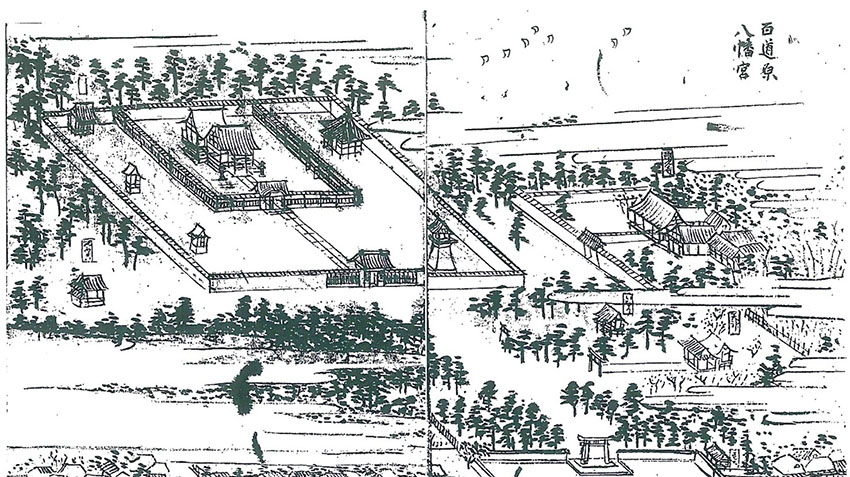
Momiji Hachimangu Shrine was founded in Hashimoto Village, Chikuzen Province, now Hashimoto in Nishi Ward, Fukuoka City. In the early Edo period, Kuroda Tadayuki, the second lord of the Fukuoka Domain, met a village woman while visiting the lord's villa north of the shrine. She later became his second wife, and their son Mitsuyuki, the future third lord of the domain, was born. This story is regarded as the origin of the shrine's blessings for matchmaking, safe childbirth, and protection of children. Mitsuyuki, who spent his childhood in his mother's home village, deeply revered the shrine as his ubusuna deity, and in 1666 it was relocated to "Momochi Matsubara," now in Sawara Ward, Fukuoka City, as a guardian shrine of the Kuroda family. Visits by successive domain lords then became customary. The shrine's history of prayers for protection from misfortune spans more than 350 years, and records show that rites were also performed for domain lords during their unlucky years. Twelve deities, including the principal enshrined deity, are enshrined in the main sanctuary. Known by the saying "A Visit to Momiji Brings Good Fortune in All Things," the shrine draws around 100,000 worshippers during the New Year period.
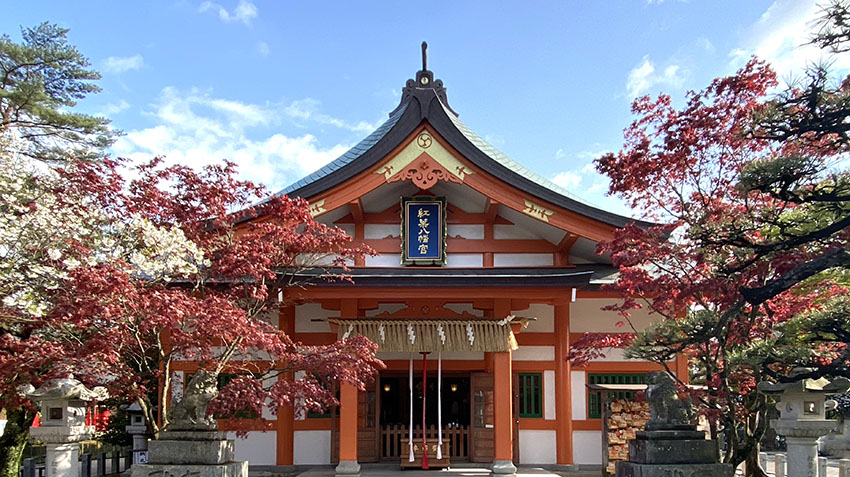
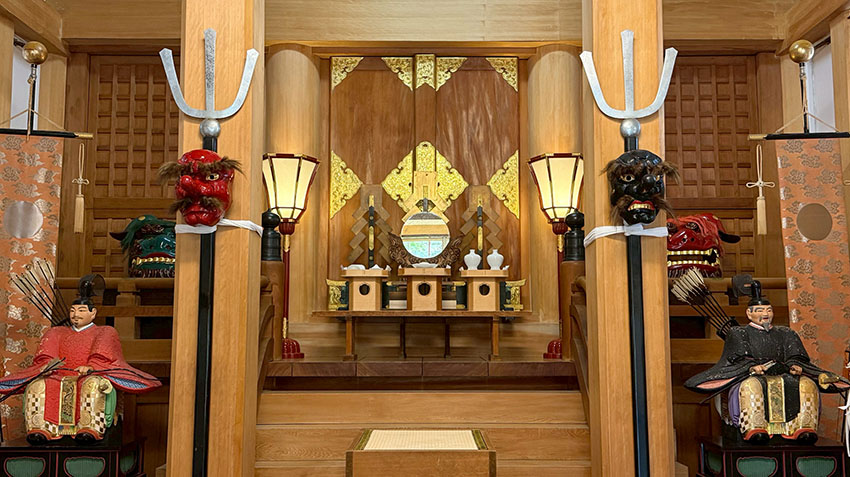
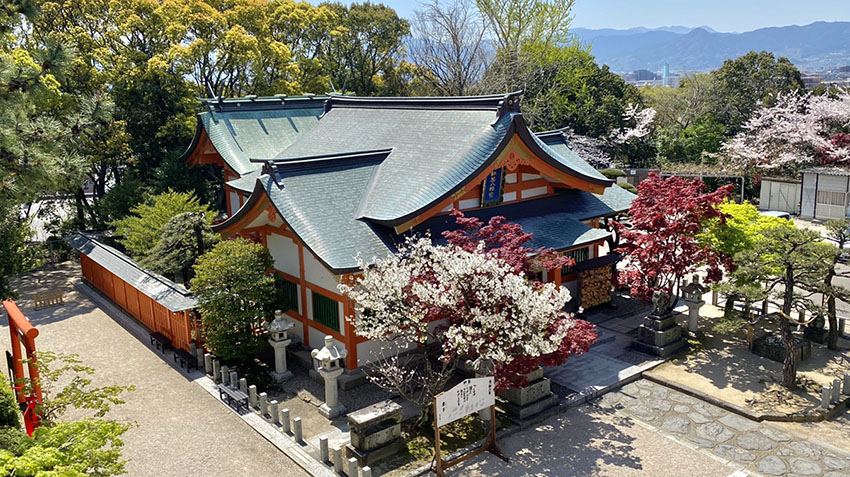
The shrine is said to have been founded in 1482 by Shibata Kurando-no-Suke Shigenobu. In 1666, Kuroda Mitsuyuki, the third lord of the Fukuoka Domain, relocated it to Momochi Matsubara, around present-day Nishijin in Sawara Ward, Fukuoka City, as a guardian shrine of the Kuroda family. Magnificent shrine buildings, a Noh stage, Zuishinmon Gate, bell tower, and other structures created a dignified landscape within the grounds.
During the Meiji period, the Hokuchiku Railway came to run through the shrine grounds, gradually disrupting the quiet environment that had previously been maintained. In response, the shrine was relocated again in 1913 to its present site overlooking the town. The wooden Main Sanctuary was destroyed by a suspicious fire in 1974 but was subsequently rebuilt in reinforced concrete and has been preserved to the present day.
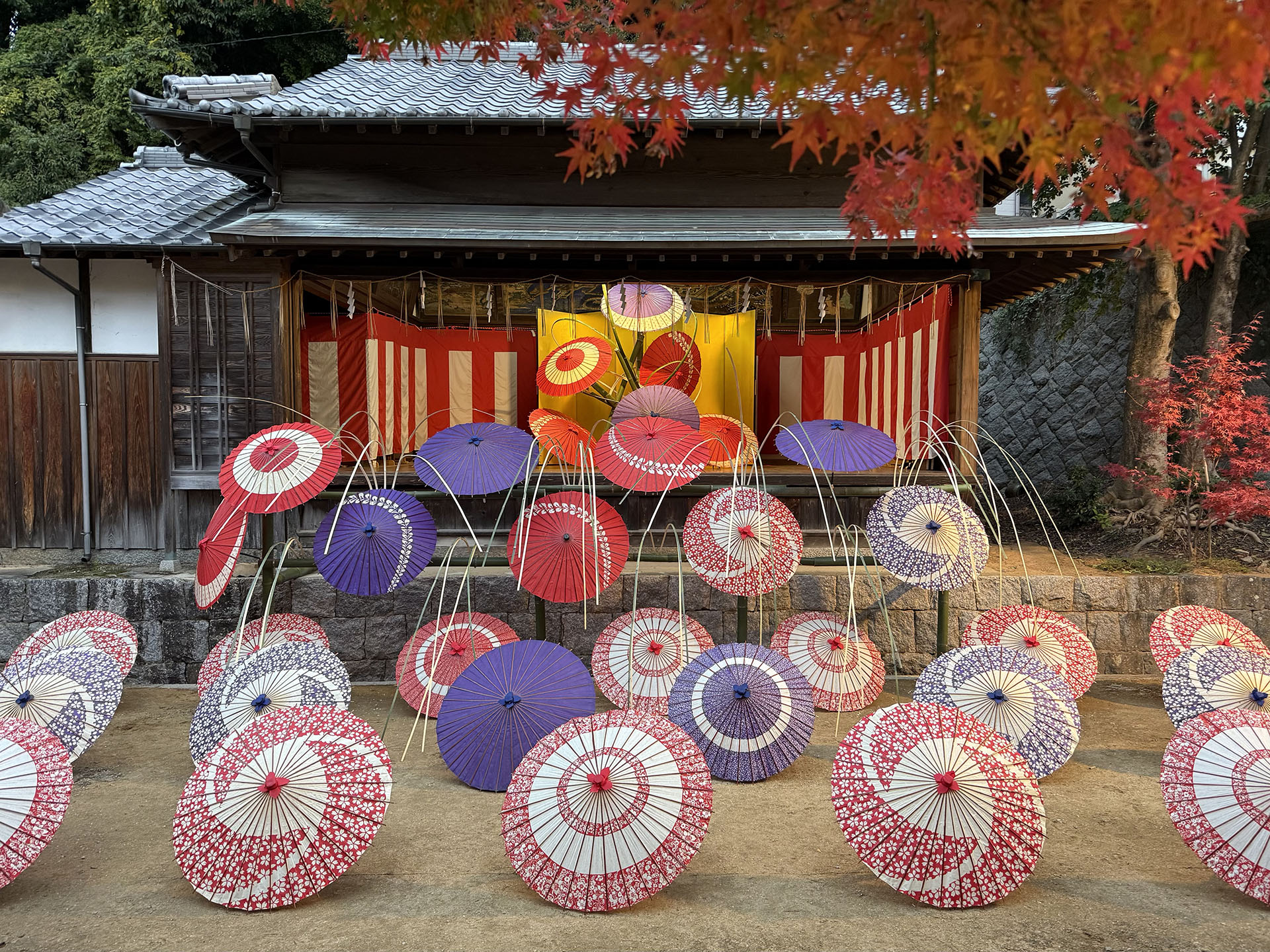
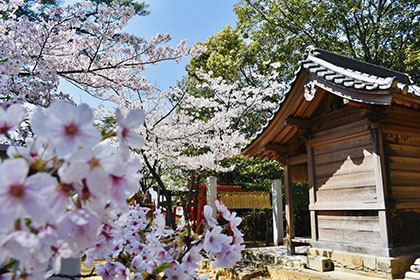
The grounds are colored by abundant seasonal nature, with cherry blossoms in spring, lush greenery in summer, and autumn foliage later in the year. The vivid vermilion shrine buildings create a particularly striking harmony with the surrounding trees.
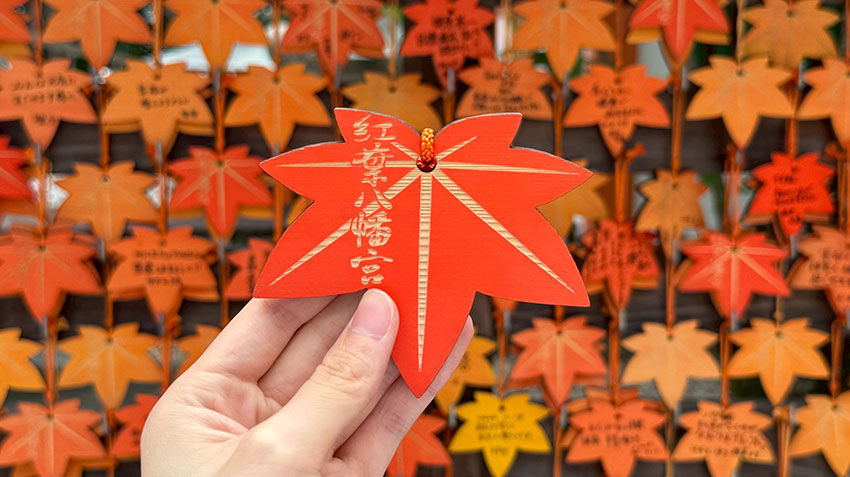
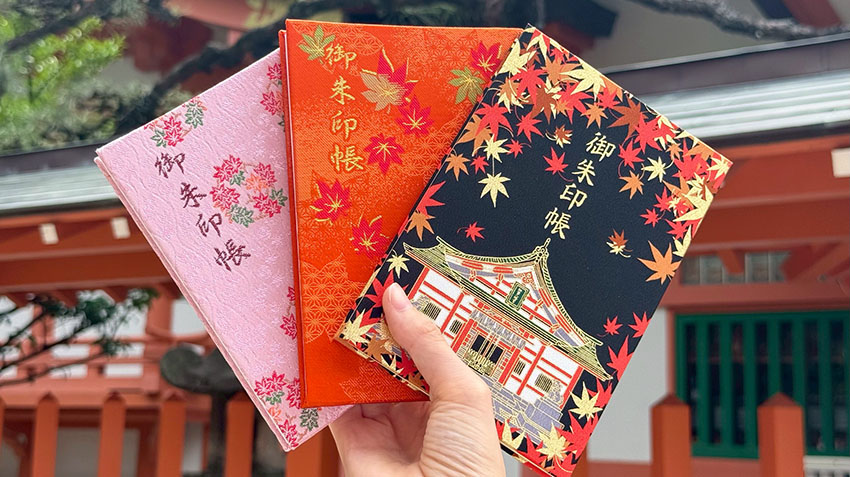
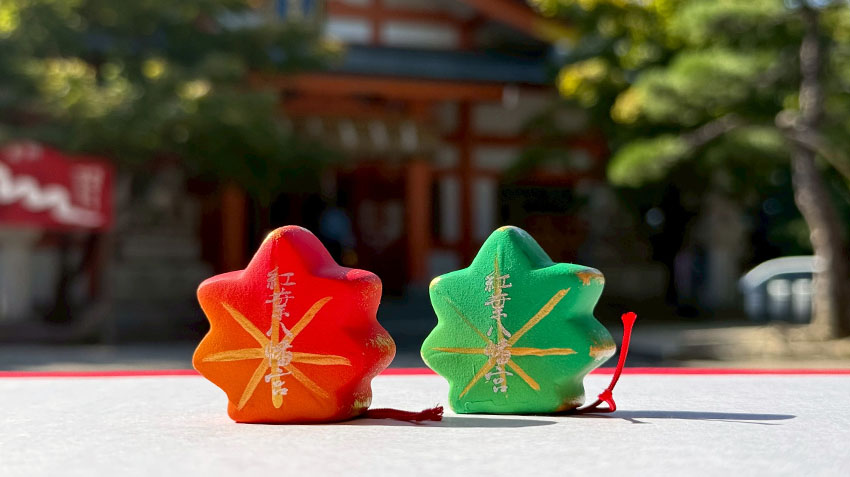
At this shrine bearing the name "Momiji", many devotional items feature maple-leaf motifs and are popular with worshippers. The "Momiji Ema" is a maple-shaped votive plaque on which wishes are written before being offered at the shrine. It is said that dedicating one will "bring color" to a wish, making it an auspicious item offered by many worshippers with their prayers. Goshuincho stamp books decorated with beautiful maple designs are also available as mementos of a shrine visit. Amulets are offered for blessings such as safe childbirth, protection of children, and protection from misfortune, and come in a wide range of colors. Another popular item is the "Ceramic Maple Omikuji", each one handmade by an artisan with its own distinctive color gradation. The symbolic meaning associated with maple leaves is "precious memories", making these items suitable both as keepsakes of a visit and as gifts for someone special. Their distinctive designs have also attracted attention across social media.

Seasonal beauty within the shrine's grounds and nature


Ceramic Wind Chimes Swaying in the Breeze
A Cool Sound Heralding Summer

Fiery Red Colors
Late-Autumn Foliage on the Shrine Grounds

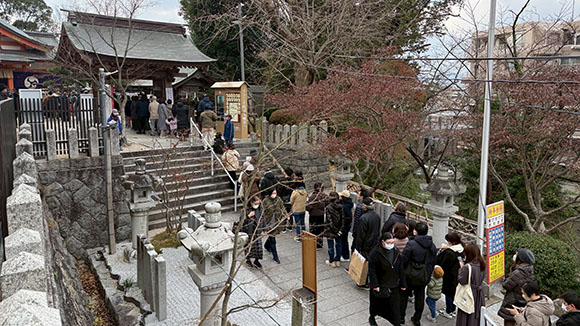
New Year's Prayers in Quiet Reflection
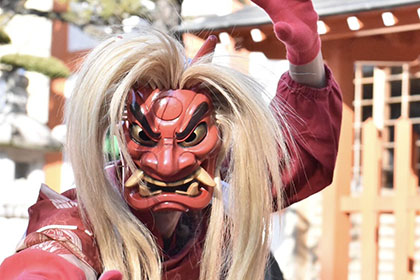
Setsubun to Ward Off Demons and Invite Fortune

Momiji Hachimangu Shrine
紅葉八幡宮


Introducing seasonal outing spots and event information in Fukuoka! Visit the places that interest you!
Pick popular spots nearby!

6.9kmfromMomiji Hachimangu Shrine
Address:7-1 Higashi Koen, fukuoka, fukuoka

36kmfromMomiji Hachimangu Shrine
Address:667 Hirayuki, Isugi Town, karatsu, saga

58.4kmfromMomiji Hachimangu Shrine
Address:99-1 Ko, Furueda, kashima, saga

59.1kmfromMomiji Hachimangu Shrine
Address:2-1 Jonai, kitakyushu, fukuoka

59.9kmfromMomiji Hachimangu Shrine
Address:1-4-28 Nakadaru, Nishimatsuura, saga

60.3kmfromMomiji Hachimangu Shrine
Address:2-5-1 Otaru, Arita Town, arita, saga

67.9kmfromMomiji Hachimangu Shrine
Address:4737 Shimosakashita, Nankan Town, tamana, kumamoto
70.2kmfromMomiji Hachimangu Shrine
Address:2-6-8 Akada Town, shimonoseki, yamaguchi

73.2kmfromMomiji Hachimangu Shrine
Address:1F, 545-1 Fukue, shimonoseki, yamaguchi

83.9kmfromMomiji Hachimangu Shrine
Address:1F 2nd Building Nagasaki Airport, 593-2 Minoshima Town, omura, nagasaki
 Japanese Cuisine
740mfromMomiji Hachimangu Shrine
Address:5-1-11 Nishijin, fukuoka, fukuoka
 Local Specialties
3.2kmfromMomiji Hachimangu Shrine
Address:2F Poseidon Building, 2-11-2 Minato, fukuoka, fukuoka
 Local Specialties
4kmfromMomiji Hachimangu Shrine
Address:2F Ragaza Daimyo, 1-10-16 Daimyo, fukuoka, fukuoka
 Café/Sweets
4.3kmfromMomiji Hachimangu Shrine
Address:301 OAK VILLA BUREAU Yakuin Odori, 2-1-5 Yakuin, fukuoka, fukuoka
 Café/Sweets
4.3kmfromMomiji Hachimangu Shrine
Address:1F Erianto Daimyo, 1-1-8 Daimyo, fukuoka, fukuoka
 Local Specialties
4.6kmfromMomiji Hachimangu Shrine
Address:3-16-14 Hirao, fukuoka, fukuoka
 Western Cuisine
5kmfromMomiji Hachimangu Shrine
Address:5-2-8 Watanabedori, fukuoka, fukuoka
 Ramen/Yakiniku
5.2kmfromMomiji Hachimangu Shrine
Address:2F Haruyoshi Building, 3-12-23 Haruyoshi, fukuoka, fukuoka
 Café/Sweets
5.3kmfromMomiji Hachimangu Shrine
Address:2F Faro di Haruyoshi II, 2-9-1 Haruyoshi, fukuoka, fukuoka
 Japanese Cuisine
5.4kmfromMomiji Hachimangu Shrine
Address:9F/10F, FPG Links NAKASU, 2-3-8 Nakasu, fukuoka, fukuoka

2kmfromMomiji Hachimangu Shrine
Address:2-2-3 Jigyohama, Chuo Ward, fukuoka, fukuoka

4.3kmfromMomiji Hachimangu Shrine
Address:2-8-27 Daimyo, fukuoka, fukuoka

5kmfromMomiji Hachimangu Shrine
Address:3-4-13 Watanabe-dori, fukuoka, fukuoka

5.1kmfromMomiji Hachimangu Shrine
Address:3-4-24 Watanabe-dori, fukuoka, fukuoka

5.2kmfromMomiji Hachimangu Shrine
Address:5-5-1 Nakasu, fukuoka, fukuoka

25.6kmfromMomiji Hachimangu Shrine
Address:667-3, miyawaka, fukuoka

63.4kmfromMomiji Hachimangu Shrine
Address:1021 Oaza Shimojuku Otsu, Ureshino Town, ureshino, saga

67.4kmfromMomiji Hachimangu Shrine
Address:1701 Oura Town, Tara Town, fujitsu, saga
70.2kmfromMomiji Hachimangu Shrine
Address:2-6-8 Akada Town, shimonoseki, yamaguchi
72.5kmfromMomiji Hachimangu Shrine
Address:1143 Yuyama, Amagase Town, hita, oita


Vibrant Red Spring Leaves
Cherry Blossoms in Soft Pink