


Recommended articles in the same area
Introducing seasonal outing spots and event information in Shizuoka! Visit the places that interest you!
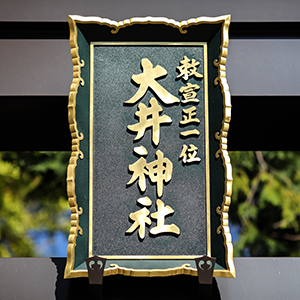
大井神社
 Shimada City, Shizuoka
大井神社
Enshrining the Ooi River's Water Deity Since the Heian Period
Located about an 8-minute walk from JR Shimada Station, this ancient shrine appears in records dating back to the early Heian period. It was established to honor the water deity of the Ooi River, once feared for its devastating floods, and to pray for protection against flooding, abundant harvests throughout the river basin, peace and security in daily life, and effective flood control. Because its three enshrined deities are goddesses of water, earth, and the sun, the shrine has also long been revered for safe childbirth and as a protector of women and children. It is also famous for the grand "Obi Matsuri," held once every three years and drawing visitors from across Japan. Throughout its history, the shrine has remained closely connected to the Ooi River and has been deeply cherished by generations of local residents for the blessings of its three goddesses.




Senior Priest
Katakawa Hiroki
Amid the natural beauty of the changing seasons, he carries out his daily duties with care. His aim is to create a welcoming atmosphere where visitors can discover something new and find a sense of peace with each visit.

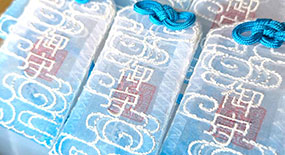
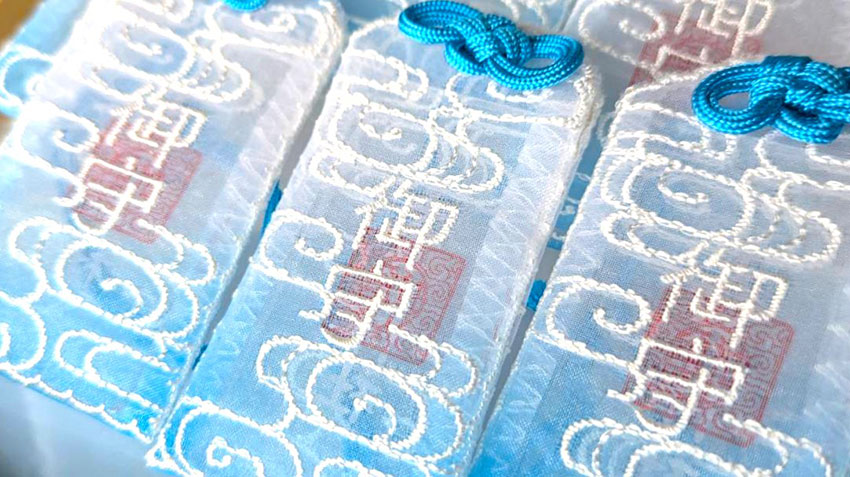
Because the shrine enshrines goddesses, it offers a wide selection of amulets for women, including the "Women's Health Amulet," for prayers for women's health and protection from physical ailments, and the "Beauty Amulet (Utsukushi Mamori)," which encourages women to shine. The beautifully designed "Water Amulet," inspired by the water deity, is also extremely popular.

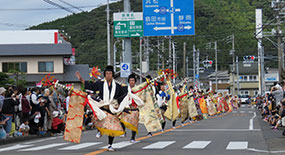
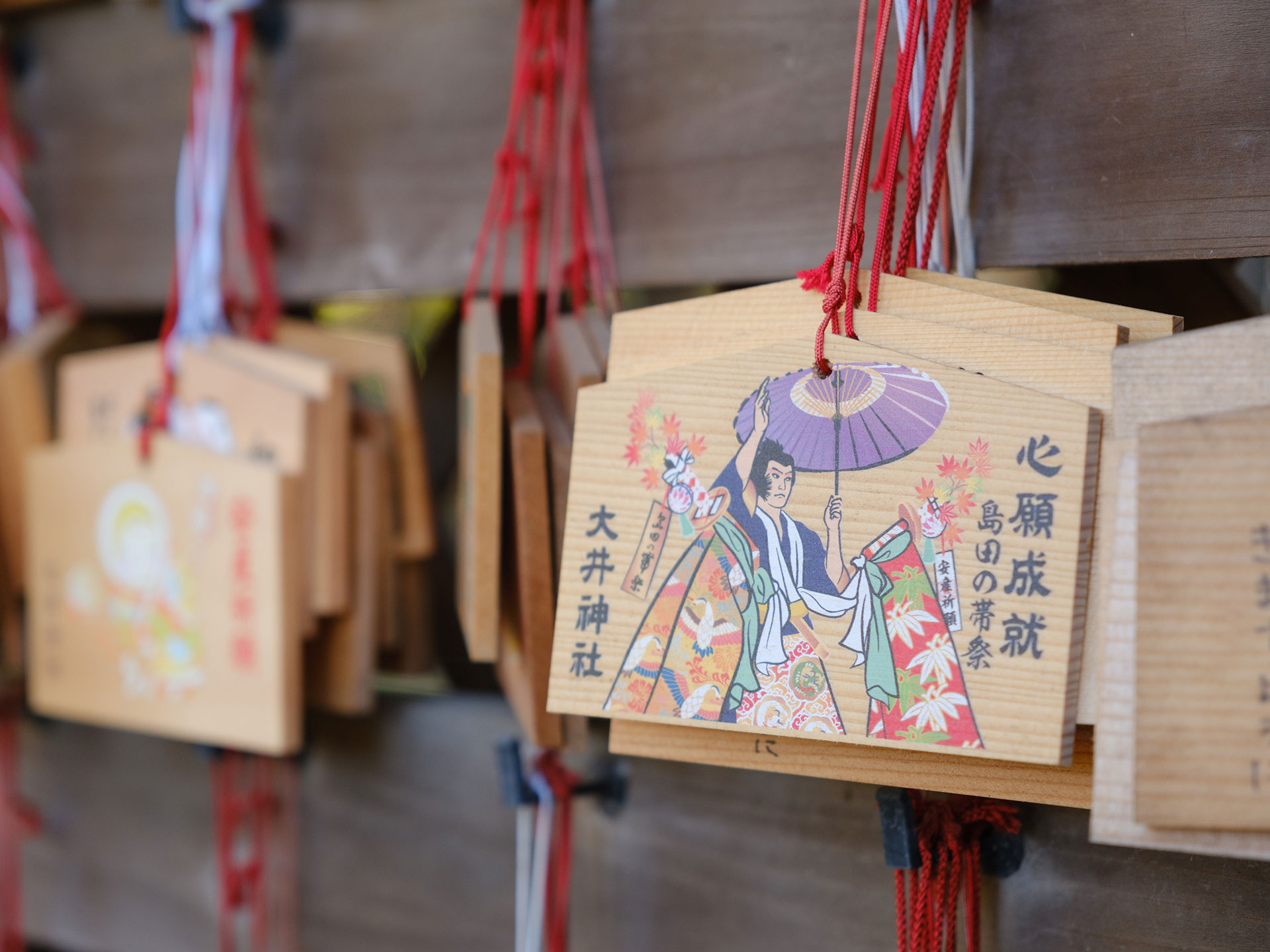
Held once every three years to pray for the prosperity and well-being of the local community, "Obi Matsuri" attracts large crowds of visitors from across Japan. Festival offerings include a daimyo procession in which ceremonial attendants known as oyakko parade in navy-blue hanten coats and gold mawashi loincloths, carrying two wooden swords from which elaborate maru obi sashes hang. Another highlight is "Kashima Odori," a traditional dance designated an Intangible Folk Cultural Property by Shizuoka Prefecture.


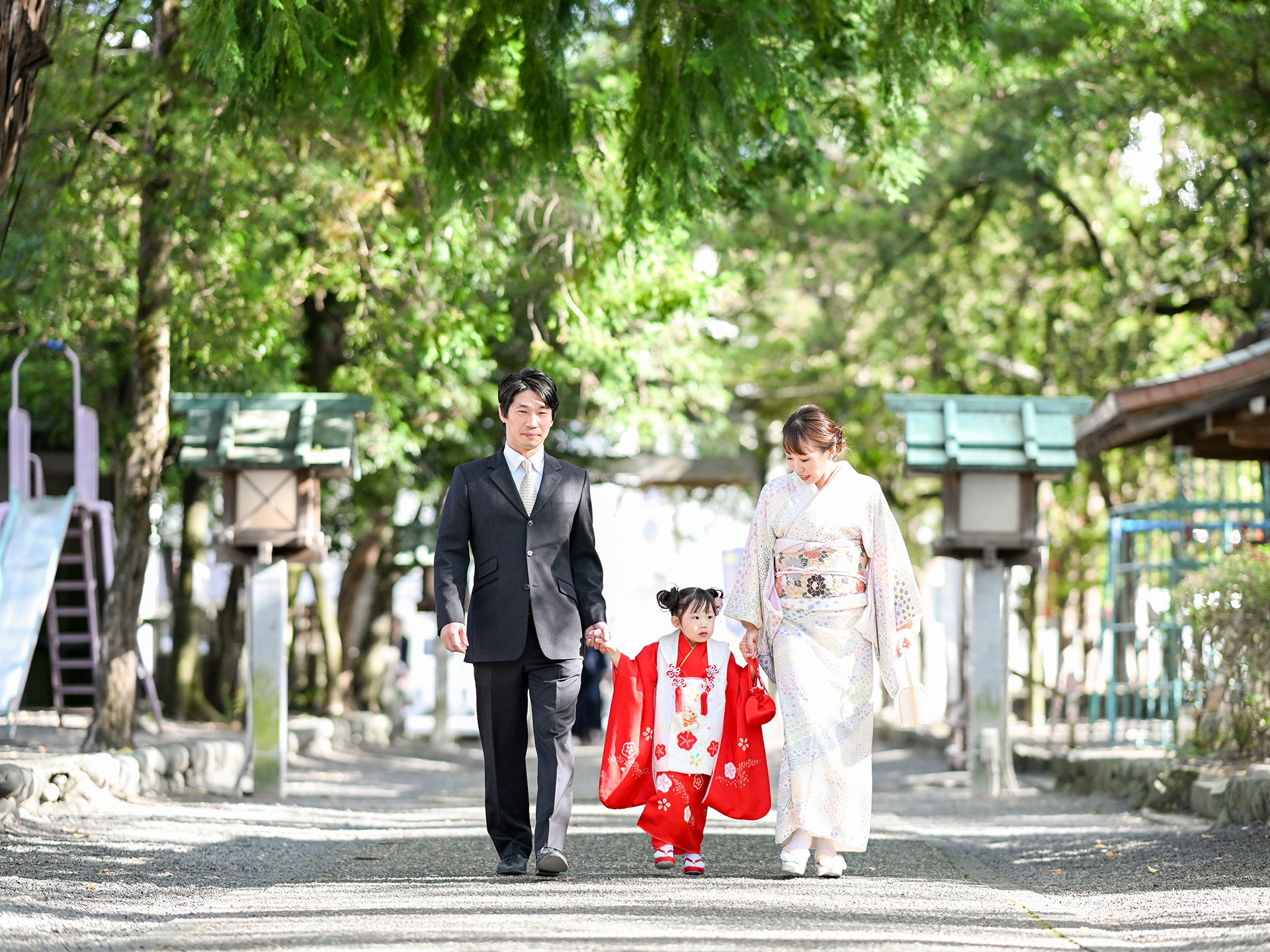
The three goddesses, revered for their life-nurturing blessings, have long inspired deep devotion as protectors of safe childbirth, child-rearing, and women. The shrine is cherished as a place where families can offer prayers for their happiness through ceremonies such as "Safe Childbirth Prayers (anzankigan)," which expresses gratitude for new life and prays for a safe delivery, "Hatsumiyamode," a baby's first shrine visit to pray for healthy growth, and "Shichi-go-san," a traditional celebration of children's growth and well-being.

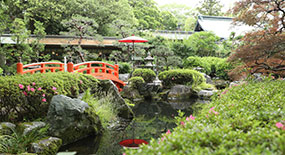
Surrounded by pure water and lush natural scenery, the shrine grounds are home to several smaller shrines. Among them are "Kasuga Shrine," which played a role in bringing the traditional "Kashima Odori" dance to the area, and "Haraedo Shrine," where a well once yielded sacred water. Take a stroll through the grounds and pay respects at these shrines while discovering the area's history and culture.

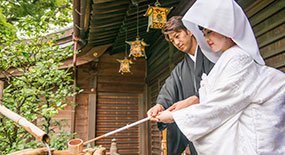
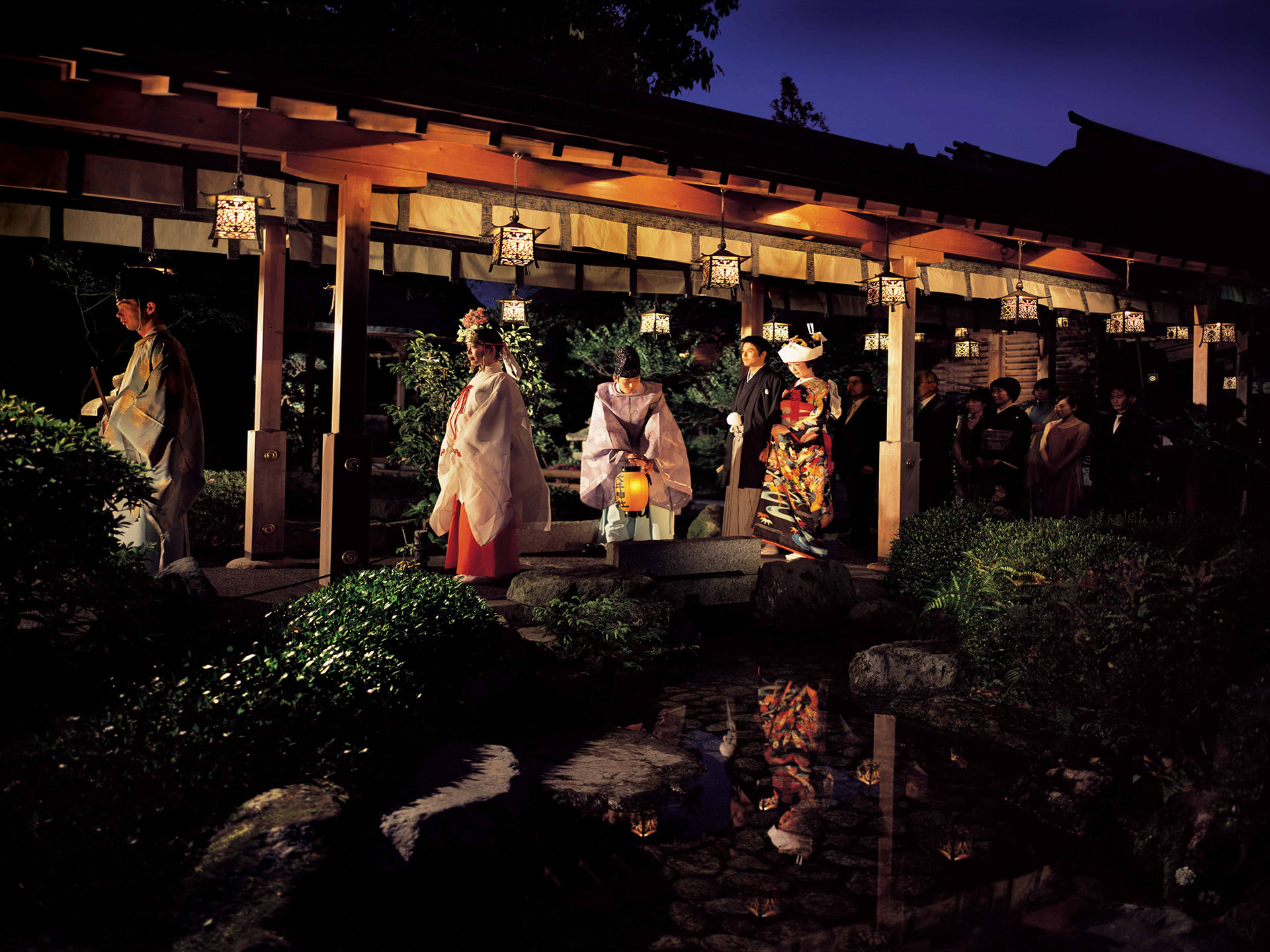
Traditional Shinto wedding ceremonies are held in the solemn atmosphere of the shrine's sanctuary, where the three goddesses watch over the bride and groom as they deepen their bond with each other and their families. At "Ooi Shrine Miyabiden," connected to the worship hall by a corridor, couples can also celebrate their new beginning with a wedding reception or celebratory meal immediately after the ceremony.

 Shichi-go-san (Children’s Ceremony)
 Miyamairi (Newborn Blessing)
 Matchmaking
 Cutting Ties
 Financial Luck
 Business Prosperity
 Yakuyoke (Purification)
 Health & Well-being
 Safe Childbirth
 Exam Success
 Traffic Safety
 Fertility
 Performing Arts
 Love Fulfillment
 Bountiful Harvest
 Family Safety
 Academic Success
 Recovery from Illness

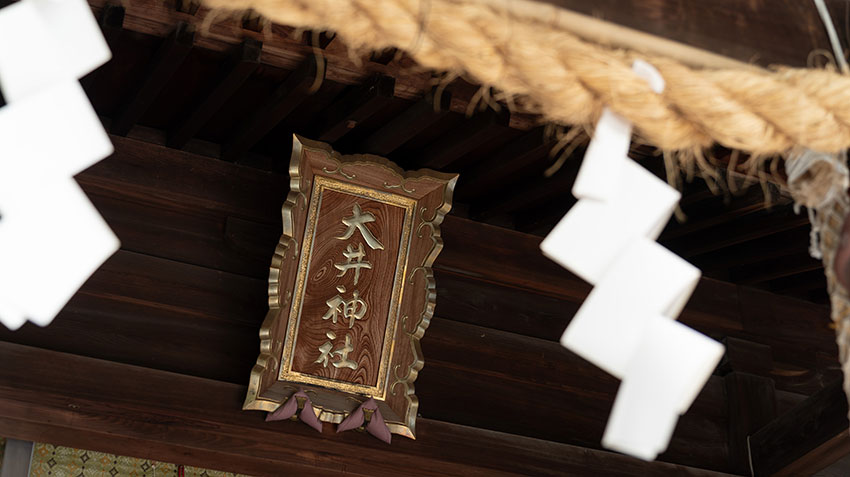
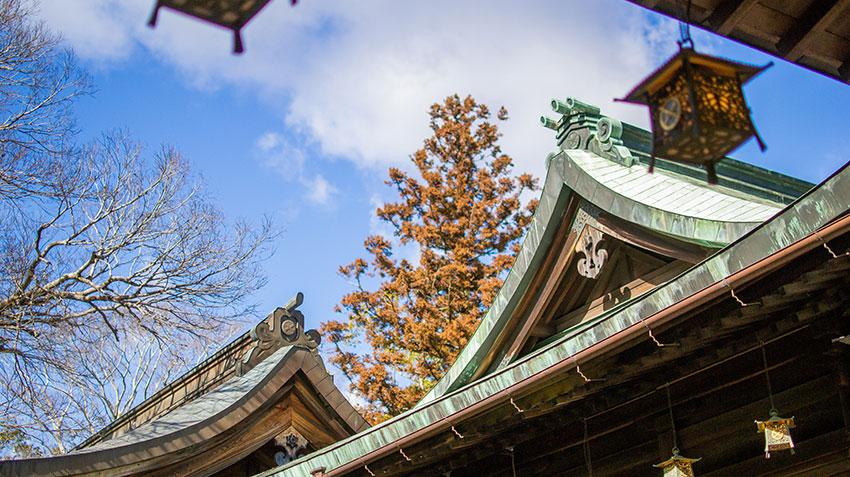
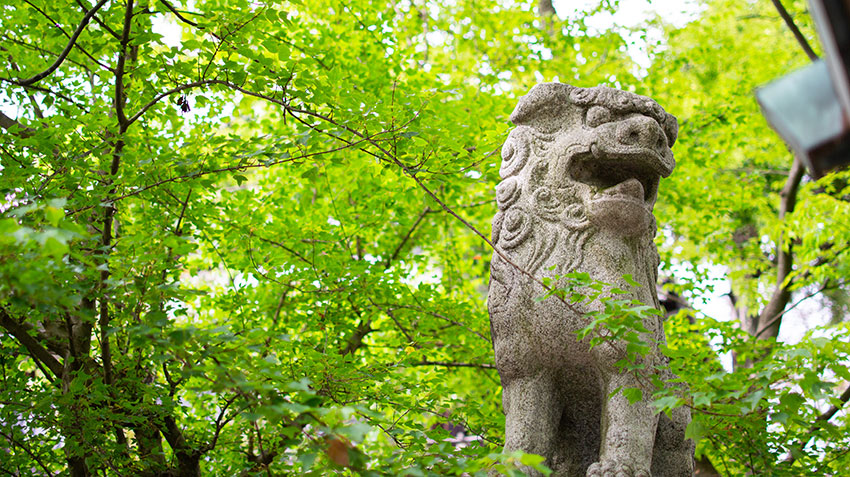
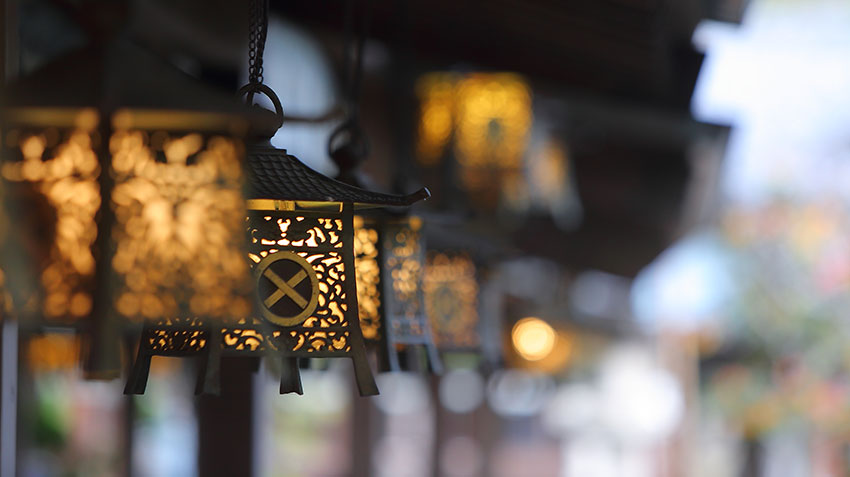
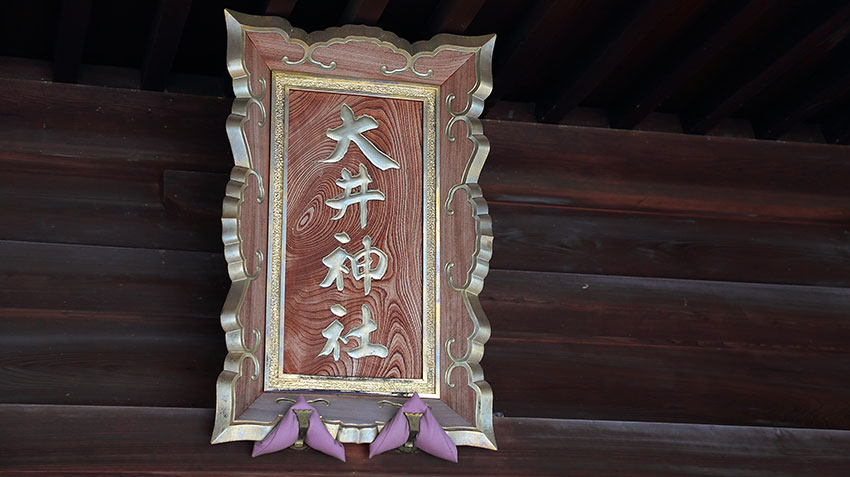
Although its exact founding date is unknown, this venerable shrine is said to have been established in the early Heian period. It was built to pray for protection against flooding by the Ooi River, long feared for its raging waters, as well as abundant harvests, peaceful lives, and effective flood control. The shrine enshrines three deities: Mitsuhanome-no-Kami, the deity who governs water, the source of life; Haniyasuhime-no-Kami, the earth deity who nurtures crops; and Amaterasu Omikami, the sun deity. Repeated flooding forced the shrine to relocate several times. When it was moved to Nodayama, local people began calling the surrounding area Chozugaya, a name still used today that preserves a reminder of the shrine's history and the affection it has long inspired. The shrine was later relocated to what was then the center of Shimada before finally moving to its present site in 1689 (Genroku 2), during the Edo period. Its annual festival draws particularly large crowds every three years, when it is celebrated as "Obi Matsuri." Together with its enshrined deities, the shrine continues to quietly watch over the community.
During the Edo period, crossing the swift-flowing Ooi River by bridge or boat was prohibited. Instead, specialized river porters carried travelers across on platforms or on their shoulders, a practice known as "kawagoshi." Before crossing, feudal lords and other travelers would visit "Ooi Shrine" to pray. Those risking their lives to cross the Ooi River, considered one of the most difficult passages along the Tokaido Road, offered prayers to the deities for a safe journey. This tradition lives on today in the shrine's association with blessings for traffic safety.
The shrine enshrines three deities: Mitsuhanome-no-Kami, the water deity; Haniyasuhime-no-Kami, the earth deity; and Amaterasu Omikami, the sun deity. Revered for their blessings that nurture all living things through water, earth, and sunlight, the sources of life, these goddesses have long inspired deep devotion as protectors of safe childbirth, child-rearing, and women. Stop by during your travels to pay respects at this shrine, where the goddesses are believed to watch over women throughout their lives.
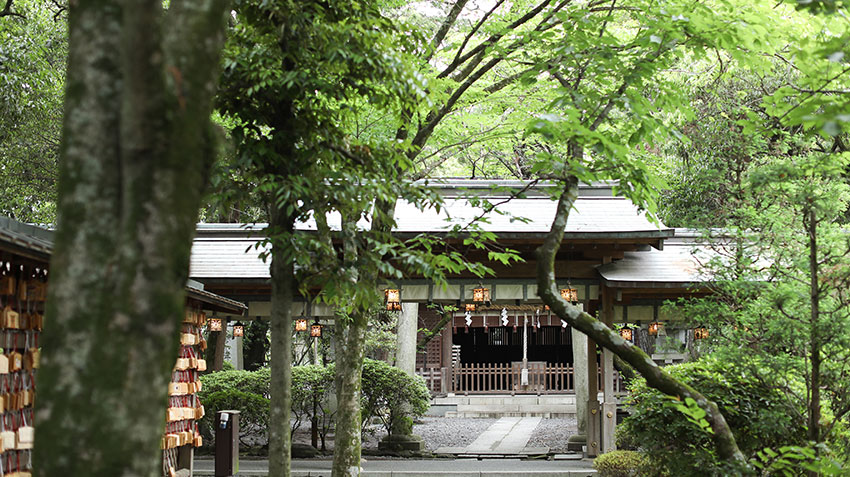
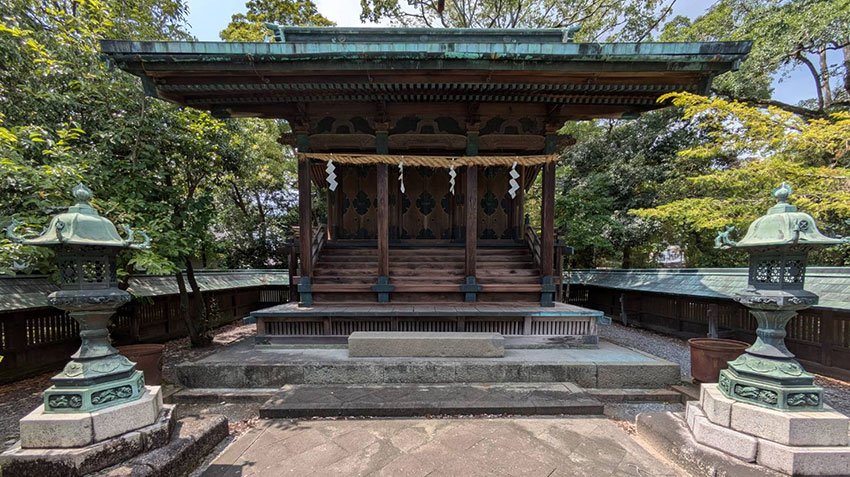
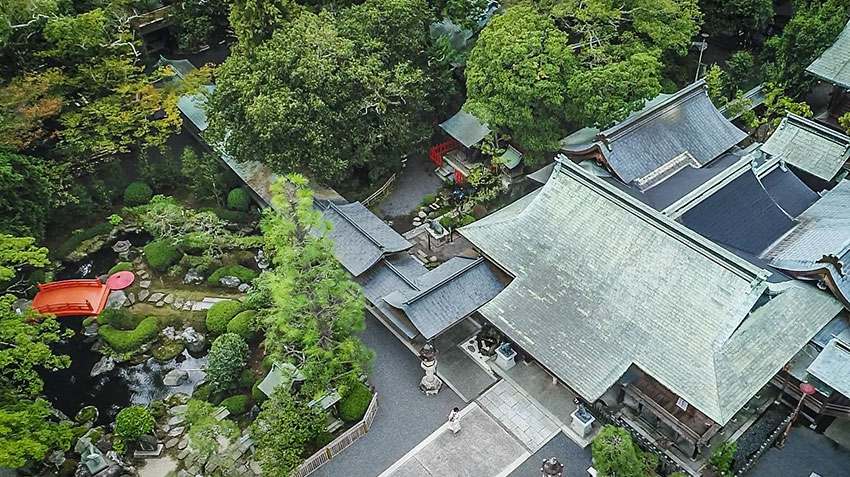
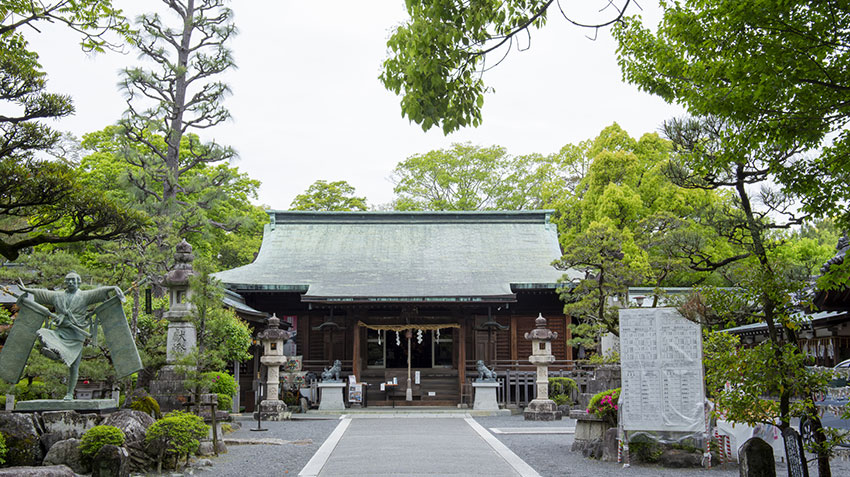
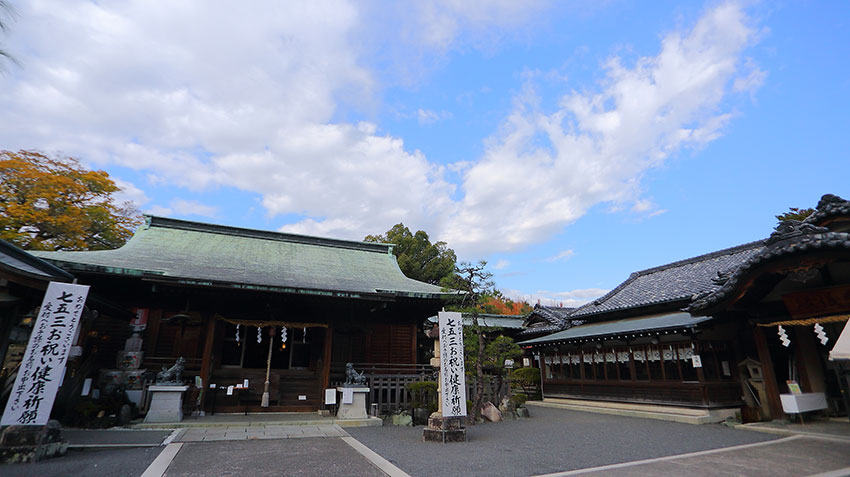
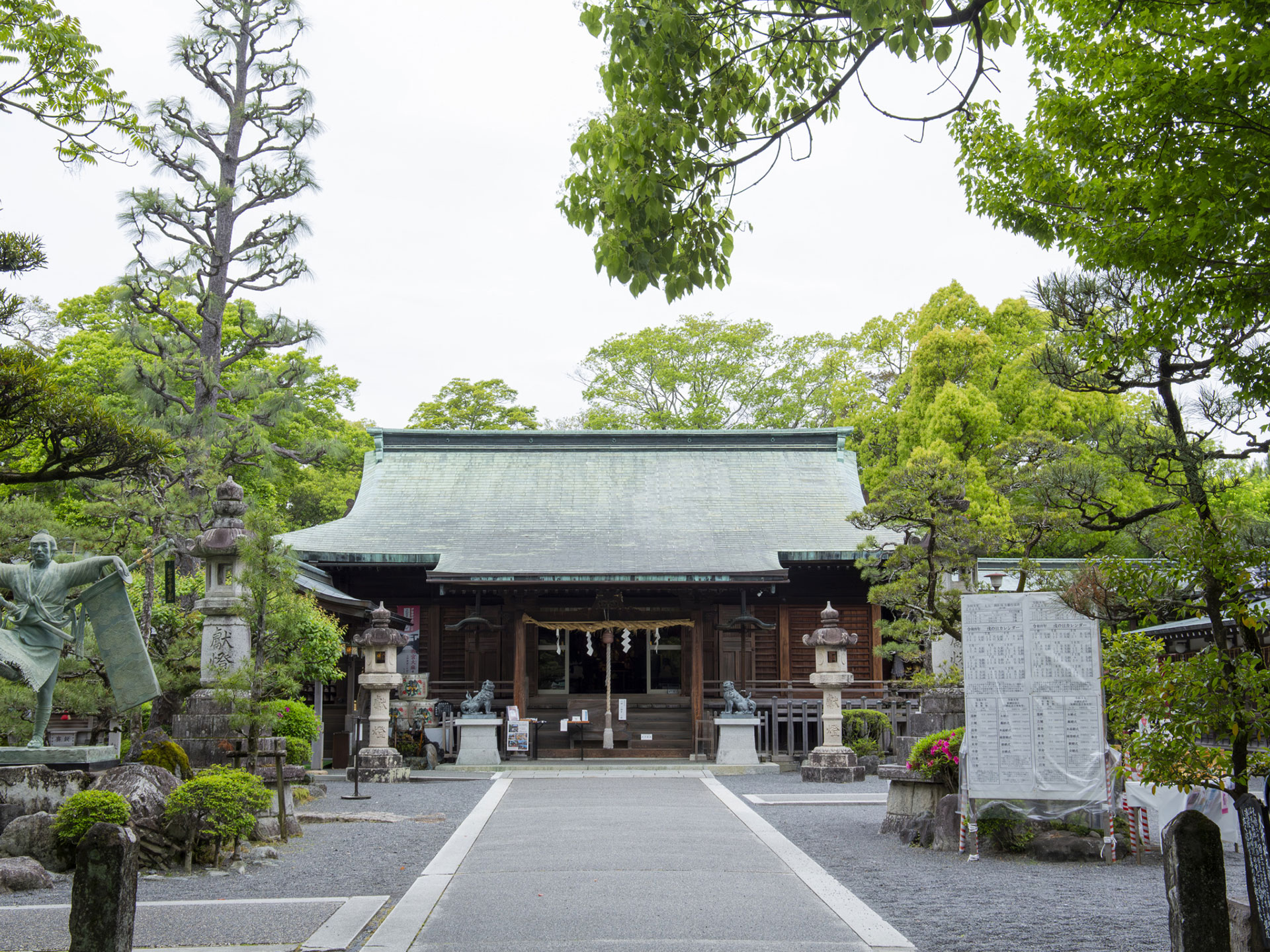
The spacious shrine grounds are filled with a solemn atmosphere, with the imposing worship hall, built in the hip-and-gable architectural style, standing out prominently. Behind it stands the main sanctuary, which houses the sacred object of worship. Rebuilt in 1863 (Bunkyu 3), it follows the three-bay nagare-zukuri architectural style. Intricate carvings adorn the inner sections of the gables and decorative kegyo ornaments. These masterpieces were created by Tachikawa Tsunezo Masataka, a master of the Tachikawa school of carving who left numerous outstanding works in the Shinshu region. The carvings display exceptional craftsmanship and artistry, while also conveying the determination of the artisans who preserved their work through turbulent times. They have been treasured and protected as some of the shrine's most important cultural treasures. The grounds are also home to several smaller shrines, including "Ooi Tenmangu Shrine," "Kasuga Shrine," "Seirei Shrine," "Ooi Ebisu Shrine," and "Haraedo Shrine." Other highlights include the "Twin-Dragon Purification Basin" and "Obizuka," a mound associated with prayers for safe childbirth, offering visitors a tangible connection to the area's history. Surrounded by lush nature and a refreshing sense of sacred tranquility, the shrine grounds invite visitors to reflect on the prayers and devotion passed down through generations of the local community.
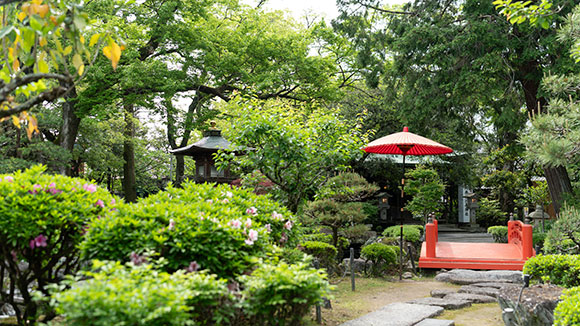
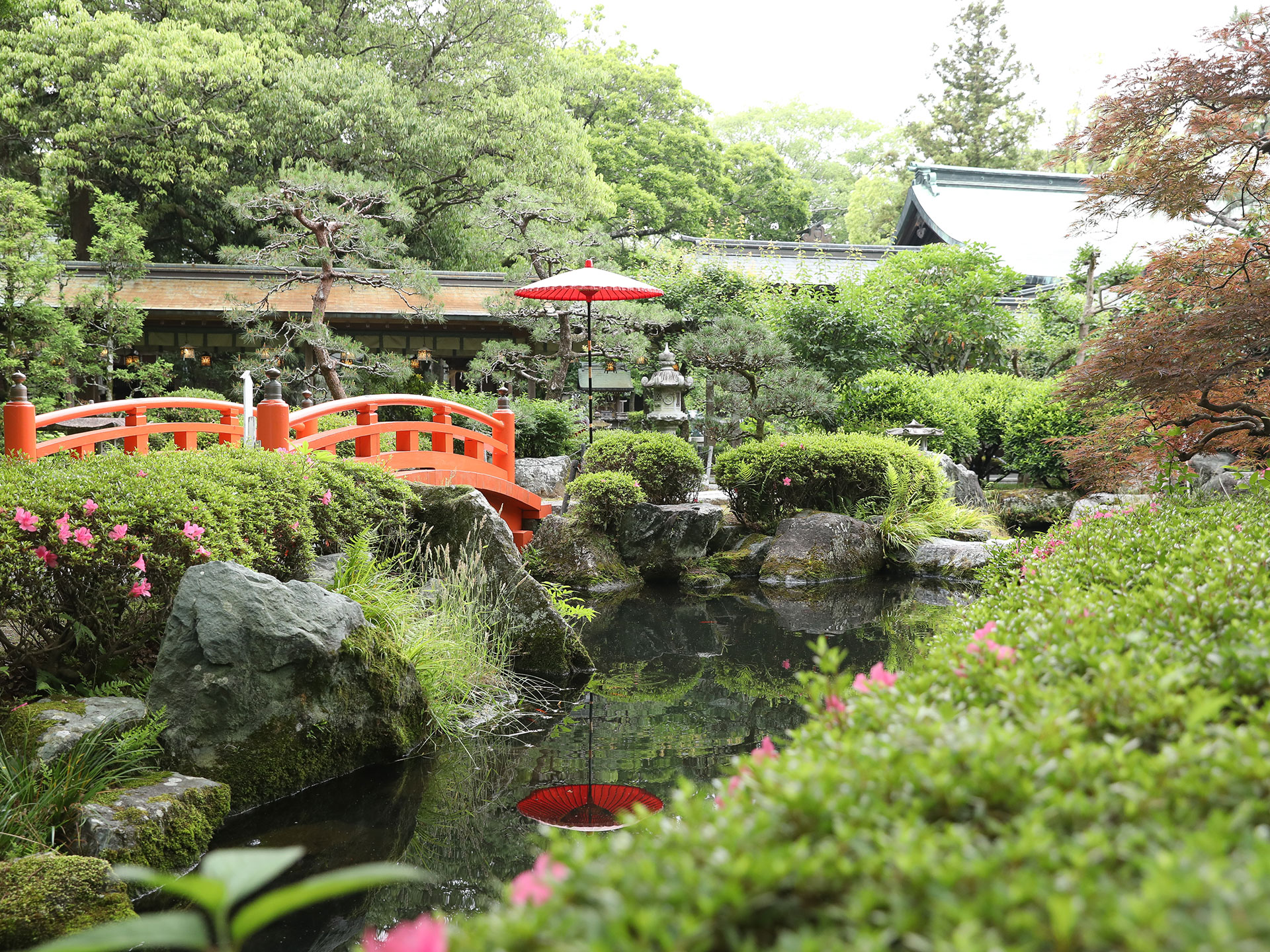
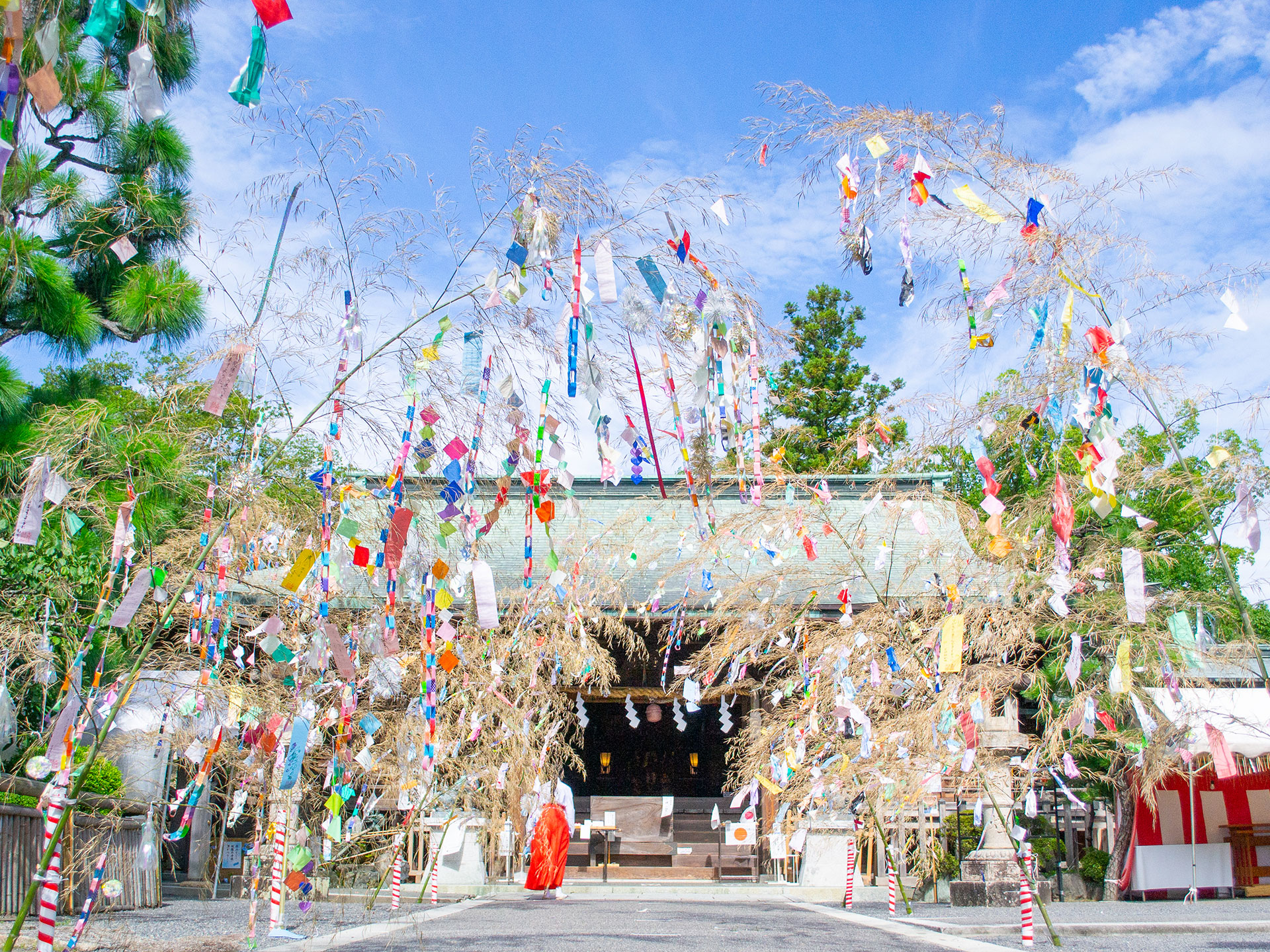
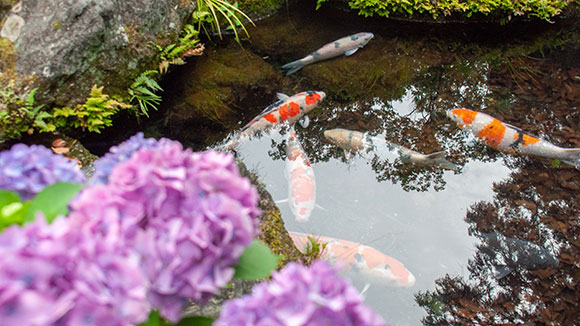
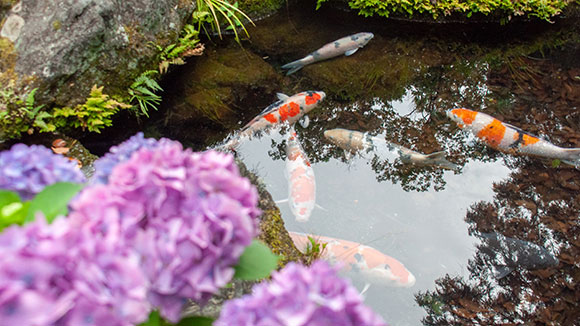
With the gentle sound of flowing water and the natural beauty of each season, the shrine grounds offer a peaceful retreat. Every season brings a different scene: butterflies in spring, cool breezes from the clear stream and lush green leaves in summer, vividly colored fallen leaves in autumn, and icicles forming on the dragon figures at the purification pavilion and pond in winter. The garden's taiko bridge (a traditional arched bridge) and the shrine's sacred pond add to the tranquil atmosphere. Take a leisurely stroll through the grounds, leave the bustle of daily life behind, and refresh both body and mind.
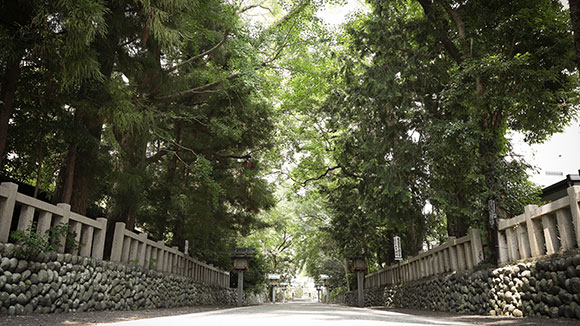
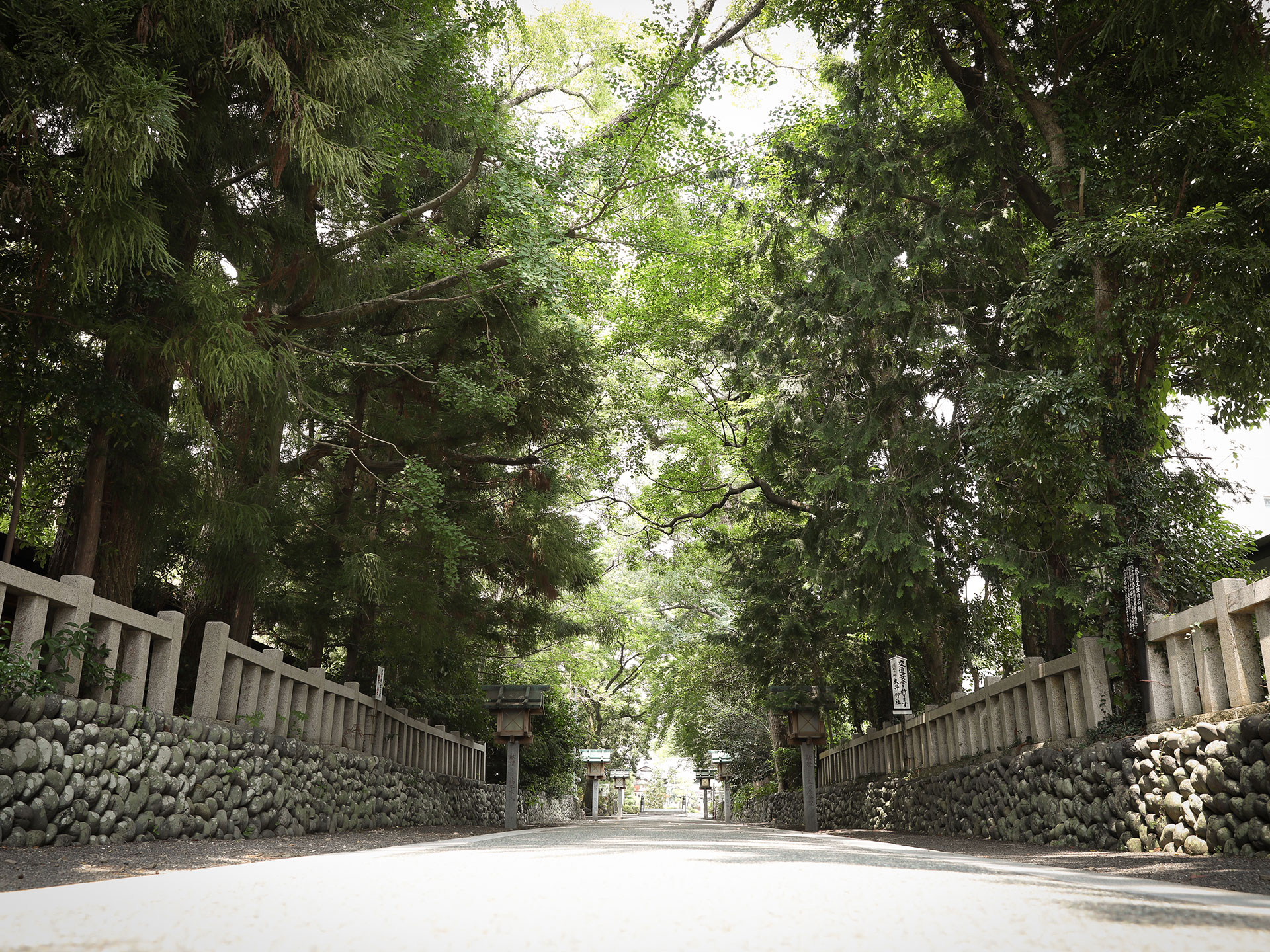
The shrine approach is lined with historical landmarks that reveal its long and evolving history. Among them are stone walls built during the Edo period by river porters to express gratitude for the protection they received in their daily lives and to pray for safety at work. Other highlights include "Obizuka," a mound where used obi sashes are honored and prayers for safe childbirth are offered, and the sturdy "Taiko Bridge," a traditional arched bridge built for processions carrying the portable shrine. Take a leisurely stroll while discovering the traces of Shimada City's enduring cultural traditions and religious beliefs.
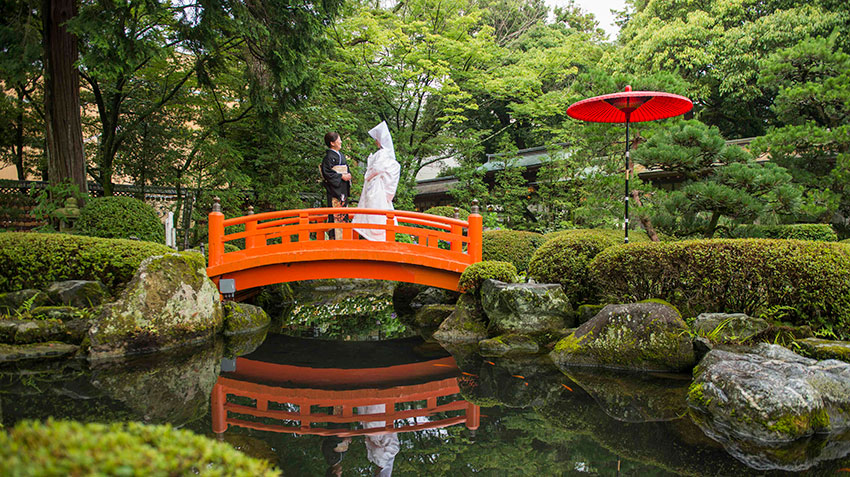
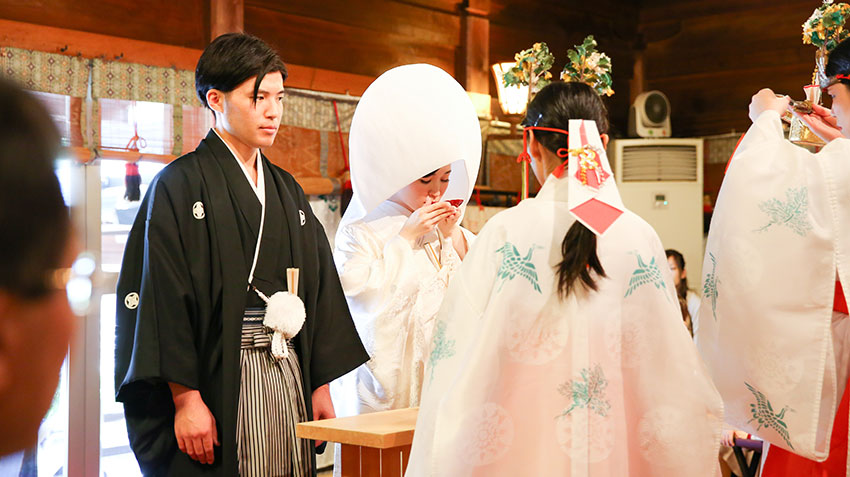
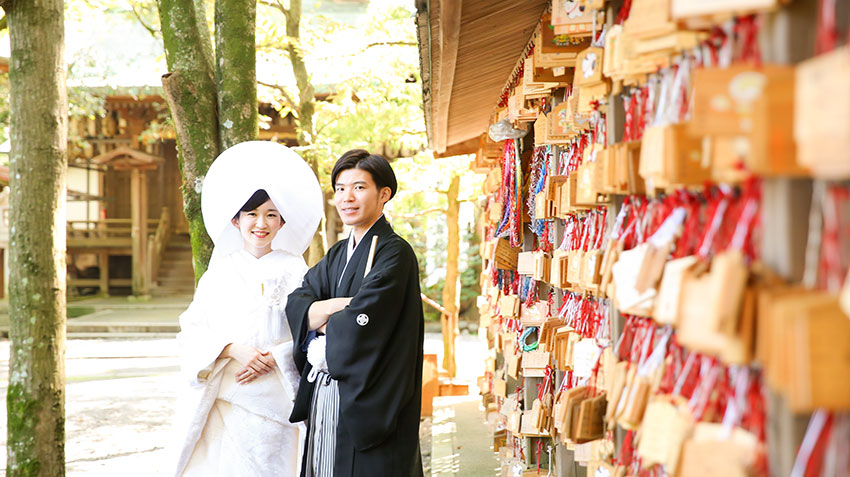
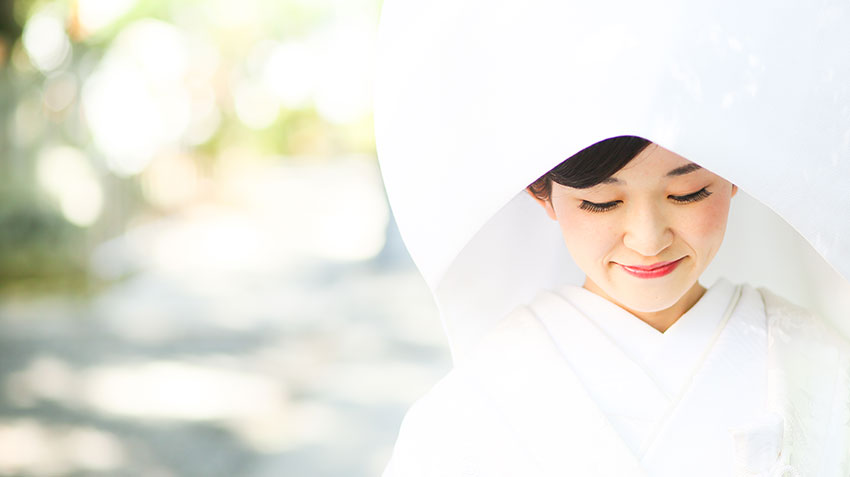
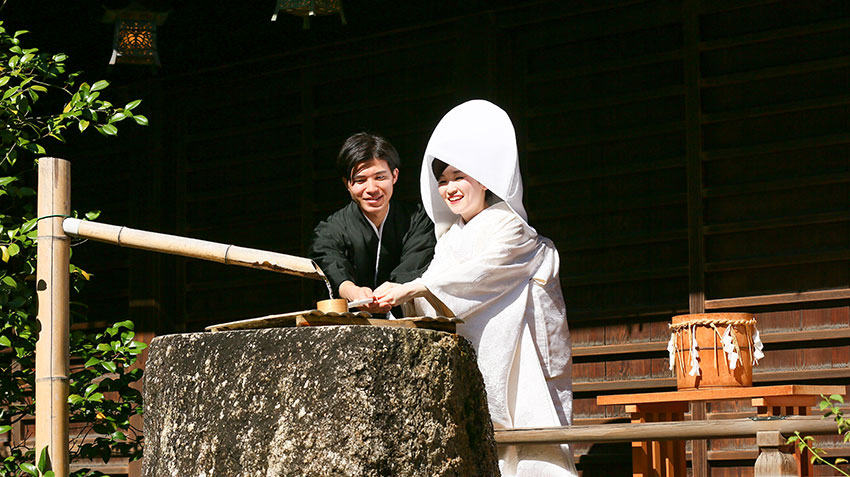
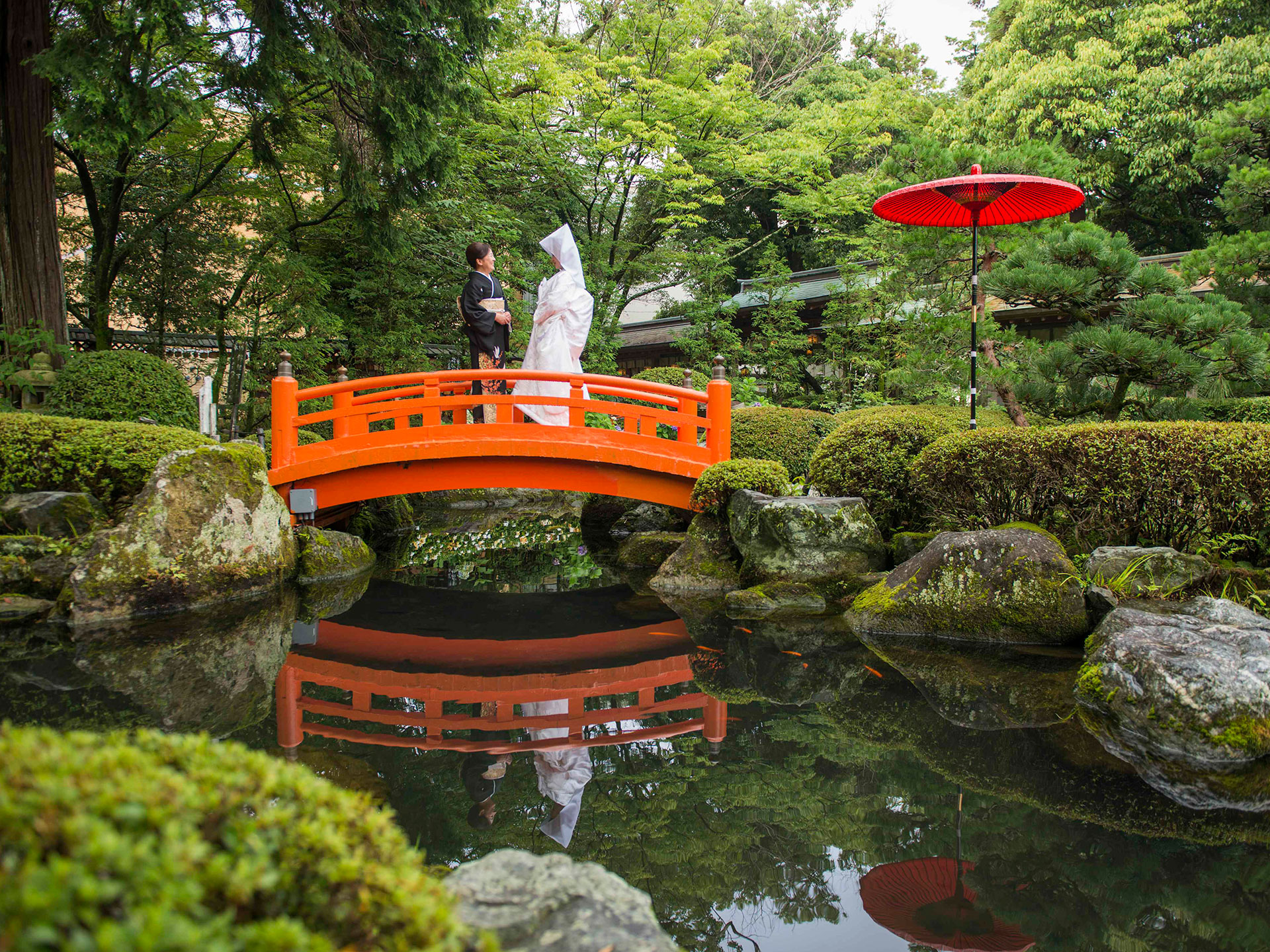
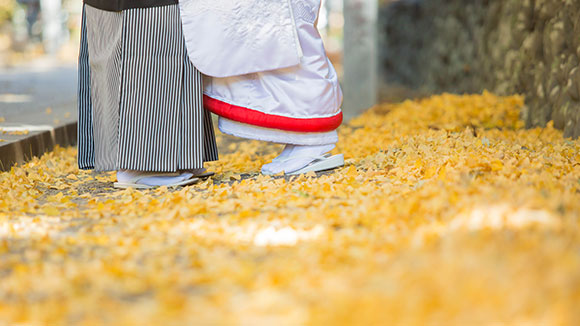
One of the distinctive features of "Ooi Shrine" is the opportunity to hold traditional Shinto wedding ceremonies that preserve Japan's customs and spirit. As the solemn strains of gagaku court music fill the air, the bride and groom pledge their everlasting love and commitment before the three goddesses who govern water, earth, and the sun. The sacred ceremony also deepens the bonds between the couple and their families. Surrounded by the shrine's long history and lush natural setting, the ceremony begins with the "ceremonial procession" toward the worship hall. This is followed by the "recitation of Shinto prayers" for the couple's lasting happiness, the "three-cup sake ceremony" performed with sacred sake, the "offering of sacred branches" to seek the deities' protection, and the "water-blending ceremony," a ritual particular to "Ooi Shrine," which enshrines a water deity. These solemn rites create lasting memories of the couple's special day. Surrounded by the warmth and beauty of Japanese traditions, couples can celebrate an irreplaceable milestone in their lives. The shrine grounds also offer numerous photo opportunities, while "Ooi Shrine Miyabiden," connected to the worship hall by a corridor, provides a venue for wedding receptions and celebratory meals.
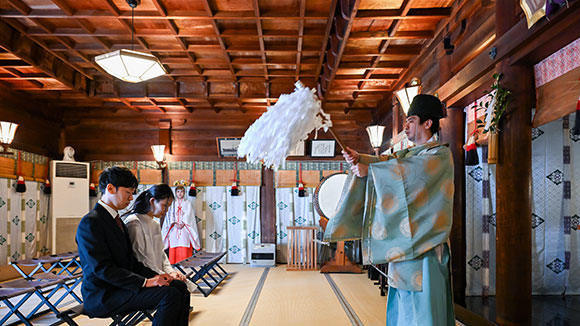
The shrine offers a variety of prayer ceremonies, including "Prayers to Ward Off Misfortune" for yakudoshi, years traditionally considered inauspicious and significant turning points in life, and "Prayers for Protection Against Inauspicious Directions and All Eight Directions," intended to counteract harmful influences associated with certain directions. Through the purifying qualities of clear water and the revered blessings of the three goddesses, these ceremonies seek to cleanse transgressions and impurities accumulated unknowingly and ward off misfortunes that may befall worshippers. By refreshing and restoring balance to body and mind, the rituals are believed to guide people toward healthy, peaceful everyday lives.
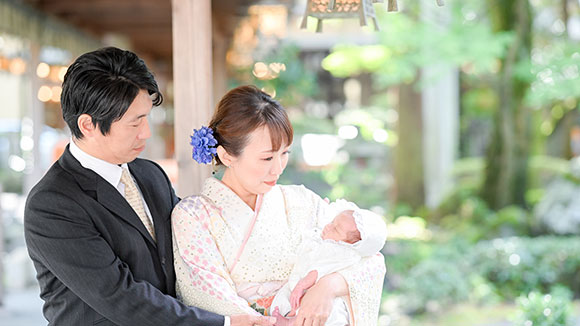
Because its three enshrined deities are goddesses, the shrine has long been deeply revered for blessings related to safe childbirth, raising children, and the protection of women. It is also a cherished place for prayers marking important milestones in life. These include "Safe Childbirth Prayers" for the arrival of a new baby, "Hatsumiyamode" (an infant's first shrine visit) to give thanks for a child's safe birth and pray for healthy growth, and "Shichi-go-san," a traditional celebration of children's growth. These heartfelt ceremonies offer families a meaningful way to mark life's special occasions.
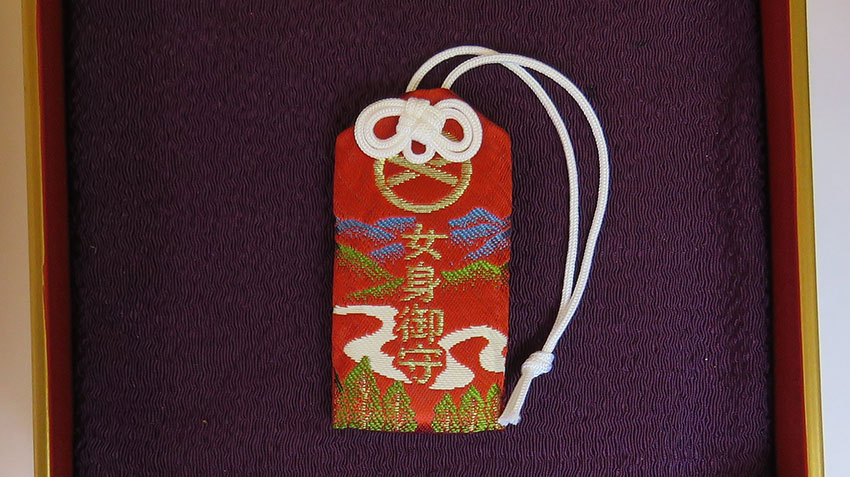
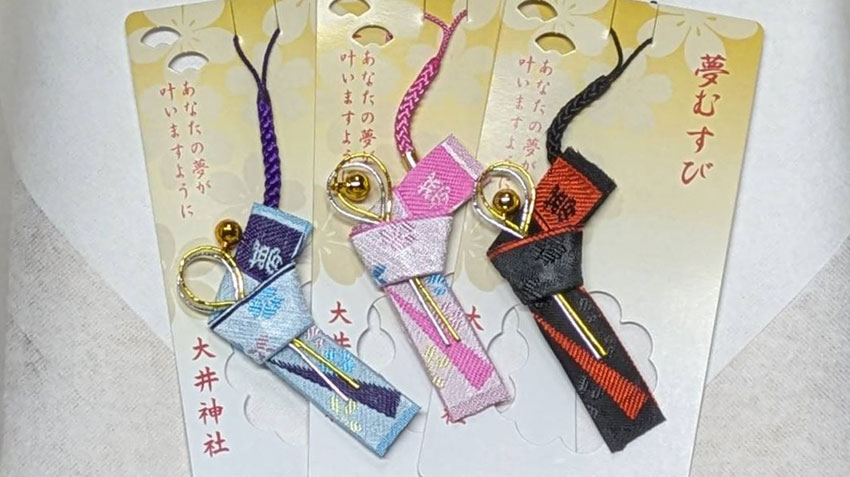
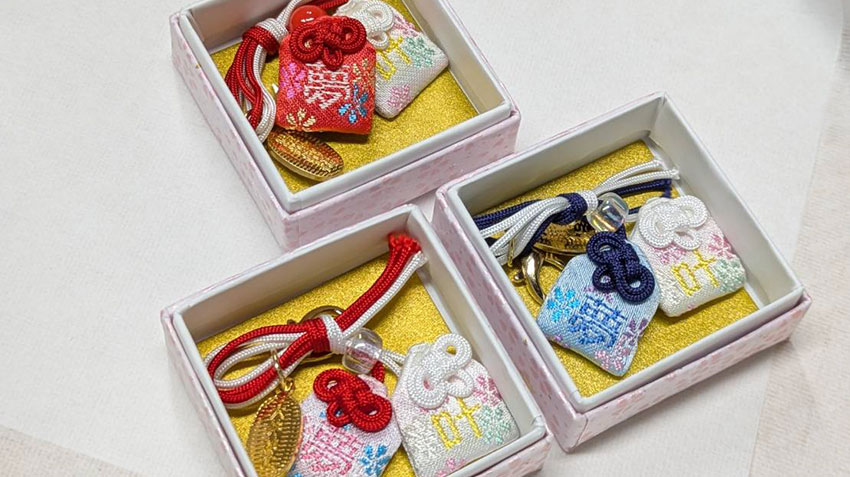
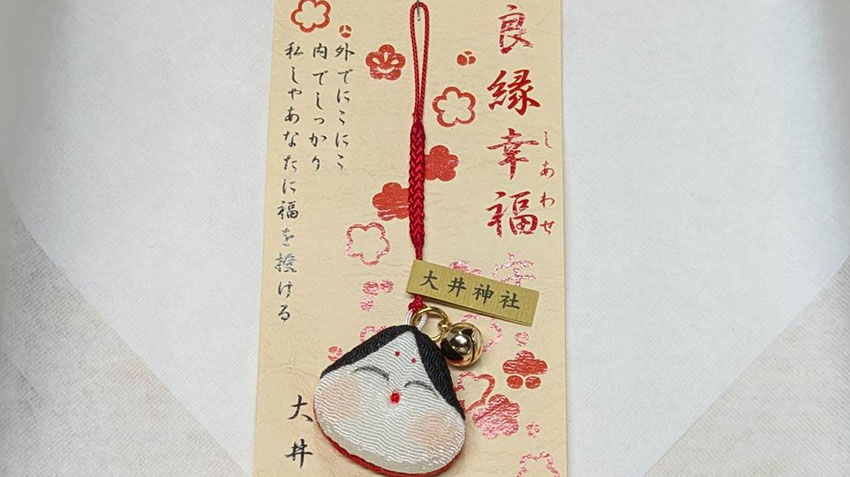
With three goddesses enshrined as its deities, "Ooi Shrine" offers a wide selection of amulets and other sacred items that reflect women's hopes and wishes for happiness. Among them are the "Women's Health Amulet," intended to support women's health and protect against physical concerns; the "Beauty Amulet (Utsukushi Mamori)," for women seeking a healthy body and mind and beauty inside and out; the "Dream Fulfillment Amulet (in a Small Box)," believed to guide holders step by step toward their dreams and goals; and the "Good Connections Amulet (Small Brocade Drawstring Pouch with Backing Card)," associated with forming meaningful connections, including romantic relationships and other bonds with people and aspects of life. Each amulet reflects the personal hopes and wishes of its holder. Imbued with the revered blessings of the three goddesses, these amulets can be carried for personal protection or given as gifts to loved ones. They also offer a way to share the goddesses' blessings with the women in one's life. During a visit, stop by the shrine office to choose an amulet that speaks to your current hopes and wishes.
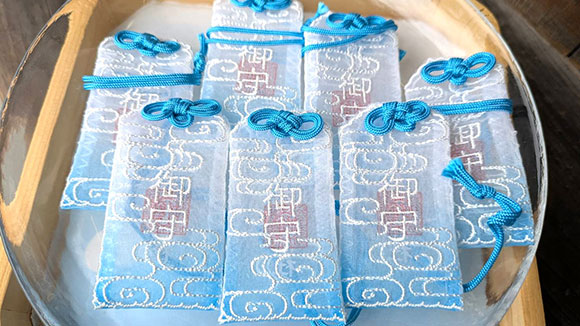
As a shrine dedicated to Mitsuhanome-no-Kami, the water deity, Ooi Shrine offers the "Water Amulet," made from translucent fabric inspired by the clear waters of the Ooi River and embroidered with goldfish. It is popular as an amulet believed to ward off and purify misfortune. Another seasonal offering is the refreshing "Water Fortune Slip," available only in summer. When gently floated on the water at the shrine's "Twin-Dragon Purification Basin," the previously blank white paper reveals characters describing one's fortune.
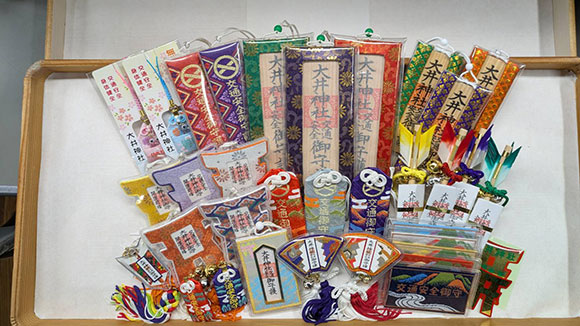
During the Edo period, people offered prayers at "Ooi Shrine" before attempting the difficult crossing of the Ooi River. With its strong association with protection for safe travel, the shrine offers the "Traffic Safety Amulet," believed to provide valuable protection for people of all ages. Available in several convenient styles, the amulet can be kept close at hand or attached to everyday belongings. It is believed to watch over people on their daily journeys, whether commuting to school or work or heading out for the day.

Seasonal beauty within the shrine's grounds and nature


Refreshing Summer by the Stream
"Mizu Mikuji" Fortunes Afloat
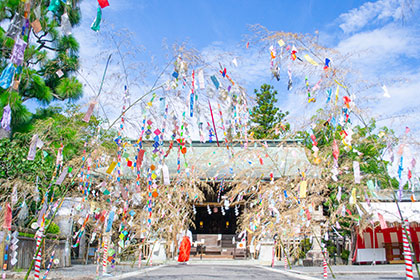

Vibrant Fall Colors at the Shrine
The Rich History of "Obi Matsuri"
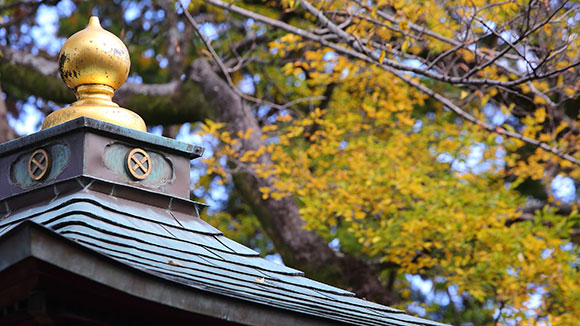
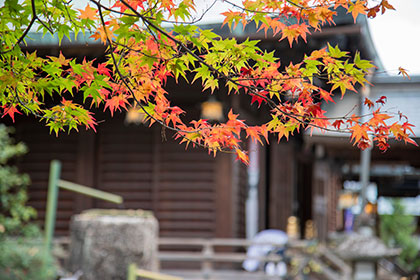

New Year Prayers Amid the Stillness
A Warm Embrace of the Cycle of Life
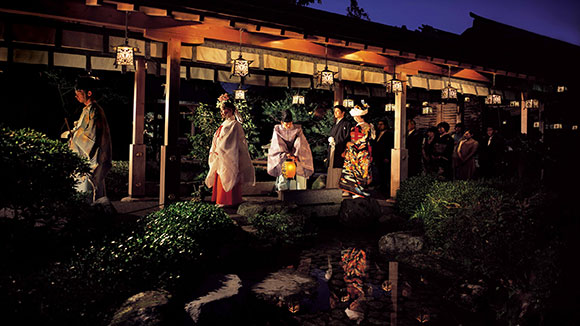


Ooi Shrine
大井神社


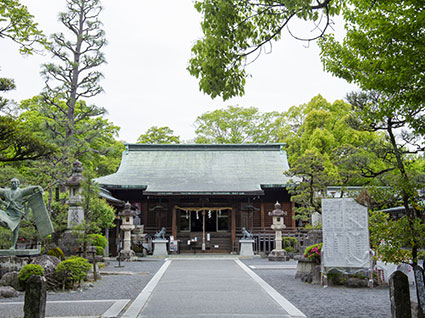
Introducing seasonal outing spots and event information in Shizuoka! Visit the places that interest you!
Pick popular spots nearby!

24.4kmfromOoi Shrine
Address:2F SOZOSYA TERRACE, 16-3 Shichiken Town, shizuoka, shizuoka

25.1kmfromOoi Shrine
Address:20 Miyuki Town, shizuoka, shizuoka

25.2kmfromOoi Shrine
Address:(Shin-Shizuoka Station) Takajo 1-14-1, shizuoka, shizuoka
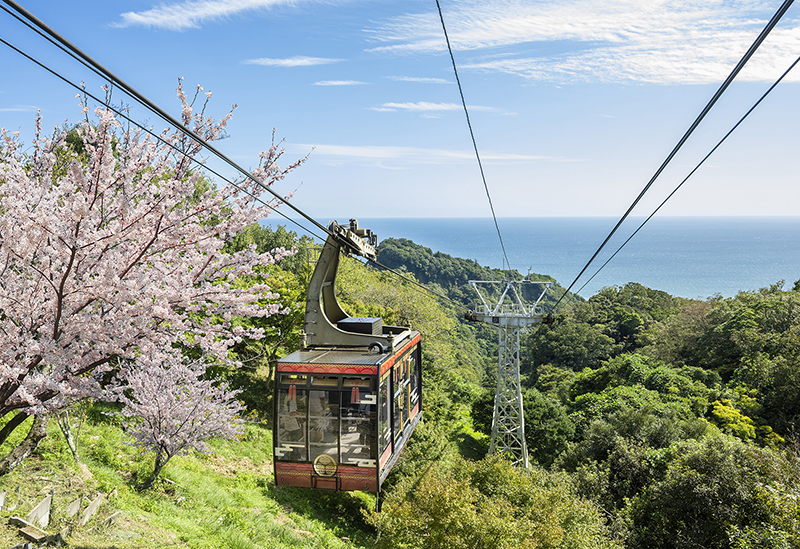
30.9kmfromOoi Shrine
Address:(Summit of Nihon-daira) 597-8 Kusanagi, shizuoka, shizuoka
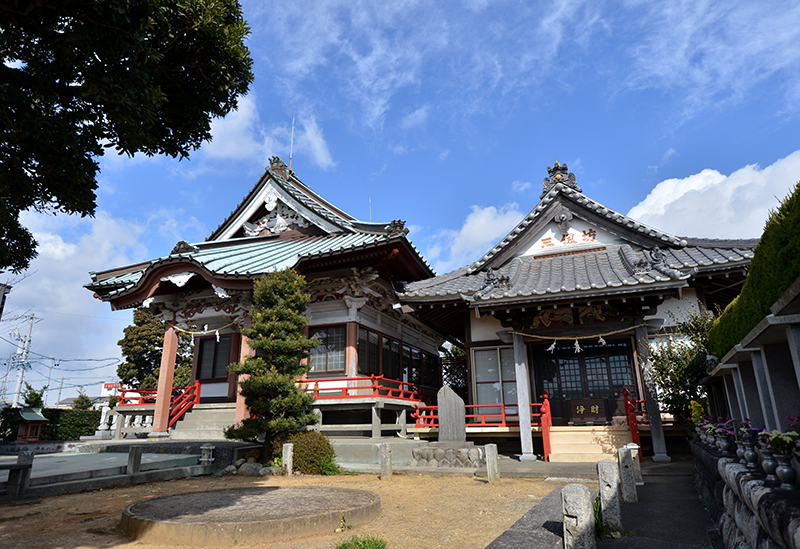
32kmfromOoi Shrine
Address:1-10-6 Nakaizumi, iwata, shizuoka

42.7kmfromOoi Shrine
Address:3F Kajimachi Plaza, 1-2 Kajimachi, hamamatsu, shizuoka

47.7kmfromOoi Shrine
Address:193 Tabata, Inasa Town, hamamatsu, shizuoka

52.4kmfromOoi Shrine
Address:7079-1 Nanbu Town Manzawa, minamikoma, yamanashi

53.9kmfromOoi Shrine
Address:1672-2 Tago, Nishiizu Town, kamo, shizuoka

56.4kmfromOoi Shrine
Address:3703-10 Toda, numazu, shizuoka
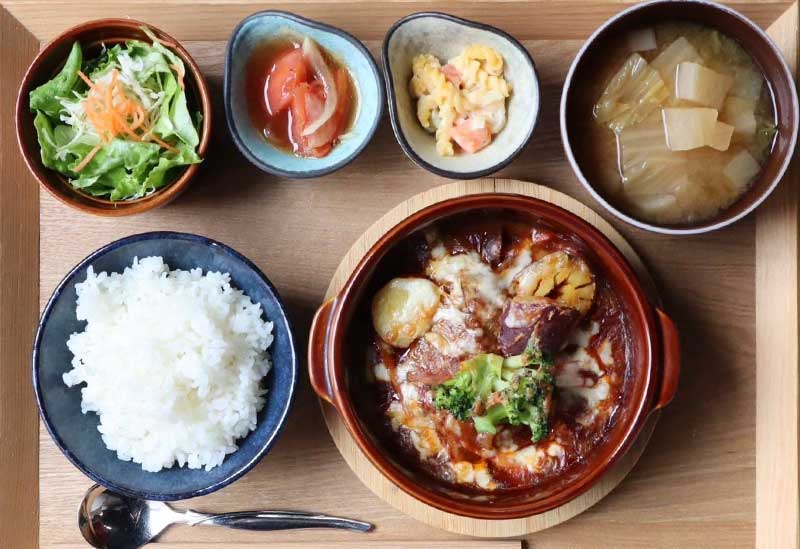 Café/Sweets
12.9kmfromOoi Shrine
Address:1-11-9 Nishikogawa, yaizu, shizuoka
 Local Specialties
14.1kmfromOoi Shrine
Address:4-6-3 Honmachi, yaizu, shizuoka
 Local Specialties
20kmfromOoi Shrine
Address:7-10-10 Maruko, shizuoka, shizuoka
 Local Specialties
25kmfromOoi Shrine
Address:B1F Santamon Ekimae Building, 8-17 Konya Town, shizuoka, shizuoka
 Western Cuisine
25.1kmfromOoi Shrine
Address:2F Kanoe Building, 1-15 Sunpu Town, shizuoka, shizuoka
 Japanese Cuisine
25.6kmfromOoi Shrine
Address:1F, Passage Falconer, 2-10-8 Takajo Town, shizuoka, shizuoka
 Café/Sweets
28.9kmfromOoi Shrine
Address:200-5 Hijiri Isshiki, shizuoka, shizuoka
 Café/Sweets
33.9kmfromOoi Shrine
Address:3-7-18, Shibukawa, shizuoka, shizuoka
 Café/Sweets
37kmfromOoi Shrine
Address:2588-1 Komatsu, hamamatsu, shizuoka
 Café/Sweets
39.1kmfromOoi Shrine
Address:959 Iida Town, hamamatsu, shizuoka

16.1kmfromOoi Shrine
Address:Hamatome Kaigandori Hoshigaoka, yaizu, shizuoka

19.8kmfromOoi Shrine
Address:(Front Desk) 3375-1 Mariko, shizuoka, shizuoka

20kmfromOoi Shrine
Address:3344-11 Mariko, shizuoka, shizuoka

23.8kmfromOoi Shrine
Address:411 Nakanoshinden, shizuoka, shizuoka

24.4kmfromOoi Shrine
Address:2-2-5 Hitojyuku Town, shizuoka, shizuoka

25.3kmfromOoi Shrine
Address:1-40 Morishita Town, shizuoka, shizuoka
32.4kmfromOoi Shrine
Address:2256-4 Nakaizumi, iwata, shizuoka
39.8kmfromOoi Shrine
Address:6 Okitsu Hon Town, shizuoka, shizuoka
40.2kmfromOoi Shrine
Address:103 Okitsu Naka Town, shizuoka, shizuoka

42.8kmfromOoi Shrine
Address:218-1 Motoshiro Town, hamamatsu, shizuoka


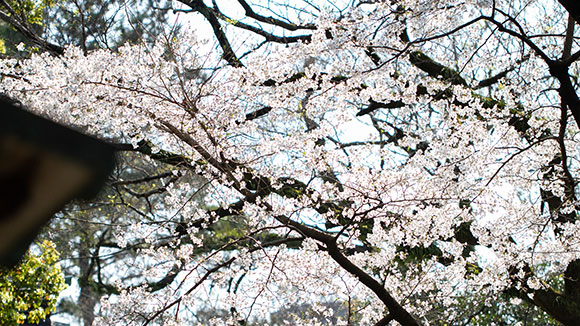
Cherry Blossoms on the Breeze
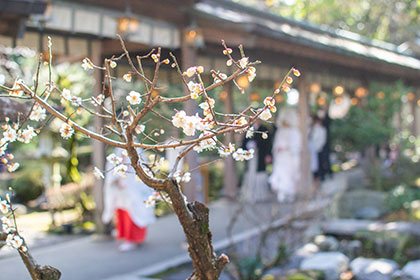
An Encounter as Life Awakens