Menu listWelcome,-san
Search for travel destinations in Japan
Tabiiro Special Content
×
Search by area
A
C
E
F
G
H
I
K
M
N
O
S
T
W
Y
← Back to main menu
 Tokyo
Tokyo
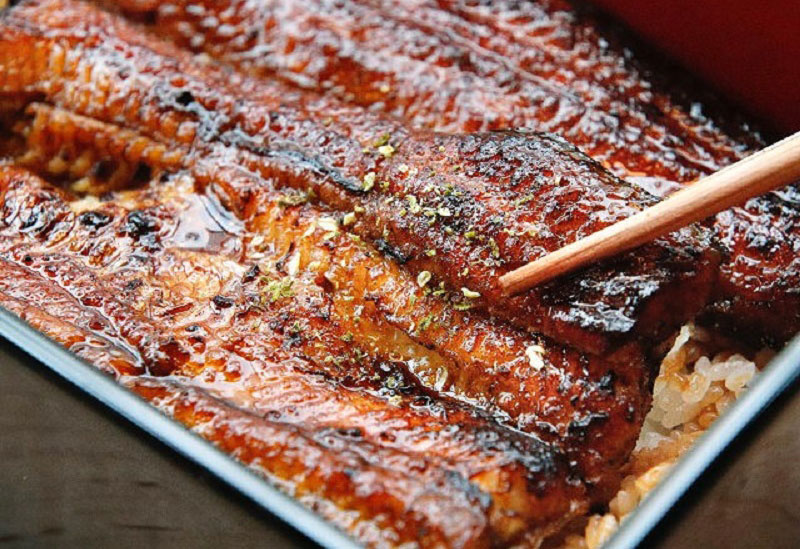
With a history spanning approximately 150 years, this long-established kappo restaurant is known as a distinguished dining destination that has quietly welcomed prominent figures from the kabuki world and other fields. Selected in the Michelin Guide Tokyo for three consecutive years beginning in 2024, the restaurant’s eel dishes embody a tradition passed down through generations. Guided by the philosophy of "the most meticulous preparation in Japan," every step—from ingredient selection to the final grilling process—is carried out without compromise. Preparing a single eel, including the careful removal of fine bones, takes approximately 2 hours and is part of a seven-stage process. With unwavering attention to ingredients, technique, tableware, and atmosphere, the restaurant pursues excellence in every detail, creating a setting that feels like a small gallery where cuisine and artistry meet.
As the word ``eel streamer'' suggests, eel dishes have long been popular in Japan as an auspicious delicacy, and are the perfect food to decorate important occasions, hospitality, and important anniversaries. In addition to areas famous for producing eel, there are long-established and famous eel restaurants in major cities such as Tokyo and Osaka, which have been chosen for entertaining and anniversaries. It is rare to find a restaurant that sells rare wild eel, making it even more special.
All 5 facilities
玄品 浅草
A specialty restaurant for fugu cuisine located near Kaminarimon in Asakusa. Course meals featuring natural tiger pufferfish weighing over 3kg, delivered directly from Shimonoseki in Yamaguchi Prefecture, are a highlight, with careful preparation that brings out the fish’s firm texture and rich flavor. Shirako and skin are also served, allowing the fish to be appreciated in full, while individual dishes are available for a more casual meal. Supporting ingredients receive equal attention, including domestically produced rice and vegetables, as well as junmai sake from Tanba in Hyogo Prefecture. Seating includes private rooms and a counter suitable for solo diners. Lunch courses are available on Saturdays, Sundays, and public holidays, and eel dishes are offered year-round, making the restaurant a convenient stop during visits to Asakusa.
鰻の刻
This Japanese restaurant stands approximately a 2-minute walk from Nogizaka Station on the Tokyo Metro. The rare "Unagi Kaiseki," limited to 10 servings at lunch, features "Amakusa Ai Unagi," raised in seawater from the Amakusa-nada Sea in southwestern Kumamoto. Combining the qualities of both farmed and wild eel, this approach focuses on direct grilling, bringing out its rich fat and distinctive texture and accentuating its fragrance and umami. The course begins with a small appetizer and continues to the main dish, with each plate carefully prepared to reveal the many expressions of eel while honoring Japanese culinary techniques and seasonality.
日本料理 日本橋 心
"Japanese Cuisine Shin, Nihonbashi" conveys Japanese aesthetics through refined cuisine and warm hospitality, with a deep commitment to "staying true to its roots, sincerity, and hospitality." Each dish is prepared with heartfelt care, bringing out the umami of seasonal ingredients while reflecting the changing seasons. The calm interior offers a comfortable setting for taking time to appreciate the cuisine, with Japanese hospitality adding to the experience of the depth and warmth of Japanese culture through all five senses.
銀座 四代目 高橋屋
With a history spanning approximately 150 years, this long-established kappo restaurant is known as a distinguished dining destination that has quietly welcomed prominent figures from the kabuki world and other fields. Selected in the Michelin Guide Tokyo for three consecutive years beginning in 2024, the restaurant’s eel dishes embody a tradition passed down through generations. Guided by the philosophy of "the most meticulous preparation in Japan," every step—from ingredient selection to the final grilling process—is carried out without compromise. Preparing a single eel, including the careful removal of fine bones, takes approximately 2 hours and is part of a seven-stage process. With unwavering attention to ingredients, technique, tableware, and atmosphere, the restaurant pursues excellence in every detail, creating a setting that feels like a small gallery where cuisine and artistry meet.
乃木坂しん
"Nogizaka Shin," approximately a 2-minute walk from Nogizaka Station on the Tokyo Metro, carefully explores the possibilities between Japanese cuisine and wine, offering essential pairings that harmonize with each dish. Free from formal titles, the restaurant continues to pursue the essence of Japanese cuisine and pairing, allowing even those less familiar with Japanese cuisine to sense its depth and appeal. While grounded in seasonality and culinary culture, the restaurant values both continuity and new ideas, and accommodates vegetarian and gluten-free diets. English-speaking staff is also available, with attentive, easy-to-understand service.