I Want to Taste It More Deliciously How to Enjoy Popular Eel Dishes

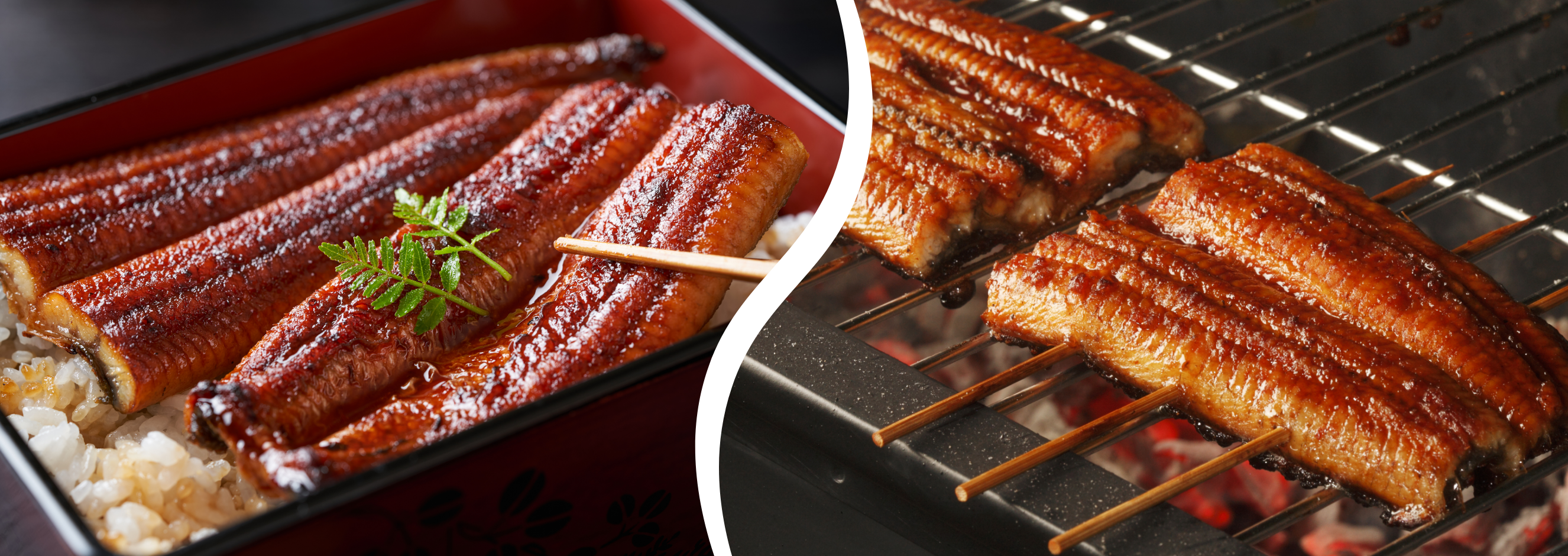
Eel is delicious and good for the body, and it's a waste to just eat it on the Saturday of the Ox or as a measure against summer fatigue. There are famous eel restaurants all over the country, and you can find some delicious eel dishes. In addition to dishes such as kabayaki and hitsumabushi, we will introduce trivia about eel and how to enjoy it.

View Popular Spots▸

4 Ways to Enjoy Delicious Eel Dishes

Enjoy the Fragrant Flavor of the Sauce Kabayaki, the Classic Eel Dish

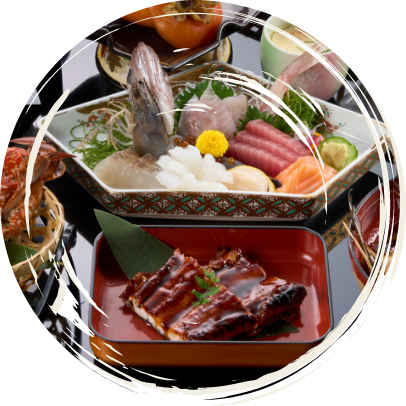
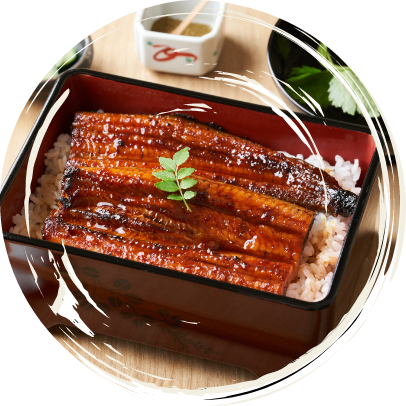
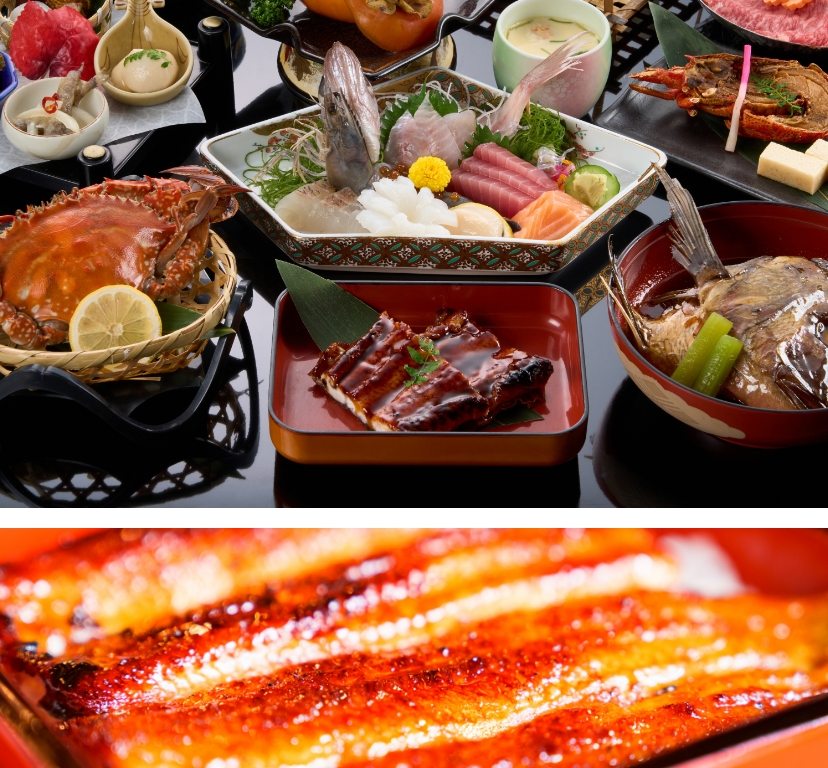
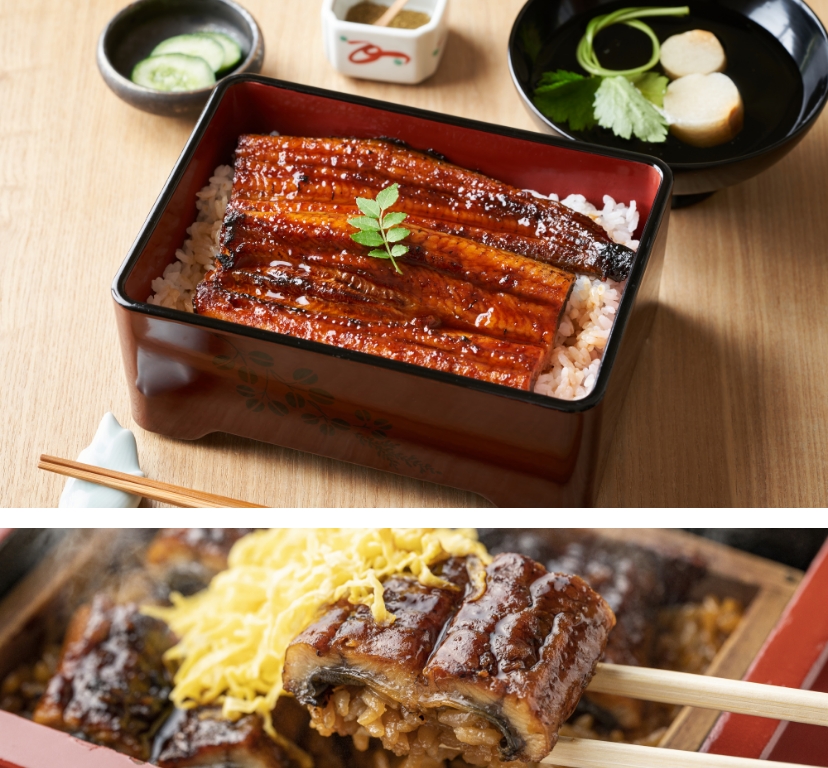
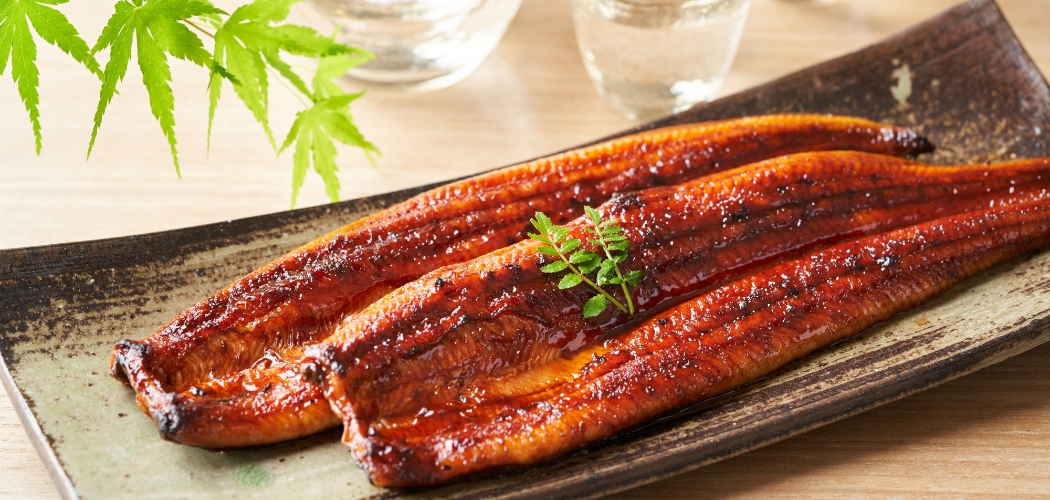
When you hear about eel dishes, the first thing that comes to mind is ``kabayaki.'' Shirayaki is grilled directly without adding any seasonings or sauces, and is further grilled with a sauce made from soy sauce, sugar, and mirin. The difference is that in the Kanto region, Shirayaki is steamed and then kabayaki, while in the Kansai region, it is not steamed but kabayaki.

Representative of Nagoya's Eel Dishes Many Ways to Eat Hitsumabushi

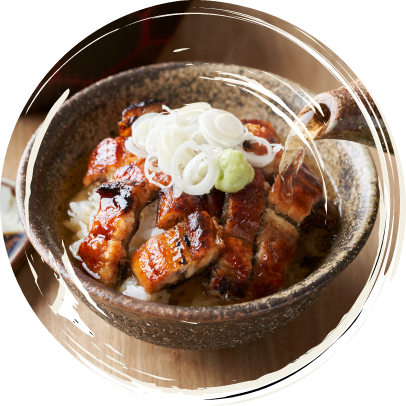
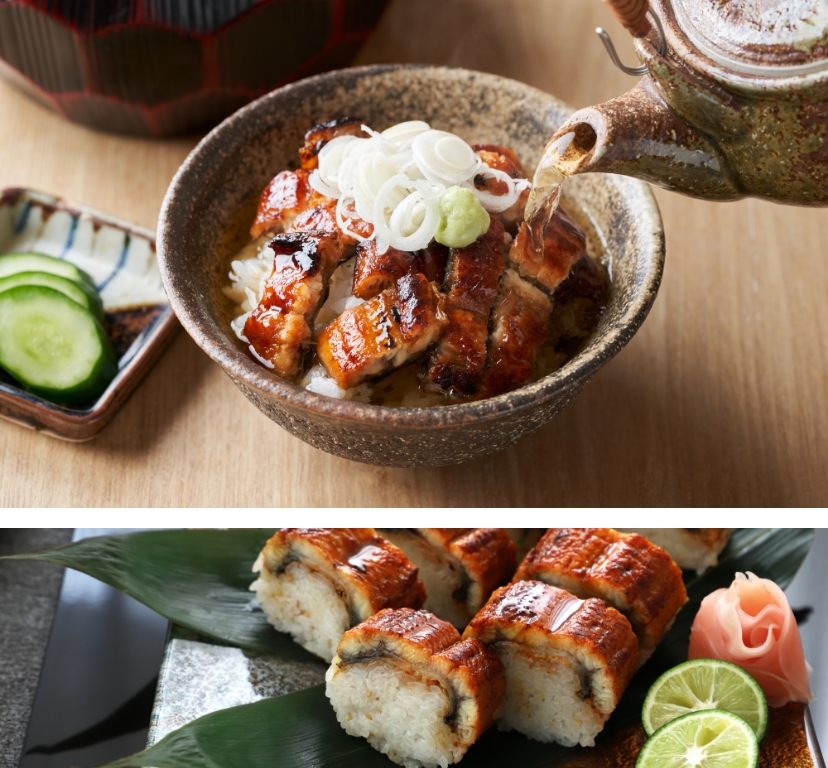
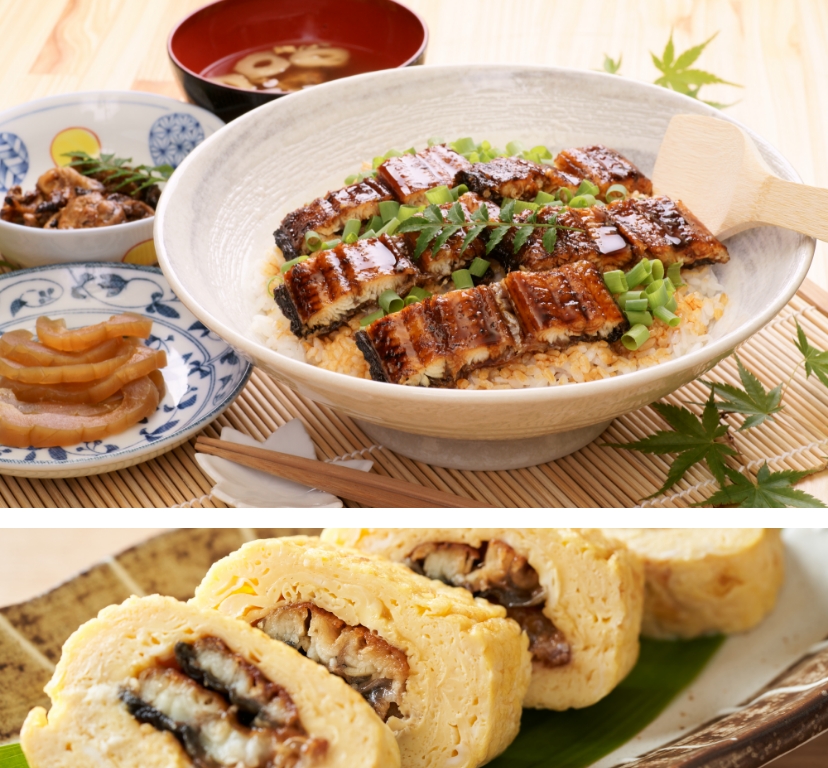
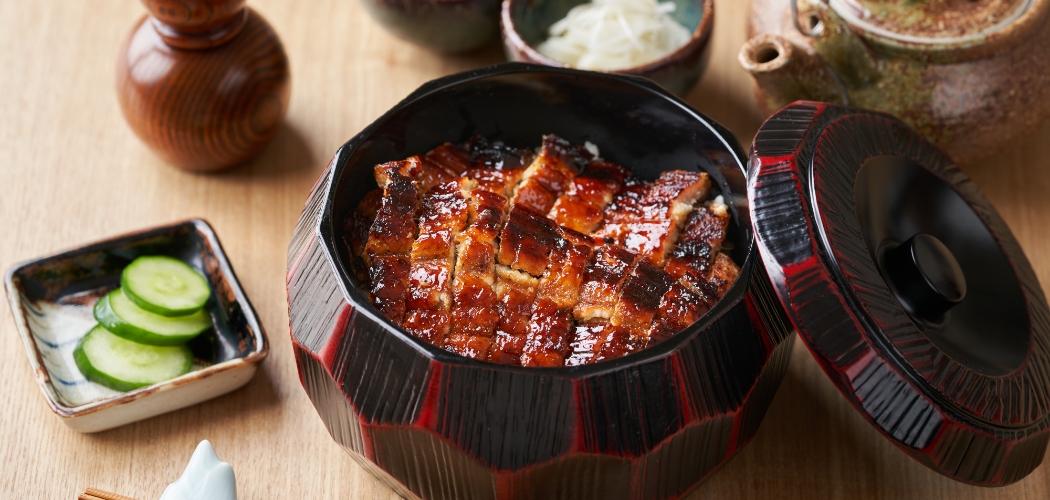
Hitsumabushi is a dish of chopped eel kabayaki placed on top of rice. It is known as a Nagoya specialty. First, taste it as is, then add condiments such as green onions and wasabi. At the end, you can enjoy it in a variety of ways, such as adding the soup stock that comes with it and making it ochazuke style.

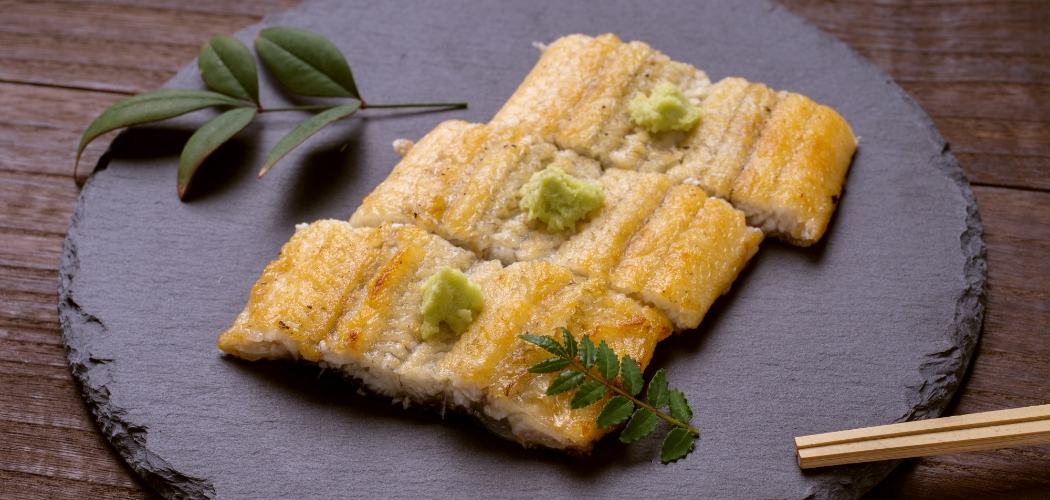
Enjoying the Natural Taste and Aroma of Eel Shirayaki Without Sauce

Shirayaki, which is grilled eel without sauce, is characterized by its light taste and texture. You can enjoy the original flavor and aroma of eel better than kabayaki. We recommend eating it simply with salt, soy sauce, wasabi, yuzu pepper, etc.

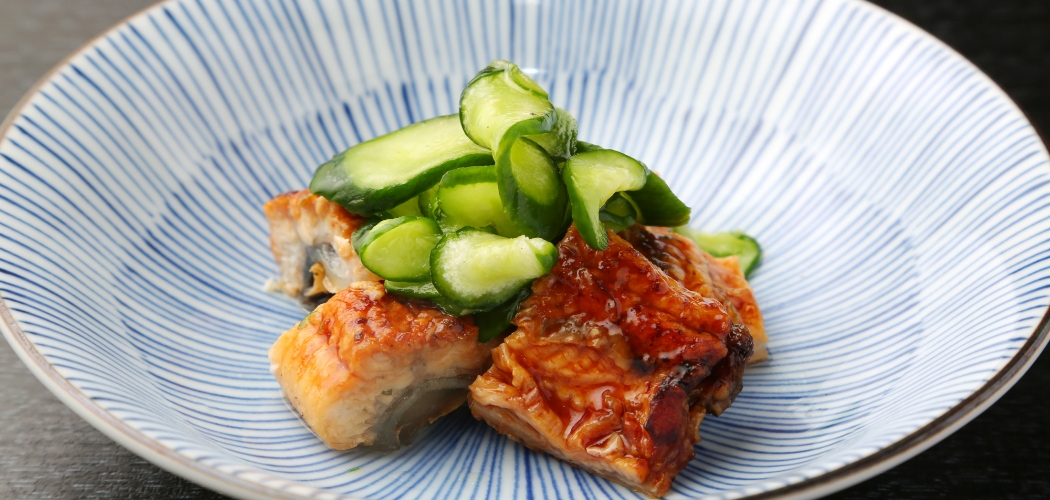
Vinegared Eel and Cucumber Usaku, Also Loved as an Appetizer

A vinegared dish made with finely cut grilled eel and thinly sliced ​​cucumber. The richness of the eel and the sourness of the vinegar are a perfect balance, making it easy to eat. At eel specialty restaurants, it is a standard menu item along with ``Umaki,'' an omelette stuffed with eel, and is also a popular dish as an accompaniment to alcohol.


Want to Know More About Eel?

Winter is the Season for Wild Eel!

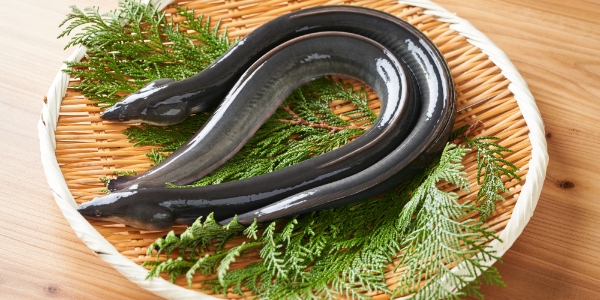
Eel is often thought to be in season in summer because of the ``Doyou no Ushi no Hi'' (Doyou no Ushi no Hi). Delicious farmed eel can be eaten all year round, but wild eel is in season from autumn to winter, when eel accumulates fat in preparation for hibernation.

Speaking of Eel Production Areas

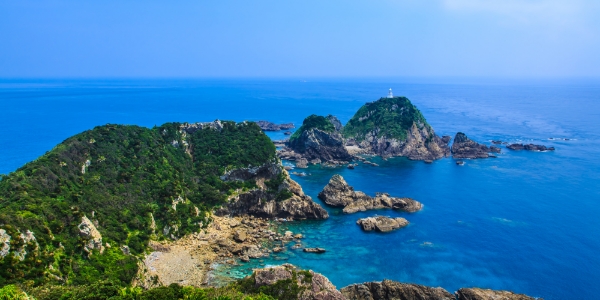
There are famous eel producing areas all over Japan, and there are many famous restaurants that serve delicious eel dishes. Particularly famous areas include Shizuoka Prefecture, Kagoshima Prefecture, Aichi Prefecture, Miyazaki Prefecture, and Kochi Prefecture.

Why Japanese Pepper on Eel?

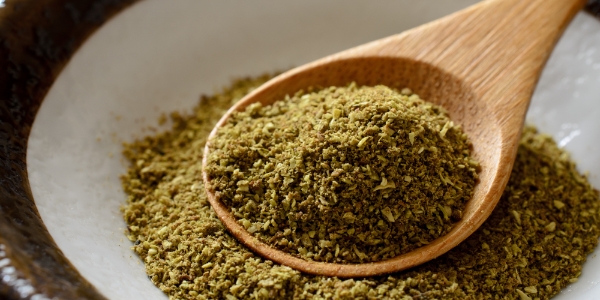
Japanese pepper is often eaten with kabayaki, and it is said that not only does the refreshing spiciness bring out the deliciousness of the eel, but also that the antibacterial properties of Japanese pepper are good for preventing food poisoning.

4 Ways to Enjoy Delicious Eel Dishes

Enjoy the Fragrant Flavor of the Sauce Kabayaki, the Classic Eel Dish

When you hear about eel dishes, the first thing that comes to mind is ``kabayaki.'' Shirayaki is grilled directly without adding any seasonings or sauces, and is further grilled with a sauce made from soy sauce, sugar, and mirin. The difference is that in the Kanto region, Shirayaki is steamed and then kabayaki, while in the Kansai region, it is not steamed but kabayaki.

Representative of Nagoya's Eel Dishes Many Ways to Eat Hitsumabushi

Hitsumabushi is a dish of chopped eel kabayaki placed on top of rice. It is known as a Nagoya specialty. First, taste it as is, then add condiments such as green onions and wasabi. At the end, you can enjoy it in a variety of ways, such as adding the soup stock that comes with it and making it ochazuke style.

Enjoying the Natural Taste and Aroma of Eel Shirayaki Without Sauce

Shirayaki, which is grilled eel without sauce, is characterized by its light taste and texture. You can enjoy the original flavor and aroma of eel better than kabayaki. We recommend eating it simply with salt, soy sauce, wasabi, yuzu pepper, etc.

Vinegared Eel and Cucumber Usaku, Also Loved as an Appetizer

A vinegared dish made with finely cut grilled eel and thinly sliced ​​cucumber. The richness of the eel and the sourness of the vinegar are a perfect balance, making it easy to eat. At eel specialty restaurants, it is a standard menu item along with ``Umaki,'' an omelette stuffed with eel, and is also a popular dish as an accompaniment to alcohol.

Want to Know More About Eel?

Winter is the Season for Wild Eel!

Eel is often thought to be in season in summer because of the ``Doyou no Ushi no Hi'' (Doyou no Ushi no Hi). Delicious farmed eel can be eaten all year round, but wild eel is in season from autumn to winter, when eel accumulates fat in preparation for hibernation.

Speaking of Eel Production Areas

There are famous eel producing areas all over Japan, and there are many famous restaurants that serve delicious eel dishes. Particularly famous areas include Shizuoka Prefecture, Kagoshima Prefecture, Aichi Prefecture, Miyazaki Prefecture, and Kochi Prefecture.

Why Japanese Pepper on Eel?

Japanese pepper is often eaten with kabayaki, and it is said that not only does the refreshing spiciness bring out the deliciousness of the eel, but also that the antibacterial properties of Japanese pepper are good for preventing food poisoning.

Select Stores by Scene

Feel Special at a Special Long-Established Store For Entertainment or Anniversaries

As the word ``eel streamer'' suggests, eel dishes have long been popular in Japan as an auspicious delicacy, and are the perfect food to decorate important occasions, hospitality, and important anniversaries. In addition to areas famous for producing eel, there are long-established and famous eel restaurants in major cities such as Tokyo and Osaka, which have been chosen for entertaining and anniversaries. It is rare to find a restaurant that sells rare wild eel, making it even more special.

  • Shun Ryori Rindō (Seasonal Japanese Cuisine)

    Hyogo

    Shun Ryori Rindō (Seasonal Japanese Cuisine)

    味季料理 りんどう

    A Sommelier’s Take on Wine and Traditional Japanese Dishes

    Just a 17-minute walk from JR Kakogawa Station, Shun Ryori Rindō is a Japanese restaurant that highlights locally sourced ingredients, paired with carefully selected sake and wine. In 2017, the owner became the first Japanese recipient of a Gold Diploma in the international sommelier qualification exam, "International A.S.I. Sommelier Diploma", held by the Association de la Sommellerie Internationale (ASI), and has since achieved a refined harmony between Japanese cuisine and wine. As both chef and sommelier, the owner is also able to craft courses that complement wine pairings. When it comes to sake, the focus is on local brews that match beautifully with the region’s seasonal ingredients.

  • Hamanako Unagi, Motoshiro-tei

    Shizuoka

    Hamanako Unagi, Motoshiro-tei

    浜名湖うなぎ 元城亭

    An Eel Specialty Store in Hamamatsu City, Shizuoka Where You Can Enjoy a Spectacular View

    An eel specialty store located on the 18th floor of Hotel Concorde Hamamatsu, which stands near Hamamatsu Castle in Shizuoka . The eel from Lake Hamana, which is thick, fatty, and of consistent quality, is carefully grilled to create a fluffy texture on the inside and a crispy exterior. The sauce, inherited from the recipe of Hotel Kokonoe, a luxury inn that closed in 2021, is sweet and rich, and pairs perfectly with the sticky, flavorful rice made with Koshihikari rice grown locally in Hamamatsu City. It's also nice to have a selection of local sake carefully selected by the sake master. In addition to table seats, there are private rooms, so it is recommended for anniversaries and get-togethers.

  • Shichifuku, Charcoal Grilled Eel

    Aichi

    Shichifuku, Charcoal Grilled Eel

    炭火うなぎ 七福

    Savor Thick Eel from Mikawa Isshiki, Grilled Over Charcoal

    This restaurant specializes in charcoal-grilled eel dishes, located approximately a 9-minute walk from Komakihara Station on the Nagoya Railroad. They use thick eels from Mikawa Isshiki, a traditional eel-producing region, and cook them with a special sauce and charcoal fire to create a crispy texture on the outside and fluffy inside. Enjoy the aroma of the Hida Sansho pepper that comes with the dish. Their most popular dish, Hitsumabushi, can be enjoyed in a variety of ways by arranging it with condiments and broth. The restaurant offers a relaxing, barrier-free space with table seats and semi-private rooms that can accommodate up to 16 people. Assistance dogs are welcome, and wheelchair-accessible toilets are available, ensuring that everyone can visit with ease.

  • Pontocho Idumoya

    Kyoto

    Pontocho Idumoya

    先斗町 いづもや

    Enjoy the Seasonal Scenery Along the Kamo-gawa River

    This long-established Japanese restaurant is located in an alley in Pontocho, Kyoto. Its tasteful appearance blends in with the historic streetscape, further enhancing the atmosphere of its customers. Taking advantage of its location along the Kamo-gawa River, the restaurant offers a riverside terrace from May to September, allowing customers to enjoy their meal while feeling the cool breeze. The restaurant offers a wide variety of Japanese dishes, including eel dishes, which have been on offer since the restaurant's founding, as well as Kyoto kaiseki and sukiyaki. The restaurant is renowned for its delicate flavors that make the most of the ingredients' natural taste. In addition to tatami rooms, the restaurant also has private rooms with table seating, making it suitable for a wide range of occasions, including entertaining, business meetings, and family meals. It is also close to Shijo Kawaramachi and Gion, making it an easy place to stop by in between sightseeing.

Search for Restaurants Where You Can Eat Eel for Entertainment or Anniversaries by Area

Please Feel Free to Stop by Enjoy Casually

Although eel is known as a luxury ingredient, it was a dish loved by common people during the Edo period. Even now, in areas famous for eel and in downtown areas, there are restaurants where you can casually stop by and enjoy eel such as umaki, uzaku, and shirayaki, allowing you to experience the food culture that has been alive since ancient times. There are also restaurants that specialize in ``unagi skewers,'' in which each part of the eel is skewered and grilled. It tastes like yakitori and can be enjoyed as an inexpensive accompaniment to alcohol.

  • Pontocho Idumoya

    Kyoto

    Pontocho Idumoya

    先斗町 いづもや

    Enjoy the Seasonal Scenery Along the Kamo-gawa River

    This long-established Japanese restaurant is located in an alley in Pontocho, Kyoto. Its tasteful appearance blends in with the historic streetscape, further enhancing the atmosphere of its customers. Taking advantage of its location along the Kamo-gawa River, the restaurant offers a riverside terrace from May to September, allowing customers to enjoy their meal while feeling the cool breeze. The restaurant offers a wide variety of Japanese dishes, including eel dishes, which have been on offer since the restaurant's founding, as well as Kyoto kaiseki and sukiyaki. The restaurant is renowned for its delicate flavors that make the most of the ingredients' natural taste. In addition to tatami rooms, the restaurant also has private rooms with table seating, making it suitable for a wide range of occasions, including entertaining, business meetings, and family meals. It is also close to Shijo Kawaramachi and Gion, making it an easy place to stop by in between sightseeing.

  • Shichifuku, Charcoal Grilled Eel

    Aichi

    Shichifuku, Charcoal Grilled Eel

    炭火うなぎ 七福

    Savor Thick Eel from Mikawa Isshiki, Grilled Over Charcoal

    This restaurant specializes in charcoal-grilled eel dishes, located approximately a 9-minute walk from Komakihara Station on the Nagoya Railroad. They use thick eels from Mikawa Isshiki, a traditional eel-producing region, and cook them with a special sauce and charcoal fire to create a crispy texture on the outside and fluffy inside. Enjoy the aroma of the Hida Sansho pepper that comes with the dish. Their most popular dish, Hitsumabushi, can be enjoyed in a variety of ways by arranging it with condiments and broth. The restaurant offers a relaxing, barrier-free space with table seats and semi-private rooms that can accommodate up to 16 people. Assistance dogs are welcome, and wheelchair-accessible toilets are available, ensuring that everyone can visit with ease.

  • Gyosai, a Japanese Restaurant

    Gifu

    Gyosai, a Japanese Restaurant

    和食処 鰶 ぎょさい

    A Restaurant Where Families Can Enjoy Meals Together With Smiles

    Located in Takayama City, Gifu, with views of the Northern Alps, "Gyosai, a Japanese Restaurant" offers a full taste of the Hida Takayama region’s rich bounty. In addition to fresh seasonal seafood and its signature eel dishes, the restaurant features a variety of menu items made with "Hida Beef." The retro interior evokes a sense of nostalgia and calm, creating a relaxed setting that welcomes guests of all ages. It is a place where grandparents and grandchildren often share precious moments together. Thoughtful details such as a ramp at the entrance reflect the restaurant’s commitment to accessibility. With approximately 140 seats in total, the restaurant accommodates everything from intimate gatherings to large groups.

  • Taikantei Misato

    Mie

    Taikantei Misato

    大観亭 美里店

    Charcoal-Grilled Eel That Has Been Loved Locally for Over 50 Years

    "Taikantei" has been operating for over 50 years in Tsu City, Mie , where the food culture of eating eel on a daily basis is deeply rooted, and is loved by many people, especially locals. The fourth store, "Taikantei Misato", run by the owner who is the grandson of the founder, is located in an area rich in nature and has a calm atmosphere in an old folk house-style building. A popular menu item is "Unaju", made with eel purchased directly from Nagoya that is crispy on the outside and soft on the inside. The owner, who has been trained for many years, carefully grills the meat on a charcoal grill.

Search for Restaurants Where You Can Casually Eat Eel by Area

Relax in a Private Room or Tatami Room Together as a Family

Eel restaurants are loved by a wide range of generations, from children to adults to the elderly, and have been used since ancient times for gatherings of families and relatives, such as meals on the day of the ox. Perhaps for this reason, there are many restaurants where families can enjoy meals together. If you have a private room, you can eat with your family without having to worry about people watching you, and if you have a tatami room, you can feel safe even if you have a baby or small child with you. When you travel with your family to an area famous for eel production, be sure to try it.

  • Unagi no Ogata

    Kagoshima

    Unagi no Ogata

    うなぎの尾方

    Enjoy Exquisite Eel From Kagoshima Prefecture in Kirishima City

    "Unagi no Ogata" is an eel specialty store located in Kirishima City, Kagoshima Prefecture. They only purchase eels from Kagoshima Prefecture that are farmed in high - quality natural groundwater, and they carefully manage the water by exposing them to natural groundwater even after they arrive at the store. Each morning, the eel is prepared only for the amount that will be used that day, so they are able to serve the freshest eel. The eel, which is slowly grilled over charcoal without being steamed, is fragrant and has a firm texture, but the meat is soft and chewy. In addition to being available for take - out or delivery, we can also ship nationwide, so you can enjoy the taste of the famous restaurant at home.

  • Isshiki, Toyota

    Aichi

    Isshiki, Toyota

    一色 豊田店

    Savour Eel Casually at a Dedicated Eel Restaurant

    This eel specialty restaurant sources high-quality eels from the Fisheries Cooperative Association in Mikawa Isshiki, Aichi, known for its eel production, and serves them fresh every morning. Grilling them over high-heat charcoal fire allows you to enjoy two different textures: crisp on the outside and plump on the inside. In addition to the popular "Jyo Hitsumabushi and Liver Soup Set" and "Special Unaju," they also offer à la carte dishes such as "Umaki" and "Unagi Mabushi Nigiri" that are easy for children to eat, achieving the satisfaction and reasonable prices that only a specialty restaurant can offer so that a wide range of people can enjoy authentic flavors. Bright and cheerful customer service is also part of the restaurant’s charm, and the space offers a relaxing atmosphere that is welcoming to families.
  • Gyosai, a Japanese Restaurant

    Gifu

    Gyosai, a Japanese Restaurant

    和食処 鰶 ぎょさい

    A Restaurant Where Families Can Enjoy Meals Together With Smiles

    Located in Takayama City, Gifu, with views of the Northern Alps, "Gyosai, a Japanese Restaurant" offers a full taste of the Hida Takayama region’s rich bounty. In addition to fresh seasonal seafood and its signature eel dishes, the restaurant features a variety of menu items made with "Hida Beef." The retro interior evokes a sense of nostalgia and calm, creating a relaxed setting that welcomes guests of all ages. It is a place where grandparents and grandchildren often share precious moments together. Thoughtful details such as a ramp at the entrance reflect the restaurant’s commitment to accessibility. With approximately 140 seats in total, the restaurant accommodates everything from intimate gatherings to large groups.

  • Maruya Honten Tenpaku Main Restaurant

    Aichi

    Maruya Honten Tenpaku Main Restaurant

    まるや本店 天白本店

    Relish Premium Eel Enhanced by a Special House Sauce

    "Maruya Honten Tenpaku Main Restaurant" is conveniently located close to the station and features a dedicated parking lot with 40 spaces. The restaurant specialises in eel raised in high-quality environments, served with a tamari-based sauce crafted using a traditional method that has been passed down for over 180 years. The diverse menu includes the limited "Seasonal Gozen," ideal for special occasions such as engagement ceremonies or memorial services. Another popular dish is the carefully prepared "Freshly Rolled Umaki," loved for its delicate, comforting flavour.

Search for Family-Friendly Restaurants Serving Eel, Categorized by Area

Enjoy It at a Reasonable Price Enjoy the Taste of a Famous Restaurant for Lunch

Even if you go to a well-known or long-established restaurant that is difficult to enter at night, for lunch you may be able to enjoy eel rice bowls, eel bowls, hitsumabushi, etc. at relatively reasonable prices. The eel is slowly grilled over charcoal with a secret sauce that has been passed down over time. There is no doubt that you will feel happy when you eat it. Recommended when you want to have a luxurious meal with friends, or when you want to recharge for work in the afternoon.

  • Kyo Unawa Flagship Restaurant Kiyomizu Hanare

    Kyoto

    Kyo Unawa Flagship Restaurant Kiyomizu Hanare

    京うな和本店 清水はなれ

    Discover Kyoto’s Landmarks and Savour Premium Grilled Eel

    Located approximately a 17-minute walk from Keihan Electric Railway Kiyomizu-Gojo Station, "Kyounawa Honten - Shimizu Hanare" is a restaurant specializing in eel dishes that are full of Kyoto atmosphere. High-quality eels are carefully selected and procured from all over the country, including from Mikawa Isshiki in Aichi Prefecture. They are carefully grilled by craftsmen and served with a deep-flavored sauce made using traditional methods to enhance the flavor. Their signature dish, Hitsumabushi, is a recommended delicacy. The restaurant's plain wood interior is a Japanese space that exudes the atmosphere of Kyoto, and there are tables where you can relax and unwind. It is close to Kyoto's famous sites and is easy to drop by, so why not enjoy some luxurious eel dishes in between sightseeing?

  • Honkaku Sumibiyaki Unagi En Kyoto Sanjo

    Kyoto

    Honkaku Sumibiyaki Unagi En Kyoto Sanjo

    本格炭火焼うなぎ えん 京都三条店

    Mastering the Art of Eel — A Tradition Passed Down with Pride

    Located just a 1-minute walk from Sanjo Station on the Keihan Electric Railway, this authentic charcoal-grilled eel restaurant offers a truly memorable dining experience. Fresh eel is prepared each morning and grilled slowly over binchotan charcoal using a traditional method—high heat from a distance—to achieve a unique texture: crispy on the outside, fluffy on the inside. Paired with the restaurant’s secret sauce, it delivers a flavor that stands out. The eel is served over “Mizukagami rice,” a premium variety of Omi rice selected for its soft texture and subtle sweetness, perfectly complementing the dish.Menu highlights include “Sumibiyaki Shirakaba Jyu” (white-grilled eel over rice), “Sumibiyaki Unagi Nishiki Jyu” (charcoal-grilled eel with savory rolled omelet), and “Omi Beef Jyu” (rice bowl topped with premium Omi beef)—a great option for guests who prefer beef, making it easy to dine together with varying tastes. Reservations are recommended during peak hours.

  • Shichifuku, Charcoal Grilled Eel

    Aichi

    Shichifuku, Charcoal Grilled Eel

    炭火うなぎ 七福

    Savor Thick Eel from Mikawa Isshiki, Grilled Over Charcoal

    This restaurant specializes in charcoal-grilled eel dishes, located approximately a 9-minute walk from Komakihara Station on the Nagoya Railroad. They use thick eels from Mikawa Isshiki, a traditional eel-producing region, and cook them with a special sauce and charcoal fire to create a crispy texture on the outside and fluffy inside. Enjoy the aroma of the Hida Sansho pepper that comes with the dish. Their most popular dish, Hitsumabushi, can be enjoyed in a variety of ways by arranging it with condiments and broth. The restaurant offers a relaxing, barrier-free space with table seats and semi-private rooms that can accommodate up to 16 people. Assistance dogs are welcome, and wheelchair-accessible toilets are available, ensuring that everyone can visit with ease.

  • Ryotei Chojinso

    Gunma

    Ryotei Chojinso

    料亭 暢神荘

    Taste the Seasons in a Historic Meiji-Era Ryotei

    "Ryotei Chojinso" was built in 1900 in Tsubaki Town, central Takasaki, as a businessman’s villa. It became a ryotei in 1955, named after the character "Chojin" from a calligraphy gifted by a visiting imperial family member during the Meiji era (1868–1912). The 1,000 m² garden is home to two free-roaming peacocks. The kaiseki course offers eight to eleven dishes using "Joshu beef" and local vegetables, updated every two months with occasional Western touches. All nine rooms are private and vary in size, making it ideal for celebrations, engagements, and family gatherings. Catering and lunch boxes are also available.

Search for Restaurants Where You Can Eat Eel for Lunch by Area

Search by Area

Other Special Futures

Visit Famous Soba Restaurants Popular Nationwide
Popular and Delicious Seafood Gourmet Food
How to Enjoy Popular Eel Dishes
Guide to Yakiniku Gourmet Food