


Recommended articles in the same area
Introducing seasonal outing spots and event information in Iwate! Visit the places that interest you!
志和古稲荷神社
 Shiwa Town, Shiwa County, Iwate
志和古稲荷神社
A Historic Shrine in the Forest with Mysterious Legends
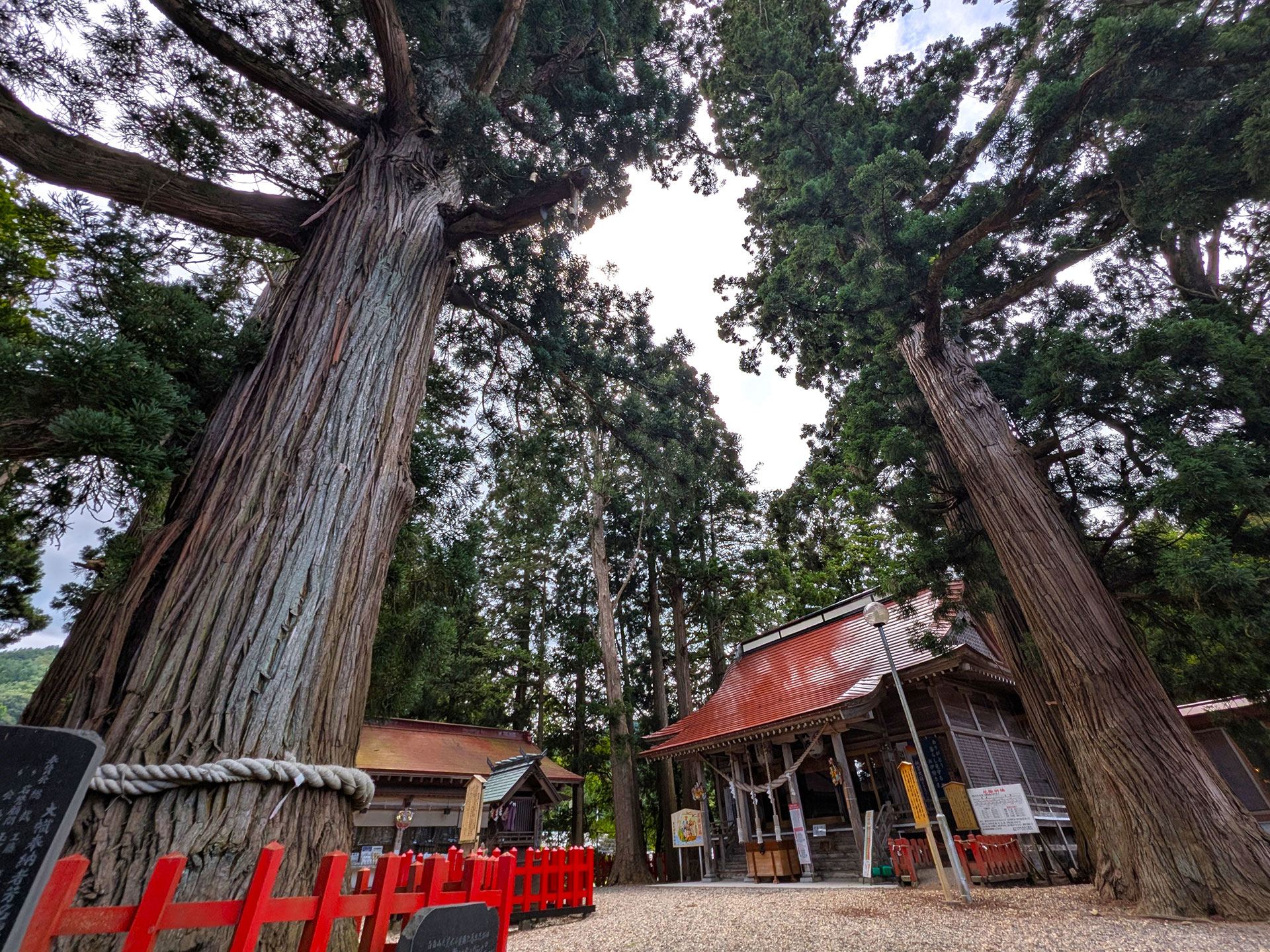
This historic shrine stands in Shiwa Town, Shiwa District, Iwate Prefecture. Although its founding date is unknown, one account holds that it dates to the Heian period, when Minamoto no Yoriyoshi and Yoshiie invited a deity to be enshrined here after establishing their military headquarters at Jingaoka during the Former Nine Years' War. The shrine enshrines Ukanomitama-no-Mikoto and has long been revered for blessings of abundant harvests, business prosperity, household safety, and traffic safety. A sacred tree with a trunk circumference of approximately six meters towers over the grounds, where another great cedar once stood. According to a mysterious tradition, when that cedar fell during a typhoon in 1954 (Showa 29), a mummified fox, regarded as an attendant of the kami, was discovered at its base.




Chief priest
Obonai Keiji
While preserving the shrine's long-established history and culture, he continues to conduct traditional festivals and maintain a place where visitors can spend time in peace.

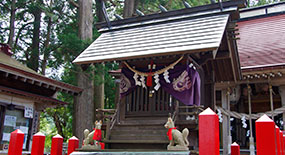
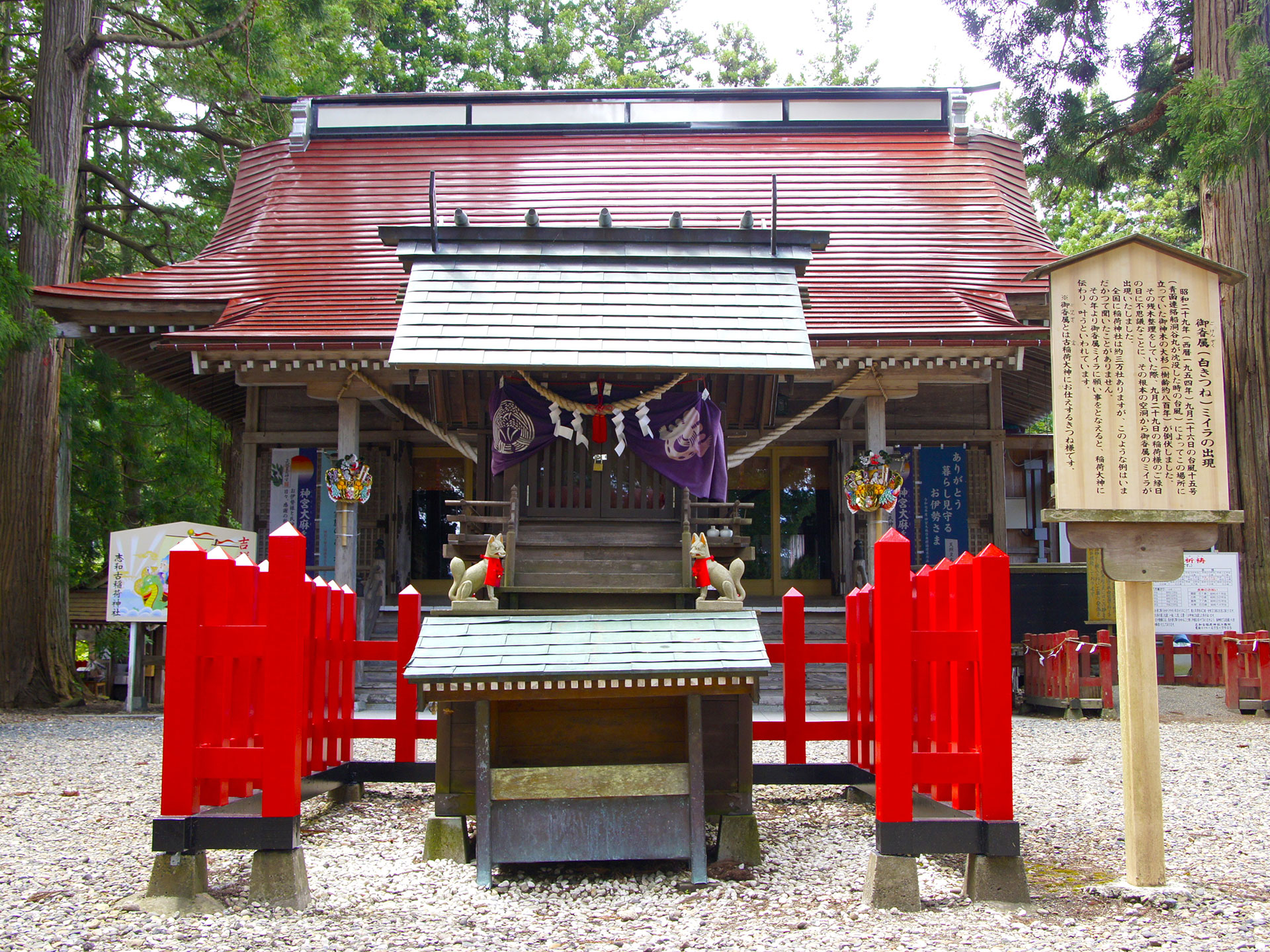
One of the shrine's distinctive highlights is "Gokenzokusha Shrine", where a mummified fox regarded as a divine attendant is enshrined. It was discovered in a hollow at the base of a sacred tree that had fallen during a typhoon, an exceptionally rare occurrence with few known parallels elsewhere in Japan. The mummified fox continues to be carefully preserved as a distinctive part of the shrine's history.

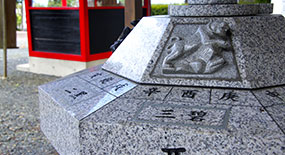
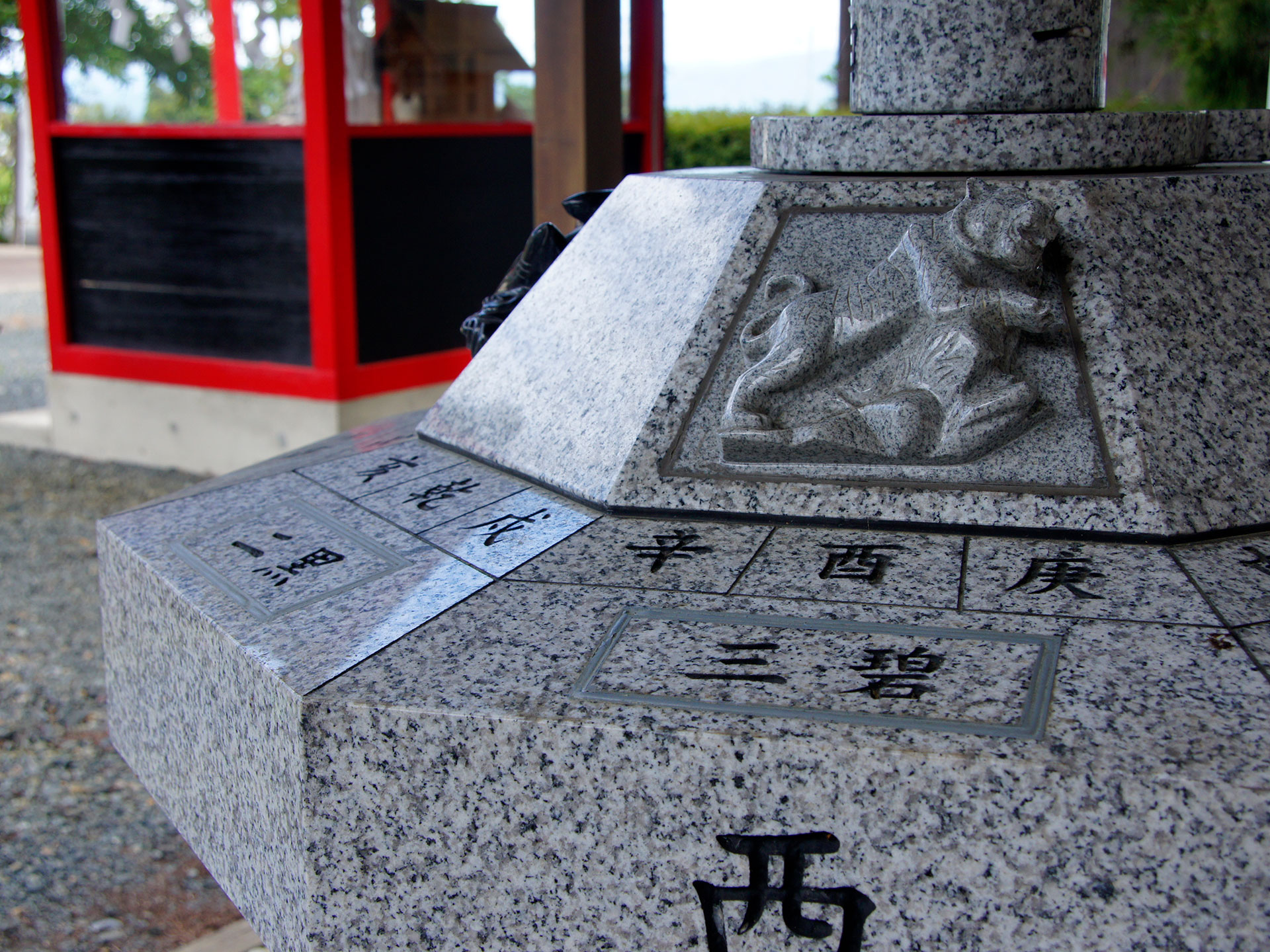
The octagonal "Hoisha Shrine" is inscribed with the principal stars determined by year of birth, including "Ippaku Suisei", "Jikoku Dosei", and "Sanpeki Mokusei", together with the twelve animals of the zodiac. The relationship between one's principal star and direction provides an opportunity to consider auspicious signs and favorable directions during a shrine visit.

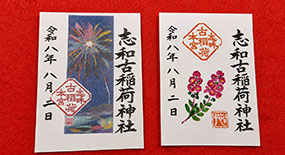
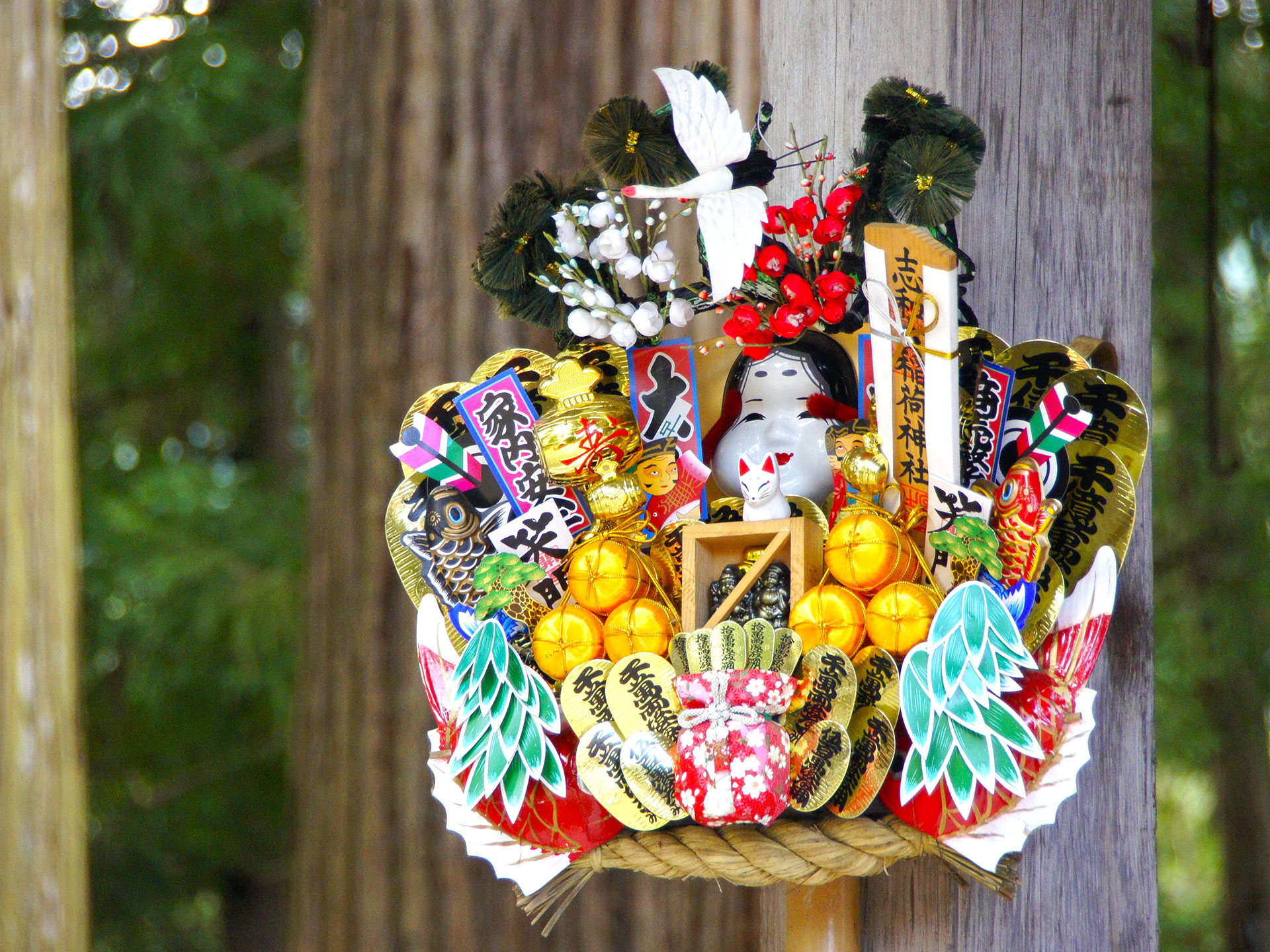
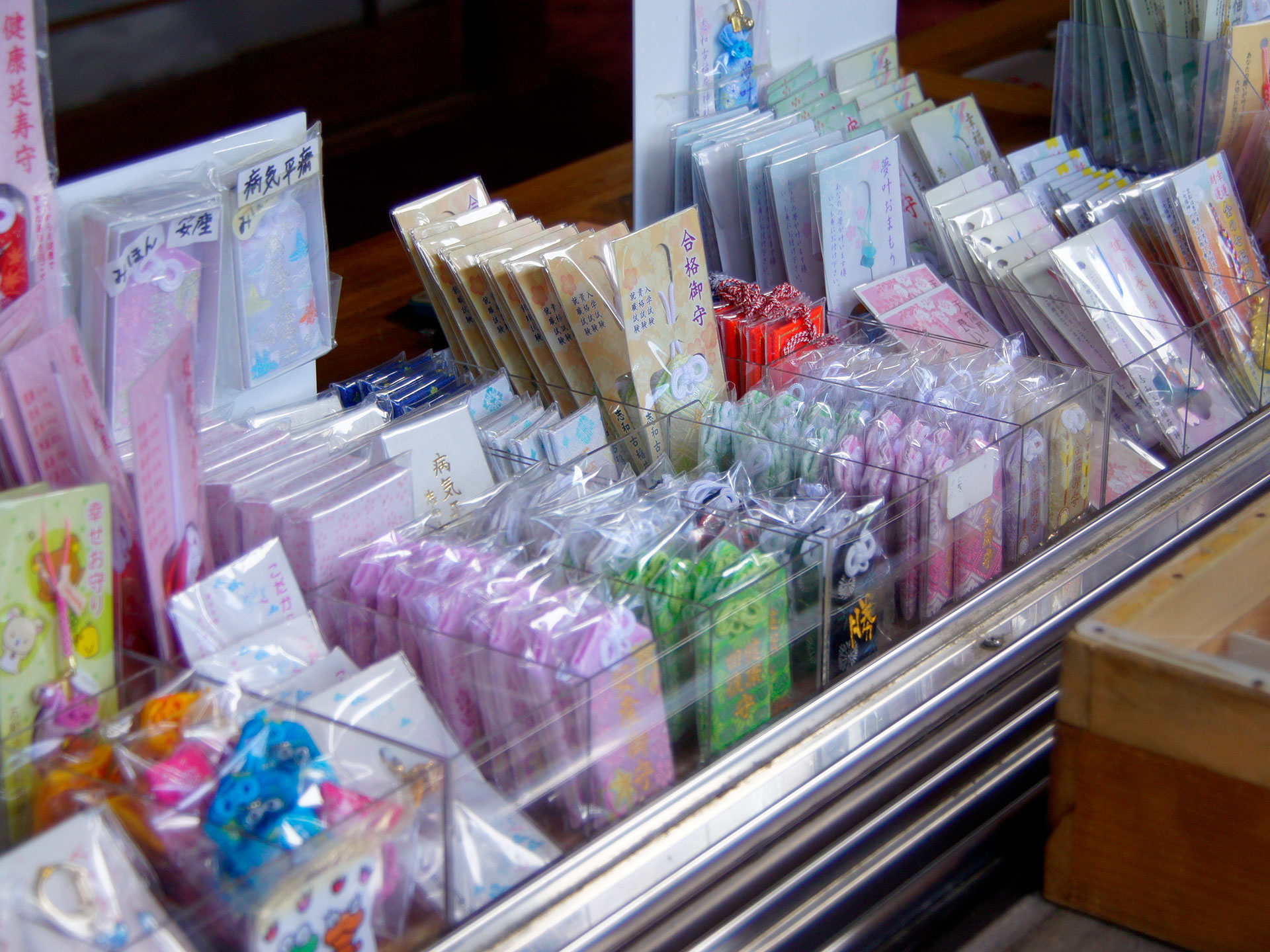
Monthly goshuin are offered featuring seasonal chigiri-e designs, each carefully completed with a red seal. With a different design to encounter each month, the goshuin serve not only as a record of worship but also as a reminder of the season of each visit, making each one something to treasure and look back on.

 Shichi-go-san (Children’s Ceremony)
 Miyamairi (Newborn Blessing)
 Matchmaking
 Cutting Ties
 Financial Luck
 Business Prosperity
 Yakuyoke (Purification)
 Health & Well-being
 Safe Childbirth
 Exam Success
 Traffic Safety
 Fertility
 Performing Arts
 Love Fulfillment
 Bountiful Harvest
 Family Safety
 Academic Success
 Recovery from Illness

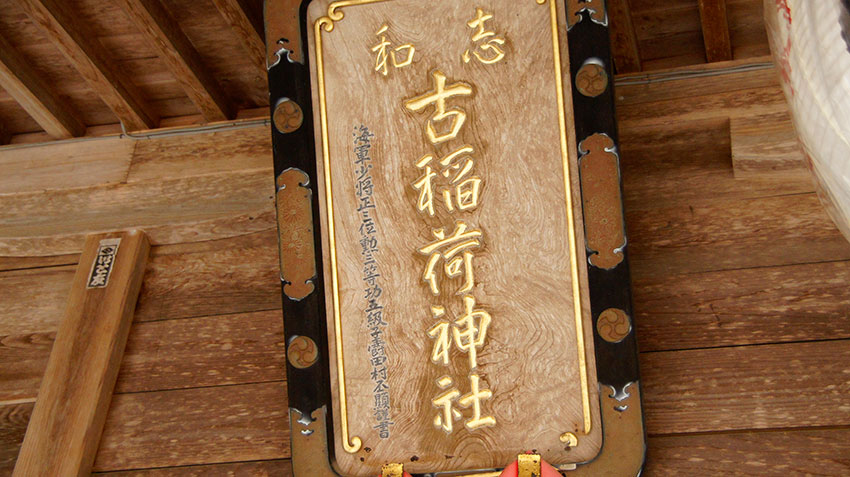
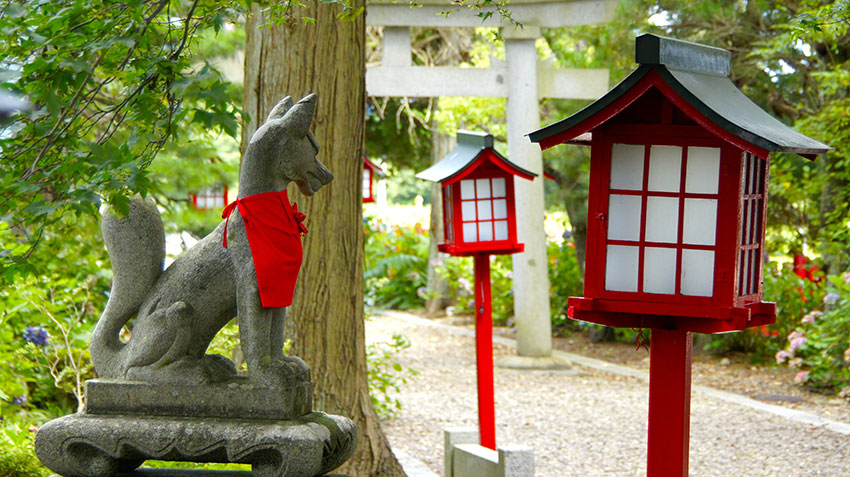
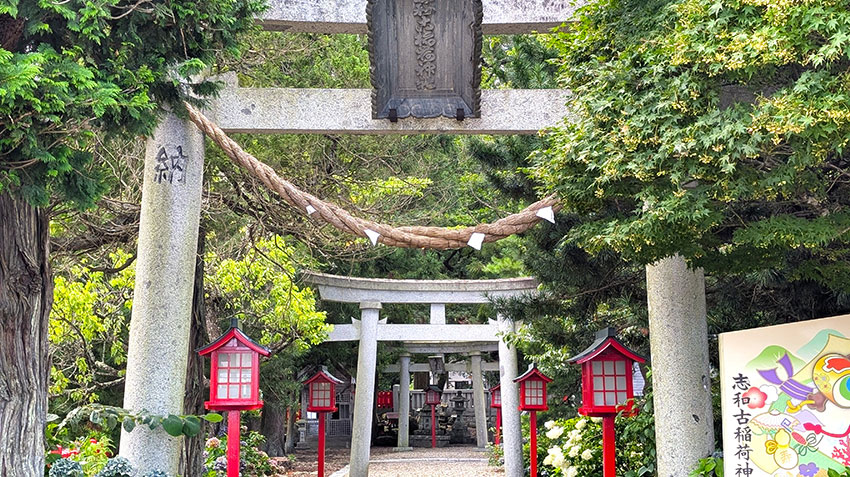
Although the exact date of its founding is unknown, the shrine has stood here since ancient times. According to tradition, during the Heian period, Minamoto no Yoriyoshi and Yoshiie invited and enshrined the deity when they established their headquarters at Jingaoka in present-day Shiwa Town, Shiwa District, Iwate Prefecture, during the Former Nine Years' War, praying for victory, giving thanks, and seeking spiritual authority over the region. The shrine later developed under the patronage of the Shiba family, who ruled the area. Formerly called "Hongu," it was maintained until the Meiji Restoration by hereditary Shugendo priests of "Honguji." During the Edo period, it was accorded high status as an Inari shrine of the Morioka Domain and, together with neighboring "Shiwa Inari Shrine," received deep devotion from successive domain lords, beginning with Nanbu Toshinao. Shrine lands were donated, and the lords made personal visits or sent representatives several times a year. The roughly 20-kilometer Shiwa Inari Kaido linking Morioka Castle with the two Shiwa Inari shrines was also developed for pilgrimages.
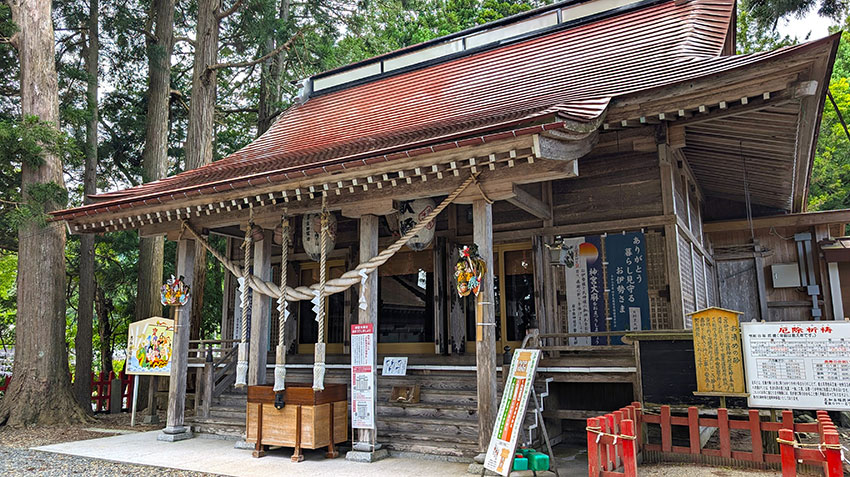
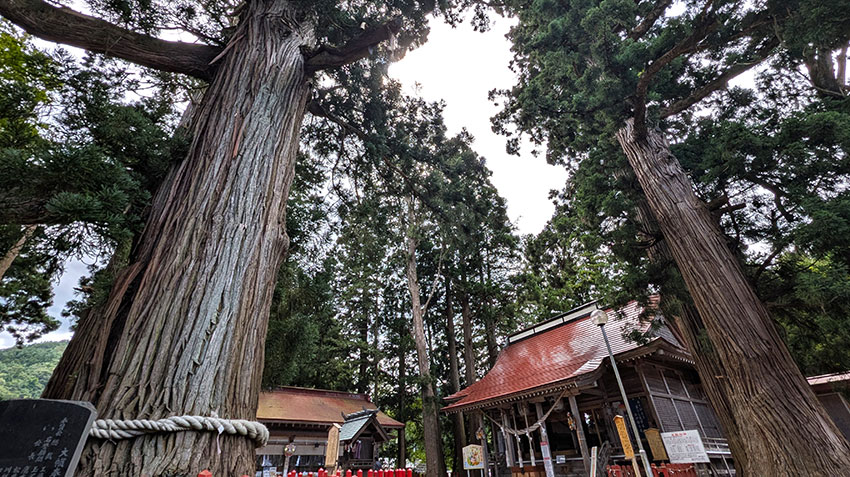
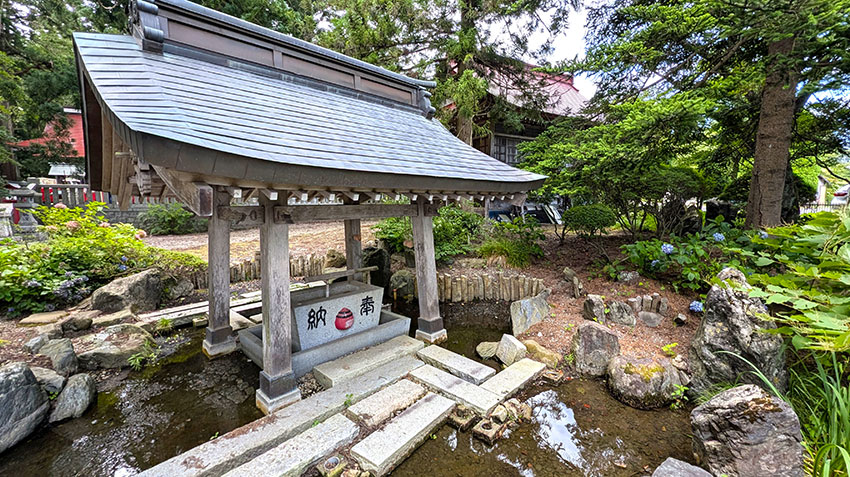
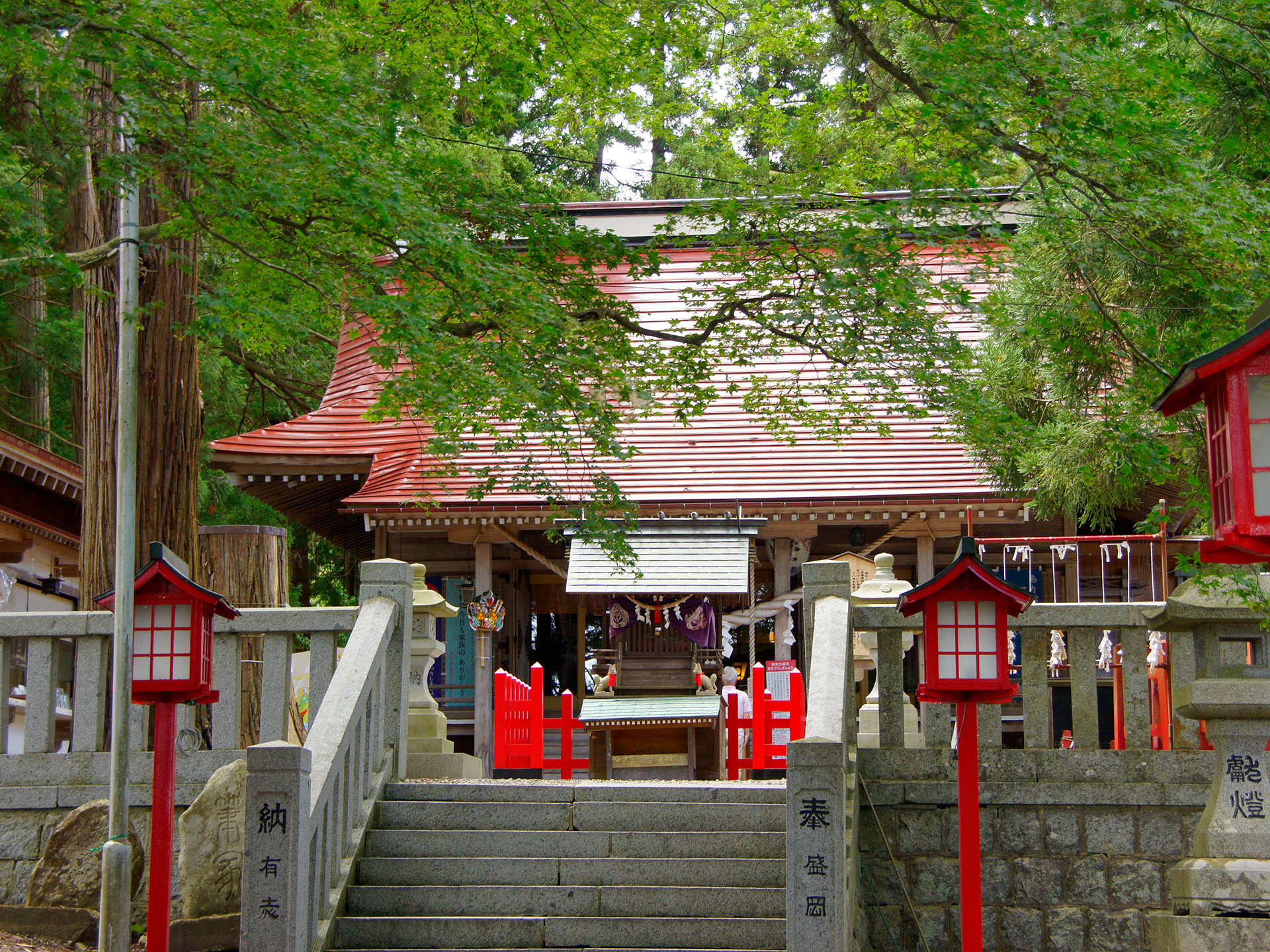
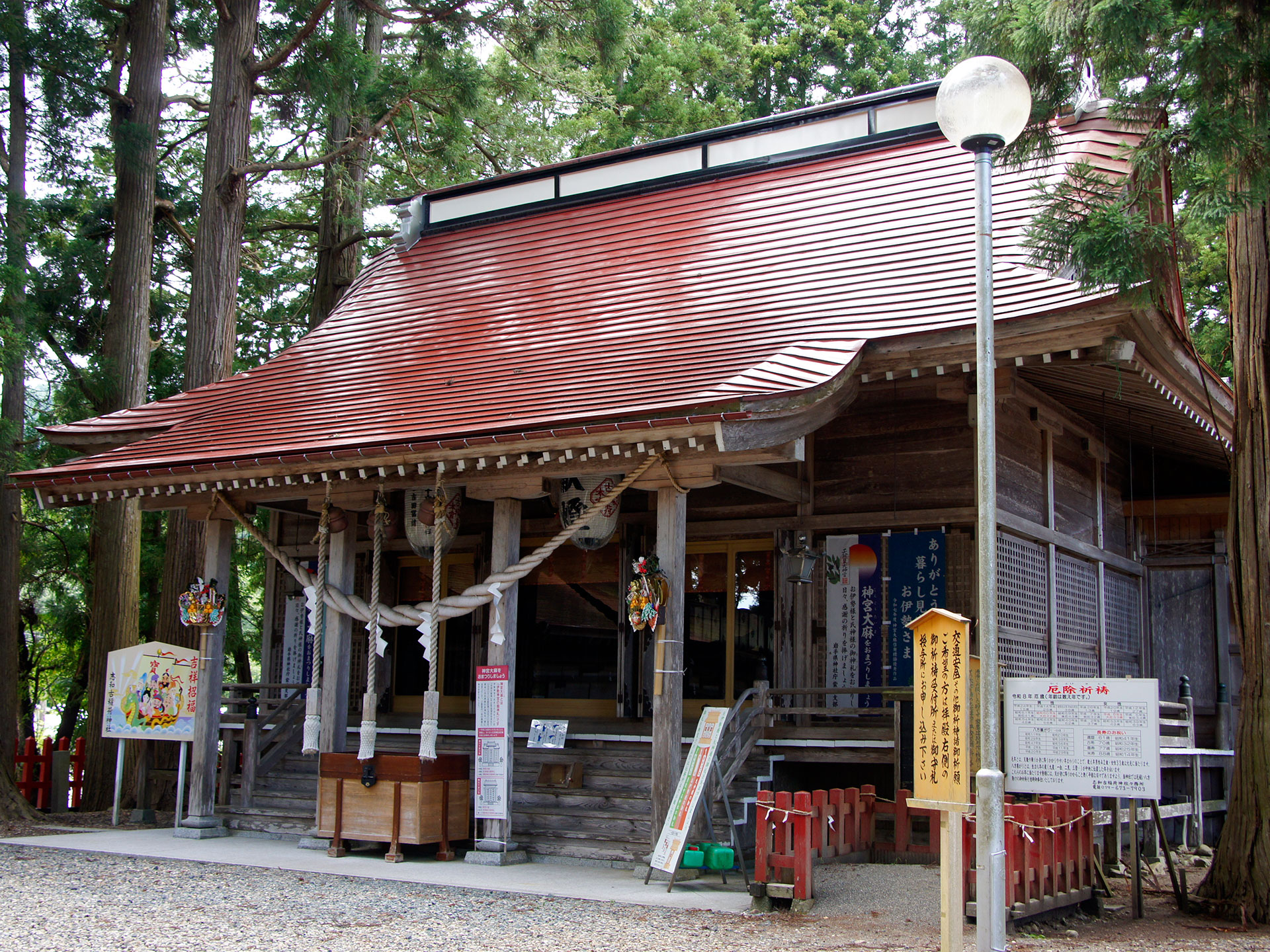
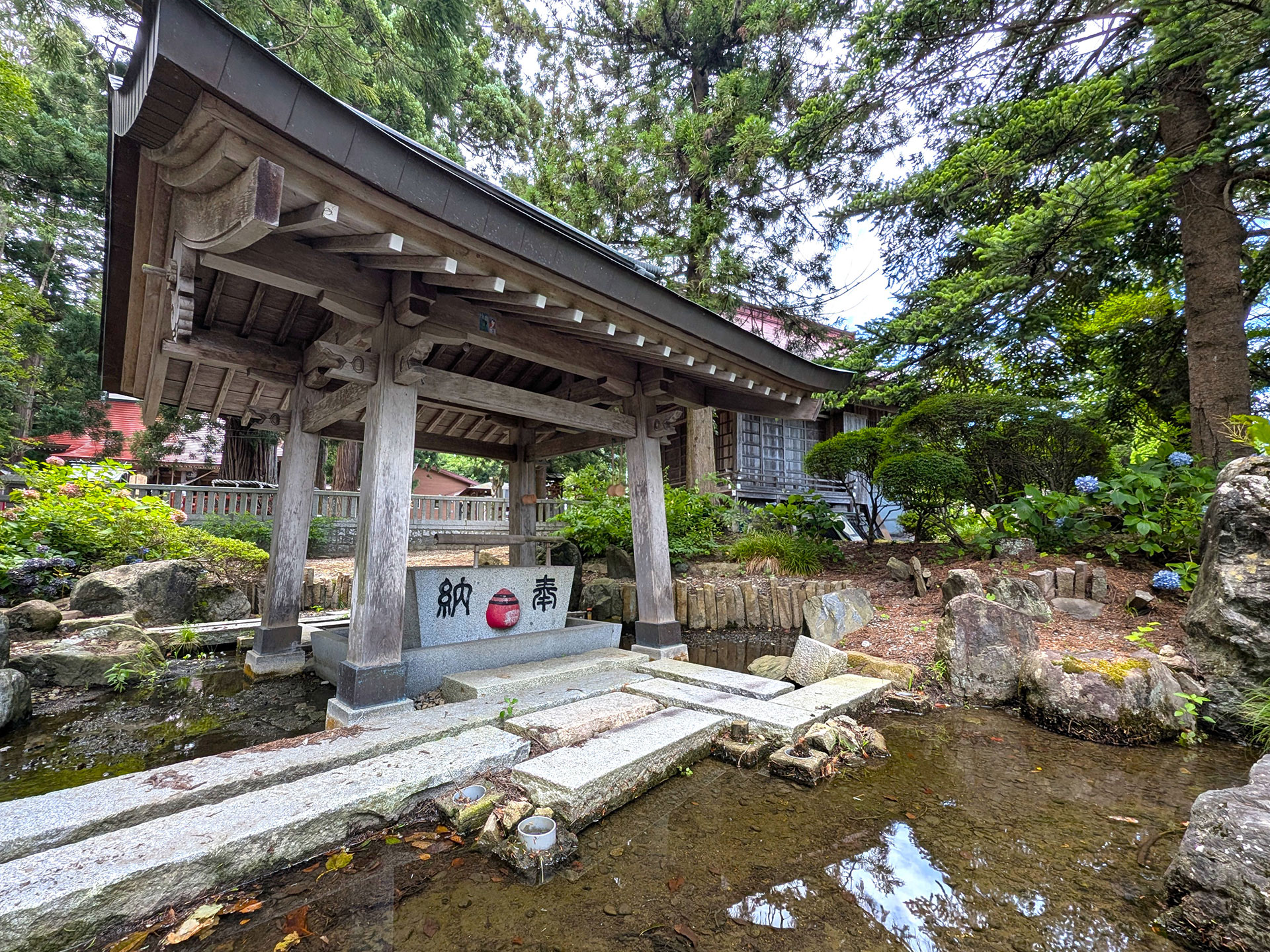
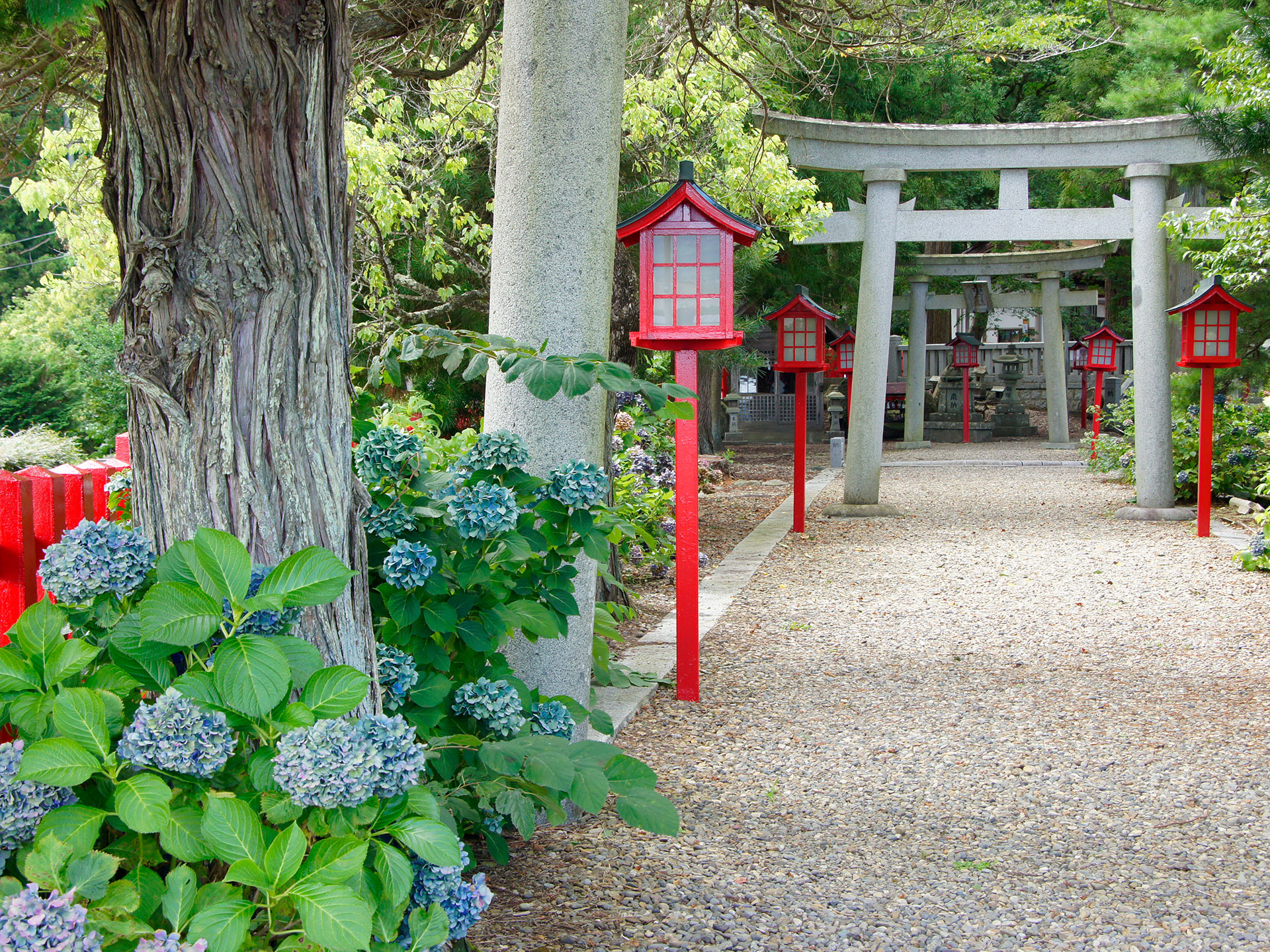
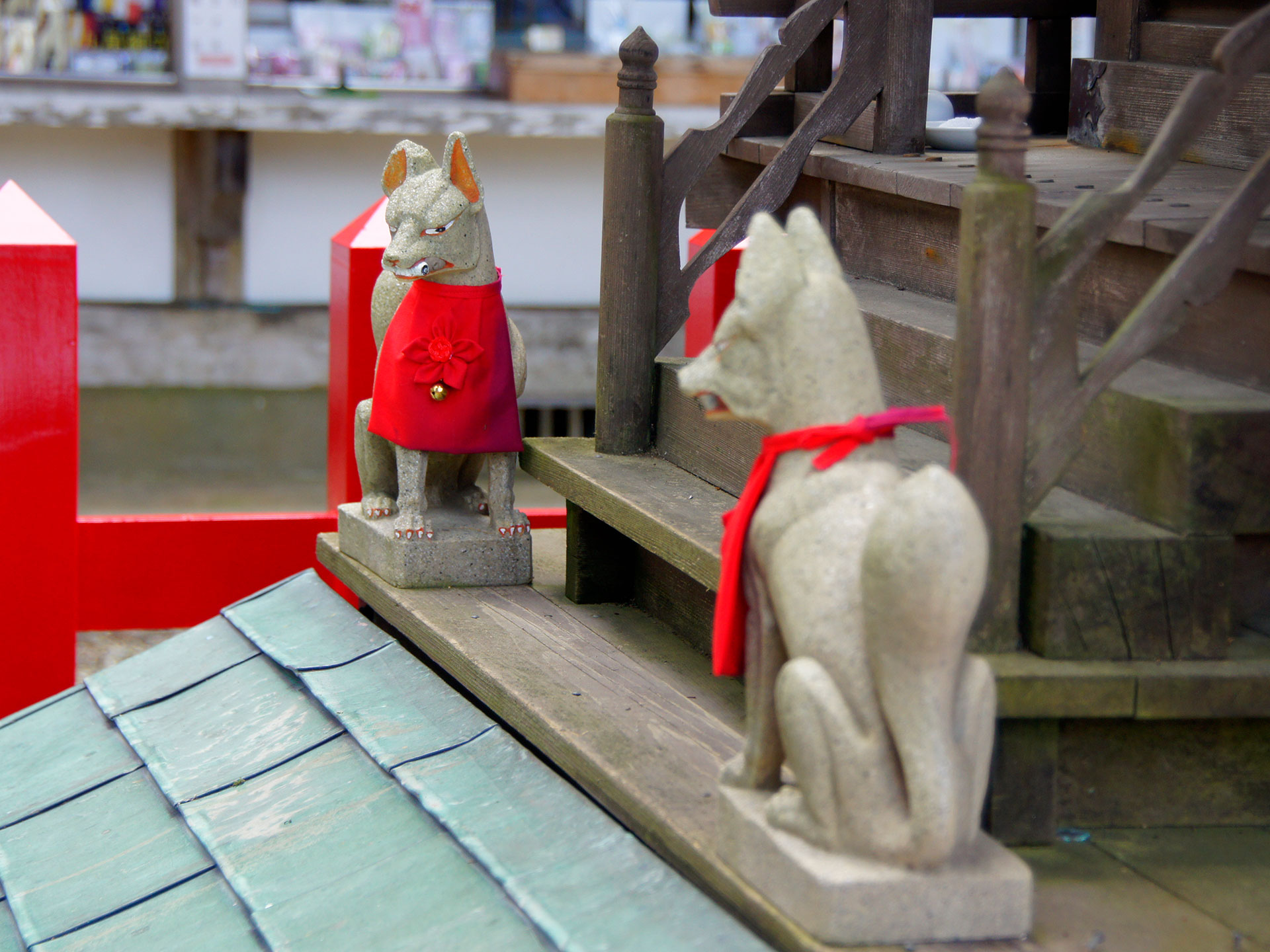
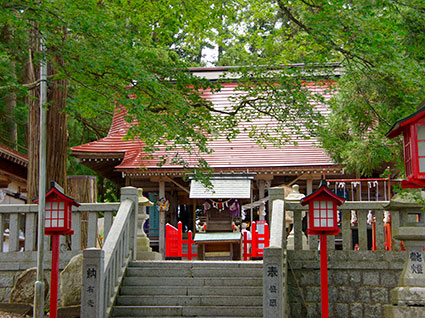
"Shiwafuru Inari Shrine", which enshrines Ukanomitama-no-Mikoto, received deep patronage from the distinguished Shiba warrior clan together with the neighboring "Shiwa Inari Shrine", and its shrine buildings and grounds were developed under their protection. According to records of the Morioka Domain, when Shiba Akinao, the last head of the Takasuiji Shiba clan, constructed the Main Sanctuary of "Shiwa Inari Shrine" in 1588, its former Main Sanctuary was preserved as the Main Sanctuary of "Shiwafuru Inari Shrine". After the fall of the Takasuiji Shiba clan, Nanbu Toshinao, lord of the Morioka Domain, became a devoted patron, and donations of shrine lands and construction of shrine buildings followed. Beyond the torii gates, the approach passes through refreshing woodland air to shrine buildings guarded by koma-kitsune fox statues. The grounds also include auxiliary shrines such as "Mikokusha", "Gokenzokusha", "Goshinmesha", "Tenmangu", "Kotsusha", and "Hoisha". A purification pavilion, kagura hall, and numerous stone monuments further convey the dignity of a shrine shaped by a long history of worship.
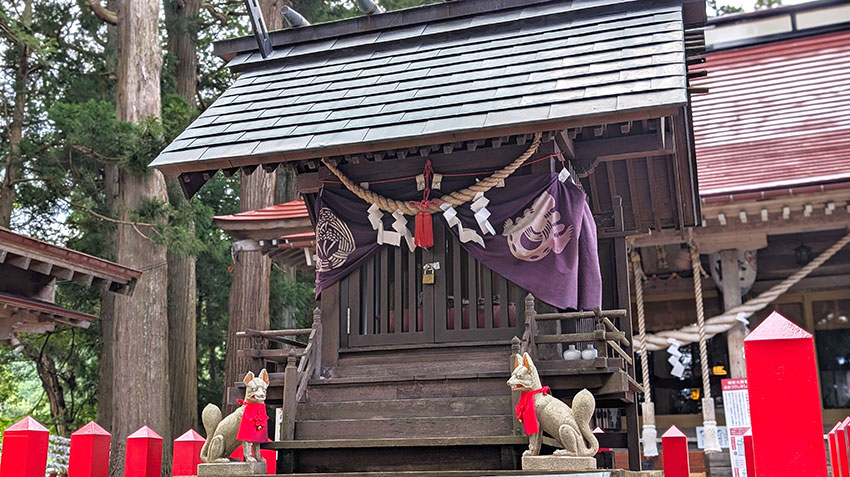
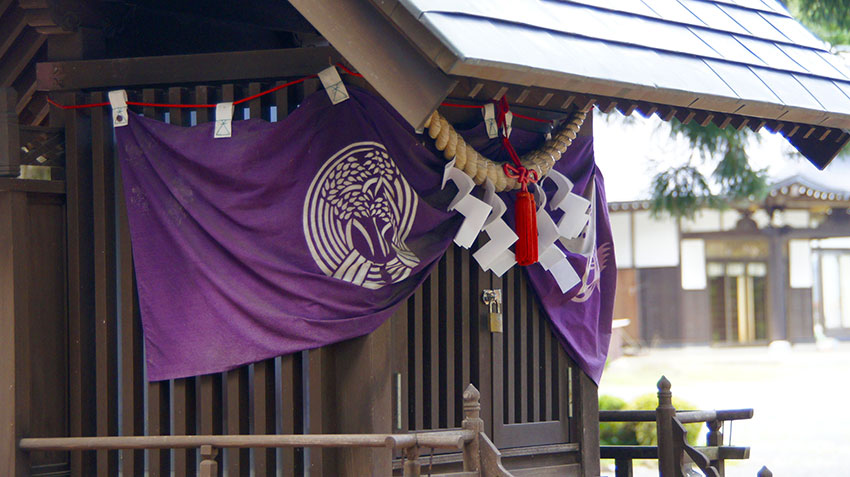
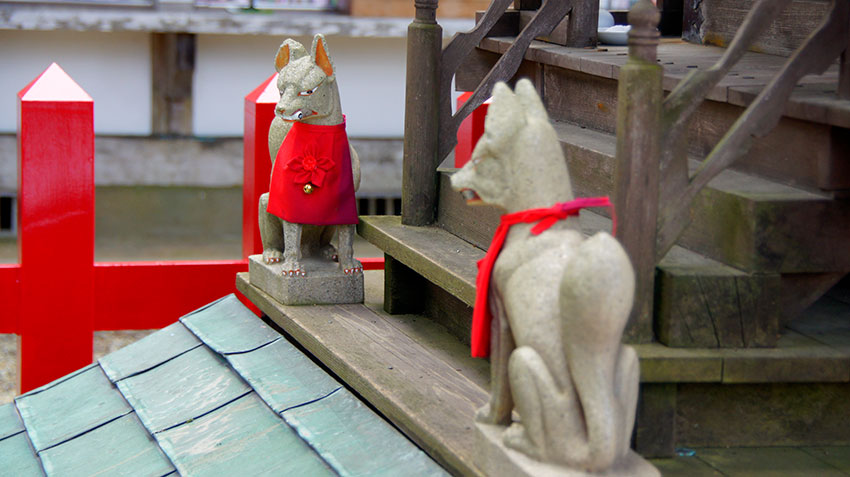
Animal-shaped divine messengers that serve the kami and convey their will to people are known as gokenzoku. At Inari shrines, foxes are regarded as gokenzoku and have long been revered as "Byakko-san", or White Foxes. On September 26, 1954, a large sacred cedar tree at "Shiwafuru Inari Shrine", said to have been approximately 800 years old, was brought down by a typhoon. When work began to remove the fallen tree, a mummified fox was discovered on September 29 in a hollow at the base of the sacred tree. The date was a special day associated with the Inari deity, and the discovery was regarded as a mysterious event. The mummified fox is now enshrined at "Gokenzokusha Shrine" and has been carefully preserved, with tradition holding that worship there may bring the fulfillment of wishes. Among the approximately 30,000 Inari shrines said to exist throughout Japan, this is described as an exceptionally rare case, with no similar example known elsewhere. It is regarded as a particularly mysterious and distinctive episode in the history of "Shiwafuru Inari Shrine".

Shiwafuru Inari Shrine
志和古稲荷神社


Introducing seasonal outing spots and event information in Iwate! Visit the places that interest you!
Pick popular spots nearby!

10.5kmfromShiwafuru Inari Shrine
Address:1-11 Matsubara, Za, Toyama, Shiwa Town, shiwa, iwate

18.1kmfromShiwafuru Inari Shrine
Address:60-18 Shimoyagita, Aza Shinjo, morioka, iwate

32kmfromShiwafuru Inari Shrine
Address:14 land allocation, Tachibana, kitakami, iwate

44.6kmfromShiwafuru Inari Shrine
Address:8-2 Kawauchi, miyako, iwate

44.6kmfromShiwafuru Inari Shrine
Address:25 Naka Town, Kakunodate Town, semboku, akita

54.8kmfromShiwafuru Inari Shrine
Address:62-46 Akasaka Tomigasawa, yokote, akita

60.9kmfromShiwafuru Inari Shrine
Address:21-4 Kaidoshita, Jumonji Town, yokote, akita

62.7kmfromShiwafuru Inari Shrine
Address:298-81 Kamiarisu Tsuchikura, Sumita Town, kesen, iwate

77.4kmfromShiwafuru Inari Shrine
Address:32 Hitachihama Town, miyako, iwate

84.3kmfromShiwafuru Inari Shrine
Address:9-15, Kinu Izawayama, Fujisawa Town, ichinoseki, iwate
 Western Cuisine
16.7kmfromShiwafuru Inari Shrine
Address:2F Cyseria Building, 2-1-4 Odori, morioka, iwate
 Japanese Cuisine
31.6kmfromShiwafuru Inari Shrine
Address:13-1 Kondosawa, Obonai, Tazawako, semboku, akita
 Local Specialties
52.4kmfromShiwafuru Inari Shrine
Address:7-13 Maego Ichiban Town, yokote, akita
 Japanese Cuisine
57.1kmfromShiwafuru Inari Shrine
Address:1-5 Maesawa Mukaida, oshu, iwate
 Japanese Cuisine
60.9kmfromShiwafuru Inari Shrine
Address:28-30 Jumonjimachi Kaidoshita, yokote, akita
 Japanese Cuisine
61.9kmfromShiwafuru Inari Shrine
Address:4-9-1 Moichi, miyako, iwate
 Local Specialties
66.4kmfromShiwafuru Inari Shrine
Address:178-3 Nyudo, Genbi Town, ichinoseki, iwate
 Japanese Cuisine
67.2kmfromShiwafuru Inari Shrine
Address:4-2-41 Omote Town, yuzawa, akita
 Western Cuisine
69.7kmfromShiwafuru Inari Shrine
Address:35-2 Iwaizumisawamawari, Iwaizumi Town, shimohei, iwate
 Izakaya/Bar
73.9kmfromShiwafuru Inari Shrine
Address:4-900 Unosumai Town, kamaishi, iwate

13.9kmfromShiwafuru Inari Shrine
Address:66 Shimoshizawa Nakano, hanamaki, iwate

16.4kmfromShiwafuru Inari Shrine
Address:9-17 Moriokaekimae Dori, morioka, iwate

23.3kmfromShiwafuru Inari Shrine
Address:14-67 Nagayama Kohachimori Shizukuishi Town, iwate, iwate

28.9kmfromShiwafuru Inari Shrine
Address:235-2 Chotarobayashi, takizawa, iwate

64.2kmfromShiwafuru Inari Shrine
Address:32 Matsurube, Genbi Town, ichinoseki, iwate

67.9kmfromShiwafuru Inari Shrine
Address:393-6 Akahagi Sasaya, ichinoseki, iwate

71.4kmfromShiwafuru Inari Shrine
Address:121-5 Minase Yumoto, yuzawa, akita

84.7kmfromShiwafuru Inari Shrine
Address:5-1 Nakayachi, Towada Oyu, kazuno, akita

92.5kmfromShiwafuru Inari Shrine
Address:245-2 Nakayama, kesennuma, miyagi

102.7kmfromShiwafuru Inari Shrine
Address:190 Mimori Onaeyo, nikaho, akita
