


8 Recommended Travel Destinations in Japan for 2026
2026/06/10
Due to the impact of the 2024 Noto Peninsula Earthquake, local transportation networks and facilities may have been affected.
Before planning your trip, please check the latest news and official announcements from local authorities.
 2026/07/27
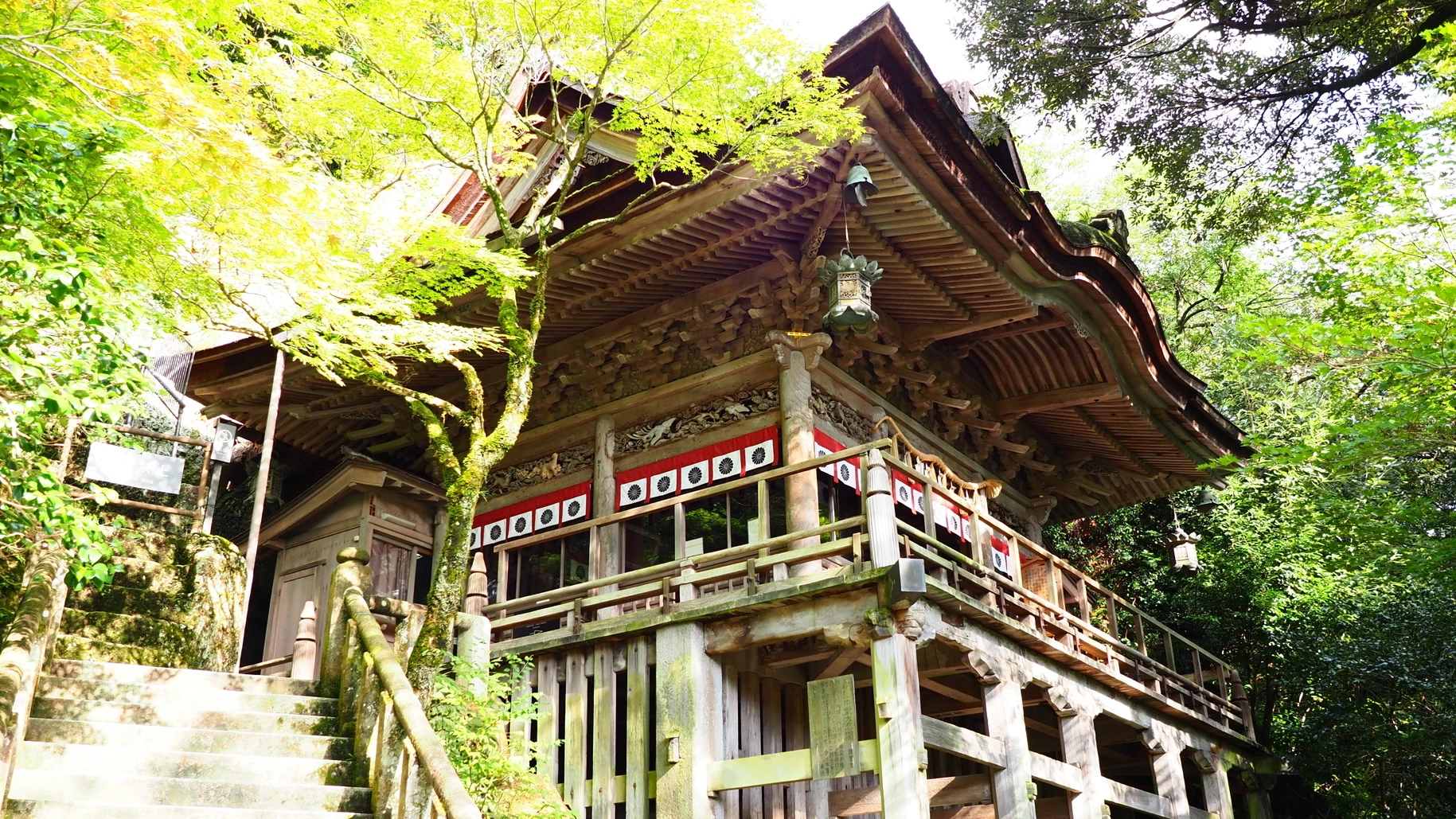
This guide introduces 10 shrines and temples in Hokuriku that make rewarding stops while exploring Fukui, Ishikawa, and Toyama. Many welcome visitors seeking blessings for protection from misfortune, good health, success, and other wishes, adding a meaningful cultural experience to a trip through the region.
Table of Contents of This Article
Open Table of Contents ▼
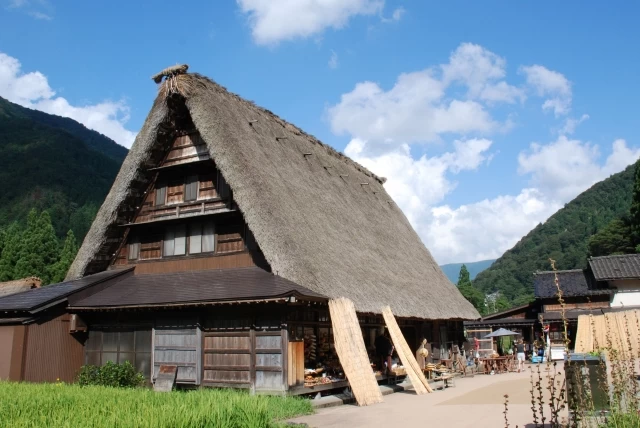
With convenient Shinkansen access from Tokyo, Hokuriku includes Fukui, Ishikawa, and Toyama along the Sea of Japan coast. The region is known for its dramatic coastline, the Northern Japan Alps, Kanazawa's castle-town heritage, gassho-zukuri thatched-roof villages, hot springs, seasonal seafood, and centuries-old crafts such as gold leaf and Kutani ware. Together, these attractions make Hokuriku a rewarding destination beyond Japan's better-known routes.
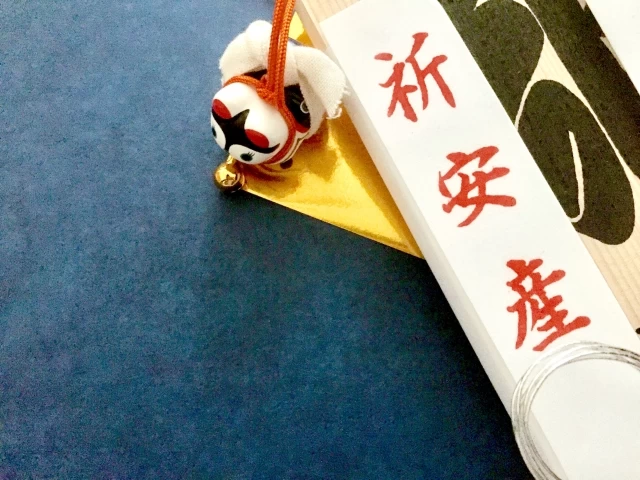
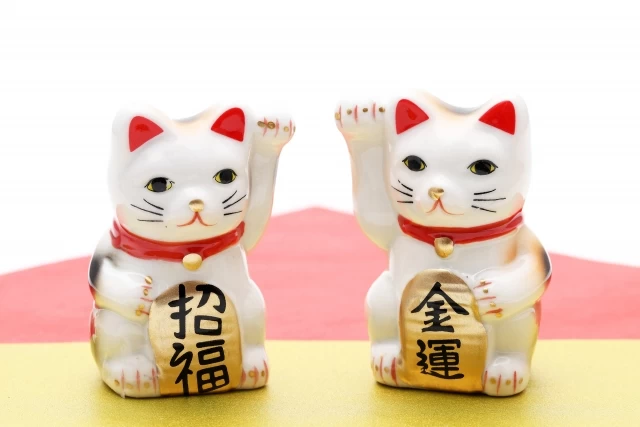
For many people in Japan, visiting shrines and temples is both a cultural tradition and a way of seeking blessings, protection, or peace of mind. Some come to pray for a particular wish, while others visit to receive a goshuin (a handwritten calligraphy seal commemorating a visit), enjoy the atmosphere, or admire the history and architecture. Whatever the reason for visiting, many people feel that the visit itself brings a sense of blessing and connection.
One way of seeking a formal blessing is through a prayer service (gokito), a ceremony in which a priest offers prayers for a visitor's personal wish or intention. While anyone can visit a shrine or temple to pray independently, a prayer service is often chosen when marking an important life event or seeking an extra sense of blessing and protection. These ceremonies are commonly requested for wishes such as protection from misfortune, safe childbirth, business prosperity, or success in exams. Participants typically receive a talisman, amulet, or other blessed item after the ceremony.
Although most shrines and temples welcome prayers for a wide range of wishes, many are especially associated with particular blessings based on their enshrined deities and long history. For this reason, people in Japan often choose where to pray according to the wish or life event that matters most to them.
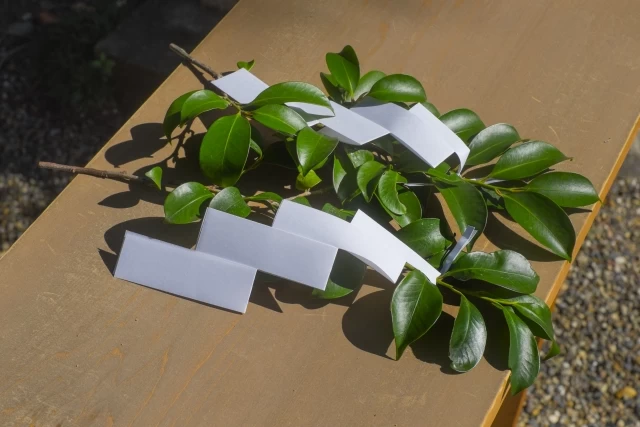
1. Register and Pay the Offering Fee
Complete a prayer request form at the reception or office and pay the offering fee.
2. Wait to Be Guided into the Main Hall
After registering, wait in the designated area until you are invited inside.
3. Take Part in the Ceremony
A priest performs a purification ritual followed by formal prayers. Visitors are generally expected to remain quiet and respectful, and shrine staff will guide them through any shrine-specific customs.
4.Receive Blessed Items
After the ceremony, participants typically receive a talisman (ofuda), amulet (omamori), or other ceremonial keepsake.
Reservation note: Some shrines and temples accept walk-ins, while others require advance reservations, especially during busy seasons. Check in advance if you plan to receive a prayer service.

Protection from Misfortune (Yakubarai)
Protection from misfortune is commonly sought at ages traditionally considered unlucky in Japan, with prayers for continued health and safety.
Choose neat, modest clothing that is slightly more formal than everyday sightseeing wear. Since you may be asked to remove your shoes, wear clean socks or stockings rather than going barefoot. During the ceremony, silence your phone and remove hats, sunglasses, and similar items as a sign of respect.
Shrine Etiquette: How to Pray at a Shinto Shrine and How It Differs from a Buddhist Temple
The offering fee is usually paid when registering for the prayer service. Payment methods and procedures vary by shrine and temple, so simply follow the staff's instructions.
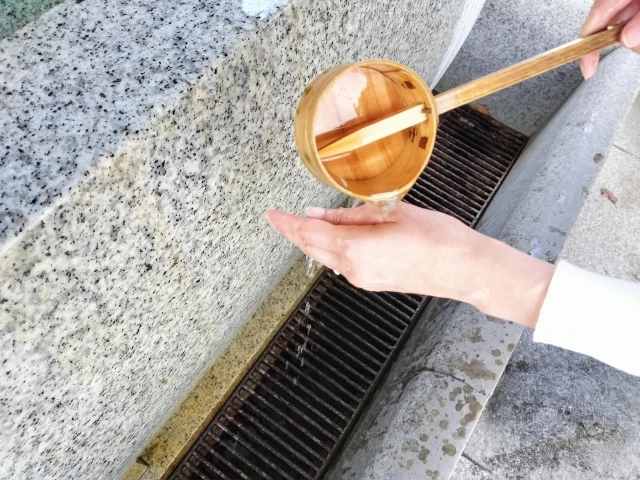
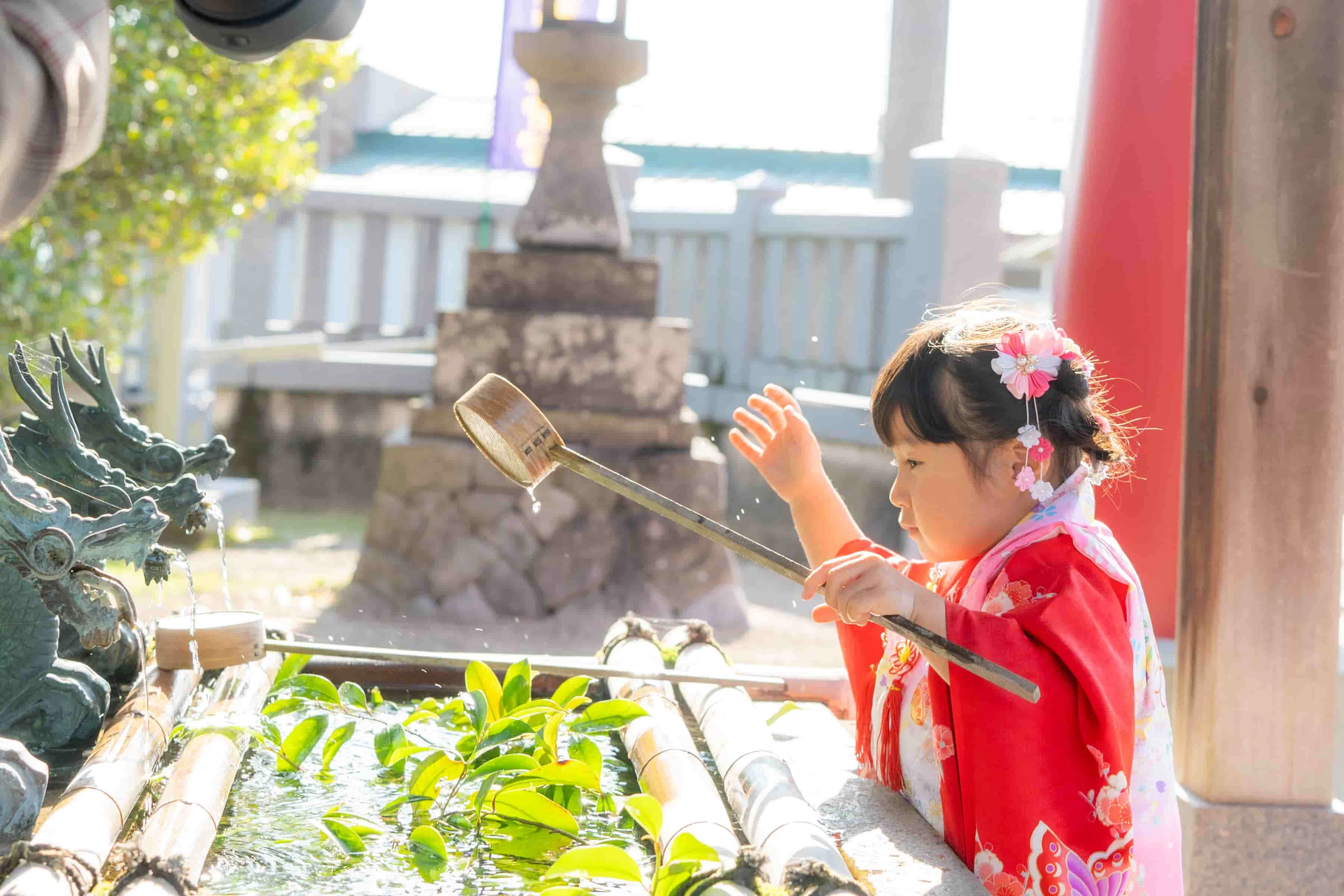
If there is a chozuya/temizuya (purification basin), cleanse your hands before the ceremony. Some shrines also include rinsing the mouth as part of the purification ritual. If you're unsure of the proper procedure, observing other visitors or following the guidance provided on-site is perfectly acceptable.
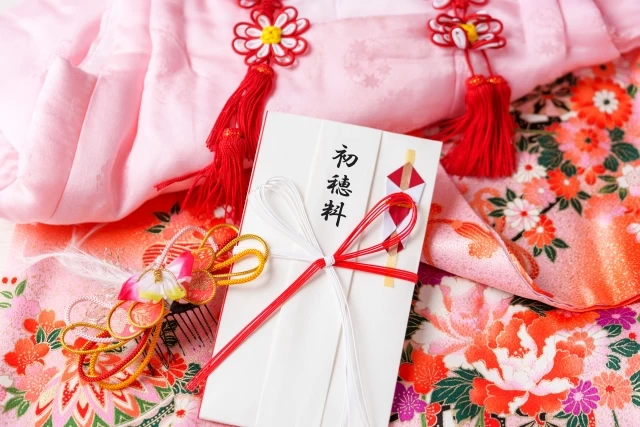
Offering fees vary by shrine, temple, and the type of prayer service. As a general guide, fees typically range from ¥3,000 to ¥10,000. The exact amount depends on the shrine or temple and the prayer requested, and may also vary depending on the ceremonial items included. Check the official website or contact the shrine or temple in advance for the latest information.
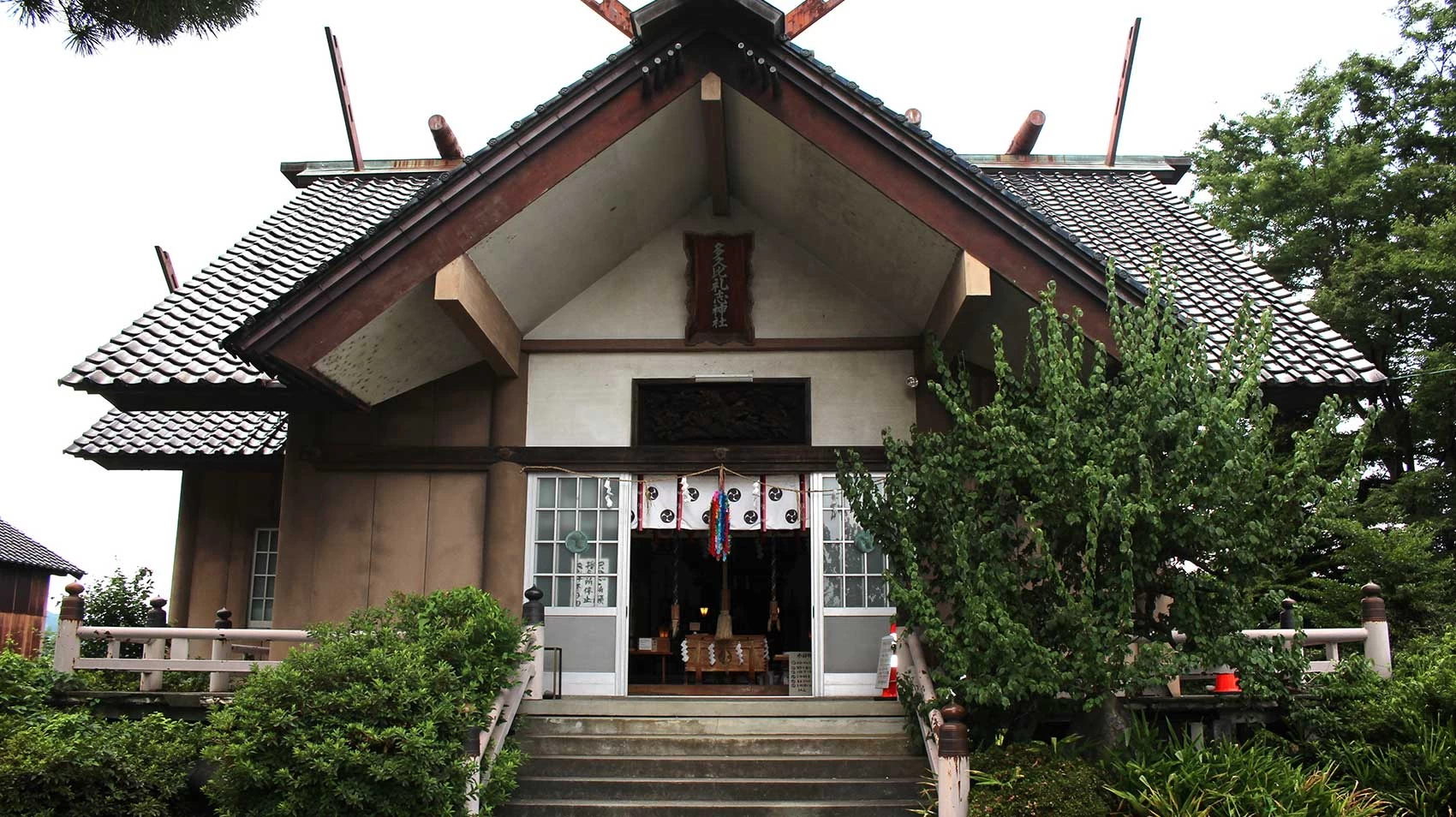
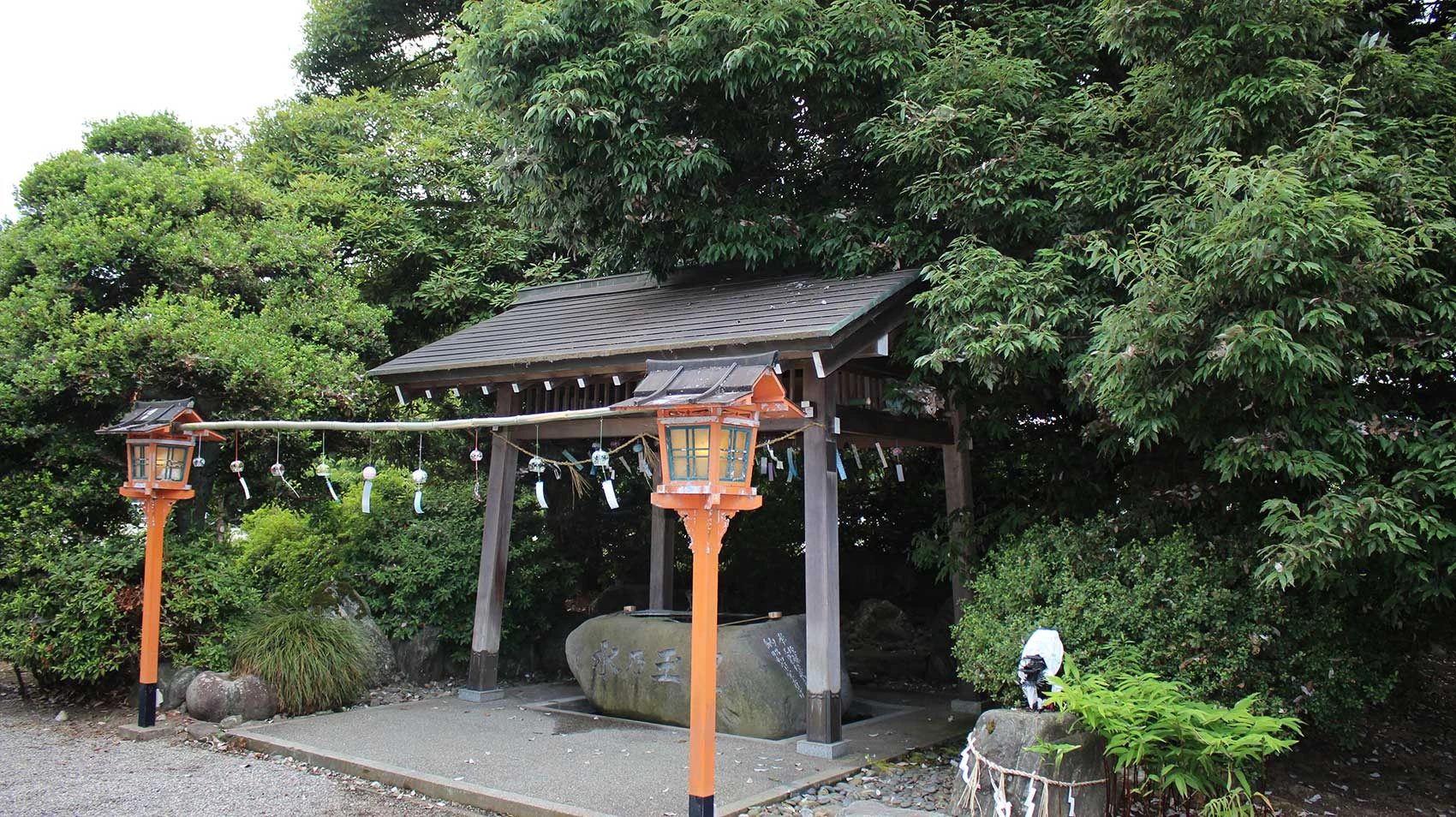
A legend surrounding salt making gives Takuhireshi Shrine in Toyama City its distinctive origin. Believed to have been founded in 672, the shrine has long been revered as a local guardian.
Takuhireshi Shrine

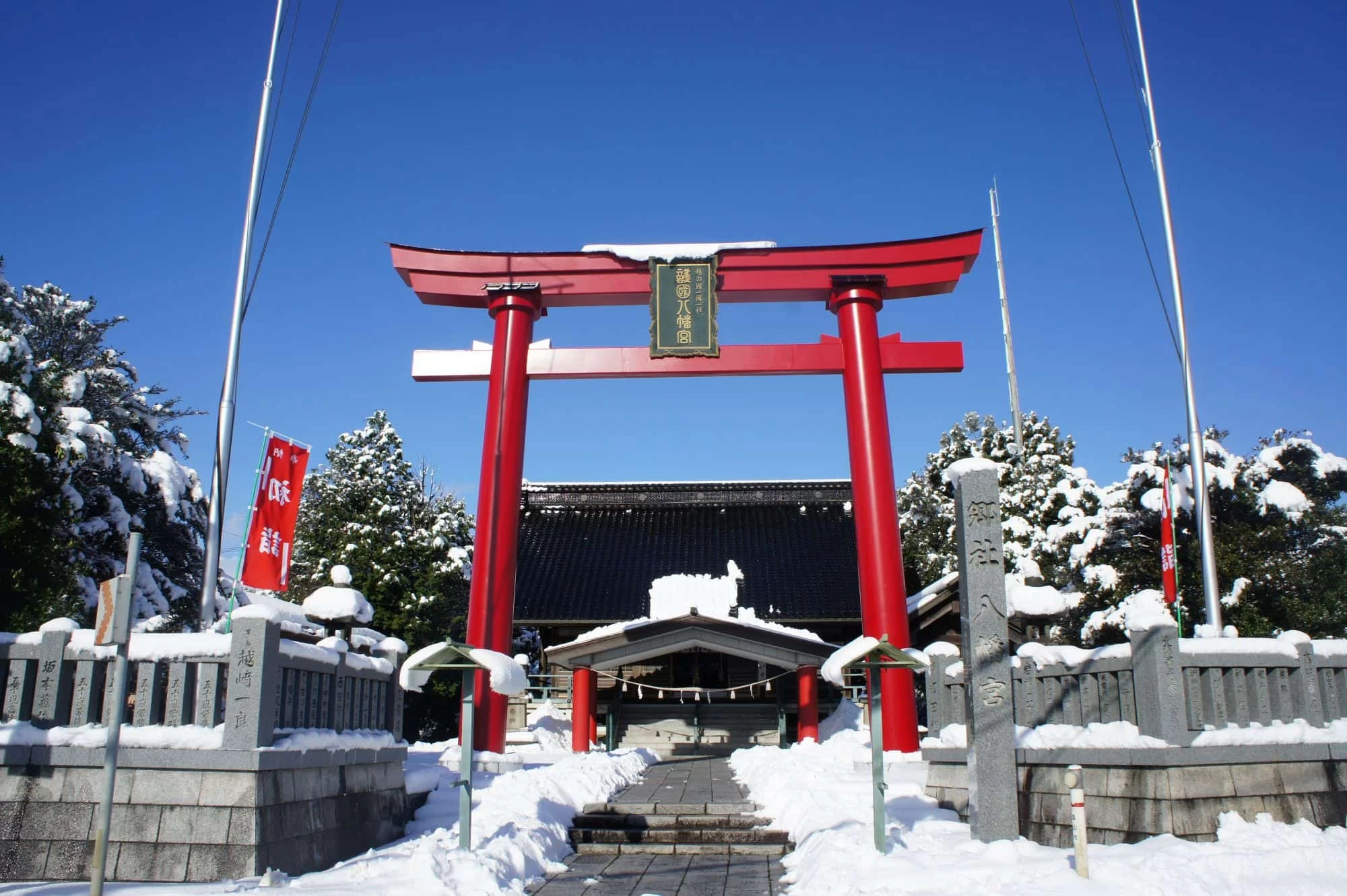
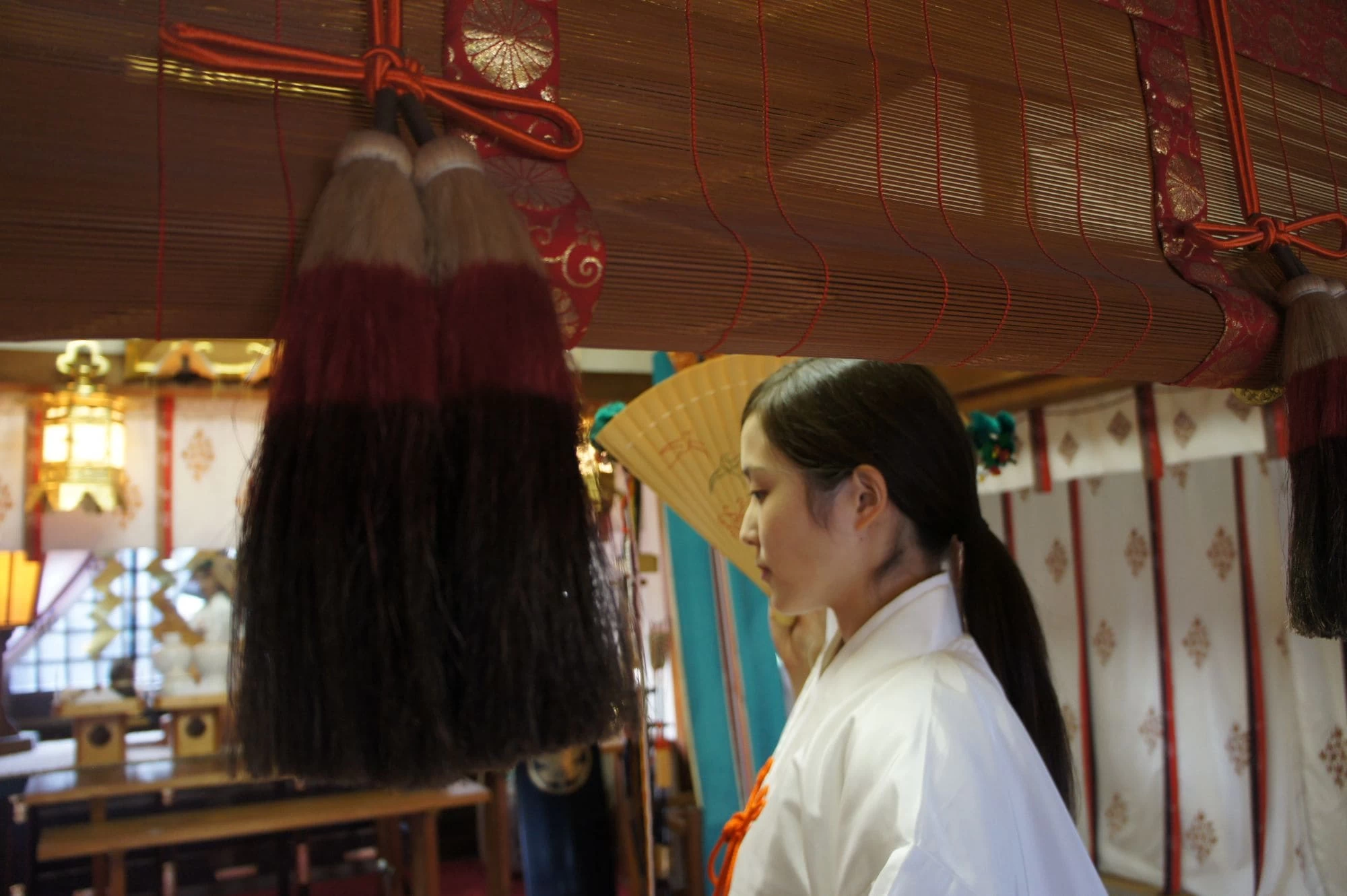
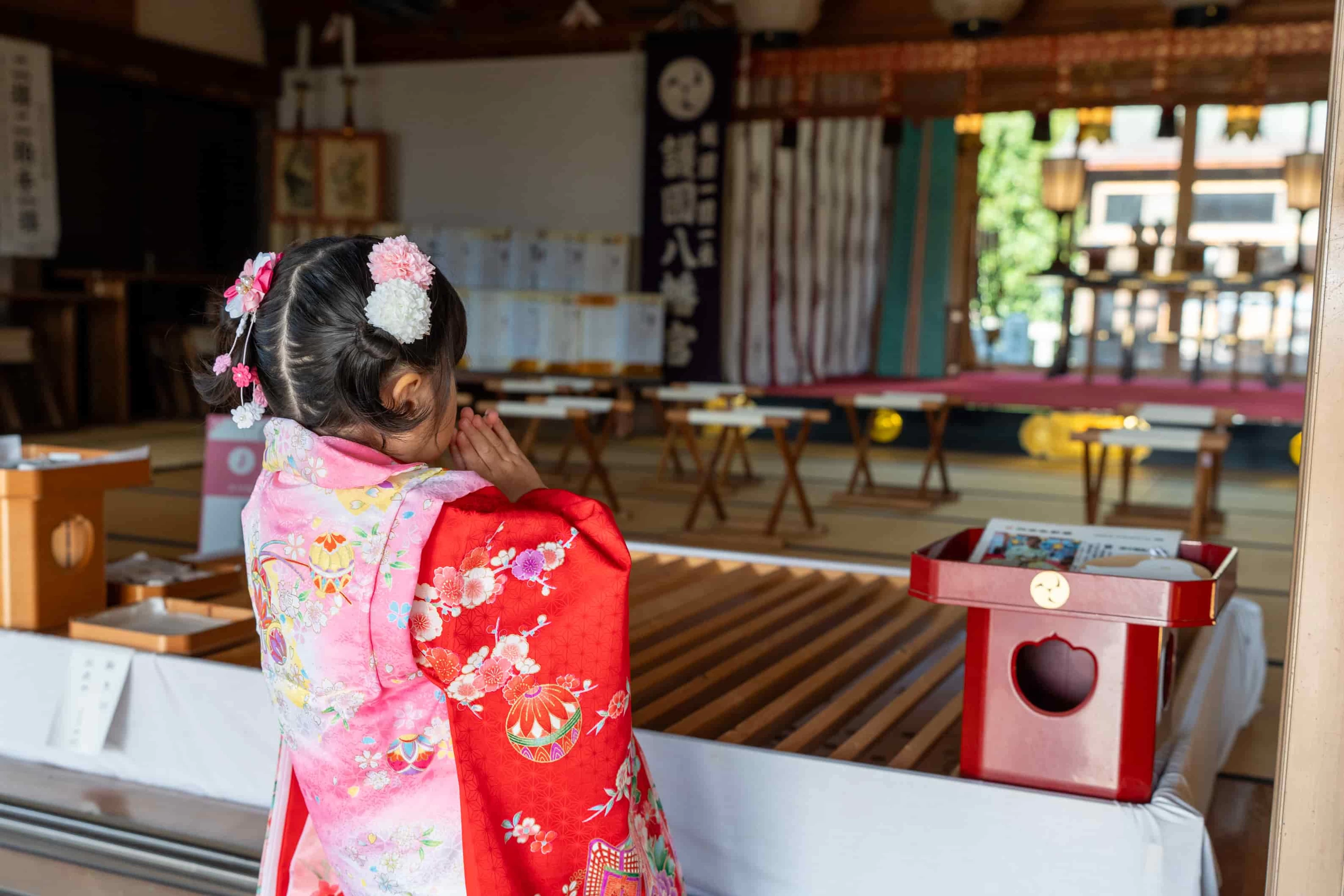
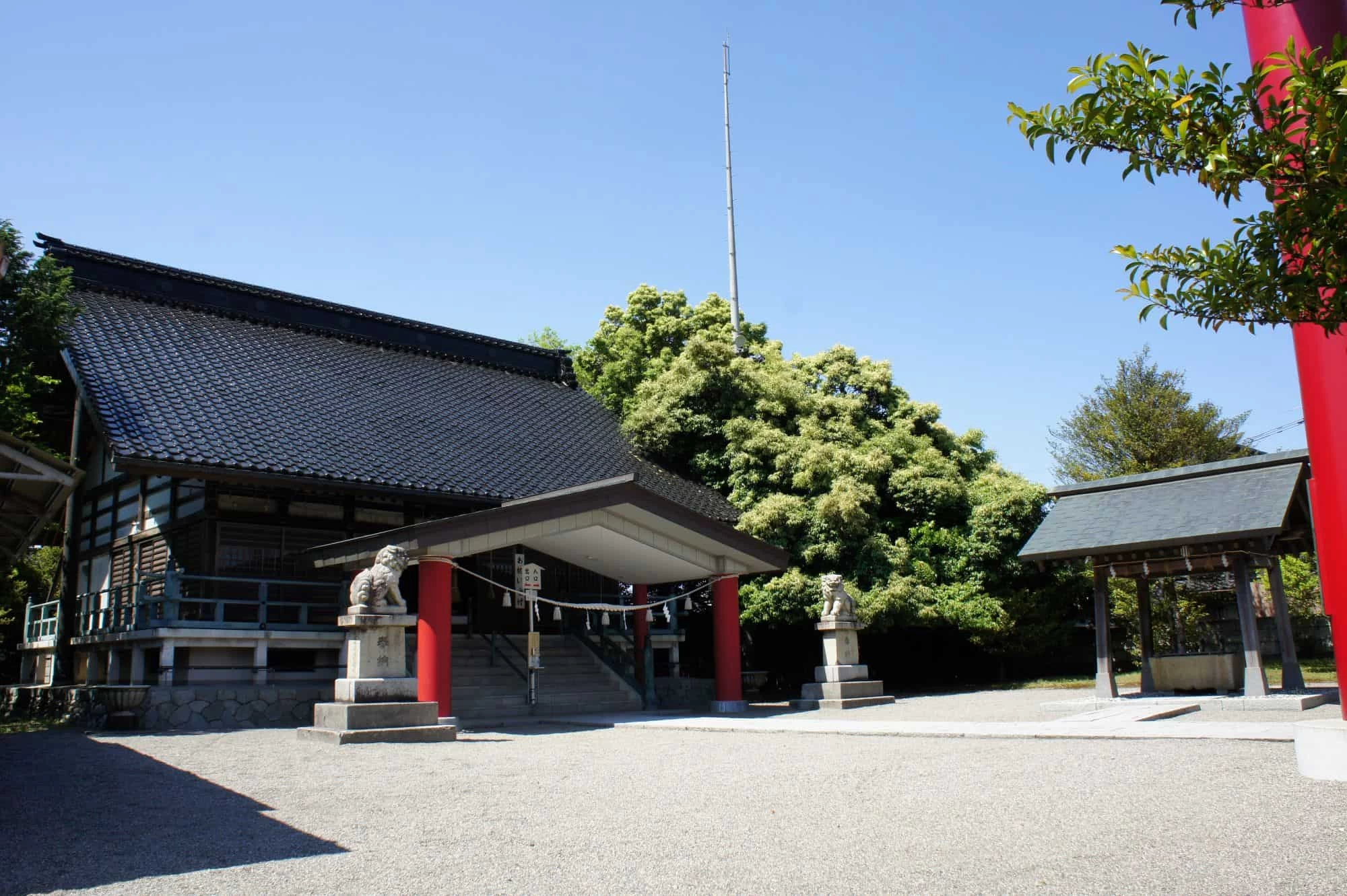
Unlike many shrines, Etchu Gokoku Hachimangu Shrine includes a ceremonial kagura dance performed by shrine priests or miko (shrine maidens) as part of its prayer services. Said to have roots dating back nearly 2,000 years, the shrine is marked by a large vermilion torii gate.
Etchu Gokoku Hachimangu Shrine
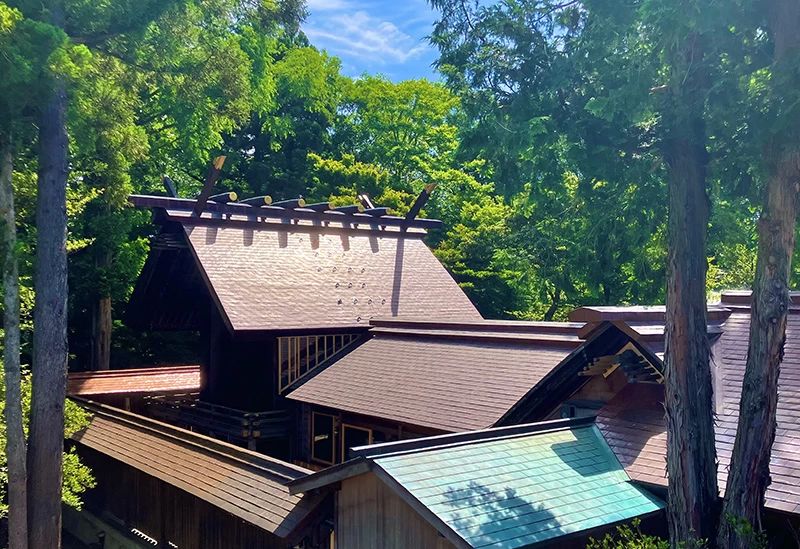
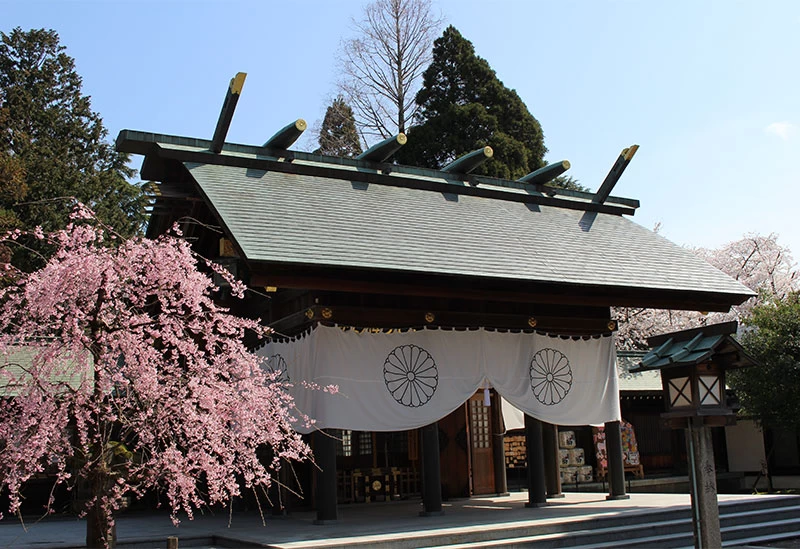
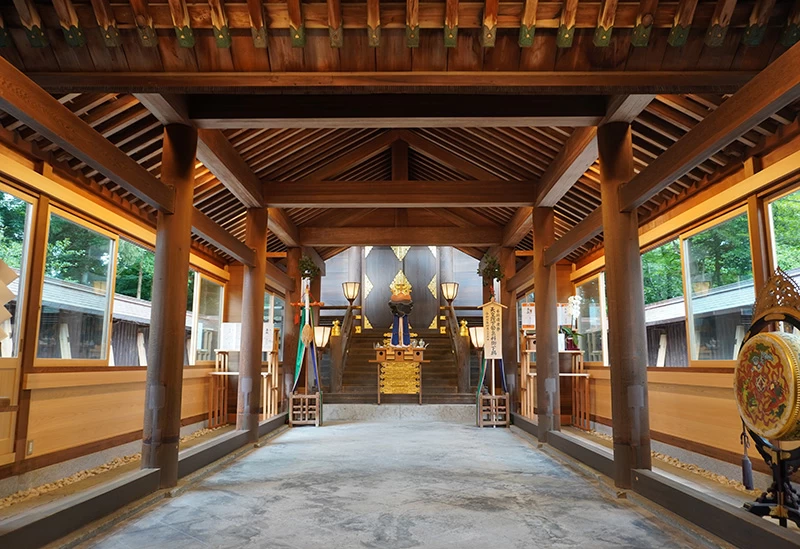
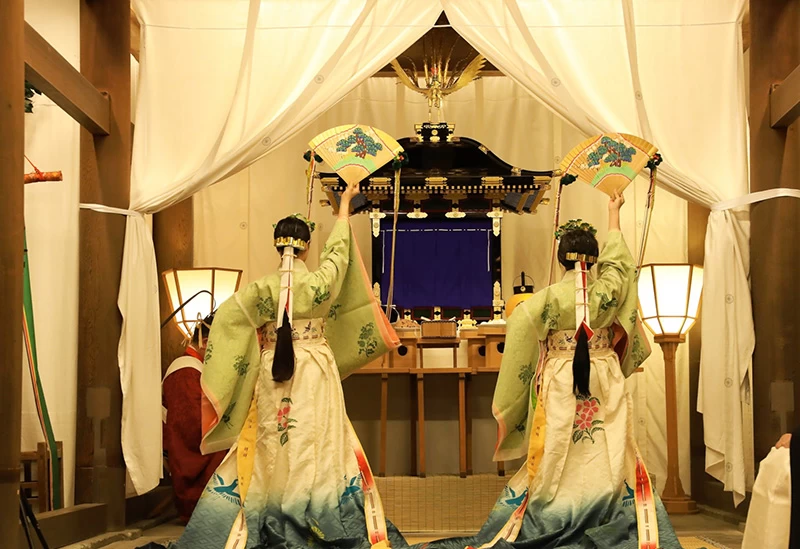
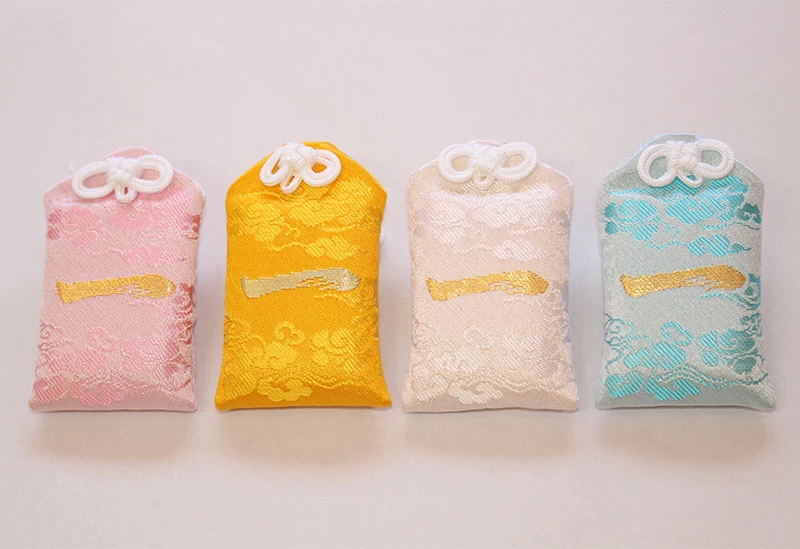
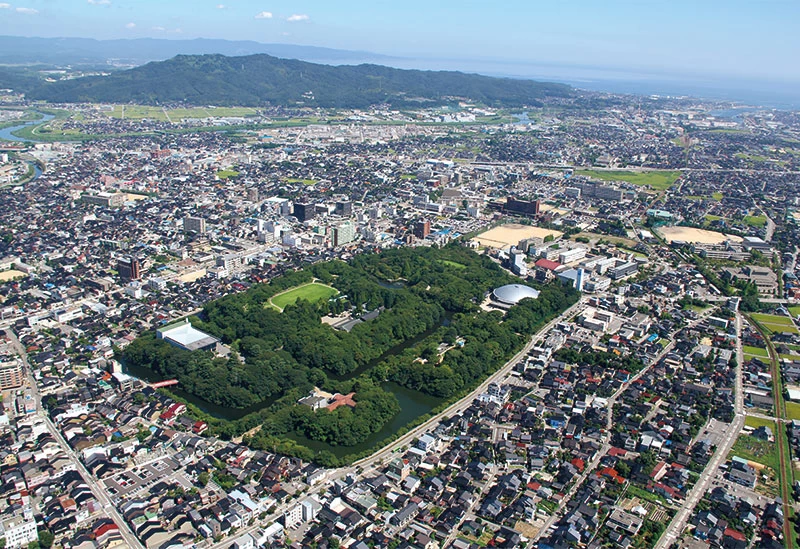
A nearly five-meter-tall Kiso cypress torii, received from Ise Jingu’s Outer Shrine, is the shrine’s most striking landmark. Set within Takaoka Kojo Park, it is revered as the ichinomiya of the former Etchu Province, the title traditionally given to the province’s most important shrine.
Imizu Shrine
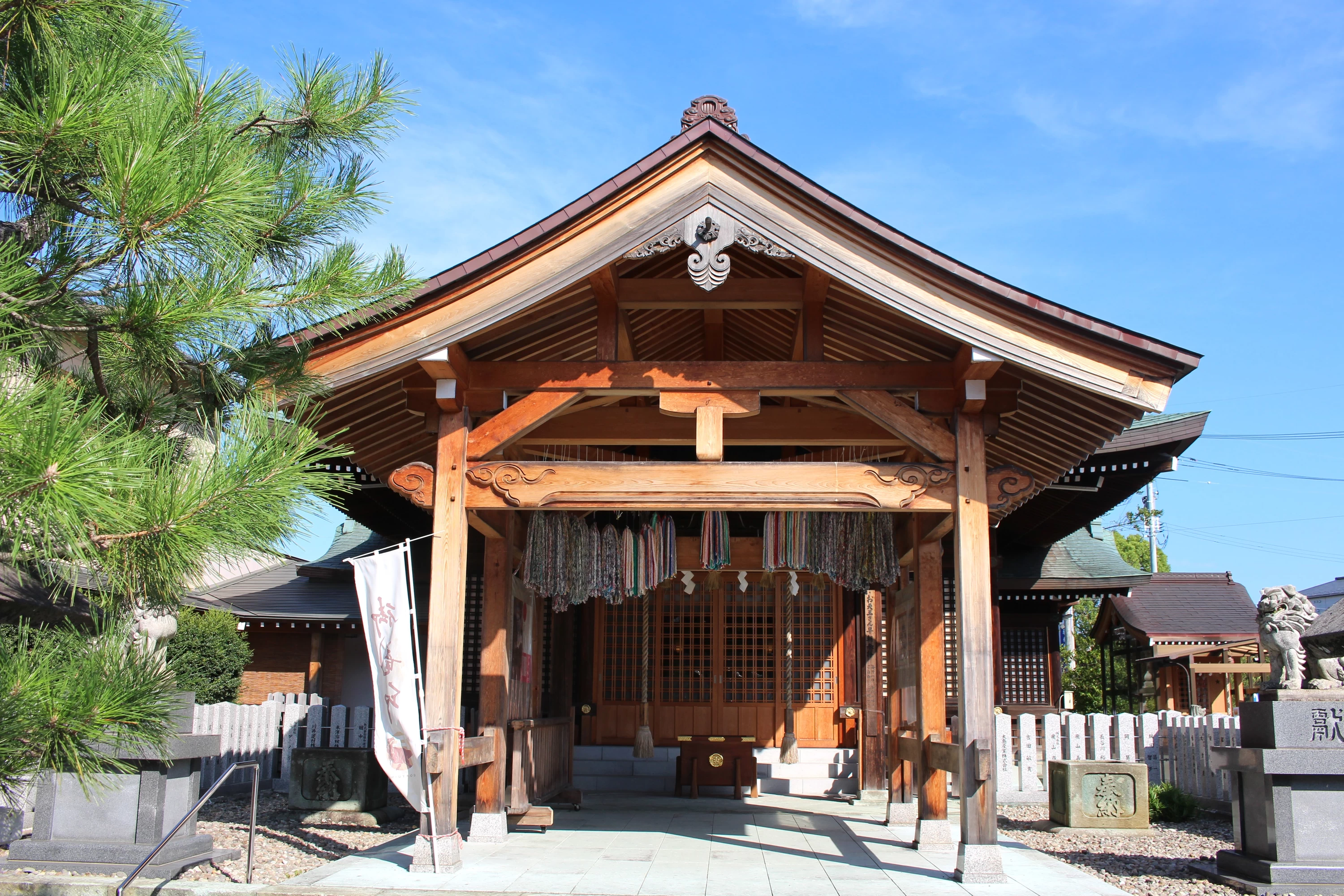
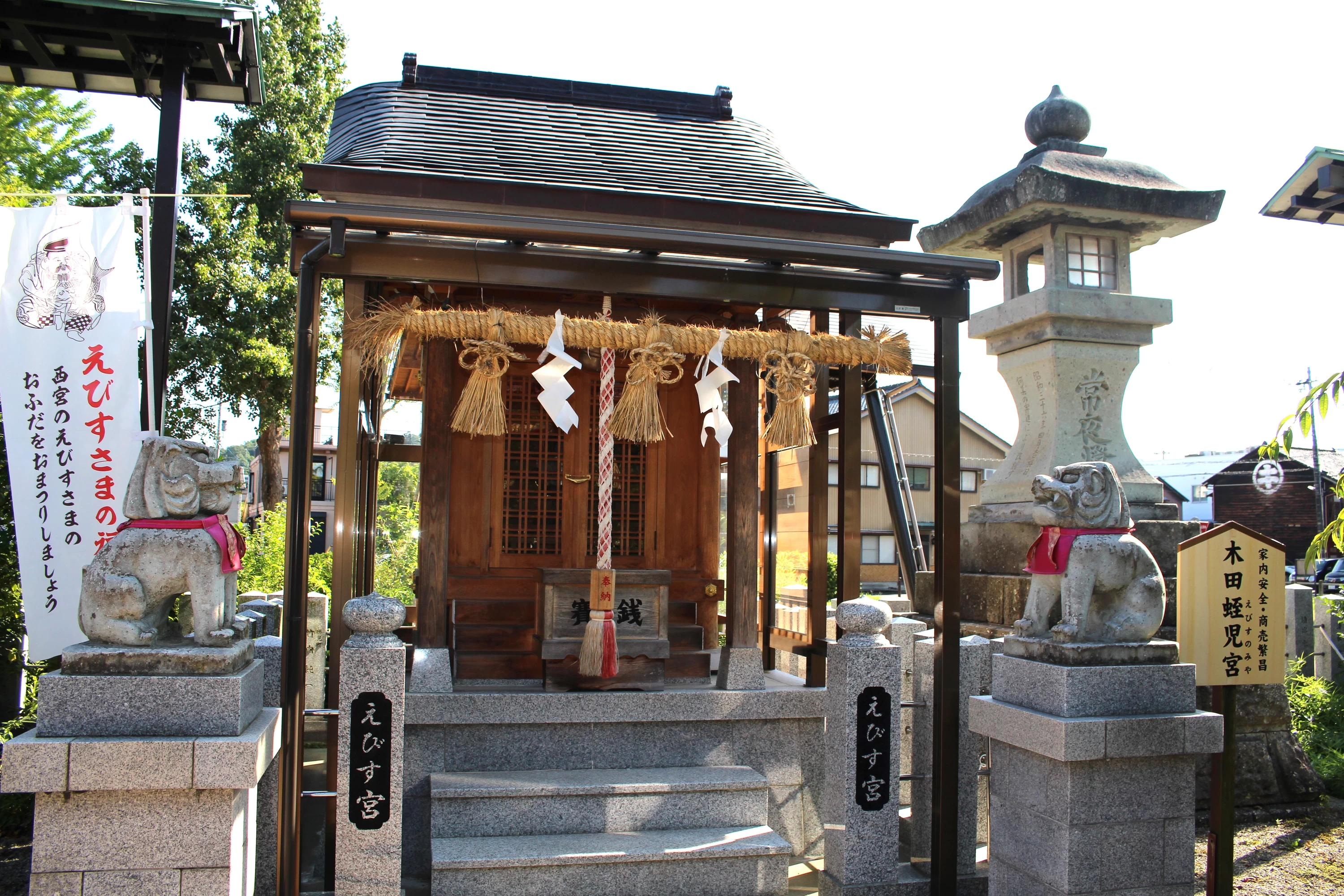
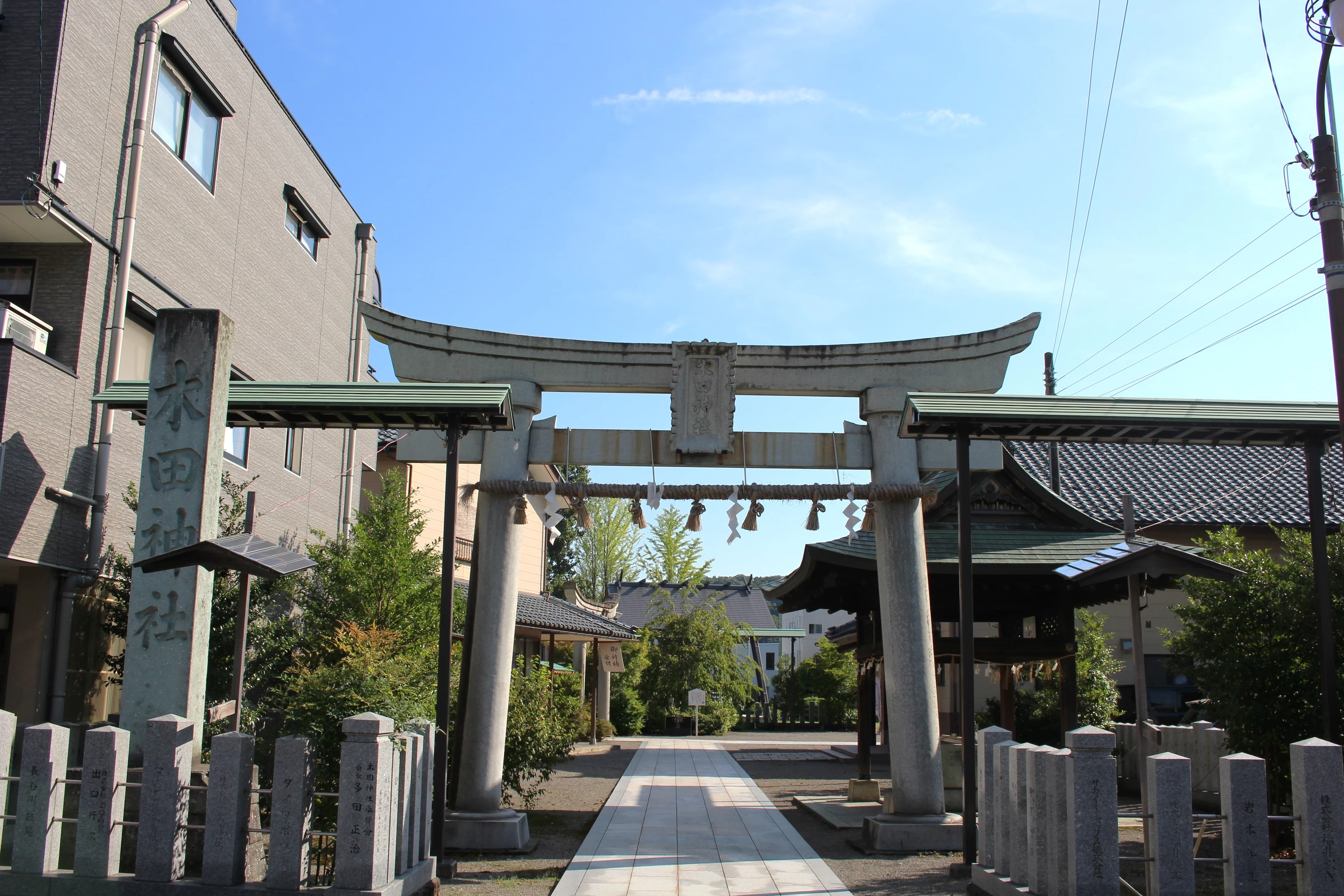
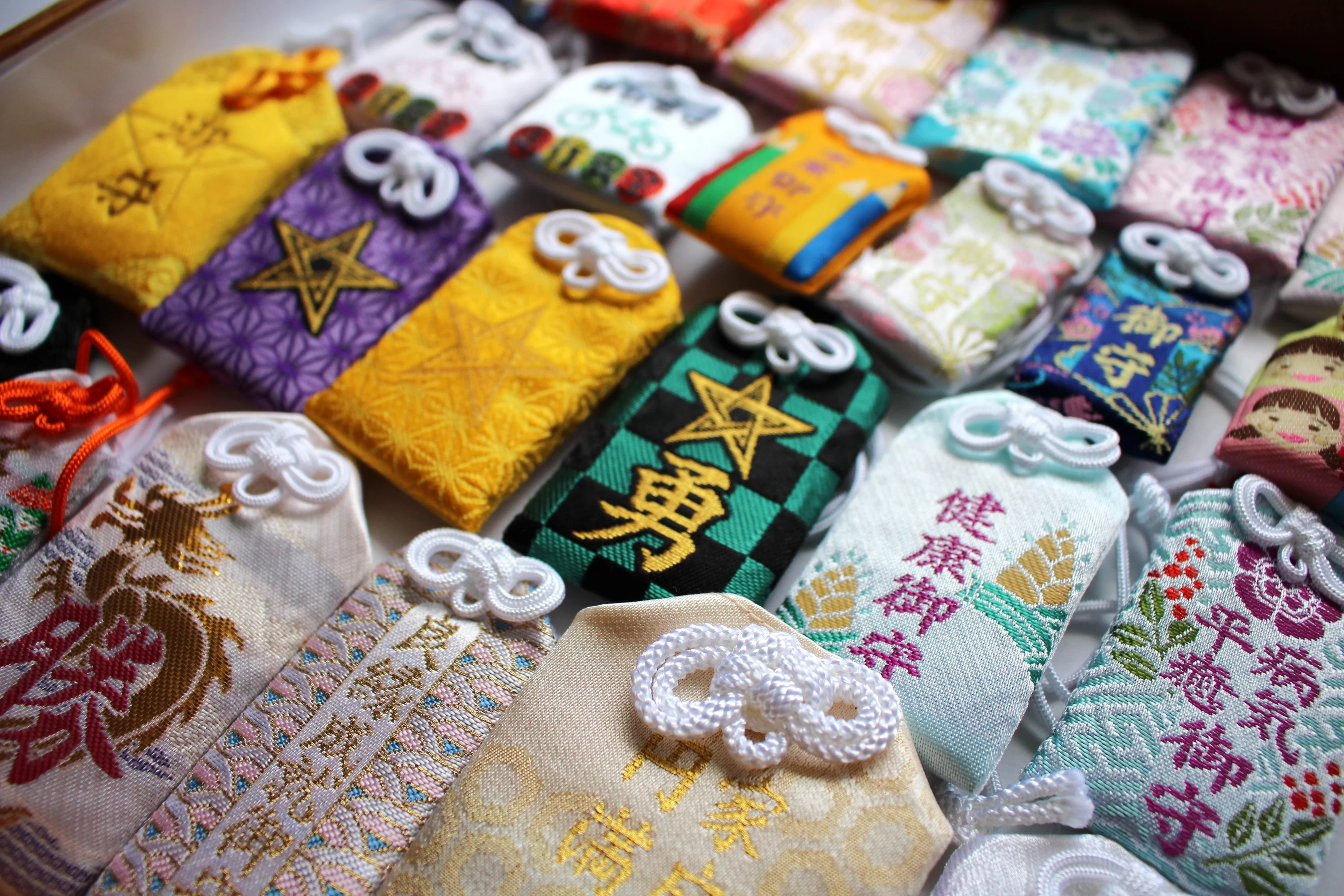
Several smaller shrines within the grounds allow visitors to pray for a variety of wishes in a single visit. Known locally as Otenno-san, the shrine takes its nickname from Gozu Tenno, a deity widely worshipped during a time when Shinto and Buddhism were closely intertwined. The shrine is especially known for blessings related to everyday wishes, including academic success and traffic safety.
Kida Shrine
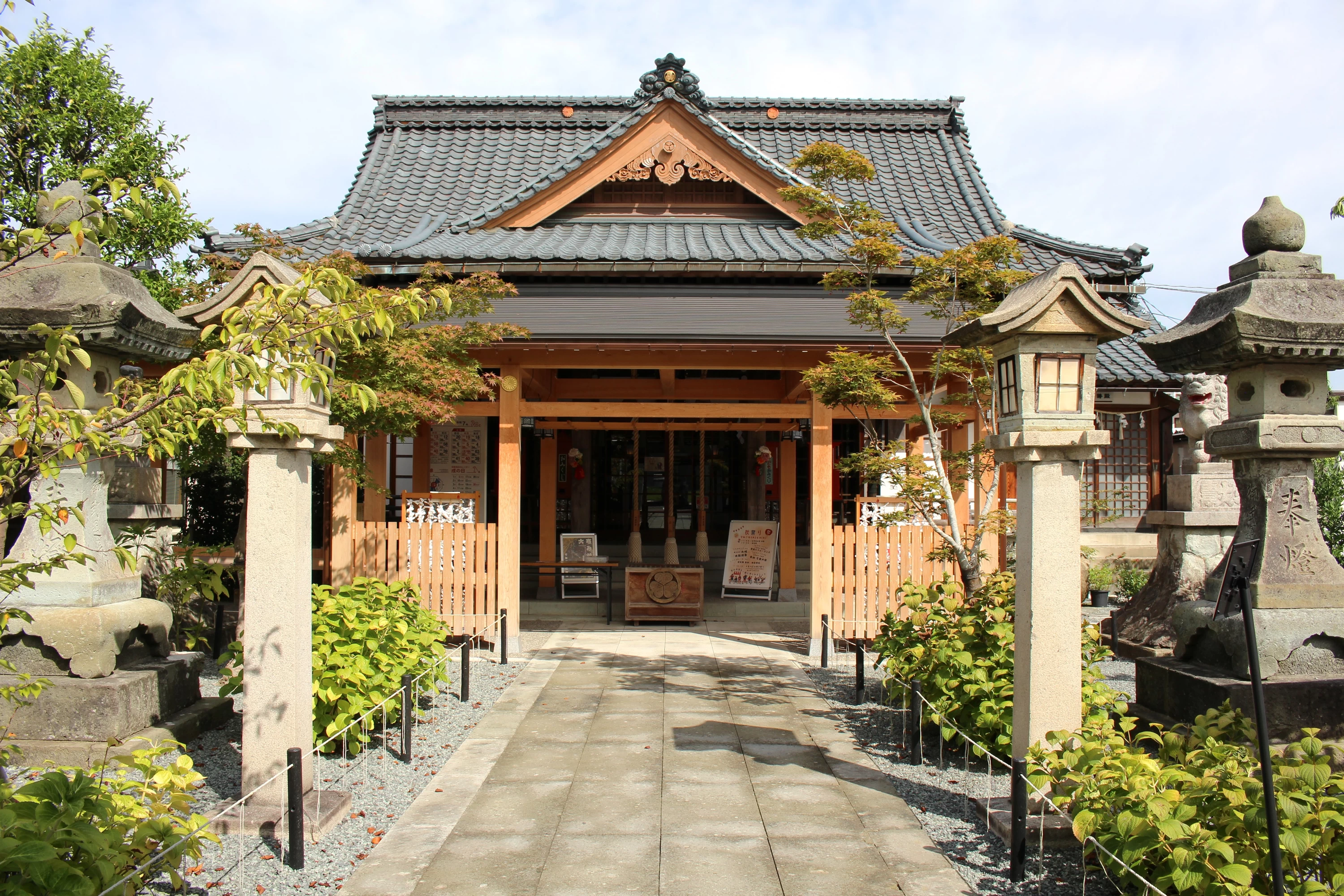
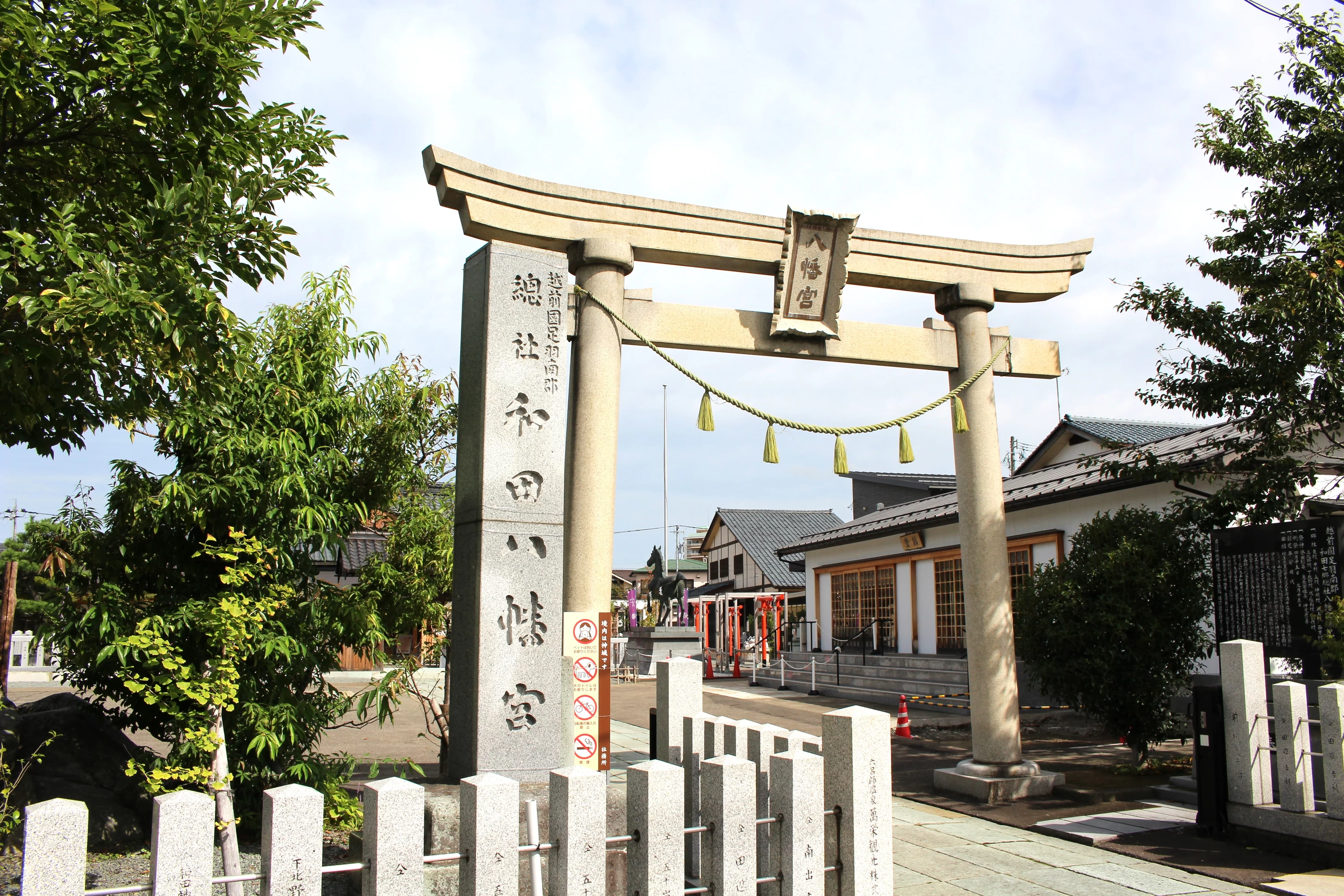
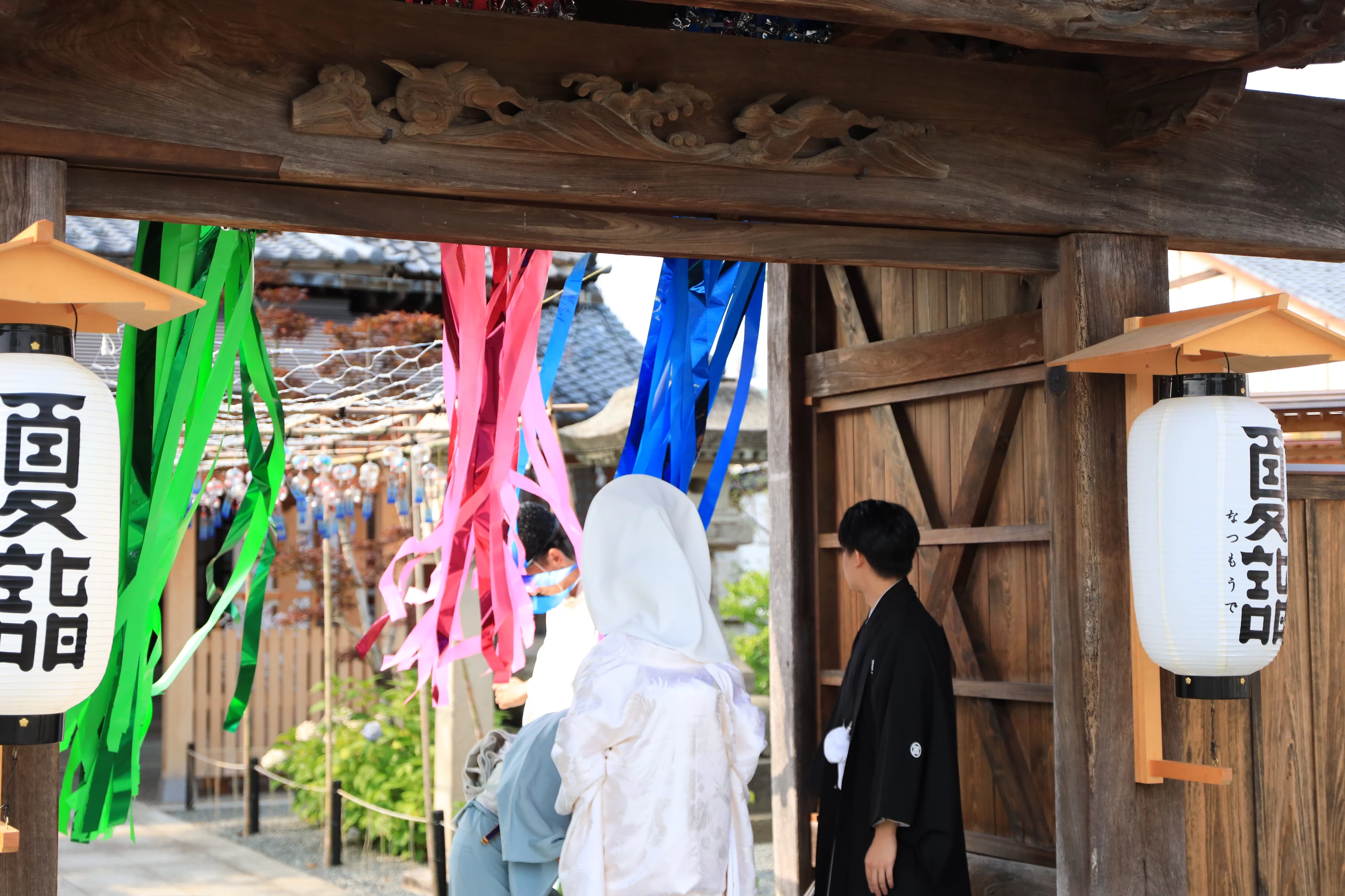
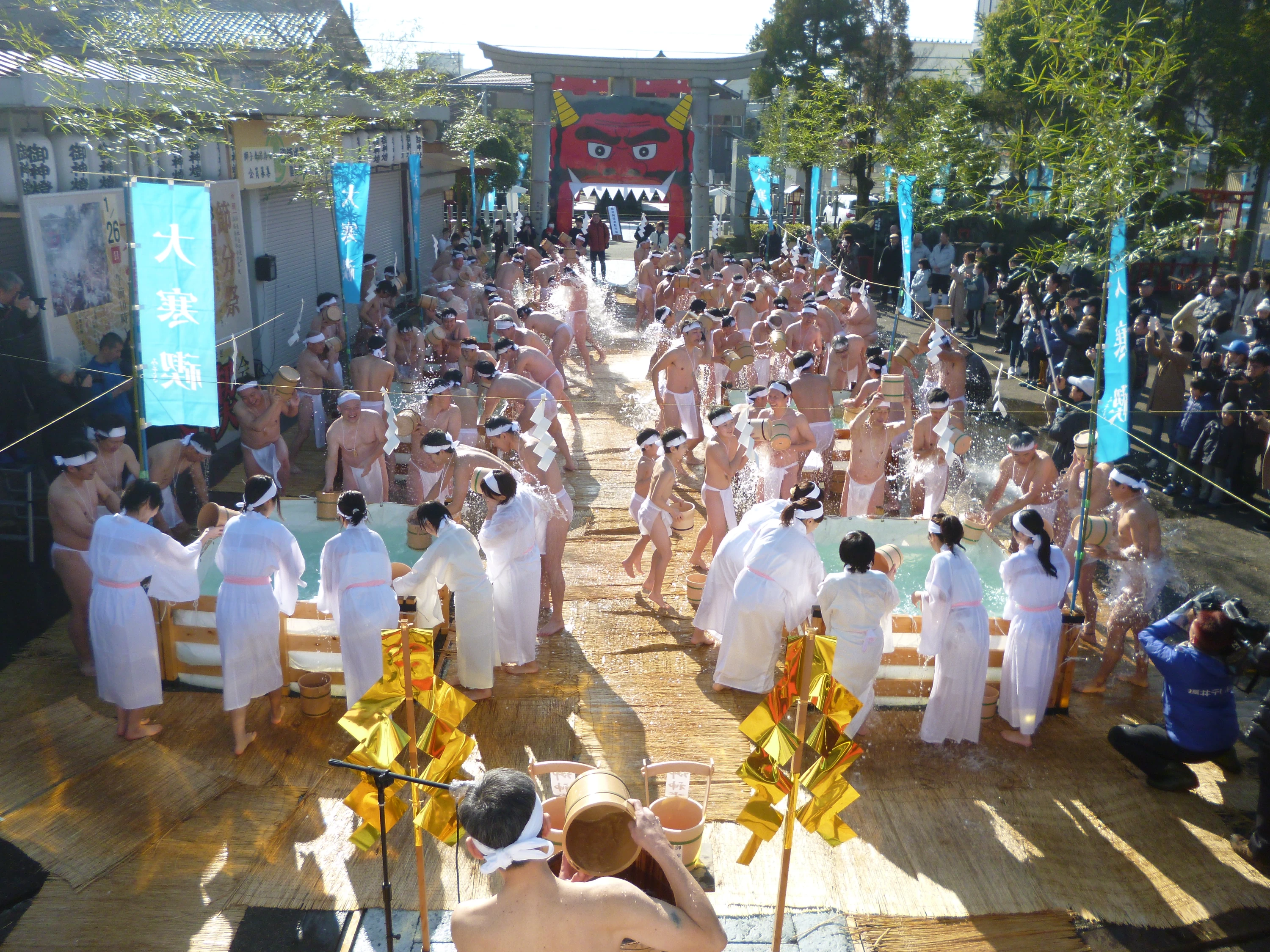
Wada Hachimangu Shrine has long been associated with blessings for safe childbirth and the healthy growth of children. Founded in 959, the shrine has also long been visited by people seeking blessings for career success, good fortune, and protection from misfortune. Advance reservations for prayer services are available through the shrine's official website.
Wada Hachimangu Shrine
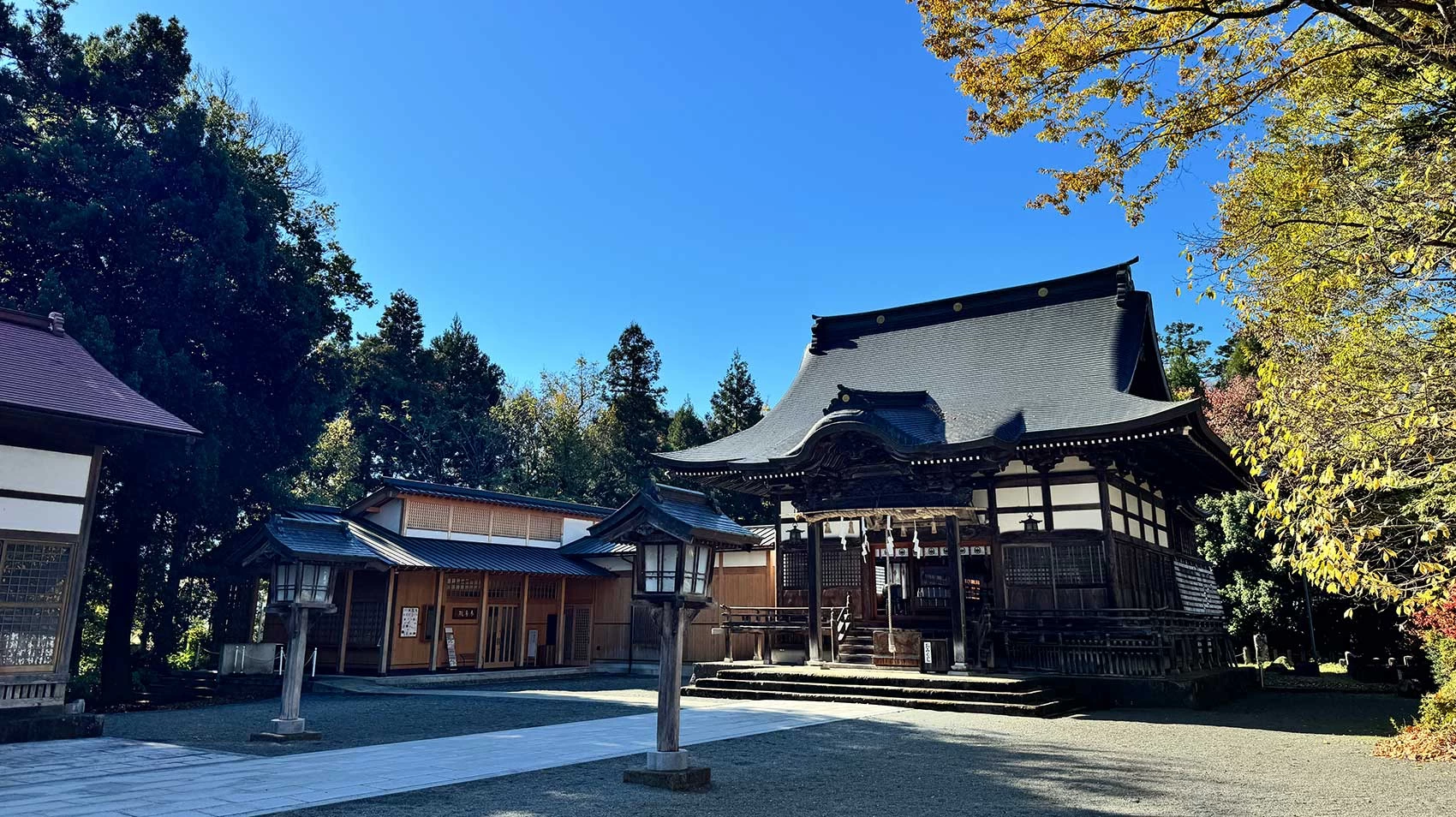
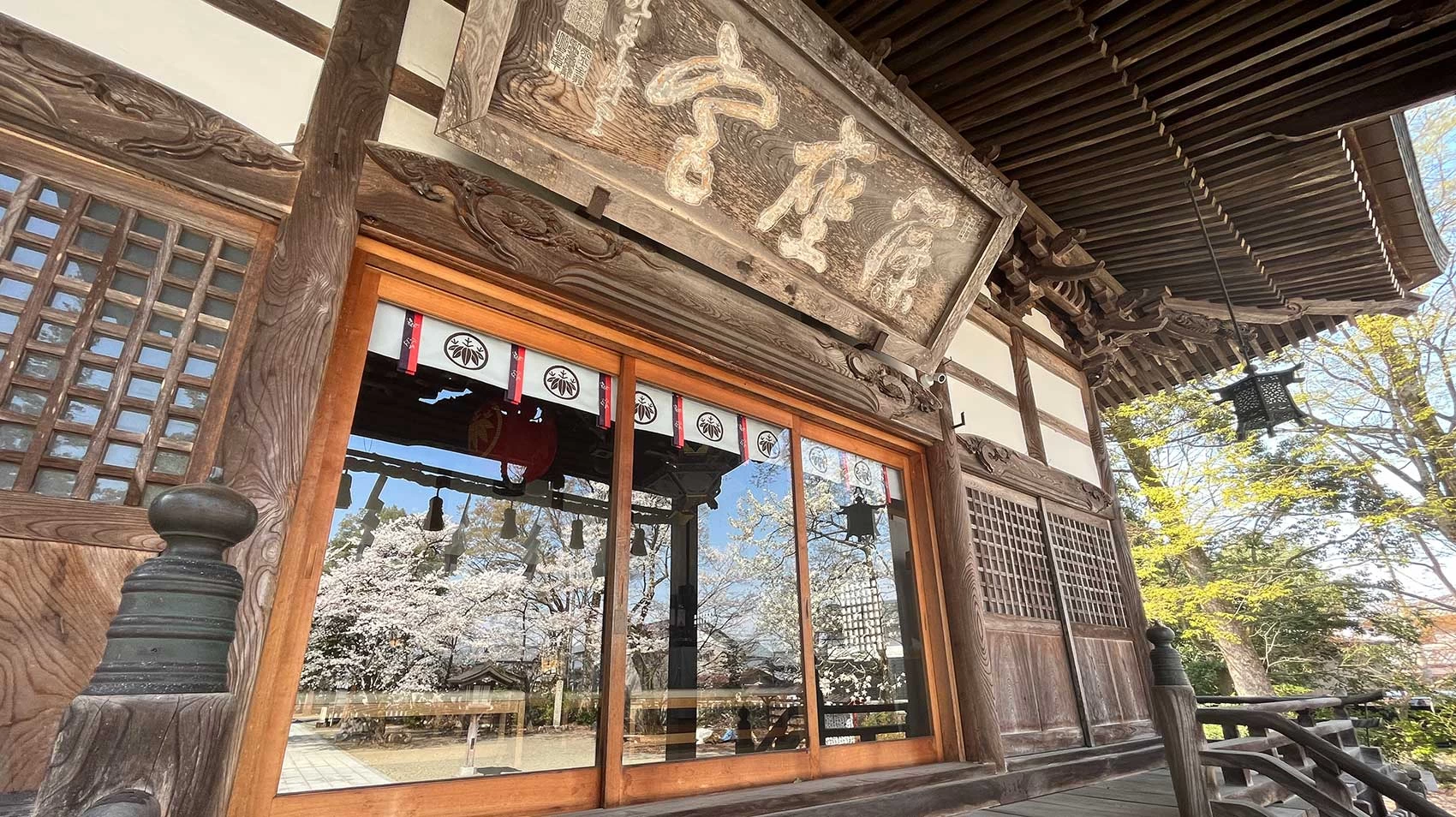
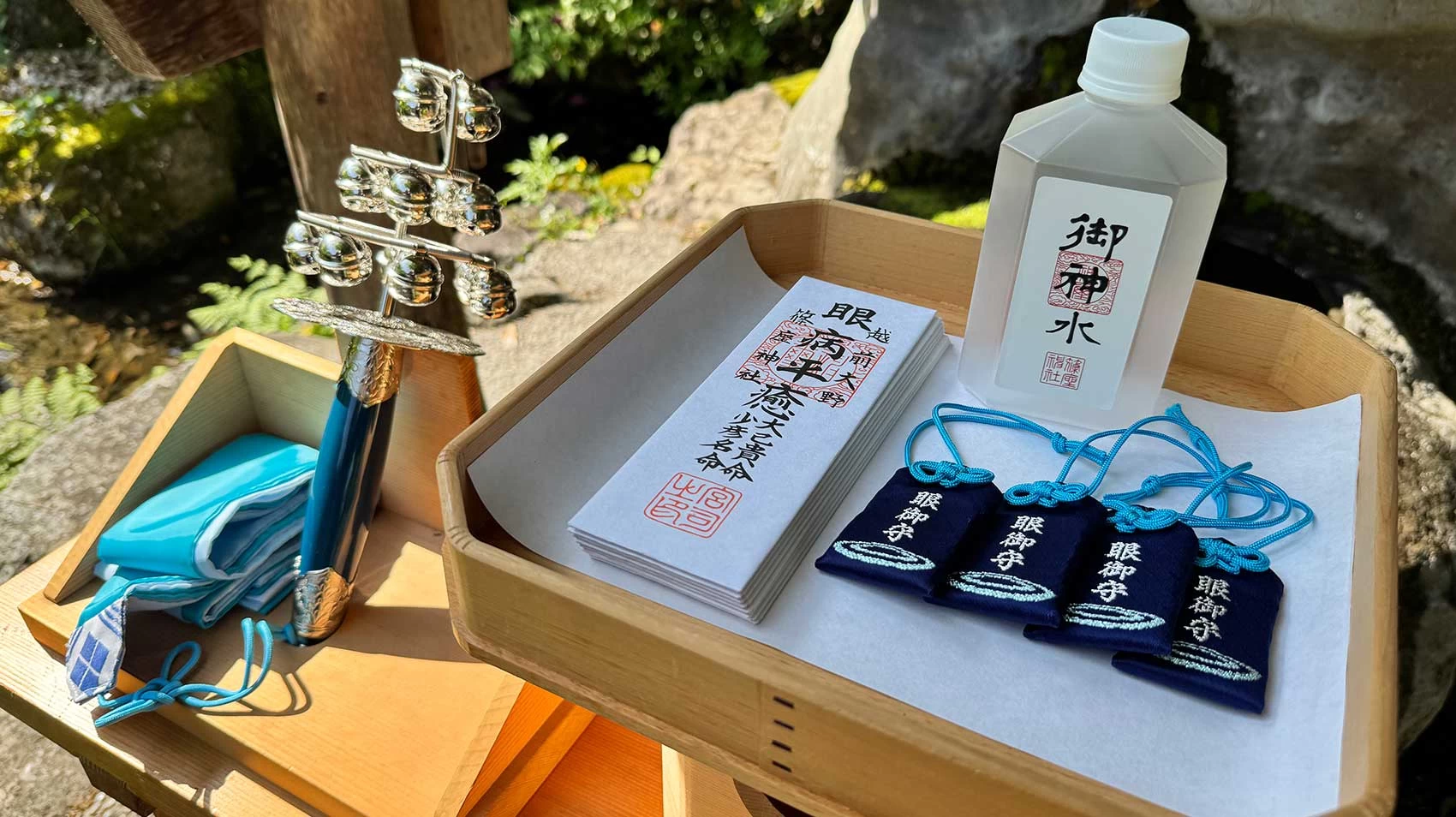
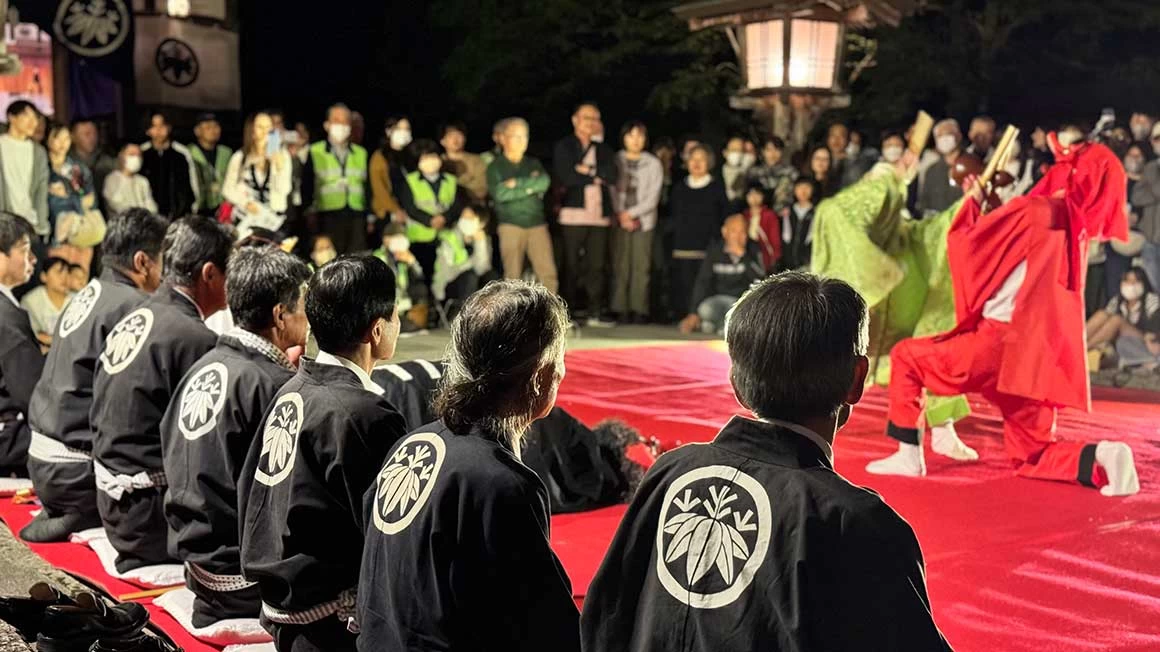
Shinoza Shrine in Ono has a local legend linking spring water with eye health. Said to have been founded in 717, the shrine stands in an area rich in natural spring water, where Goreisen, a sacred spring long known for its healing water, lies beside Benten Pond. Visitors still come from afar to draw the sacred spring water, which has long been believed to benefit eye health. Prayer services require advance reservations.
Shinokura Shrine
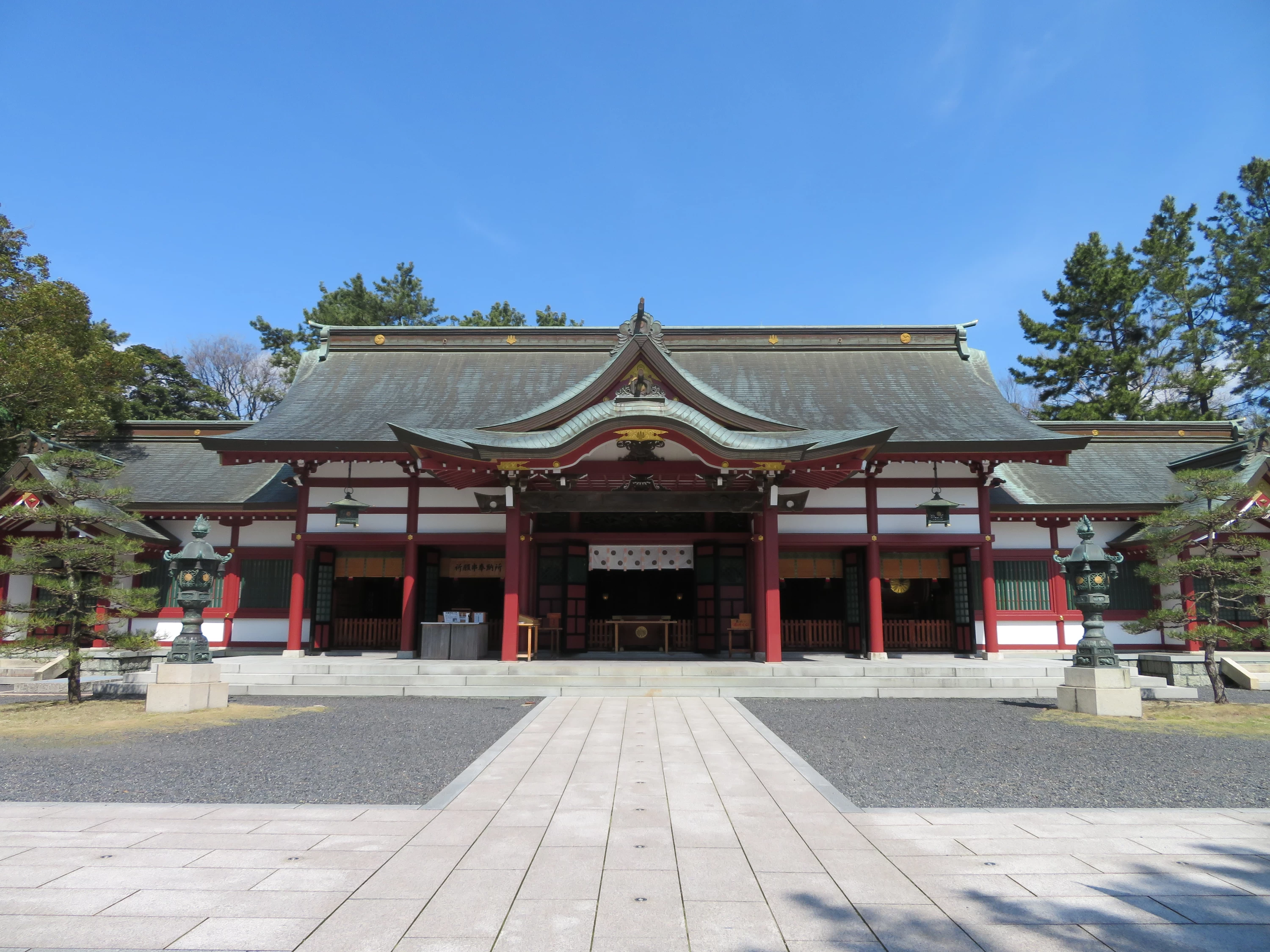
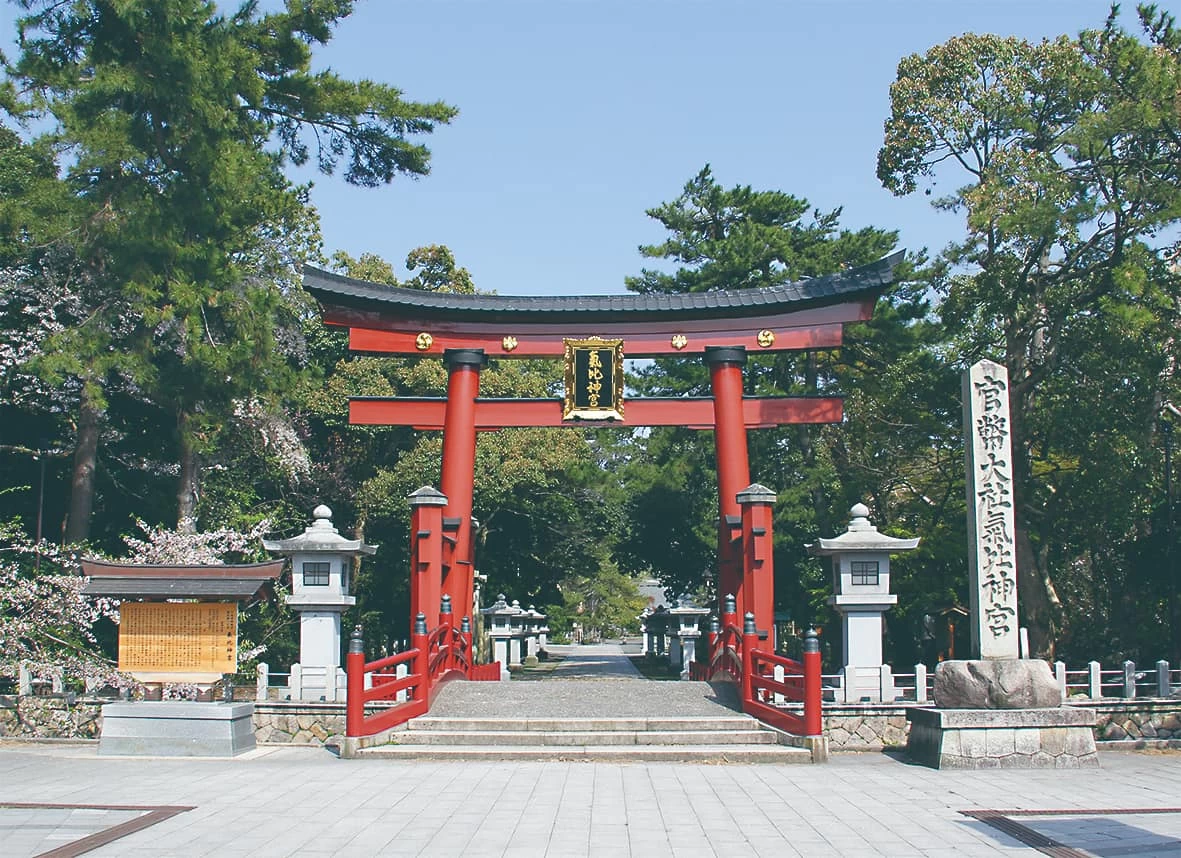
Kehi Jingu is a prestigious shrine mentioned in Japan's oldest chronicles. One of its most distinctive features is Chomeisui, the shrine's sacred spring water, which has been cherished for more than 1,300 years and is traditionally associated with longevity. About a 15-minute walk from Tsuruga Station, the shrine is also known for its massive wooden torii gate and has long been cherished by the local community.
Kehi Jingu Shrine
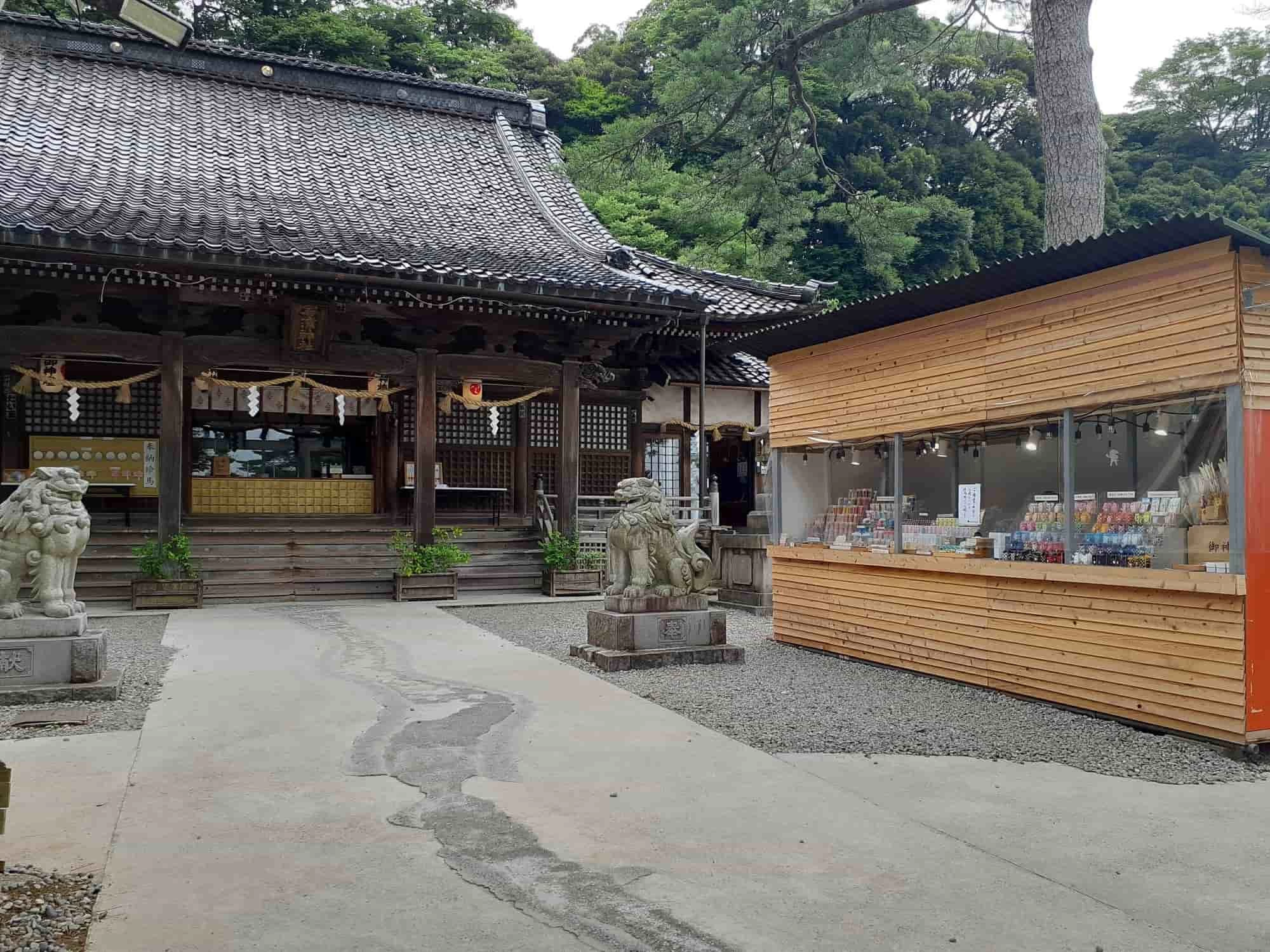
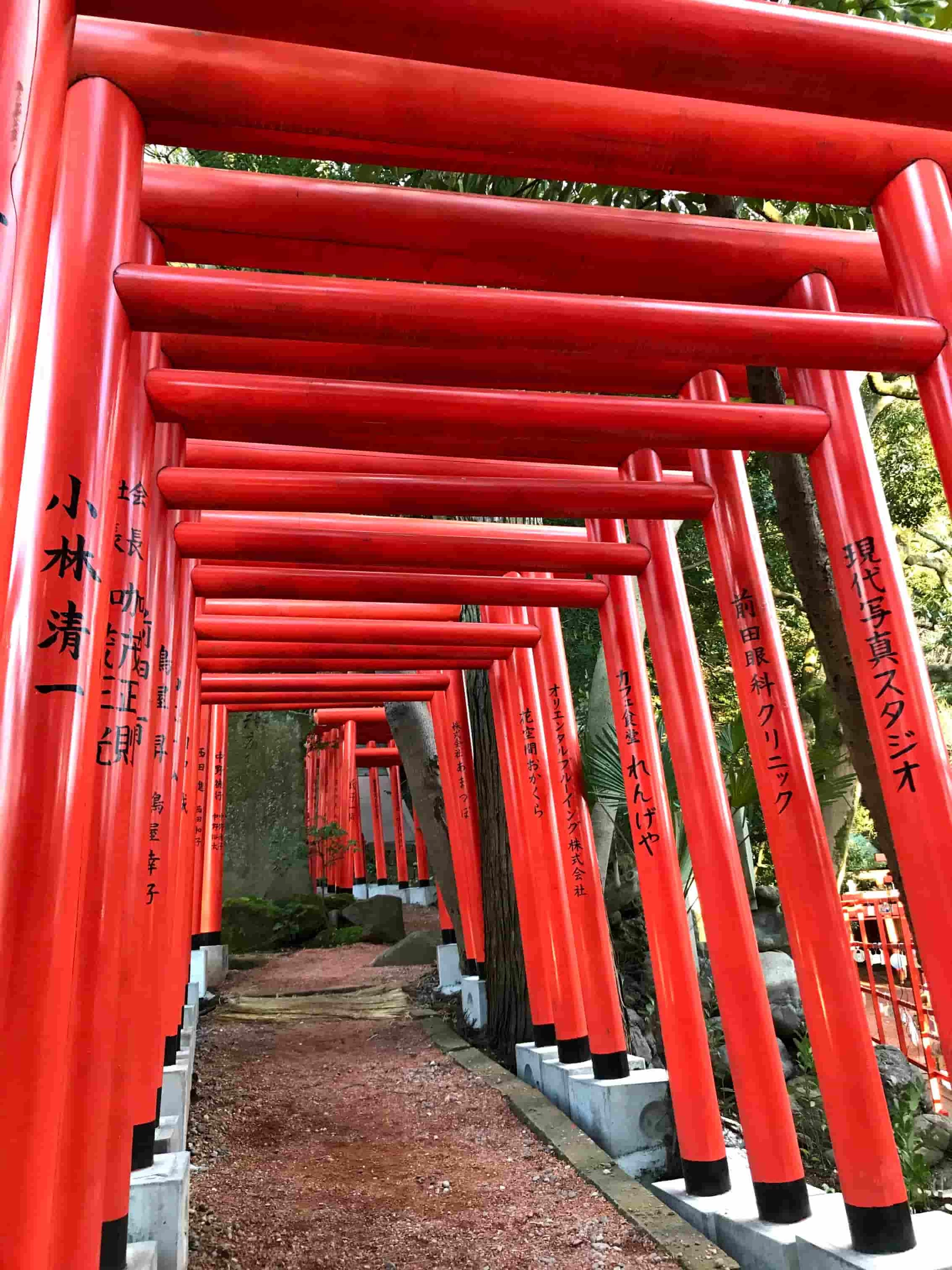
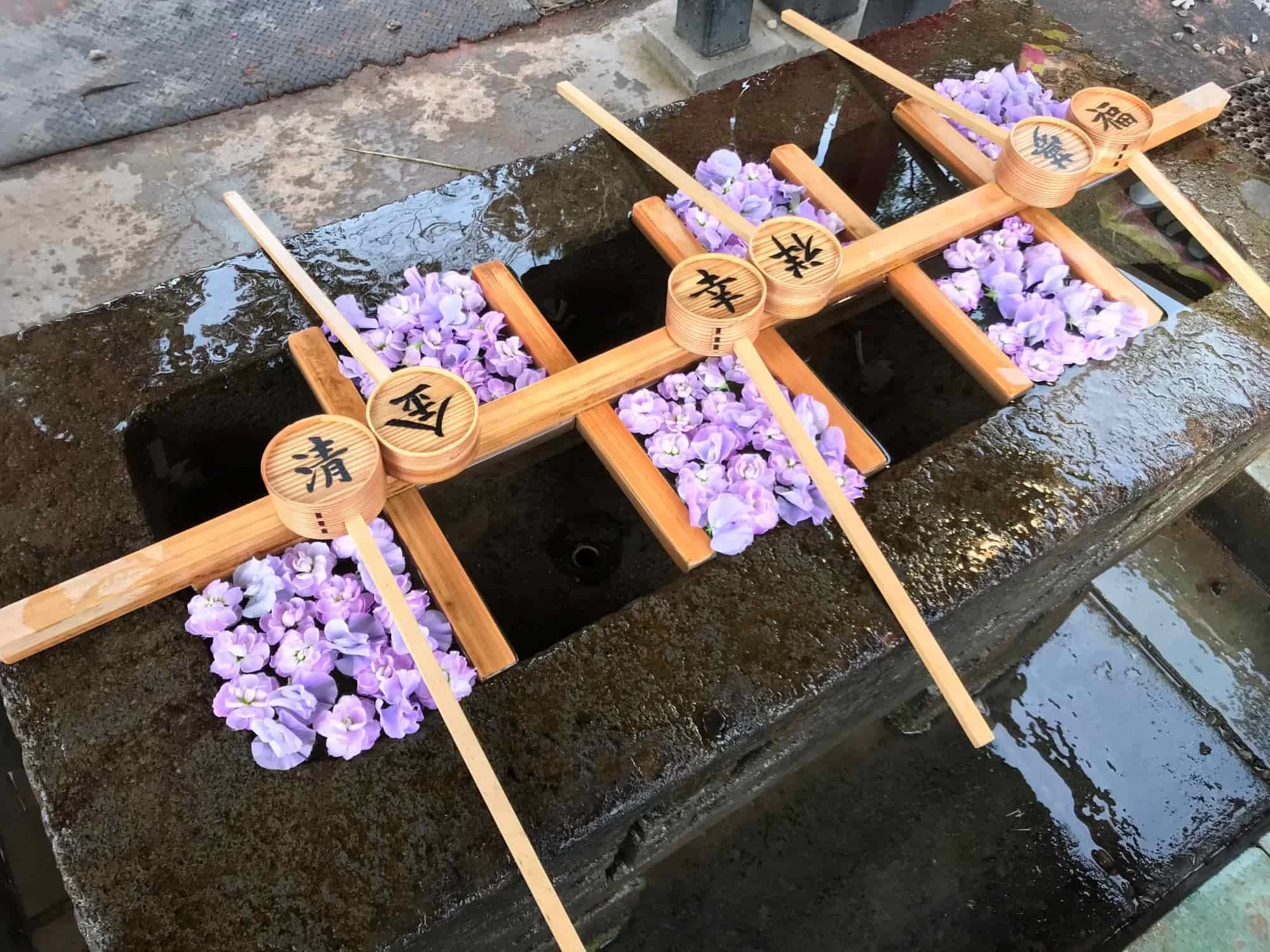
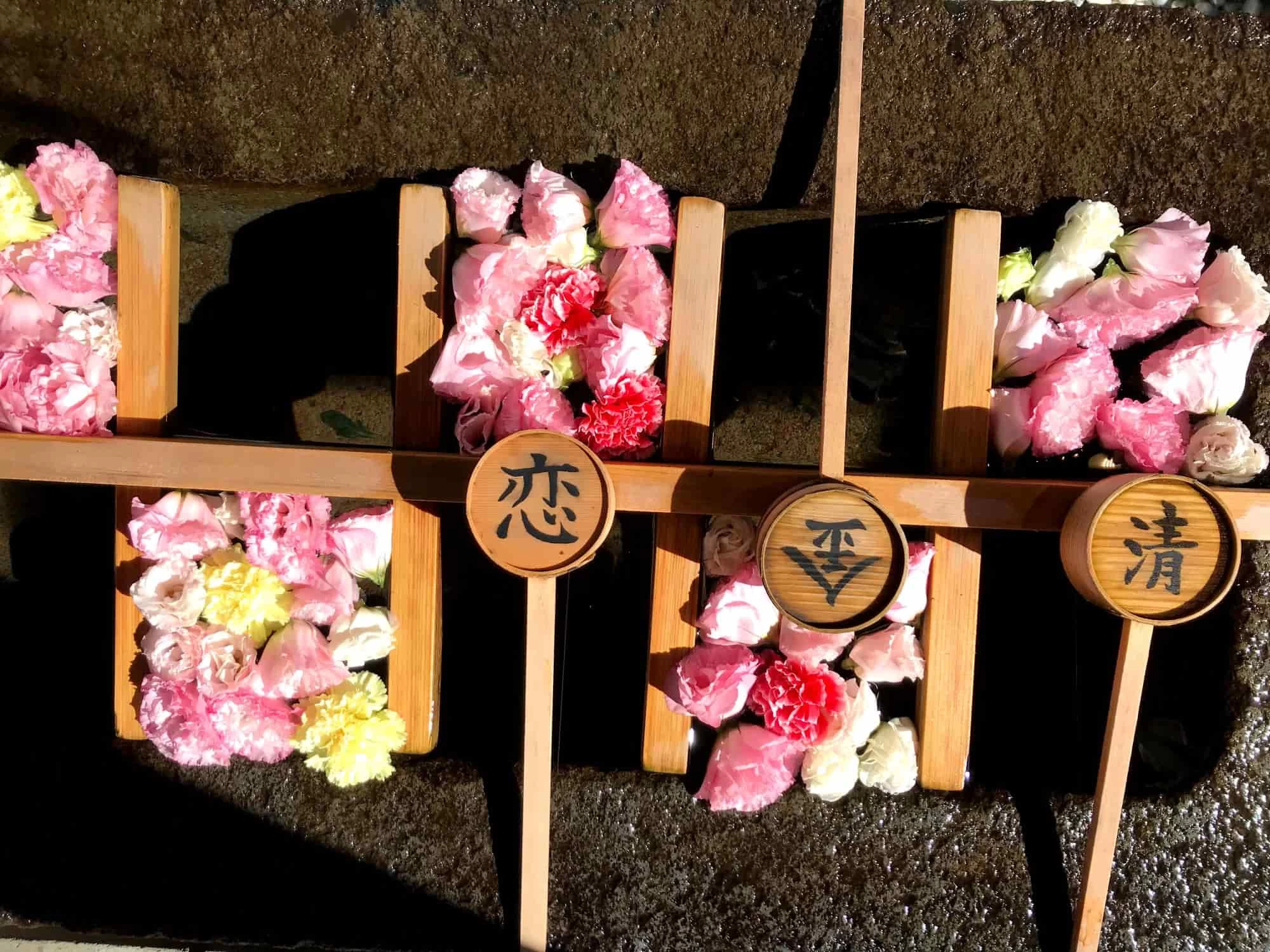
A row of 101 vermilion torii gates welcomes visitors to Ishiura Shrine. Believed to be Kanazawa's oldest shrine, it has origins dating back around 2,300 years and is an easy stop near Kenrokuen. Its colorful polka-dot amulets are one of the shrine's signature features and are especially popular for blessings related to love and relationships.
Ishiura Shrine
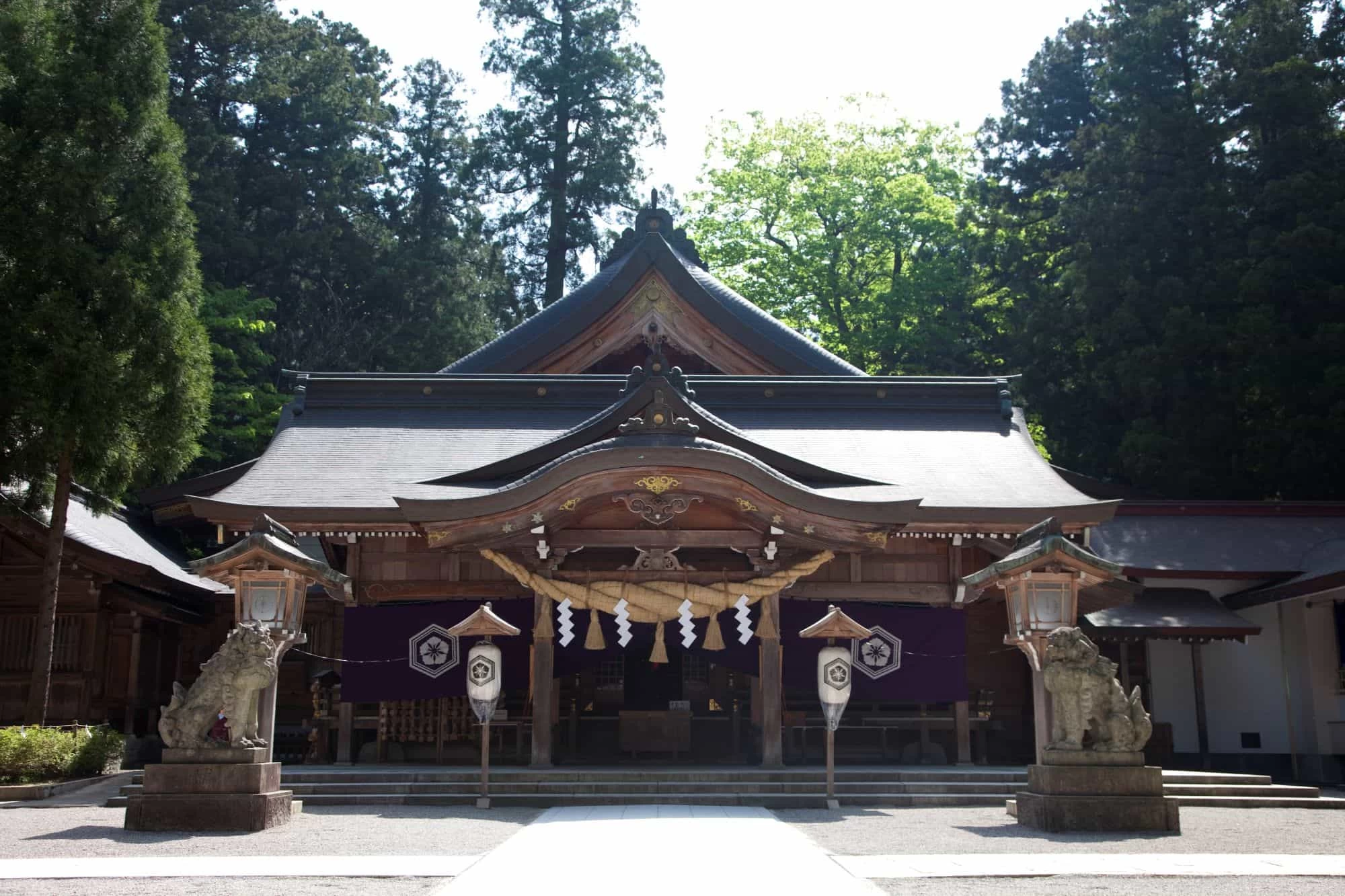
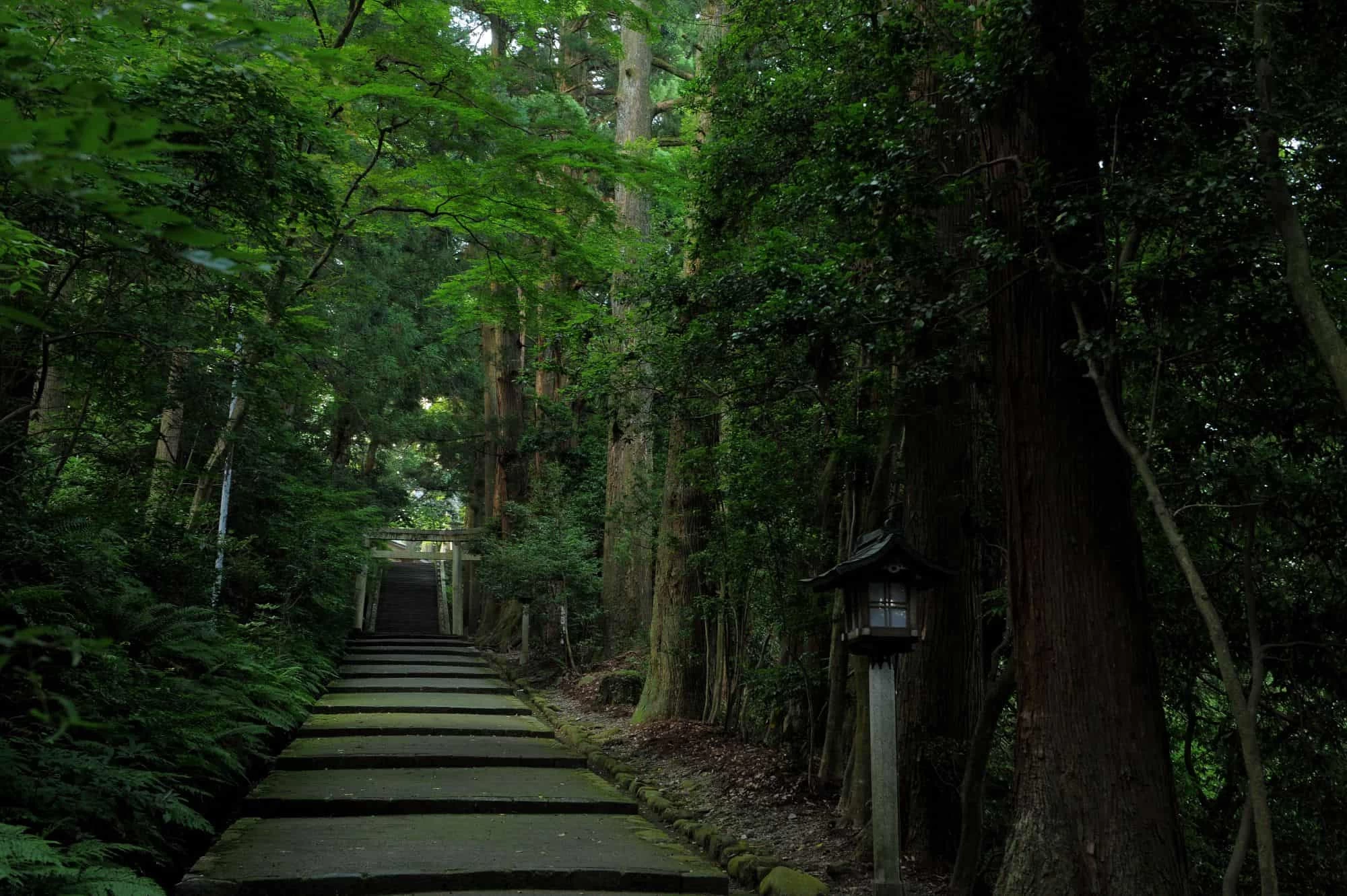
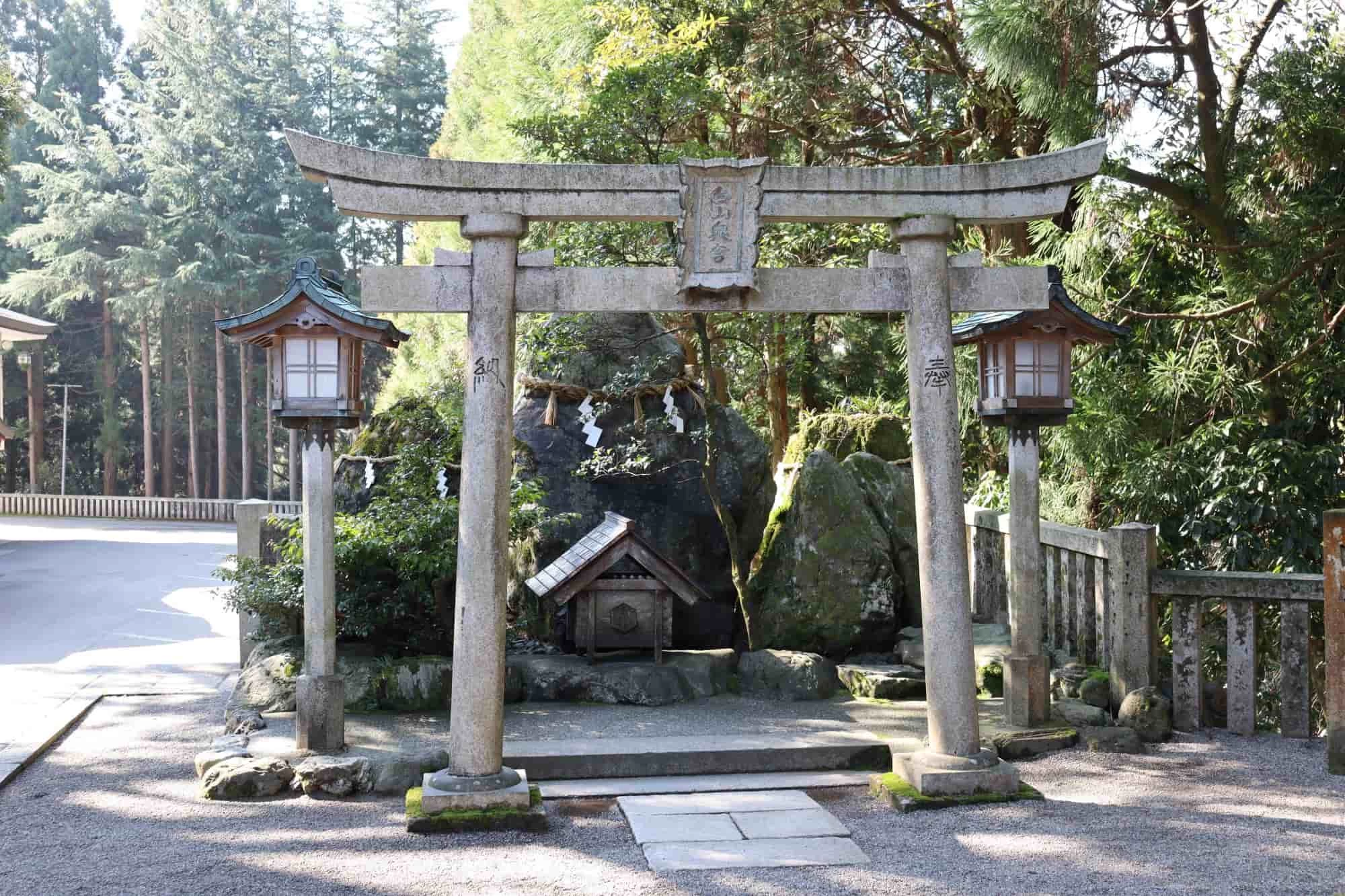
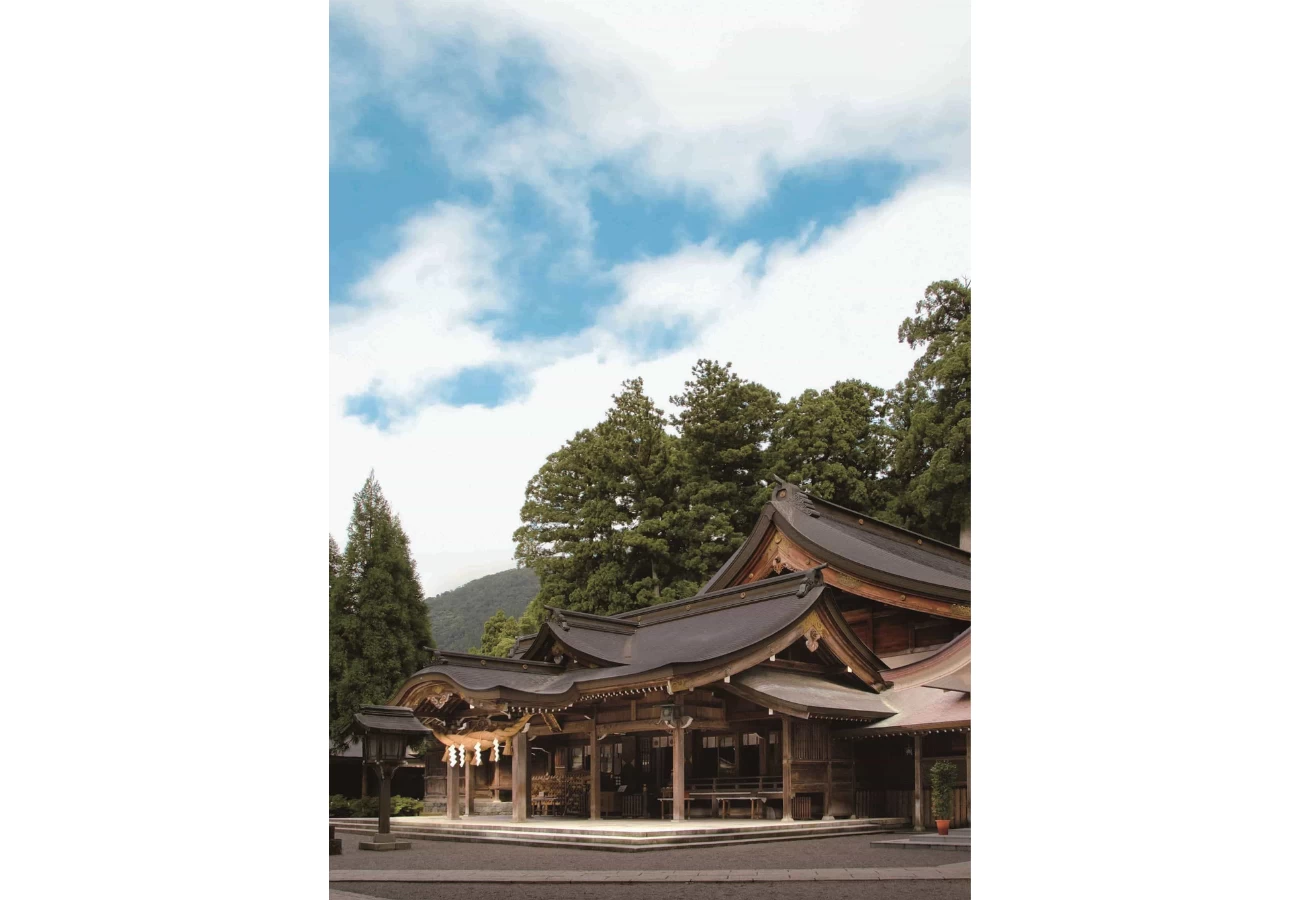
Mt. Hakusan itself is central to worship at this shrine, the head shrine of more than 3,000 Hakusan shrines across Japan. Within the grounds, the Okunomiya Yohaijo serves as a place to worship the sacred mountain from afar. Large rocks representing Mt. Hakusan's three sacred peaks stand here, and visitors offer prayers toward the shrine at the summit of Mt. Hakusan.
Shirayama Hime Jinja Shrine
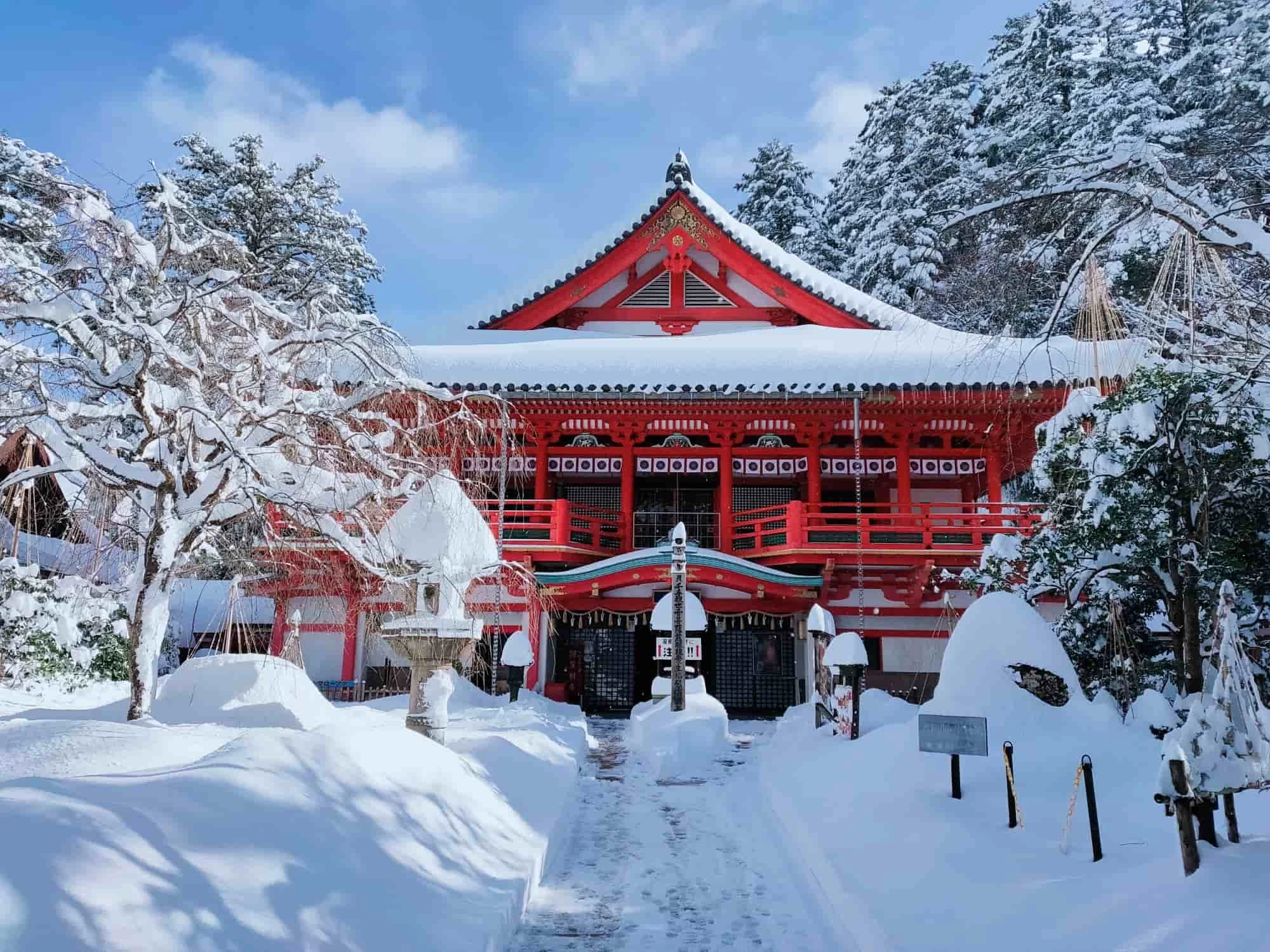
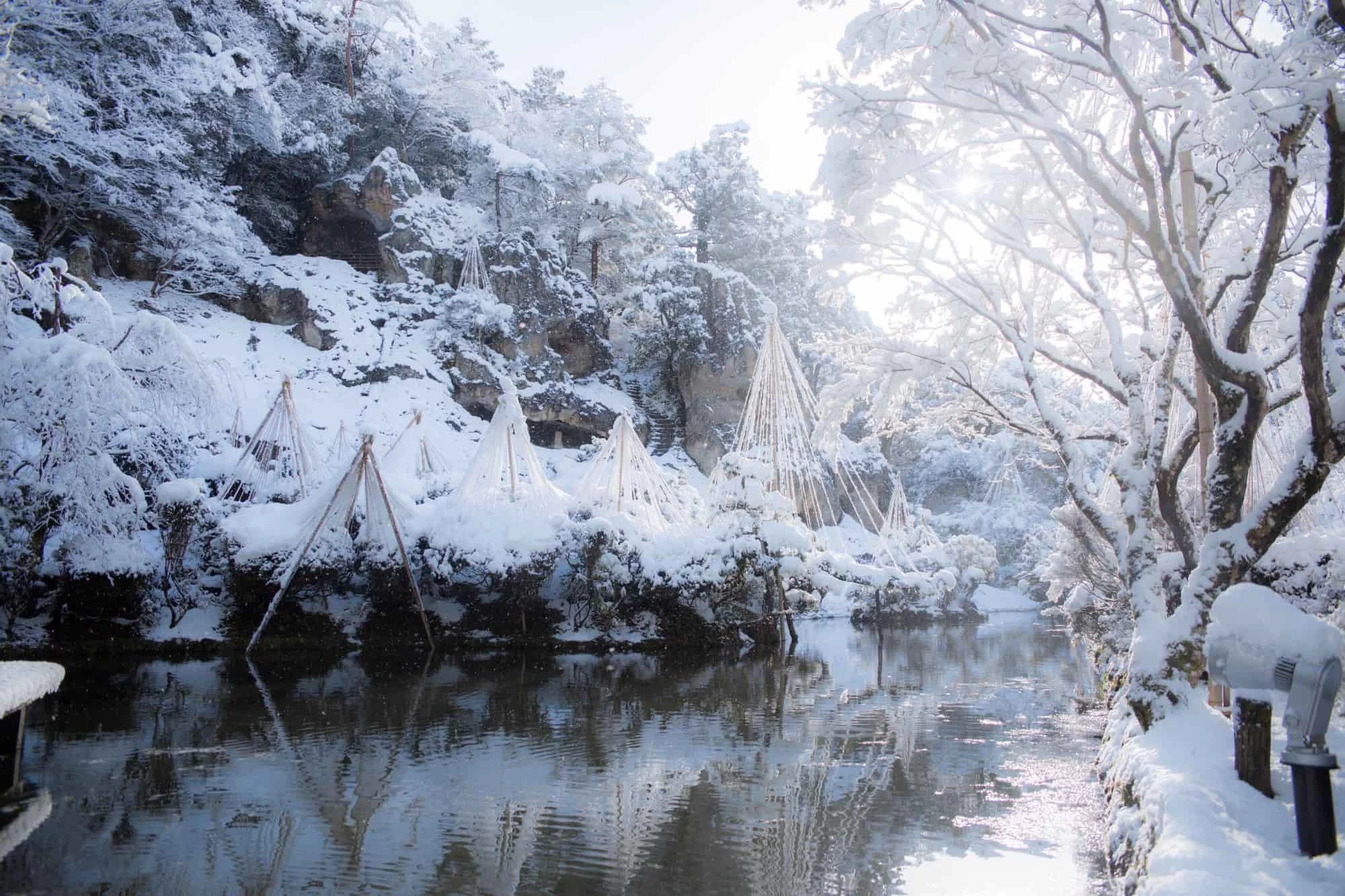
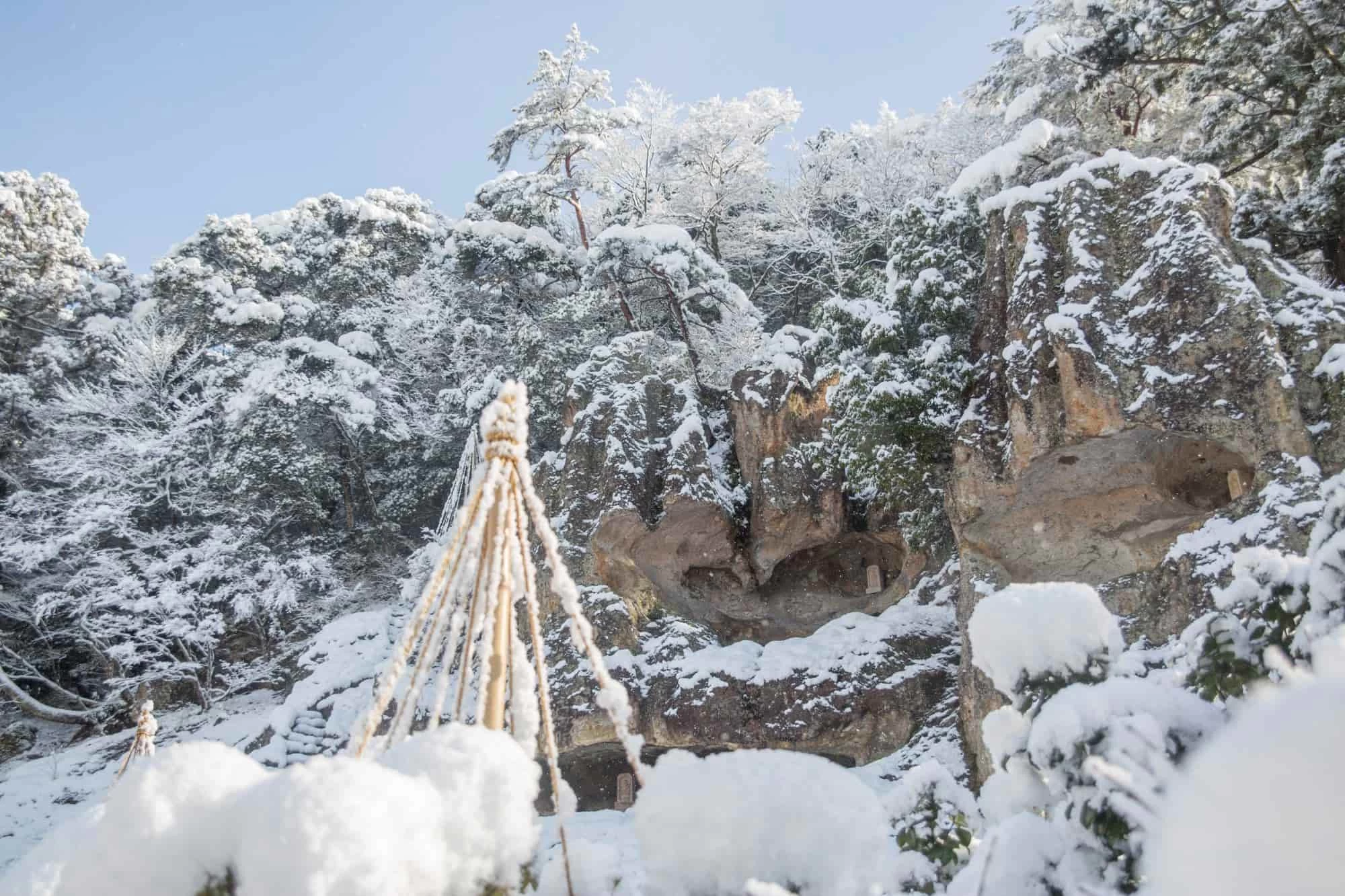
Natadera Temple brings together Hakusan faith and nature worship. Said to have been founded in 717 by the monk Taicho, the temple is known for Kigan Yusenkyo, a dramatic landscape of towering rock formations, caves, and seasonal scenery that changes throughout the year.
Natadera Temple
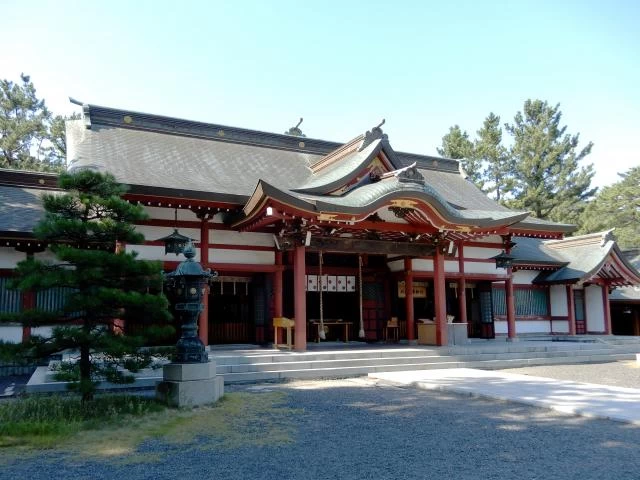
For many people in Japan, shrines and temples remain places to pause, reflect, and seek blessings at important moments in life. Visiting one during a trip to Hokuriku offers not only a glimpse into centuries of tradition but also a chance to experience a living part of Japanese culture.
Was it helpful? Please try using it when traveling or going out.
Article planning/supervision:Tabiiro Editorial Department Omori
writer:
8 Recommended Travel Destinations in Japan for 2026
2026/06/10
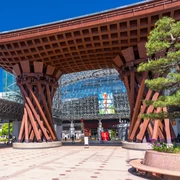
18 Must-Buy Kanazawa Souvenirs: From Iconic Sweets to Shimmering Gold Leaf Crafts
2026/05/22
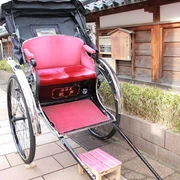
A Leisurely Rickshaw Ride Through Historic Kanazawa
2026/05/14
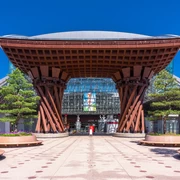
29 Best Things to Do Near Kanazawa Station: A Local Walking Guide
2026/04/09
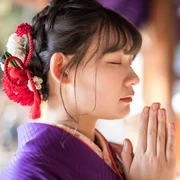
Shrine Etiquette: How to Pray at a Shinto Shrine and How It Differs from a Buddhist Temple
2026/04/06
Updated every Monday: Total number of views for 30 days


Coin lockers at Disneyland! Also what to do when you don't have a place or space to leave your belongings!
2024/11/25


Summary of Luggage Lockers (Coin Lockers) at Yokohama Station! Where Can You Find Free or Affordable Options?
2025/01/31


Exploring Okinawa by Campervan: A First-Timer’s Guide
2026/05/15


12 Must-Visit Okinawa Souvenir Shops for Awamori, Perfume, and Ryukyu Glass
2026/05/04

A Leisurely Rickshaw Ride Through Historic Kanazawa
2026/05/14
Takuhireshi Shrine
15-minute drive from Toyama IC (Hokuriku Expressway) 6-minute drive from Higashi-Yatsuo Station (JR Takayama Main Line) 20-minute walk from Kami-Okubo Rokku bus stop (Toyama Chihou Railway bus routes)
Etchu Gokoku Hachimangu Shrine
15-minute drive from Toyama Station 20-minute bus ride from Toyama Station; a short walk from Hachiman bus stop
Imizu Shrine
15-minute drive from Takaoka IC (Noetsu Expressway); 23-minute drive from Kosugi IC (Hokuriku Expressway); 40-minute drive from Toyama Airport 4-minute drive or 15-minute walk from Takaoka Station (JR Johana Line, JR Himi Line, and Ainokaze Toyama Railway)
Kida Shrine
15-minute drive from Fukui IC (Hokuriku Expressway) 3-minute walk from Shoko-Kaigisho-mae Station (Fukui Railway Fukubu Line)
Wada Hachimangu Shrine
5-minute drive from Fukui IC (Hokuriku Expressway) 7-minute drive from Fukui Station (JR Hokuriku Shinkansen, Hapi-Line Fukui Line, Echizen Railway Katsuyama Eiheiji Line, and Echizen Railway Mikuni Awara Line)
Shinokura Shrine
10-minute drive from Ono IC or Arashima IC (Chubu Jukan Expressway); 30-minute drive from Fukui IC or Fukui-Kita IC (Hokuriku Expressway) Train: 6-minute drive or 25-minute walk from Echizen-Ono Station (JR Etsumi-Hoku Line)
Kehi Jingu Shrine
15-minute walk from the west exit of Tsuruga Station (JR Hokuriku Main Line), or 5-minute bus ride from the station 10-minute drive from Tsuruga IC (Hokuriku Expressway)
Ishiura Shrine
10-minute bus ride from JR Kanazawa Station (East Exit bus stops 7 to 10 or West Exit bus stop 5); 5-minute walk from Korinbo (Atrio-mae) bus stop Kanazawa Loop Bus: 20-minute ride from JR Kanazawa Station (East Exit bus stop 3); a short walk from Hirosaka (Ishiura Shrine-mae) bus stop Furatto Bus: a short walk from 21st Century Museum or Shiyakusho/Kakinokibatake bus stop (Kikugawa Route); a short walk from Shiyakusho/21st Century Museum bus stop (Zaimoku Route) 20-minute drive from Kanazawa-Nishi IC or Kanazawa-Higashi IC (Hokuriku Expressway)
Shirayama Hime Jinja Shrine
50-minute taxi ride from Kanazawa Station; Hokutetsu Bus (bound for Arimatsu) from JR Kanazawa Station East Exit Bus Terminal to Nomachi bus stop; 20-minute drive from Mikawa IC (Hokuriku Expressway)
Natadera Temple
10-minute taxi or bus ride from Awazu Station (JR Hokuriku Main Line); 30-minute drive from Komatsu IC or Kaga IC (Hokuriku Expressway)