
8 Recommended Travel Destinations in Japan for 2026
2026/06/10
 2026/05/15
If you’re traveling in Okinawa, it would be a shame to stick to hotels and rental cars alone.
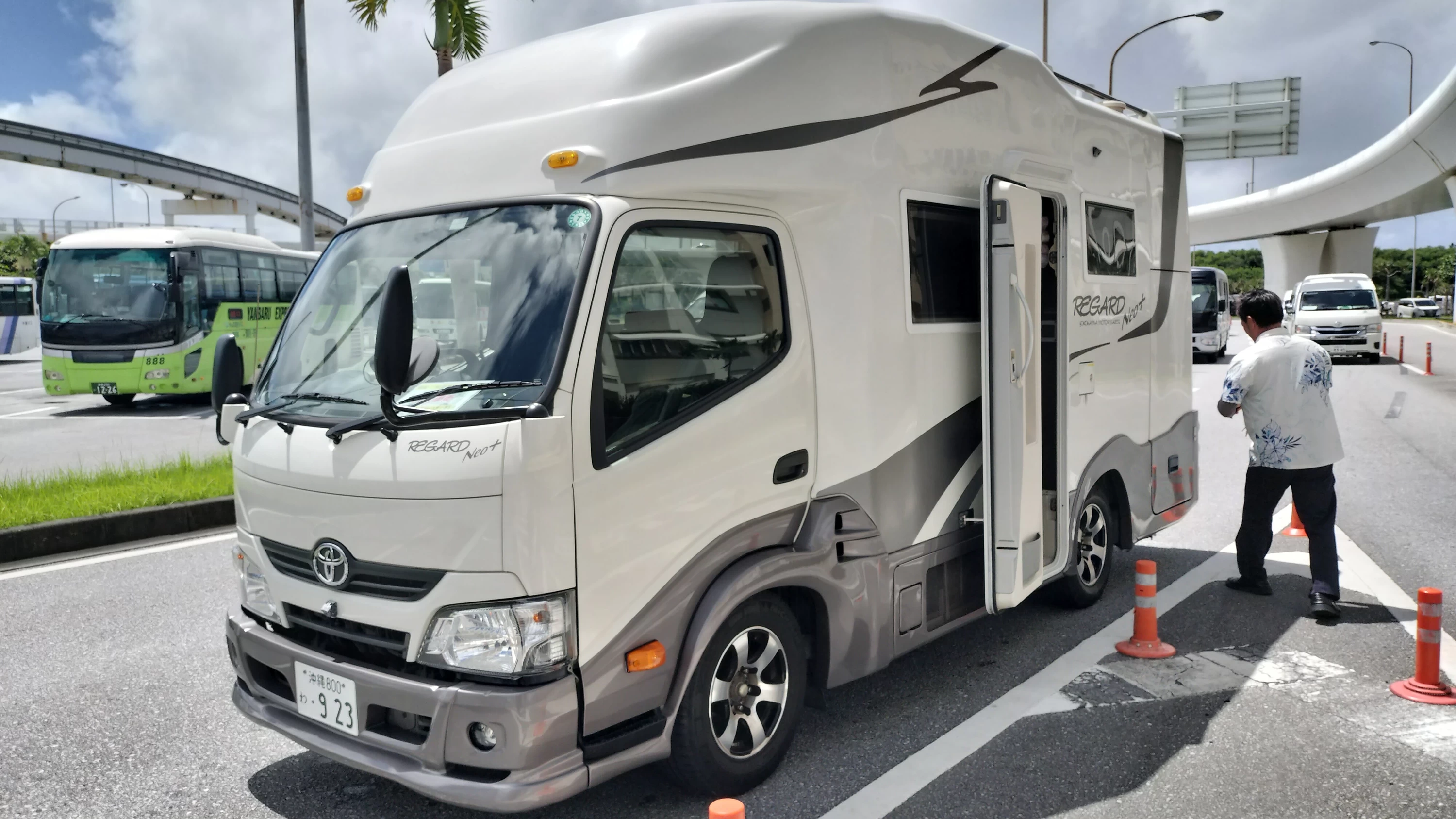
On this trip, I used a campervan from Tsukishiro Kotsu, with a bed and kitchen on board, and soon realized how much more flexible the trip could be.
Falling asleep near the coast, to the sound of the waves and waking with the morning light made even the time on the road feel like part of the trip.
In this feature, I share what stood out to me about traveling in Okinawa this way, from the ride and onboard setup to spots that feel especially well-suited to campervan travel, along with tips that help first-time travelers get started with confidence.
Table of Contents of This Article
Open Table of Contents ▼
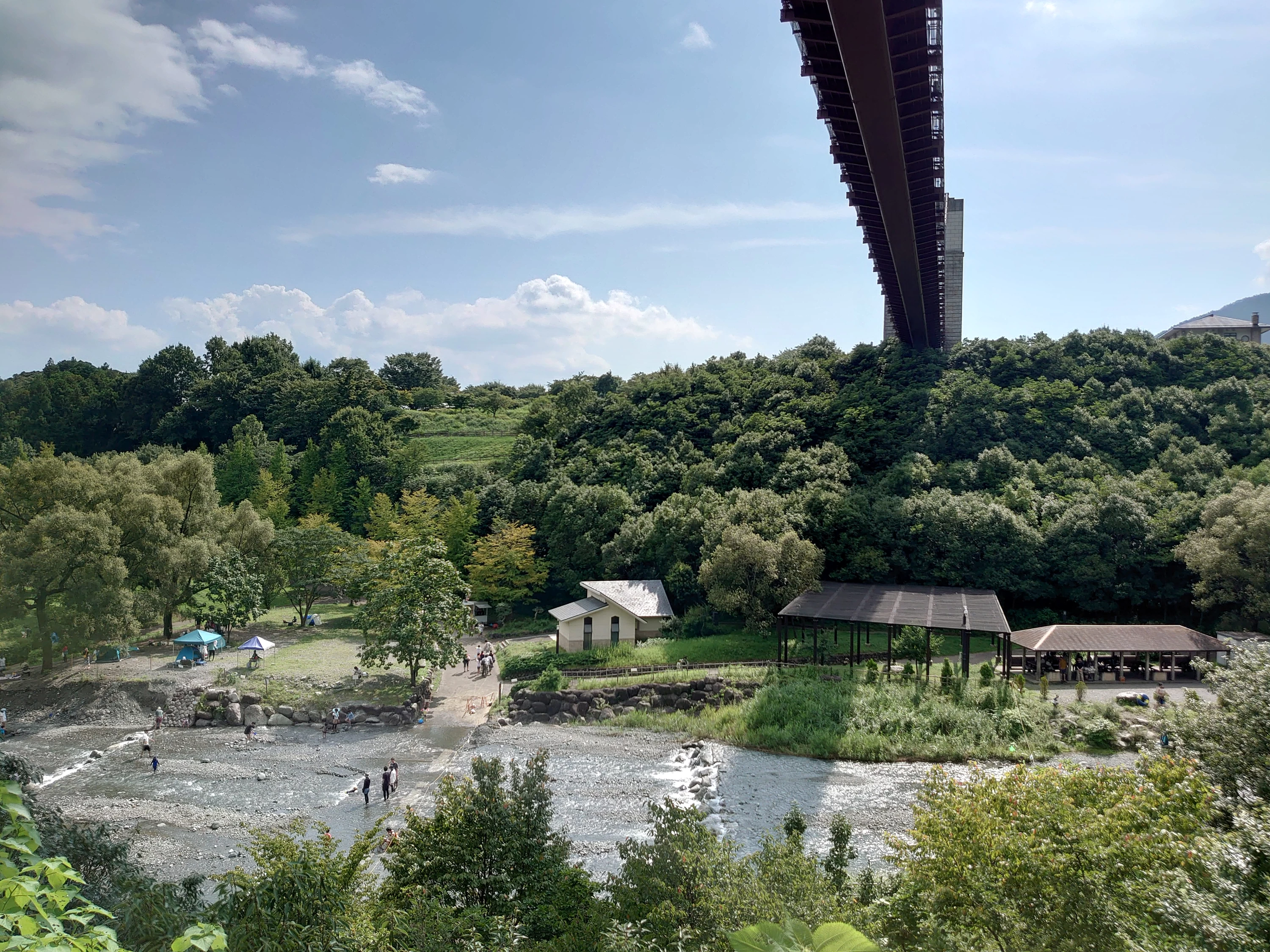
I live in western Kanagawa, southwest of Tokyo, where mountains, rivers, and the sea are all close at hand, so weekends naturally tend to be active. I go camping a few times a year, and with so many families in my area owning campervans, I had long hoped I might get to try one myself someday. This trip finally gave me that chance. It was my first campervan experience, and one I had been looking forward to for a long time.
Having taken the trip myself, I came away with three points I would especially recommend to anyone who has not tried campervan travel before.
What I loved most was being able to decide where to stop for the night, without having to plan each day around hotel check-in and check-out times.
Okinawa is full of places that make you want to pull over, from coastal stretches to greener inland scenery, and even the northern part of the main island is reachable from the airport in a little over two hours.
That makes it much easier to build the trip around your own pace.
At night, I cracked open the campervan windows—with bug precautions in place—and fell asleep to the sound of the waves, a kind of luxury that felt distinctly Okinawan.
In the quieter parts of northern Okinawa and around the outlying islands, the stars feel especially close. It was the kind of night that made the whole trip feel closer to nature.
One of the things I appreciated most was how little loading and unloading it took. Instead of carrying bags in and out of a hotel at every stop, you pack once and keep moving.
The cabin felt spacious, the seats were comfortable, and even longer drives felt easier than I had expected.
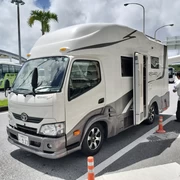
Tsukishiro Kotsu offers three campervans across two models, all in a size range that still feels manageable and easy to handle even for first-time drivers. They can be driven with a standard Japanese driver’s license.
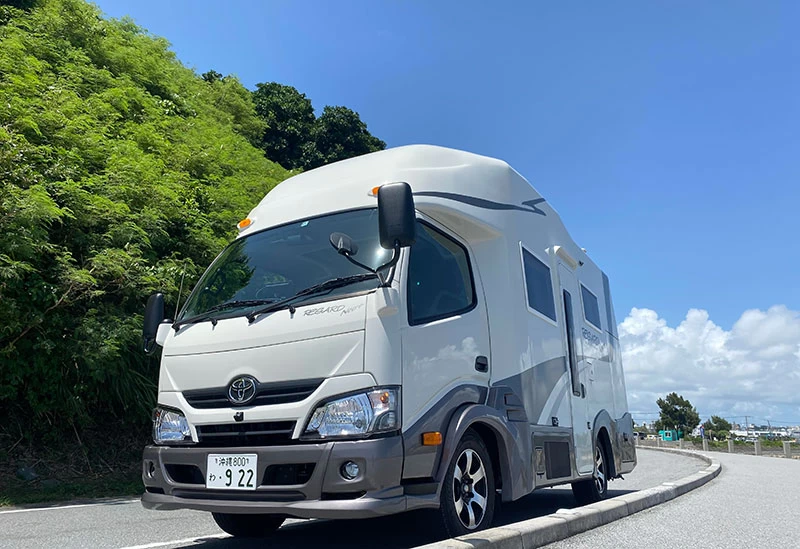
TOYOTA Camroad REGARD Neo Plus
Built on Toyota’s Camroad chassis, this campervan seats six and sleeps six.
Size: 5,350 mm (L) × 2,000 mm (W) × 2,800 mm (H)
Engine: 3,000 cc
Fuel: Diesel
Transmission: Automatic
Steering: Right-hand drive
Seating capacity: 6
Sleeping capacity: 6
It also comes with a sub-battery and inverter, and supports external charging. Onboard amenities include a microwave, refrigerator, stove, and shower, giving it a more comfortable, self-contained feel for the trip. Tsukishiro Kotsu has two of this model, and this was the one I used on this trip.
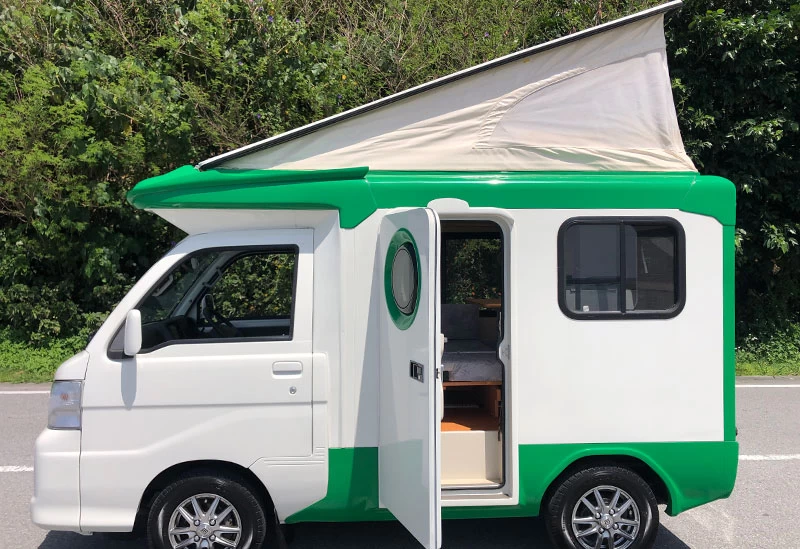
Tentomushi
Size: 3,390 mm (L) × 1,470 mm (W) × 1,990 mm (H)
Engine: 660 cc
Fuel: Regular gasoline
Transmission: Automatic
Steering: Right-hand drive
Seating capacity: 4
Sleeping capacity: 2
This model is a more approachable option for travelers new to campervan travel. Its smaller size makes it feel more manageable behind the wheel, and it also comes with a portable refrigerator, handy for keeping a few groceries or drinks chilled on the road.
Inside, there was a bed large enough for adults to sleep comfortably, a kitchen with an induction cooktop, plenty of storage, and a solid onboard power setup. It really did feel like a small hotel room on wheels.
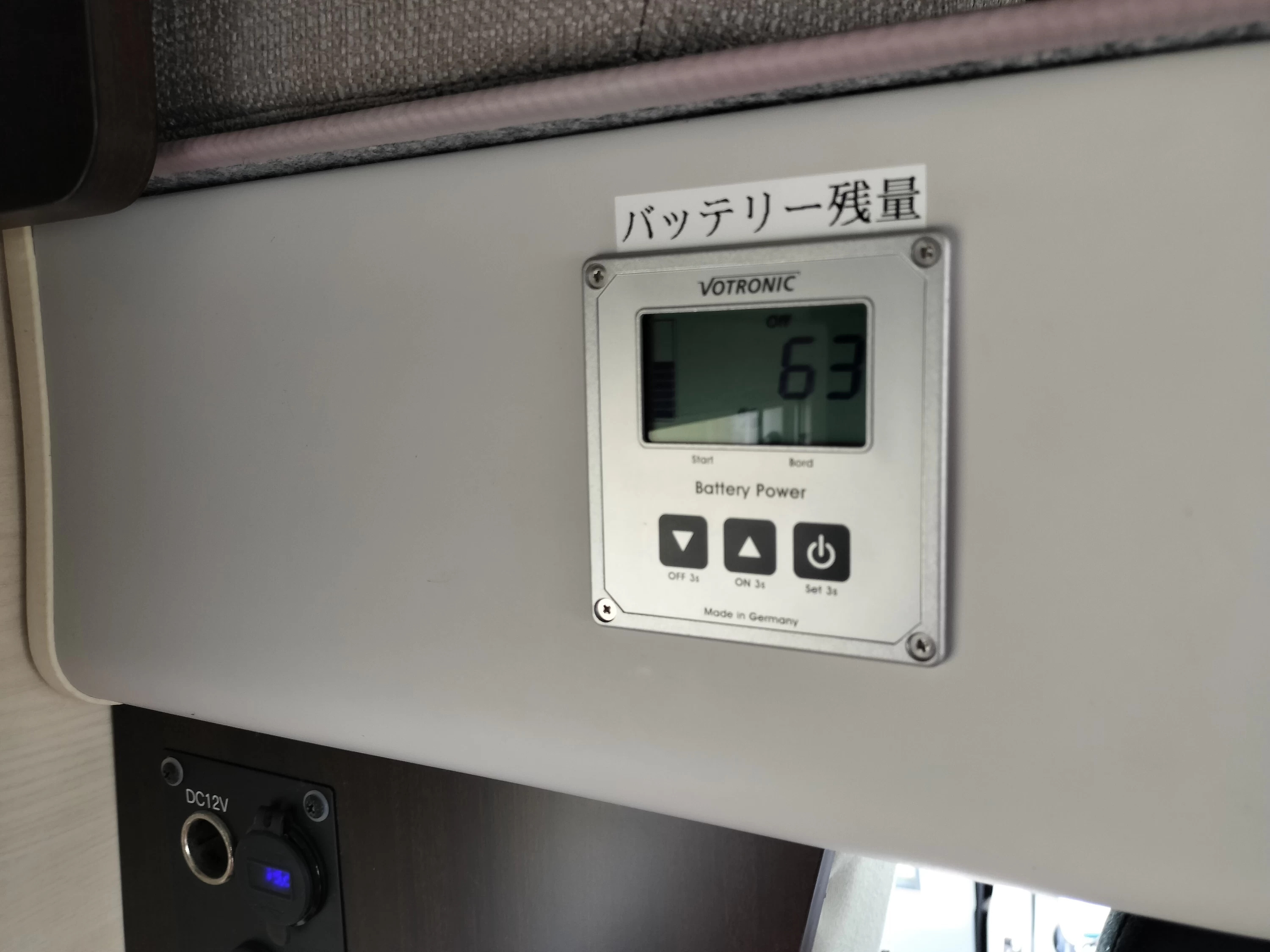
The onboard battery level can be checked on this panel. In the photo, it reads 63 percent, but the battery charges while driving rather than draining. With enough power stored, it can even run the air conditioner through the night.
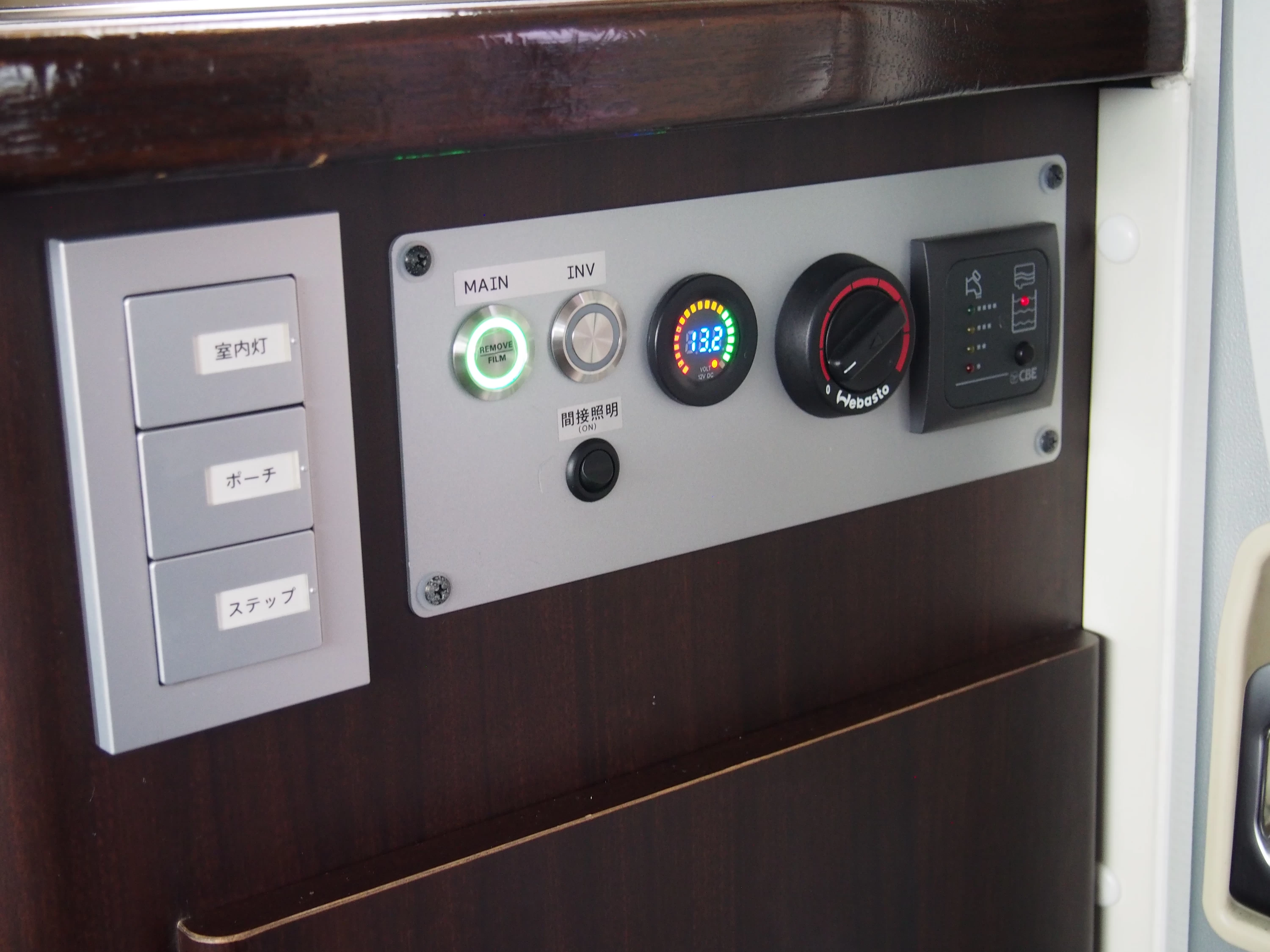
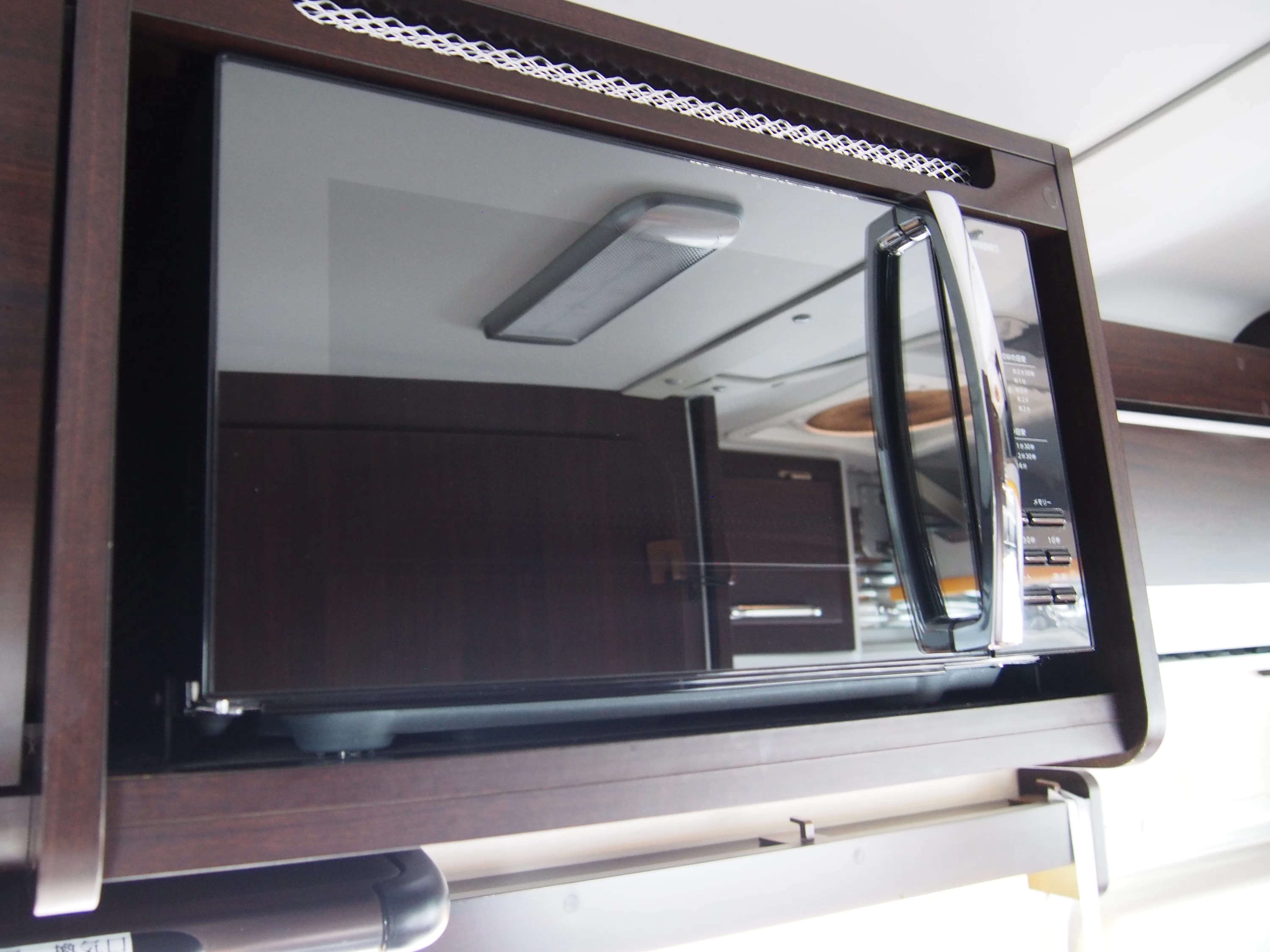
I also liked having the main control switches beside the door, where they were easy to reach. From here, you can manage the power supply for the air conditioner, induction cooktop, microwave—though not at the same time as the air conditioner—and refrigerator all in one place.
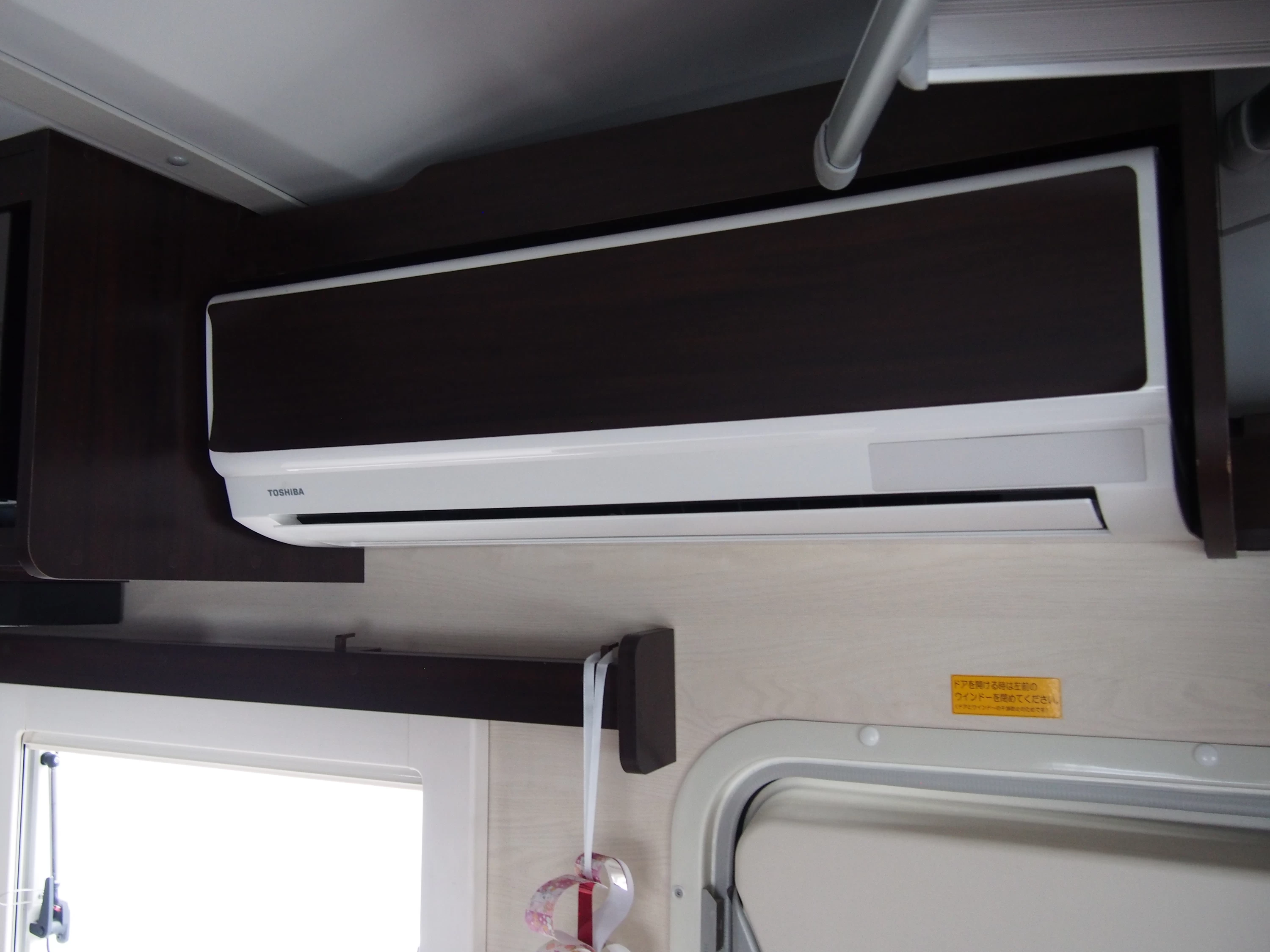
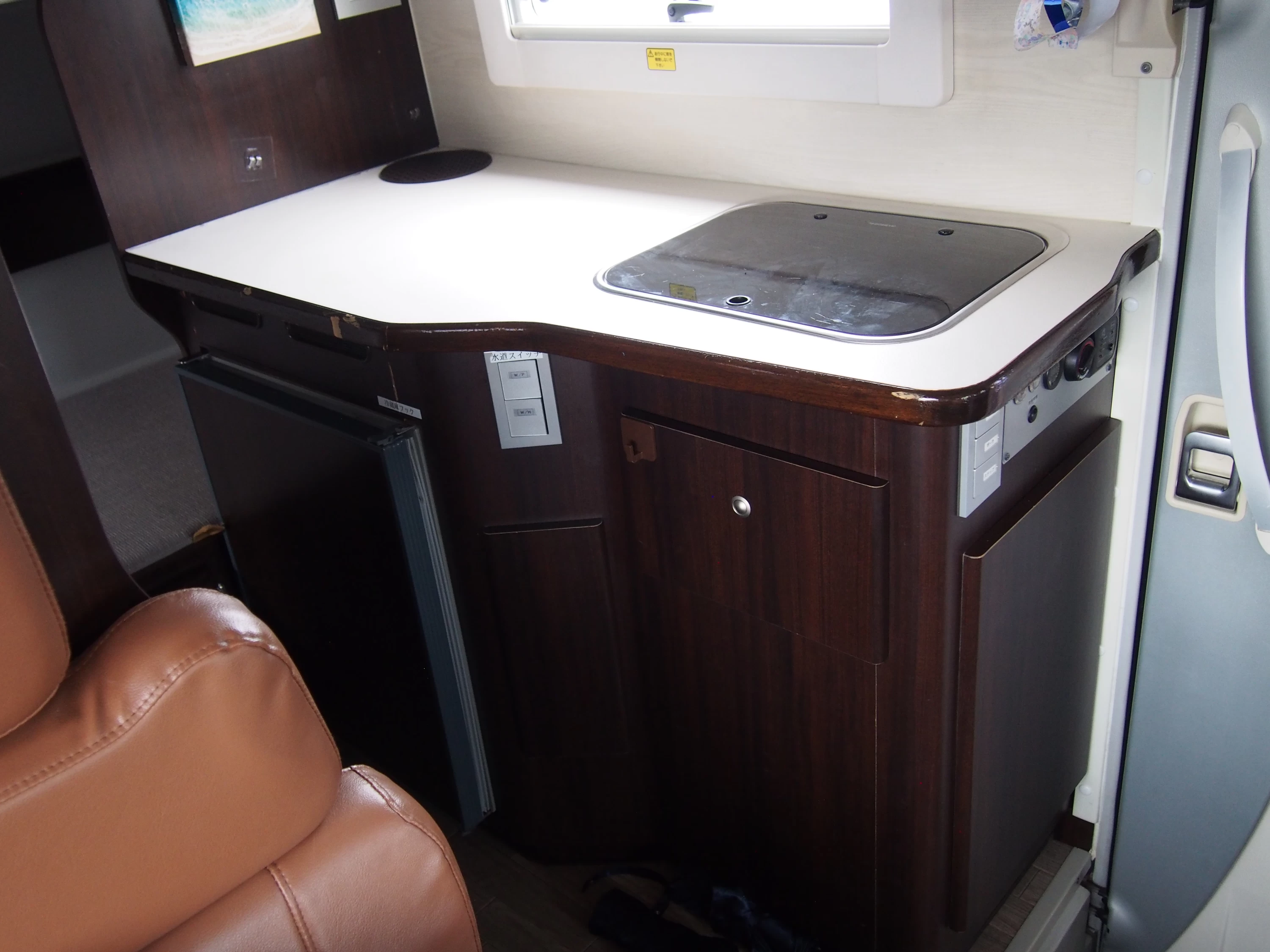
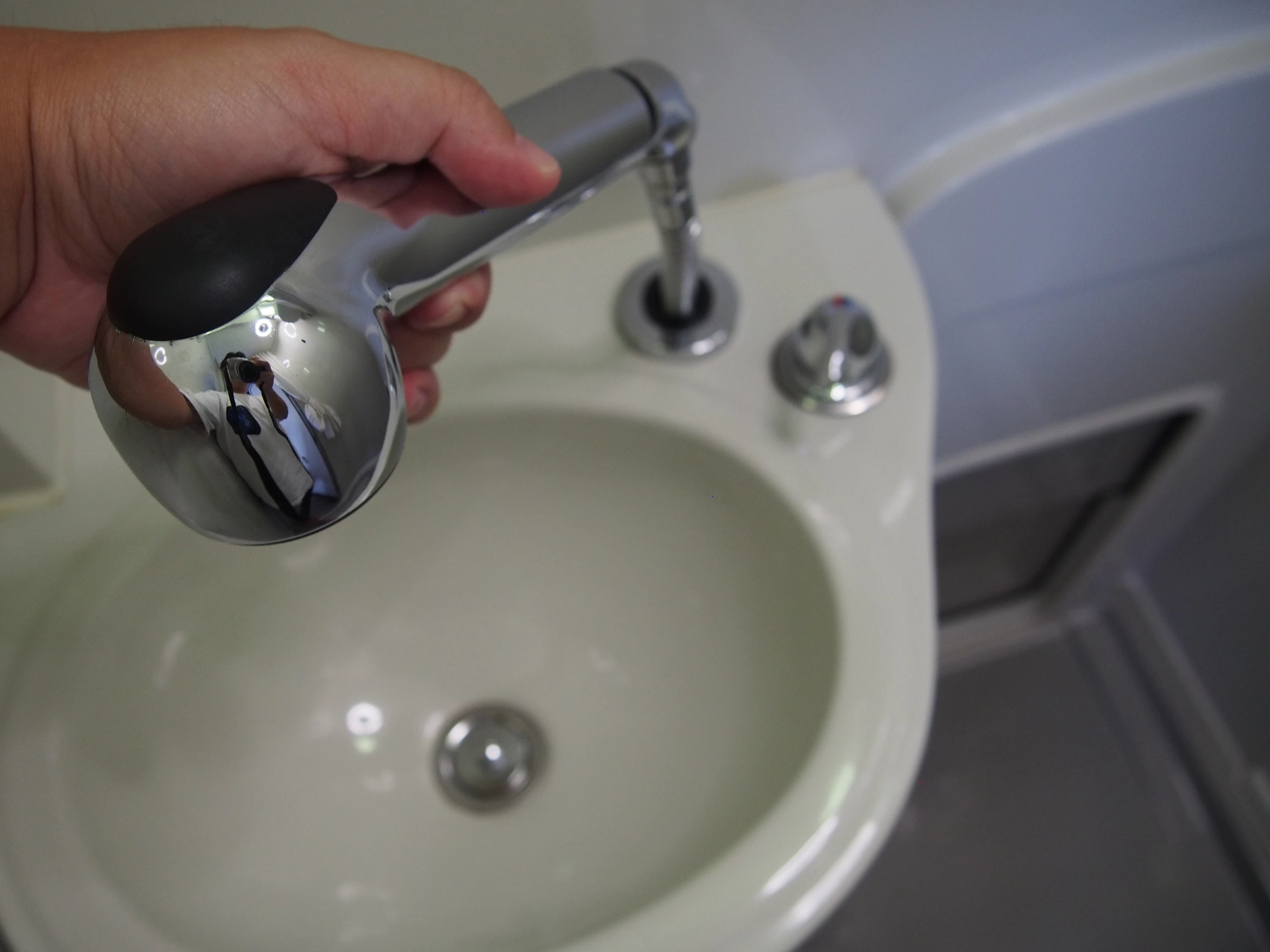
Shower
With Okinawa’s beautiful sea never far away, it is easy to end up stepping into the water, even if only up to your ankles. Having a shower on board made that much easier: I could get back to the campervan and rinse off right away. You do need to fill the water tank in advance, but once that is done, it can even provide hot water, though it takes a little time.
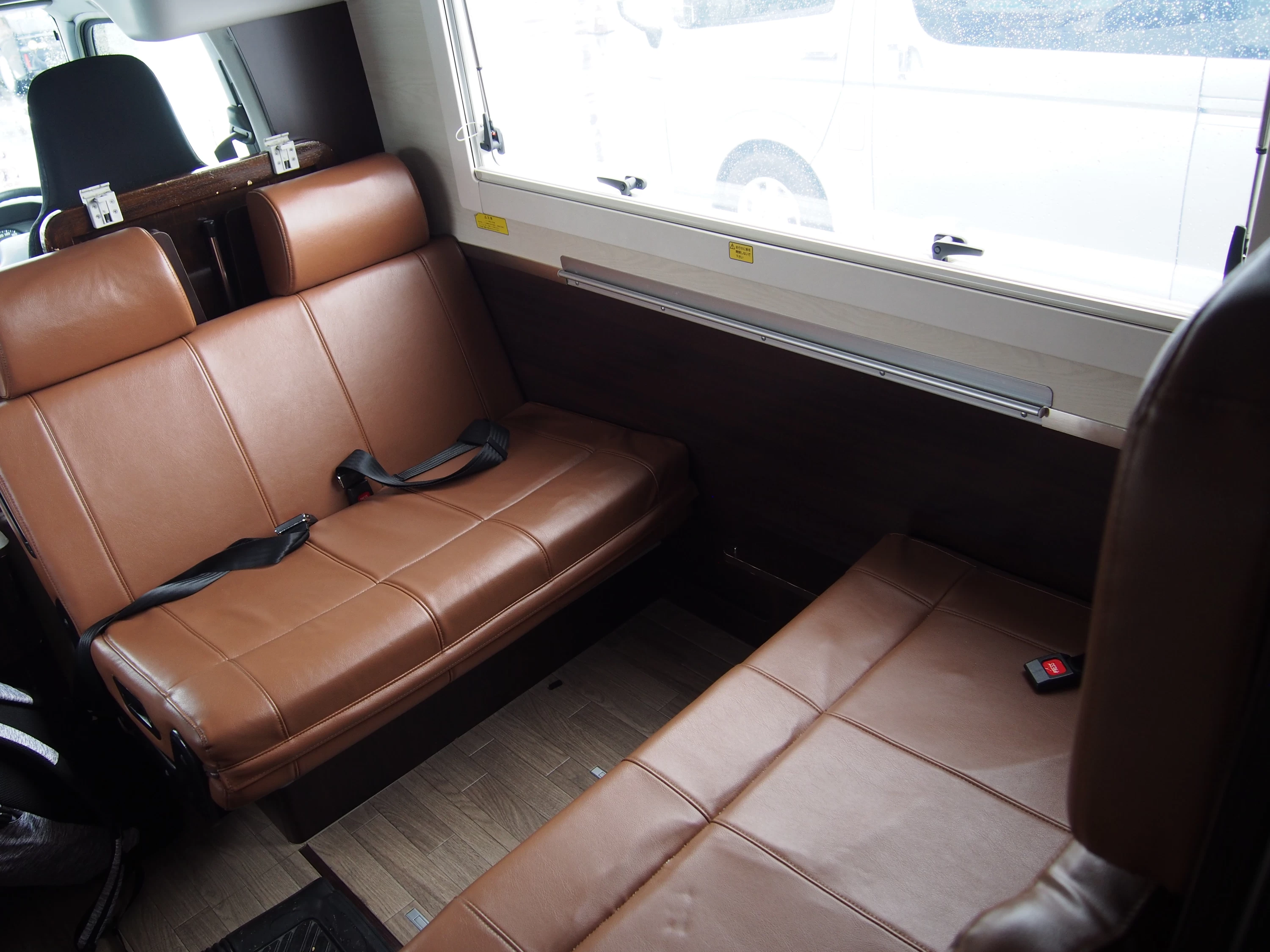
Traveling by car with a larger group usually means tighter space and more stress, but in the campervan, the drive itself felt like part of the fun.
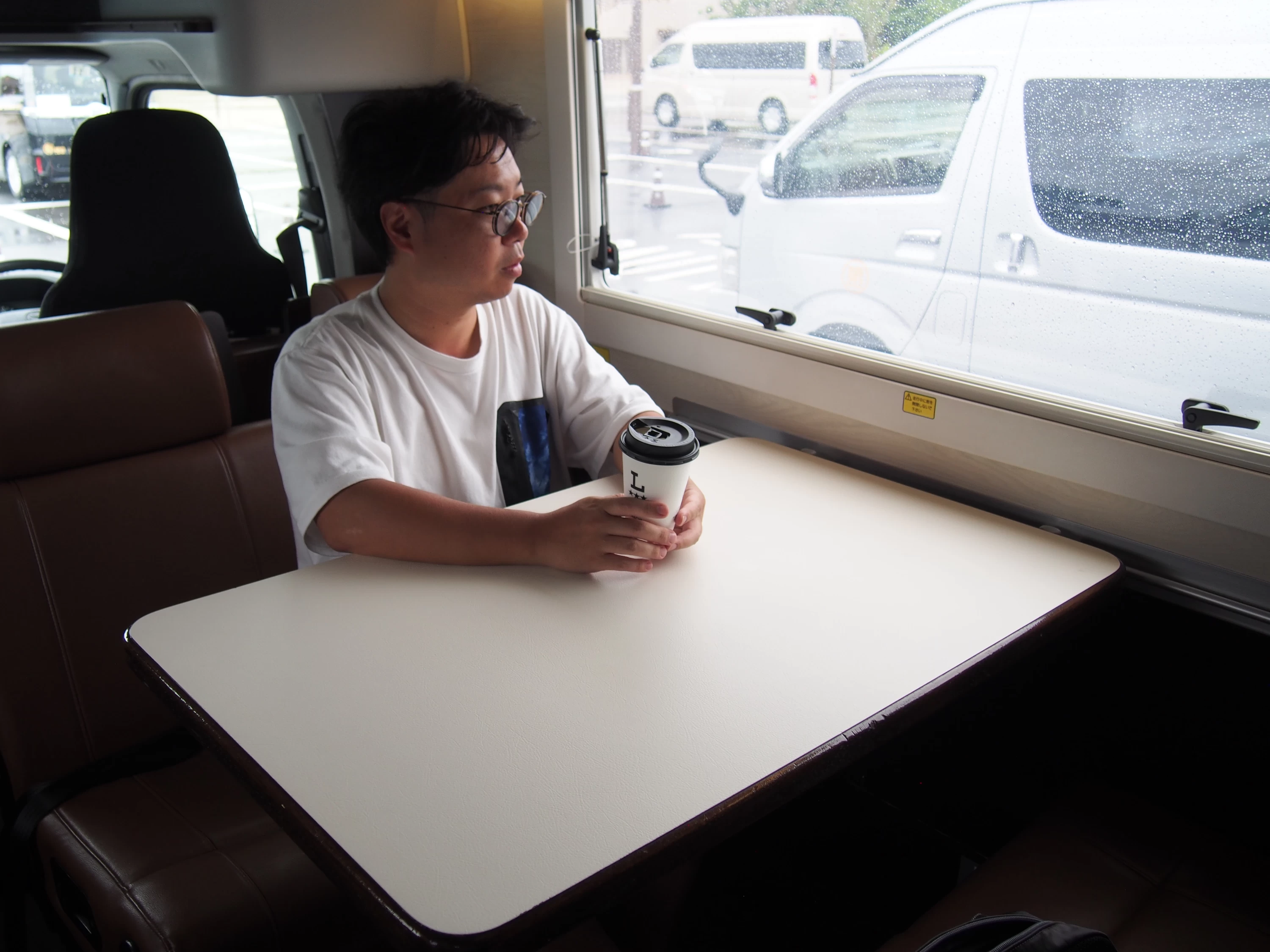
A table can be set up in the middle, and the seats can be rearranged into either a face-to-face layout or an L-shaped lounge, which makes conversation much easier.
The seats were soft enough to stay comfortable during breaks, too.
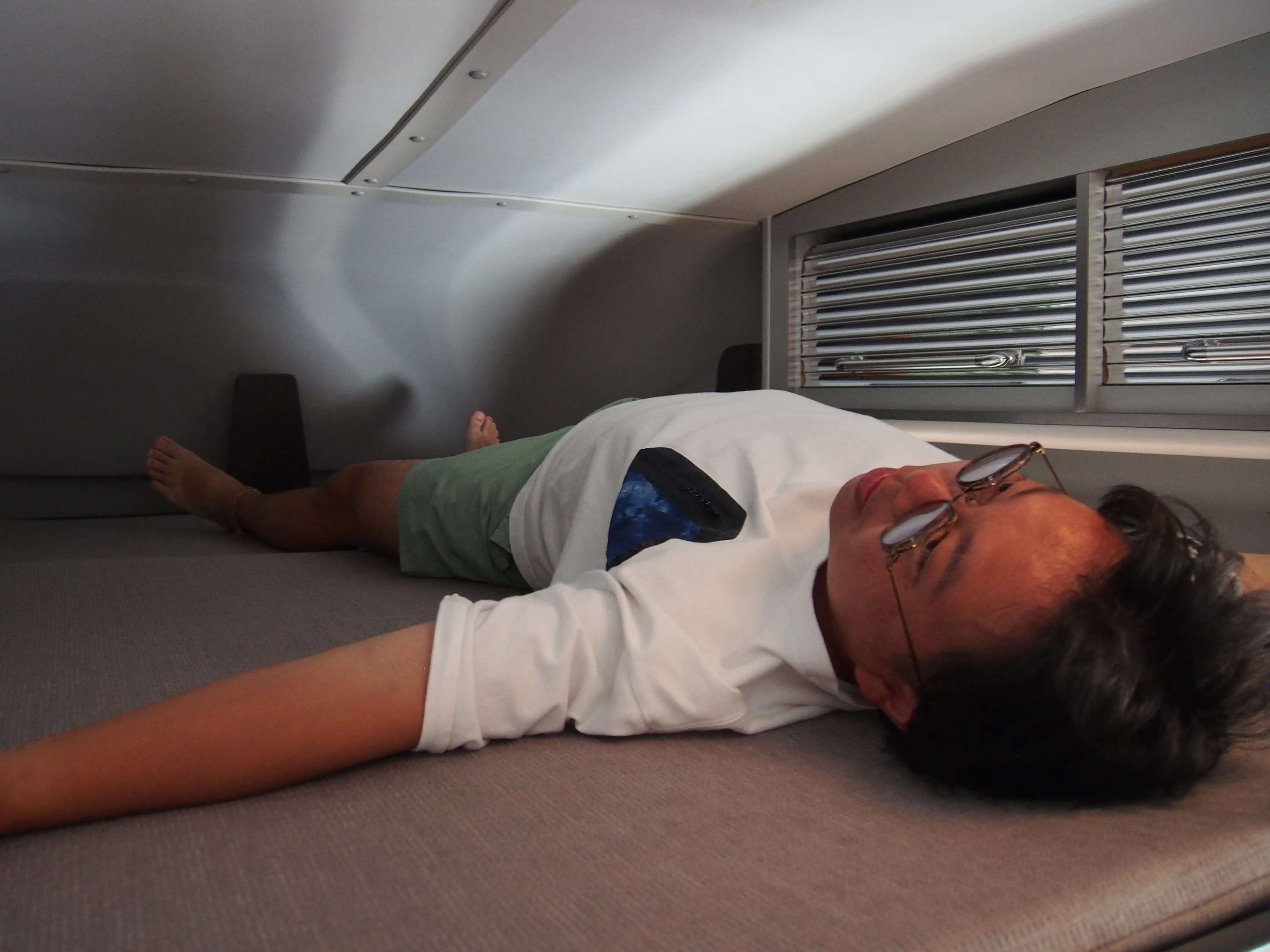
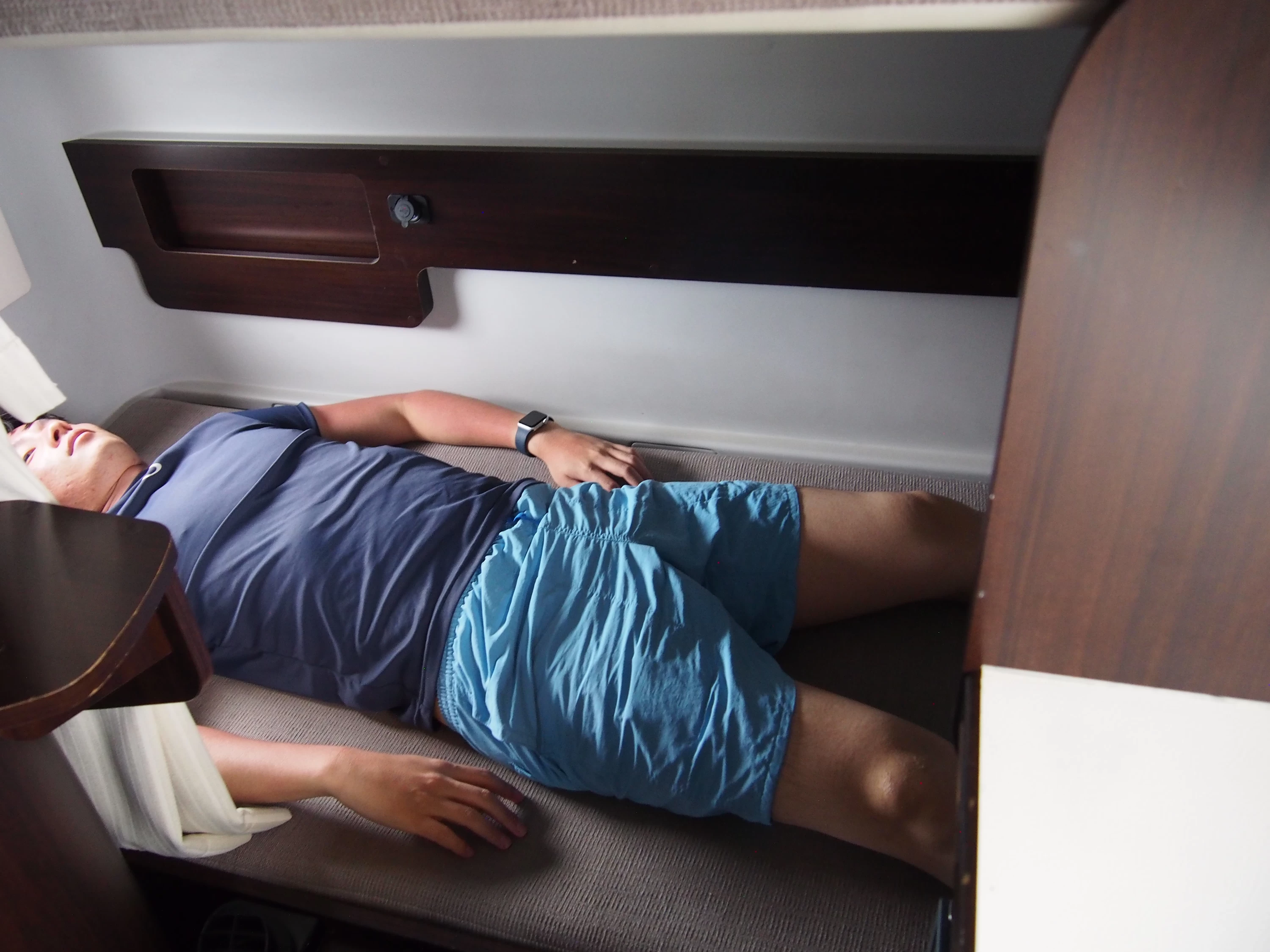
One of the REGARD’s biggest strengths is its generous sleeping space. Campervans with the same seating and sleeping capacity are relatively rare, which helps explain its popularity.
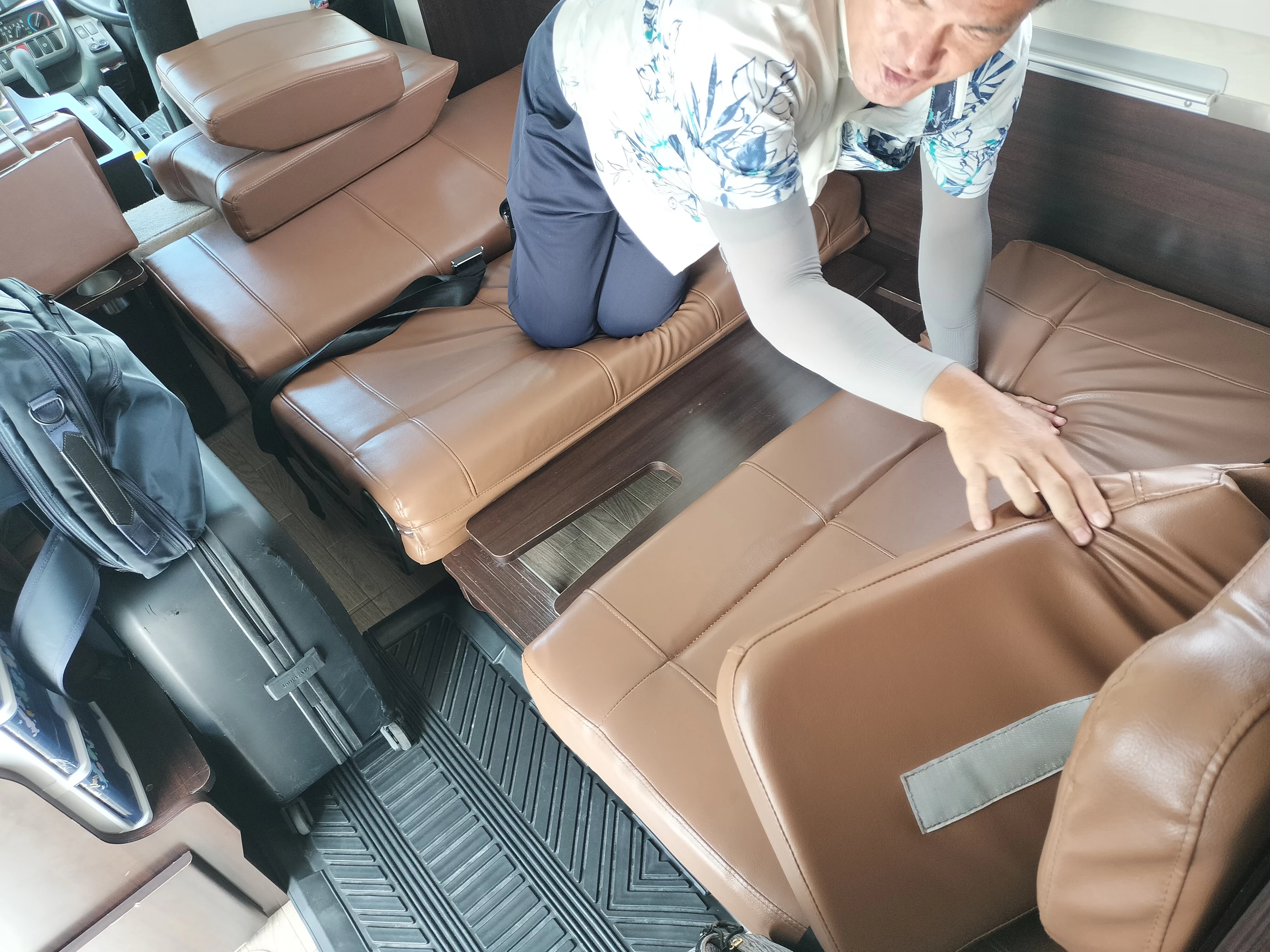
The seating area can be turned into a bed in no time. It might look complicated at first, but once it was explained, it was simple enough to do on my own.
Before setting off, it helps to go over the insurance, fuel return rules, cancellation policy, and the basic onboard functions. One small thing that caught me off guard was the fuel cap.
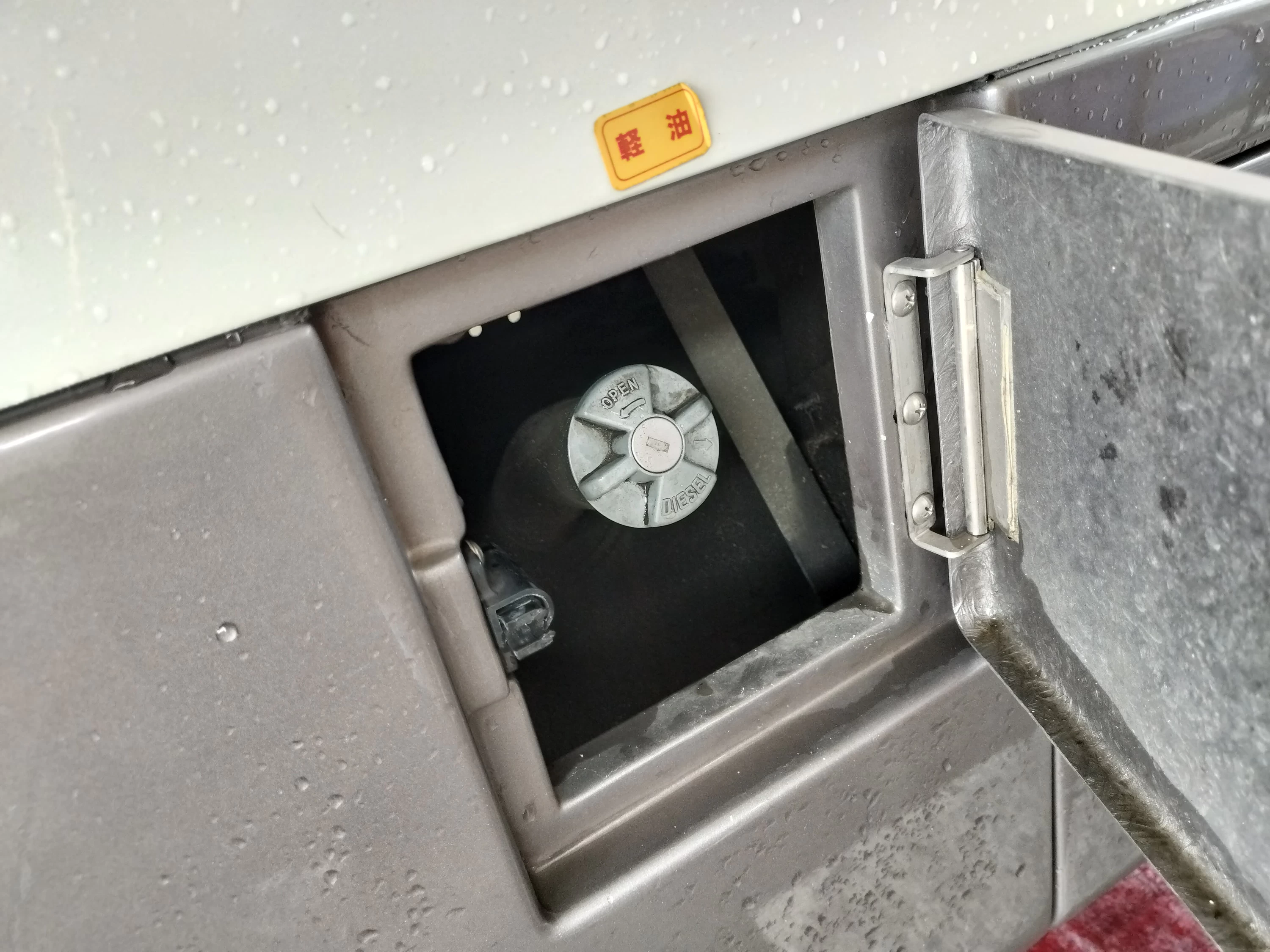
Fuel filler port
As shown in the photo, it opens differently from the usual type: you insert the key into the center and turn it. Even after the explanation, I still hesitated for a moment the first time I refueled.
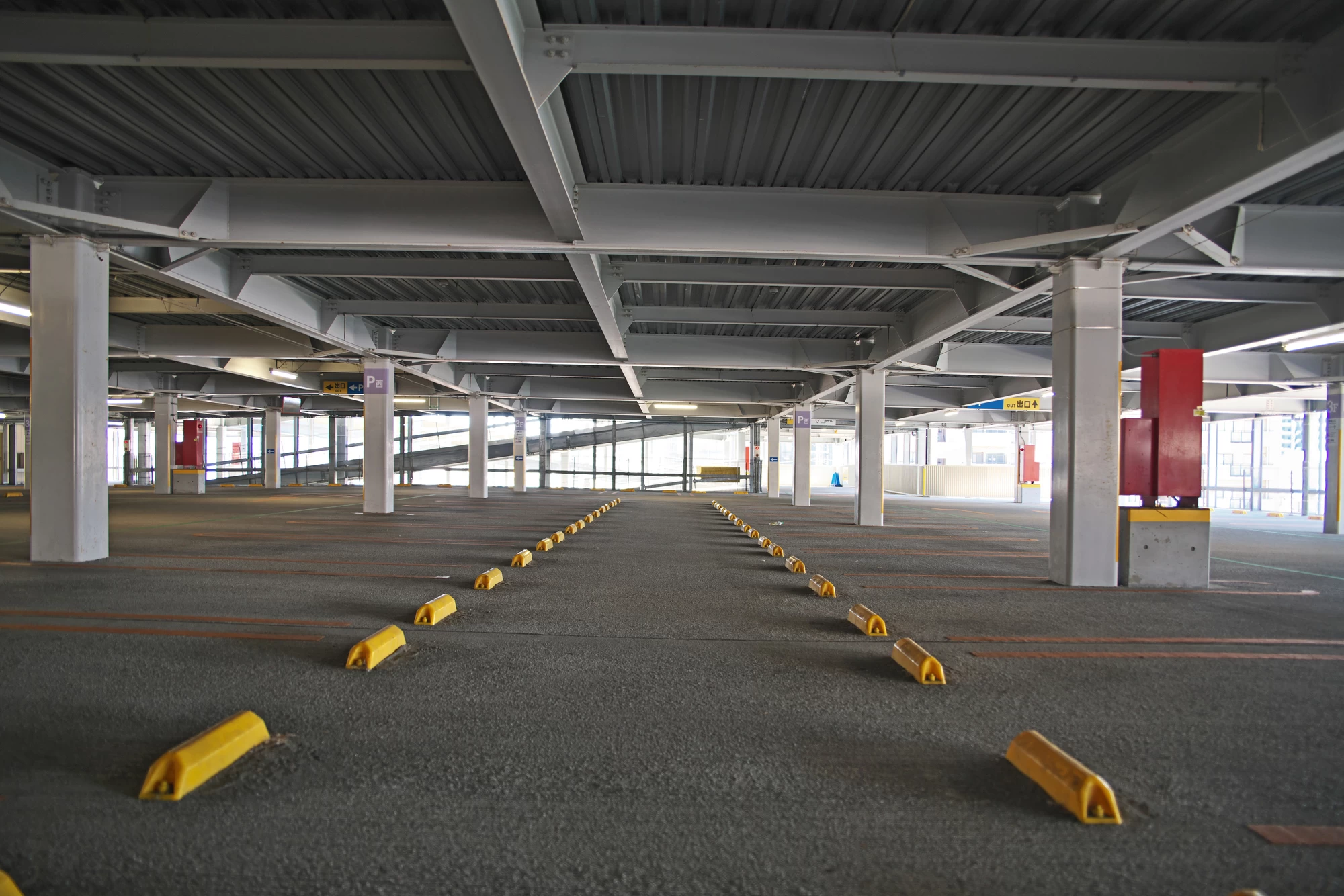
It's tricky to park in multi-story parking garages
Multi-story parking garages are generally not an option. Because the campervan is nearly 3 meters high, I had to pay closer attention than usual to height clearance and backing up. Parking options were also more limited than I expected, so leaving extra time in the schedule helped.
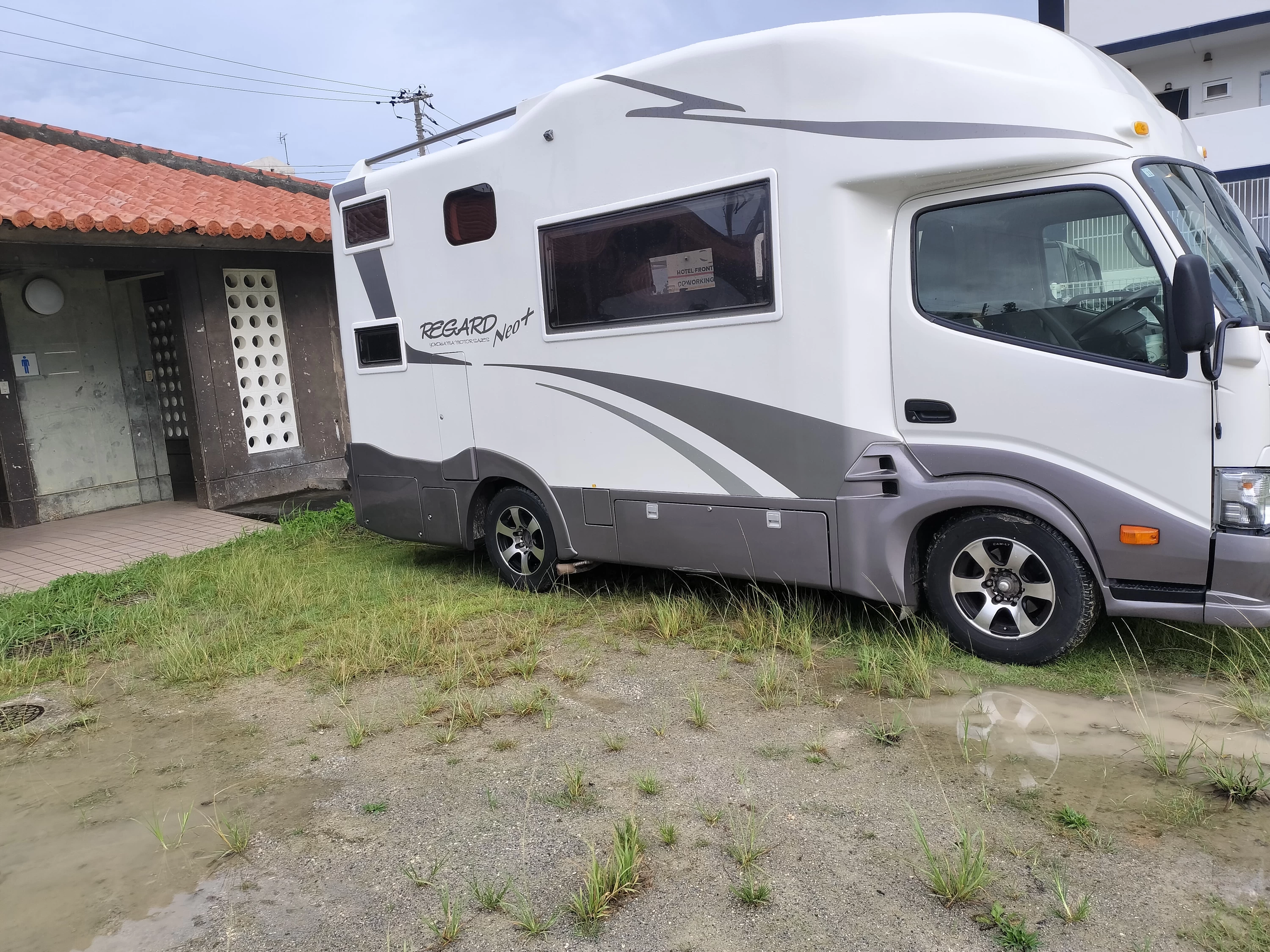
The rear section extends a long way behind the back wheels, which makes it easier to scrape the underside on slopes or uneven ground.
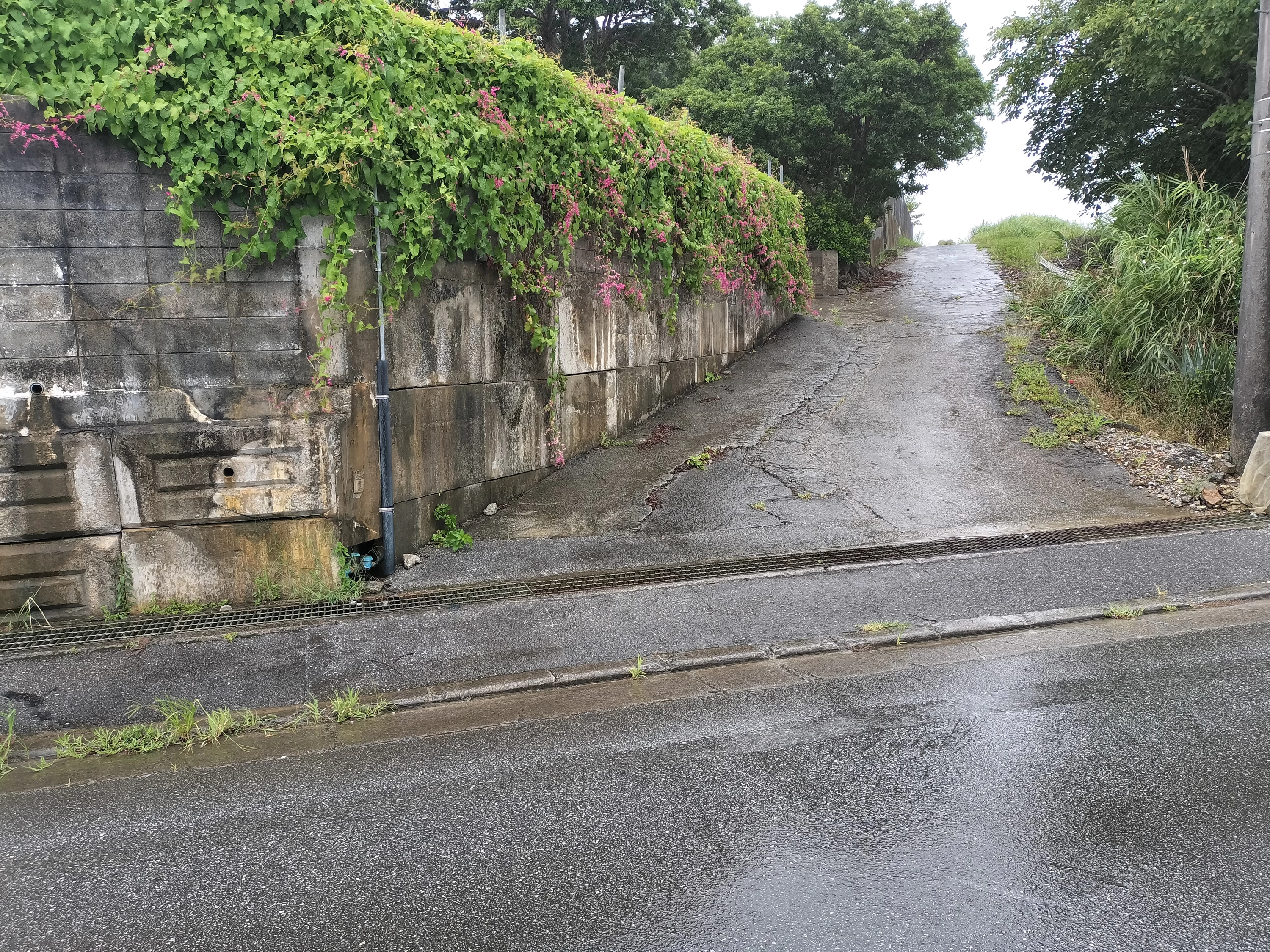
In Okinawa, some side roads slope sharply as soon as you turn off the main road, so this was something I stayed aware of while driving.
Because campervans are taller vehicles, wind and road conditions can affect how they feel on the road. My trip happened to overlap with a period when typhoons can affect Okinawa, so this was something I noticed in real conditions. Strong winds do make a difference, so it is worth driving with extra care.
No. Both the TOYOTA Camroad REGARD Neo Plus and the Tentomushi can be driven with a standard Japanese driver’s license.
You may see posts online showing overnight car stays at Michi-no-Eki roadside stations, but these facilities are meant for short breaks, local information, and shopping rather than overnight stays. For the night, it is better to use a campground or RV park.
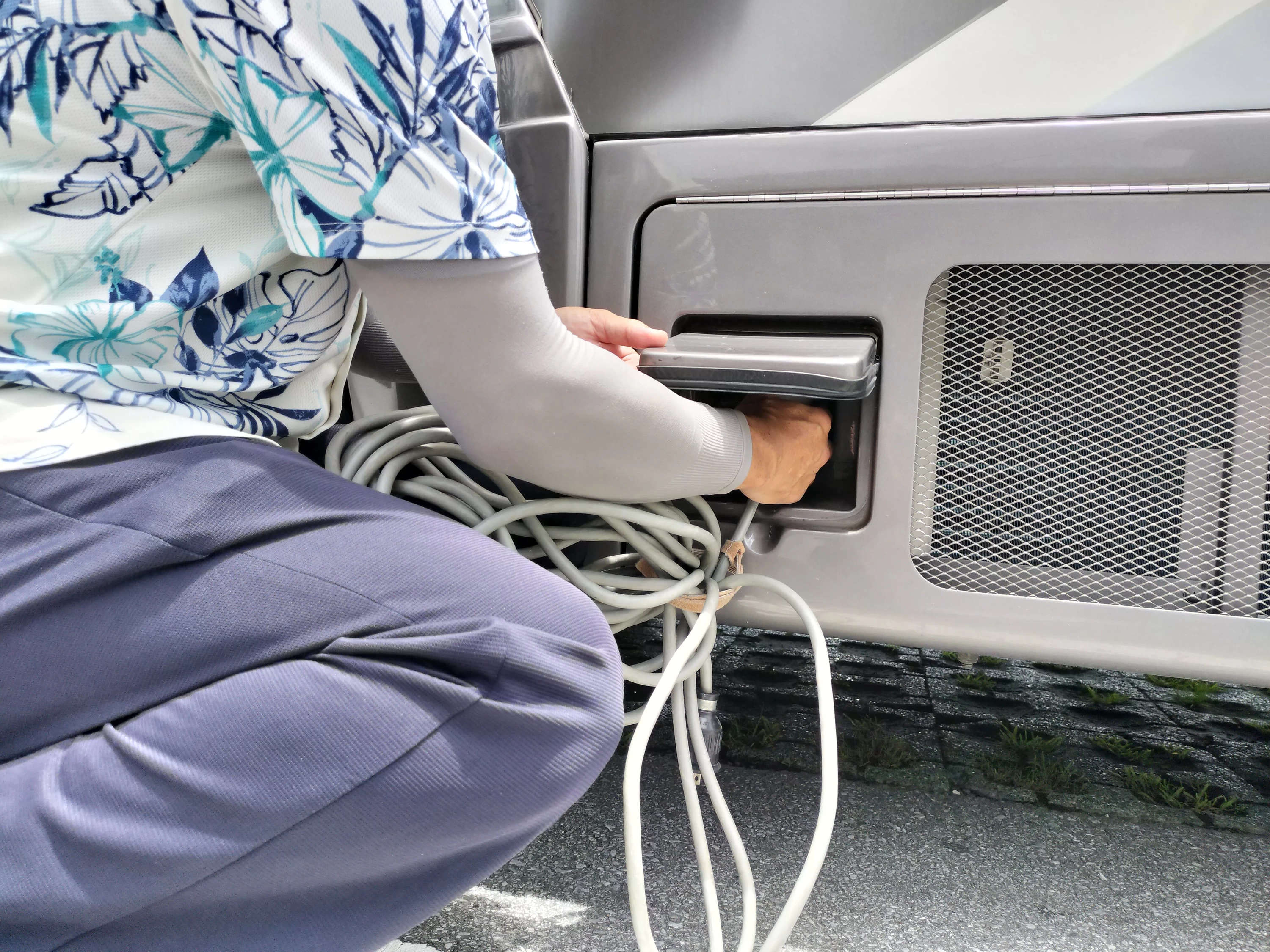
At campgrounds with powered sites, the campervan can be connected directly to an external power source, allowing the onboard electrical system to run more reliably and making overnight use more comfortable.
Weekdays
First 24 hours: ¥23,100 / Each additional day: ¥20,900 / Each additional hour: ¥2,310
Weekends and public holidays
First 24 hours: ¥28,600 / Each additional day: ¥26,400 / Each additional hour: ¥2,860
Rates vary depending on the season and rental length, so be sure to check the official website for the latest details.
Traveling by campervan makes it possible to experience Okinawa at your own pace, with transportation and overnight stays combined in one setup. That freedom to move without being tied to hotel schedules or fixed stops was what stood out to me most on this trip. After trying it for myself, I could easily see the appeal.
Tsukishiro Kotsu


Was it helpful? Please try using it when traveling or going out.
Article planning/supervision:旅色編集部 fukai
writer:fukai
Updated every Monday: Total number of views for 30 days

Coin lockers at Disneyland! Also what to do when you don't have a place or space to leave your belongings!
2024/11/25


Summary of Luggage Lockers (Coin Lockers) at Yokohama Station! Where Can You Find Free or Affordable Options?
2025/01/31


12 Must-Visit Okinawa Souvenir Shops for Awamori, Perfume, and Ryukyu Glass
2026/05/04


Top 10 Souvenirs to Buy at Shin-Yokohama Station — Best Spots for Cute Treats
2026/05/05

Exploring Okinawa by Campervan: A First-Timer’s Guide
2026/05/15
Tsukishiro Kotsu
Car: 23-minute drive from Naha Airport / Bus: 4-minute walk from Insatsu Danchi-mae Bus Stop (Okinawa Bus)