


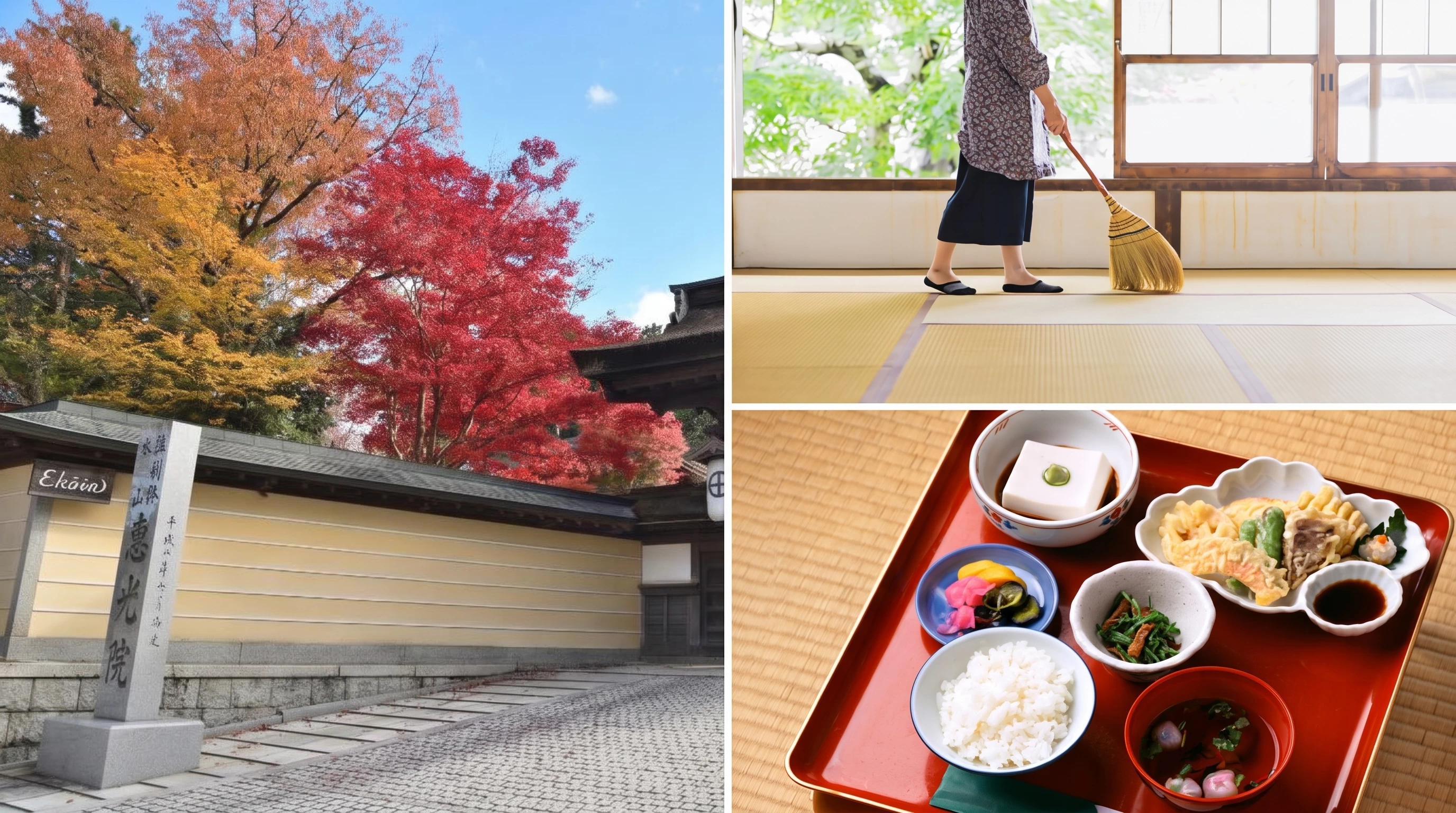
Update date:2026/11/09
4 Best Temple Stays in Koyasan, Wakayama
Koyasan, part of a UNESCO World Heritage Site, offers a unique way to experience Japanese Buddhist culture through temple stays known as shukubo. Guests can enjoy Buddhist vegetarian cuisine called shojin ryori and take part in morning Buddhist services. This guide introduces four recommended temple stays in Koyasan, along with what to expect, rates, hot spring facilities, and room information.
Table of Contents of This Article
- What Is a Shukubo?
- How Shukubo Differ from Hotels and Ryokan
- What to Expect from a Shukubo Stay
- Buddhist Practices Available at Shukubo
- How to Choose a Temple Stay
- Things to Know Before Staying at a Shukubo
- Jimyo-in
- Eko-in
- Ichijoin
- Kongosanmai-in
- Experience a Temple Stay in Koyasan
Open Table of Contents ▼
What Is a Shukubo?
*Image
From Religious Lodging to a Stay for Pilgrims
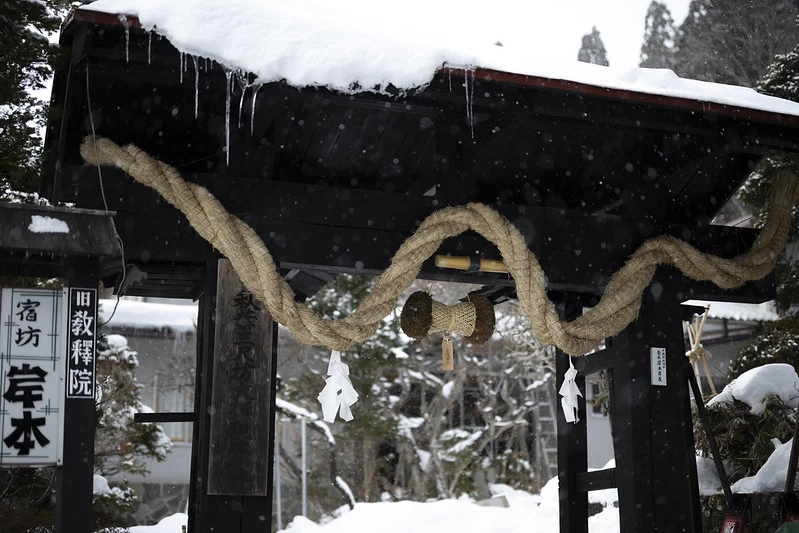
Shukubo are traditional lodgings at Buddhist temples and Shinto shrines. Originally used by traveling monks and other religious visitors, they gradually began welcoming pilgrims and travelers seeking a place to stay near sacred sites. Today, many shukubo are open to general travelers, offering a unique opportunity to stay in a spiritual setting and experience Japanese religious culture.
*Image
How Shukubo Differ from Hotels and Ryokan
*Image
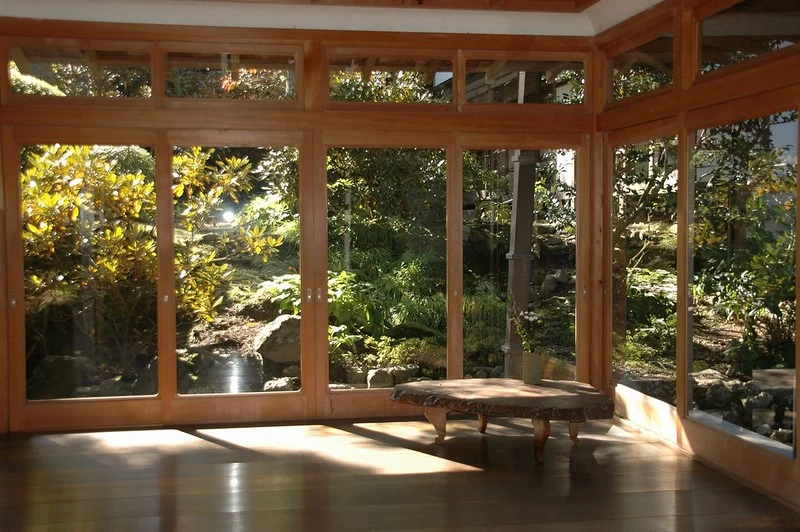
Unlike a typical hotel or ryokan, a shukubo offers a chance to experience religious traditions firsthand. Depending on the temple or shrine, guests may take part in morning prayers, meditation, or other religious practices. These experiences offer a unique opportunity to slow down and discover a quieter, more spiritual side of Japan.
What to Expect from a Shukubo Stay
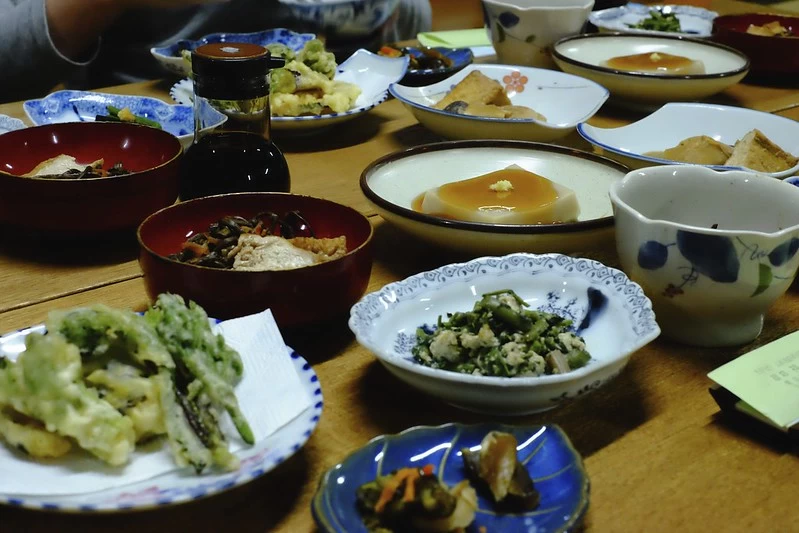
Experience Shojin Ryori, Traditional Buddhist Vegetarian Cuisine
Shojin ryori is traditional Buddhist vegetarian cuisine prepared without meat or fish. Far from being a simple meal, it uses vegetables and other plant-based ingredients in creative ways to bring out a variety of flavors, textures, and colors. At Koyasan’s temple lodgings, each kitchen offers its own take on this centuries-old culinary tradition, making the beautifully presented meals a memorable part of the shukubo experience.
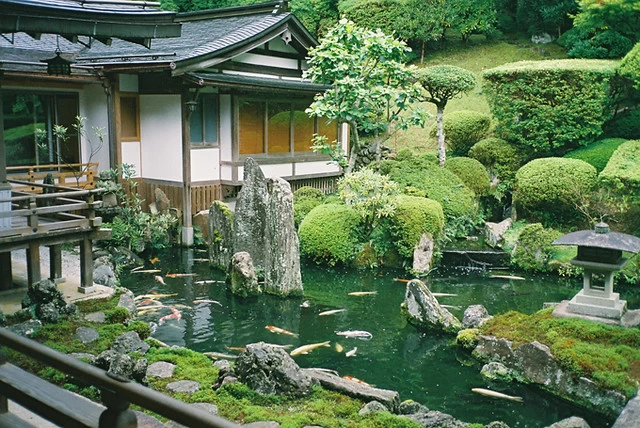
Experience Shingon Buddhist Practices
Founded in 816 by the Buddhist monk Kukai (Kobo Daishi), Koyasan is a sacred center of Shingon Buddhism. Parts of Koyasan are included in the UNESCO World Heritage Site “Sacred Sites and Pilgrimage Routes in the Kii Mountain Range.” Today, Buddhist practices remain part of daily life here. Staying at a shukubo offers a rare opportunity to join morning Buddhist services and, depending on the temple, experience other Buddhist practices firsthand.
*Image
Buddhist Practices Available at Shukubo
*image
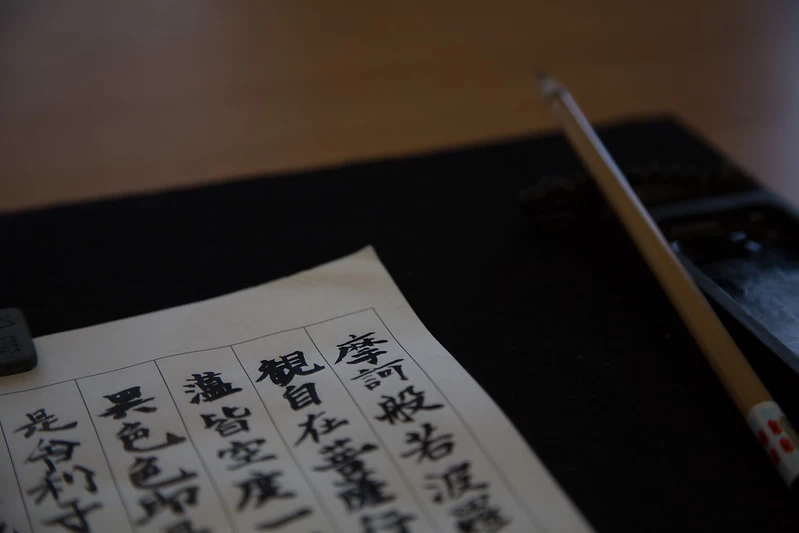
Sutra Copying
Buddhist practices available to guests vary by temple, so check in advance what is offered. One common experience is sutra copying, or shakyo. Participants carefully copy the Heart Sutra, one character at a time. The slow, focused process can become a meditative experience, offering a quiet moment of reflection during a temple stay.
*Image
Morning Buddhist Service
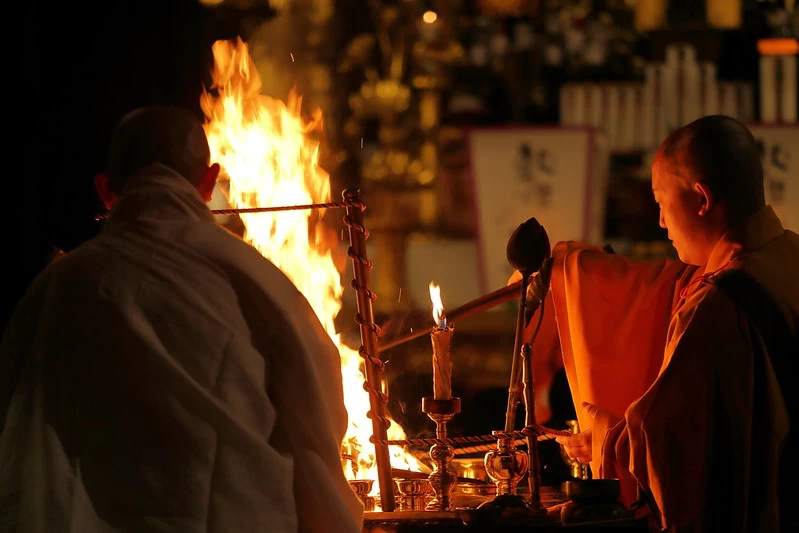
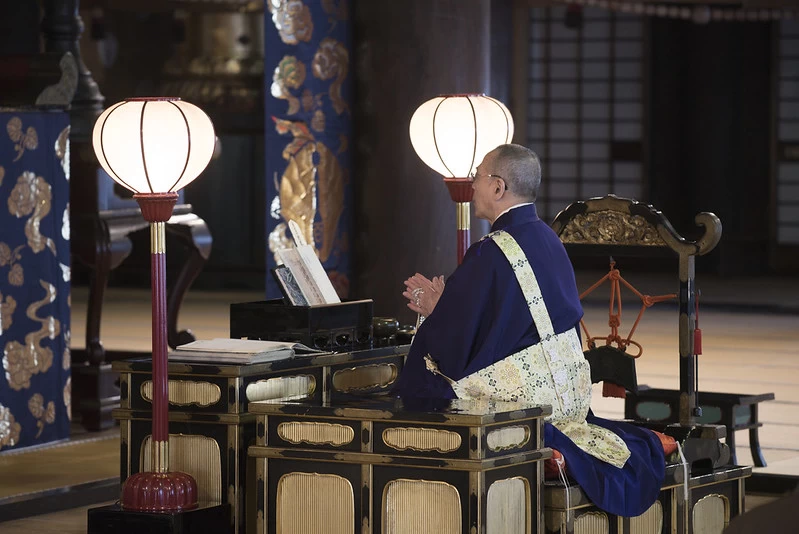
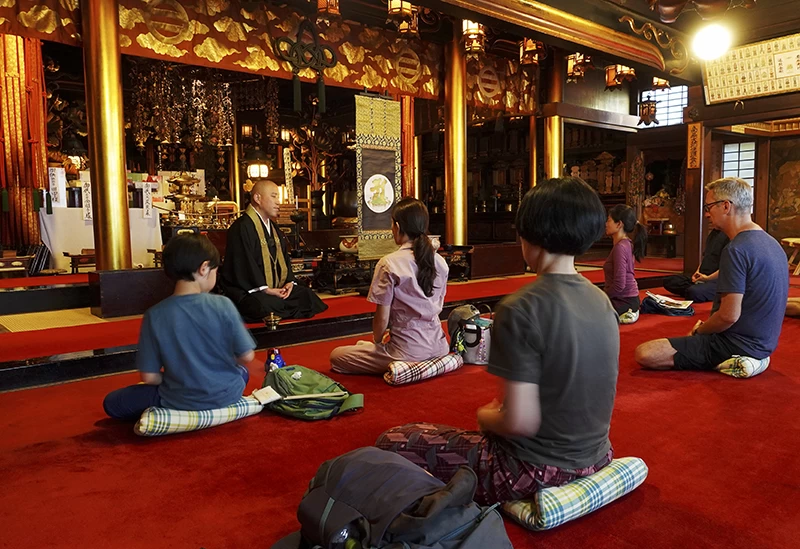
At many temple lodgings, guests can choose to join an early morning Buddhist service, one of the most memorable parts of a shukubo stay. Services may include sutra chanting and shomyo, a melodic style of Buddhist chanting used in Shingon rituals. At some temples, guests may also witness a goma fire ritual, in which prayers are offered through a sacred fire. The sound of monks chanting in the quiet morning offers a peaceful glimpse into the spiritual traditions of Koyasan.
How to Choose a Temple Stay

*Image
Check the Rooms and Facilities
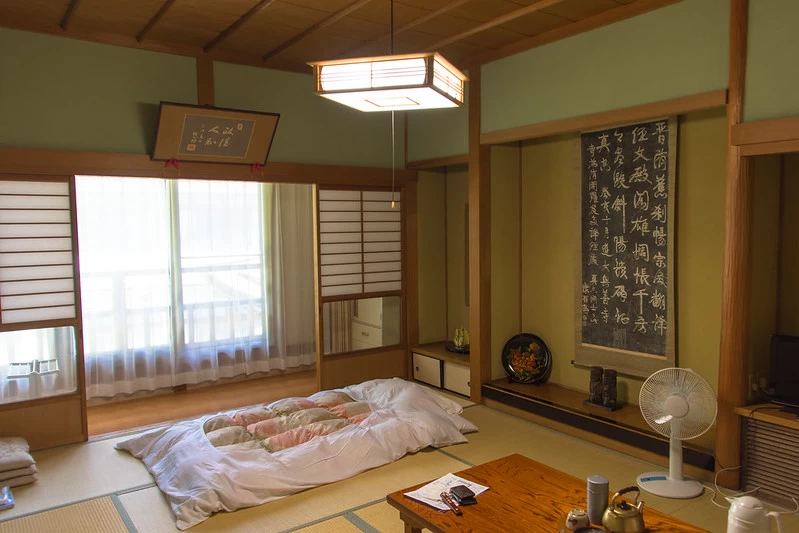
Facilities vary widely between temple lodgings, so check the official website for room types, amenities, and rates before booking. In particular, some shukubo do not have private toilets or bathrooms in every guest room. Check whether the room has a private toilet and, if facilities are shared, how many toilet stalls are available.
*Image
Consider Access to the Places You Want to Visit
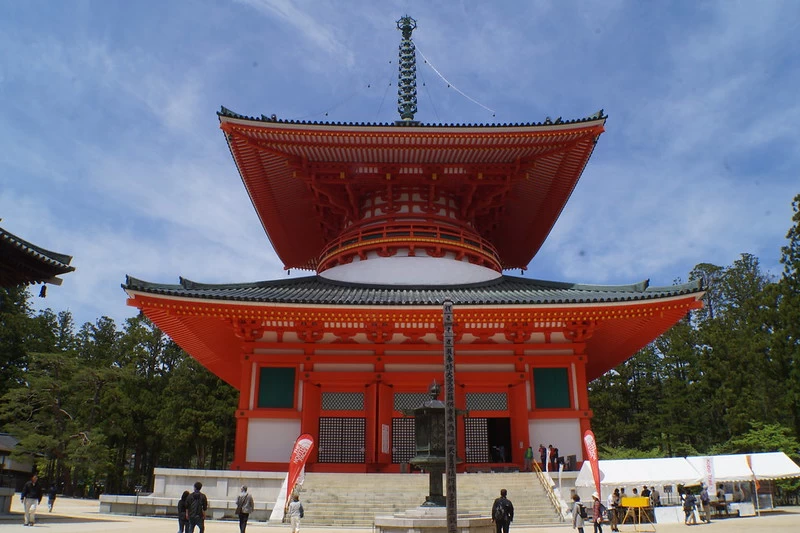
Koyasan’s major sacred sites are spread across a large mountain area, so location is an important factor when choosing a temple stay. Okunoin, one of Koyasan’s most important sacred sites, is a must-see for many visitors. If it is on the itinerary, consider a shukubo with convenient access to the area. Check the location of the places you want to visit and how to reach them before booking, especially since some temple lodgings have curfews.
Book Through the Koyasan Shukubo Association
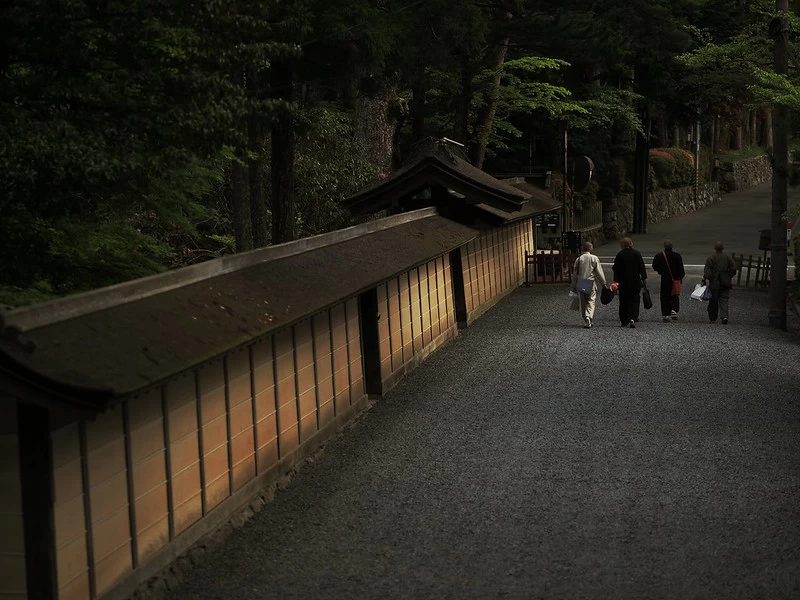
Many temple lodgings can now be booked through their official websites or online booking platforms. For Koyasan, reservations can also be made through the Koyasan Shukubo Association. This can be a useful option for first-time visitors who are unsure which temple stay to choose or where to stay.
Things to Know Before Staying at a Shukubo
*Image
Some Buddhist Experiences May Cost Extra
Morning Buddhist services are often included in the stay, but other experiences, such as sutra copying or Zen meditation, may require an additional fee. Check the temple’s offerings and fees in advance if there is a particular Buddhist practice you would like to experience.
*Image
Check Curfews and Bathing Hours
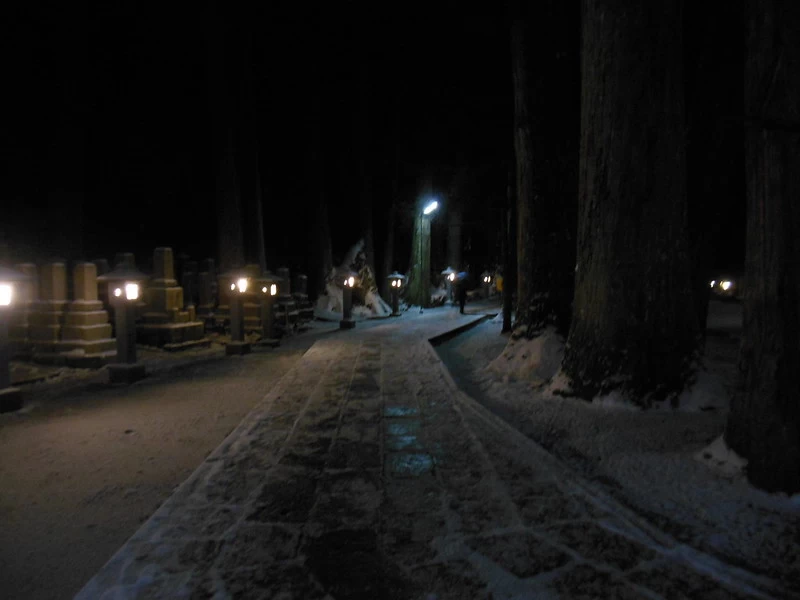
Temple lodgings often have set curfews and bathing hours, so check these times before planning the evening. This is especially important when joining an evening activity such as an Okunoin night tour. Make sure the tour schedule allows enough time to return to the shukubo before curfew, and consider its location when choosing where to stay.
Jimyo-in
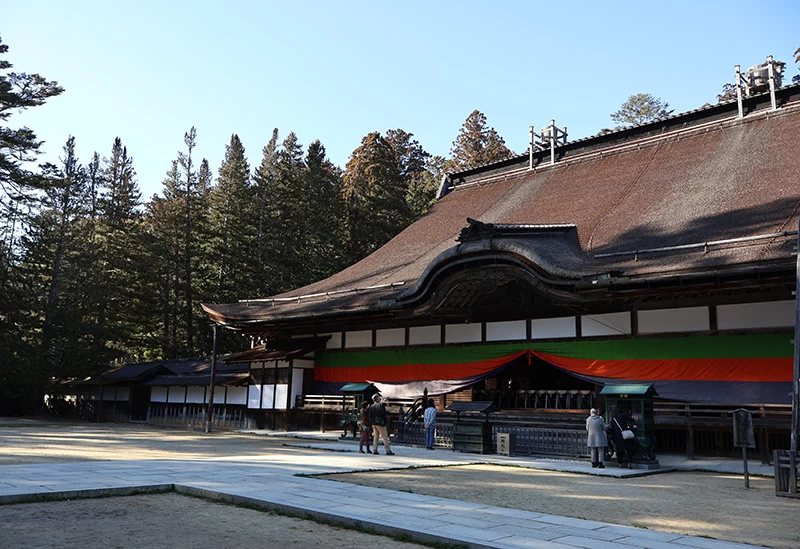
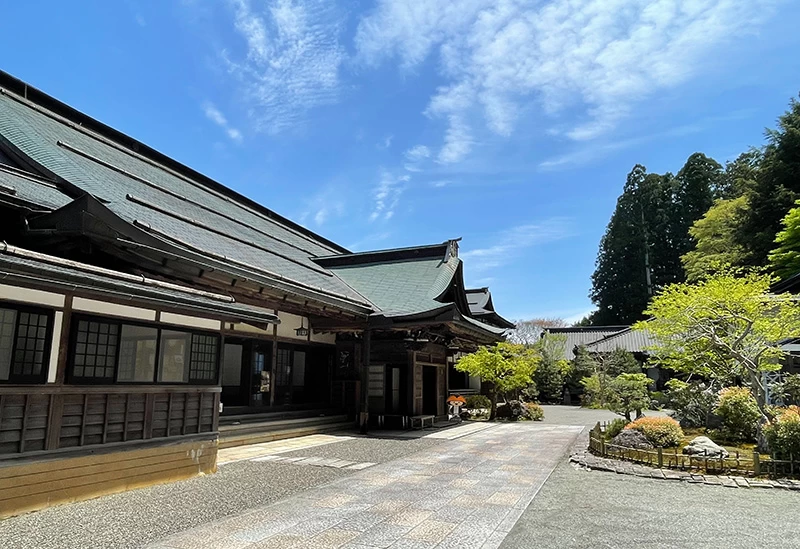
Jimyo-in is a historic temple lodging in Koyasan, founded around 1122. Its long history is reflected in a collection of documents and portraits connected to prominent samurai families. The spacious temple grounds feature four gardens, with weeping cherry blossoms and rhododendrons adding seasonal beauty.
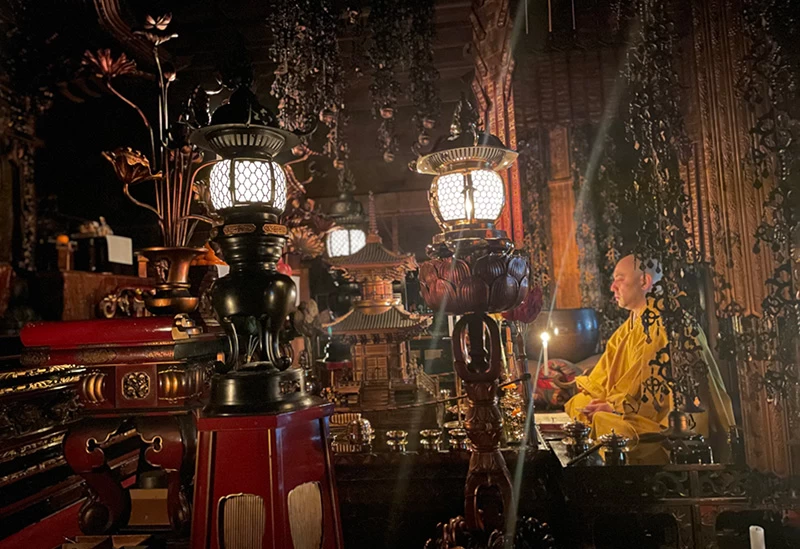
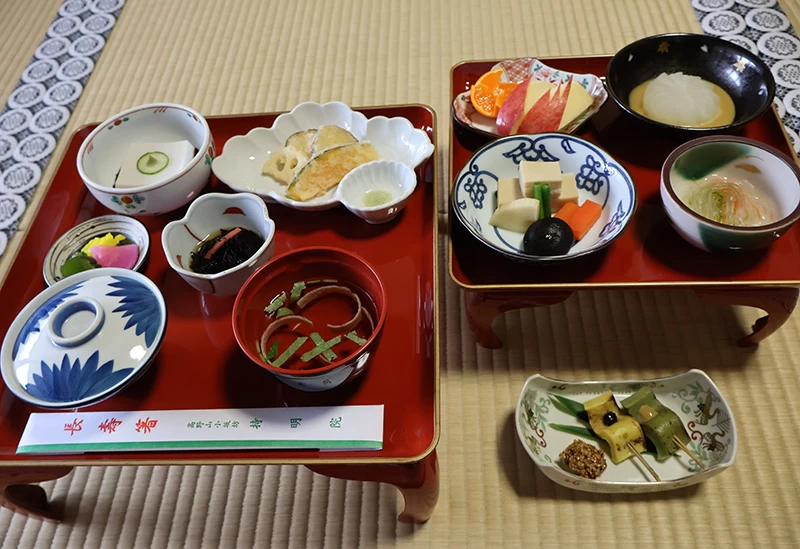
Guests can also enjoy beautifully presented shojin ryori, traditional Buddhist vegetarian cuisine. The morning Buddhist service includes sutra chanting and an incense offering, while sutra-copying materials are available for guests who would like to try shakyo in their rooms.
Jimyo-in
- Address
- 455 Koyasan, Koya Town, Ito District, Wakayama
- Access
- A short walk from Rengedani bus stop
50-minute drive from Katsuragi-nishi IC (Keinawa Expressway) - Official Website
- https://www.jimyoin-koyasan.com/

Eko-in
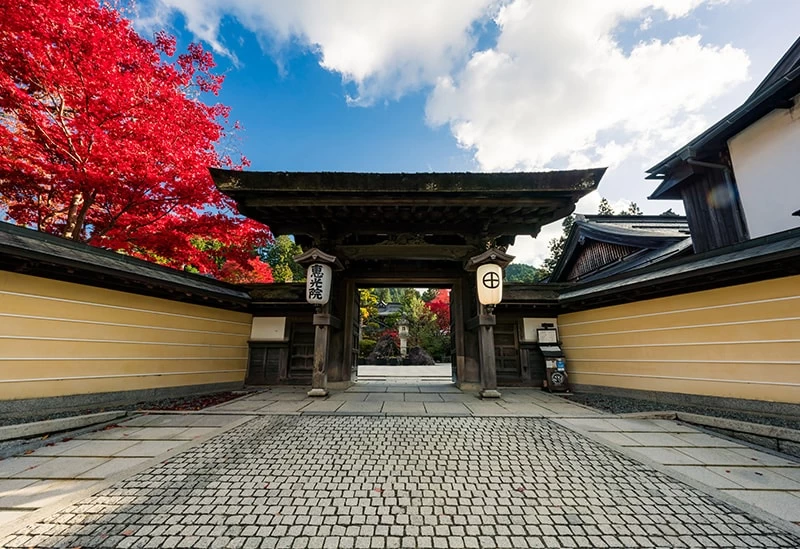
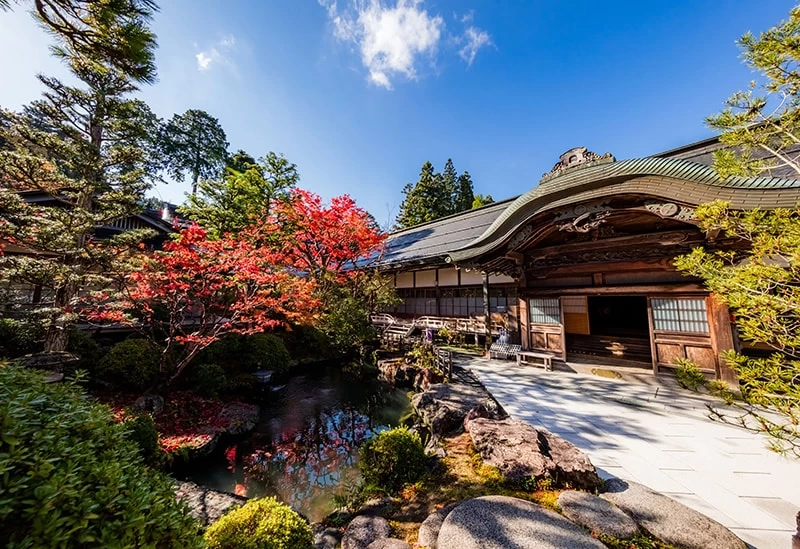
Eko-in traces its history back some 1,200 years to Kukai (Kobo Daishi), the founder of Shingon Buddhism in Japan. The temple also has historical ties to prominent samurai, including Akechi Mitsuhide. Located just a short walk from the Ichinohashi entrance to Okunoin, it is a convenient base for exploring Koyasan.
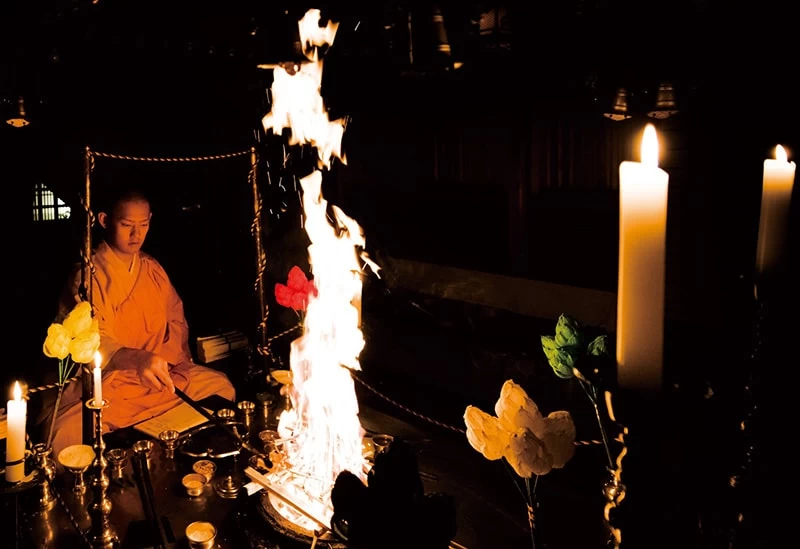
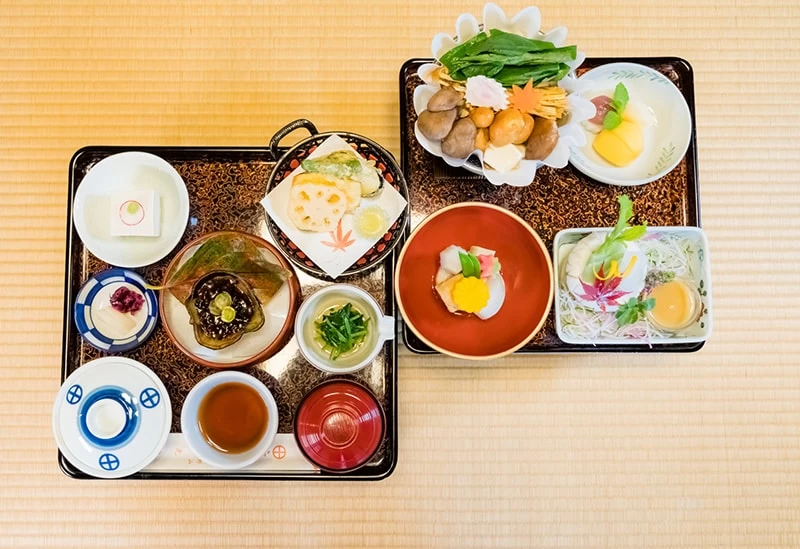
Eko-in combines a traditional temple stay with modern comforts, including free Wi-Fi in all guest rooms. Guests can experience morning Buddhist services, a goma fire ritual, sutra copying, and Ajikan, a form of Shingon Buddhist meditation. The temple is also the meeting point for the popular Okunoin Night Tour, making it especially convenient for travelers looking to experience Koyasan after dark.
Eko-in
- Address
- 497 Koyasan, Koya Town, Ito District, Wakayama
- Access
- 80-minute drive from Kishiwada-Izumi IC (Hanwa Expressway)
A short walk from Karukayado-mae bus stop - Official Website
- https://www.ekoin.jp/en/
Ichijoin
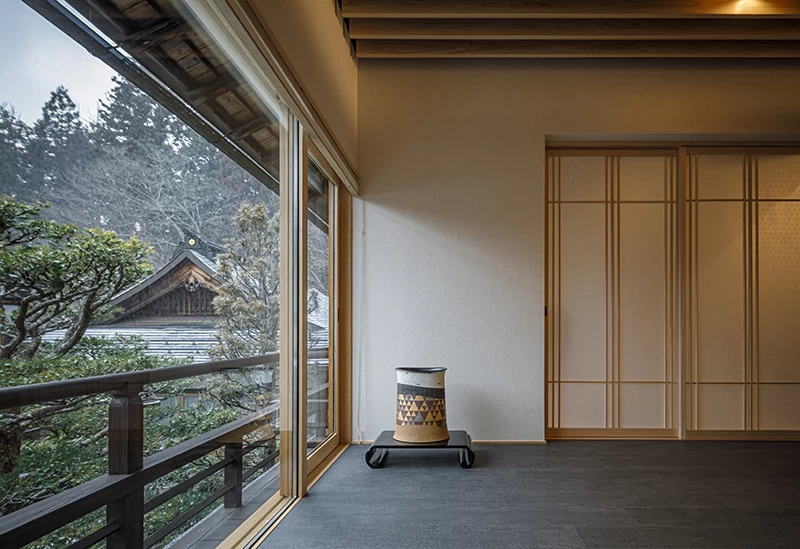
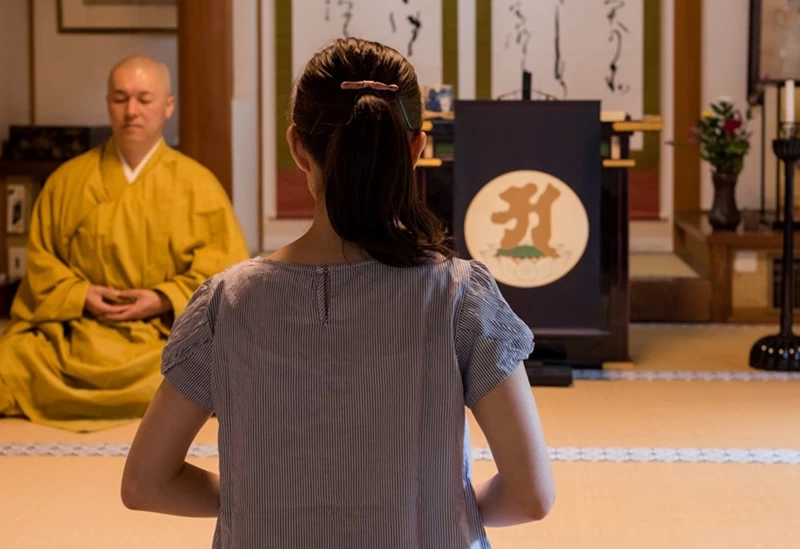
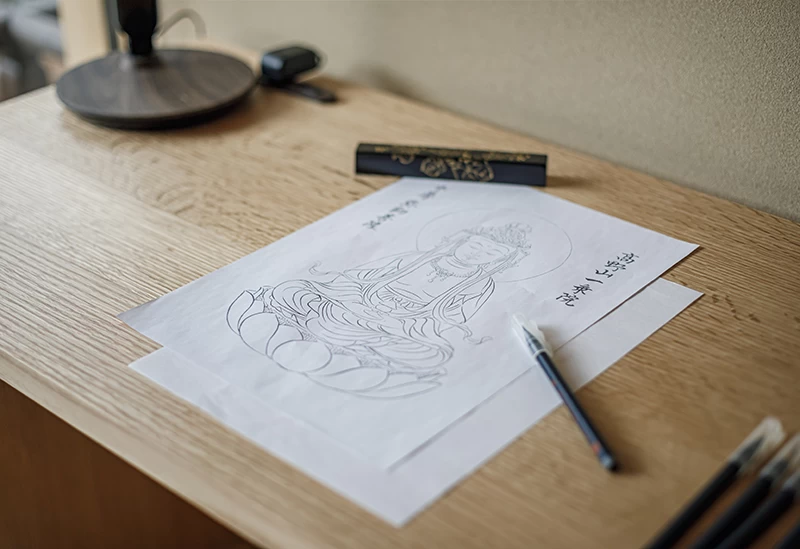
Ichijoin is a historic temple stay in the heart of Koyasan, surrounded by temples and sacred sites. Guests can experience sutra copying and Buddhist image tracing, offering a quiet way to engage with Buddhist traditions during their stay.
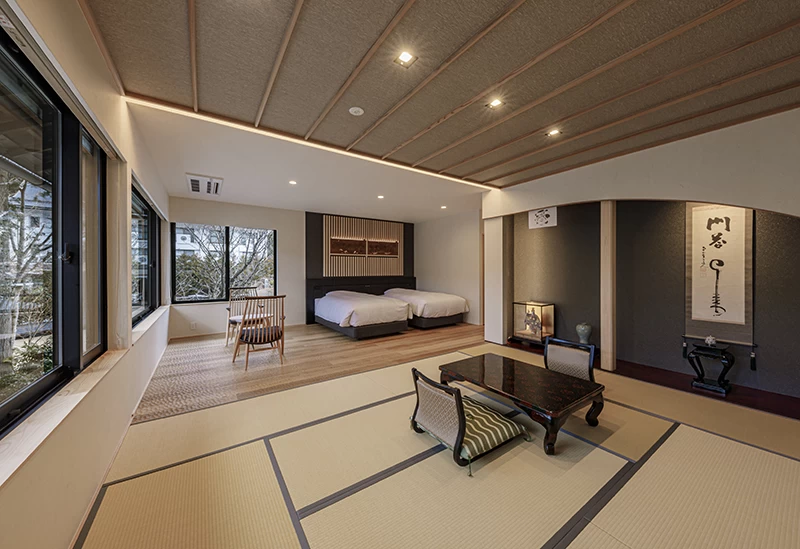
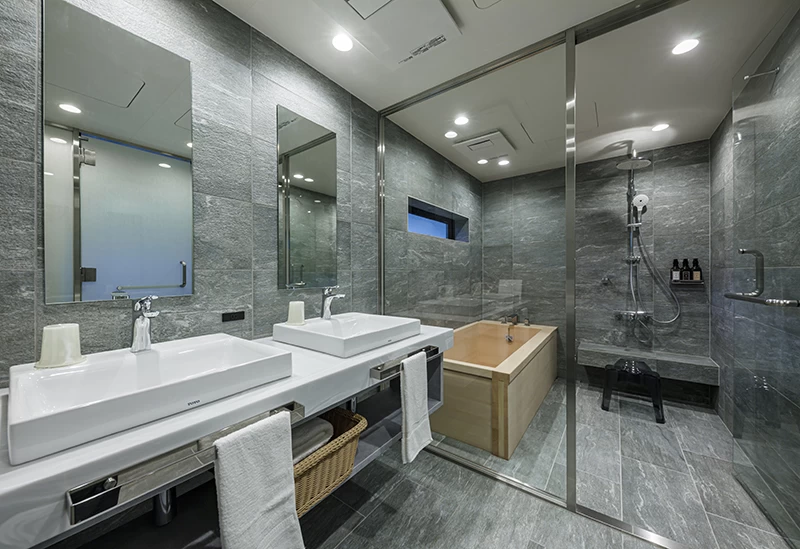
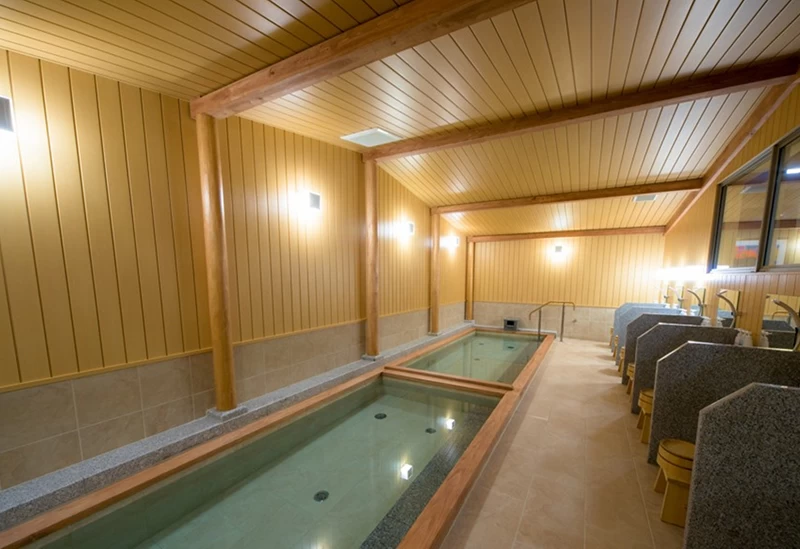
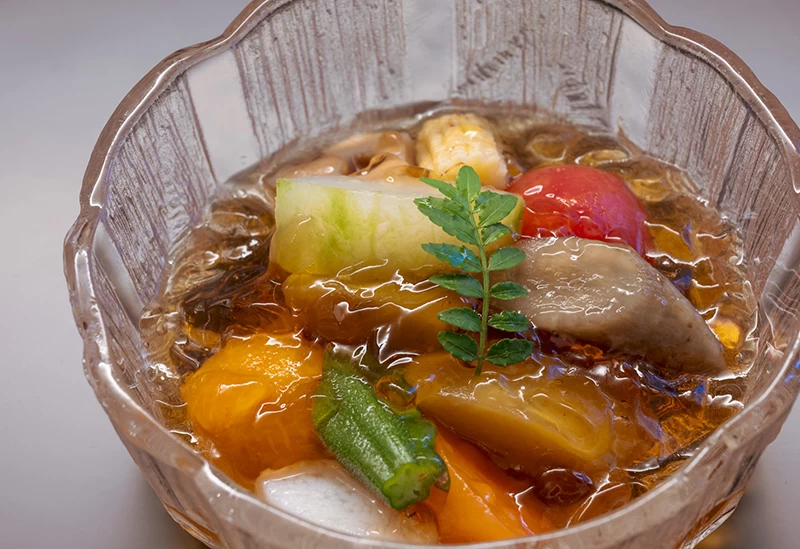
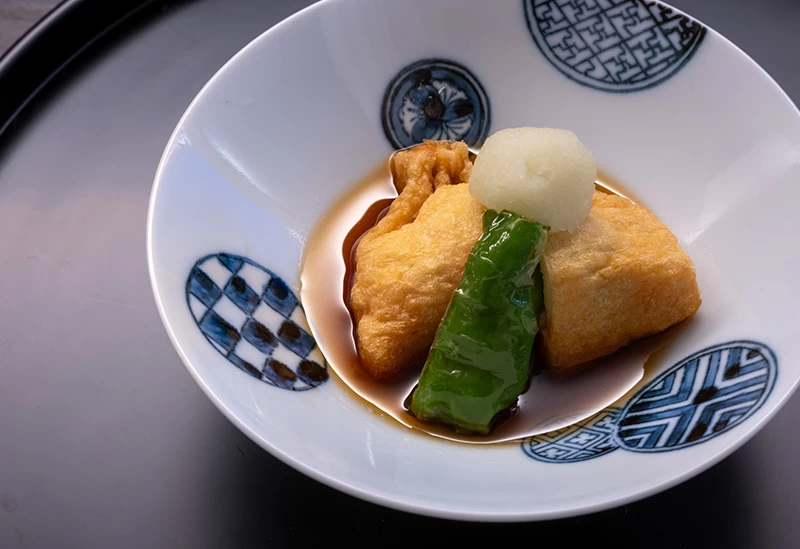
Accommodations range from traditional Japanese-style rooms to spacious suites that blend temple aesthetics with modern comforts. Another highlight is shojin ryori, traditional Buddhist vegetarian cuisine prepared with seasonal ingredients. Beautiful presentation, delicate flavors, and changing seasonal touches make the meals an essential part of the temple stay experience.
Ichijoin
- Address
- 606 Koyasan, Koya Town, Ito District, Wakayama
- Access
- 70-minute drive from Kishiwada-Izumi IC (Hanwa Expressway)
- Official Website
- https://www.itijyoin.or.jp/en/
Kongosanmai-in
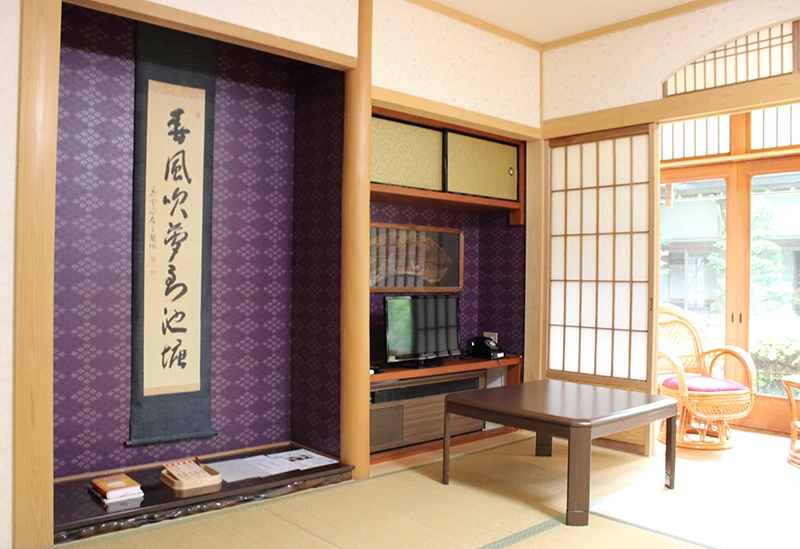
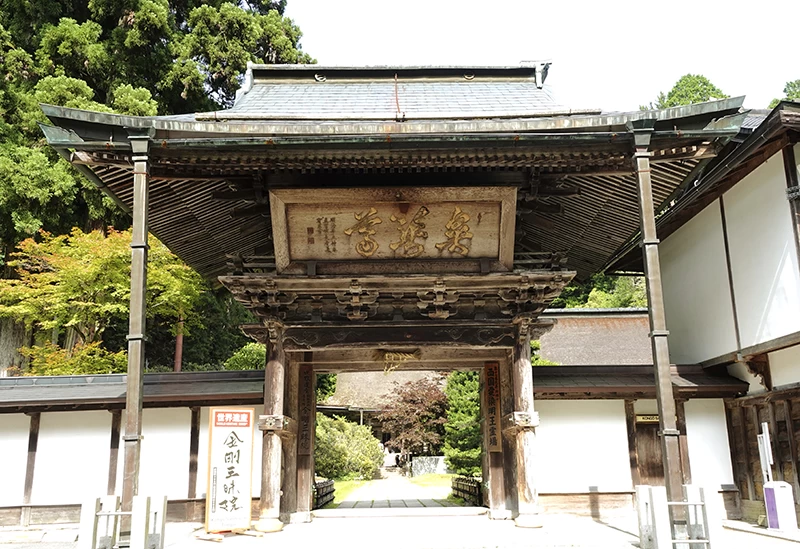
Kongo-sanmai-in is a historic temple stay in Koyasan, founded in 1211 by Hojo Masako in memory of her husband, Minamoto no Yoritomo, the first shogun of the Kamakura shogunate. The temple grounds are home to several important cultural properties, including a National Treasure tahoto pagoda.
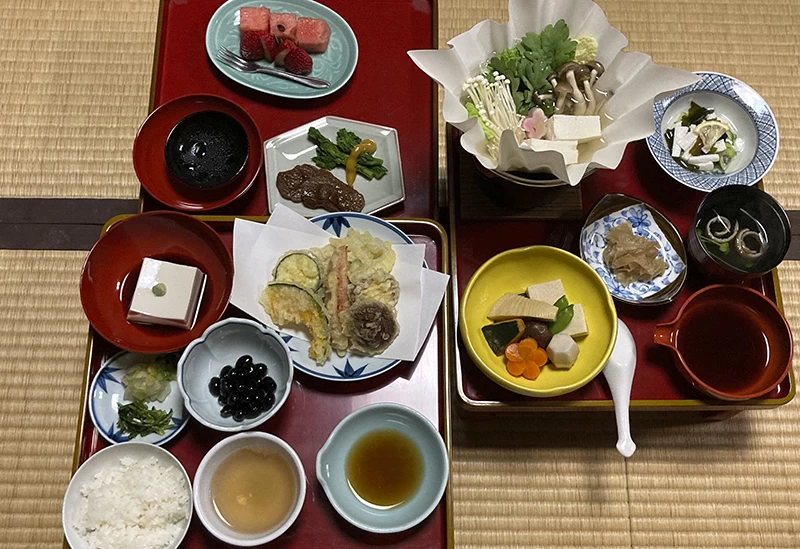
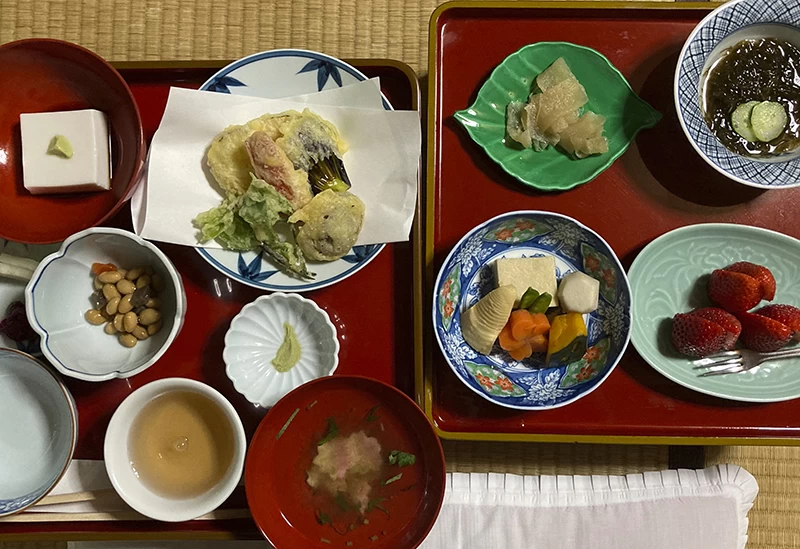
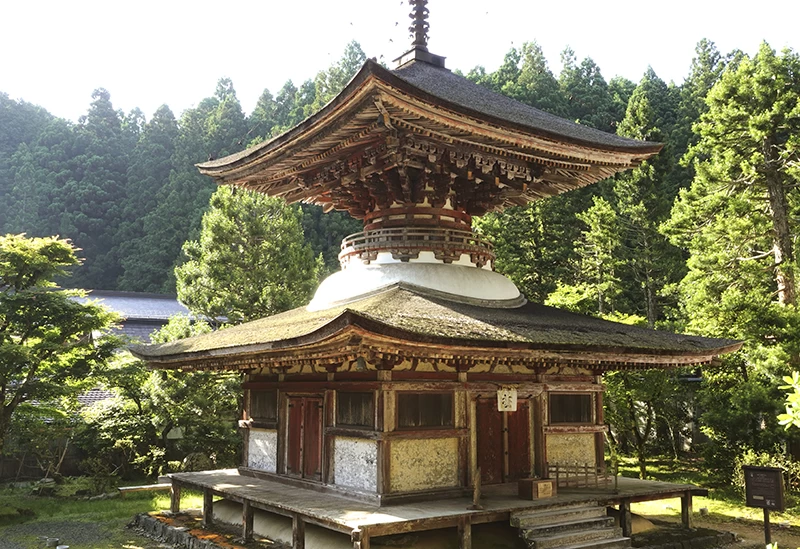
Guests stay in traditional Japanese-style rooms, with options ranging from rooms with shared bathrooms and toilets to rooms with private toilets and washbasins. Meals feature shojin ryori, traditional Buddhist vegetarian cuisine, with dishes such as Koyasan’s signature koya-dofu freeze-dried tofu and creamy sesame tofu, along with seasonal vegetables, tempura, soups, and fruit. Staying here offers a chance to experience both the history and Buddhist traditions of Koyasan in the peaceful setting of an active temple.
Kongosanmai-in
- Address
- 425 Koyasan, Koya Town, Ito District, Wakayama
- Access
- 12-minute drive from Koyasan Station (Nankai Koyasan Cable Line)
8-minute walk from Senjuinbashi bus stop
40-minute drive from Kihoku-Katsuragi IC (Keinawa Expressway) - Official Website
- https://www.kongosanmaiin.or.jp/en/home
Experience a Temple Stay in Koyasan
*Image
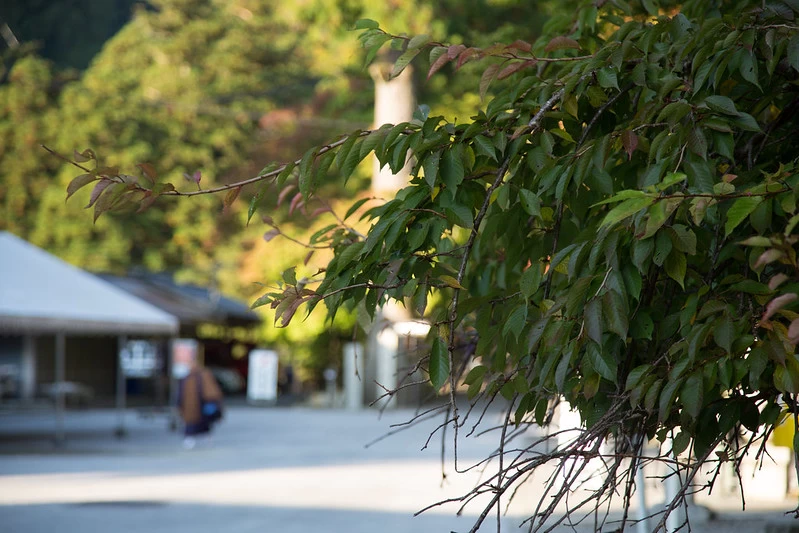
More than simply a place to stay, a shukubo offers a chance to experience Koyasan’s Buddhist traditions firsthand. From joining morning services to enjoying shojin ryori, a temple stay can become a memorable part of a visit to this sacred mountain. Consider adding one to your Koyasan itinerary for a deeper experience of its history, culture, and spiritual traditions.
Was it helpful? Please try using it when traveling or going out.
Article planning/supervision:Tabiiro Editorial Department Omori
writer:Omori