


蠶養國神社
 Aizuwakamatsu City, Fukushima
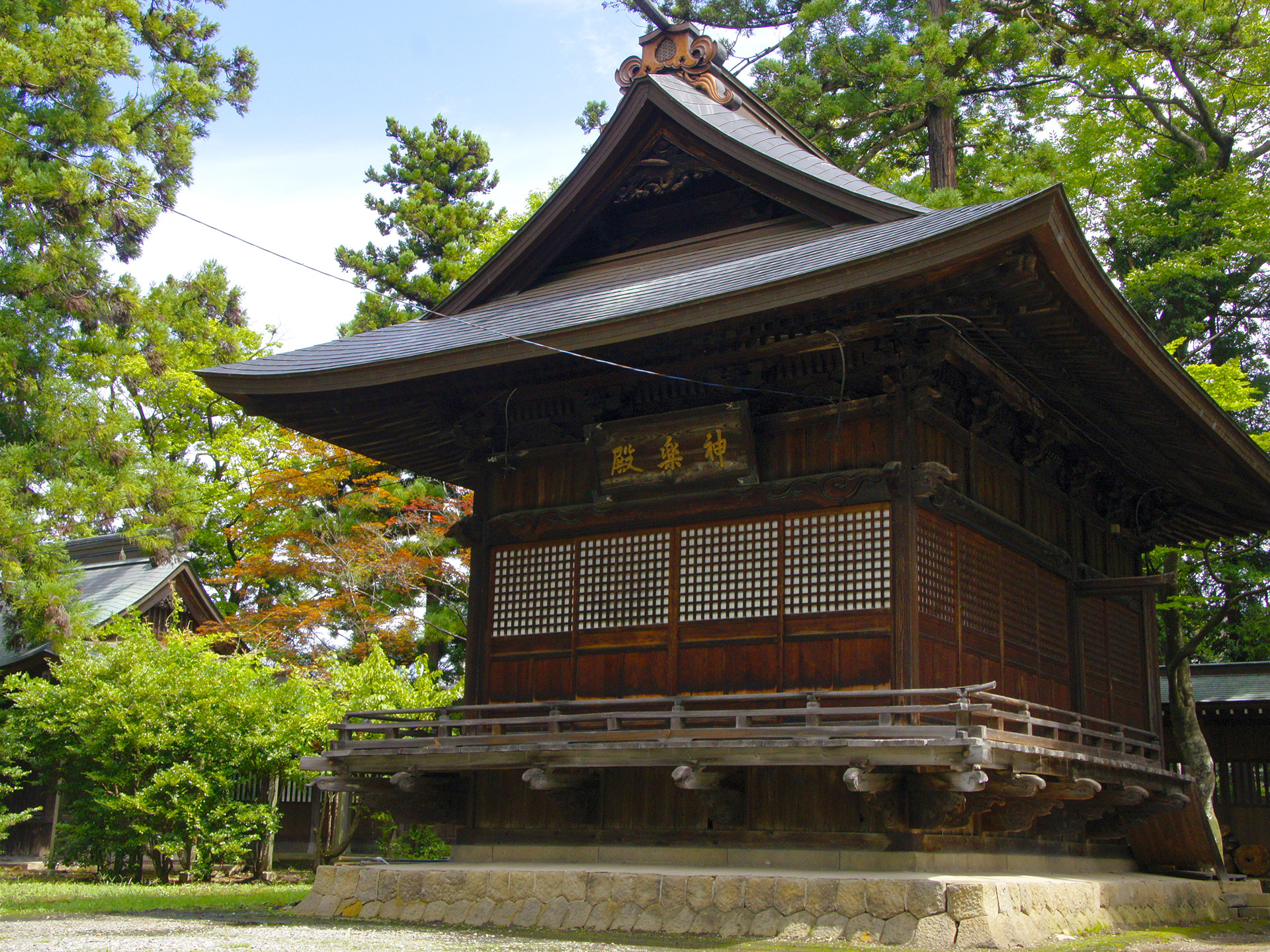
Kogaikuni Shrine
蠶養國神社
A Historic Shrine Preserving Local History and Sericulture Traditions
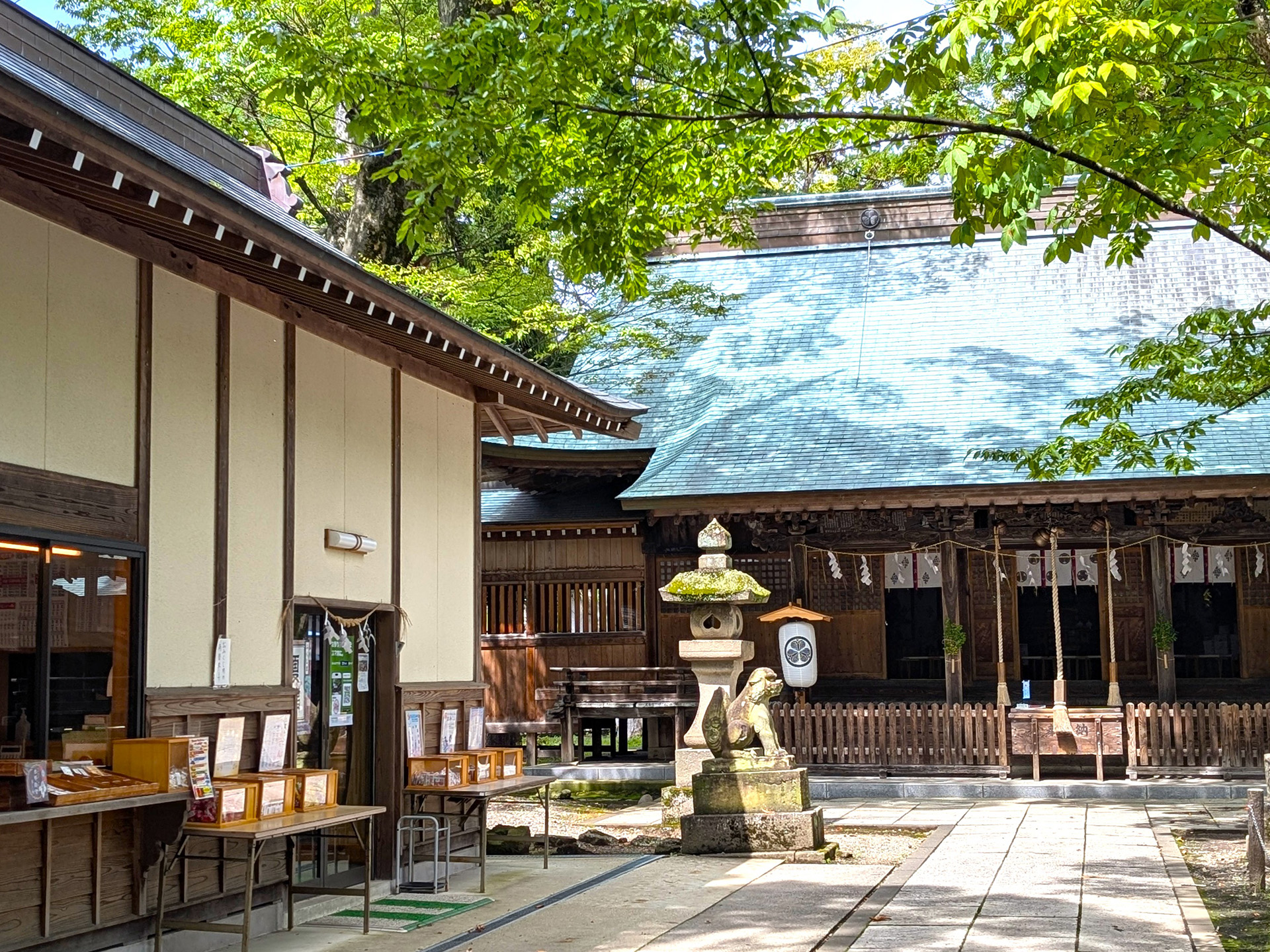
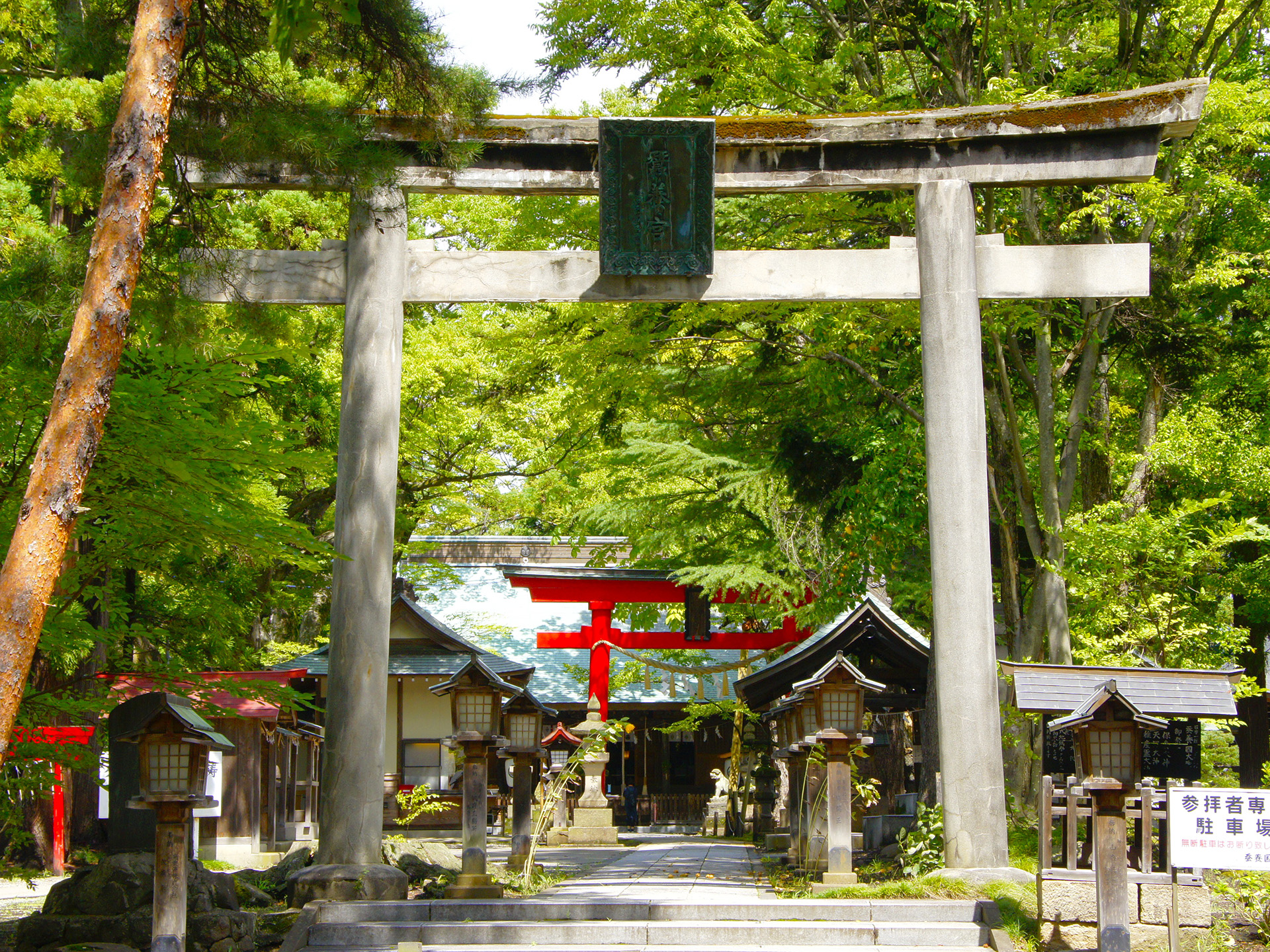
Located approximately a 15-minute walk from JR Aizuwakamatsu Station, "Kogaikuni Shrine" is one of the few shrines in Japan dedicated to deities associated with silkworm farming and industry, including Ukemochi-no-Okami and Wakumusubi-no-Okami. Traditionally believed to have been founded during the Heian period, the shrine has long watched over the region's silkworm farming industry and the lives of local residents. Several towering trees on the shrine grounds are said to be hundreds of years old. Walking along the approach, surrounded by changing seasonal colors, offers a tangible sense of the area's silk-farming heritage. The shrine is also easily accessible from major sightseeing attractions in Aizuwakamatsu, Fukushima Prefecture, making it a convenient stop while exploring the city.



- The shrine was established in 811 (Konin 2), during the reign of Emperor Saga. It gained official government recognition during the Jowa era (834–848) and was also listed in the "Engishiki Jinmyocho," a historical register of Shinto shrines.
- After falling into disrepair due to warfare during the medieval period, the shrine was restored by Hoshina Masayuki, the first lord of the Aizu Domain, and designated one of the "Six Shrines of Aizu."
- The shrine buildings were destroyed by fire in 1807 (Bunka 4) but were rebuilt by Matsudaira Katanobu in 1819 (Bunsei 2). Since then, the shrine has been revered for its protection of silkworm farming.

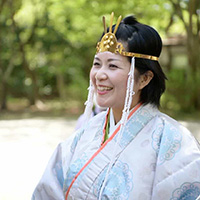
Chief priest
Oizumi Mizuho
After graduating from the Department of Shinto Studies at Kokugakuin University in 2001, she began serving at the shrine. She also holds qualifications in ikebana (Japanese flower arrangement) and floral design and enjoys photography.
-

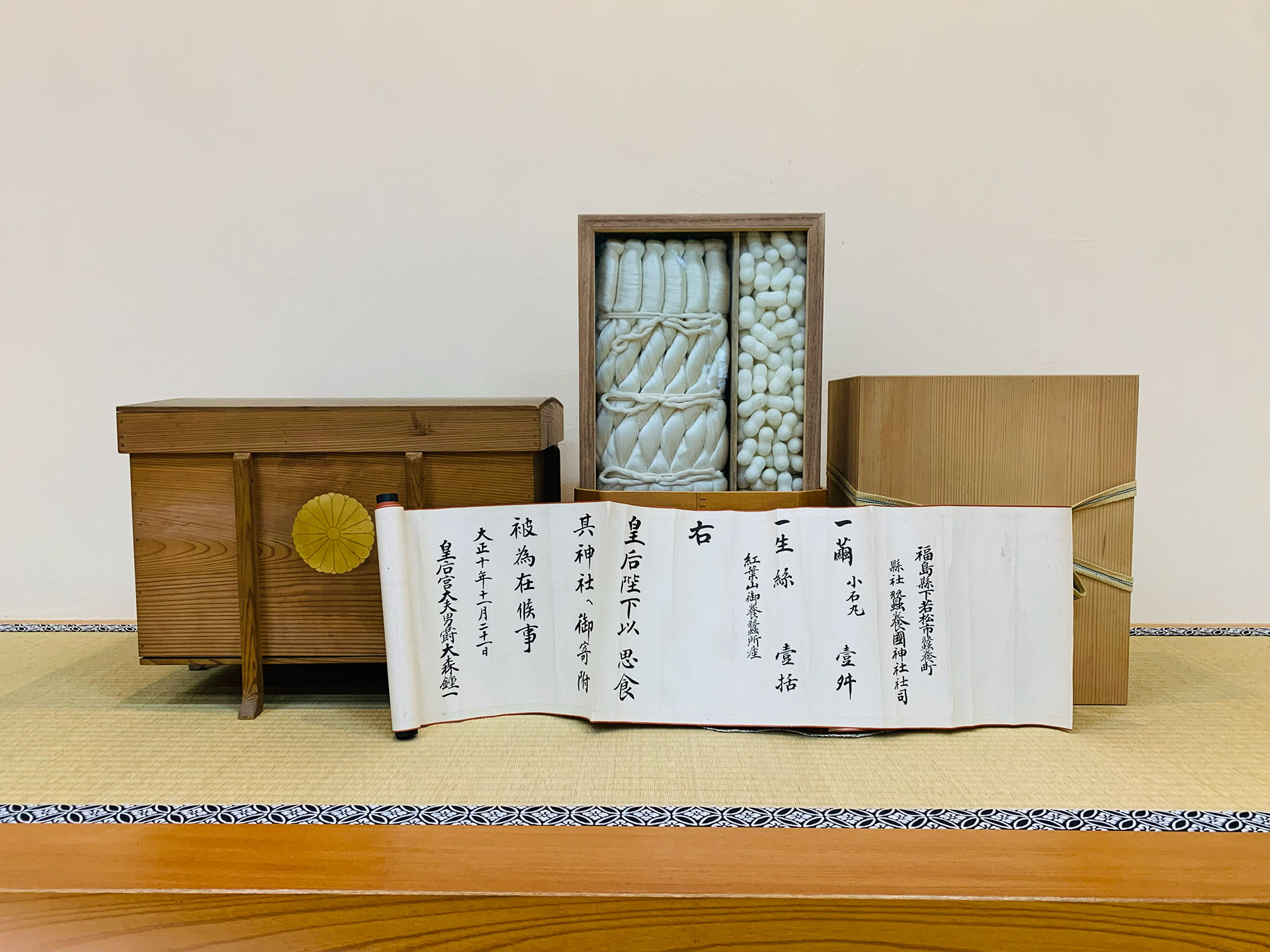
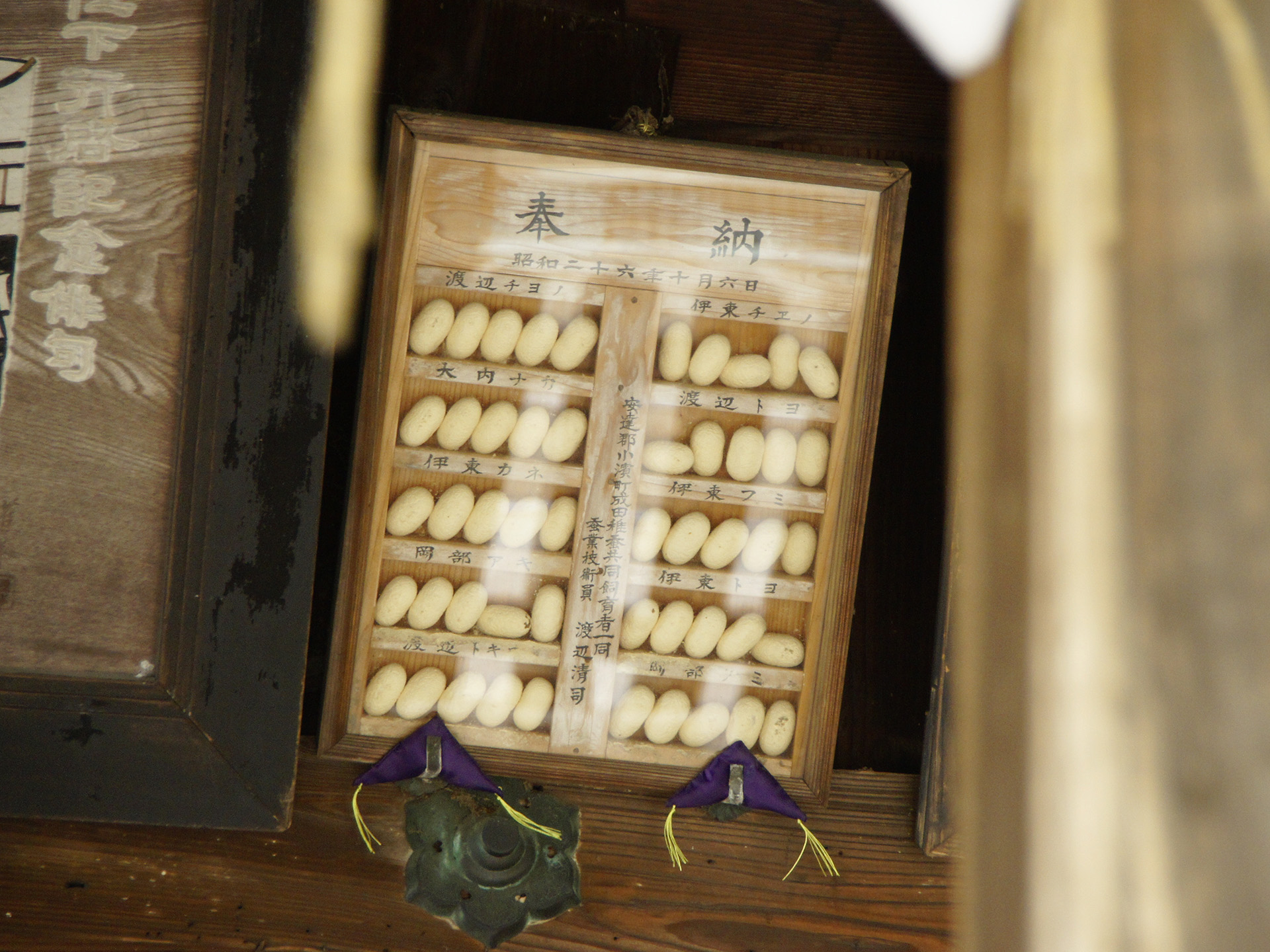
Offerings of Cocoons and Raw Silk Recall the History of Sericulture Worship
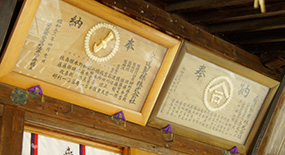
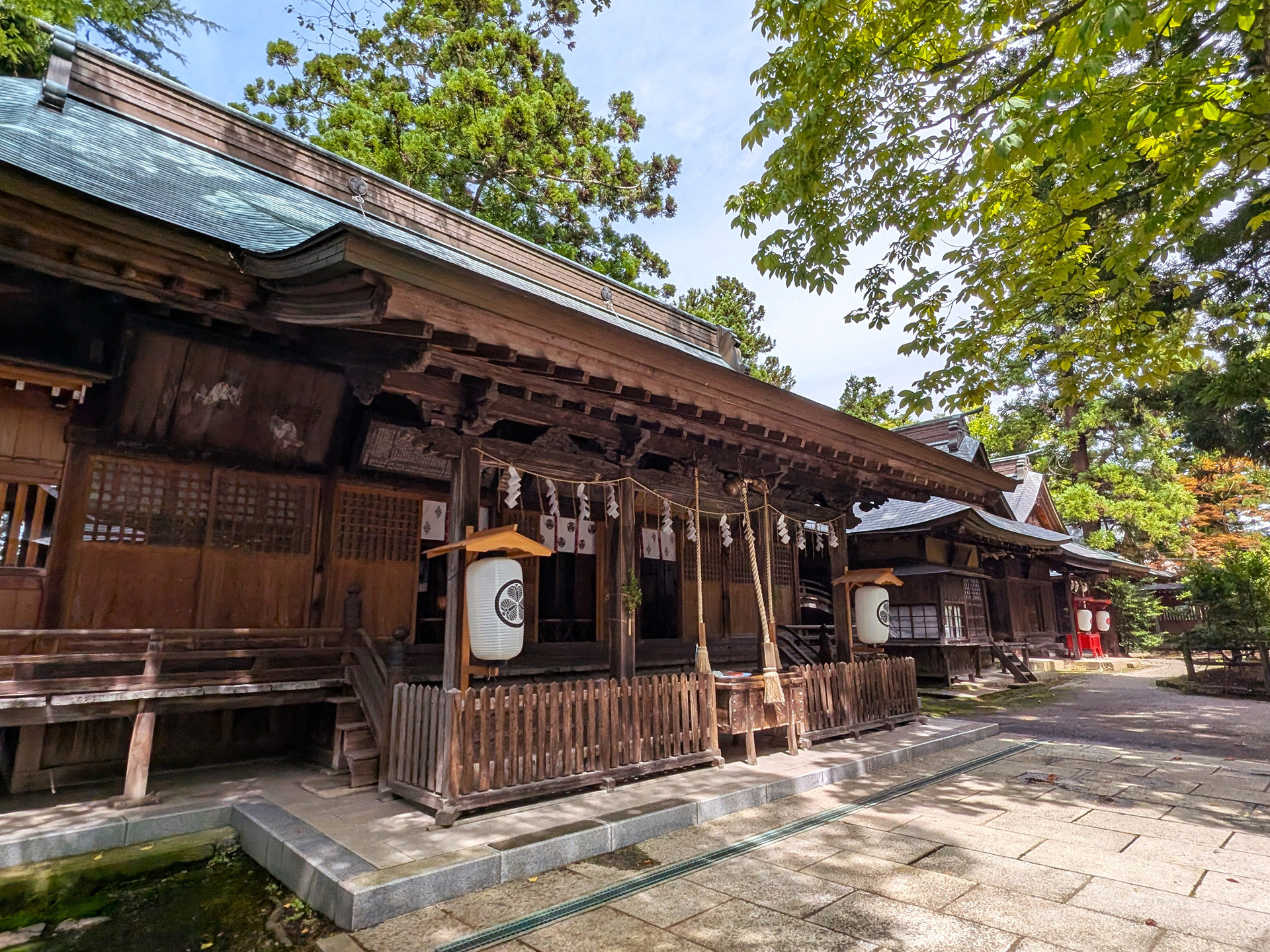
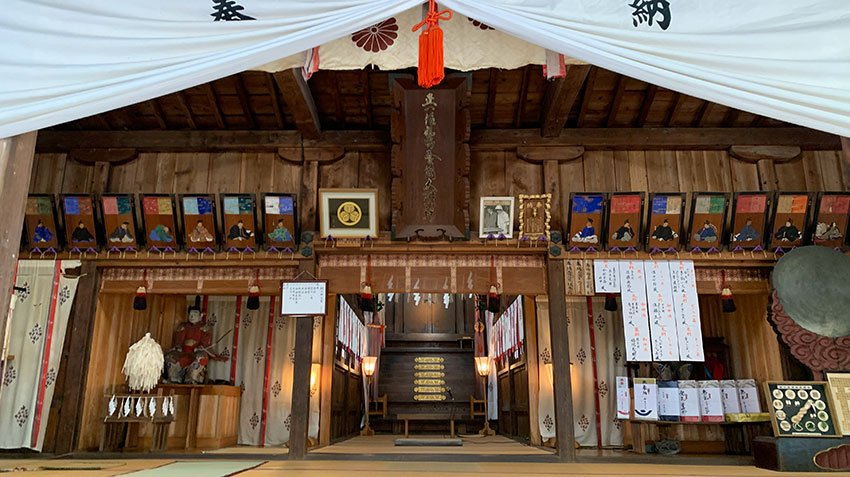
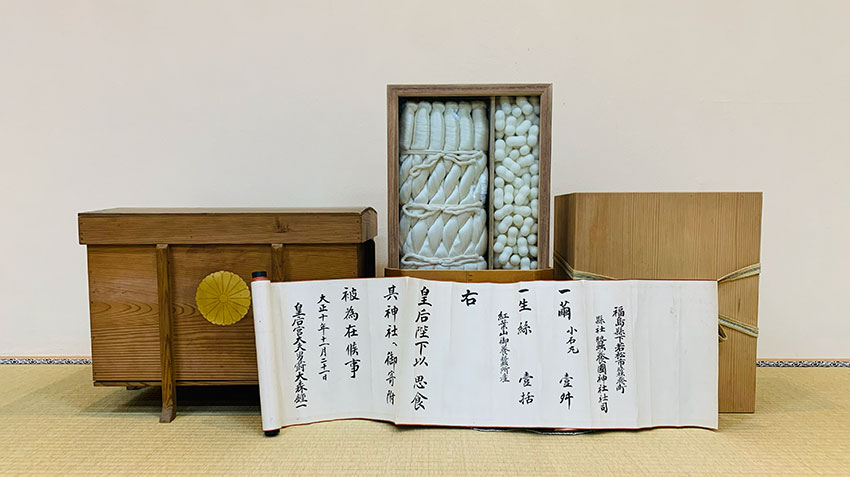
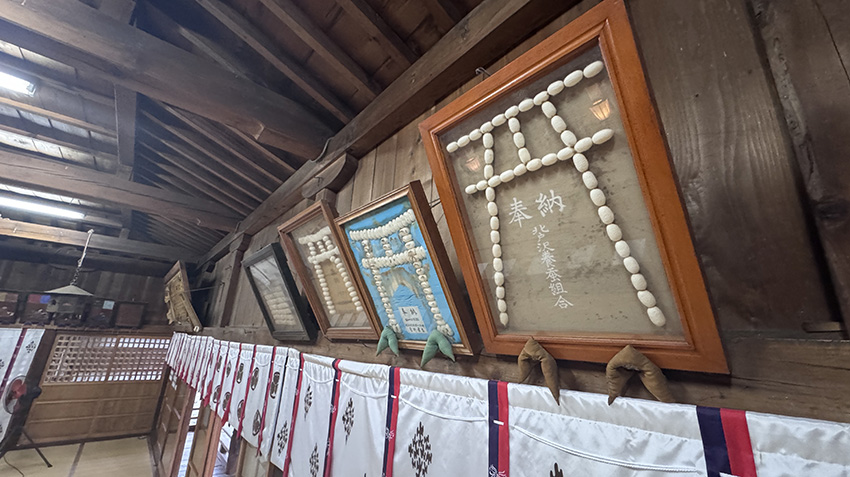
Silkworm cocoons and raw silk have been presented as offerings at the worship hall, reflecting the shrine's longstanding ties to silkworm farming. These offerings provide a rare, tangible glimpse into the deep religious devotion surrounding an industry that once supported the economy of Aizuwakamatsu, Fukushima Prefecture. Take some time to appreciate them when visiting the shrine.
-

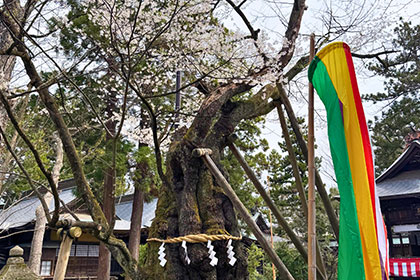
The Sacred Cherry Tree "Minehari-zakura," Over 1,000 Years Old
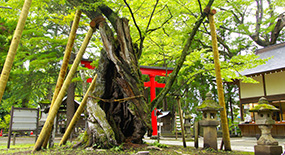
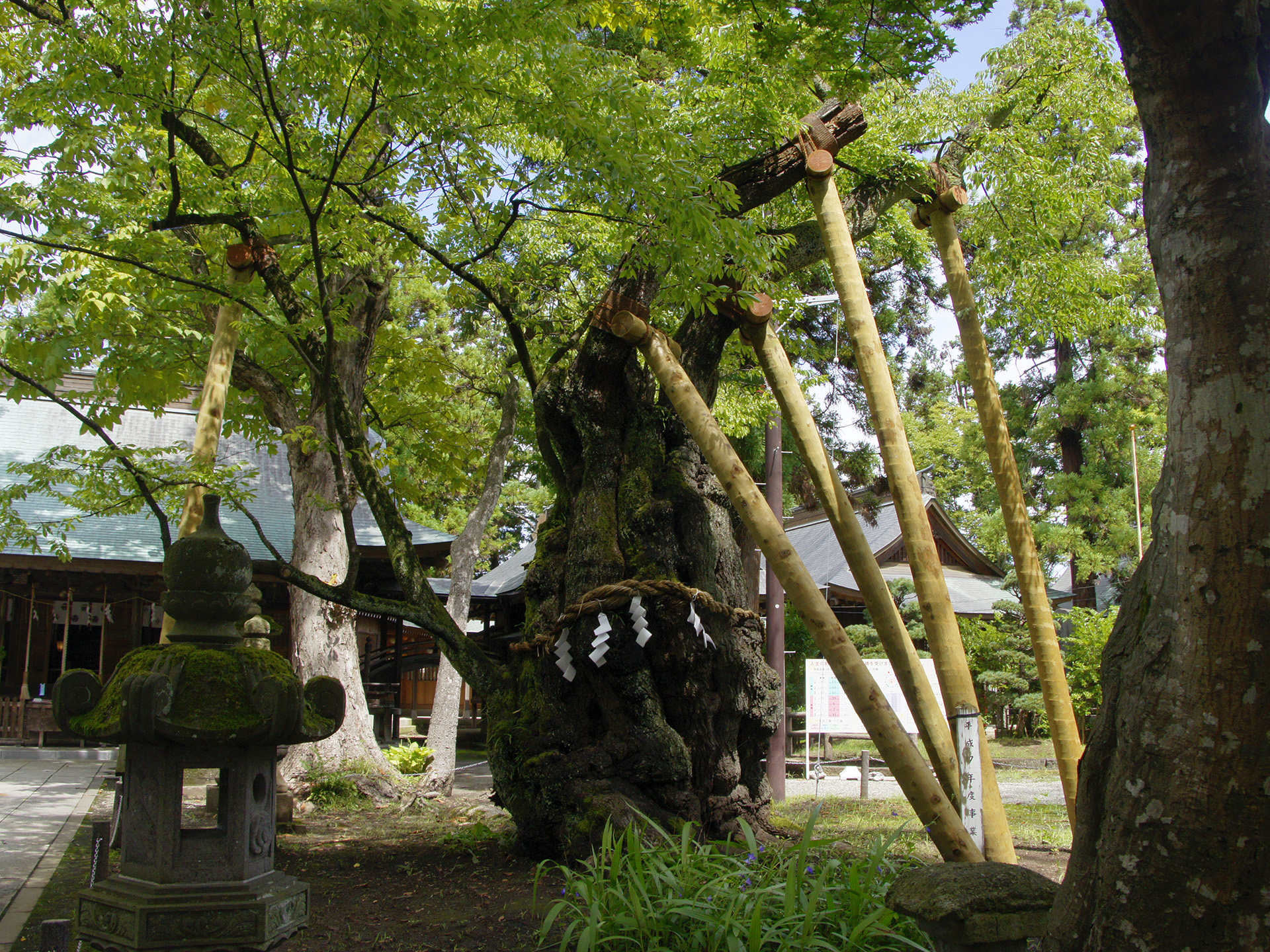
One of the most striking sights on the shrine grounds is the "Minehari-zakura" cherry tree, said to be more than 1,000 years old. Its remarkable vitality has allowed it to continue blooming even after its trunk was broken by lightning, and it has long been protected as the shrine's sacred tree. Designated a cultural property by Aizuwakamatsu City, the tree also serves as the setting for the "Cherry Blossom Festival and Spring Grand Festival" each spring.
-

Goshuin Preserving the Worship Traditions of "Tsurugajo Inari Shrine"
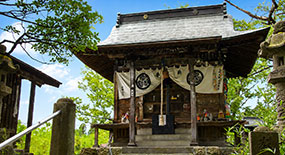
The shrine also oversees the administration of "Tsurugajo Inari Shrine," located within Aizuwakamatsu Castle (Tsurugajo Castle), where it has been revered as a guardian of the castle for approximately 600 years. Visitors can also receive a goshuin (shrine seal) for this historic shrine, which was deeply revered by successive lords of the Aizu Domain. This connection offers a glimpse into the longstanding traditions of worship that have protected both the town and the castle.

 Shichi-go-san (Children’s Ceremony)
 Miyamairi (Newborn Blessing)
 Matchmaking
 Cutting Ties
 Financial Luck
 Business Prosperity
 Yakuyoke (Purification)
 Health & Well-being
 Safe Childbirth
 Exam Success
 Traffic Safety
 Fertility
 Performing Arts
 Love Fulfillment
 Bountiful Harvest
 Family Safety
 Academic Success
 Recovery from Illness
Tracing the past
Origins & Heritage
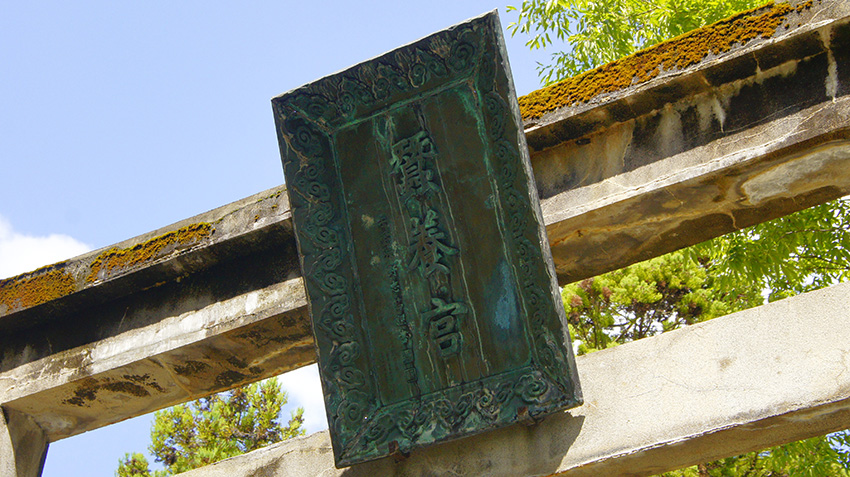
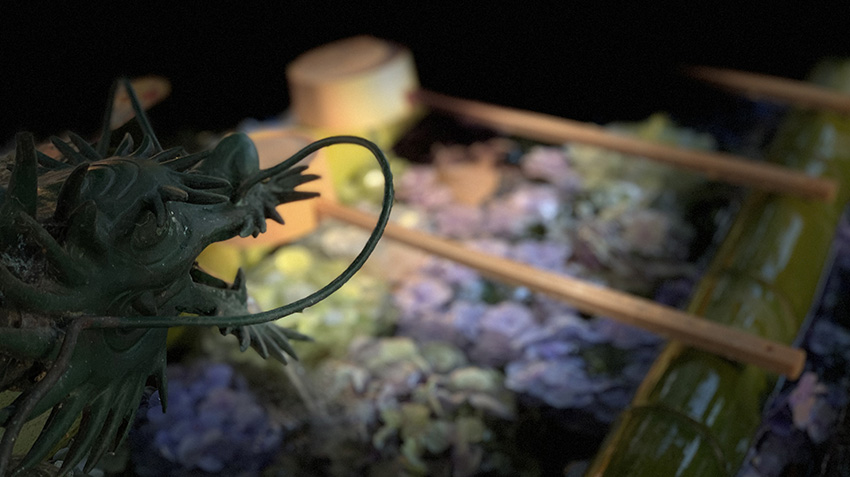
A Historic Shrine with Over 1,200 Years of History
Located in Aizuwakamatsu, Fukushima Prefecture, "Kogaikuni Shrine" is a historic shrine traditionally believed to have been established in 811 (Konin 2), during the reign of Emperor Saga. It gained official government recognition during the Jowa era (834–848) and is known as one of the shrines listed in the "Engishiki Jinmyocho," a register of Shinto shrines compiled during the reign of Emperor Daigo. Long revered for its protection of silkworm farming, the shrine has deep ties to the region's silk industry. Because silkworm farming was a major source of revenue for the Aizu Domain, the shrine was cherished as a place where people prayed for the protection of local industries and livelihoods. One of its enshrined deities, Wakumusubi-no-Okami, is believed to foster agricultural crops, commerce, and industry and to create connections. The deity remains deeply revered by local residents for promoting the growth of various industries and bringing people together. These traditions of worship continue today, and the shrine remains a longstanding center of devotion, watching over the region's industries and the lives of its people.
Main hall
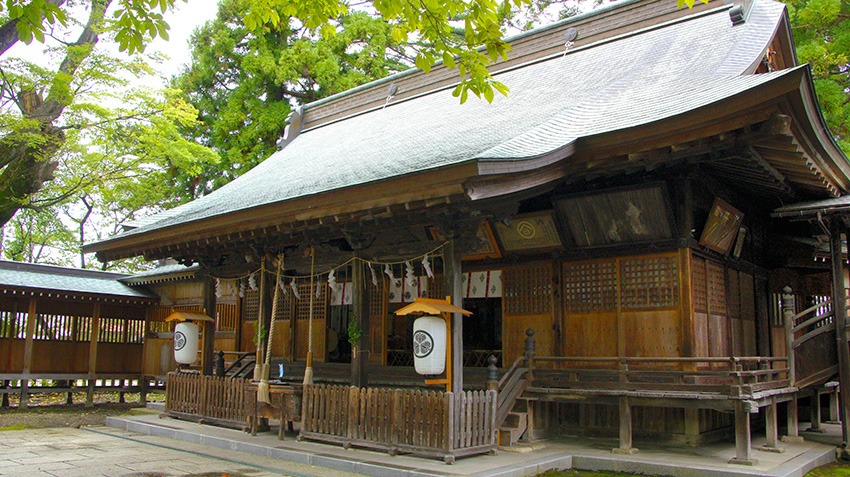
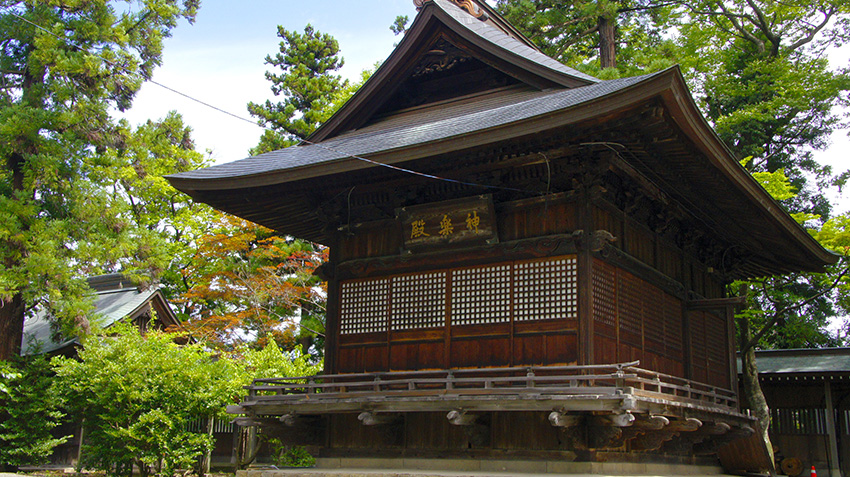
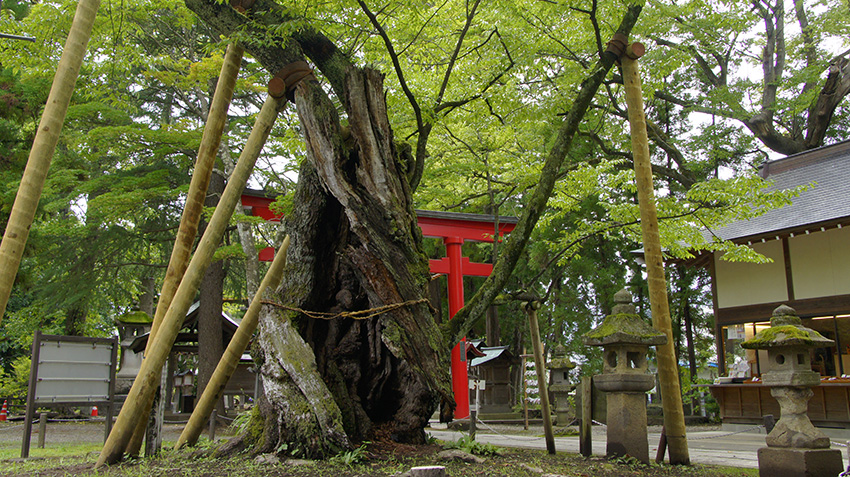
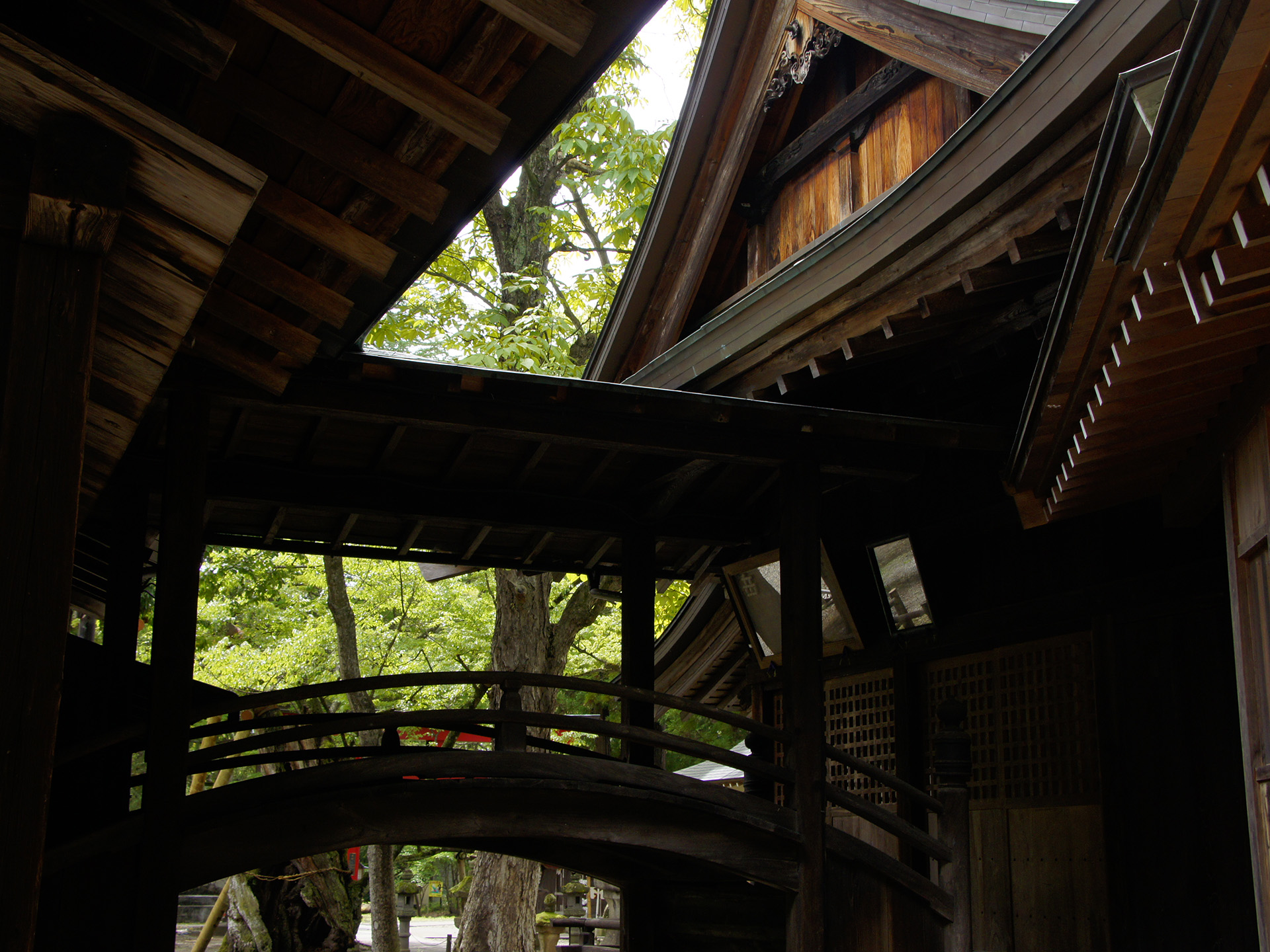
A Shrine Hall's Legacy Preserved Despite Repeated Disasters
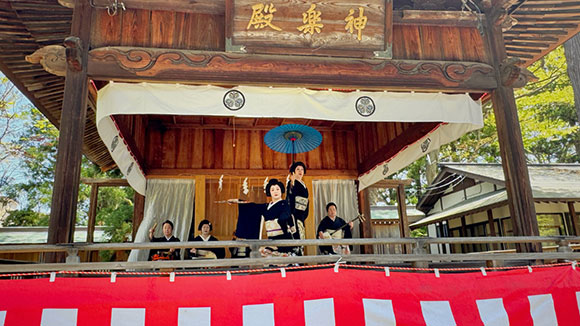
In front of the shrine buildings stands "Minehari-zakura," a sacred cherry tree said to have been planted in 1011 (Kanko 7), when the shrine buildings were constructed. A variety of Edohigan cherry tree, it is believed to be more than 1,000 years old and is designated a cultural property (natural monument) by Aizuwakamatsu City, Fukushima Prefecture. Its majestic appearance has long delighted visitors throughout the seasons. In 1807 (Bunka 4), the shrine buildings were destroyed by fire, but they were rebuilt in 1819 (Bunsei 2) by Matsudaira Katanobu, the eighth lord of the Aizu Domain. The current buildings are said to have been modeled after those constructed by Hoshina Masayuki, the domain's first lord. Despite repeated disasters, the shrine buildings have been carefully preserved and passed down through the generations. Festivals and ceremonies, including the annual festival, are held on the shrine grounds, while kagura, a traditional ritual dance, is performed as an offering at the kagura hall. The shrine remains an important place of worship for local residents and a valuable testament to the deep ties between the Aizu Domain and the shrine.
Sericulture Traditions Passed Down Through Generations
A Shrine of Prayer Keeping Silkworm-Farming Traditions Alive
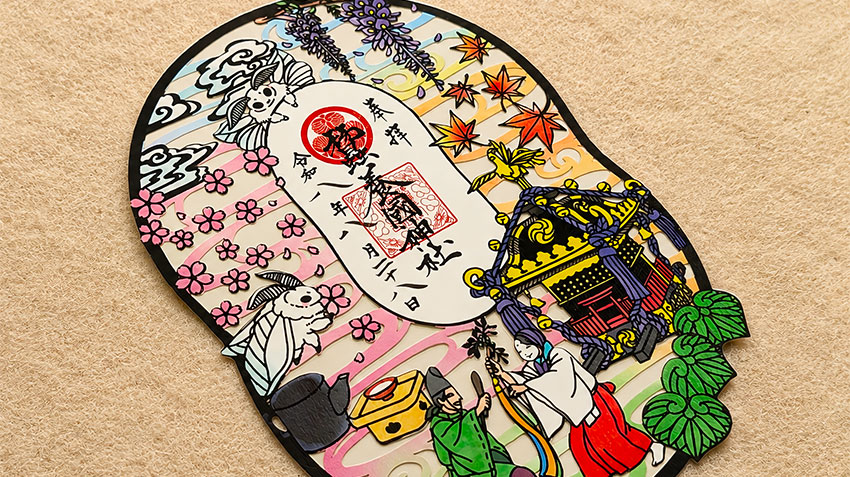
Silkworm farming developed into a major industry that supported the finances of the Aizu Domain, and "Kogaikuni Shrine" enshrines deities who protect this industry. For centuries, people involved in silkworm farming have deeply revered the powerful blessings associated with the shrine. In the past, the "Grand Festival of the Sericulture Association" was reportedly held on a grand scale, drawing people involved in the industry from across Japan. Prayers for the healthy growth of silkworms and abundant cocoon harvests became an important part of the culture supporting Aizu's industries and livelihoods. Cocoons and raw silk are still presented as offerings on the shrine grounds, preserving memories of the days when silkworm farming flourished. These longstanding traditions of devotion continue to be cherished today. The shrine's goshuin (shrine seals) feature designs of silkworms of the "Koishimaru" breed, native to Japan, along with their cocoons, reflecting the shrine's deep historical ties to sericulture. Limited-edition goshuin incorporating seasonal scenery are also available, offering different designs throughout the year. Each makes a fitting keepsake of a visit and a reminder of the shrine's long history.

Seasonal beauty within the shrine's grounds and nature


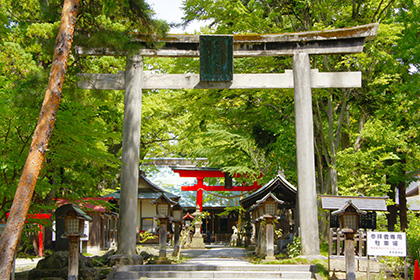
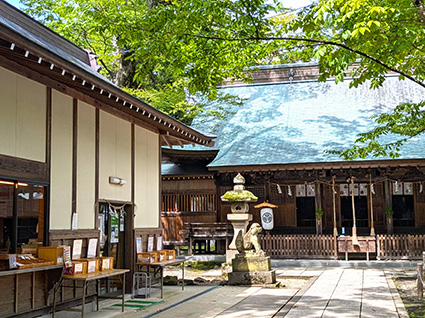
Lush Summer Greenery
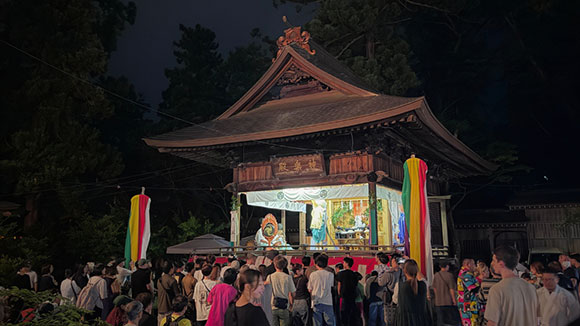
A Bustling Annual Shrine Festival

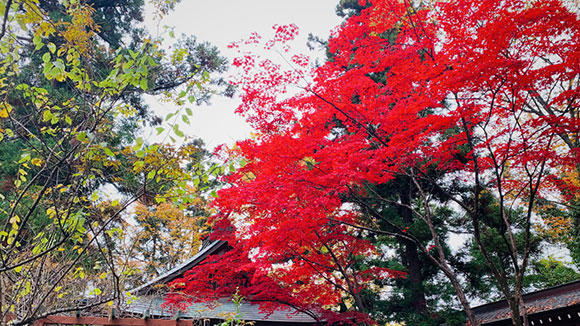
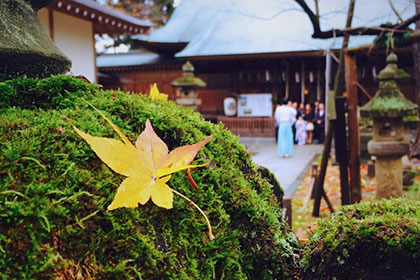
Fall Foliage in a Rich Palette of Colors
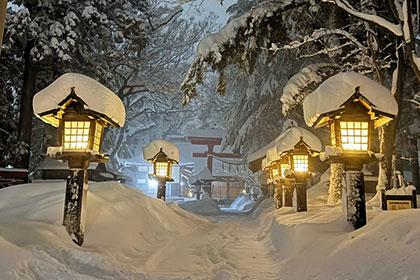
Shrine Grounds Settling into Silence

A Snow-Covered Morning
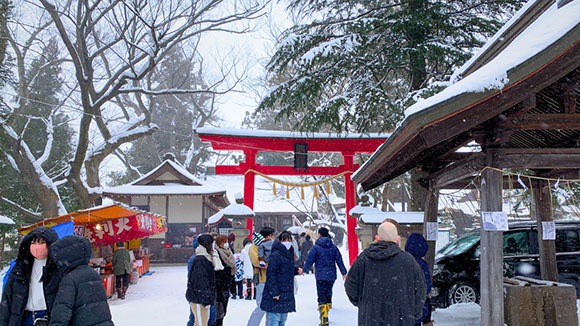
Welcoming the New Year with Prayer

Kogaikuni Shrine
蠶養國神社

- Address
- 2-1 Kogai-machi, Aizuwakamatsu City, Fukushima
- Access
- Car: 13 minutes from Aizuwakamatsu IC on the Ban-etsu Expressway; Train: 5 minutes by car from Aizuwakamatsu Station on the JR Ban-etsu West and Tadami Lines
- Website
- https://www.kogaikuni.com/
- TEL
- +81-242-37-3166Please let the staff know that you saw this on "Tabiiro."
- Social media
-
- FAX
- +81-242-37-3175
- Business hours
- 8:00 A.M. to 5:00 P.M.
- Holidays
- Open year-round
- Admission fee
- See website for details
- Parking spaces
- 20 spaces

Nearby Spots
View MorePick popular spots nearby!
-
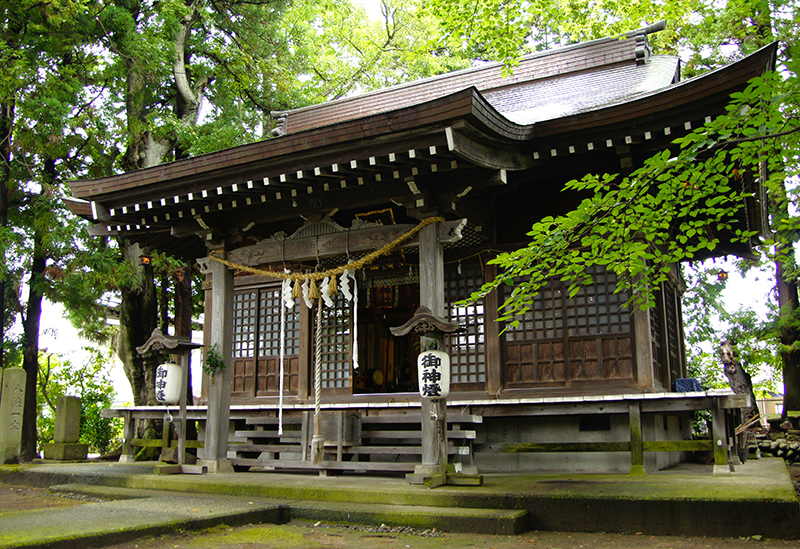
5.8kmfromKogaikuni Shrine
Bandai Shrine
Address:455 Murahigashi, Ichinoseki, Monden-machi, aizuwakamatsu, fukushima
-
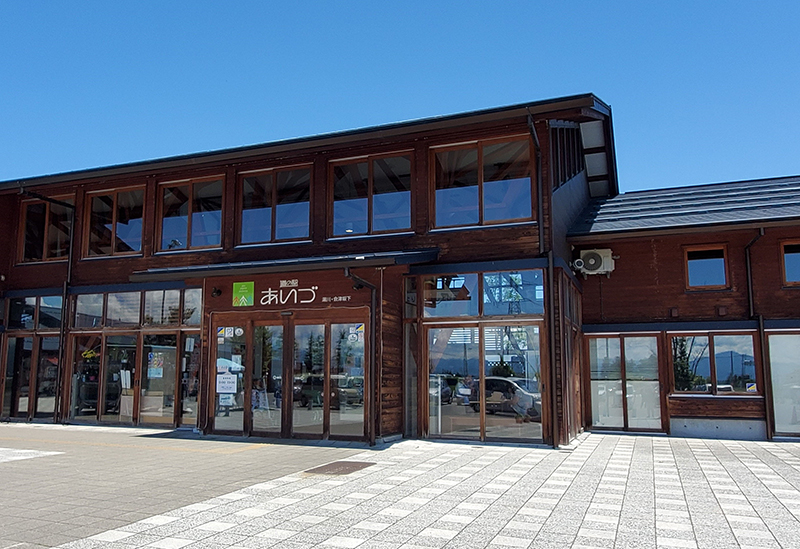
8.9kmfromKogaikuni Shrine
Roadside Station Aizu Yukawa/Aizu Sakashita
Address:78-1 Gochonome, Sanome, Oaza, kawanuma, fukushima
-

9.7kmfromKogaikuni Shrine
Inawashiro sightseeing boat
Address:923-2 Nagahama, Aza, Okinazawa, Oaza, Inawashiro Town, yama, fukushima
-

10.1kmfromKogaikuni Shrine
Iwashirokuni Ichinomiya/Aizu Sochinju Isasumi Shrine
Address:4377 Miyabayashi Ko, onuma, fukushima
-
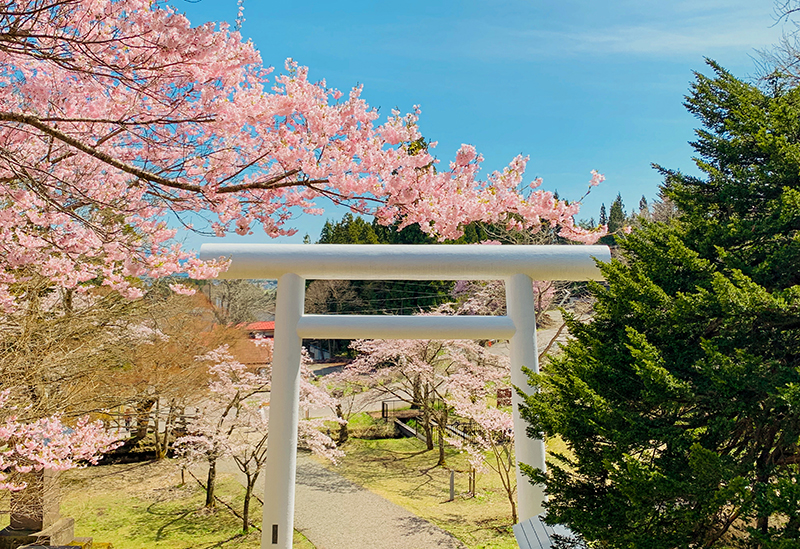
16.1kmfromKogaikuni Shrine
Tsuchitsu Shrine - God of Children and Success
Address:3 Mineyama, yama, fukushima
-
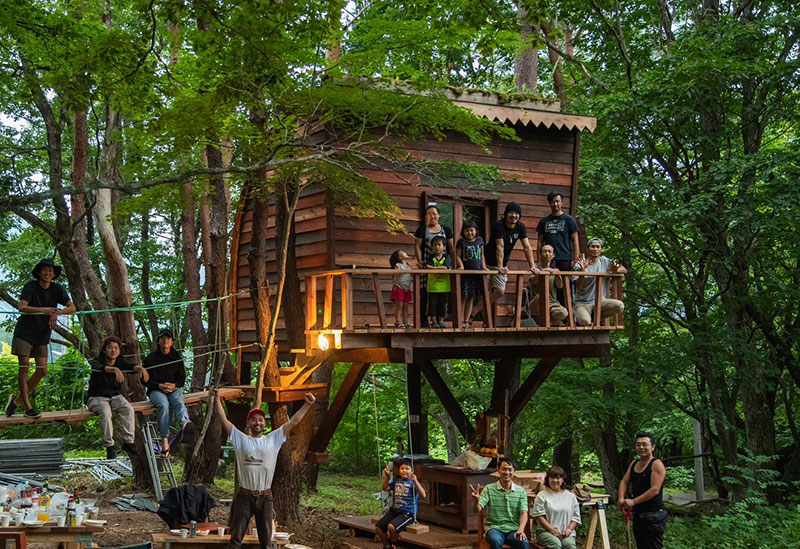
26.7kmfromKogaikuni Shrine
TREEHOUSE INAWASHIRO "HILO"
Address:2855-891 Ko, Numajiriyama, Inawashiro Town, yama, fukushima
-
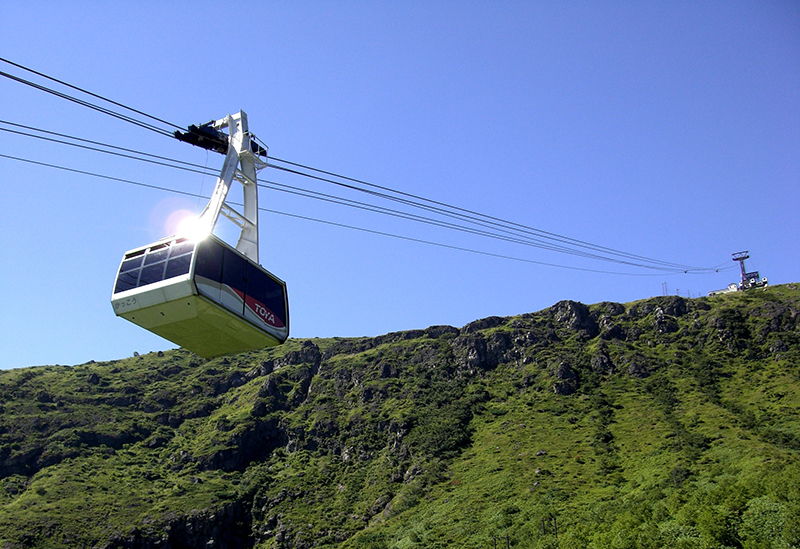
42.3kmfromKogaikuni Shrine
National Park Nasu Ropeway
Address:215 Nasudake, Yumoto, Nasumachi, nasu, tochigi
-
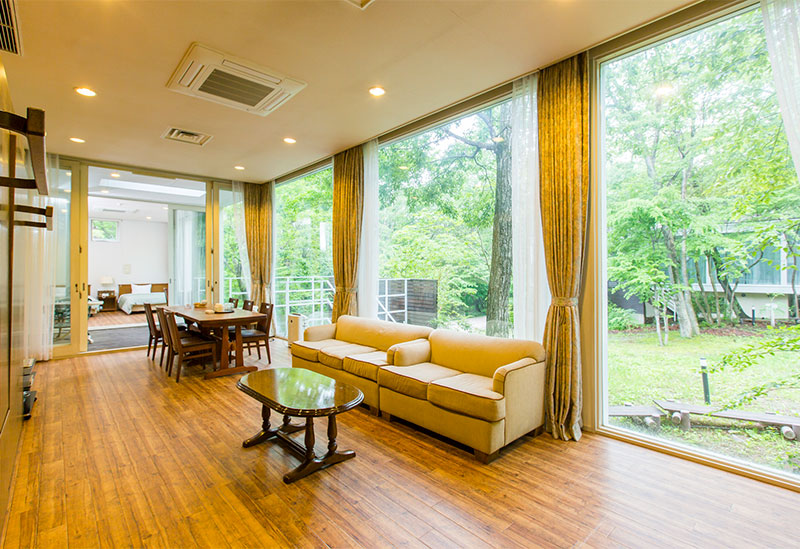
46.8kmfromKogaikuni Shrine
Hotel Sun Valley Nasu
Address:203 Yumoto, Nasumachi, nasu, tochigi
-
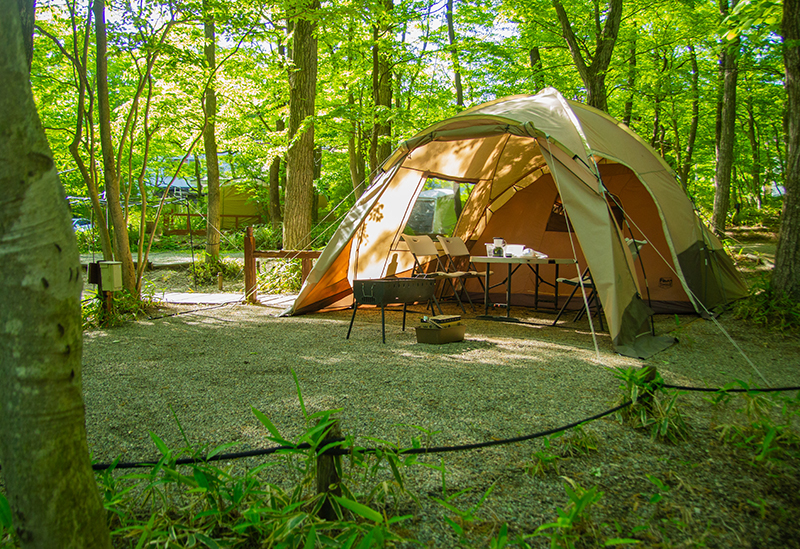
47.2kmfromKogaikuni Shrine
Pompoko no Mori Family Campsite
Address:203-65 Yumoto, Nasumachi, nasu, tochigi
-
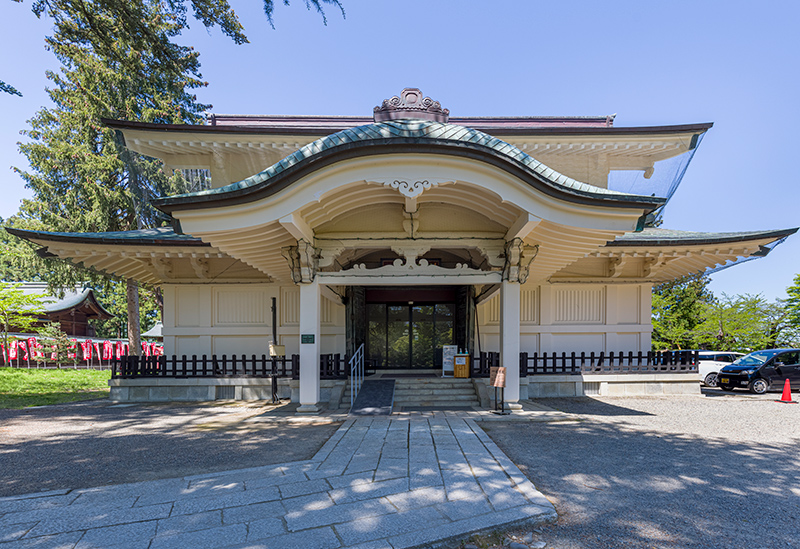
47.4kmfromKogaikuni Shrine
Keishoden
Address:1-4-13 Marunouchi, yonezawa, yamagata
-
 Japanese Cuisine
1.3kmfromKogaikuni Shrine
Kappo Mangero
Address:10-6 Higashiei Town, aizuwakamatsu, fukushima
-
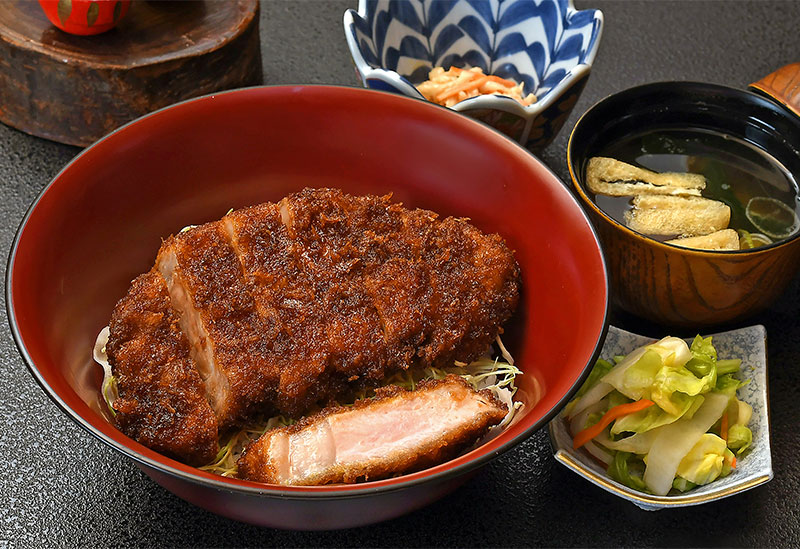 Japanese Cuisine
4.6kmfromKogaikuni Shrine
Kappo Hotori
Address:12-1, Nakano, Daidohigashi, Kadota Town, aizuwakamatsu, fukushima
-
 Local Specialties
38.3kmfromKogaikuni Shrine
Gyuho Yatsuyamada
Address:1-114 Yatsuyamadanishi, koriyama, fukushima
-
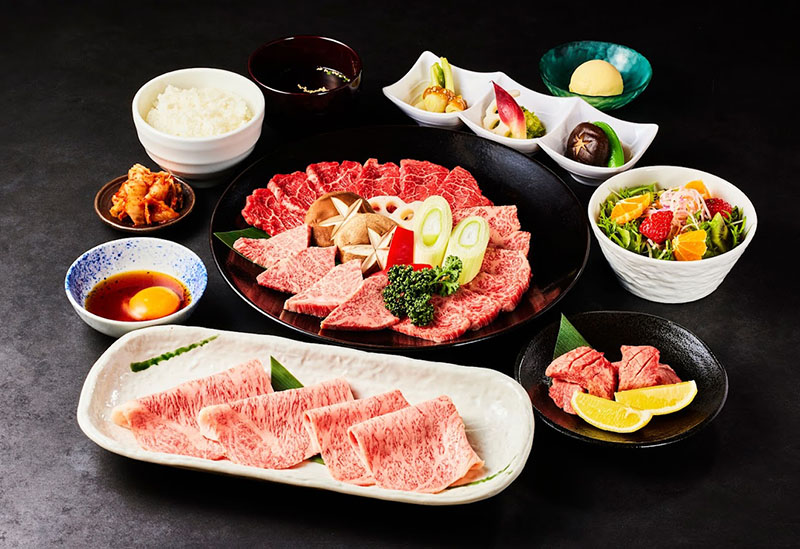 Local Specialties
39kmfromKogaikuni Shrine
Gyuhou Asahi
Address:2-3-34 Asahi, koriyama, fukushima
-
Café/Sweets
40.7kmfromKogaikuni Shrine
Koji Wadaya
Address:22 Motomiya Kamimachi, motomiya, fukushima
-
Café/Sweets
41kmfromKogaikuni Shrine
Kasho Kineya
Address:45 Motomiya Shimomachi, motomiya, fukushima
-
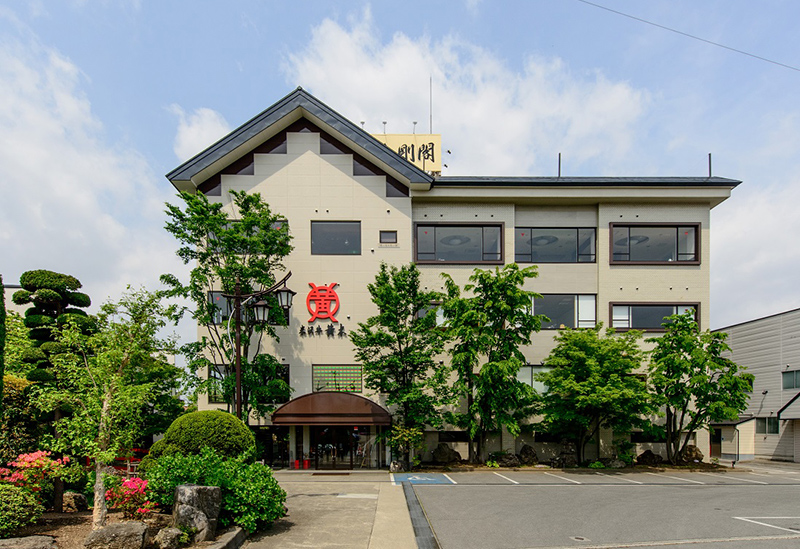 Japanese Cuisine
47.9kmfromKogaikuni Shrine
Restaurant Kongokaku
Address:3-41 Sakuragi Town, yonezawa, yamagata
-
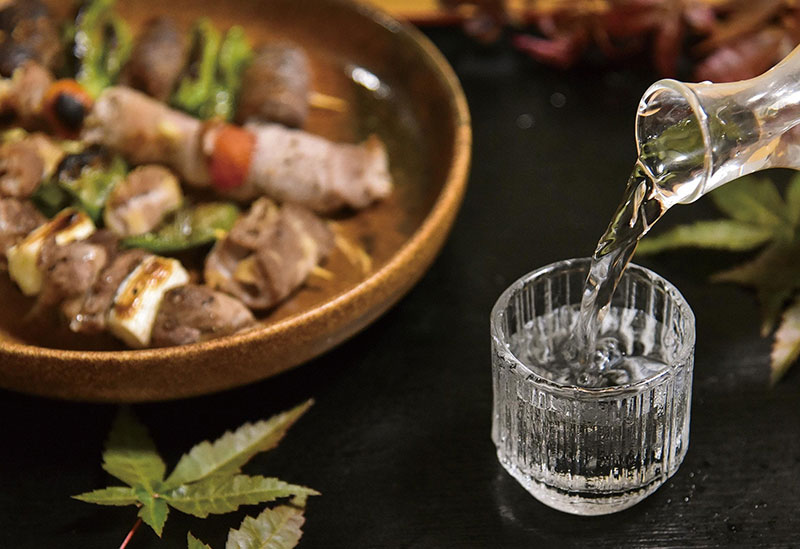 Japanese Cuisine
48.1kmfromKogaikuni Shrine
MAGOROKU
Address:1-7-10 Chuo, yonezawa, yamagata
-
Western Cuisine
49.7kmfromKogaikuni Shrine
Sausage no Ichika Nasu Main Store
Address:2725 Takaku Otsu, nasu, tochigi
-
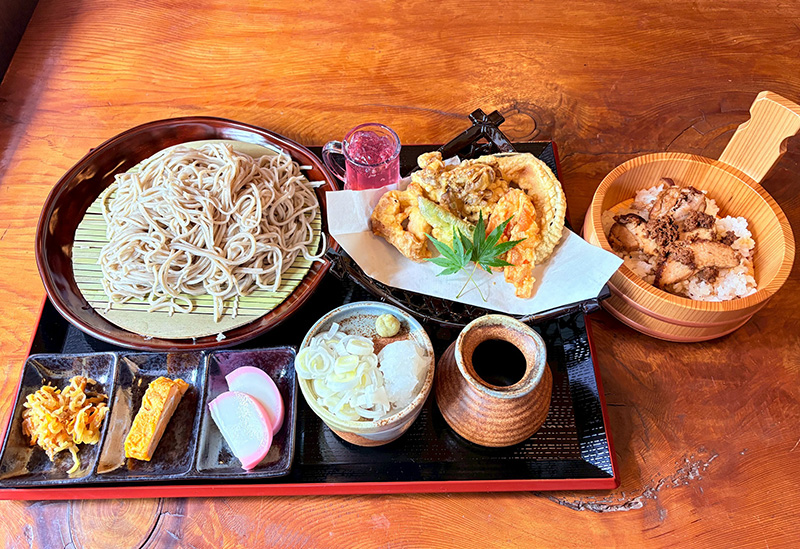 Japanese Cuisine
53.7kmfromKogaikuni Shrine
Kiryu Seishoan
Address:1893 Aoki, nasushiobara, tochigi
-
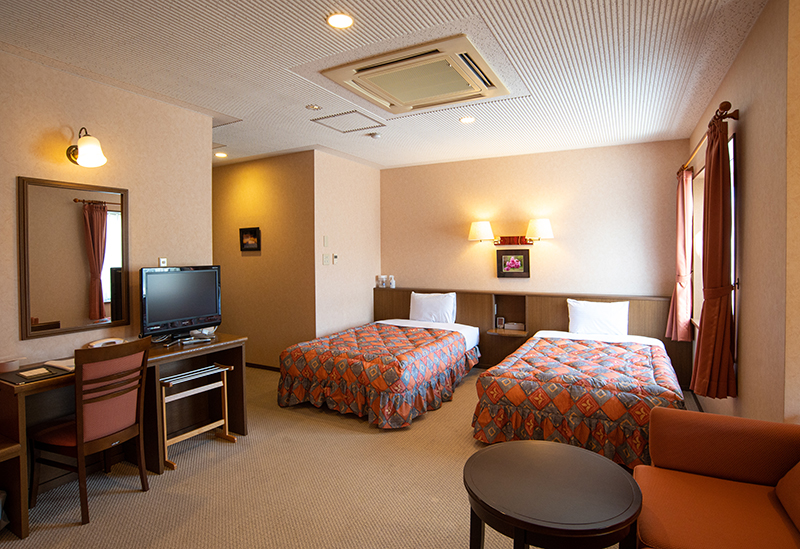
21.6kmfromKogaikuni Shrine
Hotel & Ristorante IL REGALO
Address:1093 Hibara Kengamine, Kitashiobara Village, yama, fukushima
-

23kmfromKogaikuni Shrine
Toryukan
Address:1338 Yunosawa Kanemoto Otsu, Shimogou Town, minamiaizu, fukushima
-
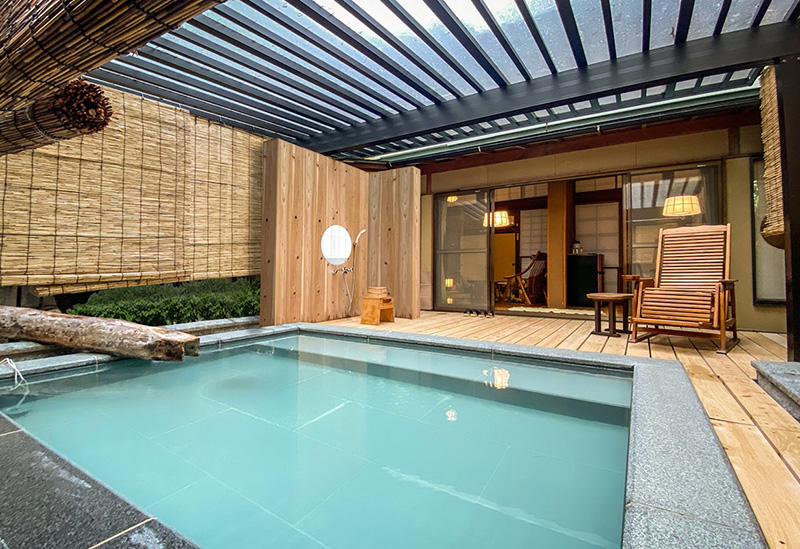
38.5kmfromKogaikuni Shrine
Inn Hanakanzashi
Address:1-104 Dake Onsen, nihommatsu, fukushima
-
47.1kmfromKogaikuni Shrine
NOTE/NASU
Address:203-86 Yumoto, nasu, tochigi
-
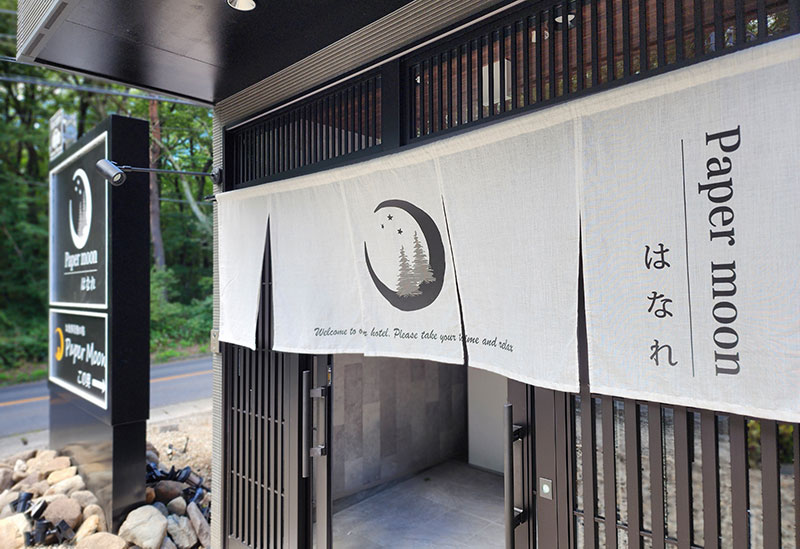
47.9kmfromKogaikuni Shrine
Papermoon Hanare
Address:206-537 Yumoto, Nasumachi, nasu, tochigi
-

48.8kmfromKogaikuni Shrine
Onsen Ryokan Yamaki
Address:844 Itamuro, nasushiobara, tochigi
-
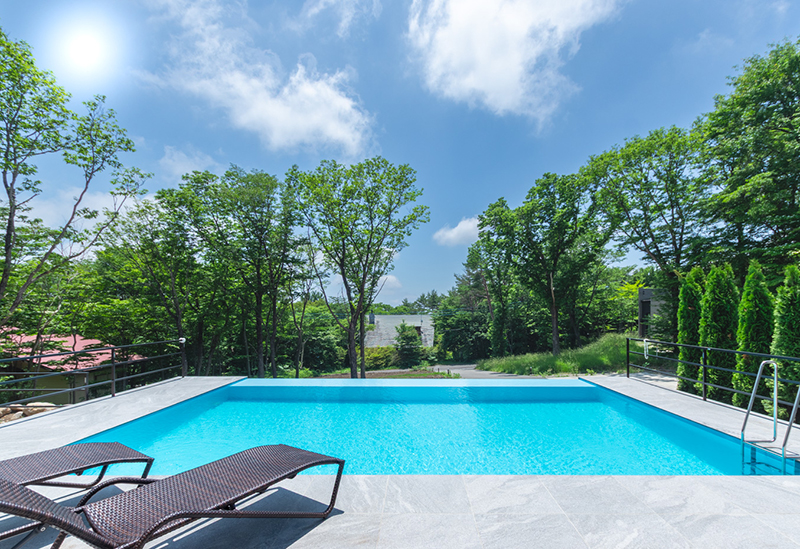
48.9kmfromKogaikuni Shrine
Nasu Highland Park Official Hotel "TOWA Pure Cottage"
Address:3375-85 Takakuotsu, Nasumachi, nasu, tochigi
-
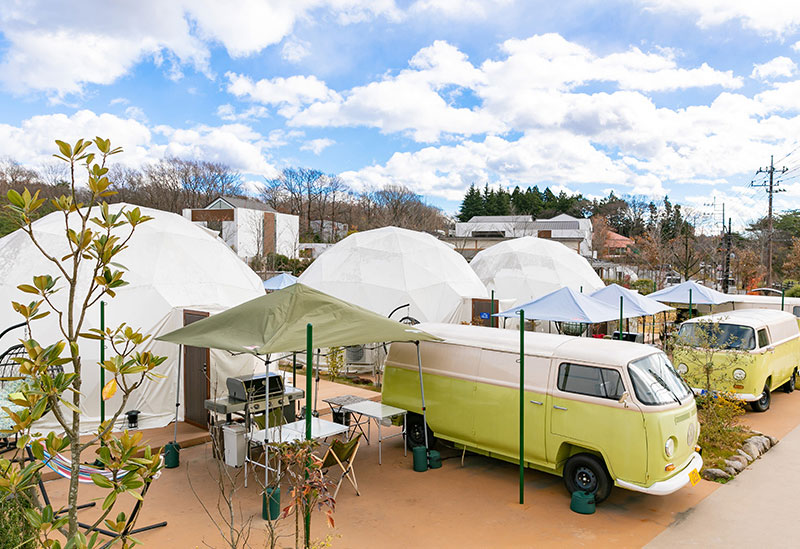
53kmfromKogaikuni Shrine
Nenn NASUKOUGEN
Address:5461-1 Takakuko, Nasu Town, nasu, tochigi
-

53.6kmfromKogaikuni Shrine
Richmond Hotel Fukushima Ekimae
Address:1-15 Mikawa Minamimachi, fukushima, fukushima
-
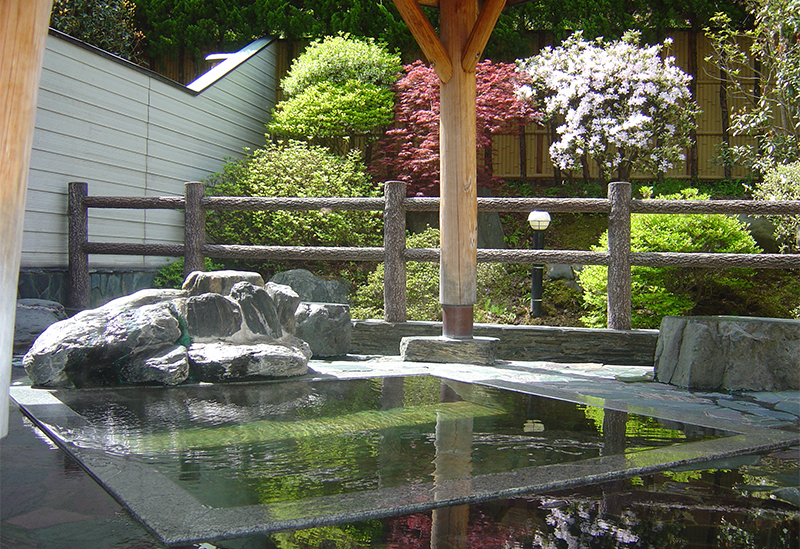
60.2kmfromKogaikuni Shrine
Shikibu no Yakata Izutsuya
Address:22 Nekonaki, Ishikawamachi, ishikawa, fukushima
1,000-Year-Old Cherry Tree in Spring
Timeless Prayer at a Historic Shrine