


Recommended articles in the same area
Introducing seasonal outing spots and event information in Okayama! Visit the places that interest you!
由加山 由加神社本宮
 Kurashiki City, Okayama
由加山 由加神社本宮
A Shrine Known for Two-Shrine Pilgrimages and Protection from Misfortune
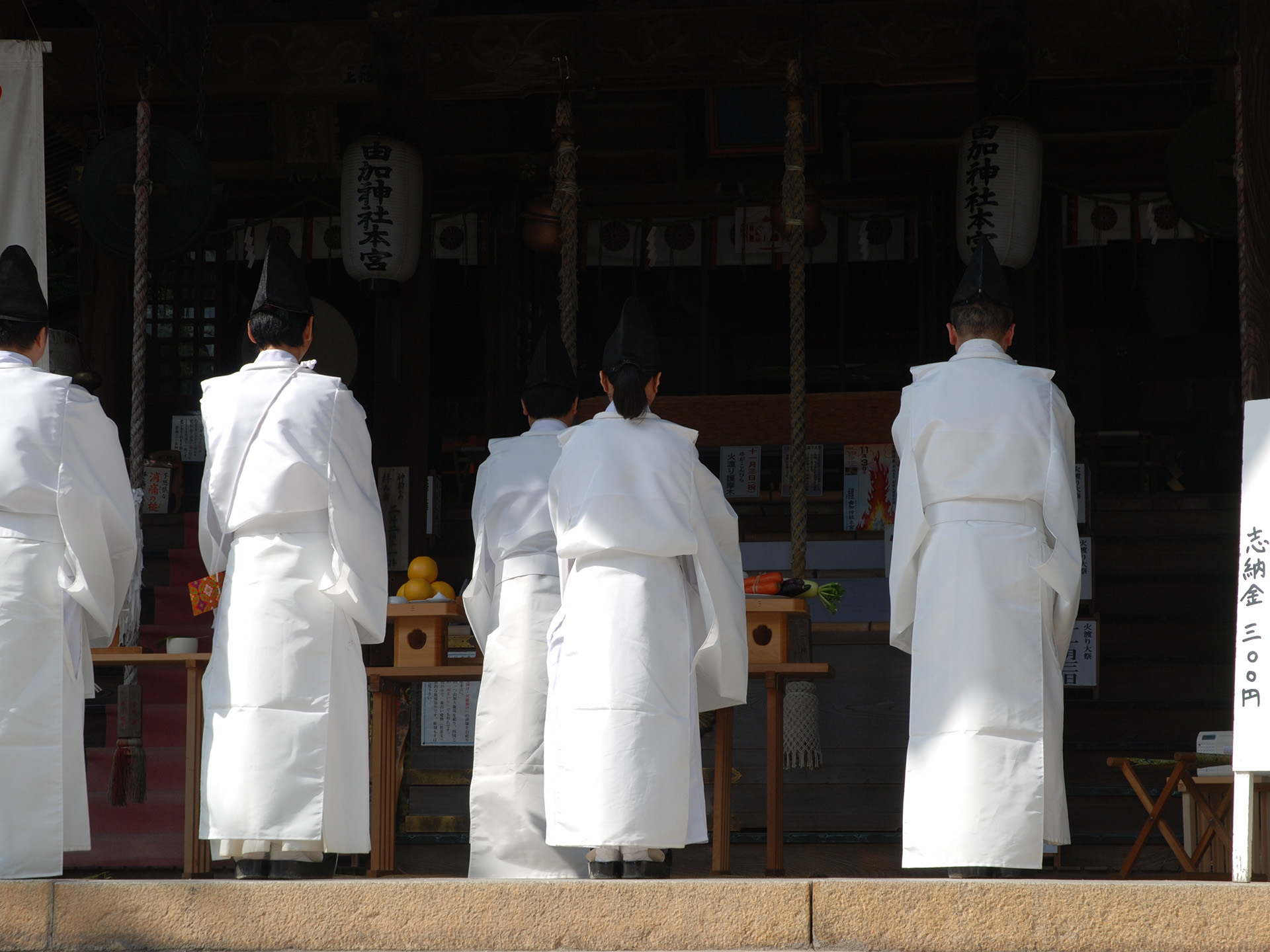
With 52 branch shrines across Japan, "Yugasan Yuga Shrine Hongu" is known as one of Japan's three great Gongen and has long attracted worshippers seeking protection against misfortune. During the Edo period (1603–1868), it served as a place of prayer for Lord Ikeda, the feudal ruler of Okayama Domain. Around the same time, a custom known as the "Yugasan-Konpirasan dual pilgrimage" became widespread. Visiting both "Yugasan Yuga Shrine Hongu" and "Kotohira-gu Shrine" in Kotohira, Kagawa Prefecture, was believed to bring greater blessings, and the tradition continues today. This historic shrine, one of Okayama Prefecture's most prominent, draws worshippers from across Japan.




Priest
Shimozawa Hisashi
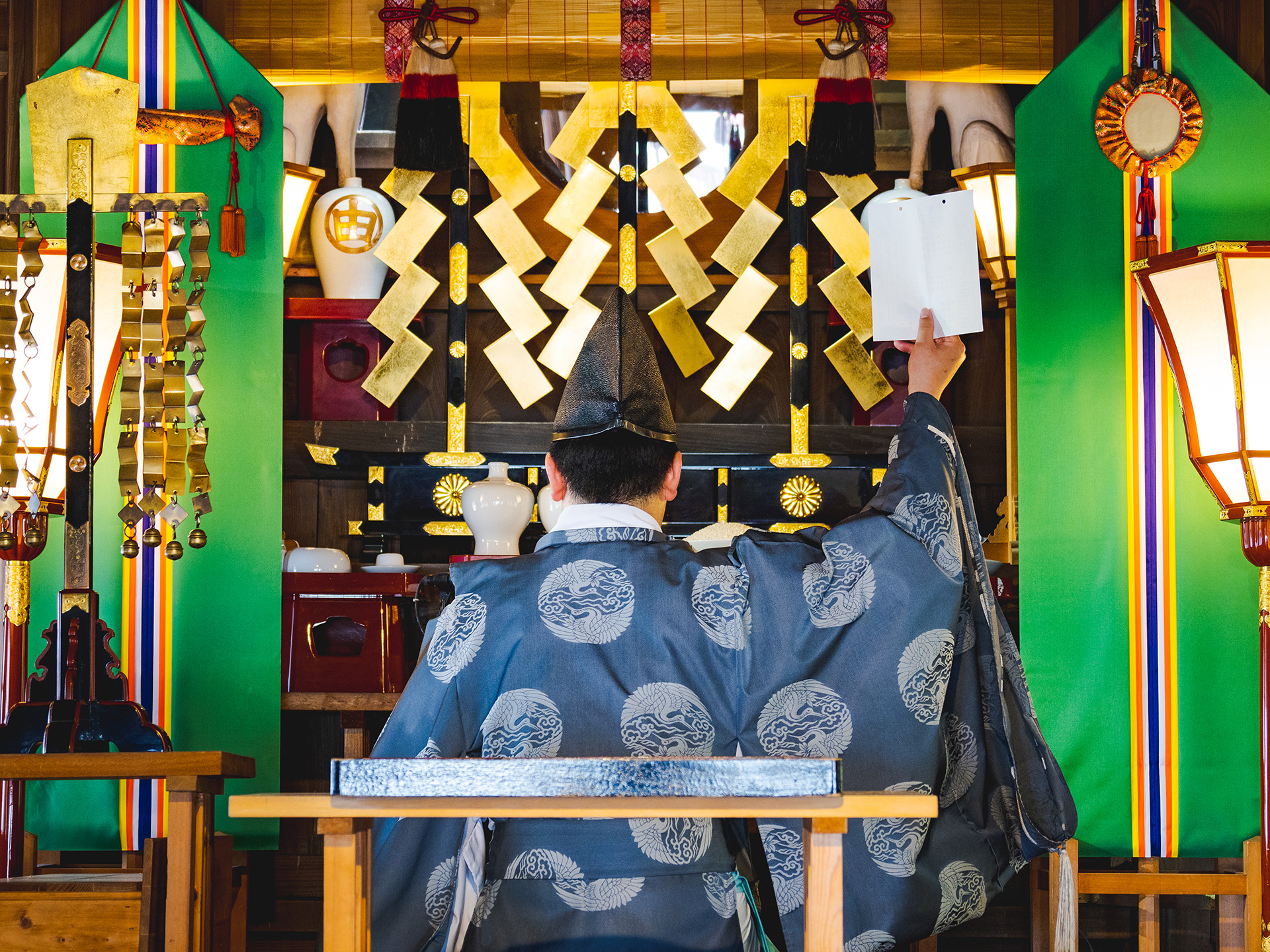
Guided by a commitment to "being there for others," he prays that people will receive the deity's protection. The shrine's official website also features updates on daily happenings, so be sure to take a look.

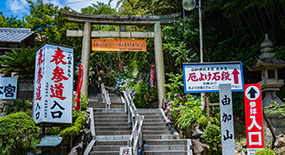
Known as the head shrine for protection against misfortune, "Yugasan Yuga Shrine Hongu" has a series of stone stairways beginning at the main approach entrance, with flights of 13, 19, 25, 33, 42, and 61 steps. Worshippers can make a wish with each step, and offering boxes are provided at every flight for those seeking blessings along the way.

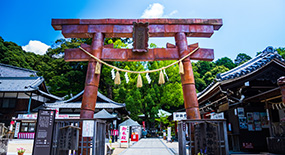
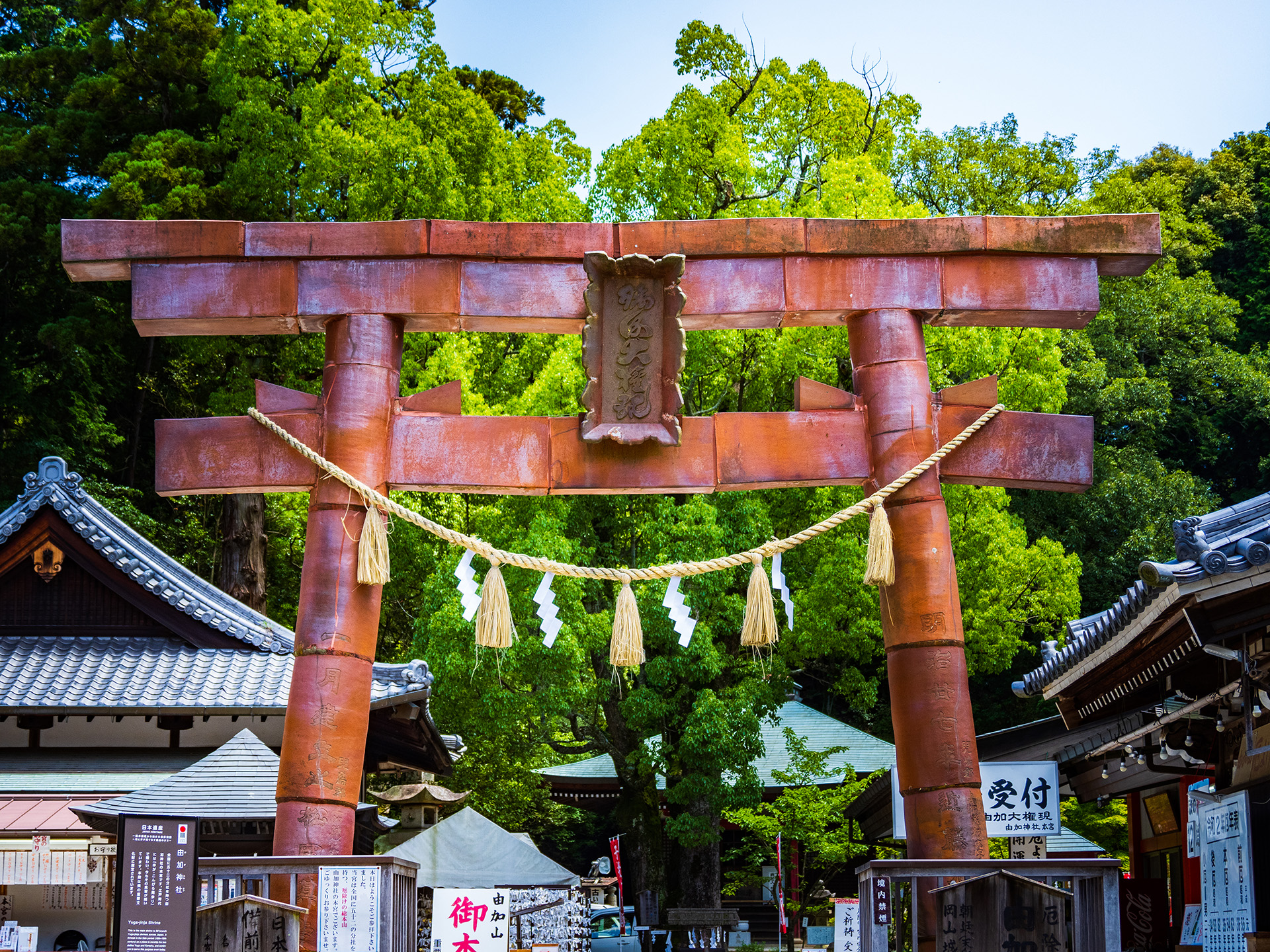
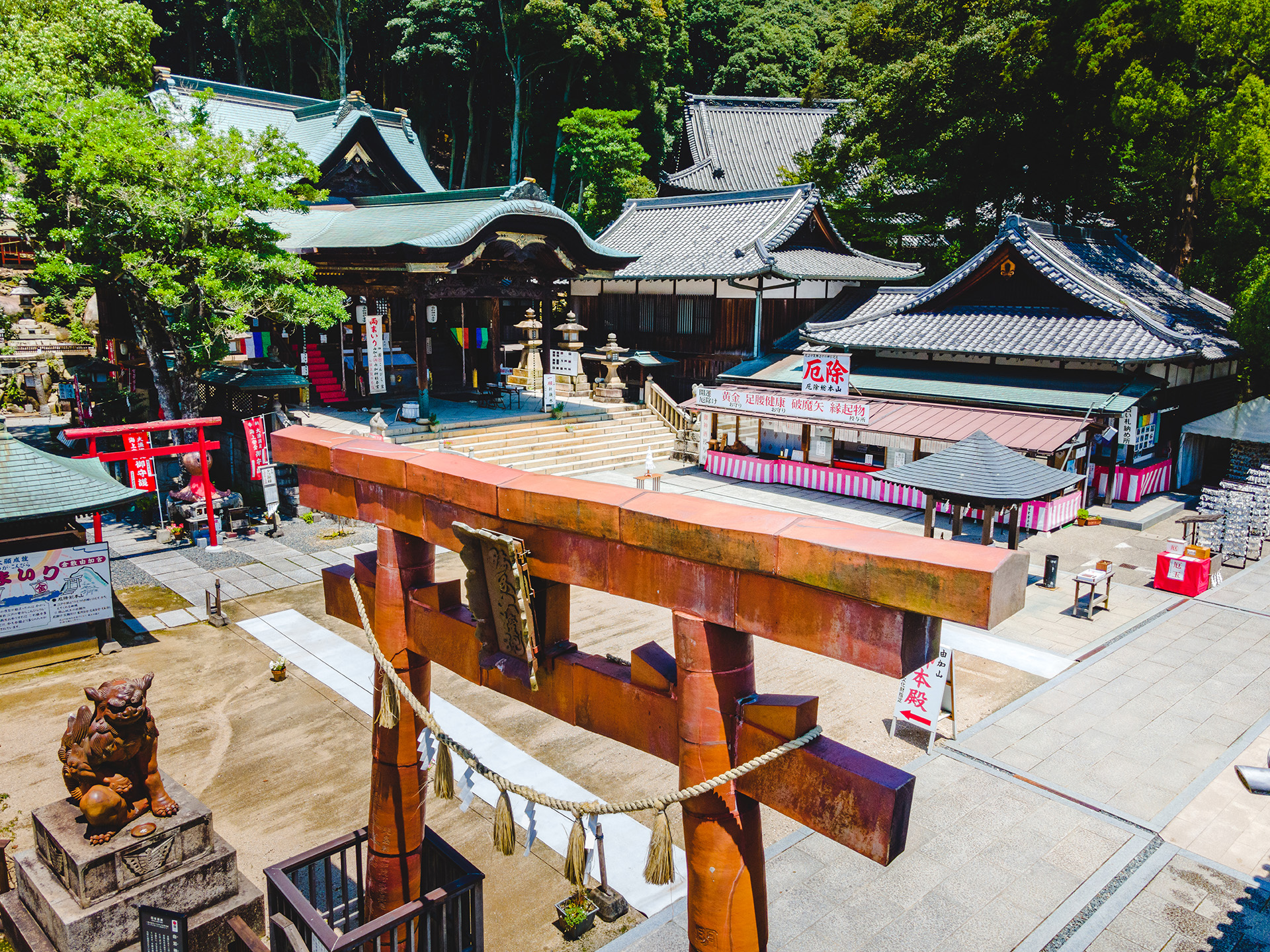
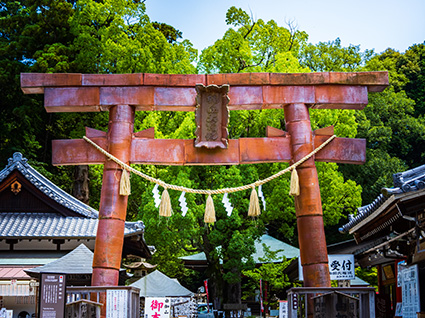
At the entrance to the shrine grounds stands the Great Bizen Ware Torii Gate (Yuga Shrine Great Torii Gate), donated in 1894 and registered as a Tangible Cultural Property by the Japanese government. Flanking the gate are lion statues with cubs, donated in 1829 (Bunsei 12). Together, they offer a glimpse of the traditional craftsmanship for which Okayama Prefecture is known.

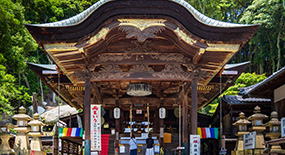
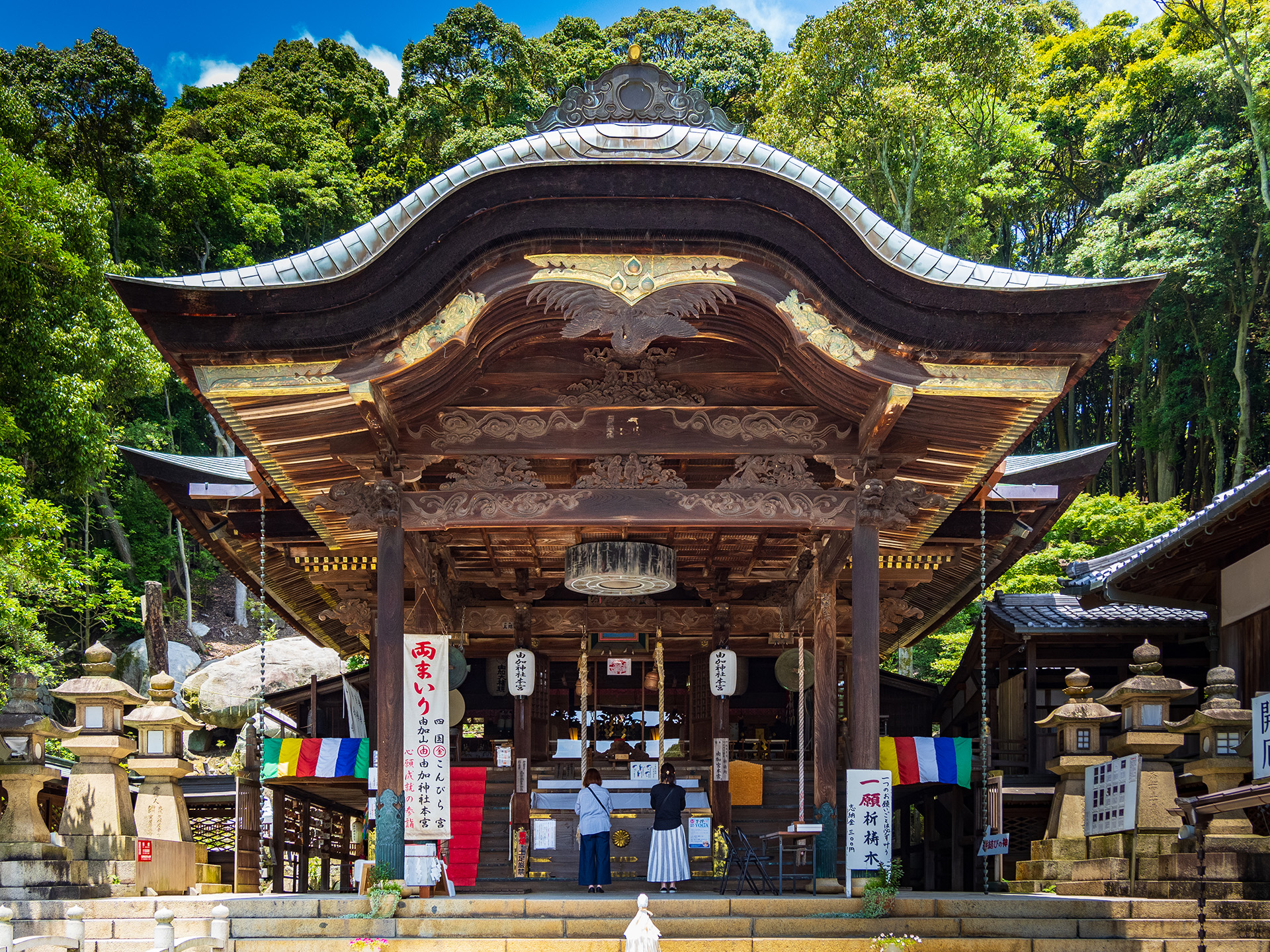
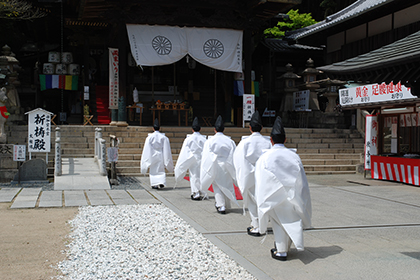
The main sanctuary was designated an Important Cultural Property by Okayama Prefecture in 1961. In 2024, Yuga Shrine's worship hall and offering hall, along with the main sanctuary of its Sanbo Kojin Shrine, were registered as Nationally Registered Tangible Cultural Properties. Explore these historic shrine buildings and take in the rich heritage of the shrine grounds.

 Shichi-go-san (Children’s Ceremony)
 Miyamairi (Newborn Blessing)
 Matchmaking
 Cutting Ties
 Financial Luck
 Business Prosperity
 Yakuyoke (Purification)
 Health & Well-being
 Safe Childbirth
 Exam Success
 Traffic Safety
 Fertility
 Performing Arts
 Love Fulfillment
 Bountiful Harvest
 Family Safety
 Academic Success
 Recovery from Illness

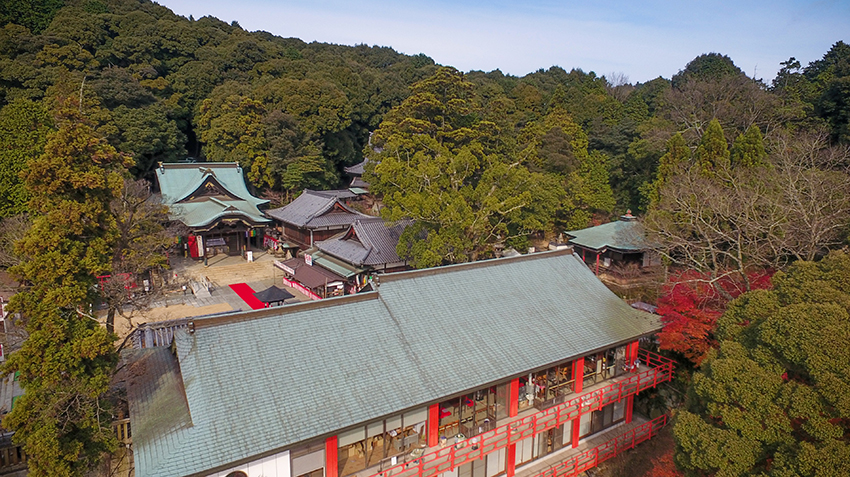
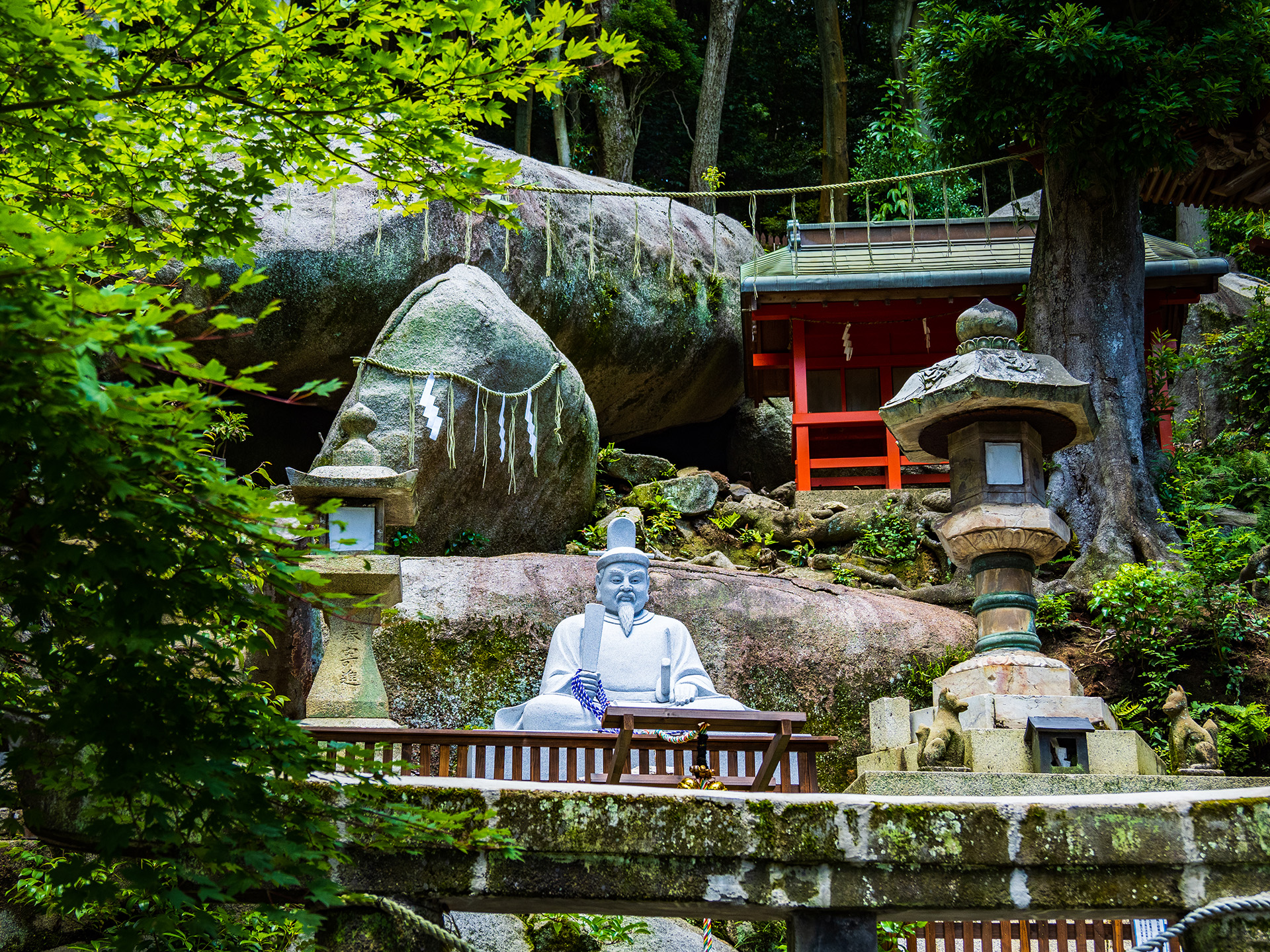
Located in Yuga in the Kojima area of Kurashiki, Okayama Prefecture, "Yugasan Yuga Shrine Hongu" has a history spanning more than 2,000 years and is known as a leading center of worship for protection against misfortune. Rooted in iwakura worship, in which a massive rock serves as the sacred object of worship, the shrine has long been revered by local people as a guardian of the community. During Emperor Kanmu's reign, the shrine flourished as a place of prayer for the imperial court. In the mid-Edo period, Lord Ikeda, the feudal ruler of Okayama Domain, was deeply devoted to the shrine and is said to have visited personally at New Year and in May and September. The building where he offered prayers is now the main sanctuary of "Yugasan Yuga Shrine Hongu." The custom known as the "Yugasan-Konpirasan dual pilgrimage" also became widespread, and visiting both shrines has long been believed to bring numerous blessings. The shrine continues to attract worshippers from across Japan. Consider offering a prayer to Yuga's Gongen, the great deity believed to answer every request.
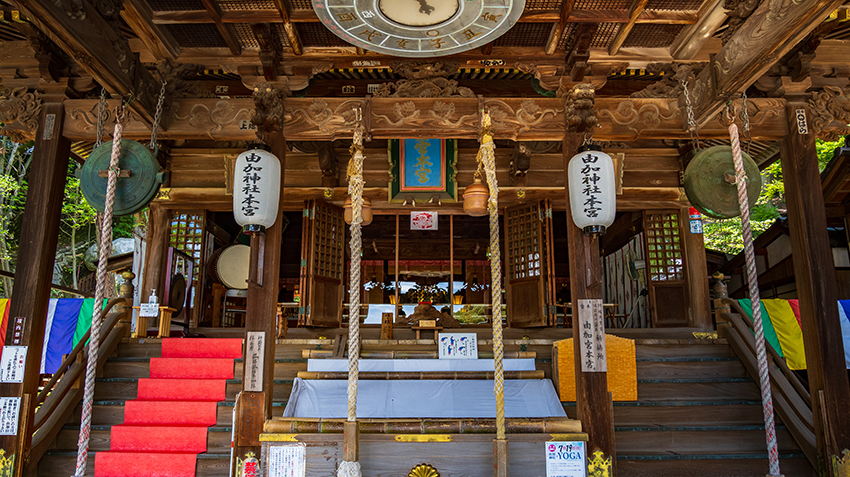
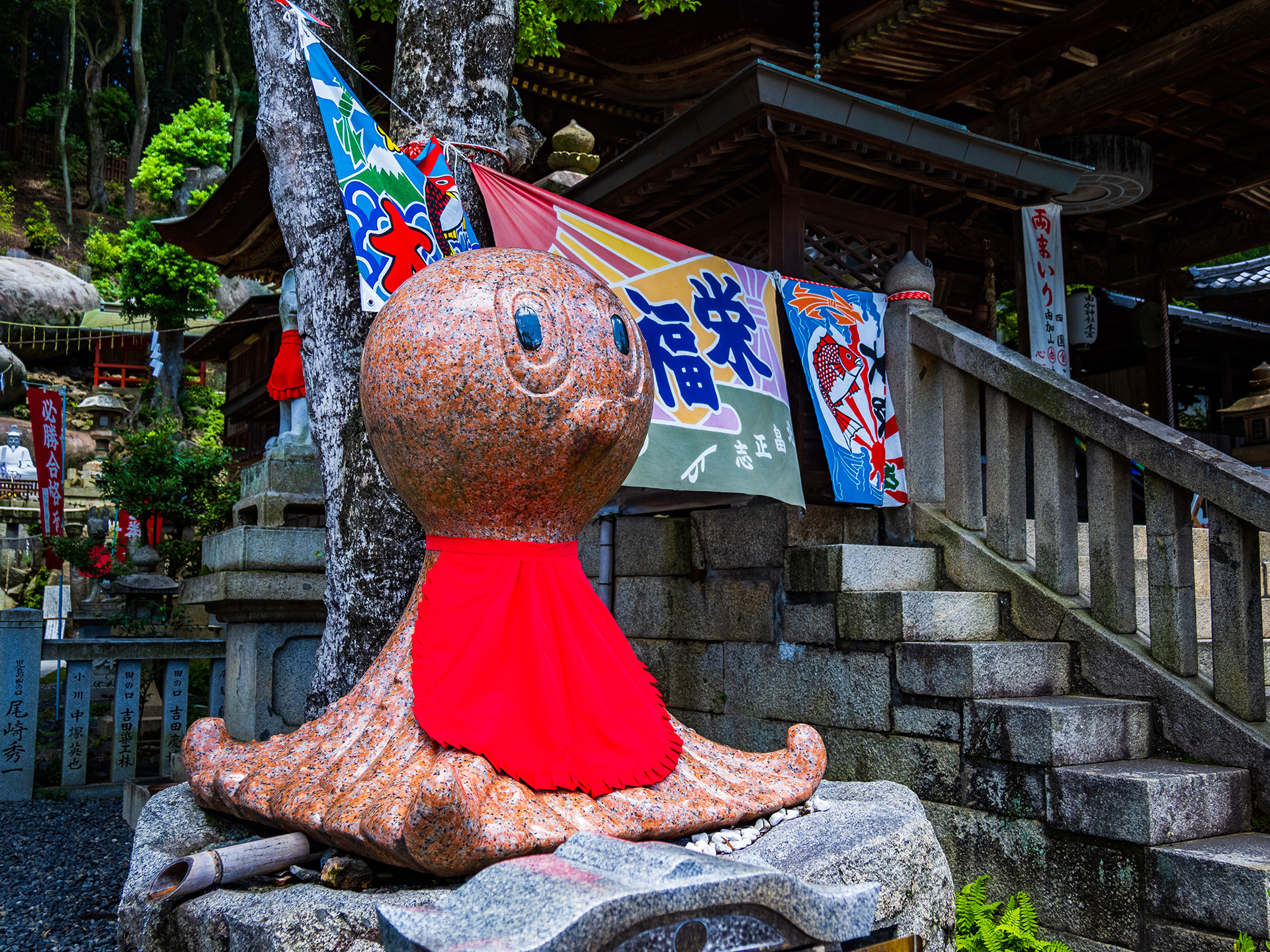
The main sanctuary was designated an Important Cultural Property by Okayama Prefecture in 1961. In August 2024, the shrine's worship hall and offering hall, the main sanctuary of its Sanbo Kojin Shrine, and the Great Bizen Ware Torii Gate (Yuga Shrine Great Torii Gate) were registered as Tangible Cultural Properties by the national government. The shrine buildings feature intricate carvings, including depictions of deities from Japanese mythology, and decorative metal fittings that reflect their history and the skill of the artisans who created them. Particularly striking is the Great Bizen Ware Torii Gate, donated in 1894. On either side stand Bizen ware lion statues with cubs, donated in 1829 (Bunsei 12) by the Ikeda family of Bizen-Amaki. Together, the gate and statues offer a glimpse of Okayama Prefecture's traditional craftsmanship and long history. Other highlights include Susanoo-no-Mikoto, an enshrined deity associated with matchmaking, and Owatatsumi-no-Mikoto, whose distinctive octopus-shaped stone statue is another point of interest.
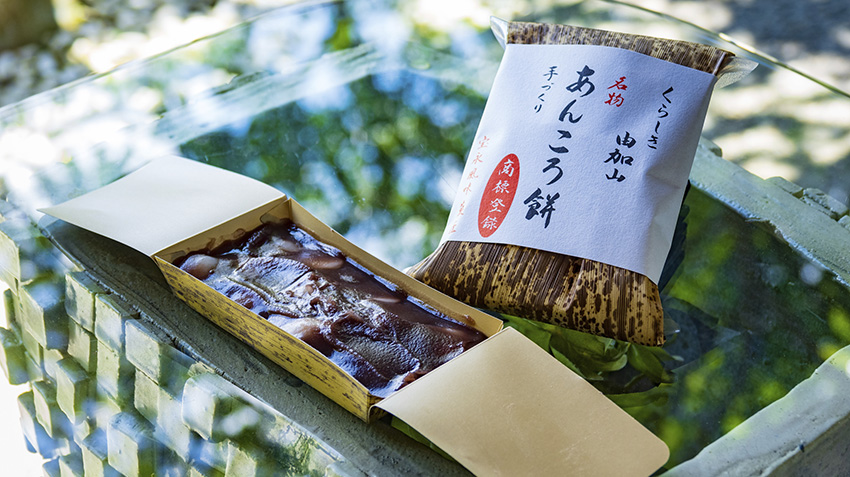
The traditional confection "Ankoro mochi" (soft rice cakes coated in sweet red bean paste) has been a beloved specialty of historic Mount Yuga in Kurashiki, Okayama Prefecture, for about 400 years. With the hope that "more people will discover the local specialty "Ankoro mochi" and enjoy its delicious taste," "Tasuke Chaya," located at the entrance to the main approach to "Yugasan Yuga Shrine Hongu," began making and selling "Ankoro mochi" directly in 2000. The shop's peaceful atmosphere provides a pleasant setting for savoring Mount Yuga's famous "Ankoro mochi," along with "udon," "soba," "zenzai" (sweet red bean soup), and "matcha." It is an inviting place to stop before or after visiting the shrine, enjoy a meal, and spend some leisurely time. Takeout is also available, making the sweets ideal souvenirs. When exploring Mount Yuga, be sure to stop by and savor the famous "Ankoro mochi," which preserves its traditional flavor.

Seasonal beauty within the shrine's grounds and nature


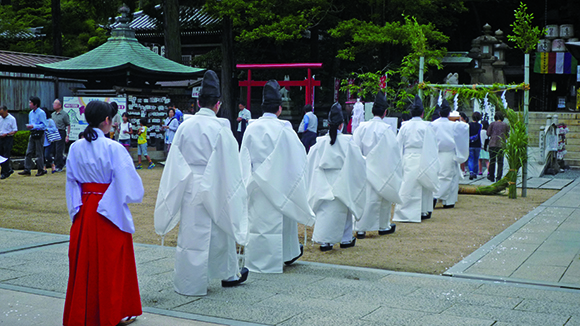
Summer's Wakuguri Festival and
Octopus and Fish Memorial Rite
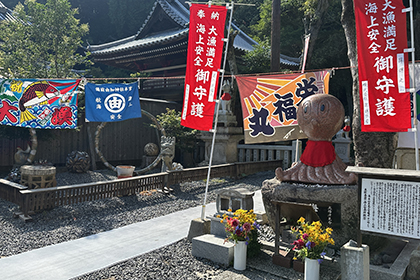

A Major Autumn Event
Yugasan Hiwatari Taisai

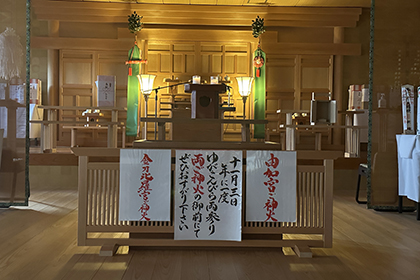

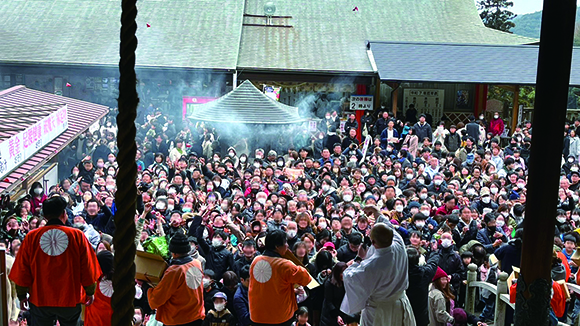
Marking Setsubun and Year's End
Traditional Winter Shinto Rituals

Yugasan Yuga Shrine Hongu
由加山 由加神社本宮


Introducing seasonal outing spots and event information in Okayama! Visit the places that interest you!
Pick popular spots nearby!

14.9kmfromYugasan Yuga Shrine Hongu
Address:3010 Ishijima, tamano, okayama

19.4kmfromYugasan Yuga Shrine Hongu
Address:8-48 Tenjin Town, okayama, okayama

21.6kmfromYugasan Yuga Shrine Hongu
Address:6-10 Ichiban Town, Utazu Town, ayauta, kagawa

22.3kmfromYugasan Yuga Shrine Hongu
Address:796-53 Goto Town, takamatsu, kagawa
22.5kmfromYugasan Yuga Shrine Hongu
Address:36-1 Kozai Honmachi, takamatsu, kagawa

23.8kmfromYugasan Yuga Shrine Hongu
Address:3-8-8 Saidaiji Naka, okayama, okayama

25.9kmfromYugasan Yuga Shrine Hongu
Address:4-1 Minamishin Town, takamatsu, kagawa
29.9kmfromYugasan Yuga Shrine Hongu
Address:3720-360 Mure, Mure Town, takamatsu, kagawa

38.1kmfromYugasan Yuga Shrine Hongu
Address:2697 Inbe, bizen, okayama
40.4kmfromYugasan Yuga Shrine Hongu
Address:931 Taurako, Shodoshima Town, shozu, kagawa
 Café/Sweets
8.6kmfromYugasan Yuga Shrine Hongu
Address:Inside Washuzan Visitor Center, 1-2-2 Tanoura, Shimotsui, kurashiki, okayama
 Japanese Cuisine
10.3kmfromYugasan Yuga Shrine Hongu
Address:237-6, Uchio, okayama, okayama
 Café/Sweets
12.2kmfromYugasan Yuga Shrine Hongu
Address:1-11-9 Chuo, kurashiki, okayama
 Local Specialties
12.3kmfromYugasan Yuga Shrine Hongu
Address:1-4-22 Chuo, kurashiki, okayama
 Local Specialties
12.3kmfromYugasan Yuga Shrine Hongu
Address:B-Building, Achinosato, 3-12 Hon Town, kurashiki, okayama
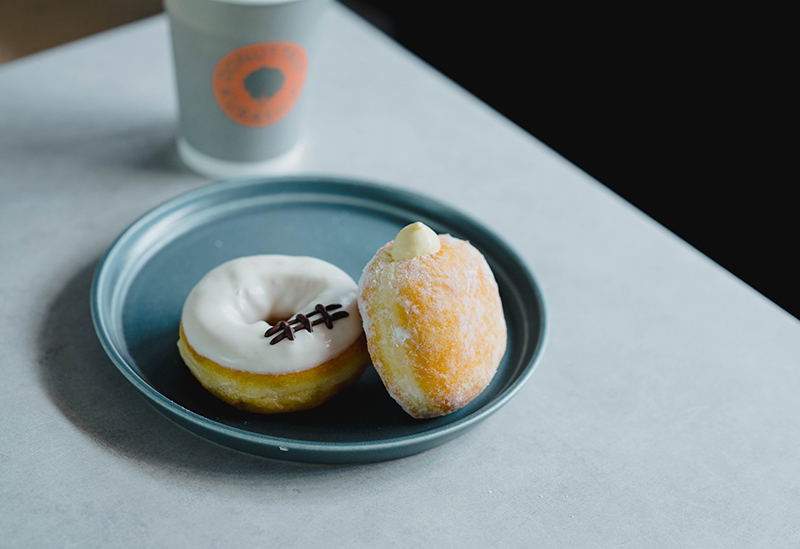 Café/Sweets
12.5kmfromYugasan Yuga Shrine Hongu
Address:2-25-29 Achi, kurashiki, okayama
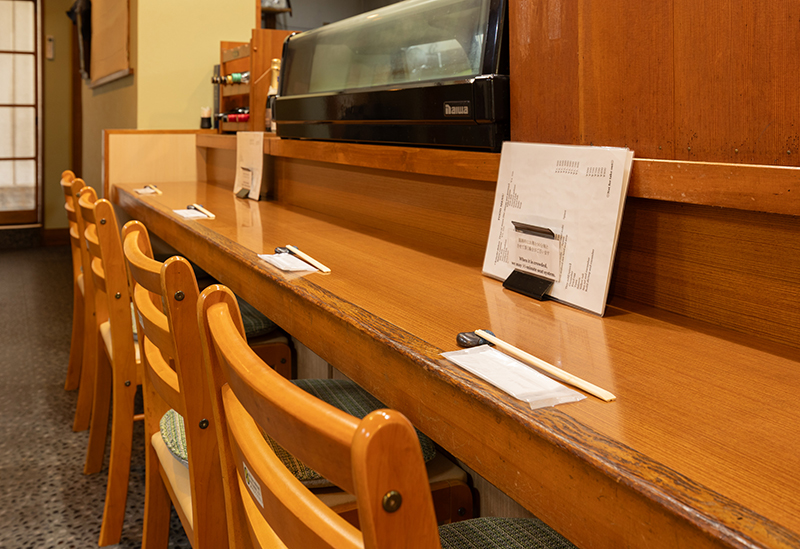 Japanese Cuisine
12.5kmfromYugasan Yuga Shrine Hongu
Address:2310-30 Miyanoura, Naoshima Town, kagawa, kagawa
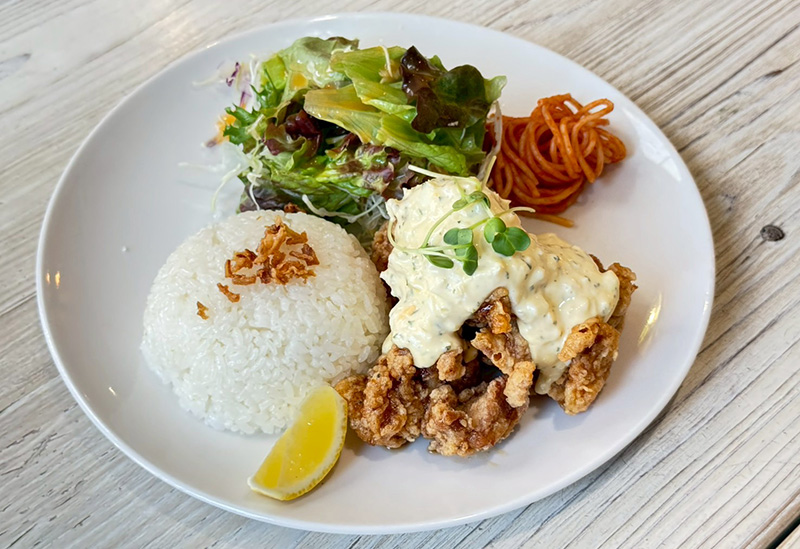 Western Cuisine
12.9kmfromYugasan Yuga Shrine Hongu
Address:2-7-5 Achi, kurashiki, okayama
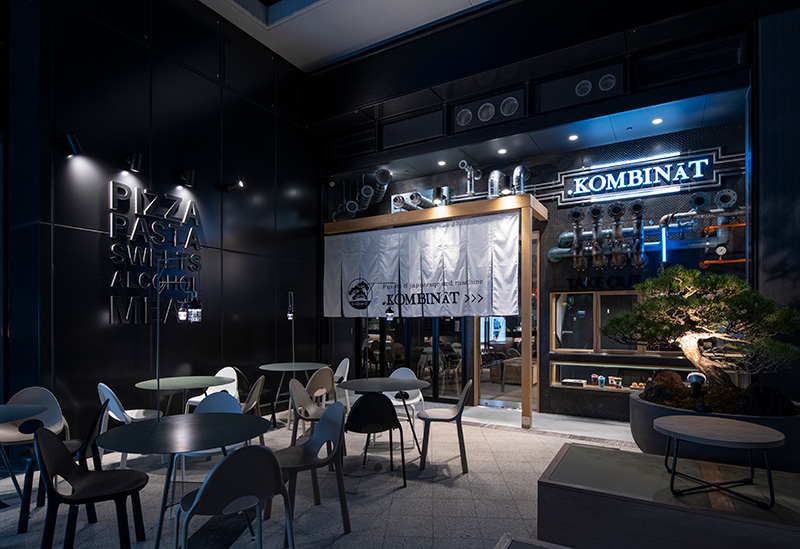 Western Cuisine
12.9kmfromYugasan Yuga Shrine Hongu
Address:124 Achi Terrace Kurashiki North Building, 3-9-1 Achi, kurashiki, okayama
 Café/Sweets
14.3kmfromYugasan Yuga Shrine Hongu
Address:845-7 Naoshima Town, kagawa, kagawa

10.2kmfromYugasan Yuga Shrine Hongu
Address:5-28-30 Tai, tamano, okayama
12.3kmfromYugasan Yuga Shrine Hongu
Address:1-21 Higashimachi, kurashiki, okayama
16.3kmfromYugasan Yuga Shrine Hongu
Address:499-1 Kisawa, Ougoshi Town, sakaide, kagawa

18.3kmfromYugasan Yuga Shrine Hongu
Address:4-1-16 Kadotahon Town, Naka Ward, okayama, okayama

19kmfromYugasan Yuga Shrine Hongu
Address:3-1-35 Hokan Town, okayama, okayama
24.1kmfromYugasan Yuga Shrine Hongu
Address:43-17 Hamano Town, takamatsu, kagawa

24.1kmfromYugasan Yuga Shrine Hongu
Address:3-5-10 Seiho Town, takamatsu, kagawa

25.8kmfromYugasan Yuga Shrine Hongu
Address:8F Marugame Town Green, 8-23 Marugame Town, takamatsu, kagawa
29.2kmfromYugasan Yuga Shrine Hongu
Address:1351-8 Takinomiya, Ayagawa Town, ayauta, kagawa
32.3kmfromYugasan Yuga Shrine Hongu
Address:1092-2 Shimokushinashi, Kotohira Town, nakatado, kagawa

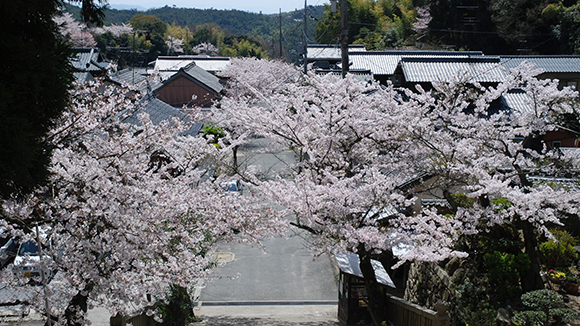
By Omotesando and Parking Area
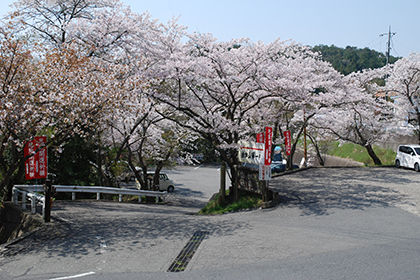
Cherry Blossoms in Spring