



8 Recommended Travel Destinations in Japan for 2026
2026/06/10
 2026/06/26
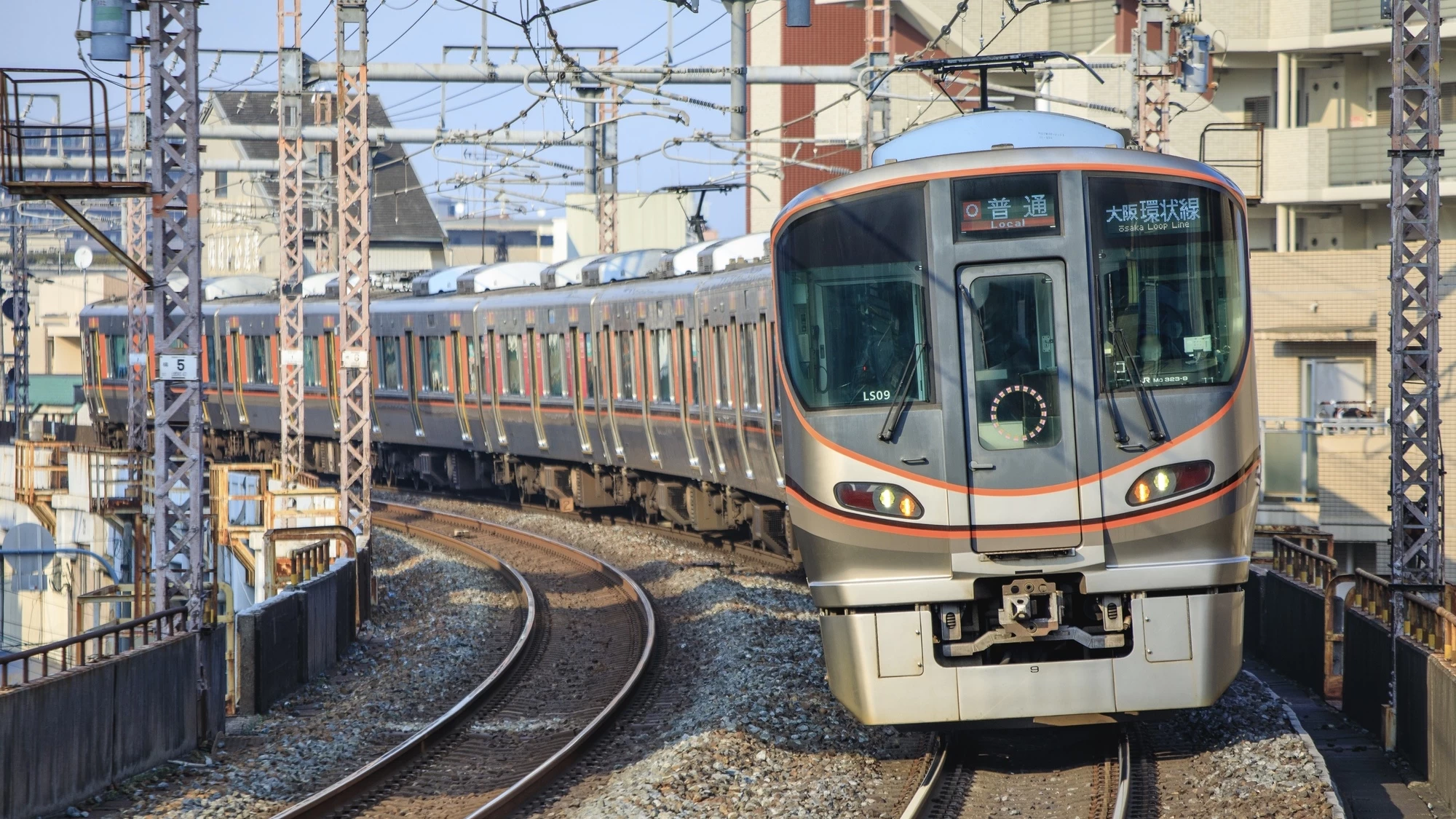
Circling central Osaka, the JR Osaka Loop Line offers a practical way to make sense of the city. The route links major sightseeing areas, dining districts, shopping hubs, useful transfer points, and neighborhoods with a more local feel. This guide explains the basics of riding the line, highlights key stations, and shows how different parts of Osaka fit together.
Table of Contents of This Article
Open Table of Contents ▼
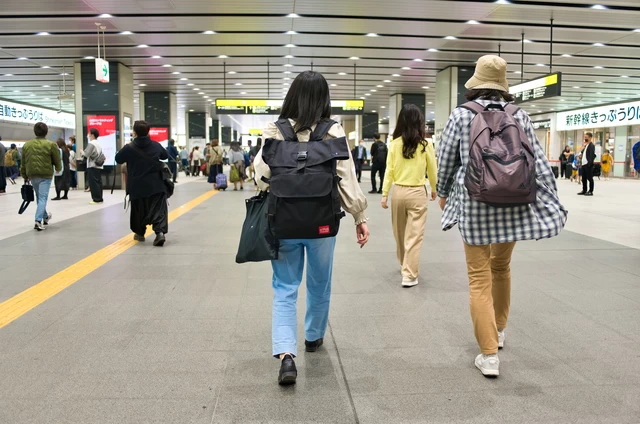
Photo by PIXTA
Many Osaka Loop Line stations connect with Osaka Metro and other railway operators. Check these points before riding:
JR and Osaka Metro have separate ticket gates and fare systems. In areas such as Umeda, several stations operated by different companies serve the same district, so different tickets or passes may be required.
-Some Shinkansen tickets include onward travel on JR local lines within Osaka City. If the ticket is marked "Osaka City," use the JR transfer gate at Shin-Osaka Station before exiting the JR ticket gates.
-Osaka Metro day passes are not valid on JR lines. Check which train and bus networks are covered before using a pass.
When arriving at Shin-Osaka Station by Shinkansen, check whether the basic fare ticket (乗車券) is marked "大阪市内 (Osaka City)". The basic fare ticket (乗車券) covers the base fare for the journey. (On Shinkansen trips, it is separate from any Shinkansen surcharge ticket that may also be required). If it is marked "大阪市内 (Osaka City)," the ticket may remain valid for travel on JR lines within Osaka City after arriving at Shin-Osaka Station.
At the Shinkansen-to-JR transfer gate:
Insert the required ticket or tickets as shown at the gate.
Take back the basic fare ticket if it is returned.
Follow signs to the local JR platforms instead of leaving through the regular exit gates.
For the Umeda area, Osaka Station is usually the simplest option. Since Osaka Station is directly connected to Umeda, a separate Osaka Metro ticket may not be needed.
1. Osaka Station and Umeda Station Are Different Stations
For JR access to the Umeda area, use Osaka Station.
2. JR Namba Station Is Not on the Osaka Loop Line
For Dotonbori and central Namba, take Osaka Metro to Namba Station instead.
3. The Enjoy Eco Card Does Not Cover JR Trains
The Enjoy Eco Card is a one-day pass for unlimited travel on Osaka Metro and some Osaka City Bus routes. It is not valid on JR trains.
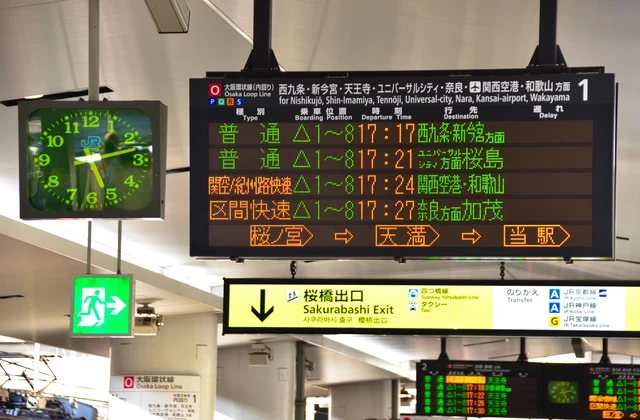
Photo by PIXTA
Using the Osaka Loop Line becomes easier once a few basic points are clear.
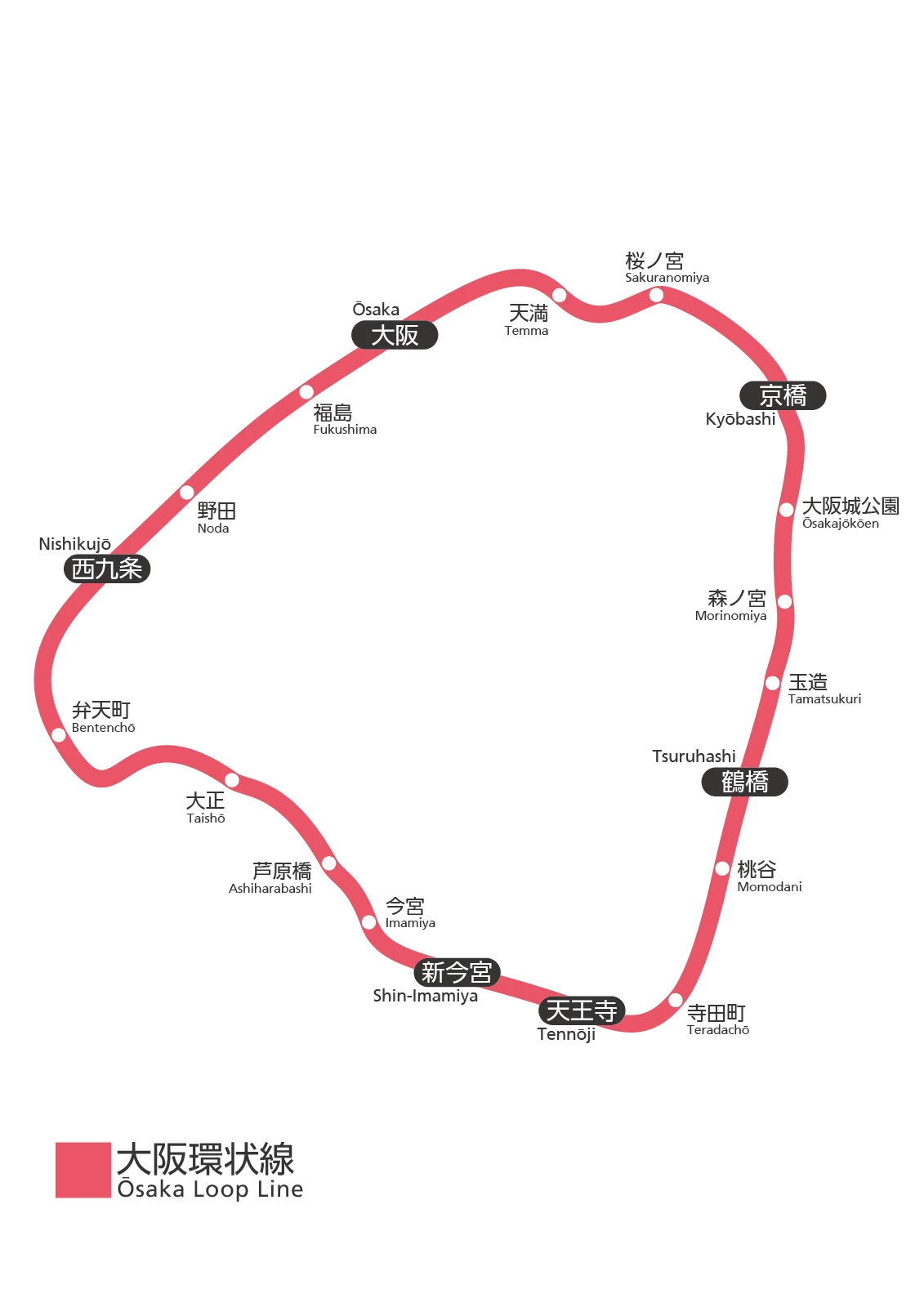
The Osaka Loop Line runs in two directions: the inner loop and the outer loop. From Osaka Station, the inner loop runs counterclockwise via Nishikujo toward Tennoji, while the outer loop runs clockwise via Kyobashi toward Tennoji.
From Osaka Station:
- Inner Loop via Nishikujo — useful for transfers toward Universal Studios Japan and Kyocera Dome Osaka
- Outer Loop via Kyobashi — useful for visits to Osaka Castle and the Osaka Mint area.
Check the destination display and platform signs before boarding, especially on a first ride.
Some trains using the Osaka Loop Line continue beyond the loop. Depending on the service, trains may head toward Universal Studios Japan, Kansai Airport, Wakayama, or Nara. Do not rely on train color or appearance alone; check the train type and destination on the electronic display before boarding.
Each of the 19 Osaka Loop Line stations has its own departure melody, often linked to local history or culture. For example, Osaka-jo-koen Station's departure melody incorporates the sound of a conch shell inspired by the Siege of Osaka. These melodies add a small local detail to the ride between stops.
Osaka Loop Line Route Map
These six key stations provide the easiest way to understand how the Osaka Loop Line fits into the city. Start here to get a sense of the loop's major hubs, then add nearby stops for food, shopping, transfers, or quieter neighborhood walks.
Osaka Station sits at the heart of Umeda, a major hub for transportation, shopping, dining, and hotels. Underground passages connect the station with Osaka Metro and many of the area's commercial complexes. From here, the loop runs one stop west to Fukushima for evening dining and one stop east to Temma for Tenjinbashisuji Shopping Street, Osaka Tenmangu Shrine, and the Osaka Mint.
Tennoji Station marks the southern gateway of the Osaka Loop Line, bringing JR, Osaka Metro, and other rail lines into a compact transport hub. Tennoji Mio and Abeno Harukas make Tennoji one of Osaka's major shopping and dining areas. Nearby Shitennoji Temple, Keitakuen Garden, and the Teradacho neighborhood offer a contrast of history, greenery, and quieter streets.
Kyobashi Station is a major transfer hub on the eastern side of the loop, connecting the Osaka Loop Line with the Keihan Main Line, Osaka Metro, and other JR lines. It also provides convenient access to the Osaka Castle area and Osaka Business Park. Sakuranomiya, one stop away, is a popular riverside cherry-blossom spot in spring.
Nishikujo Station is the main transfer point for the JR Yumesaki Line to Universal Studios Japan. Despite the steady flow of visitors, the area around the station retains an old-school Osaka atmosphere, with long-running izakaya and neighborhood bathhouses. From here, the Osaka Loop Line continues west toward Bentencho and the Osaka Bay area.
Shin-Imamiya Station is best known as the gateway to Shinsekai and Tsutenkaku. Janjan Yokocho and the surrounding streets are lined with casual eateries, while Imamiya Ebisu Shrine lies within walking distance. Nearby Imamiya and Ashiharabashi offer a quieter, more local side of southern Osaka.
Tsuruhashi Station brings JR, Kintetsu, and Osaka Metro together on the eastern side of the loop, making it a convenient stop for food and onward trips toward Nara or Ise. Just outside the gates, market lanes, yakiniku restaurants, and small shops create one of Osaka's best-known food districts. Nearby Tamatsukuri adds historical connections, while Momodani leads toward Ikuno Korea Town.
After identifying which parts of Osaka appeal most, the next step is choosing a convenient base. Umeda remains one of the most practical areas for sightseeing on the Osaka Loop Line, while couples, solo travelers, and wellness-focused visitors may prefer more specialized accommodations. Explore our guides to luxury hotels in Osaka, solo-friendly hotels in Umeda, and Osaka hotels with saunas.
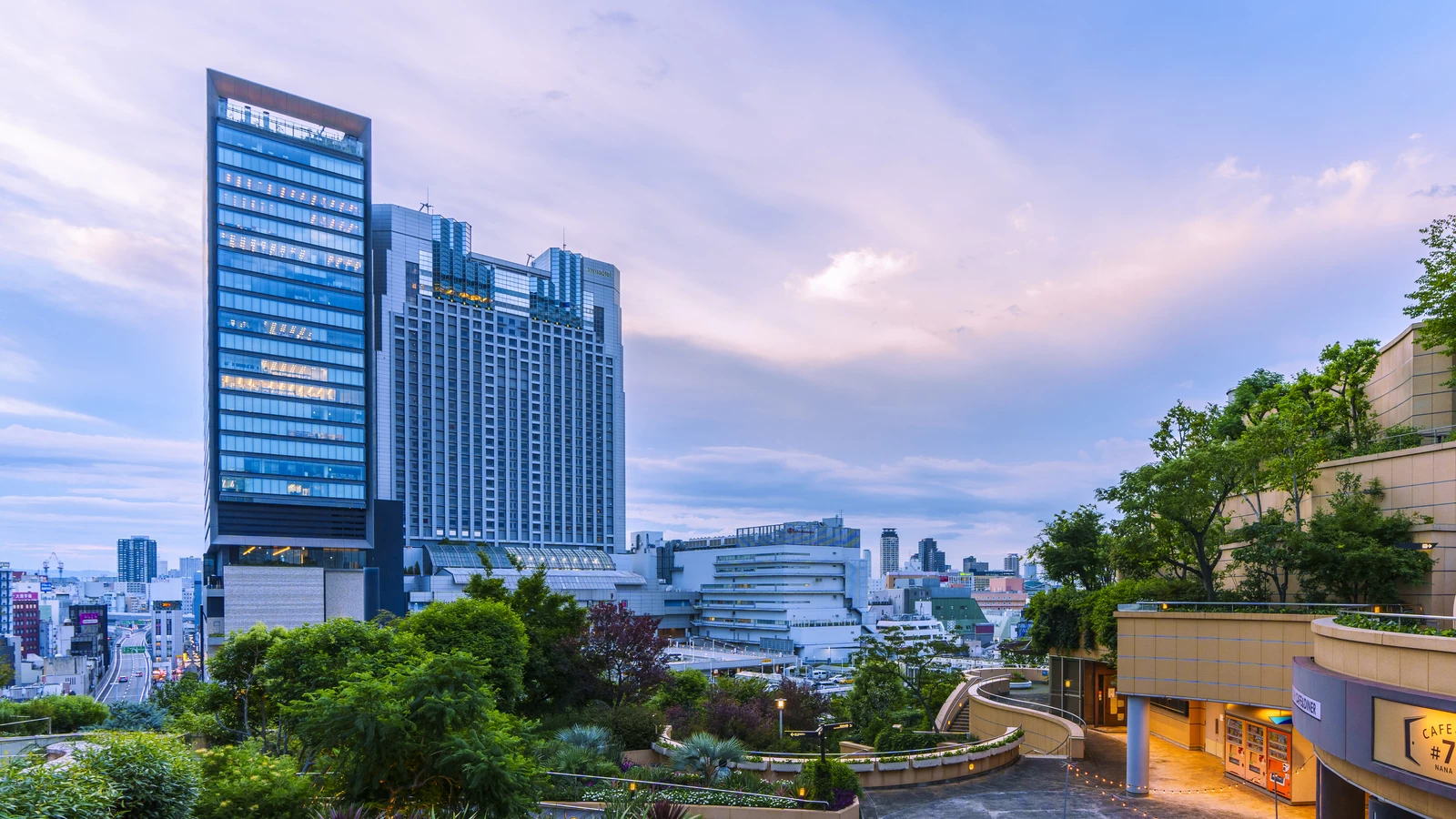
7 Luxury Hotels in Osaka for Couples on a Special Day
In the heart of Osaka, luxury hotels await that belong on any traveler’s bucket list, including world-renowned properties built for affluent international visitors. Perfect for couples, these high-end stays offer comfort, style, and unforgettable experiences.
Read Article▸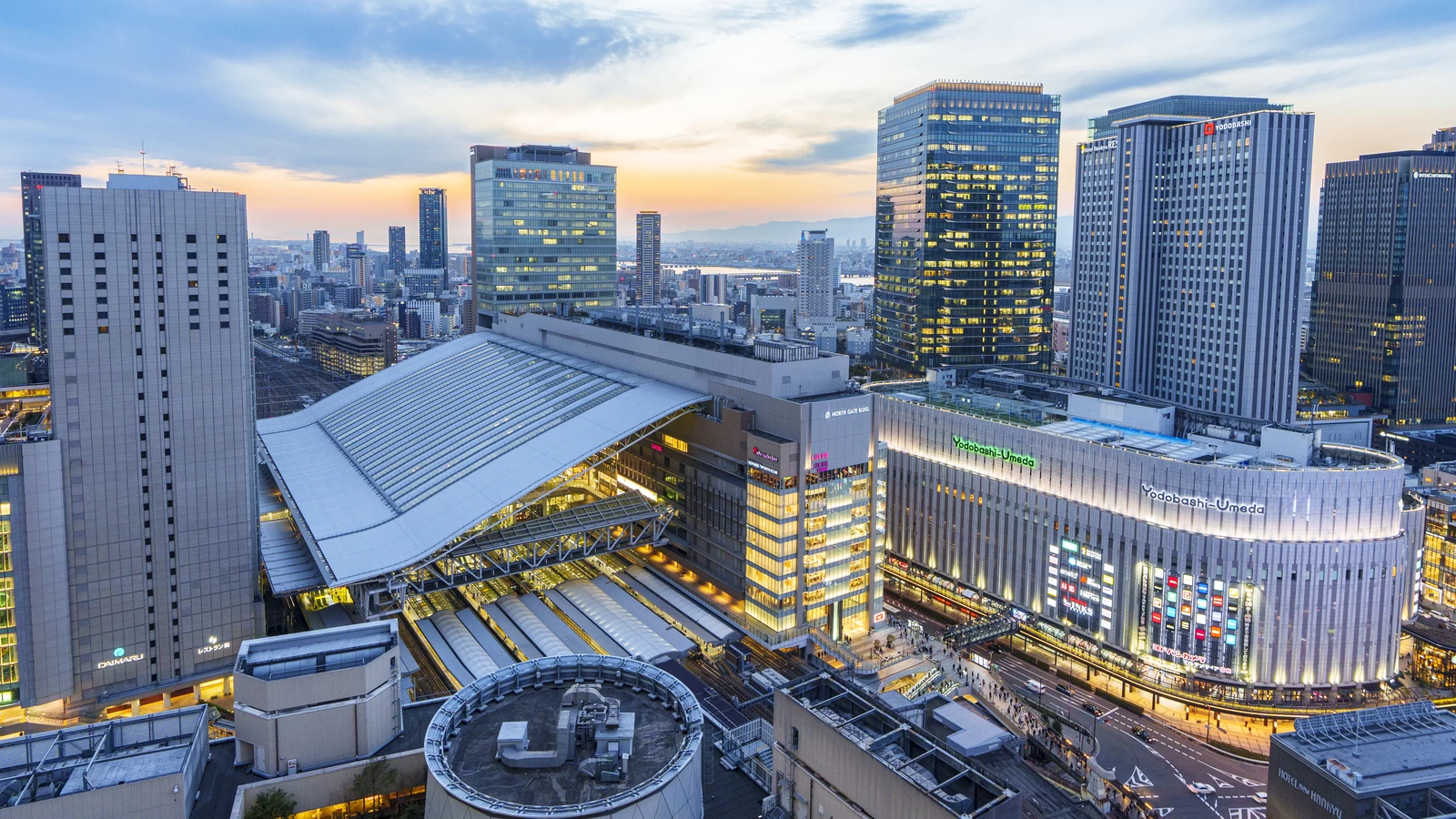
7 Best Solo-Friendly Hotels in Umeda
Exploring Osaka on your own? The city offers a range of hotels that cater perfectly to solo travelers, blending comfort, style, and convenience. Around Umeda Station, in the heart of Osaka, you’ll find accommodations ideal for both sightseeing and business. From sleek high-rises with stunning skyline views to hotels that combine a convenient location with a relaxing, well-equipped stay.
Read Article▸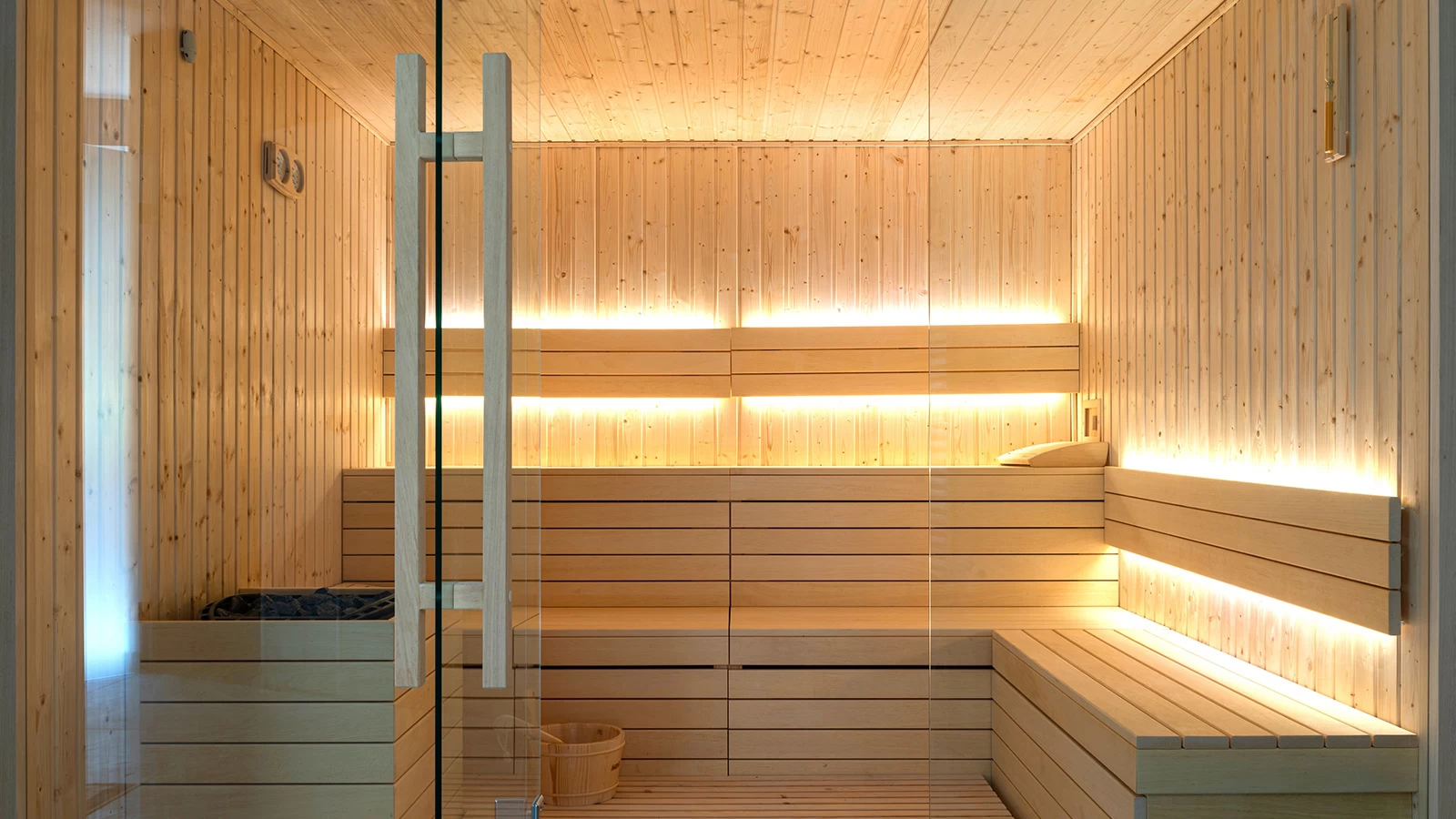
5 Osaka Hotels with Saunas for a Relaxing, Refreshing Stay
The Japanese sauna boom—fueled by the buzzword totonou (“achieving deep relaxation”)—shows no sign of slowing down. For travelers, choosing a hotel with a sauna is an easy way to unwind both mind and body during a stay in Osaka, one of Japan’s most visited cities. Many hotels pair their saunas with public baths or fitness facilities, often at good value. Saunas can help regulate the nervous system, boost circulation, and leave your skin feeling refreshed. Some facilities are limited to staying guests, so check access in advance.
Read Article▸
Photo by PIXTA
The Osaka Loop Line is best viewed as a framework for exploring the city. Major stations provide convenient starting points, while nearby food streets, local neighborhoods, riverside walks, and transfer points make it easy to shape the day around different parts of Osaka. Used this way, the line helps connect many of the places that give Osaka its distinct character.

Was it helpful? Please try using it when traveling or going out.
Article planning/supervision:editor nakayama
writer:Chisato(NEXER)
Updated every Monday: Total number of views for 30 days

Coin lockers at Disneyland! Also what to do when you don't have a place or space to leave your belongings!
2024/11/25

Summary of Luggage Lockers (Coin Lockers) at Yokohama Station! Where Can You Find Free or Affordable Options?
2025/01/31

12 Must-Visit Okinawa Souvenir Shops for Awamori, Perfume, and Ryukyu Glass
2026/05/04

Top 10 Souvenirs to Buy at Shin-Yokohama Station — Best Spots for Cute Treats
2026/05/05

Exploring Okinawa by Campervan: A First-Timer’s Guide
2026/05/15
![[Osaka Tourism] 15 Famous Cherry Blossom Spots – Introducing the Best Spots for Cherry Blossom Viewing!](https://imgen.tabiiro.travel/kankou.tabiiro.jp/articles/images/1740624639-02_25_thum.jpg?w=180&h=180&mode=crop)