8 Recommended Travel Destinations in Japan for 2026
2026/06/10
 2026/06/08
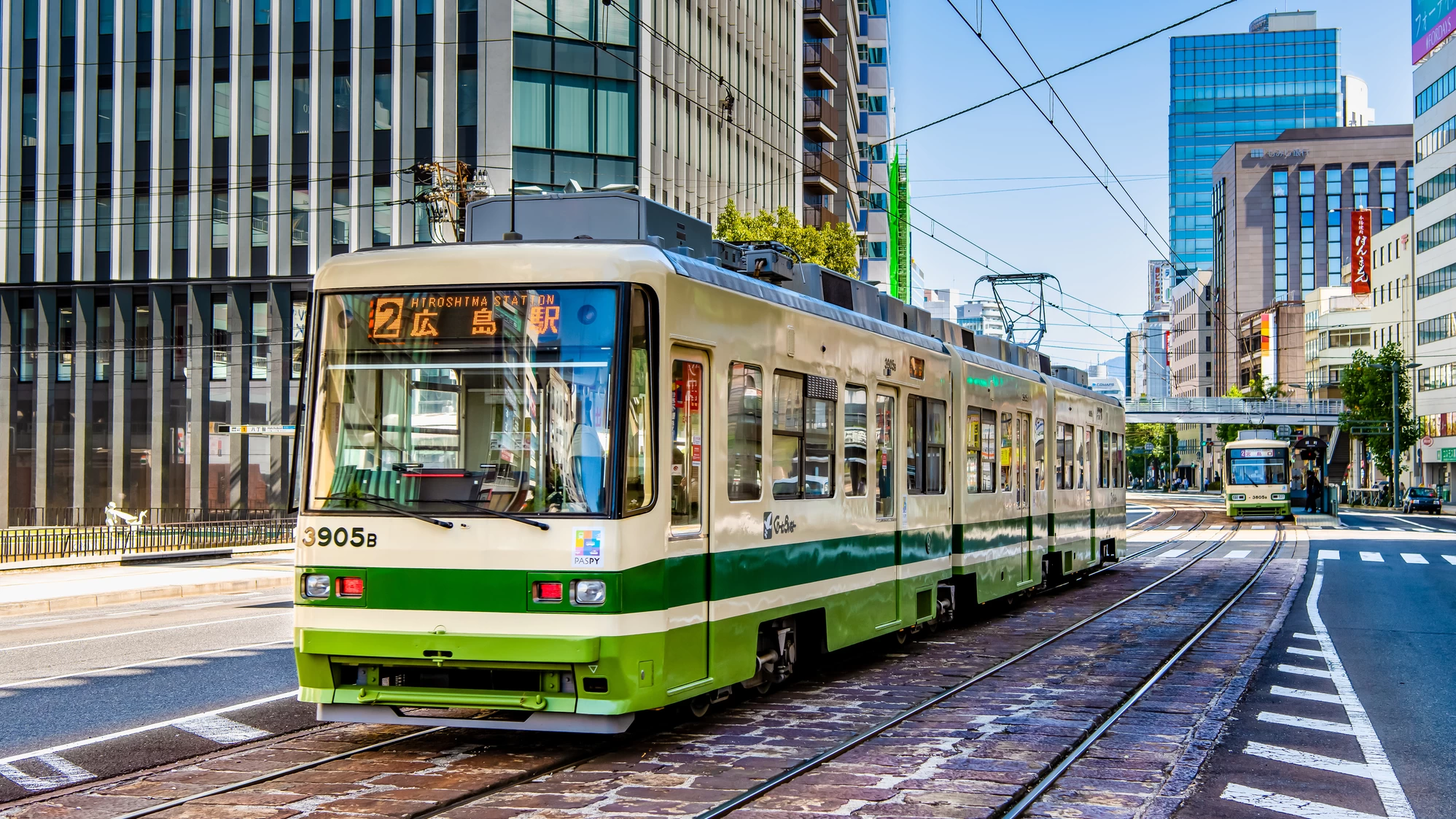
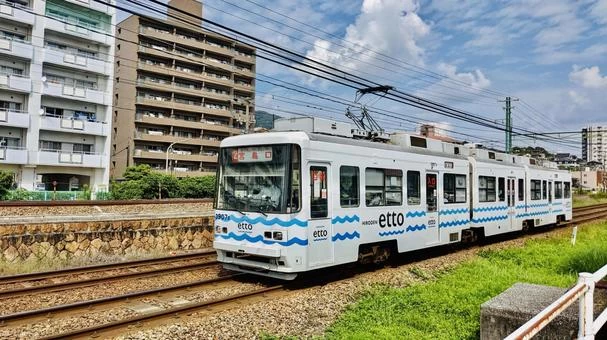
Hiroshima’s iconic streetcars, known as Hiroden, run through the city and are loved by locals and visitors alike. Hop on for an easy and affordable way to reach top sights across Hiroshima. This guide covers how to ride, fares, and useful tips, along with a brief look at their history.
*As of April 2026; please check official sites for updates.
Table of Contents of This Article
Open Table of Contents ▼
*Image
Explore Hiroshima with Hiroden, the streetcar system that takes you directly to many of the city’s top sights. Discover attractions you can reach on Hiroden alone, along with easy access tips for each stop.
For easy sightseeing around Hiroshima, hop on Hiroden, the city’s convenient streetcar network. From Hiroshima Station, you can explore the city’s unique streetscapes and reach major attractions with ease.
Visit must-see spots like the Hiroshima Peace Memorial and Peace Memorial Park (Genbaku-Dome-Mae stop), Hiroshima Castle (Kamiya-cho-Higashi stop), and the scenic Shukkei-en Garden (Shukkeien-Mae stop). The line also provides direct access to Miyajimaguchi, the gateway to Miyajima.
Ride in retro-style streetcars and enjoy the journey itself as part of your Hiroshima experience.
Start your Hiroshima sightseeing from Hiroshima Station with Hiroden for an easy and efficient way to get around.
The Hiroshima Peace Memorial and Peace Memorial Park are about a 15-minute ride on Line 2 or Line 6. To reach Hiroshima Castle, take Line 1 or Line 2 to Kamiya-cho-higashi, then walk about 10 minutes.
For Shukkeien Garden, take Line 1 to Hatchobori, transfer to Line 9, and get off at Shukkeien-mae. It’s a short 2-minute walk from there. You can also take Line 5 to Hiroshima Port, with the ride to the last stop taking about 30 minutes.
Hiroden is a convenient way to get around Hiroshima, whether for sightseeing or everyday travel. Its appeal goes beyond easy access and affordable fares, with a variety of value passes and travel options available. This guide introduces helpful tips to make the most of your Hiroden experience.
Riding Hiroden is easy, even for first-time visitors, as the system works much like a city bus.
Check the route number and destination on the front display, then board through any door.
You can pay using an IC card, cash, a one-day pass, or MOBIRY DAYS. If paying cash, take a numbered ticket when boarding. Card and pass users should tap the reader.
When you get off, pay at the front of the car near the driver.
Flat Fare: Adult ¥240 / Child ¥120 (Includes all lines across Hiroshima and the Miyajima Line)
Infants: Up to three infants ride free per paying passenger.
MOBIRY DAYS Special (Miyajima Line only): Get exclusive discounts of 10% or more when using MOBIRY DAYS on the Miyajima Line.
Example: Ride from Hiroden-Nishi-Hiroshima to Furue for ¥150.
One-Day Pass
Unlimited streetcar rides on all Hiroden lines
Recommended for easy sightseeing around the city
Adults: ¥700 / Child: ¥350
One-Day Streetcar & Ferry Pass
Unlimited streetcar rides plus the Miyajima ferry route
Ideal for visiting Miyajima
Adults: ¥1,000 / Child: ¥550
Passes are available onboard streetcars, at major station information centers, and online.
For trips that combine Hiroden streetcars and local buses, the Hiroshima Tabi Pass and Digital City Pass are also convenient options.
*Image
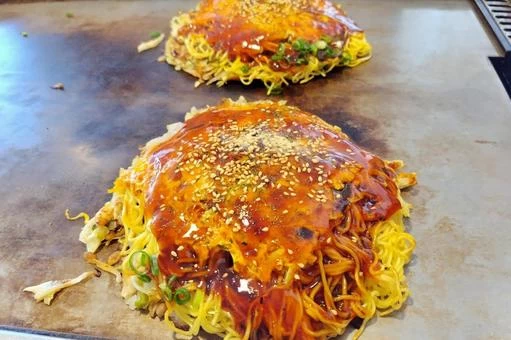
Hiroden makes it easy to explore Hiroshima’s local flavors, with different specialties found at each stop. Try getting off at multiple stops to discover a wider variety of dishes and enjoy the changing streetscapes along the way, turning your journey into a relaxed, food-focused city walk.
Explore Hiroshima’s local food scene with ease on Hiroden, hopping between stops to discover different specialties. Popular choices include Hiroshima-style okonomiyaki, packed with cabbage and noodles, and spicy soupless tantan noodles, a beloved local favorite.
For seafood, head toward the Miyajima area, known for plump oysters and the long-loved anago-meshi (conger eel over rice), both signature dishes of Hiroshima. Use Hiroden to explore and enjoy these local flavors to the fullest.
Discover local dining spots along the Hiroden Line, where each area offers its own specialties. Around Hatchobori, you’ll find many long-established restaurants serving Hiroshima’s signature okonomiyaki, making it a great place to enjoy local flavors.
Ebisucho is a lively area with many spots serving fresh seafood and local sake, making it ideal for an evening out. Kamiyacho and Tatemachi are popular for Hiroshima-style soupless tantan noodles and creative cuisine, and are great areas to enjoy strolling and sampling different dishes.
*Image
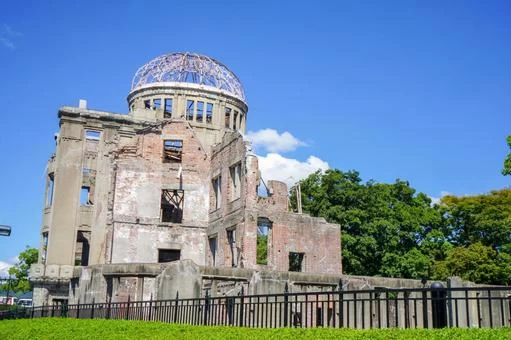
Hiroshima, a city shaped by the history of the atomic bombing, is still served today by Hiroshima Electric Railway (Hiroden). The streetcar network was heavily damaged but resumed operations through steady recovery efforts and continues to run across the city. This section explores the history of Hiroden, which has grown alongside Hiroshima over the years.
At 8:15 a.m. on August 6, 1945, the world’s first atomic bomb was dropped on Hiroshima. All 63 streetcars in operation at the time were exposed to the blast. About 90 percent of the company’s total fleet of 108 vehicles were damaged, and more than 40 were completely destroyed or burned. The Yagura-shita Substation near the hypocenter was also completely destroyed, causing severe damage to Hiroshima Electric Railway.
Both rolling stock and infrastructure suffered devastating damage, forcing all lines to suspend operations. Casualties included 185 deaths and 266 injuries, among them 30 students from the Hiroshima Electric Railway Home Economics School. A memorial stands beside the exit of Senda Depot, honoring those who lost their lives in the atomic bombing as well as others who have died in service since the company’s founding.
Despite the extensive damage, Hiroshima Electric Railway’s remaining staff began restoration work shortly after the bombing. They inspected tracks and vehicles on foot and used trucks and ropes to raise fallen utility poles, continuing their efforts under harsh conditions.
Electricity was supplied from the Hatsukaichi Substation, located about 15 kilometers from the hypocenter. On August 9, just three days later, streetcar service resumed between Koi (now Hiroden Nishi-Hiroshima) and Nishi-tenmacho (now Tenmacho). On the first streetcar after service resumed, passengers without money were allowed to ride free of charge. The sight of the streetcars running again, made possible through the efforts of many people, is said to have given hope to the citizens at the time.
Hiroshima Electric Railway began to recover soon after the war, but about a month after the atomic bombing, the Makurazaki Typhoon struck, causing further damage. Recovery efforts were extremely difficult amid severe material shortages and rapid inflation.
Even under harsh conditions, restoration continued steadily. By October 1945, major routes linking central Hiroshima and Hiroshima Station had been restored. The Yokogawa Line fully reopened in December 1948, followed by the Hakushima Line in June 1952. Most rolling stock had been restored by fiscal 1949. Streetcars No. 651 and No. 652, known as A-bombed streetcars, continue to run in Hiroshima today.
*Image
Ride Hiroden, Hiroshima’s beloved streetcar network that continues to operate today after overcoming wartime destruction and the atomic bombing. With its convenient access and affordable fares, it is also popular among visitors. It provides easy access to major sites such as the Hiroshima Peace Memorial and Peace Memorial Park, and is ideal for those who want to explore the city’s history and food culture. Hop on Hiroden and make your Hiroshima trip even more memorable.
Was it helpful? Please try using it when traveling or going out.
Article planning/supervision:editor omoto
writer:山本
Updated every Monday: Total number of views for 30 days

Coin lockers at Disneyland! Also what to do when you don't have a place or space to leave your belongings!
2024/11/25

Summary of Luggage Lockers (Coin Lockers) at Yokohama Station! Where Can You Find Free or Affordable Options?
2025/01/31

12 Must-Visit Okinawa Souvenir Shops for Awamori, Perfume, and Ryukyu Glass
2026/05/04

Top 10 Souvenirs to Buy at Shin-Yokohama Station — Best Spots for Cute Treats
2026/05/05

Exploring Okinawa by Campervan: A First-Timer’s Guide
2026/05/15