


55 Must-Visit Spiritual Spot Shrines in the Kanto region
2026/05/01
 2026/04/24
Akihabara is often known for otaku culture, but it offers far more than anime and electronics. Discover attractions anyone can enjoy in this guide to 16 must-see spots, from classic landmarks to places that reveal a new side of Akihabara. Whether you’re traveling solo, with friends, or on a date, explore this uniquely vibrant district.
Table of Contents of This Article
Open Table of Contents ▼
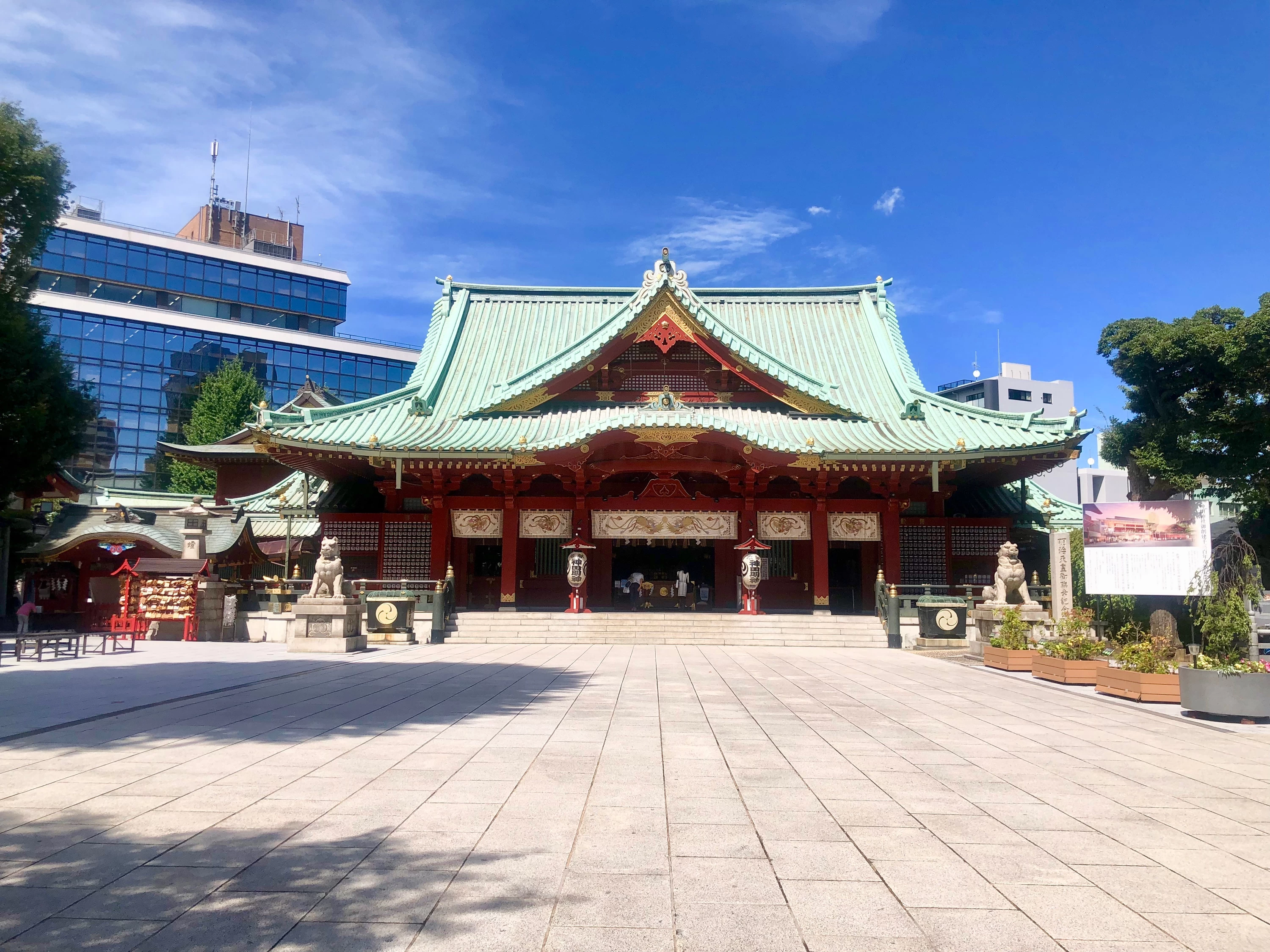
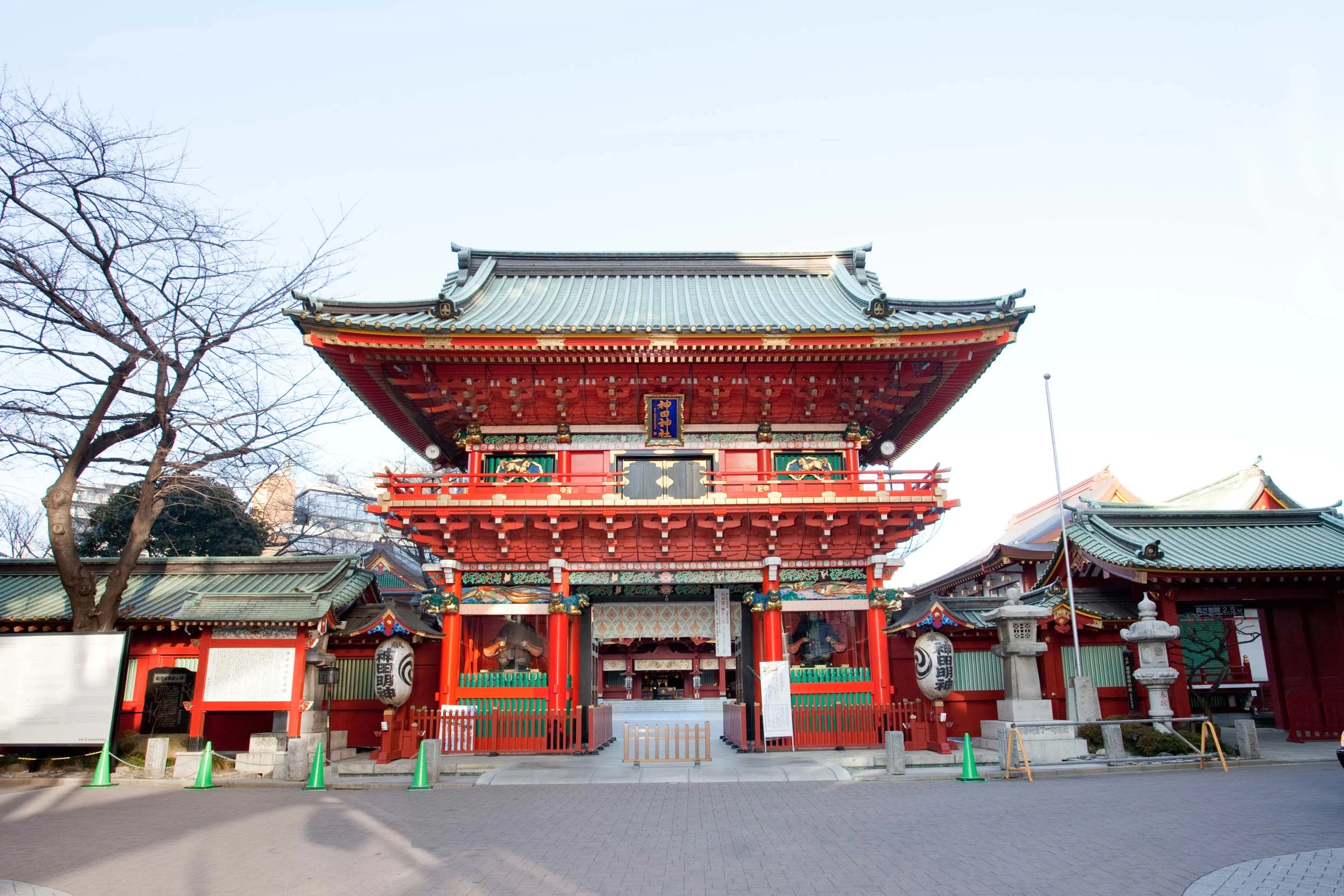
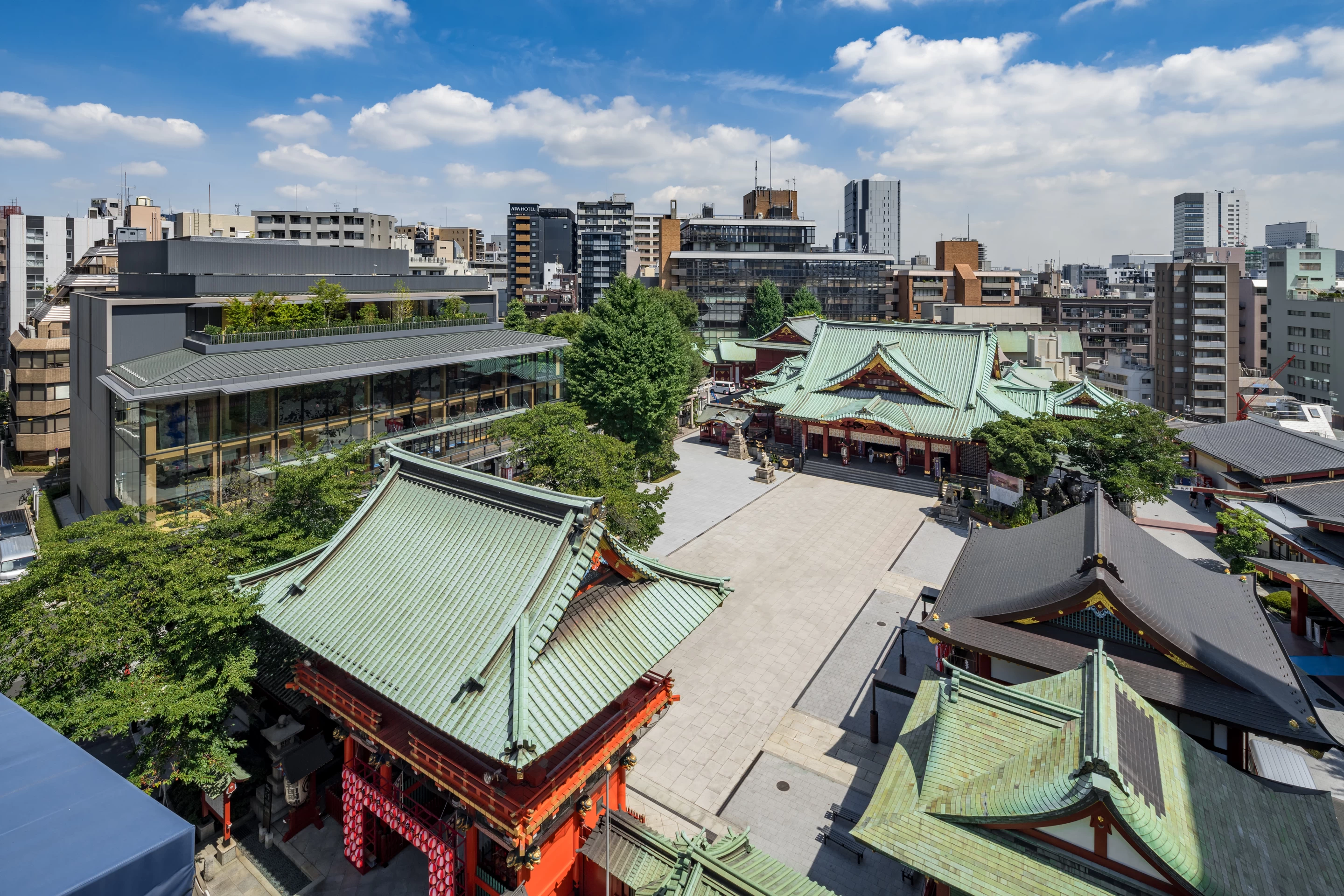
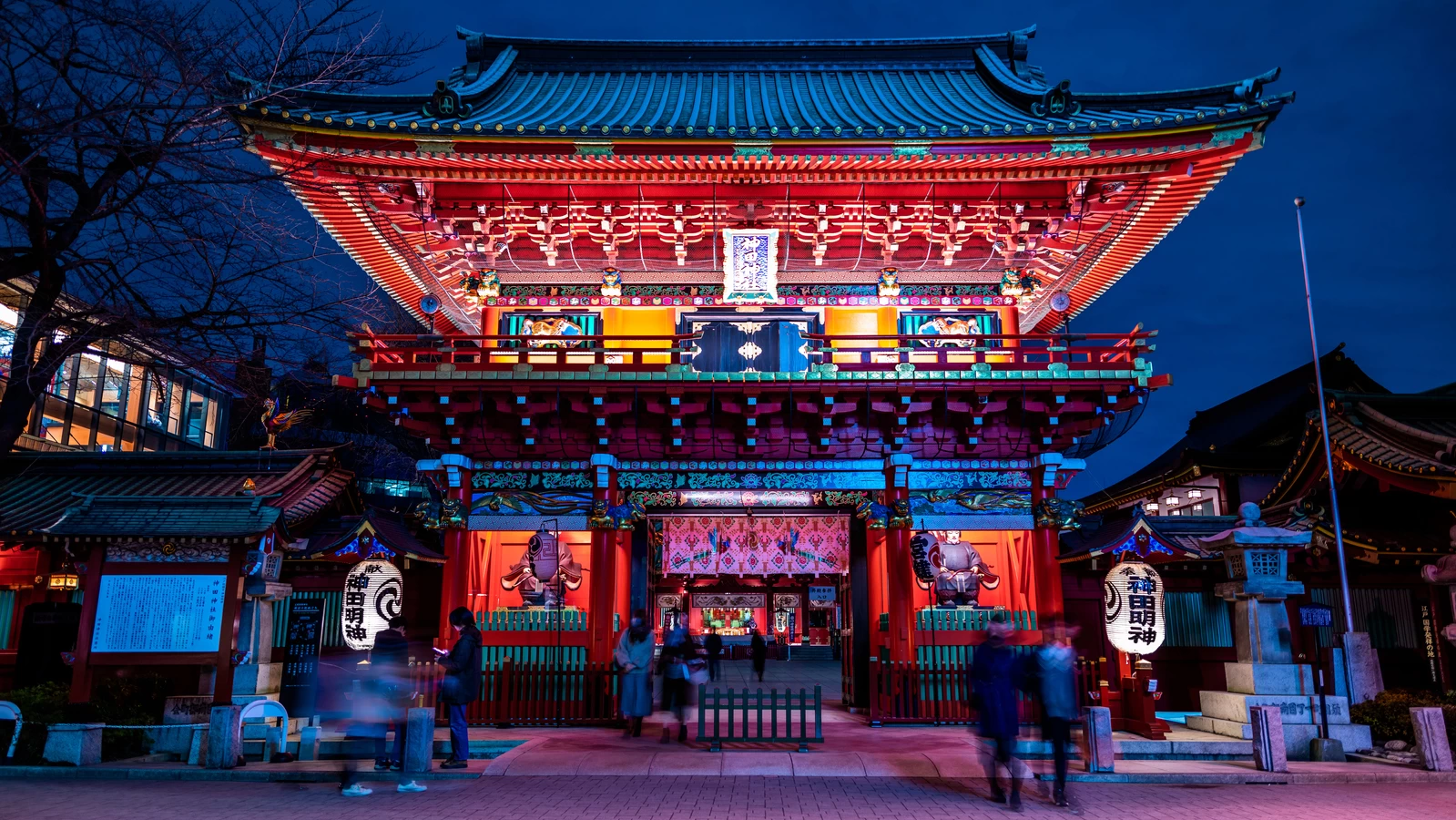
Kanda Myojin Shrine is the guardian of 108 neighborhoods in central Tokyo, including Kanda, Nihonbashi, Akihabara, and Toyosu. The shrine is known for blessings related to good fortune, business success, health, and protection from misfortune. It also offers a popular IT safety amulet, making it a unique spot for tech-minded visitors. Famous for its ties to anime and frequent collaborations, Kanda Myojin is a must-visit for subculture fans.
Kanda Shrine (Kanda Myojin)

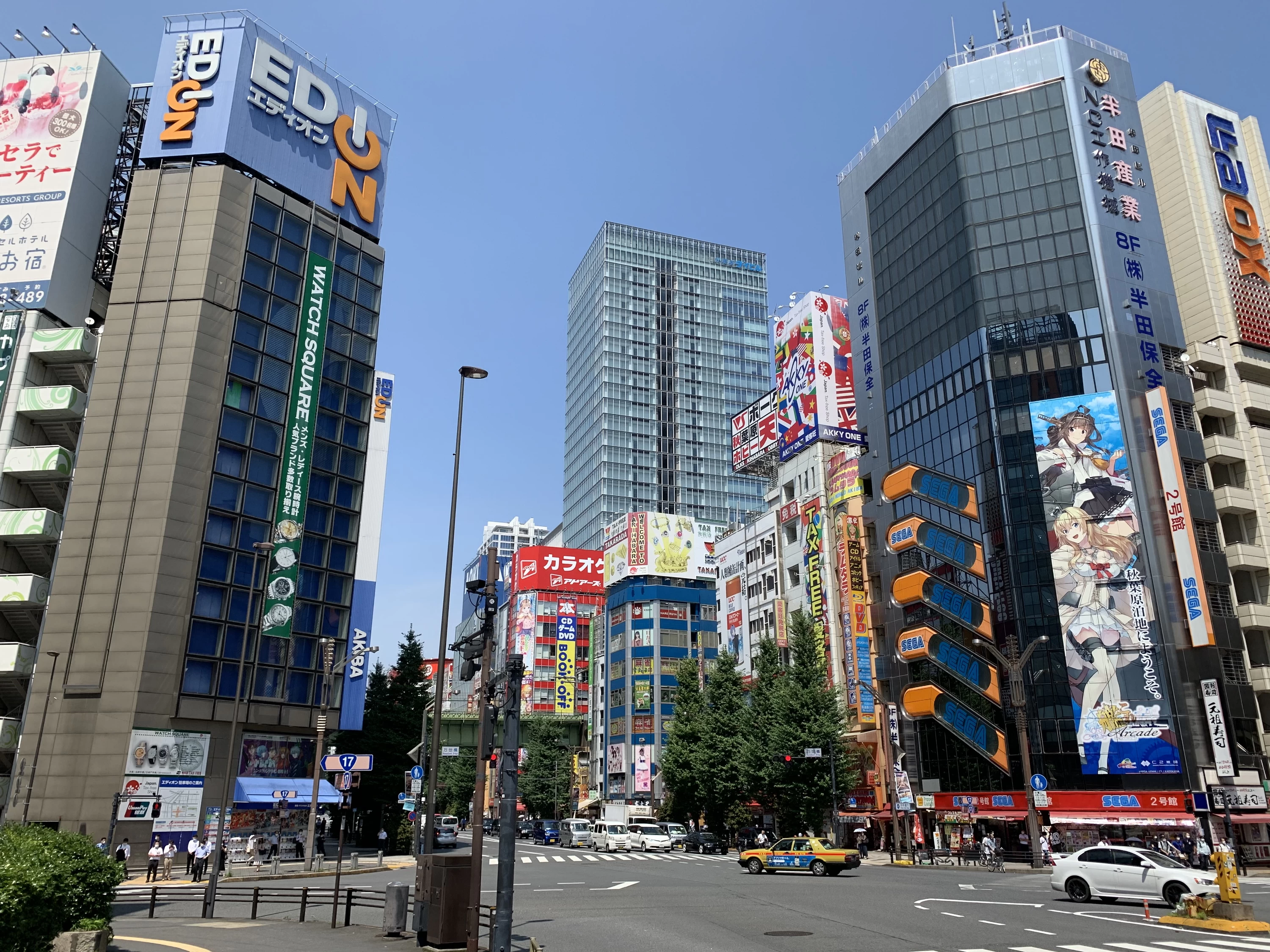
Akihabara Electric Town is a world-famous destination, packed with shops for anime, manga, computers, audiovisual equipment, and more. Its roots go back to the post-war period, when returning soldiers sold industrial parts as street vendors. Today, you can experience Akihabara culture over seven floors at AKIBA Cultures Zone or try your luck at 430 capsule toy machines in Gachapon Kaikan. There’s so much to see, you won’t be able to explore it all in one day.
Akihabara Electric Town
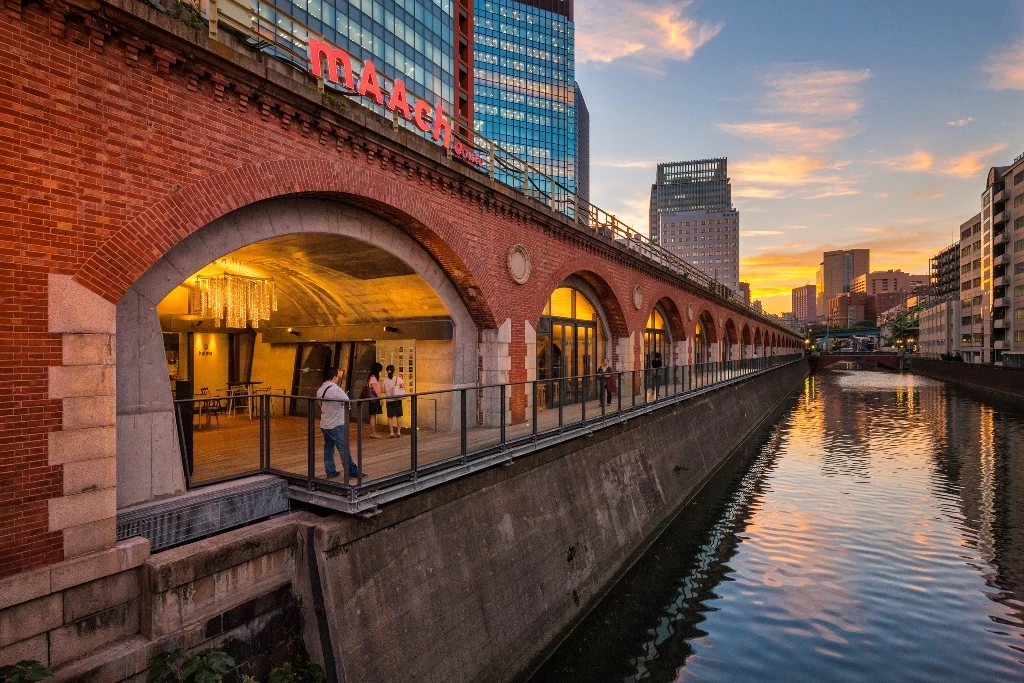
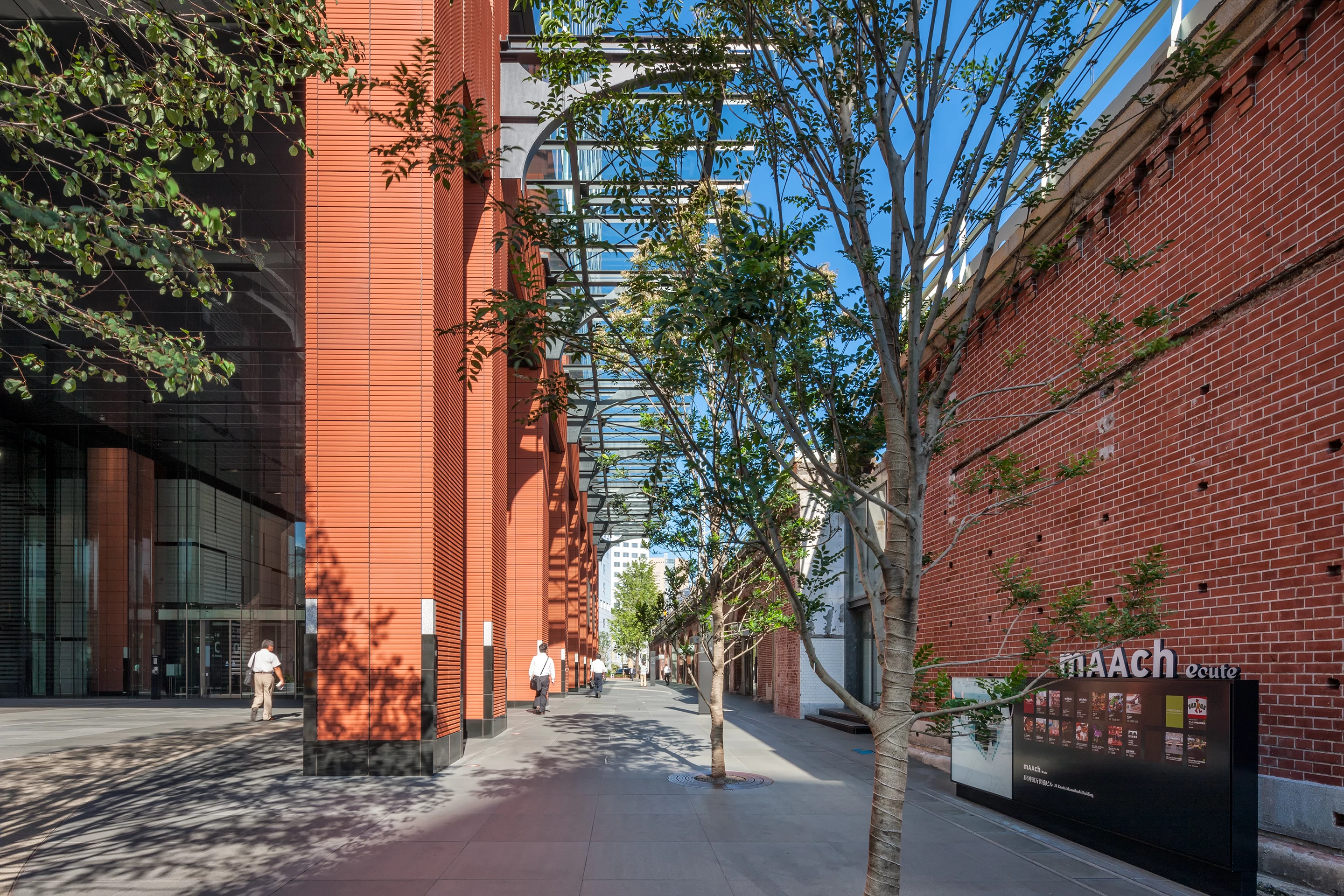
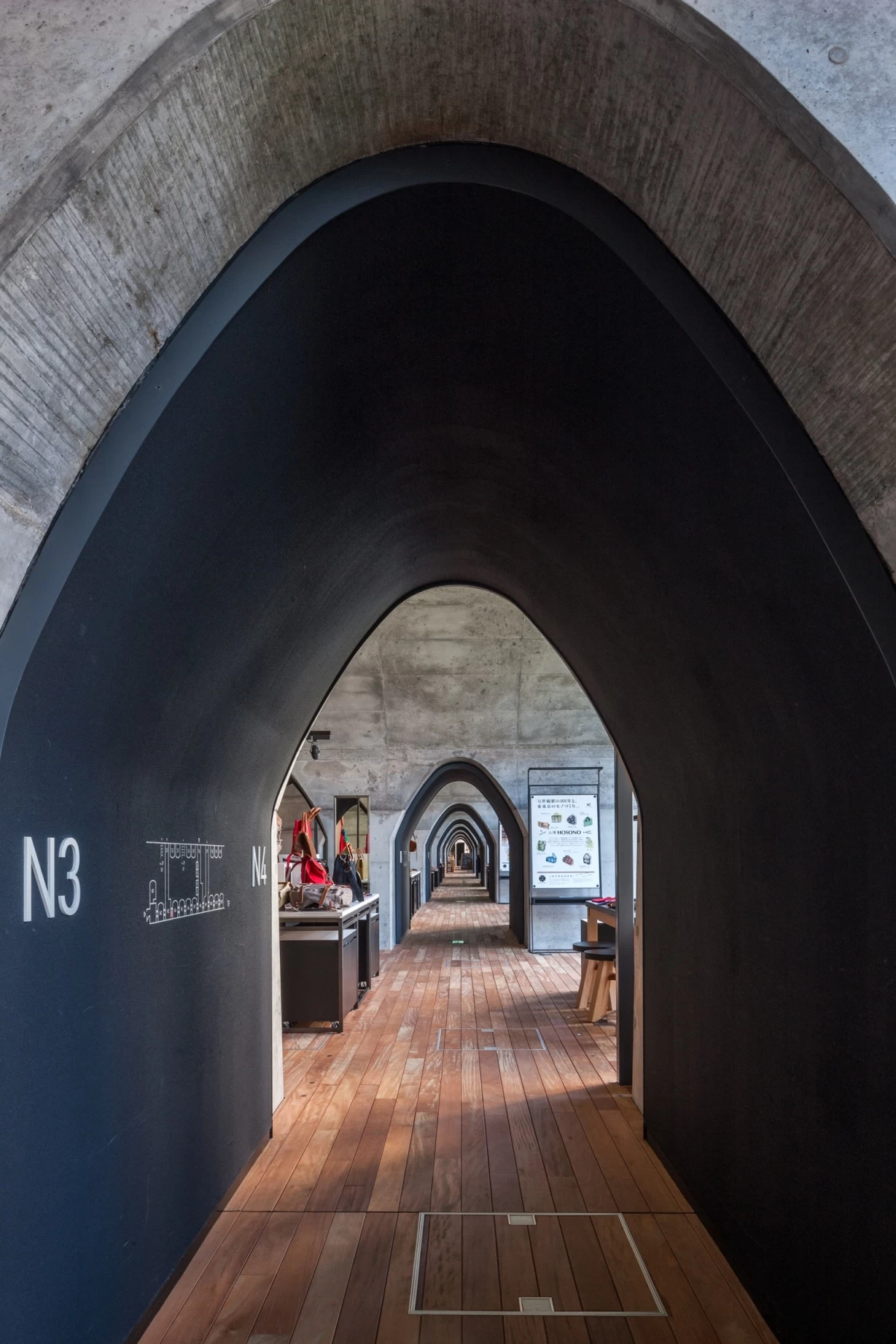
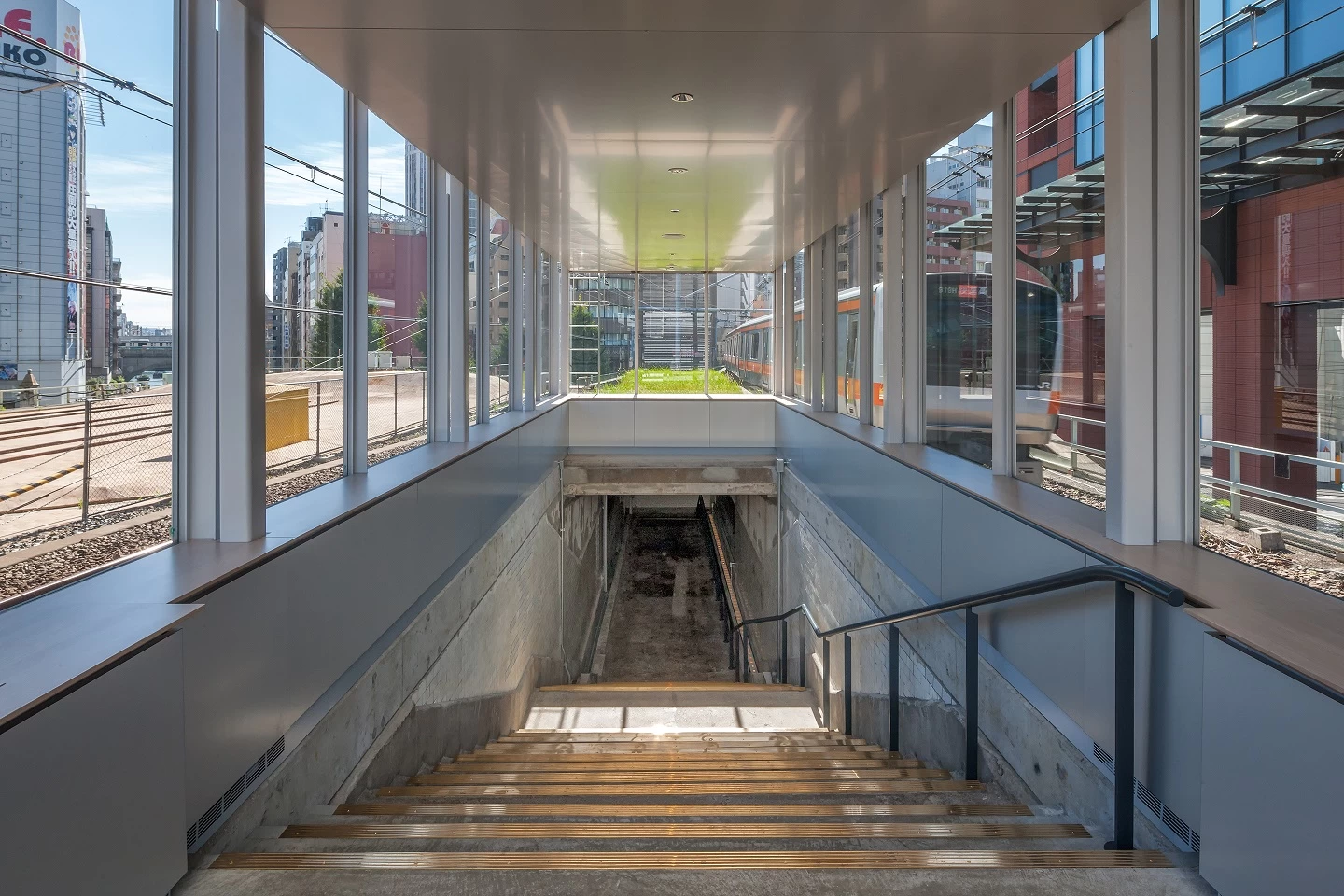
Manseibashi Station once stood between Kanda and Ochanomizu on the JR Chuo Line. After closing in 1943, its remains were transformed into the commercial complex mAAch ecute Kanda Manseibashi. Enjoy outdoor dining at the Riverside Deck overlooking the Kanda River, or watch Chuo Line trains and the streets of Akihabara and Kanda from the 2013 Platform.
mAAch ecute Kanda Manseibashi
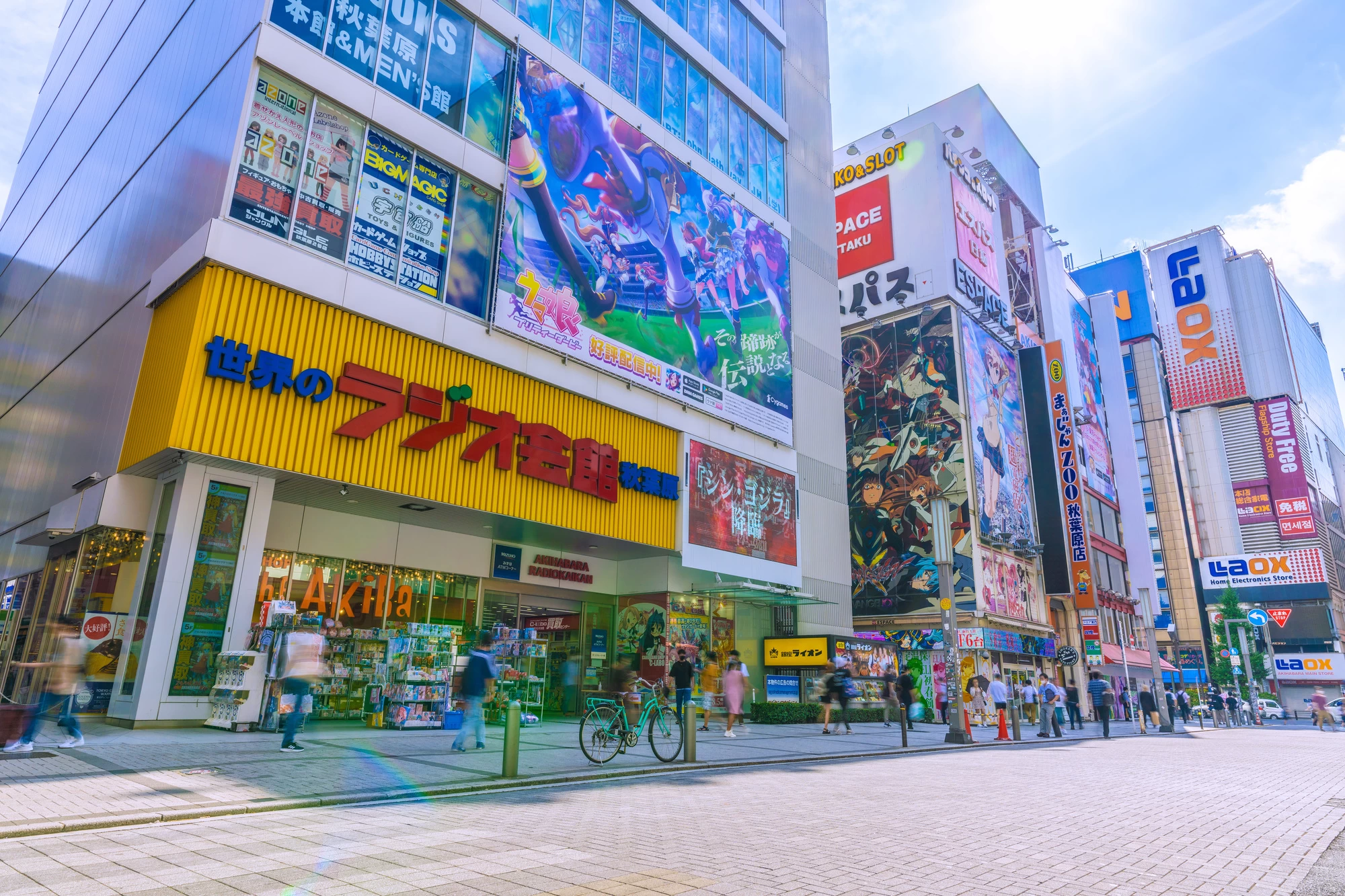
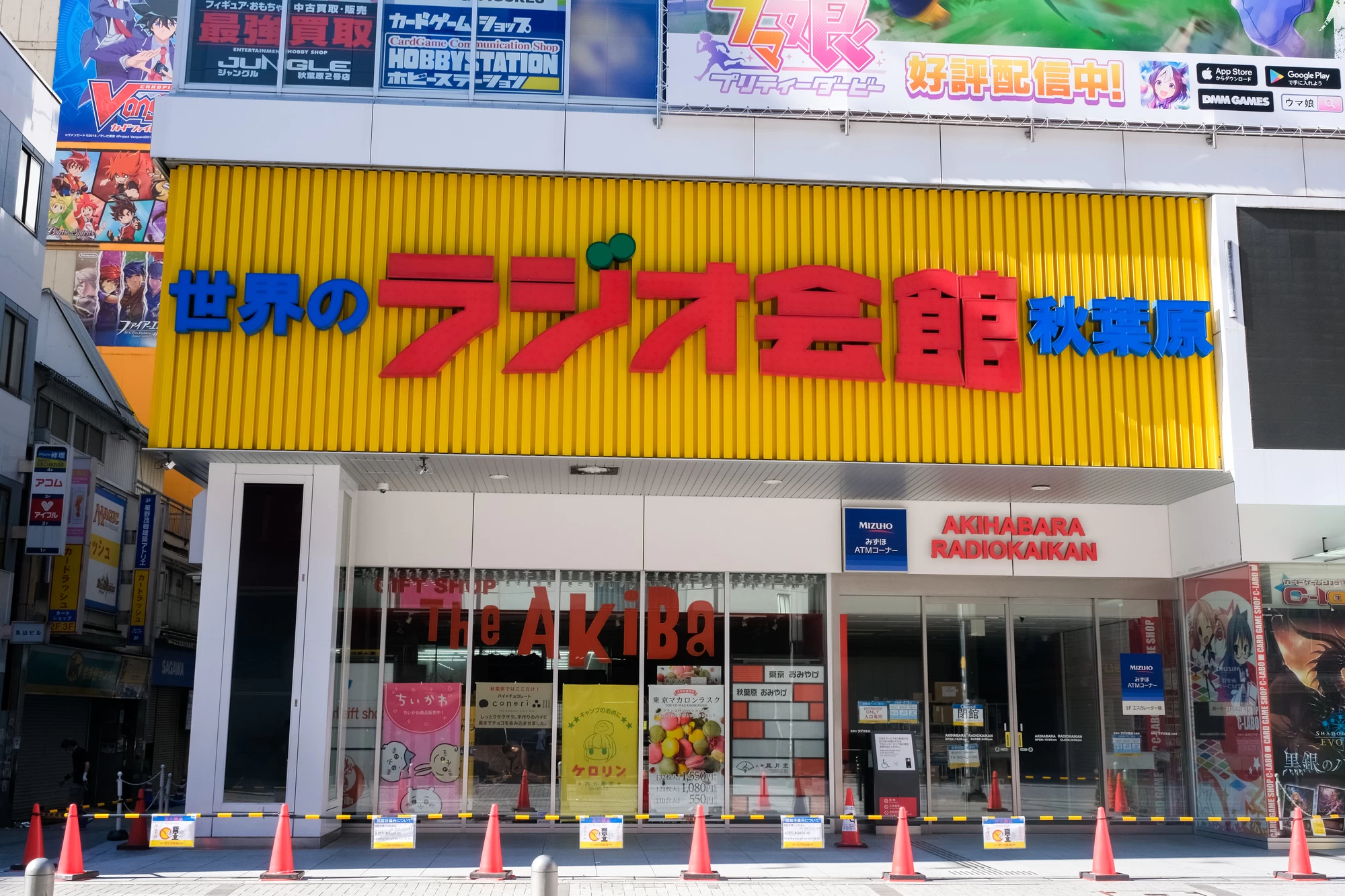
Akihabara Radio Kaikan is a landmark building with 10 floors above ground and 2 below. Rebuilt after its 2011 closure, it celebrated its 10th anniversary in 2024. Inside, traditional shops selling electrical parts, audio gear, and security items mix with stores for Akihabara culture, including trading cards, figurines, and model kits.
Akihabara Radio Kaikan
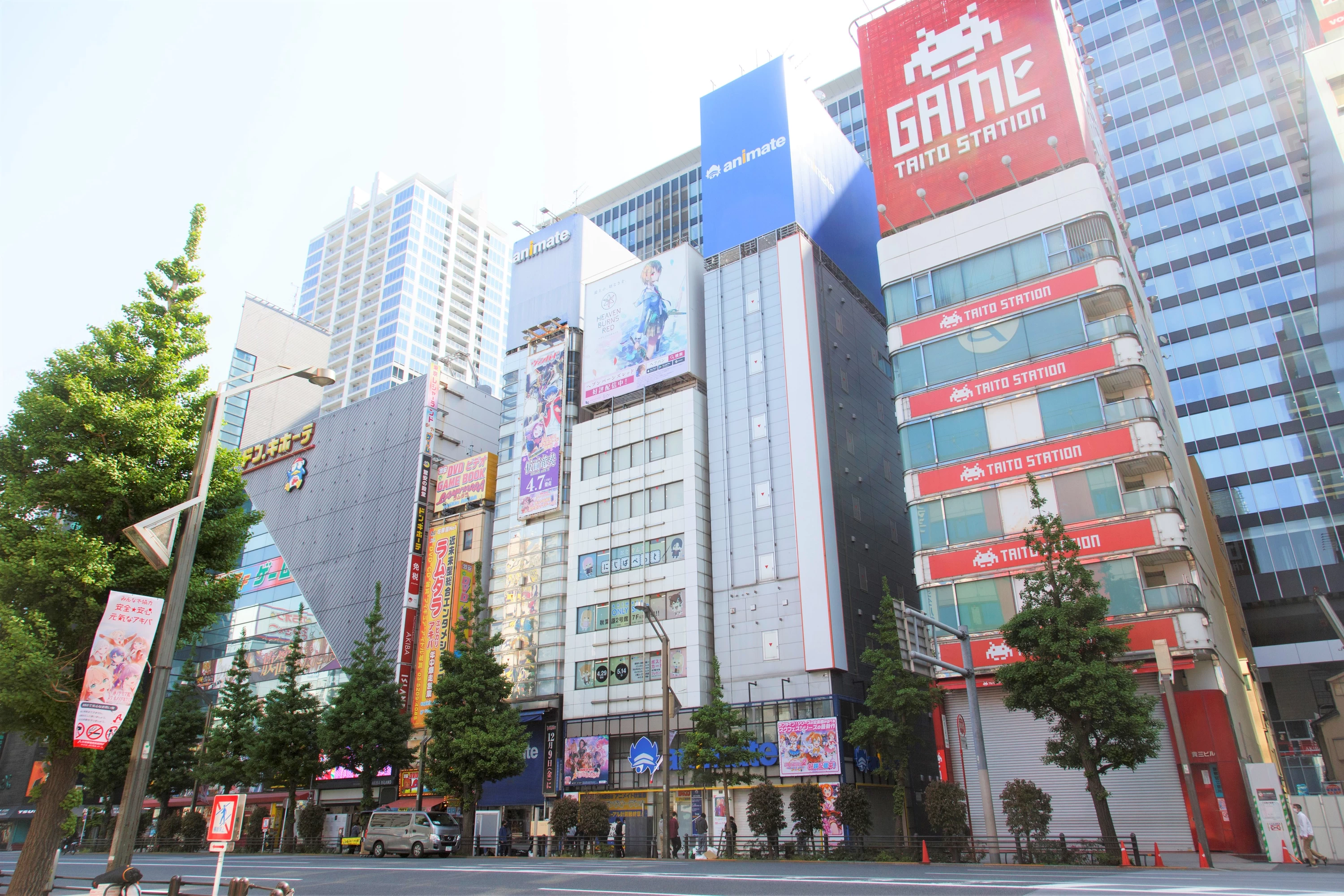
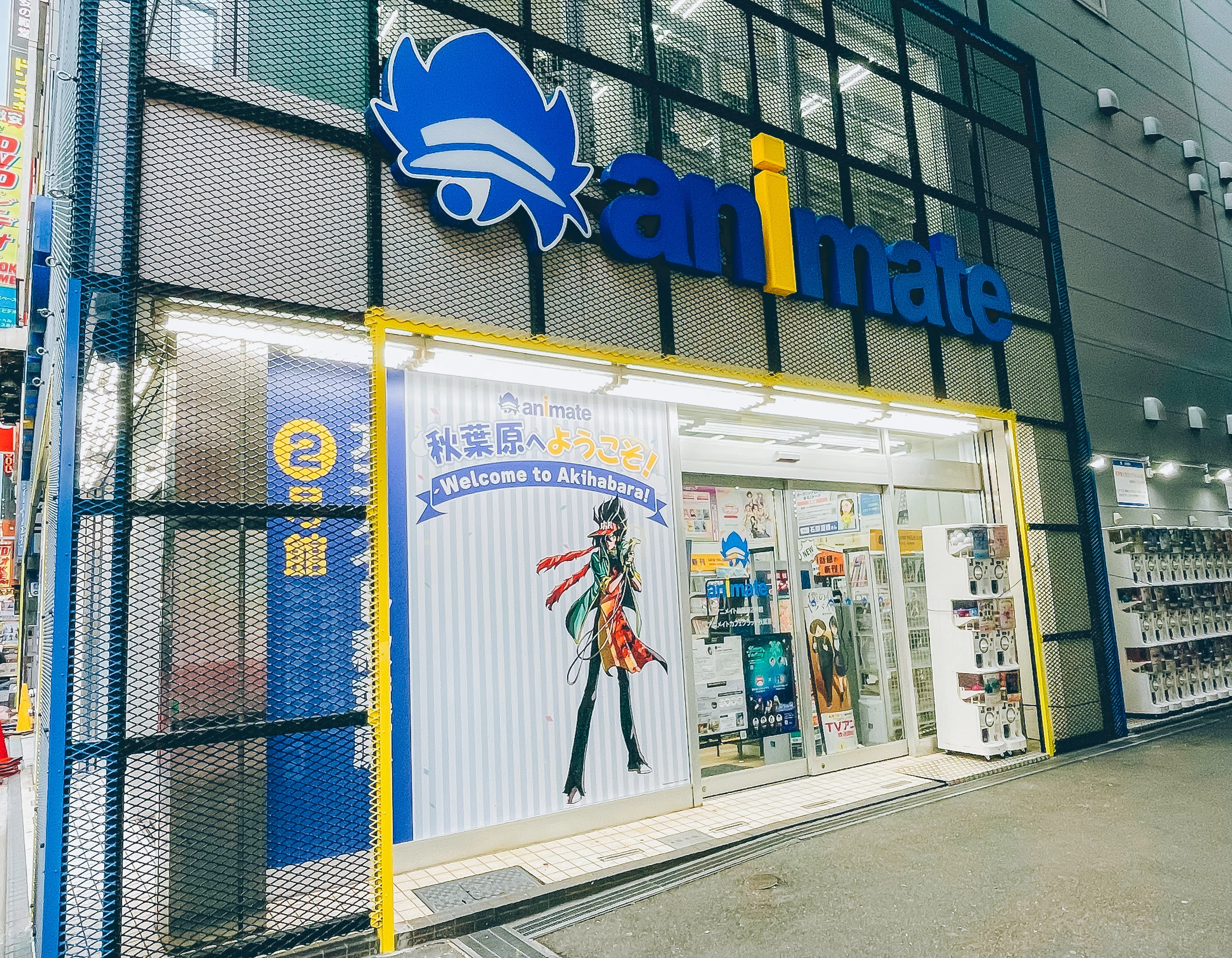
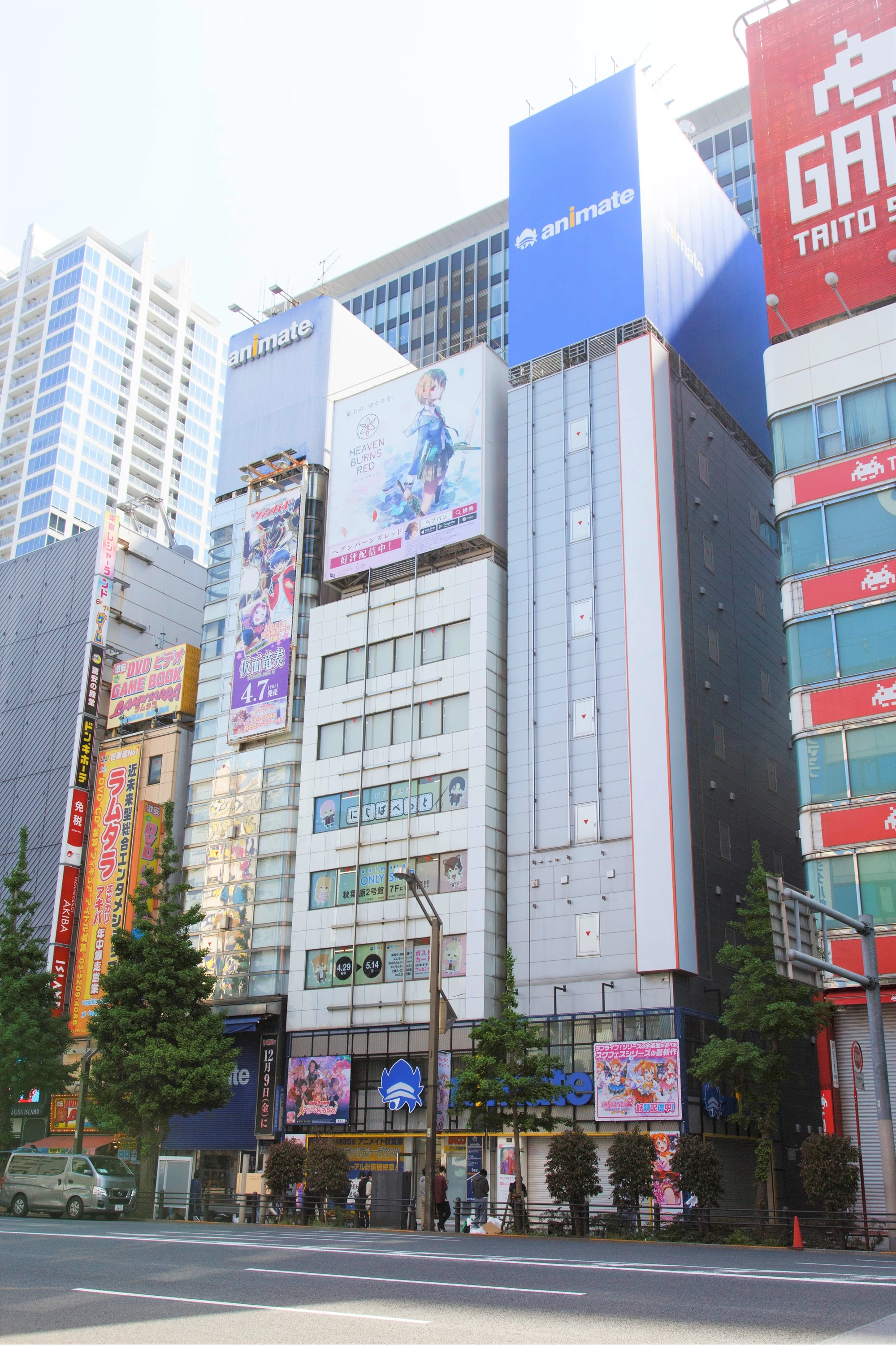
Animate is a popular store for anime, comics, and games. Its Akihabara branch, with over 20 years of history, was renovated in 2023. Buildings 1 and 2 span eight floors each, featuring comics, magazines, games, and merchandise. Beyond shopping, enjoy event spaces for autograph sessions and talk shows, or visit Animate Cafe Gratte Akihabara for creative collaborations. Fans can easily spend a full day exploring this vibrant destination.
animate Akihabara
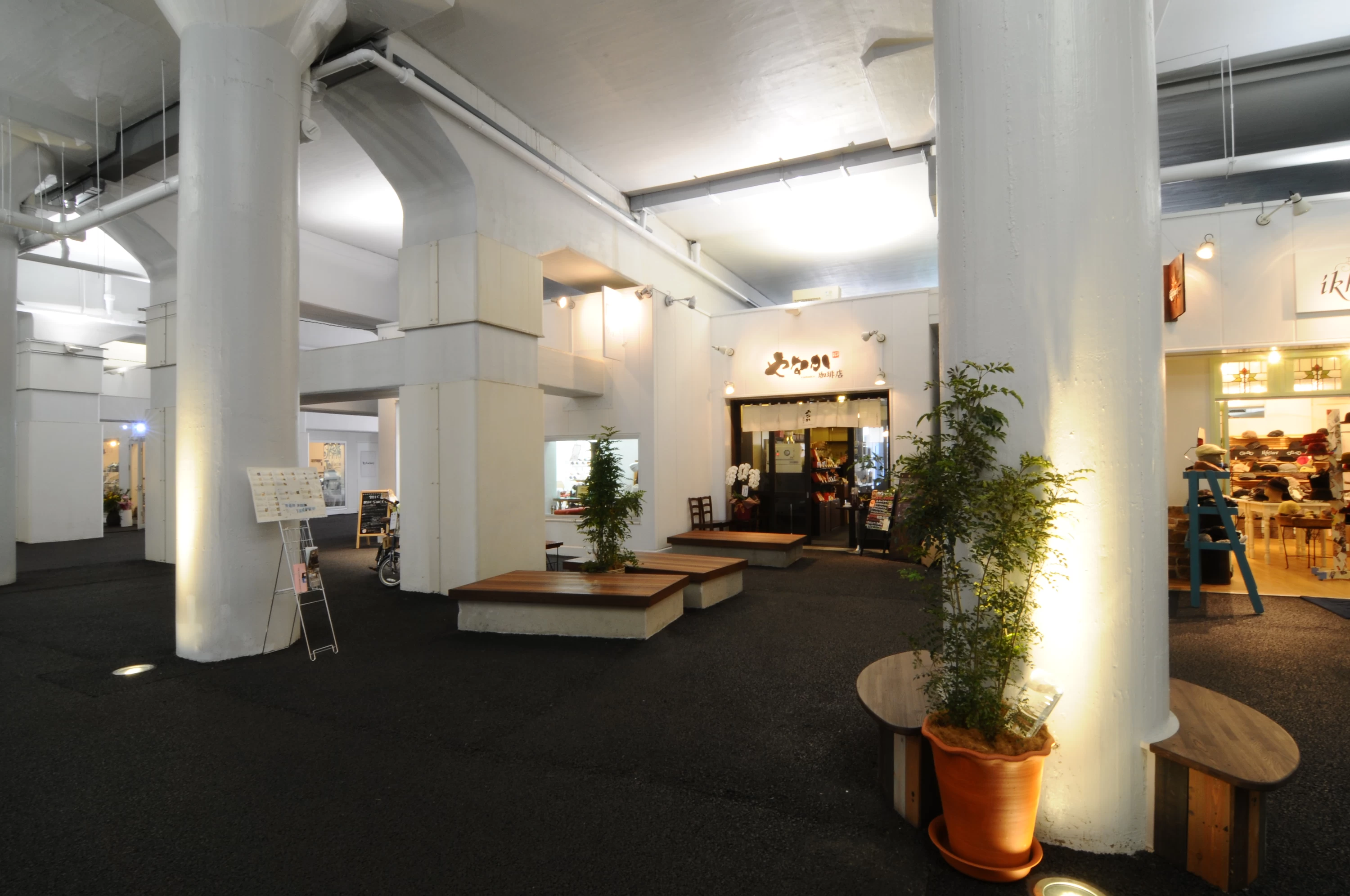
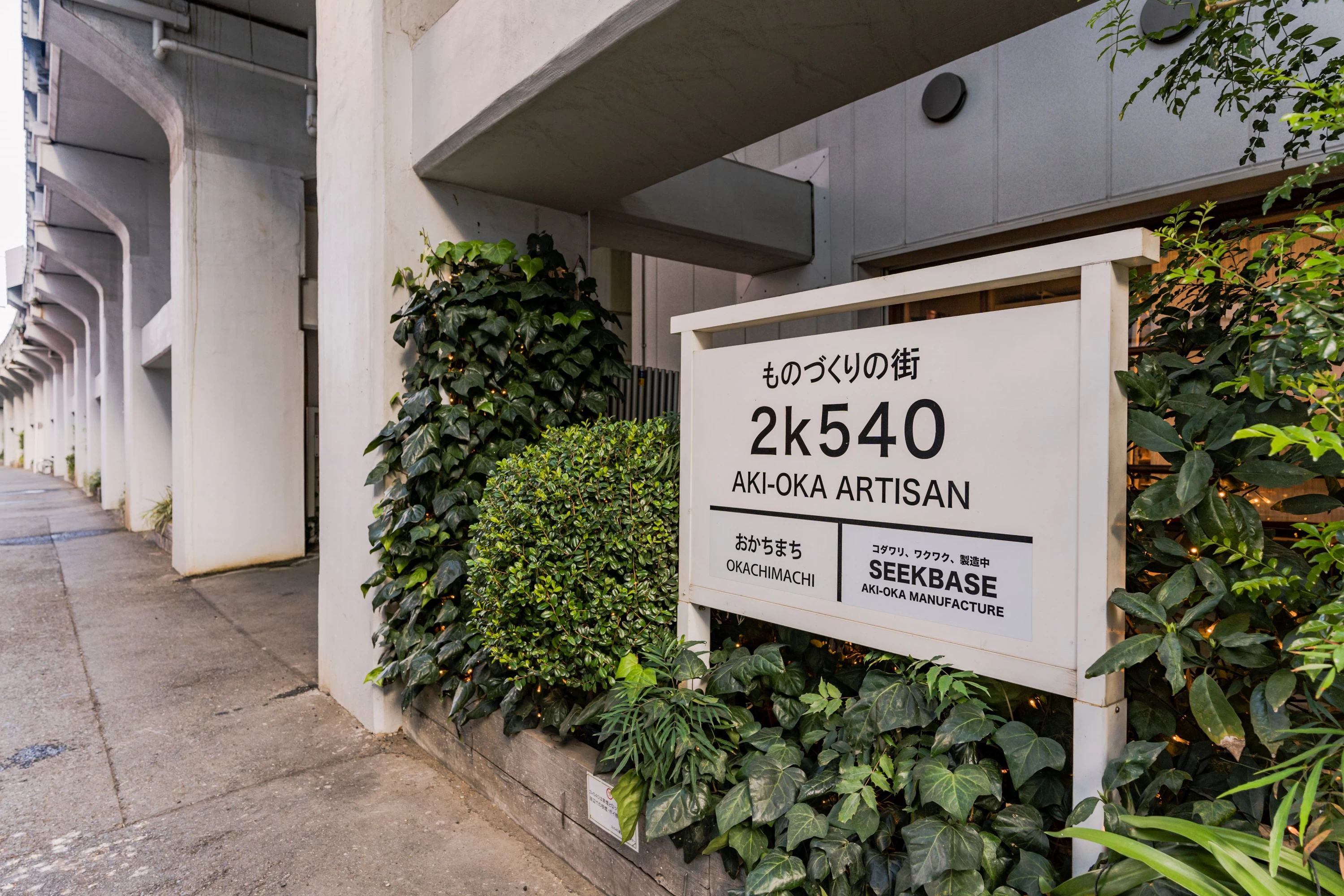
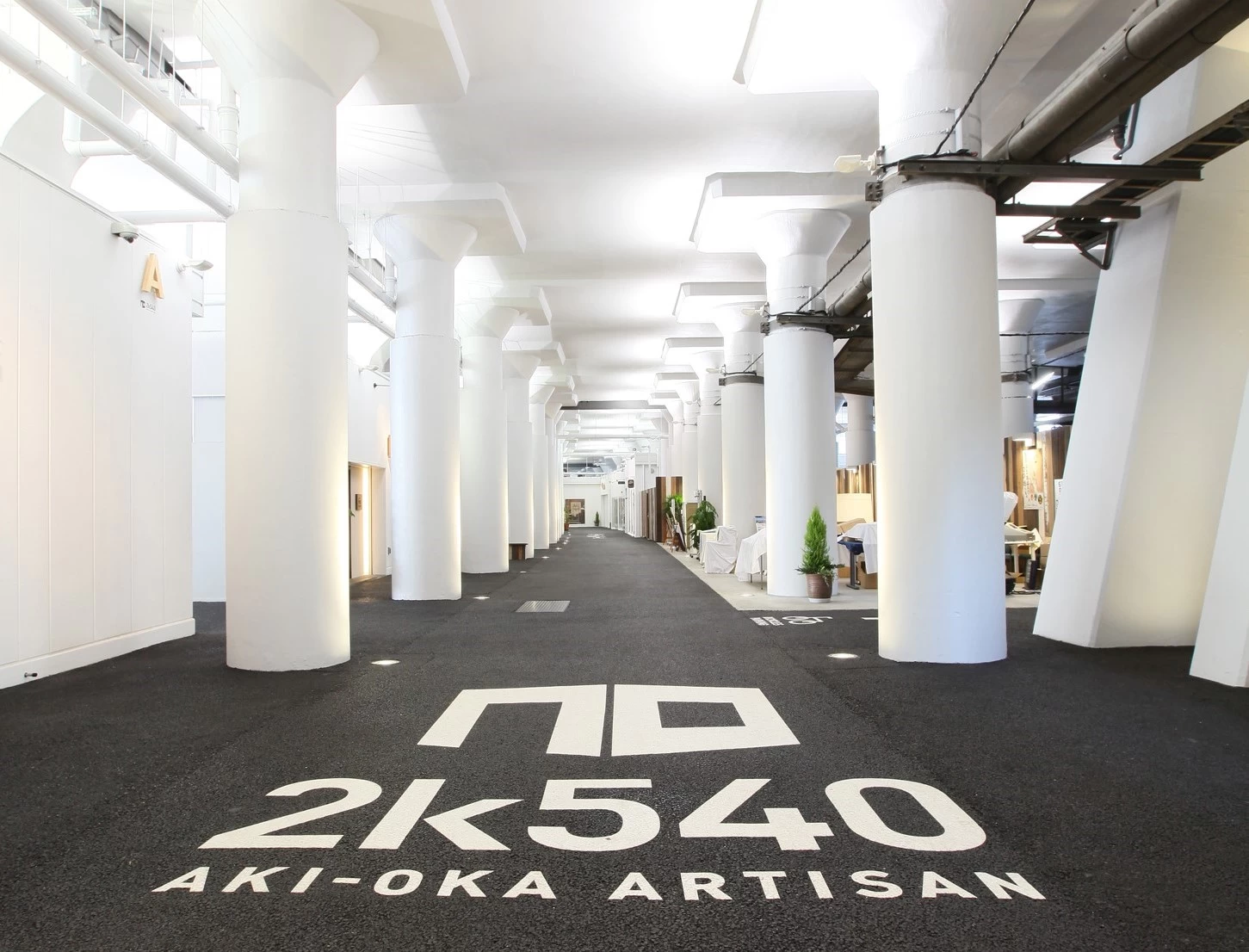
2k540 AKI-OKA ARTISAN is a shopping complex under the elevated tracks between JR Akihabara and Okachimachi stations. Its name combines its location—2,540 meters from Tokyo Station, between Akihabara and Okachimachi—and the French word for craftsman, "artisan." The complex features shops selling leather goods, textiles, ceramics, and jewelry. You can hear artisans’ stories, create original items, and find unique gifts for yourself, friends, or loved ones.
2k540 AKI-OKA ARTISAN
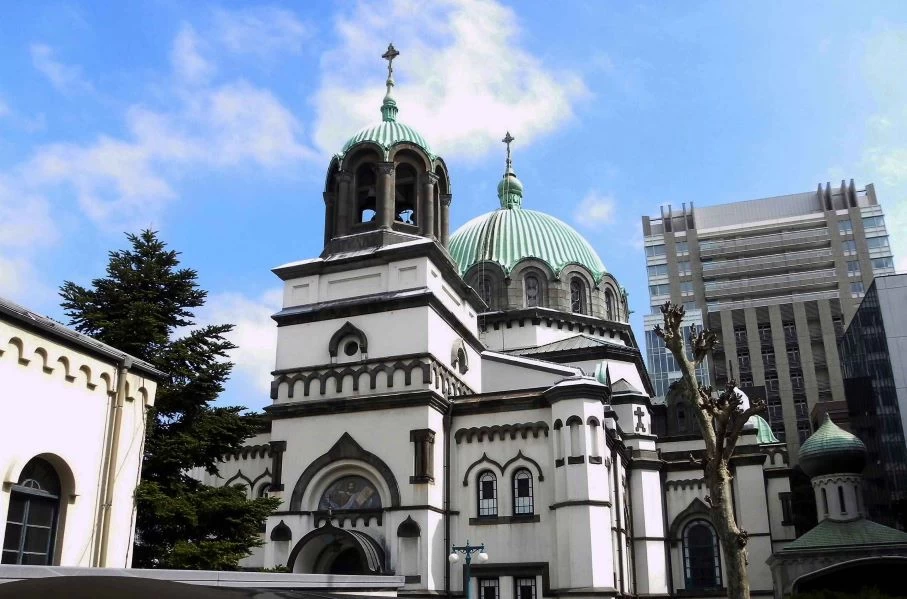
Tokyo Resurrection Cathedral, also known as Nickolai Cathedral, is part of the Japanese Orthodox Church and was built in 1891 under Greek Orthodox Archbishop Nikolai Kasatkin. Designed by Russian artist Mikhail Shchurupov and completed with revisions by British architect Josiah Conder, it is one of Japan’s oldest brick structures. Its dome-shaped roof, echoing with bell sounds, makes the cathedral a landmark of the Surugadai area.
Nickolai Cathedral
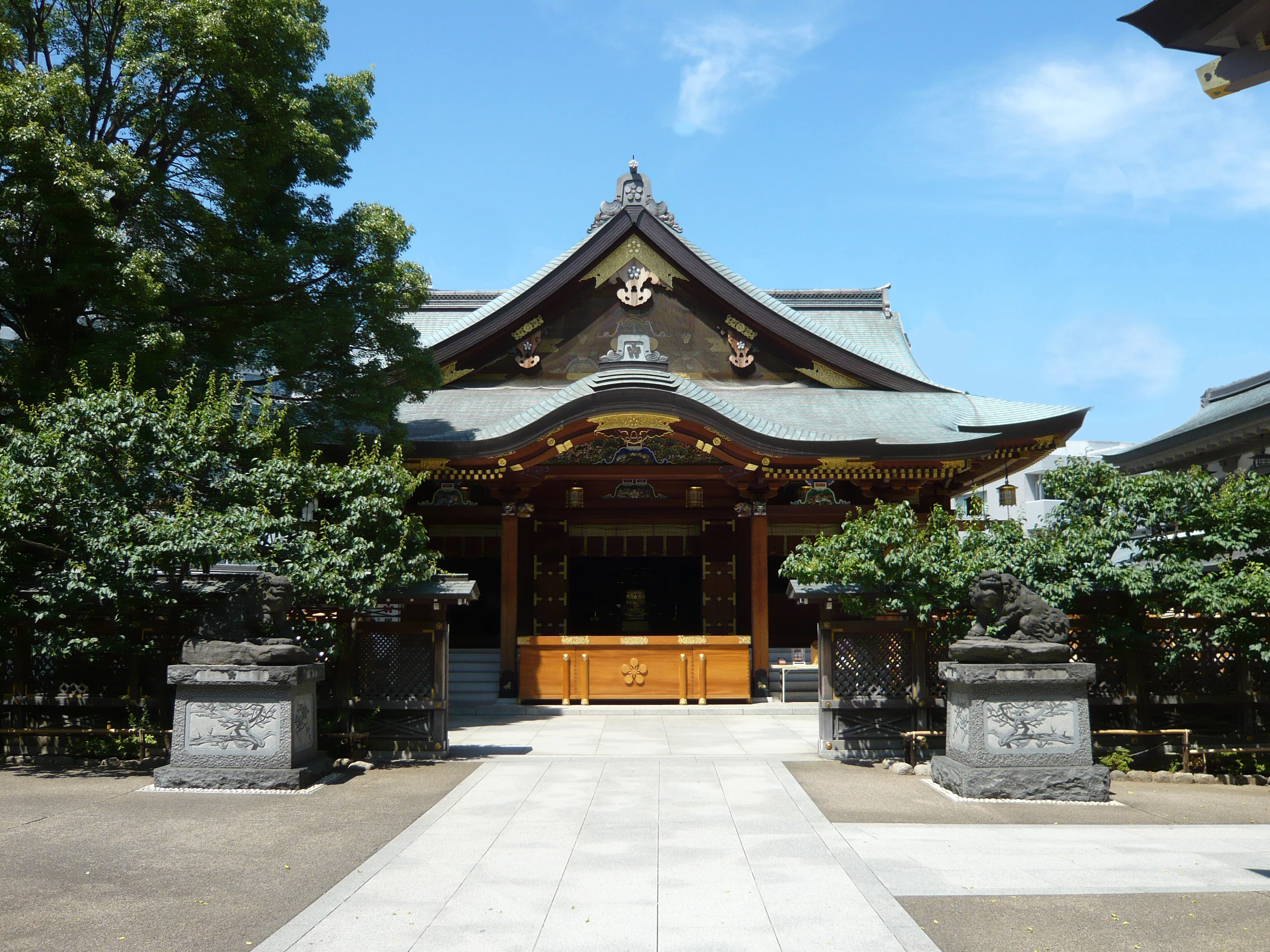
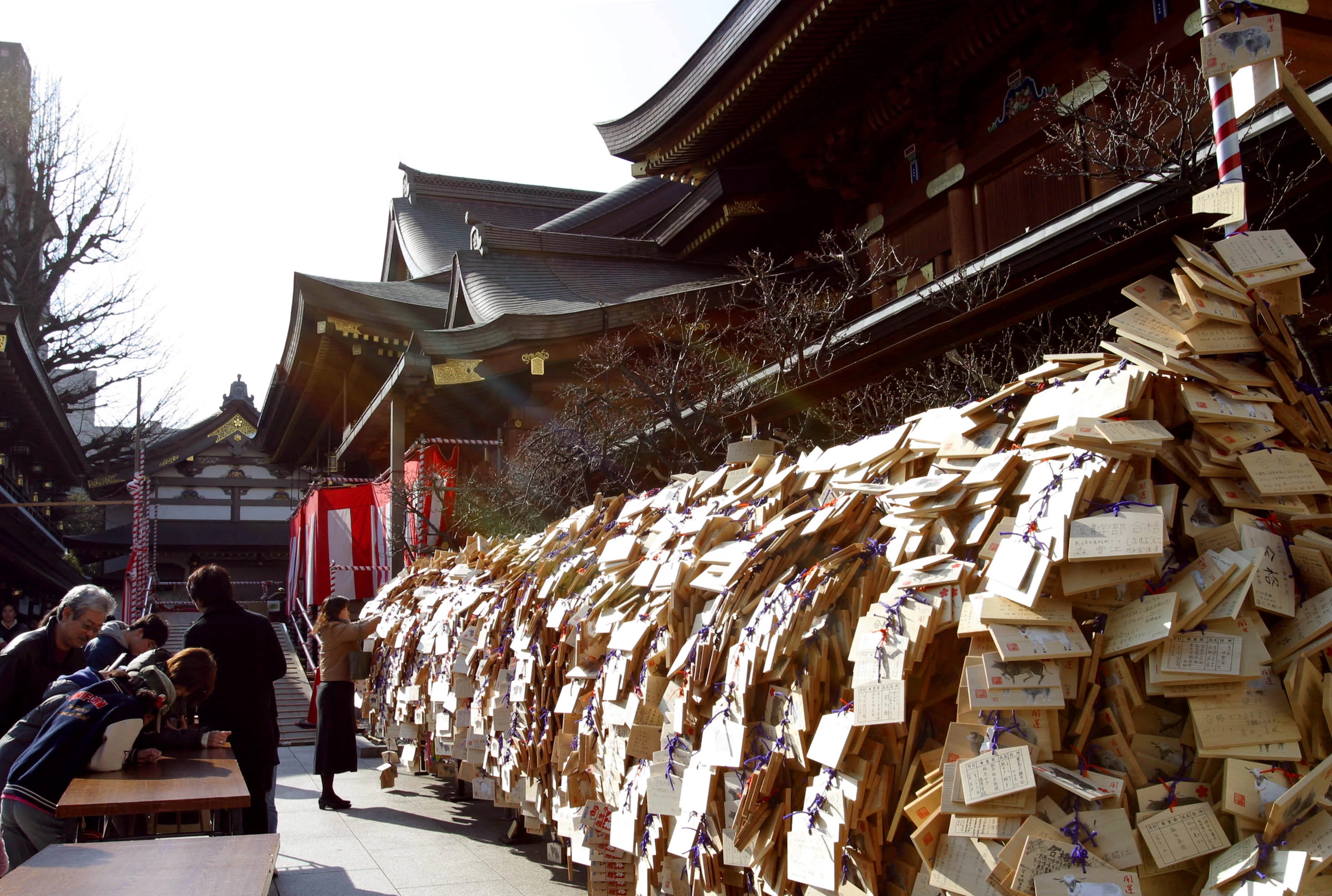
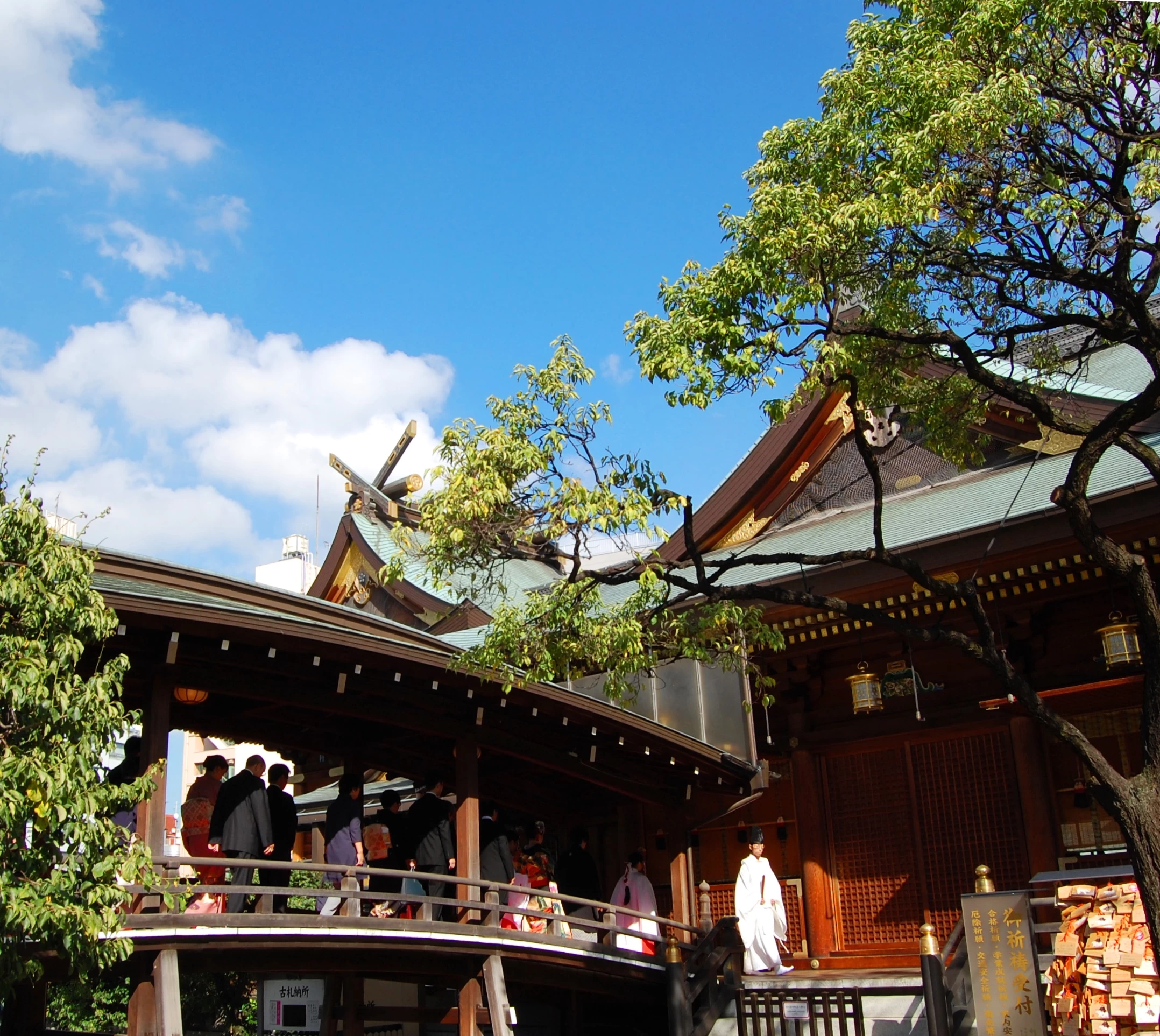
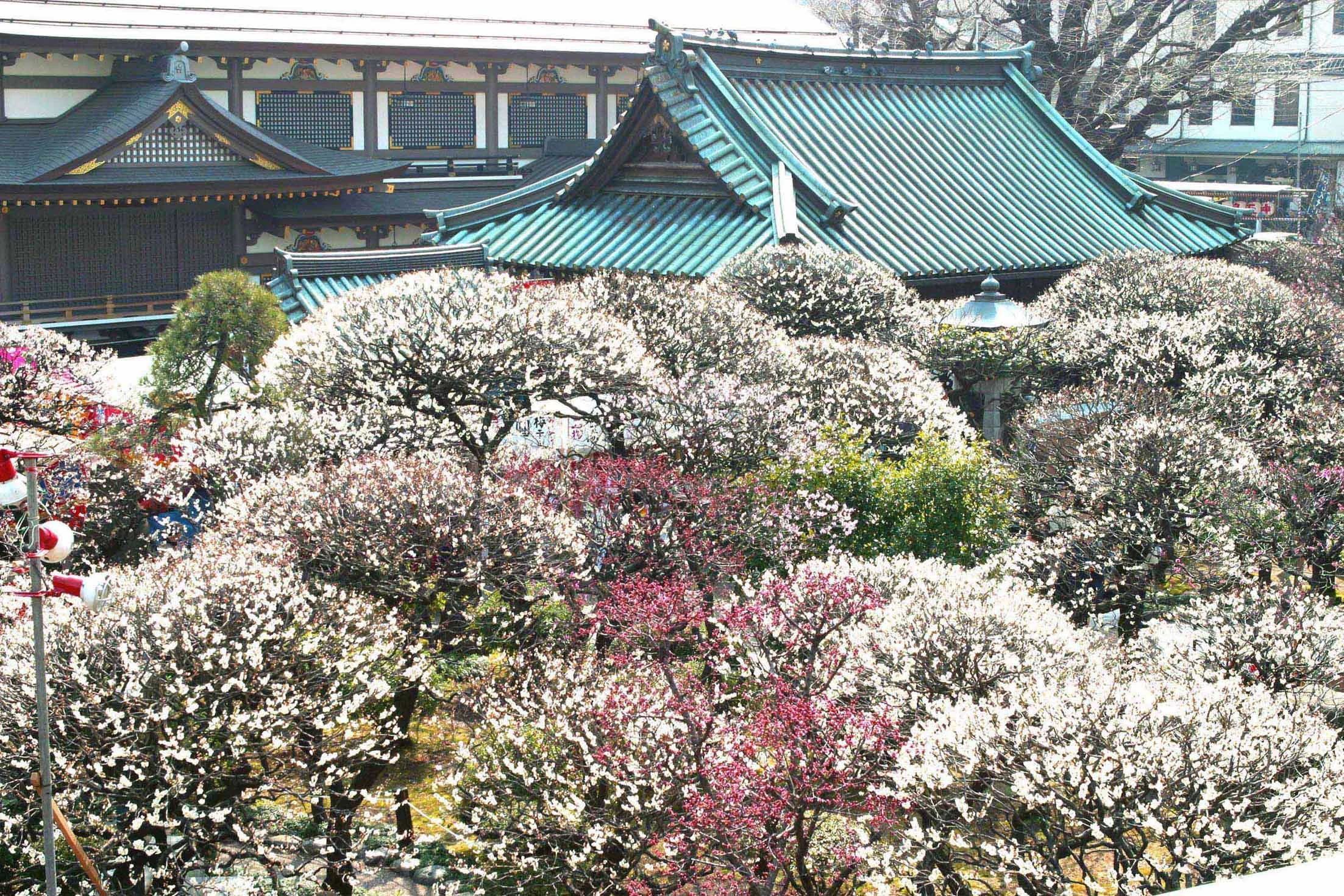
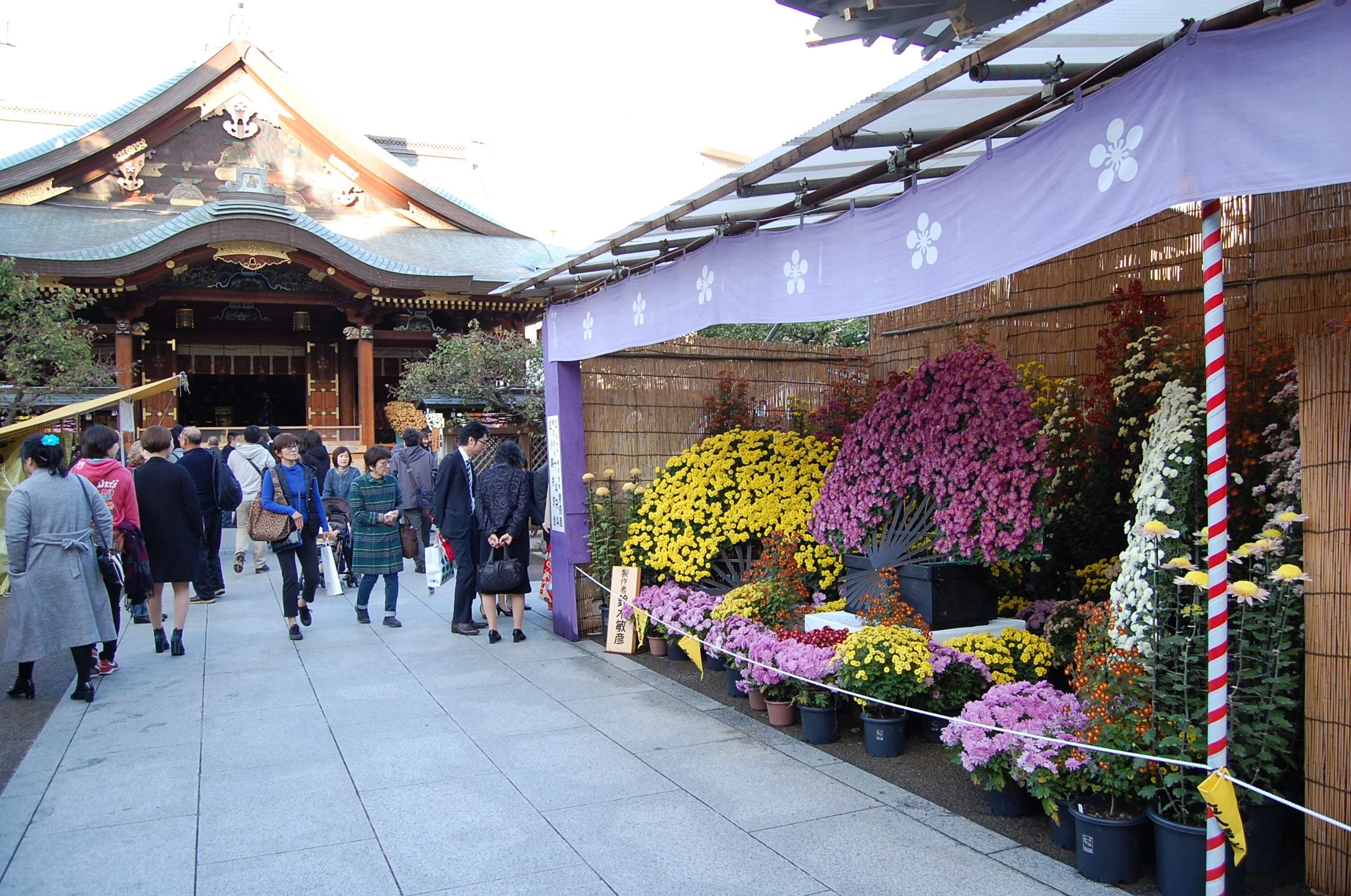
Yushima Tenmangu was founded in 458 during Emperor Yuryaku’s reign. It enshrines Ame-no-Tajikarao-no-Mikoto, the god of strength and the arts, and later Sugawara no Michizane, the god of learning. Students from across Japan still visit to pray for academic success. The Kien Hitoishi stone on the grounds is a popular spot for romantic blessings. Famous for its plum blossoms since the Edo period, the shrine’s garden features around 300 trees that bloom during the annual Plum Festival.
Yushima Tenmangu(Yushima Tenjin)
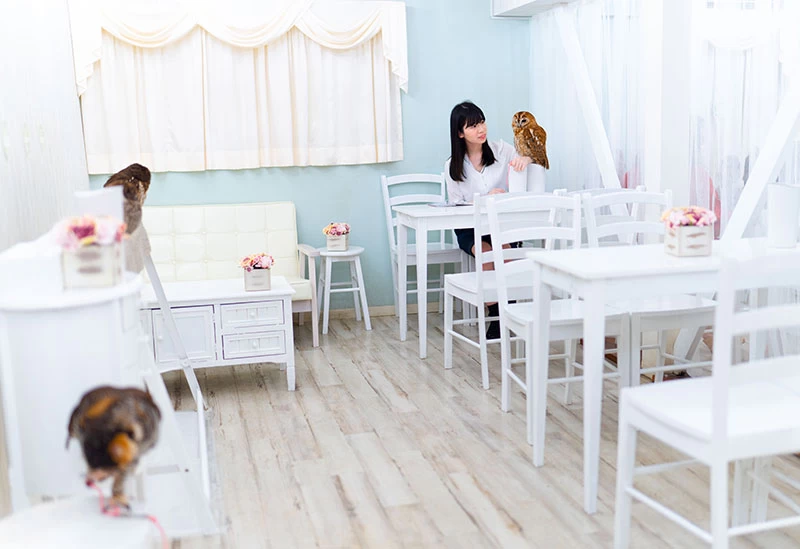
If you want to relax with cute owls in Akihabara, visit Owl Cafe Akiba Fukurou. Expert concierges guide you on how to interact with the owls, so even first-time visitors can feel at ease. A professional photographer takes commemorative photos for free, instantly turning them into postcards as a gift—a fun way to take home lasting memories.
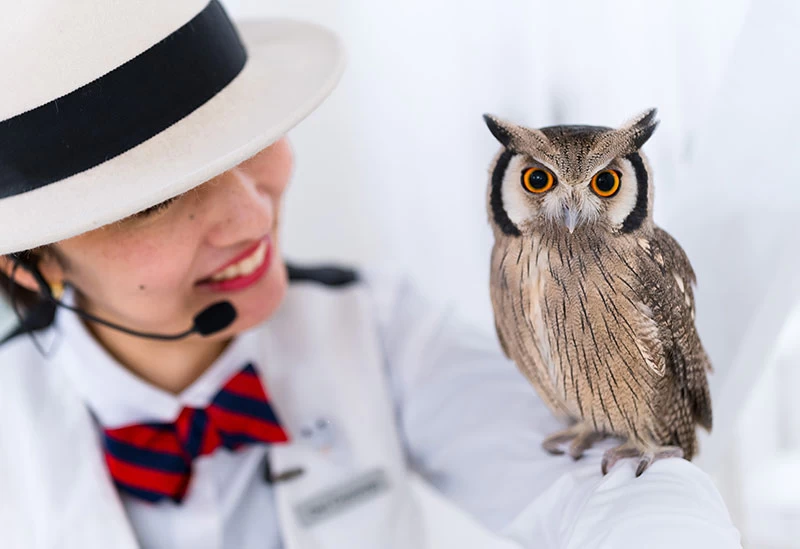


This spot is very popular with women and children in Akihabara. With a reservation-only, small-group system, you can enter without waiting and enjoy quiet, relaxed time with the owls. The owls’ health is carefully managed, and the space is thoroughly cleaned for four hours each day to keep it pristine.
Owl Cafe Akiba Fukurou Tokyo
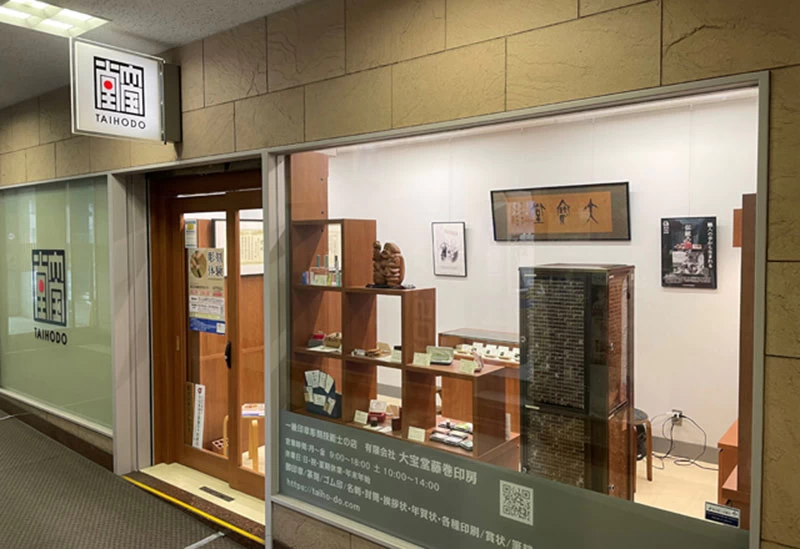
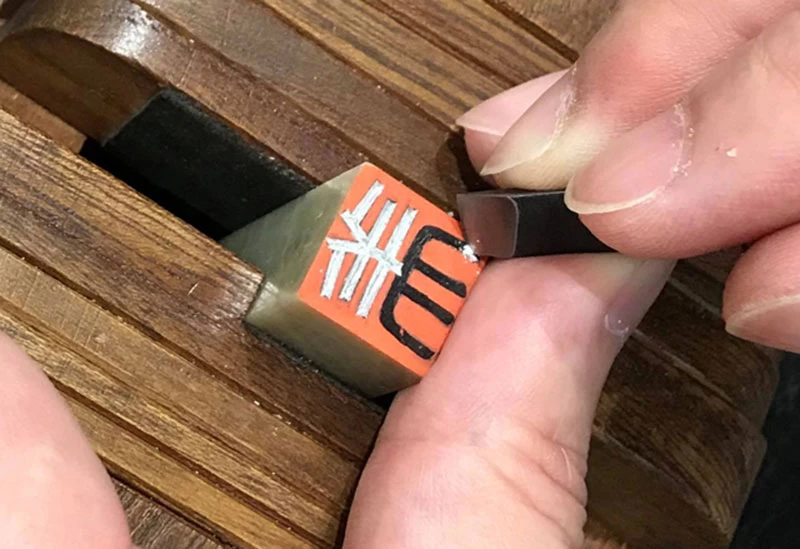
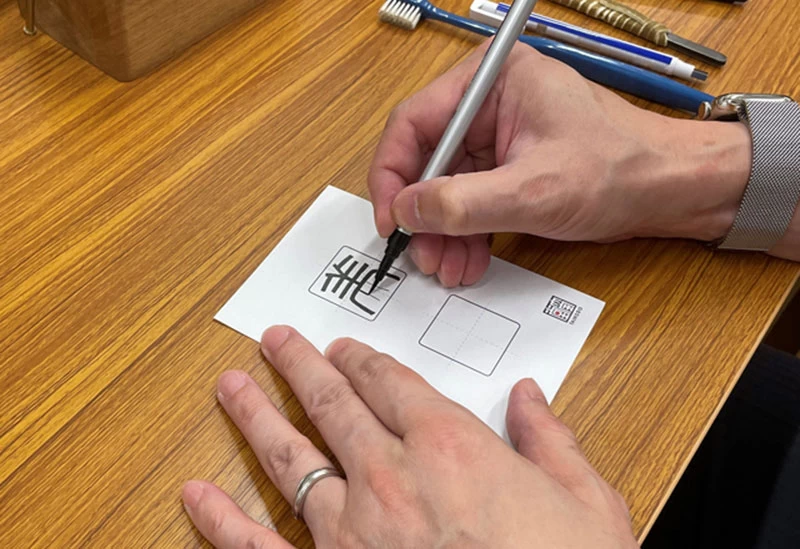
Taihodo Fujimaki Inbo is a long-established seal shop with about 80 years of history. It is known for hand-carved hanko, each meticulously crafted by skilled artisans. The shop offers a wide range of seals, from registered seals for important occasions to casual hobby seals. You can also find unique souvenirs or commemorative gifts.
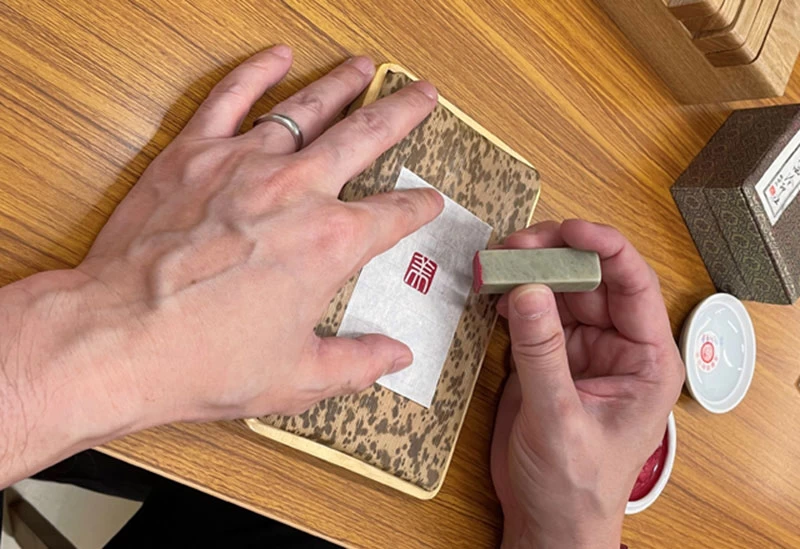
For a hands-on cultural experience, join a workshop to create your own hanko. Choose characters, design the layout, and do the engraving yourself for a rare, memorable experience. A wide range of fonts is available, including some seldom seen in stores.
No preparation is needed, and beginners are welcome, guide you carefully. (Ages 10 and up; reservations required.)
From Akihabara Station, take the train to Tokyo Station and walk about 2 minutes.
Taihodo Fujimaki Inbo -TAIHODO-
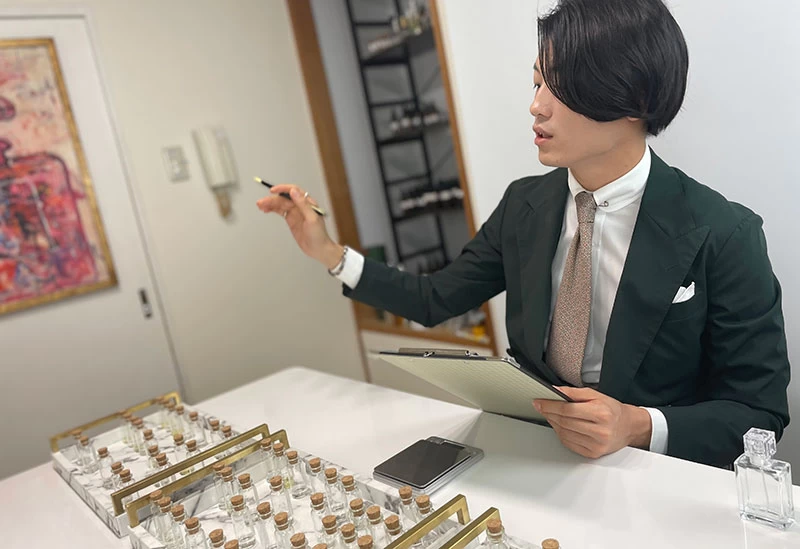
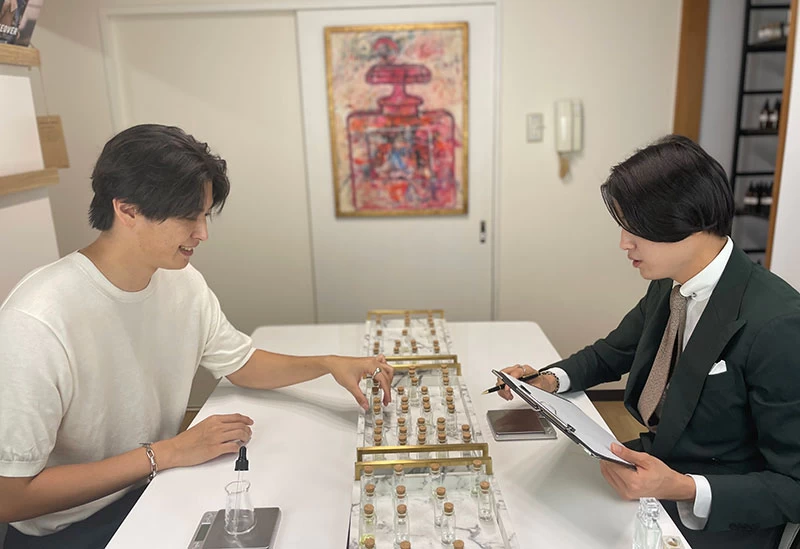

This hidden gem lets you create your own perfume. A professional perfumer with experience at major fragrance houses guides you through selecting 10 notes from over 80 options, and you blend them yourself to craft a truly one-of-a-kind scent. Multiple creation plans are available, letting you choose the best option for your occasion, and first-timers may enjoy the 30ml course.
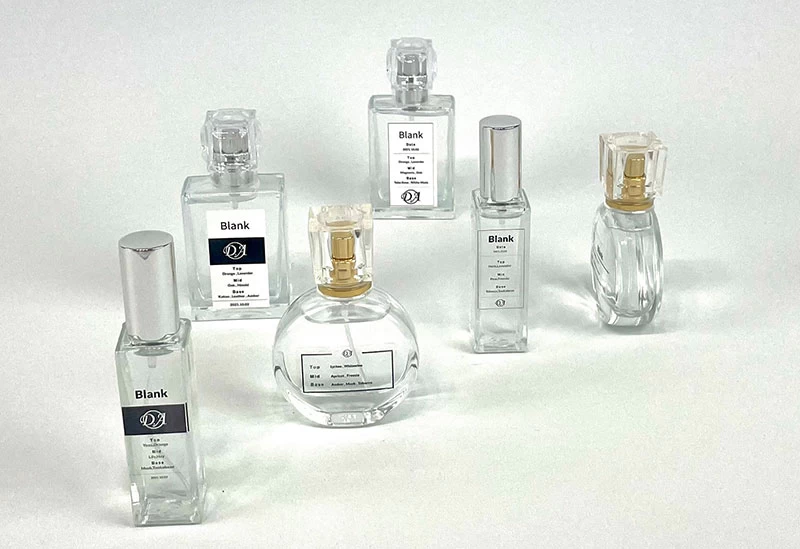
You can fully customize your perfume using carefully selected eau de parfum-quality ingredients for rich, long-lasting scents. Visitors come with friends, partners, or even alone to create perfumes inspired by idols or anime characters. From Akihabara Station, take the train to Ueno Station and walk about 11 minutes.
D.Anda
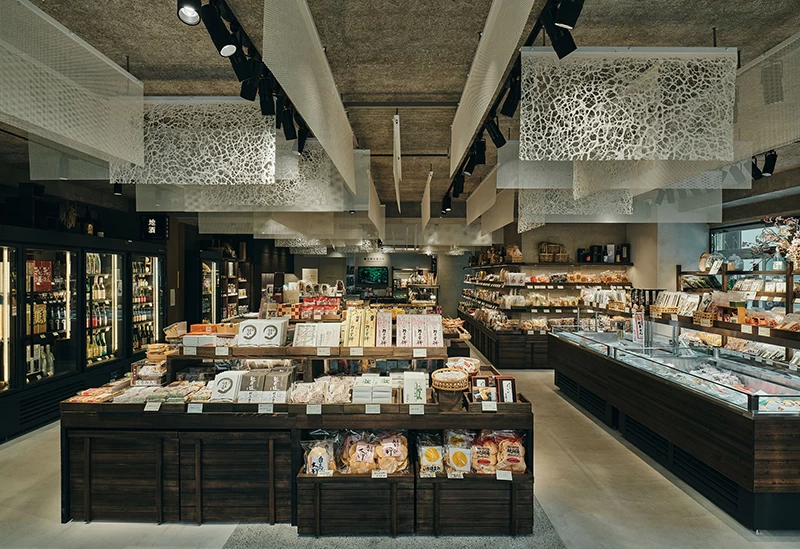

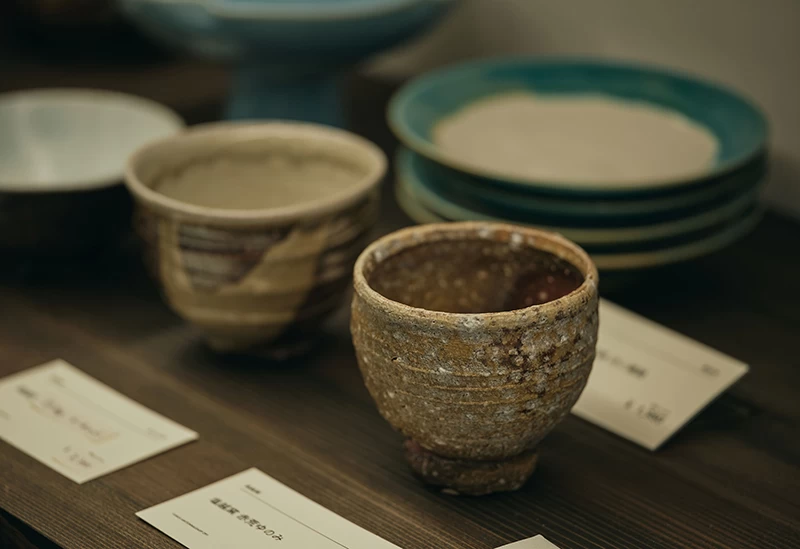
Discover Fukui Prefecture’s food and culture at this must-visit spot in Tokyo. Try signature local specialties like silky-textured habutae mochi, fresh seafood from the Sea of Japan, and deep-fried tofu so popular that fans travel just for it. You can also explore around 150 varieties of Fukui sake, brewed with the region’s famously pure water. A casual dining area in the basement lets you enjoy these flavors on the spot.
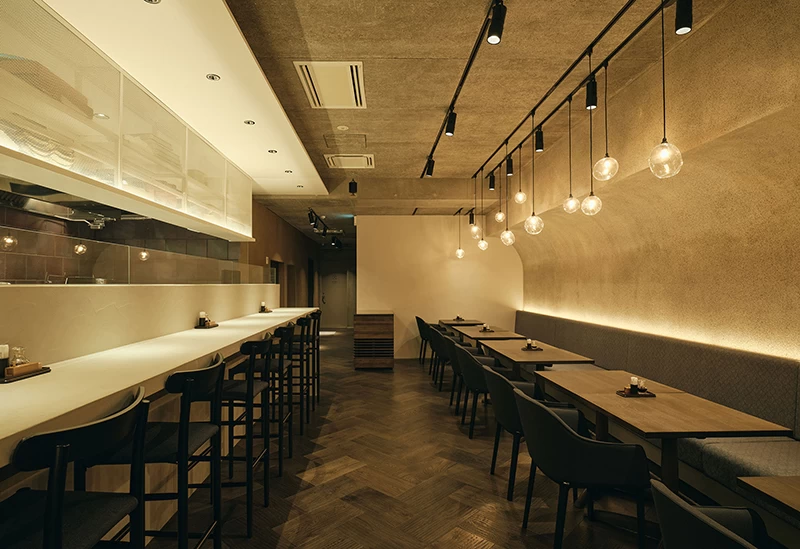
A favorite among sake lovers is the Fukui Local Sake Tasting Set, featuring three rich yet smooth brews from Fukui Prefecture. You can easily compare flavors, with extra tastings available for 800 yen per glass. The menu also highlights Fukui specialties such as Wakasa beef shigure bowls and seasonal seafood bowls. Stop by to relax, refuel, and enjoy regional flavors after sightseeing in Akihabara
Fukui Shoku no Kuni 291
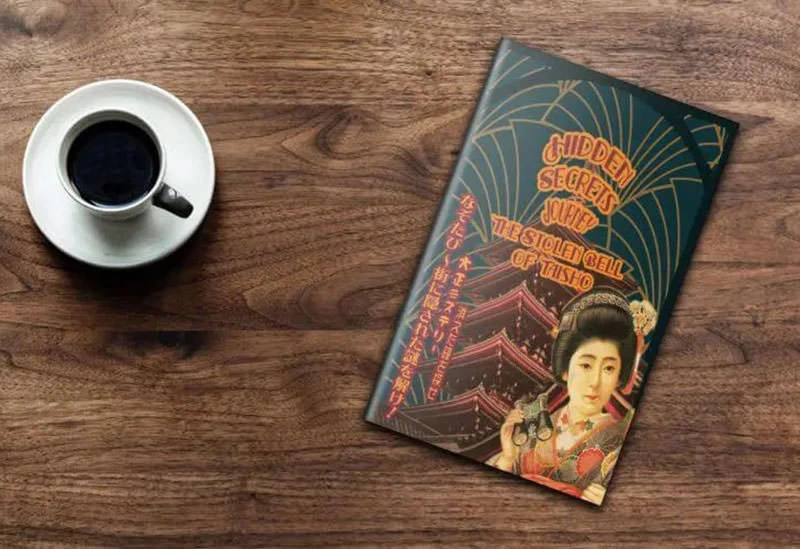
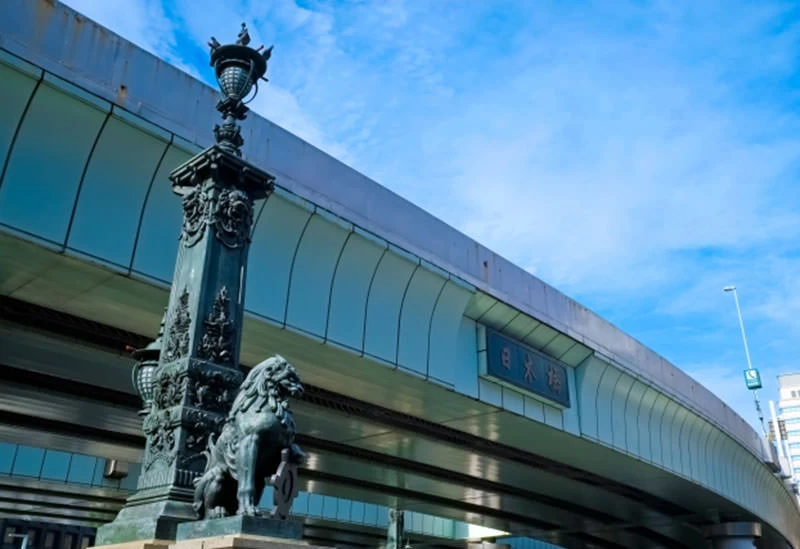

If you love puzzle games, this exploration-style mystery adventure is for you. Play as a detective hired by the Imperial Capital Public Security Police and solve riddles hidden around Asakusa to find the legendary Peace Bell. Your puzzle kit is delivered in advance, so there’s no staff interaction, and with no time limit, you can explore at your own pace. All puzzles are in English, making it easy for international visitors to join.
This mystery-solving adventure is perfect for any group size, from solo travelers and couples to larger groups. Helpful hints are available, so you can enjoy the puzzles without worry, even if you get stuck. Pair your Akihabara sightseeing with a different kind of journey as you uncover hidden gems around Asakusa. Take the train from Akihabara Station to Asakusa Station; the adventure unfolds around the station.
Nazobako Tokyo: A Puzzle Adventure Through the Streets
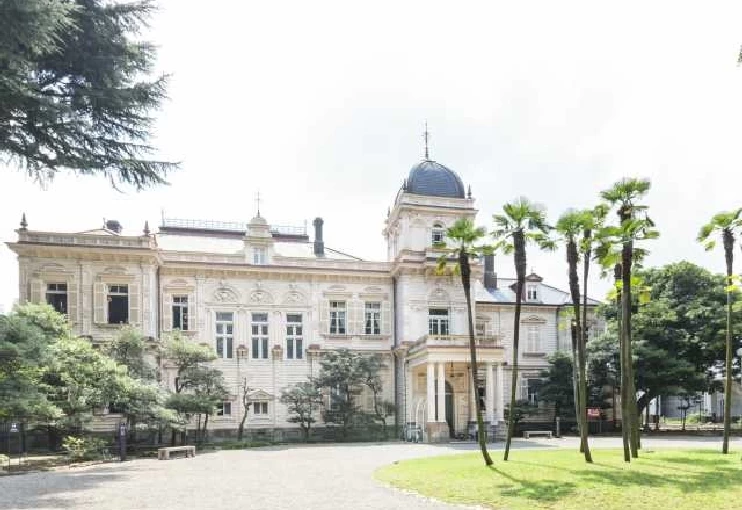
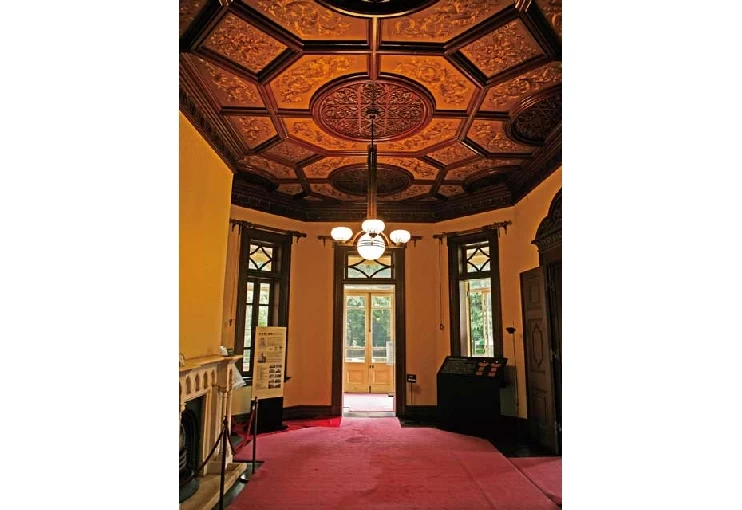
Kyu-Iwasaki-tei Gardens centers on a Western-style mansion designed by Josiah Conder, the architect behind Tokyo’s famous Rokumeikan. Built in 1896 as the residence of Hisaya Iwasaki, the third president of Mitsubishi, the estate is now designated as an Important Cultural Property of Japan. Today, three historic buildings remain: the Western-style house, a billiards hall, and a Japanese-style residence. Step inside to glimpse Meiji-era life, then enjoy a quiet stroll through the grounds—an ideal hidden escape from Tokyo’s busy streets.
Kyu-Iwasaki-tei Gardens
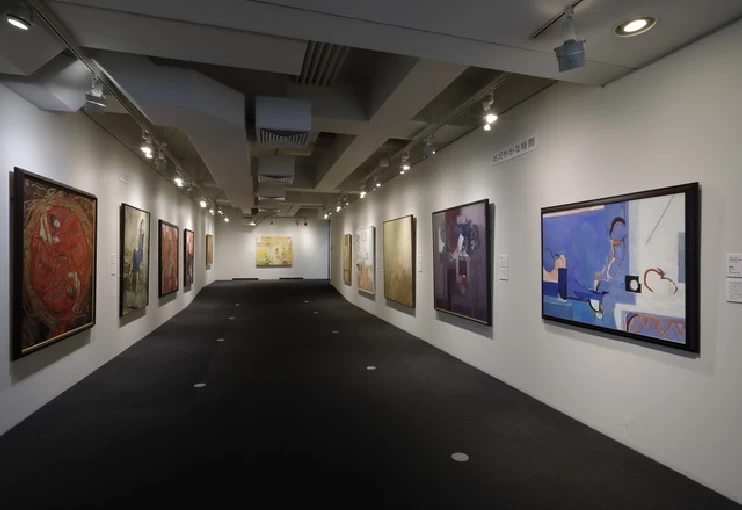
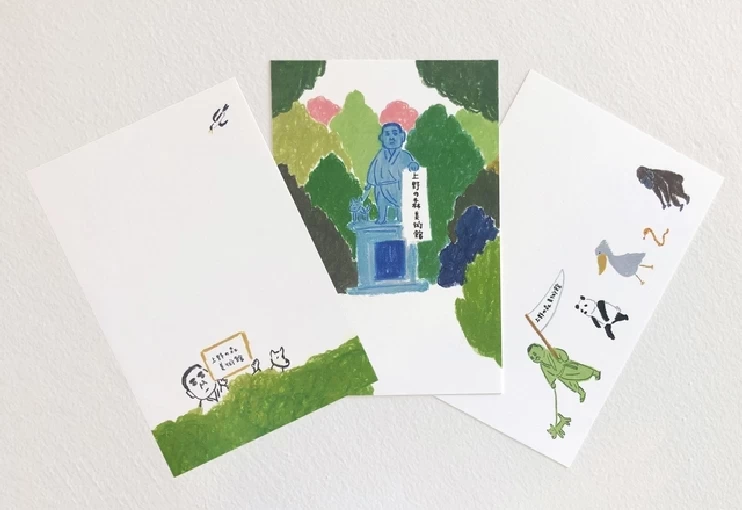
This is one of Japan’s oldest art museums, set within Ueno Park and easy to visit alongside the zoo and nearby museums. The museum does not have a permanent collection; instead, you can experience rotating exhibitions such as the VOCA Exhibition, open-call shows, and special exhibitions across diverse genres. While Ueno Station is the closest access point, the museum is also about a 25-minute walk from Akihabara, making it a pleasant option if you want to enjoy a relaxed stroll through the city. Take the train from Akihabara Station to Ueno Station, then walk about three minutes.
The Ueno Royal Museum
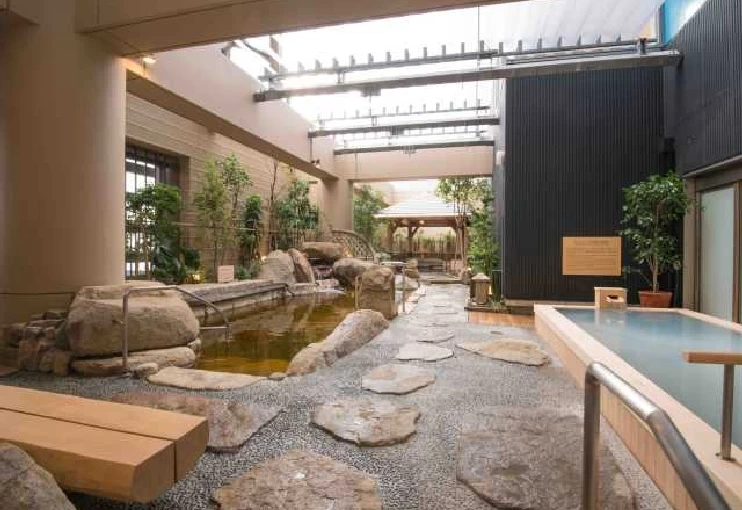
The perfect way to end your Akihabara sightseeing is Tokyo Dome Natural Hot Spring Spa LaQua, one of the area’s largest and most popular spa complexes. It features multiple bedrock baths with different atmospheres, a 100% natural open-air hot spring made with rare Aji stone, and a relaxing observation area overlooking Tokyo Dome and the amusement park.
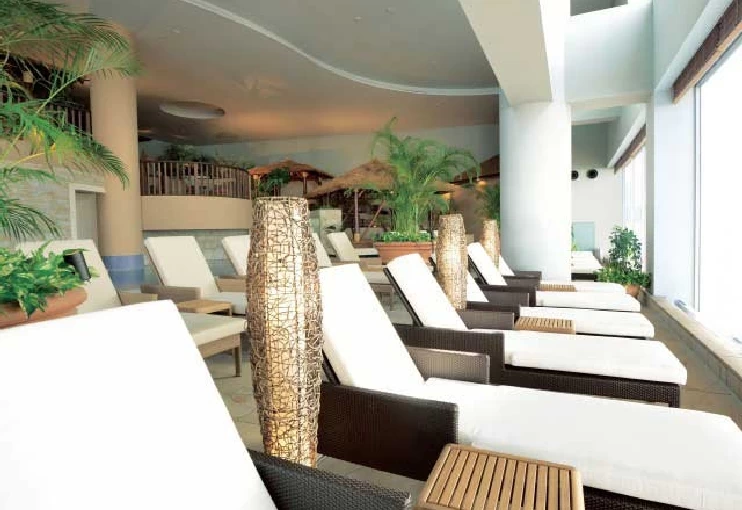
The standout is the spa zone with six types of baths (five for men). The open-air cypress baths feature carbonated and oxygen-enriched water, creating a refreshing and relaxing soak. These baths, along with natural hot spring water, are also available indoors, so you can unwind comfortably even on rainy days
Toyko Dome City Spa LaQua
Akihabara is popular with visitors from Japan and abroad. Even if subculture isn’t your thing, or you tend to visit the same spots, this guide may help you discover a new side of the area. If any shops or places catch your eye, be sure to check them out for yourself.
*Please note that information may change, so we recommend checking official websites for the latest details before visiting.
Was it helpful? Please try using it when traveling or going out.
Article planning/supervision:Tabiiro Editorial Department Omori
writer:UNTRACE inc.

55 Must-Visit Spiritual Spot Shrines in the Kanto region
2026/05/01
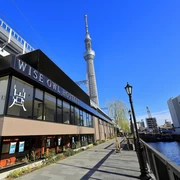
Tokyo Skytree Guide: 24 Best Things to Do & Must-See Spots Nearby
2026/04/13
Shrine Etiquette: How to Pray at a Shinto Shrine and How It Differs from a Buddhist Temple
2026/04/06
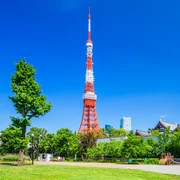
18 Must-See Attractions Around Tokyo Tower
2026/03/26
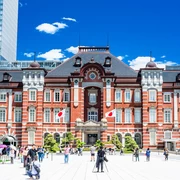
15 Must-Visit Spots Just Steps from Tokyo Station
2026/03/24
Updated every Monday: Total number of views for 30 days

Coin lockers at Disneyland! Also what to do when you don't have a place or space to leave your belongings!
2024/11/25


Summary of Luggage Lockers (Coin Lockers) at Yokohama Station! Where Can You Find Free or Affordable Options?
2025/01/31


Exploring Okinawa by Campervan: A First-Timer’s Guide
2026/05/15


12 Must-Visit Okinawa Souvenir Shops for Awamori, Perfume, and Ryukyu Glass
2026/05/04

A Leisurely Rickshaw Ride Through Historic Kanazawa
2026/05/14
Kanda Shrine (Kanda Myojin)
7-minute walk from Akihabara Station (JR Lines)
Akihabara Electric Town
A short walk from the Electric Town Exit of Akihabara Station (JR Lines)
mAAch ecute Kanda Manseibashi
5-minute walk from Akihabara Station (JR Lines)
Akihabara Radio Kaikan
A short walk from Akihabara Station.
animate Akihabara
2k540 AKI-OKA ARTISAN
5-minute walk from Akihabara Station (JR Lines)
Nickolai Cathedral
A short walk from Ochanomizu Station Hijiribashi Exit (JR Lines)
Yushima Tenmangu(Yushima Tenjin)
8-minute walk from Okachimachi Station (JR Lines)
Owl Cafe Akiba Fukurou Tokyo
3-minute walk from Akihabara Station (JR Lines)
Taihodo Fujimaki Inbo -TAIHODO-
A short walk from Otemachi Station B3 Exit. A short walk from Tokyo Station. 2-minute drive from Kandabashi IC (Inner Circular Route)
D.Anda
5-minute walk from Inaricho Station (Tokyo Metro Ginza Line). 11-minute walk from Ueno Station (JR Lines). 12-minute walk from Asakusa Station
Fukui Shoku no Kuni 291
A short walk from Ginza-itchome Station Exit 5 (Tokyo Metro Yurakucho Line). 5-minute walk from Ginza Station Exit A9
Kyu-Iwasaki-tei Gardens
3-minute walk from Yushima Station (Tokyo Metro Chiyoda Line)
The Ueno Royal Museum
3-minute walk from Ueno Station (JR Lines)
Toyko Dome City Spa LaQua
A short walk from Korakuen Station (Metro)