


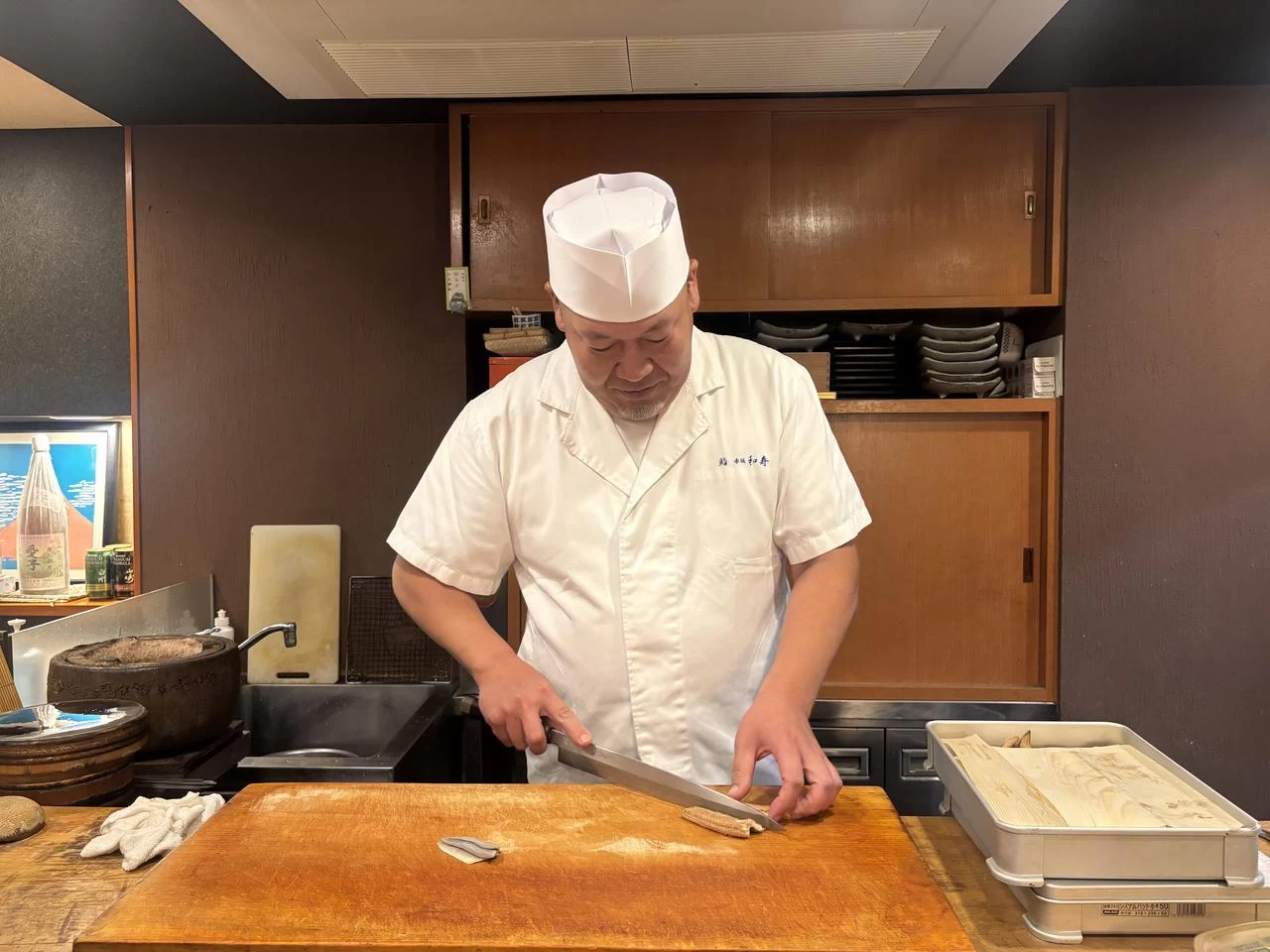
Edomae Sushi in Tokyo: Chef Insights and Restaurants to Try
Update date:2026/06/28
Curious about Edomae sushi? This Tokyo-born style has roots in Edo, the former name of Tokyo, and each piece reflects careful preparation and skilled technique. In this article, sushi chefs explain what makes Edomae sushi unique and share tips for enjoying it with confidence. It also introduces 13 restaurants where travelers can experience Edomae sushi in Tokyo.
Table of Contents of This Article
- What is Edomae Sushi?
- What Edomae Sushi Means to Two Chefs
- Two Chefs, Two Approaches to Edomae Sushi
- Sushisakaya Wakashi
- Sushi Roshu
- Sushi Houitsu
- Sushi Hikari
- Nihonbashi Sushi Tetsu Honkan
- Umi
- Kagurazaka Sushi Rin
- Kyubey
- Sushi Hatano Yoshiki
- SUSHI KISARAGI
- Sushi Hinomoto
- Sushidokoro Yoneyama
- Sushi Monokuro
- The Quiet Craft Behind Edomae Sushi
Open Table of Contents ▼
What is Edomae Sushi?
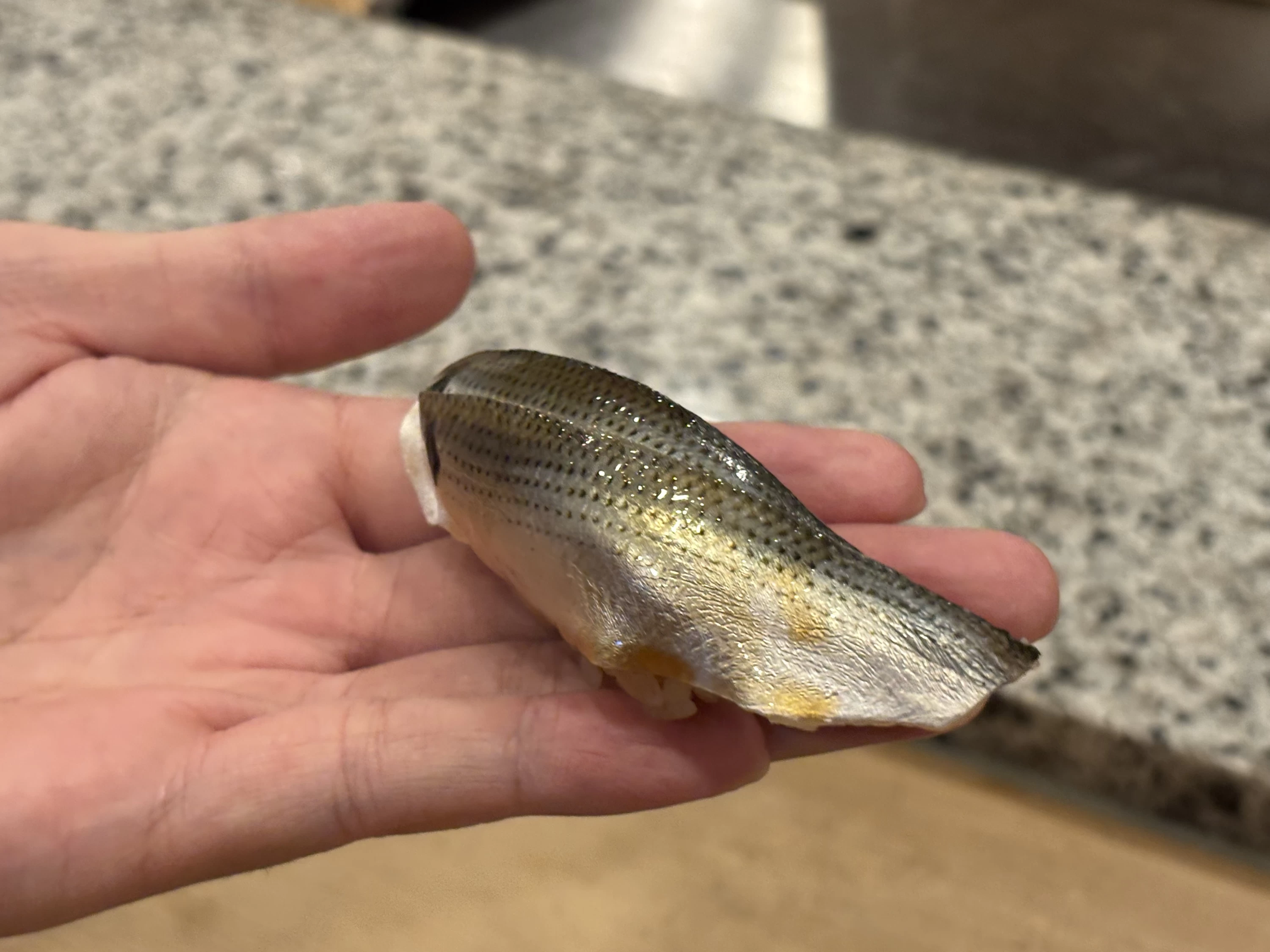
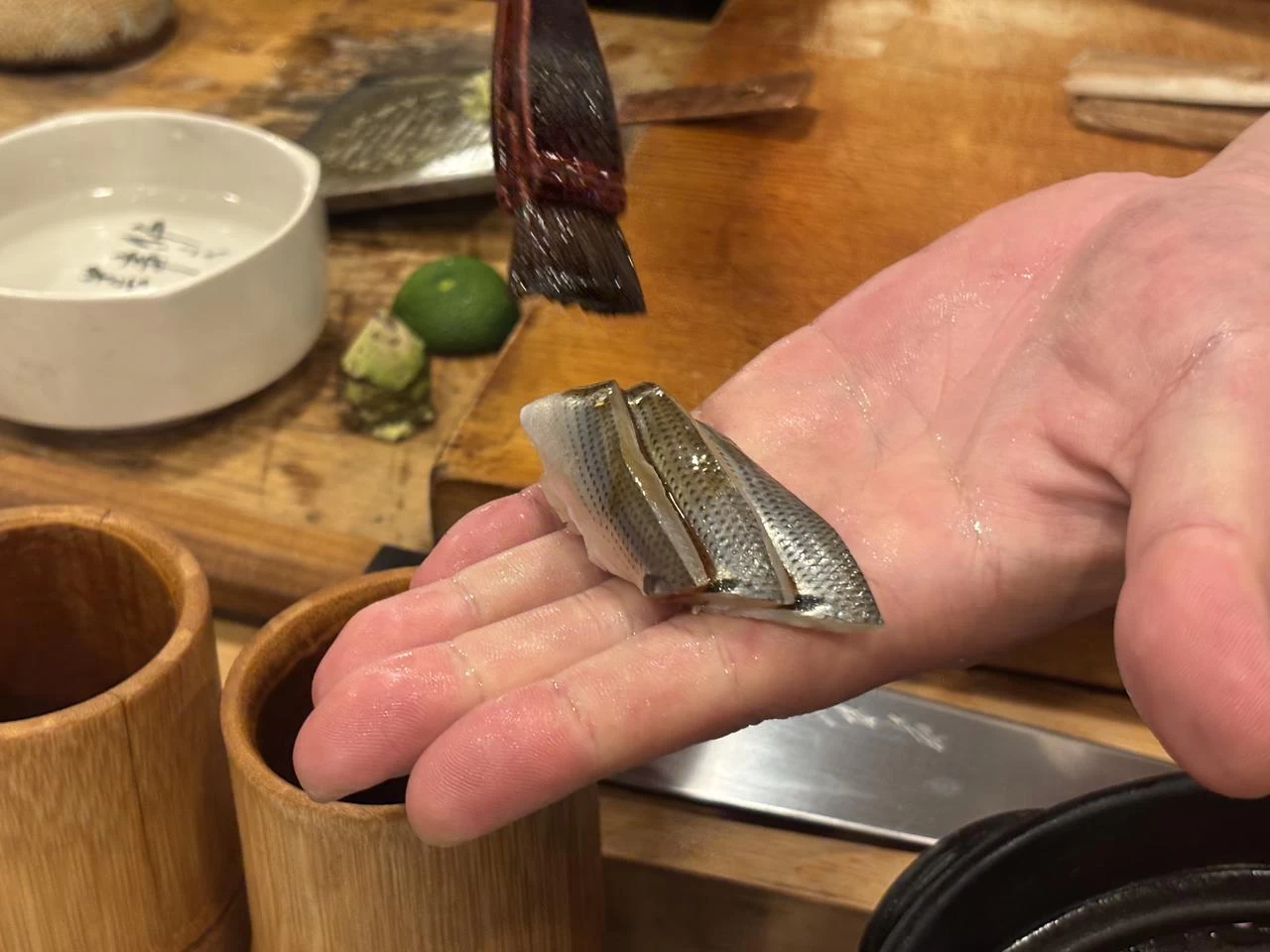
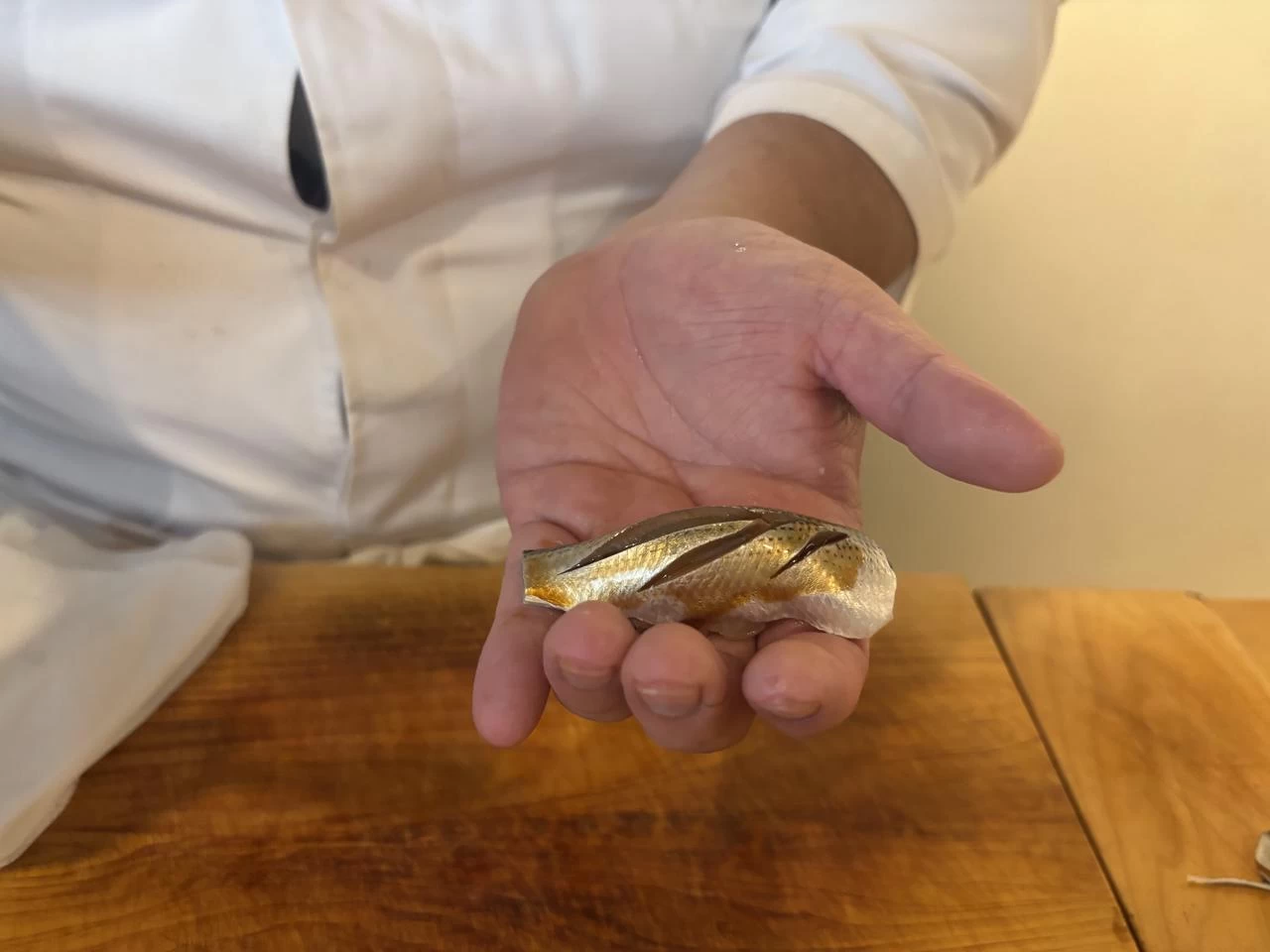
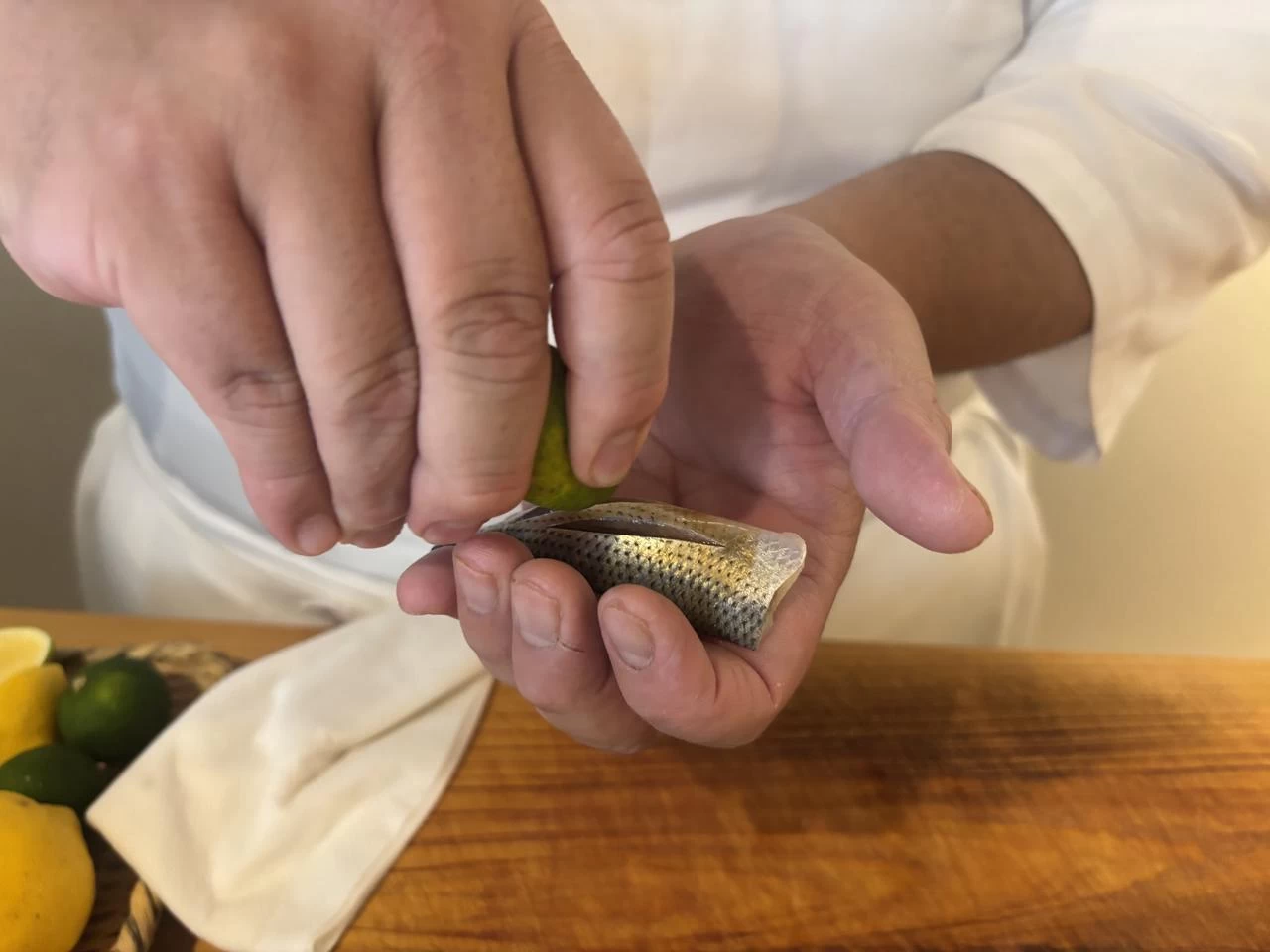
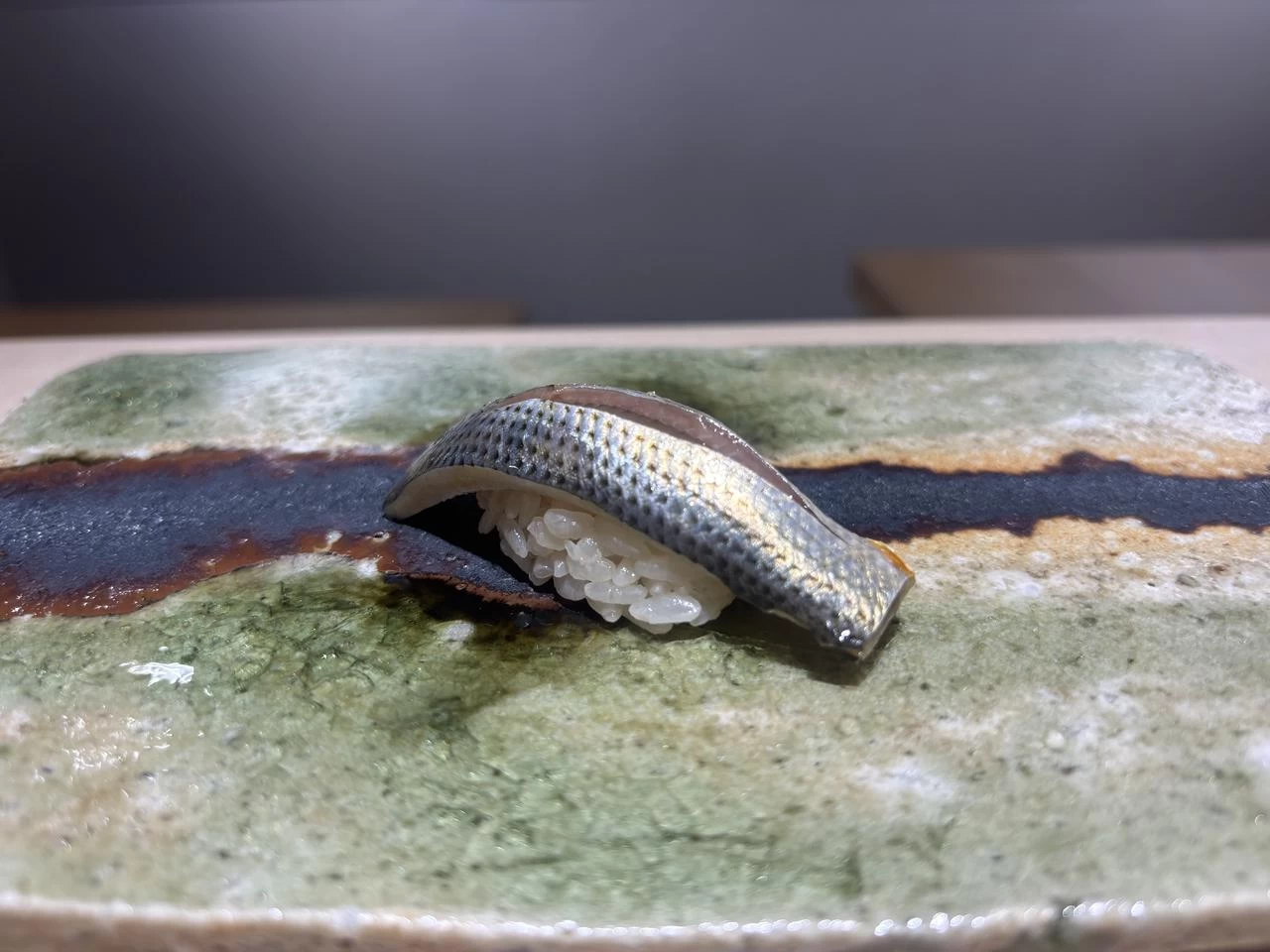
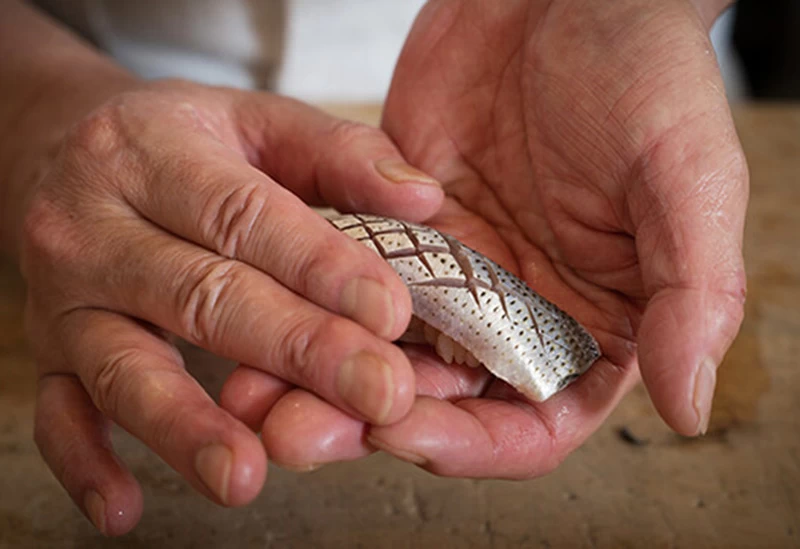
Kohada, or gizzard shad, a Classic Edomae Sushi Topping
Edomae sushi is known for both the variety of seafood it uses and the techniques chefs apply to bring out the best flavor of each ingredient. Drawing on seafood traditionally caught in and around Tokyo Bay, it developed into one of Japan's most influential sushi traditions.
A defining feature of Edomae sushi is its preparation. Techniques such as curing, marinating, simmering, and grilling are used alongside fresh seafood to highlight the unique character of each fish.
The Story Behind Sushi Kazutoshi
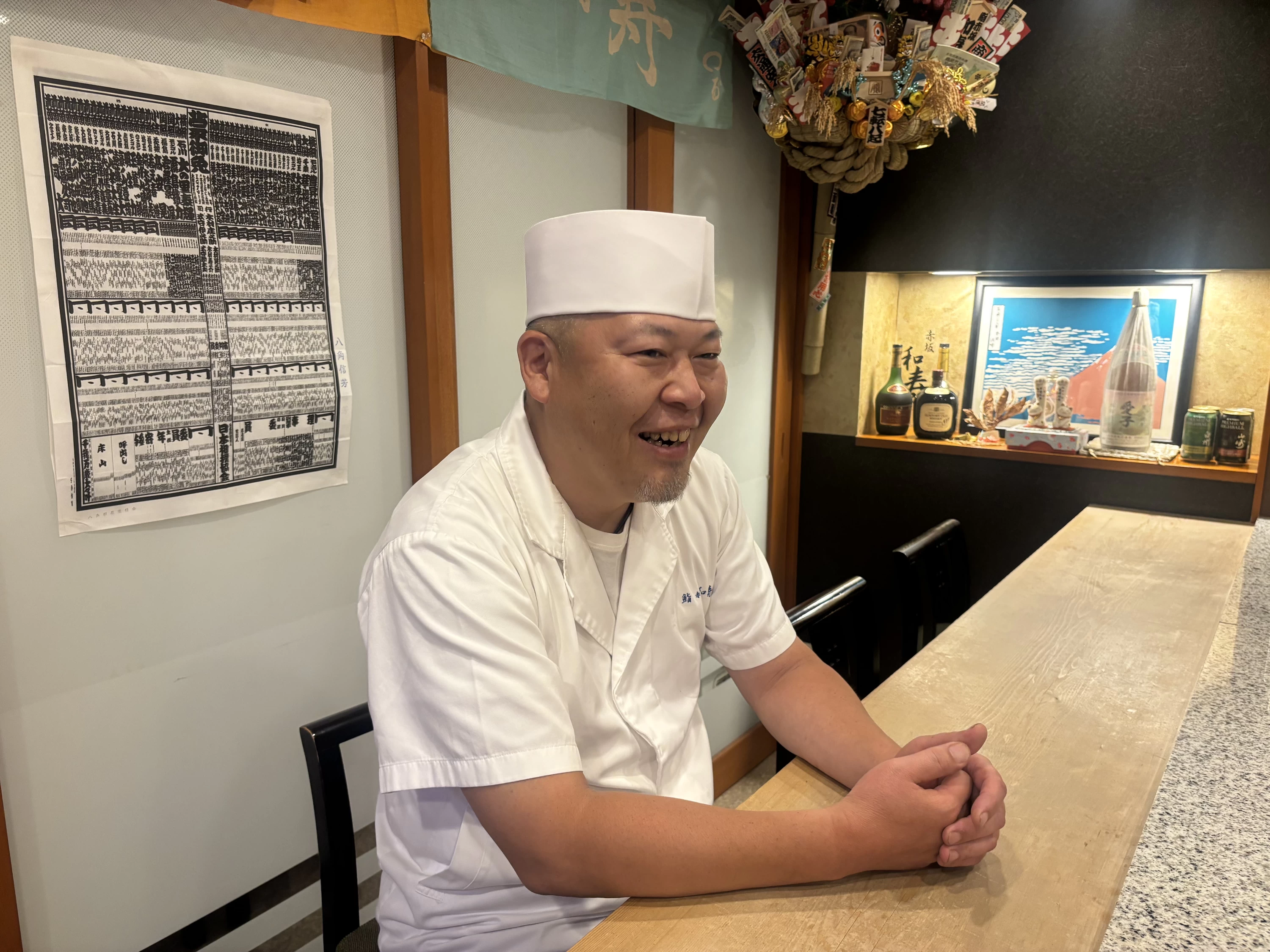
Chef-owner Kunishima of Sushi Akasaka Kazutoshi grew up in Kumagaya, Saitama, and first dreamed of becoming a sushi chef as a child. After learning the basics at a sushi restaurant in Gyoda, he moved to Tokyo at 20 and trained at eight different sushi restaurants, choosing places by taste rather than reputation. Buying fish at the market sharpened his eye for quality, and nearly 30 years later, the experience he gained along the way continues to shape the sushi he serves in Akasaka.
The Story Behind Sushi Nakanishi
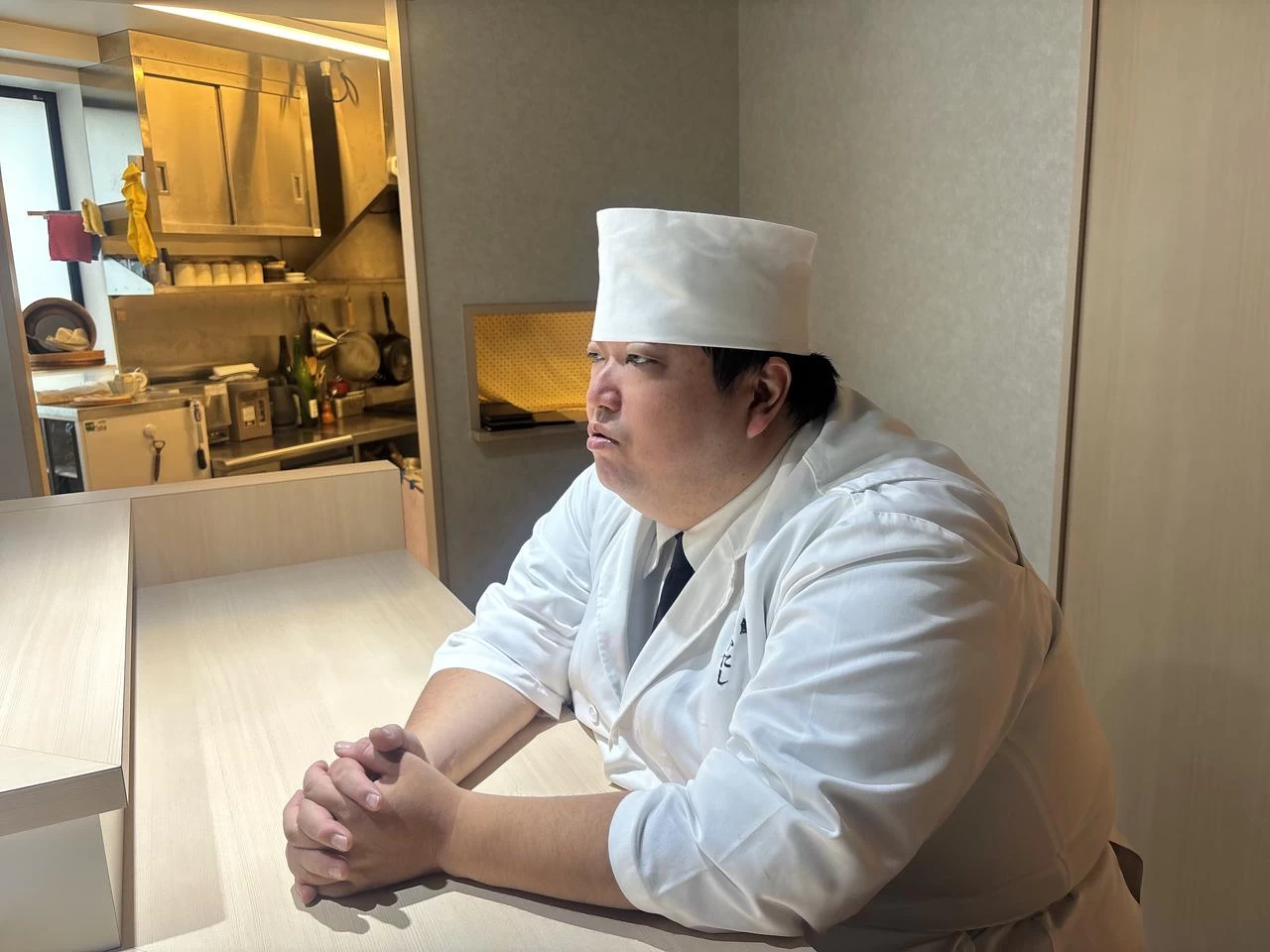
Nakanishi studied Japanese cuisine in Osaka, then spent about 10 years at a Ginza sushi restaurant and six more at a restaurant run by a senior chef from his sushi network. Preparing to open his own place, he took on a new challenge in Shanghai as head chef at a restaurant launched by a sushi restaurant from Fukuoka. While working far from Japan and navigating a language barrier, he kept Japanese flavors at the center. What first drew him to sushi was the opportunity to work with ingredients that change from season to season. The endless variety offered by Japan's four seasons still shapes his approach at Sushi Nakanishi today.
What Edomae Sushi Means to Two Chefs
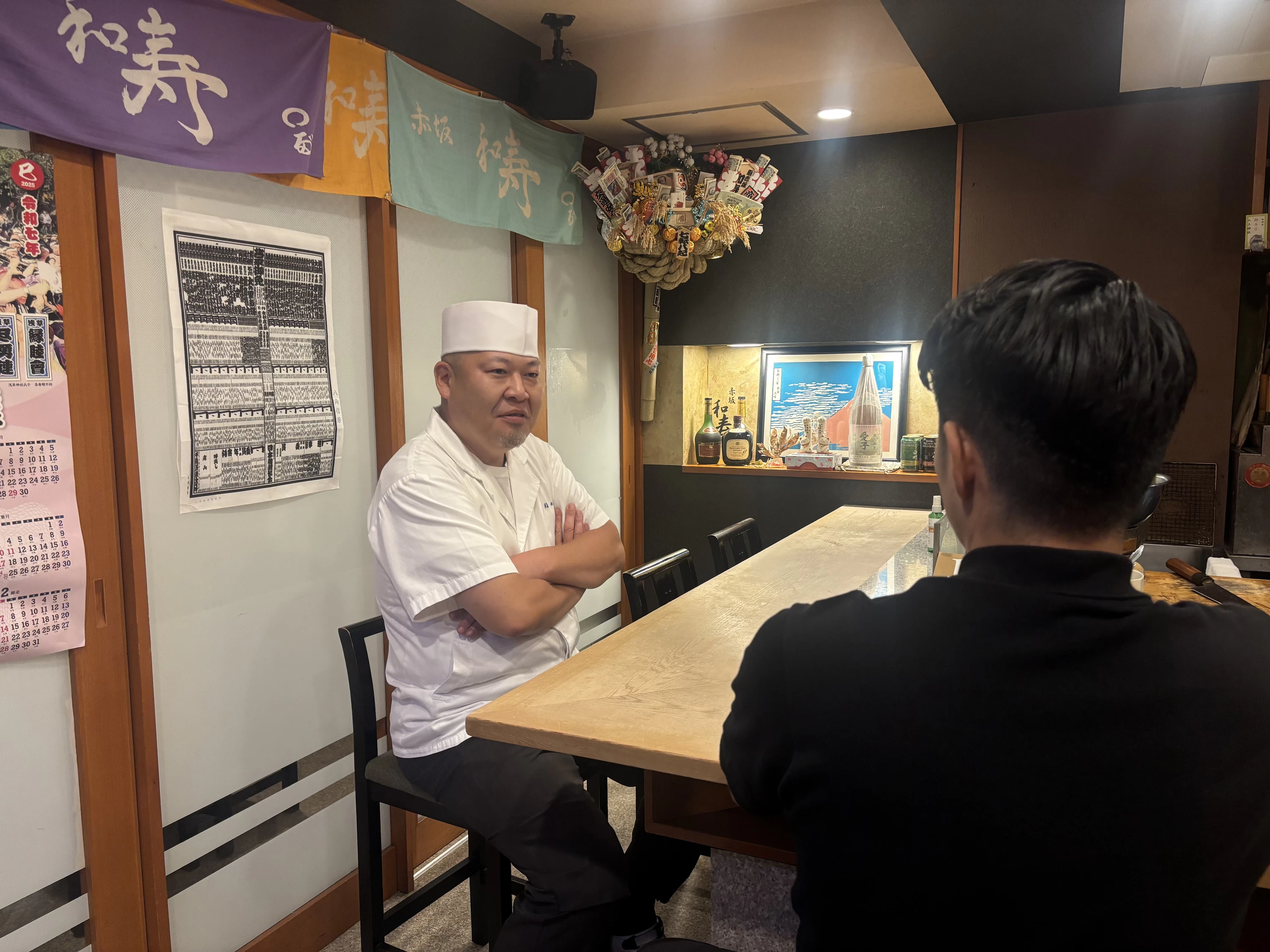
Edomae sushi began as street-stall sushi made with fish from Tokyo Bay. Over time, chefs developed techniques such as aging, curing, and simmering to suit the characteristics of different fish. Today, these methods are valued less for preservation than for the depth and complexity they bring to each ingredient.
For Chef Kunishima, that tradition lies at the heart of Edomae sushi. He believes its essence is not in masking an ingredient with strong seasonings, but in using careful preparation to deepen and refine its natural character. He applies the same philosophy to rice, favoring Sasanishiki for its clean texture and balanced relationship with vinegar. Though less common today, he believes it comes closest to the roots of true Edomae sushi.
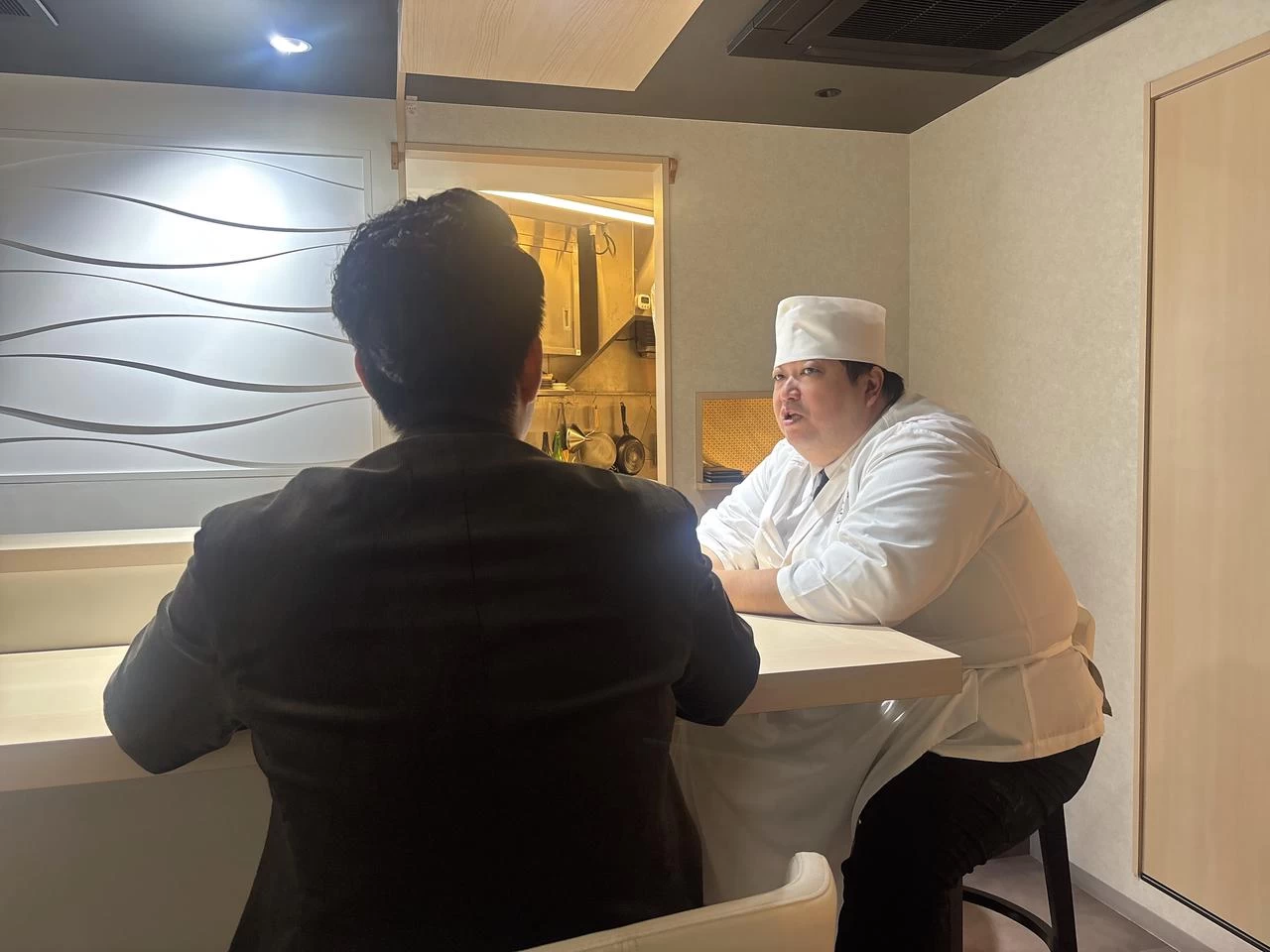
Chef Nakanishi laughs when he looks back on his training, saying he was not naturally quick with his hands and needed time to learn. What stayed with him was the slow building of the basics: not a dramatic hardship story, but steady work repeated day after day.
That same patience shapes his sushi. For Nakanishi, Edomae sushi is defined less by where the fish comes from than by the preparation behind each topping, from salting and vinegaring to resting fish so its flavor can deepen. "It is not about addition, but subtraction," he says. At Sushi Nakanishi, nearly every piece undergoes some form of preparation before it reaches the guest.
His goal is for the topping and shari, or vinegared rice, to loosen together in the mouth. He shapes each piece lightly, with air inside, pairing carefully prepared fish with rice seasoned simply with red vinegar and salt. It is an approach that reflects his belief that great sushi comes not from adding more, but from knowing what to leave out.
Two Chefs, Two Approaches to Edomae Sushi
Sushi Kazutoshi
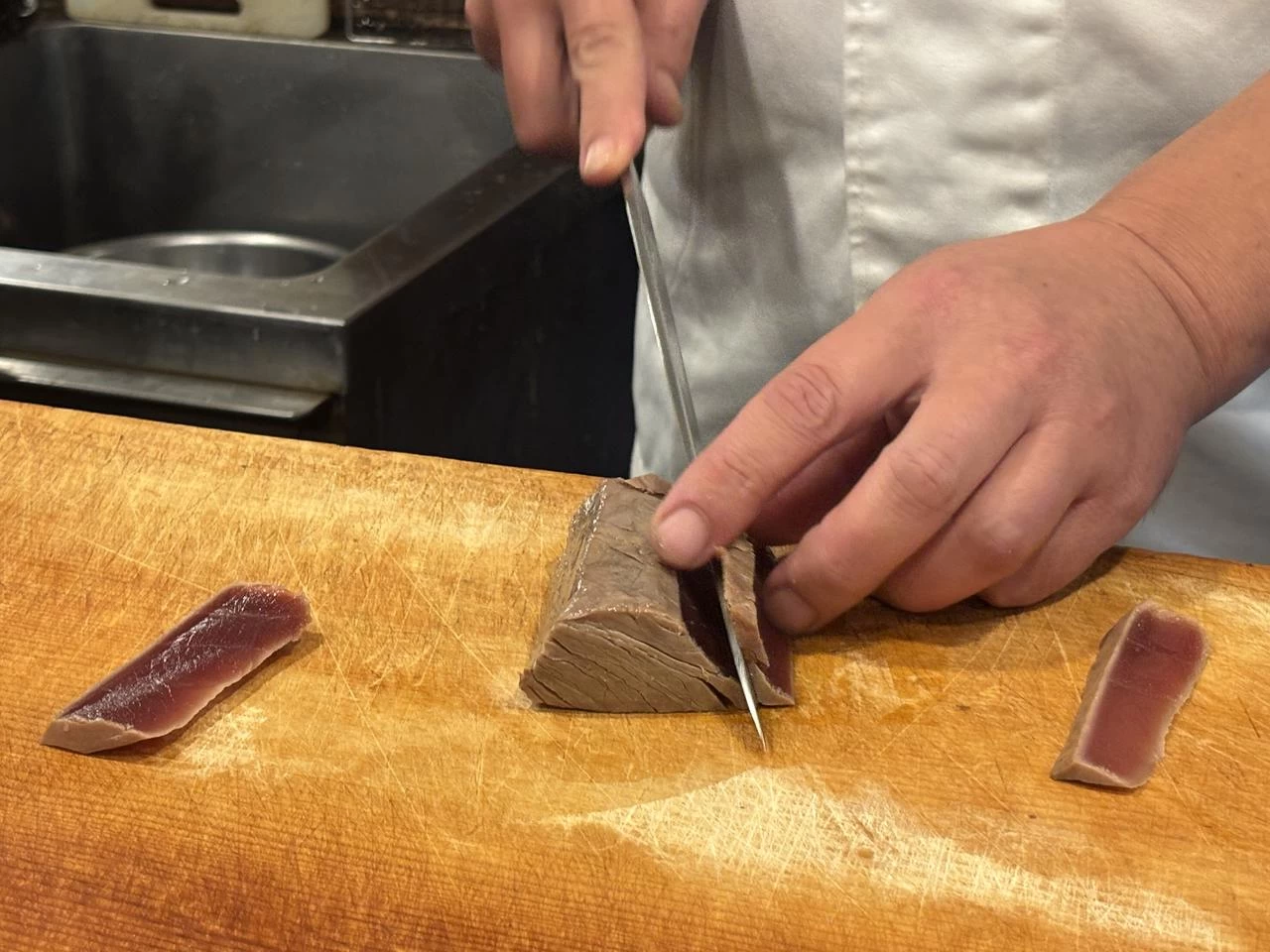
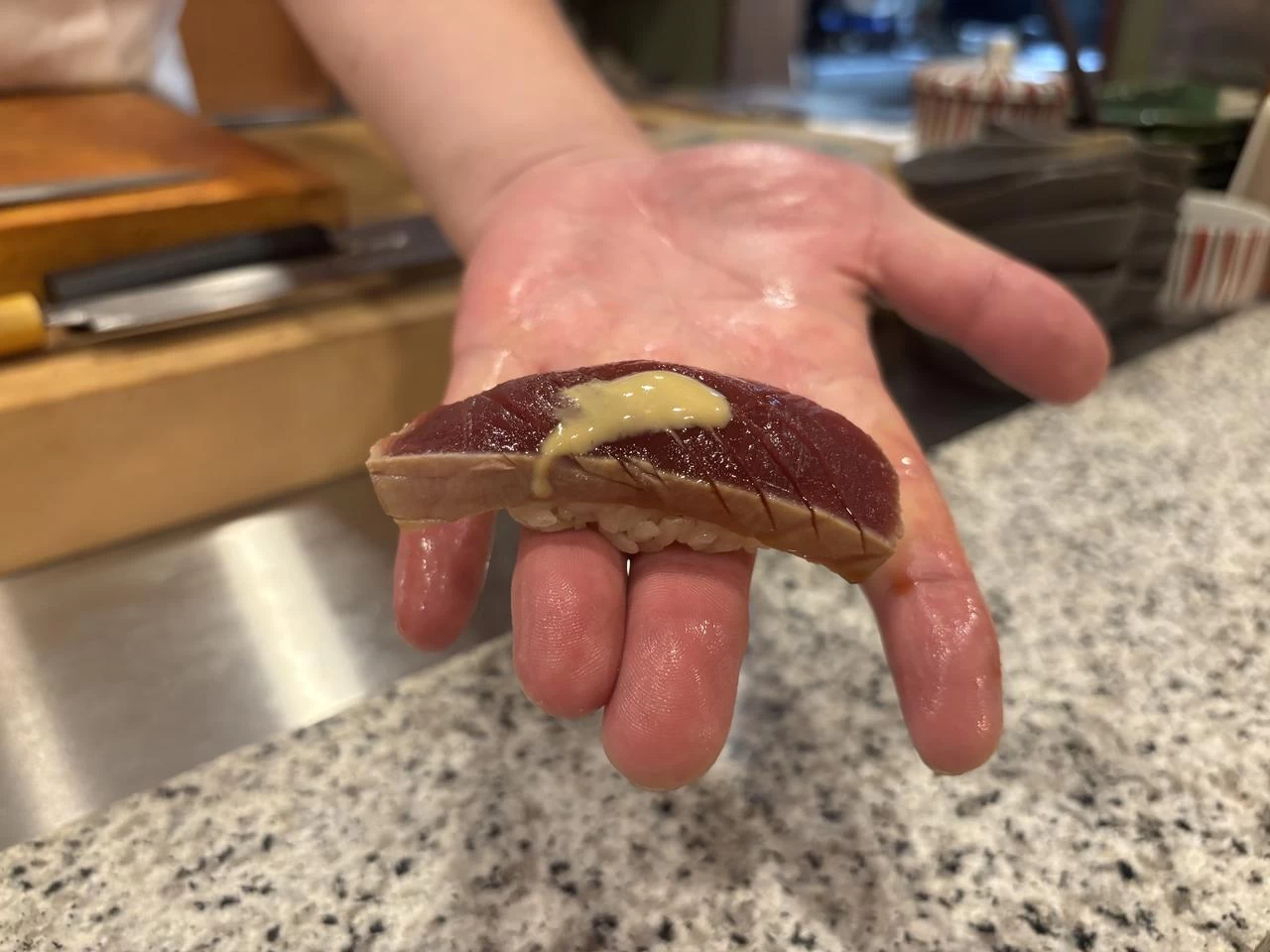
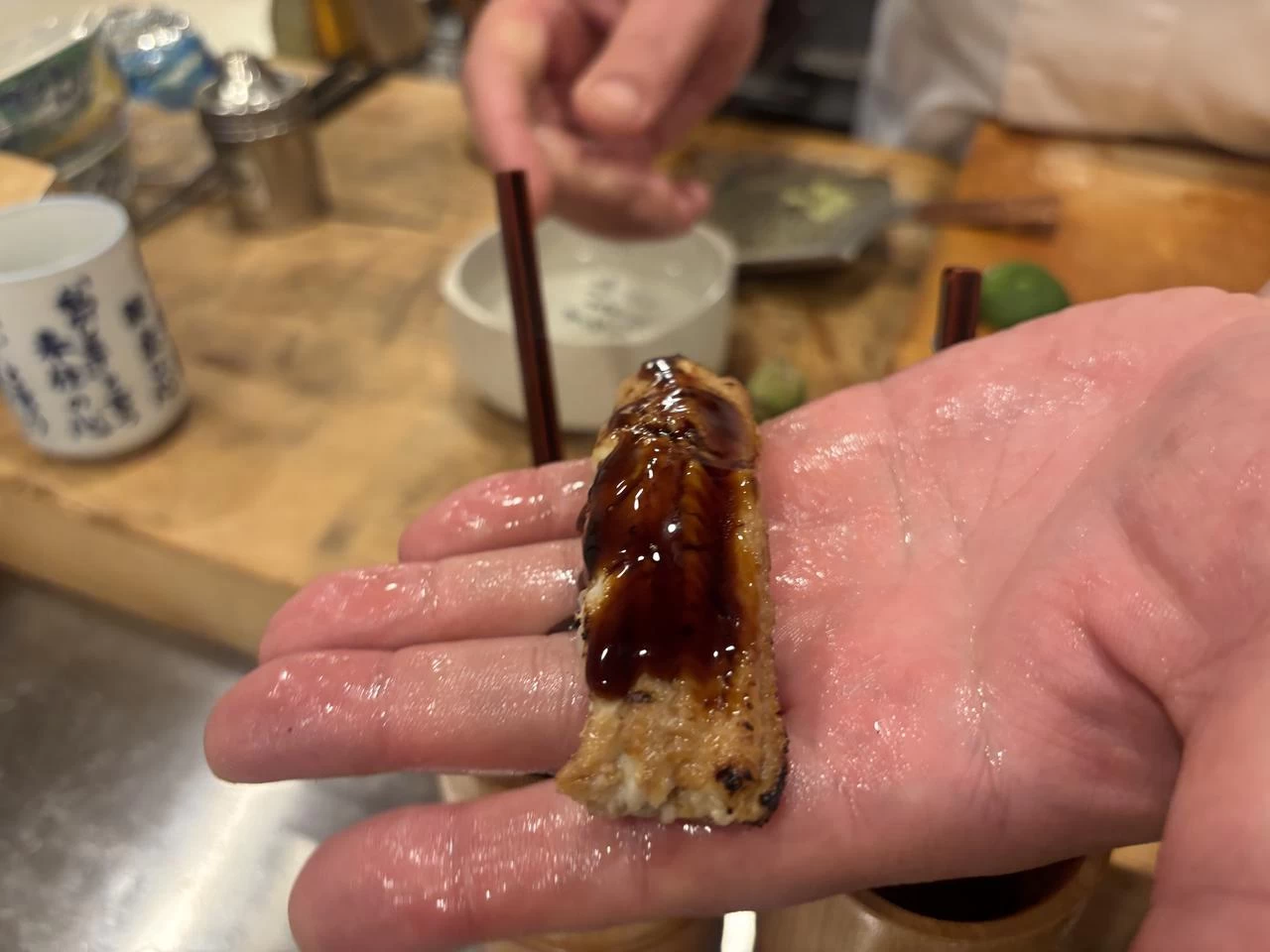
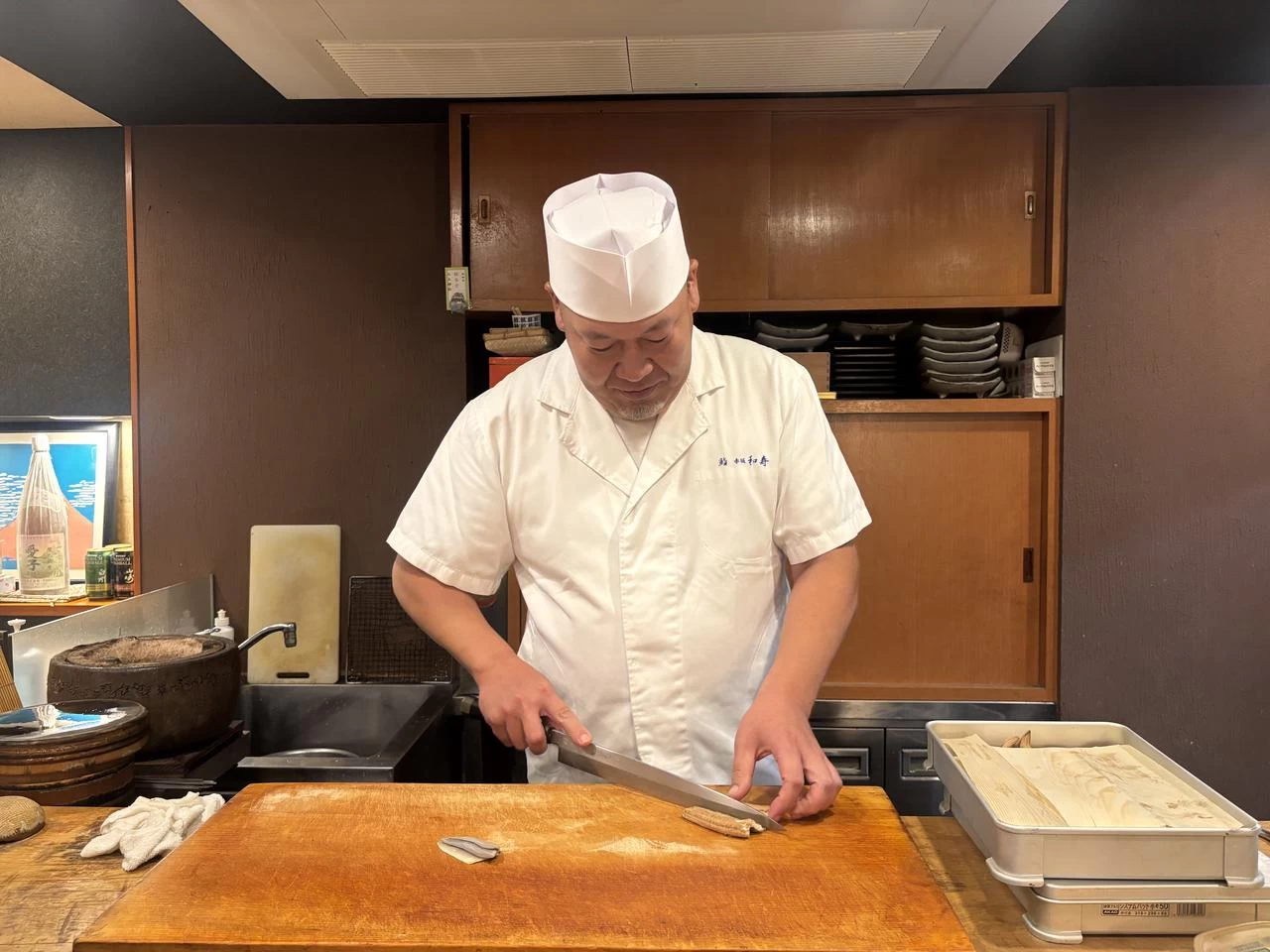
At Sushi Akasaka Kazutoshi, Chef Kunishima keeps the atmosphere relaxed, more like a meal shared at home than a formal sushi counter. Guests seated side by side often find themselves chatting with one another, and that is exactly the kind of place he wants to create. “Sushi was never meant to feel stiff,” he says. “The best part is seeing people enjoy themselves together.”
His Edomae classics include akami, or lean tuna, kohada, or gizzard shad, and zuke maguro, soy-marinated tuna aged for three days. But the clearest expression of his style may be the way he hands each piece directly to the guest as soon as it is shaped, while the rice is still at its lightest. If a piece sits too long, he jokes that he will make it again.
Sushi Kazutoshi
- Address
- 2F Minoya Building, 6-4-21 Akasaka, Minato-ku, Tokyo
- Access
- A short walk from Akasaka Station Exit 7 (Tokyo Metro Chiyoda Line)
11-minute walk from Akasaka-mitsuke Station (Tokyo Metro Marunouchi Line, Ginza Line)
10-minute walk from Tameike-sanno Station (Tokyo Metro Namboku Line) - Official Website
- https://sushi-kazu.com/
- TEL
- +81 3-6459-1869
- Business hours
- 5:30 p.m. to 12:00 a.m.
- Regular Holiday
- Sundays and national holidays that fall on Monday * Private bookings available upon request
- Parking
- Not available

Sushi Nakanishi
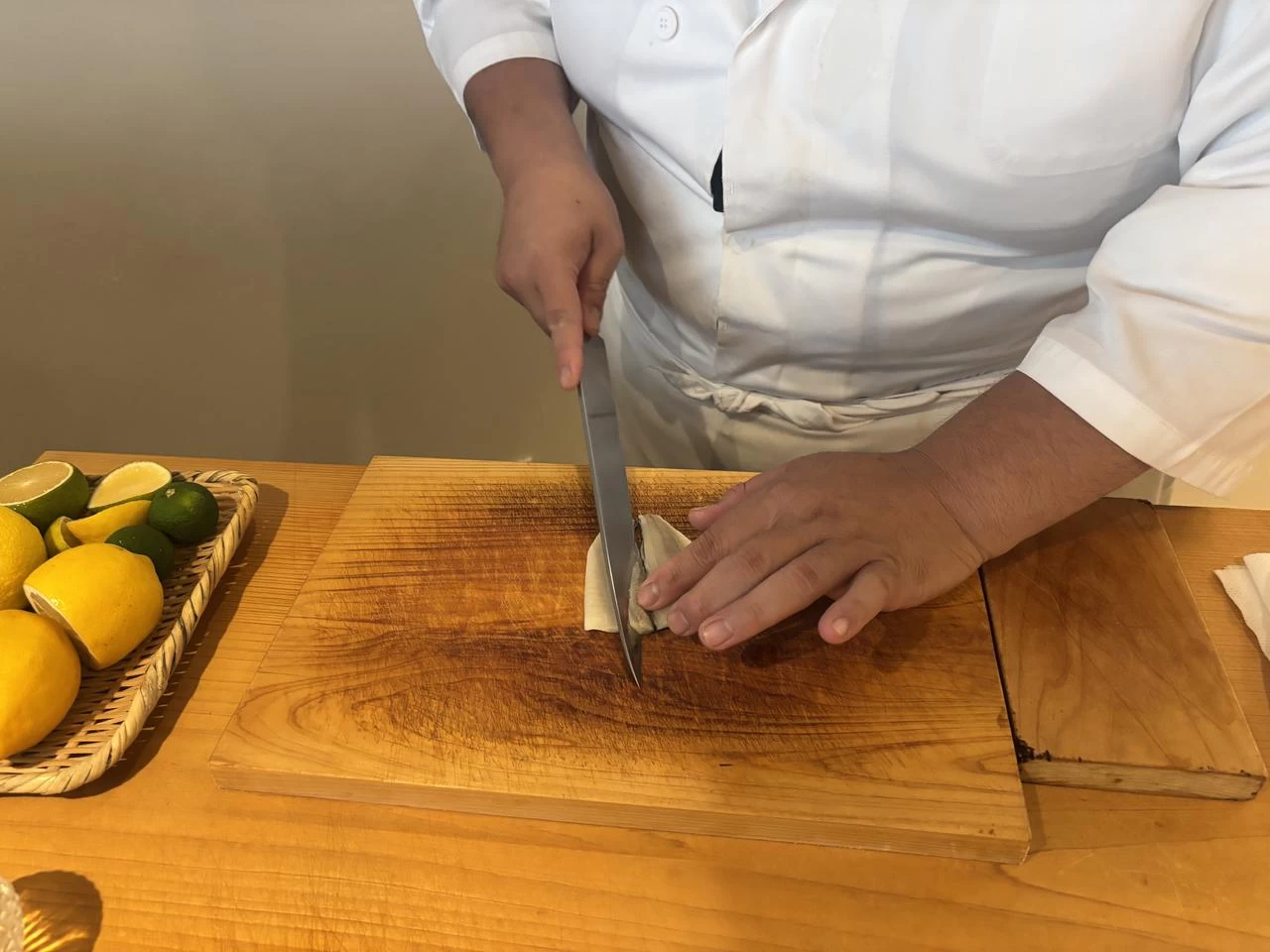
At Sushi Nakanishi, Chef Nakanishi keeps the rules light. He wants guests to enjoy sushi without worrying too much about getting everything “right.” Customs around soy sauce, course order, and counter dining matter, but basic courtesy matters more: avoid strong fragrances, oversized watches, or anything that may disturb nearby diners.
Families with children are welcome too, as long as the small counter is shared with care. Set in a quiet residential area of Sasazuka, Sushi Nakanishi has about eight seats and a calm, unforced atmosphere. There is no flashy promotion here; the restaurant has grown through word of mouth, built on careful Edomae preparation and Nakanishi’s gentle, thoughtful hospitality.
Sushi Nakanishi
- Address
- 1F Palas Sasazuka, 1-37-11 Sasazuka, Shibuya-ku Tokyo
- Access
- 4-minute walk from Sasazuka Station South Exit (Keio Line, Keio New Line)
- Official Website
- https://sushi-nakanishi.com/
- TEL
- +81 3-6804-9915
- Business hours
- 5:30 p.m. to 10:30 p.m.
- Regular Holiday
- Mondays
- Parking
- Not available
Sushisakaya Wakashi
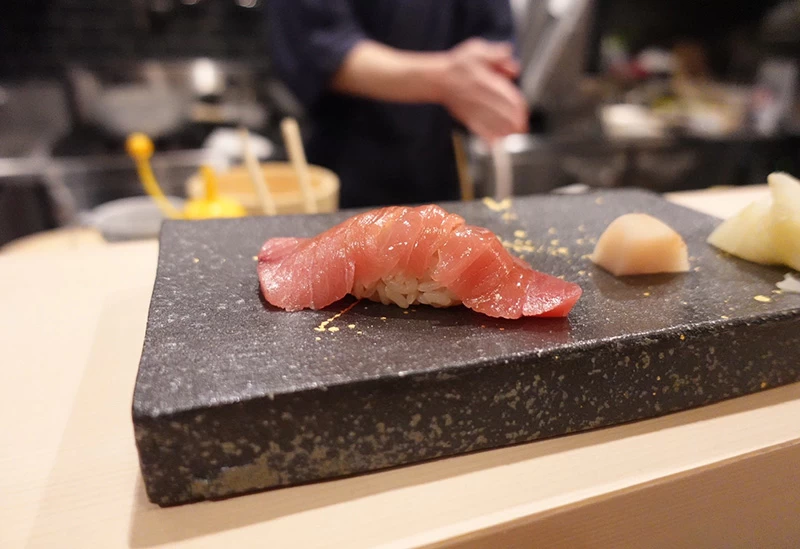
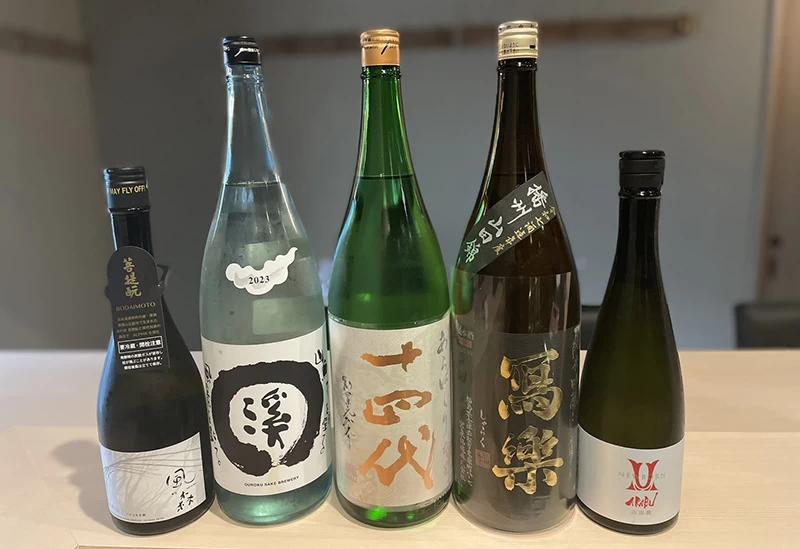
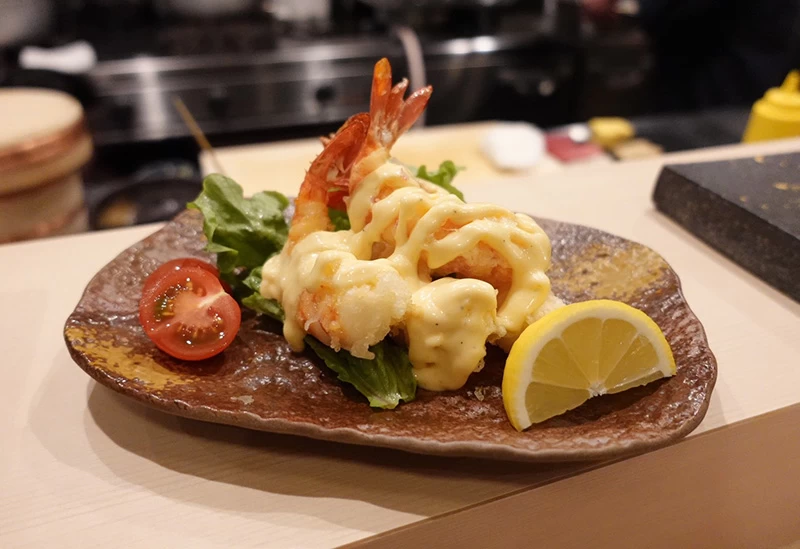
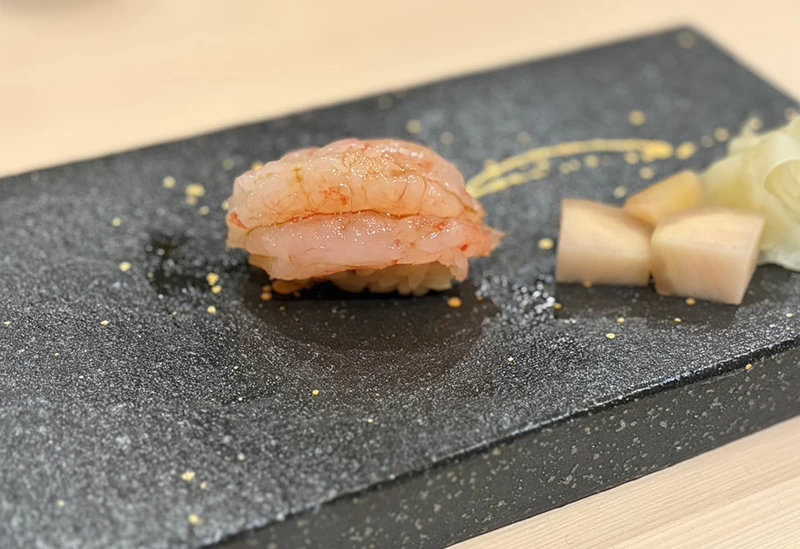
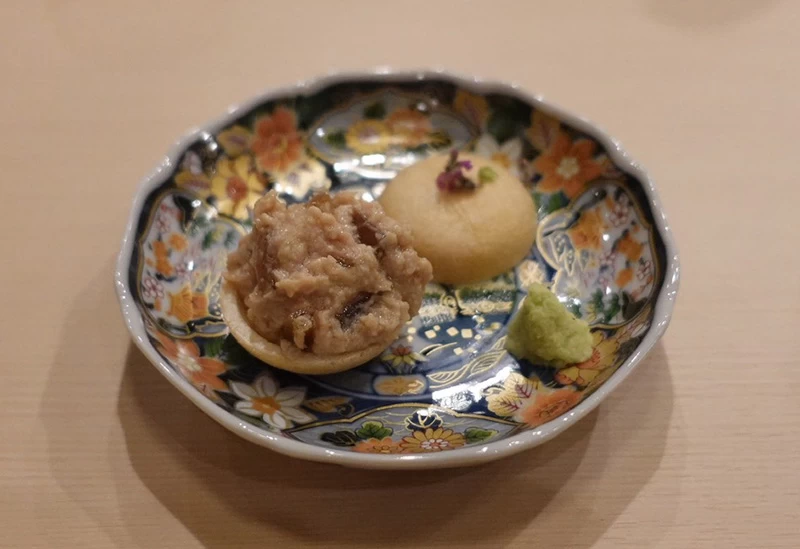
A short walk from Sangen-jaya Station, Wakashi offers Edomae sushi and seasonal Japanese dishes in a relaxed counter setting. Fresh seafood arrives daily from Toyosu Market, appearing in everything from traditional nigiri to the restaurant's signature Uni Bouquet, a sea urchin and rice wrapped with nori, arranged in a flower bouquet-like presentation. Guests can order individual pieces or enjoy an omakase course built around the season's best ingredients, paired with a selection of sake.
Sushisakaya Wakashi
- Address
- AIKI Home 1F, 4-14-2 Taishido, Setagaya-ku, Tokyo
- Access
- 4-minute walk from Sangen-jaya Station (Tokyu Den-en-toshi Line)
- Official Website
- https://sushisakayawakashi.com/
- TEL
- +81 70-9440-7665
- Business hours
- 5:00 p.m. to 12:00 p.m.
- Regular Holiday
- Mondays
- Parking
- Not available
Sushi Roshu
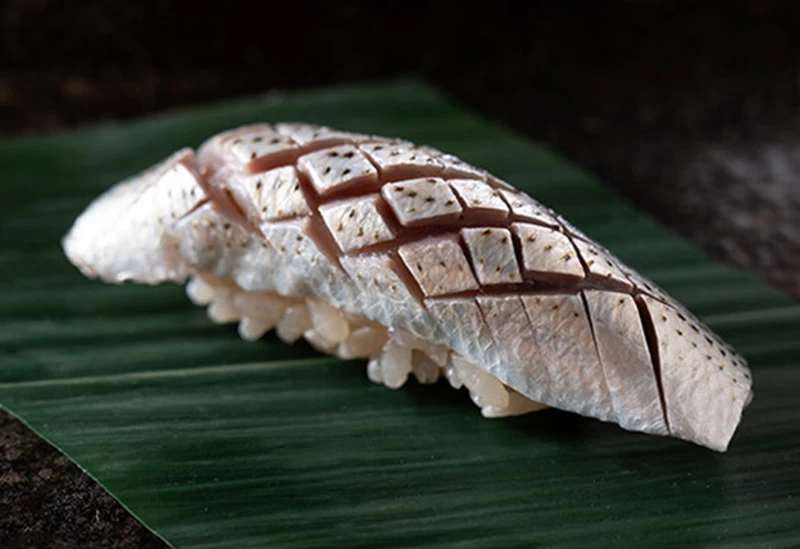
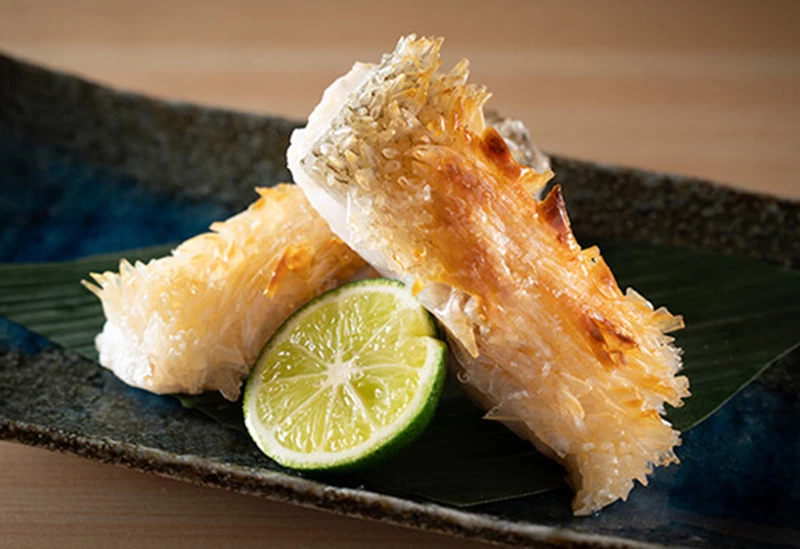
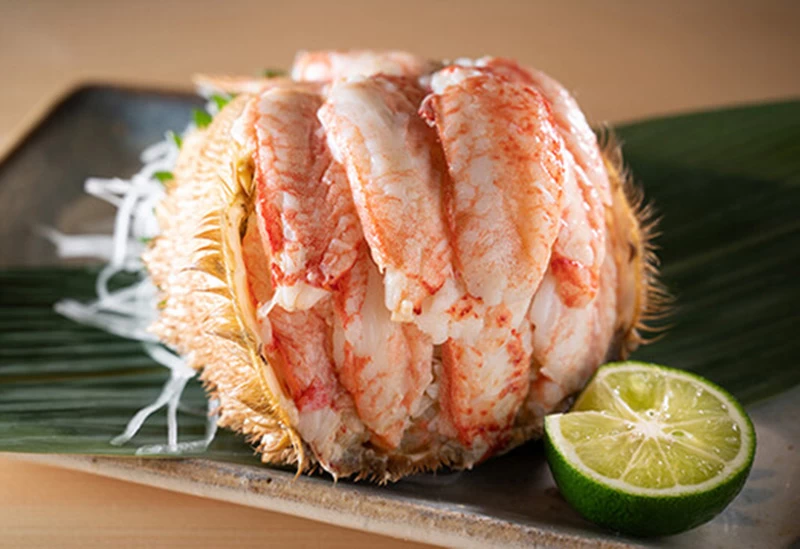
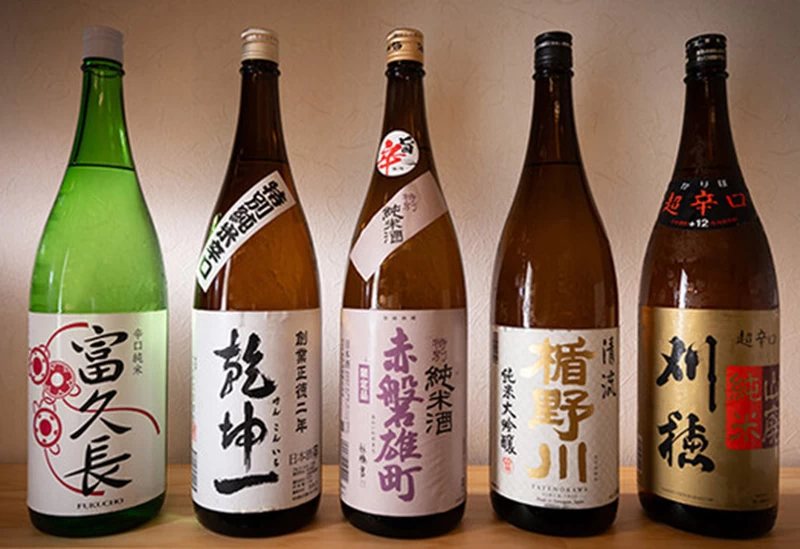
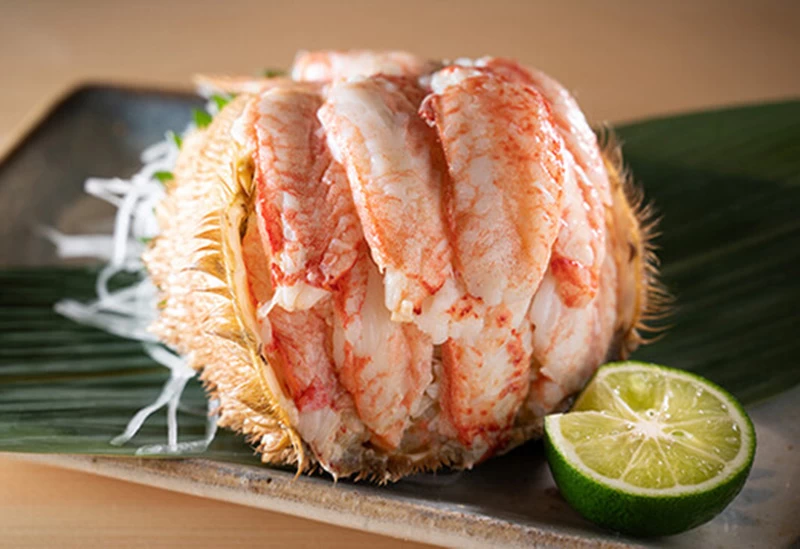
Sushi Roshu brings an 11-seat Edomae sushi counter to the quiet Honmachi neighborhood of Shibuya, away from the area’s busier dining streets. Seafood selected at Toyosu Market, including tuna, kohada, and anago, is matched with red-vinegared shari to keep each piece clean and focused. The meal also moves into seasonal cooked dishes, from hairy crab served in its shell to amadai Matsukasa-yaki. Warm wood tones and intimate counter seating create a comfortable setting that feels at home in this quieter corner of Shibuya.
Sushi Roshu
- Address
- 1F Koizumi Building, 2-17-14 Honmachi, Shibuya-ku, Tokyo
- Access
- 11-minute walk from Hatsudai Station (Keio New Line)
15-minute walk from Hatagaya Station (Keio New Line) - Official Website
- https://soutatsu.net/about/#access
- TEL
- +81 3-3374-3216
- Business hours
- 4:00 p.m. to 11:00 p.m.
- Regular Holiday
- Closed on irregular days
- Parking
- Not available
Sushi Houitsu
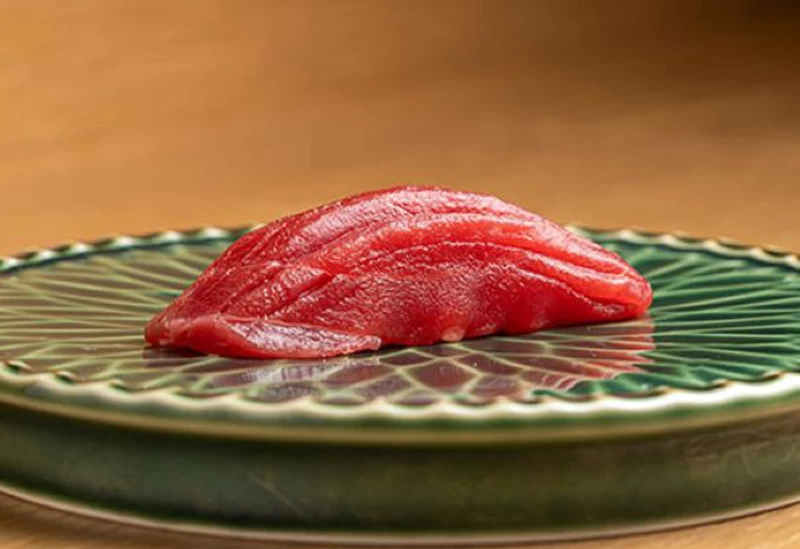
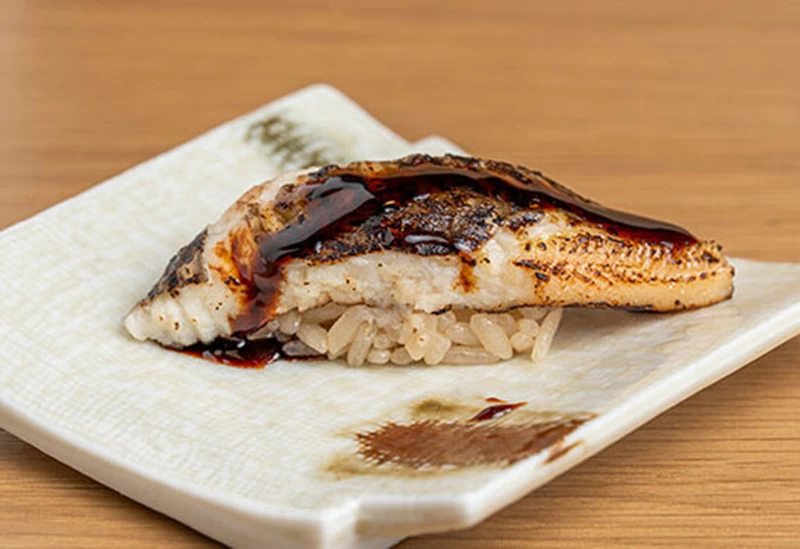
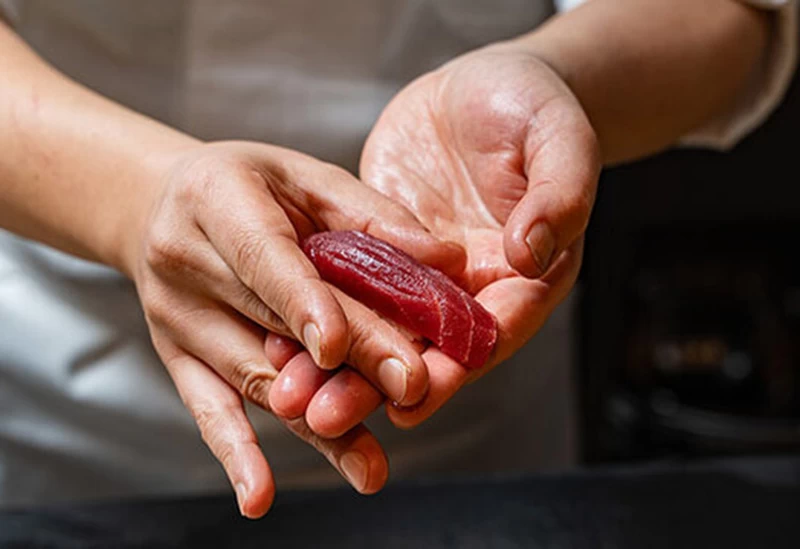
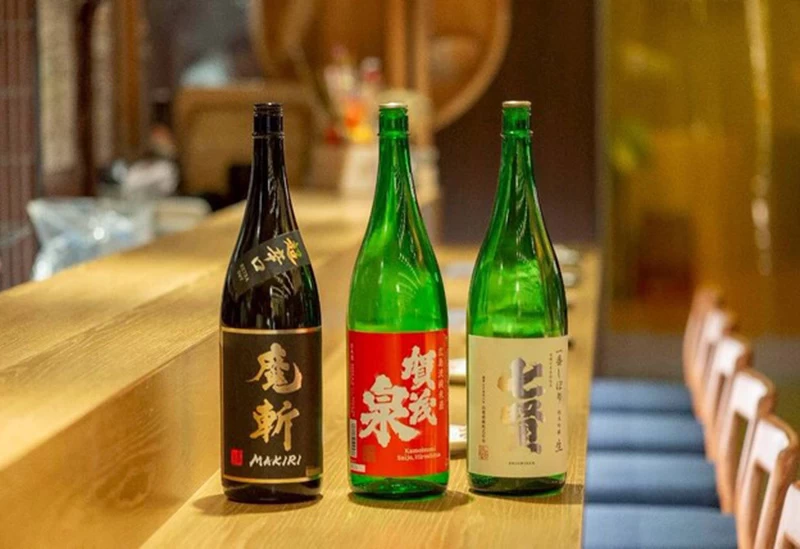
Sushi Houitsu in Akasaka places special emphasis on shari, or vinegared sushi rice. A chef trained in well-regarded sushi kitchens uses Akita Komachi rice selected by a rice specialist and seasons it with red vinegar, creating a clean balance with a wide selection of toppings such as carefully selected tuna and house-made tamagoyaki. With seating only at the counter, guests can watch the careful preparation that brings each piece together, from the rice and topping to the final shaping. Despite the attention to detail, the atmosphere remains approachable, making it easy to settle in and focus on the meal.
Sushi Houitsu
- Address
- Kaiwaii Akasaka 2F (Inside H1O Akasaka), 3-17-3 Akasaka, Minato-ku, Tokyo
- Access
- 3-minute walk from Akasaka-Mitsuke Station (Tokyo Metro Ginza Line, Marunouchi Line)
5-minute walk from Akasaka Station (Tokyo Metro Chiyoda Line) - TEL
- +81 3-6277-7113
- Business hours
- 5:00 p.m. to 11:00 p.m.
- Regular Holiday
- December 31 to January 5
- Parking
- Not available
Sushi Hikari
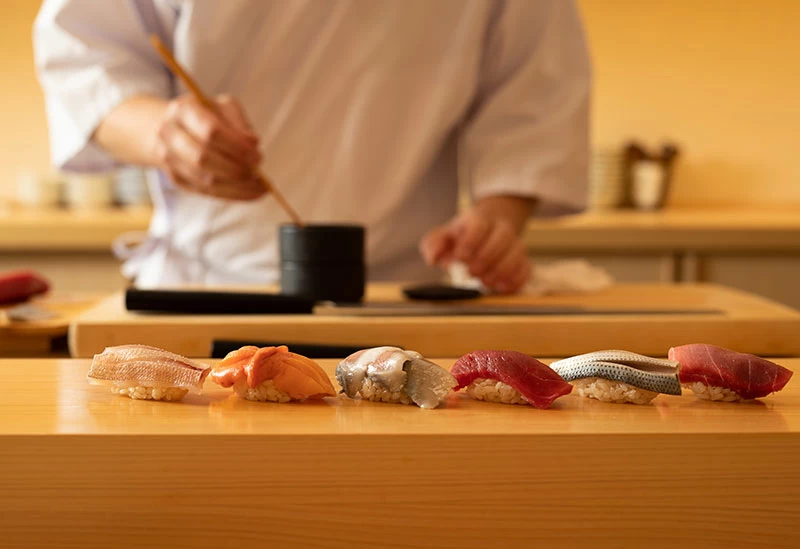
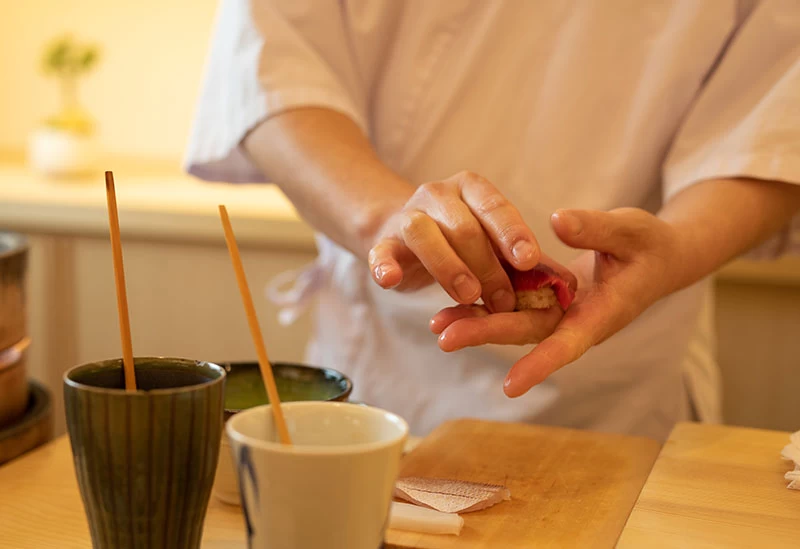
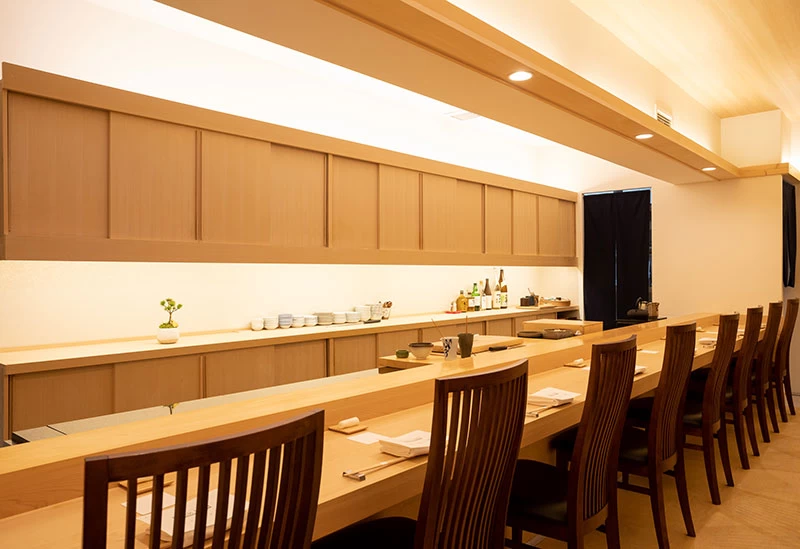
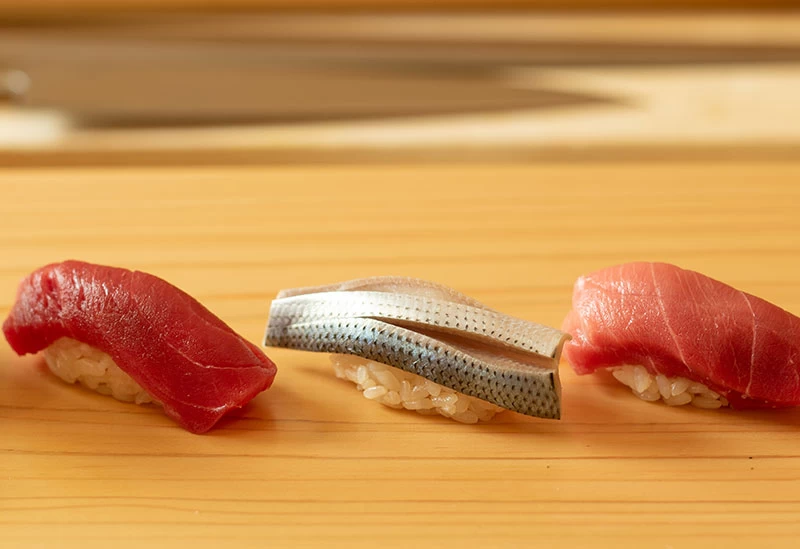
Sushi Hikari puts freshly shaped Edomae sushi at the center of both lunch and dinner. Lunch offers a 12-piece omakase nigiri course, while dinner follows the chef’s seasonal selection. With only counter seating, each piece is shaped and served in front of the guest, making the chef’s work part of the experience. The mood stays relaxed, while the request to avoid strong perfume reflects the restaurant’s care for the aroma and flavor of the sushi. English-speaking staff are available on certain days.
Sushi Hikari
- Address
- Gracea Jiyugaoka 1F-B, 2-10-3 Okusawa, Setagaya-ku, Tokyo
- Access
- "A short walk from Okusawa Station (Tokyu Meguro Line)
7-minute walk from Jiyugaoka Station (Tokyu Toyoko Line, Oimachi Line)" - Official Website
- https://sushi-hikari.com/en/
- TEL
- +81 3-5726-8825
- Business hours
- Lunch: 11:30 a.m. to 1:00 p.m., 1:30 p.m. to 3:00 p.m.
Dinner: 6:00 p.m. to 11:00 p.m. - Regular Holiday
- Tuesdays and Wednesdays Other irregular closures may apply
- Parking
- Not available
Nihonbashi Sushi Tetsu Honkan
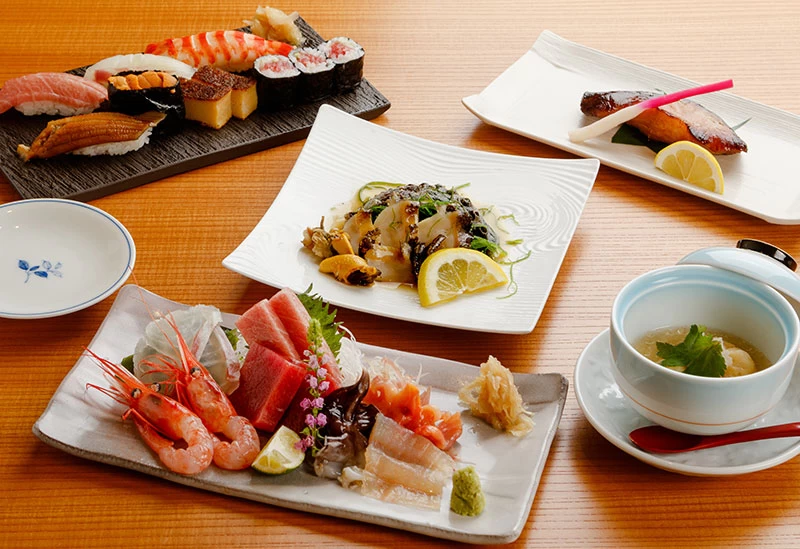
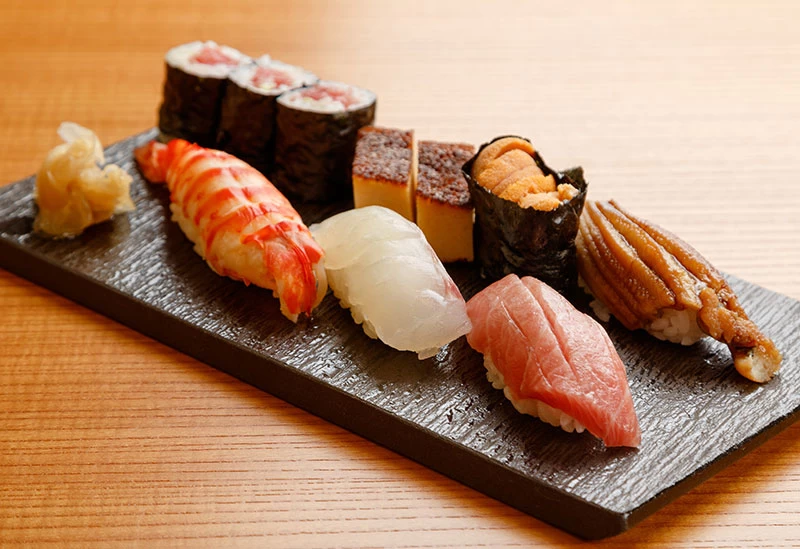
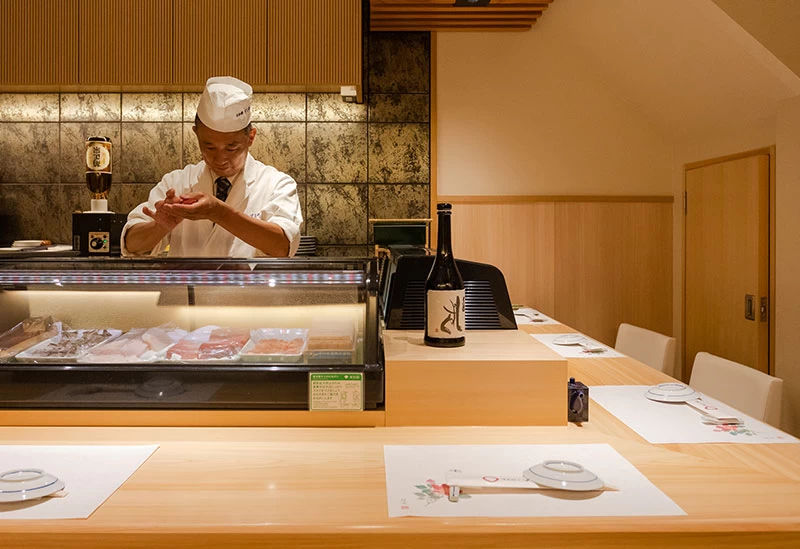
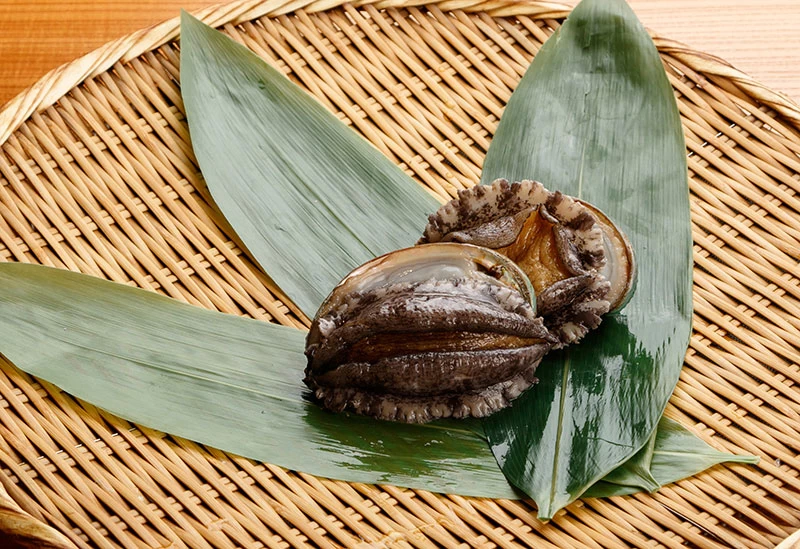
Nihonbashi Sushi Tetsu Honkan carries on a sushi tradition that dates back more than 150 years. The restaurant combines counter seats, tables, and private rooms, making it easy to choose a setting that suits the occasion. Seafood sourced from Toyosu Market appears in nigiri and Edomae staples such as vinegar-cured kohada, saba, and simmered anago. Omakase courses can be tailored to different budgets, with abalone steak adding a celebratory touch beyond the sushi itself.
Nihonbashi Sushi Tetsu Honkan
- Address
- 3-6-13 Nihonbashi, Chuo-ku, Tokyo
- Access
- 3-minute walk from Nihonbashi Station Exit B1 (Tokyo Metro Ginza Line, Tokyo Metro Tozai Line), 6-minute walk from Tokyo Station Yaesu South Exit (JR Lines, Tokyo Metro Marunouchi Line)
- Official Website
- https://www.sushitetsu.co.jp/
- TEL
- +81 3-3281-8853
- Business hours
- Lunch: 11:30 a.m. to 2:00 p.m.
Dinner: 5:00 p.m. to 10:00 p.m. - Regular Holiday
- Saturdays, Sundays, and national holidays
- Parking
- Not available
Umi
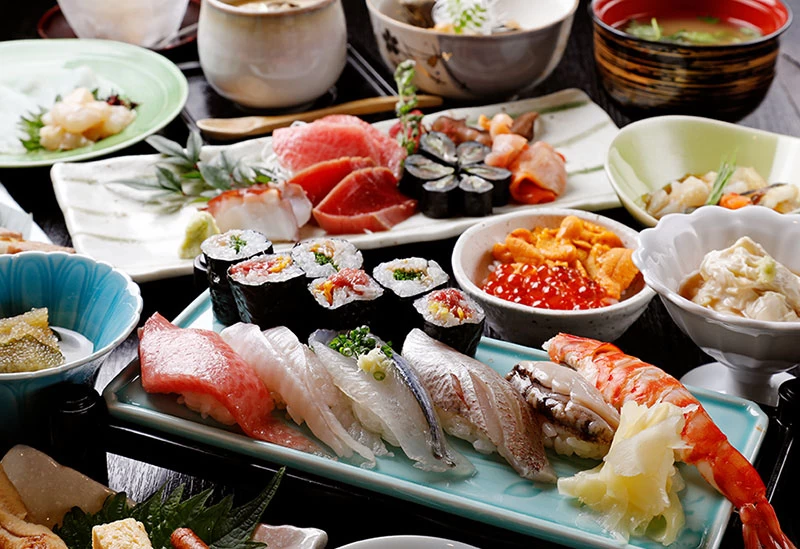
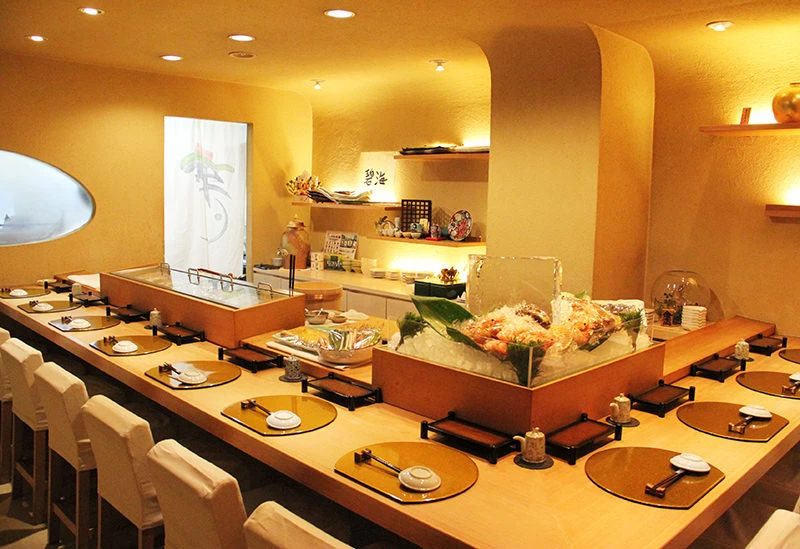
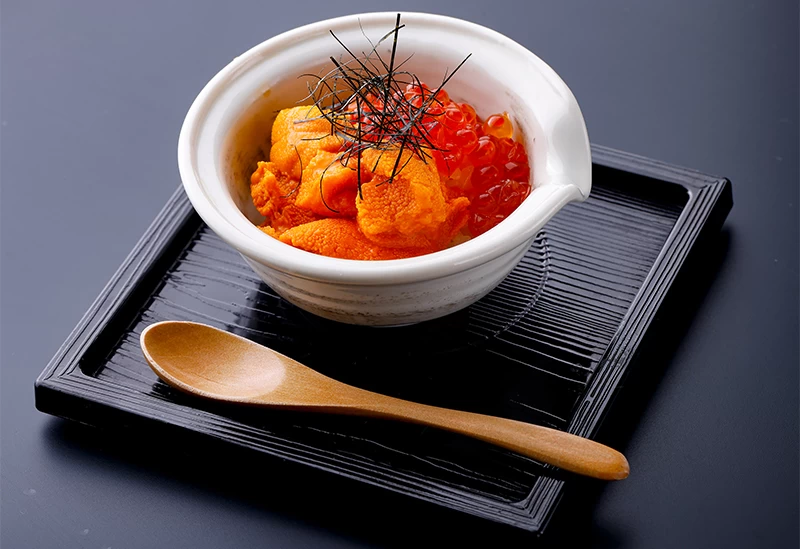
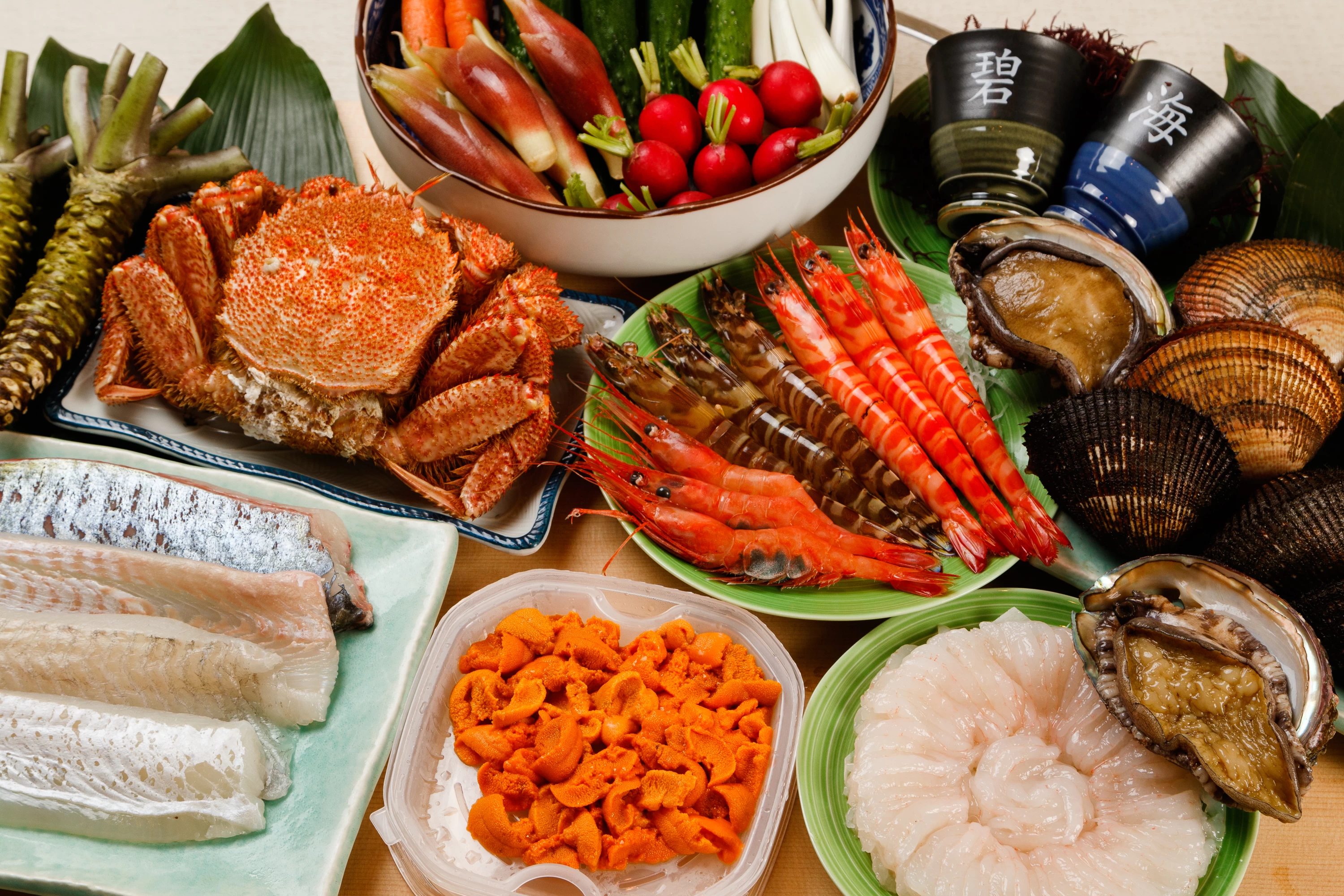
At Umi, seasonal fish and shellfish are displayed over a large block of ice at the counter, creating a striking first impression. Dinner moves beyond Edomae sushi to include sashimi and a range of seasonal cooked dishes, making it more than a sushi-only course. The Umi Course features 12 seasonal offerings, including the restaurant's well-known uni ikura rice bowl, topped generously with sea urchin and salmon roe. Open until 3:30 a.m., it offers a refined late-night dining option after an evening in Roppongi.
Umi
- Address
- Royal Building 2F, 3-9-3 Roppongi, Minato-ku, Tokyo
- Access
- A short walk from Roppongi Station Exit 5 (Tokyo Metro Hibiya Line),
3-minute walk from Roppongi Station (Toei Oedo Line) - Official Website
- http://www.roppongi-umi.com/
- TEL
- +81 3-5414-7758
- Business hours
- 5:00 p.m. to 3:30 a.m. the next day
* Reservation required, Takeout available; please inquire by phone - Regular Holiday
- Sundays and national holidays: Please inquire.
- Parking
- Not available
Kagurazaka Sushi Rin
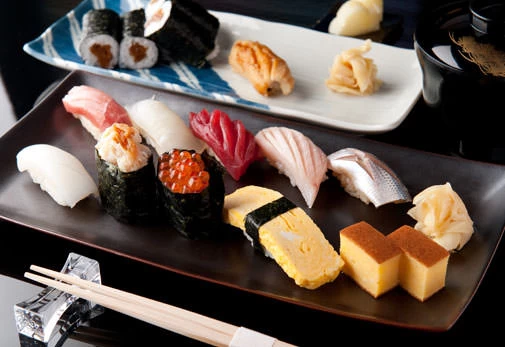
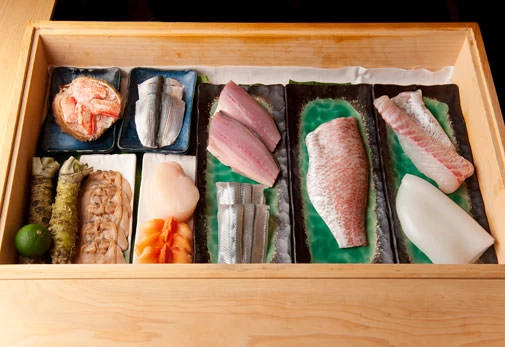
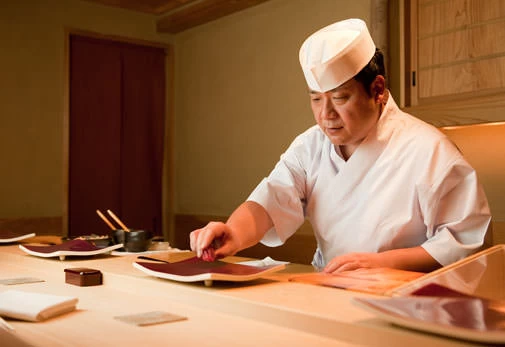
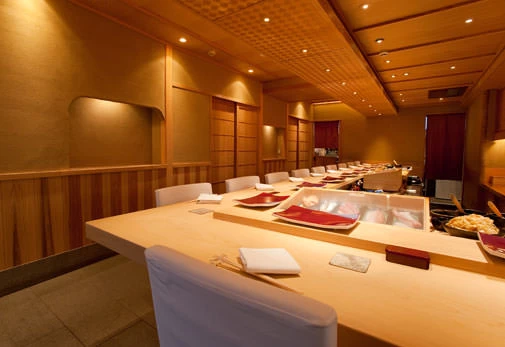
At Kagurazaka Sushi Rin, the rice matters as much as the topping. The chef uses both white-vinegared and red-vinegared shari, pairing lighter seafood with one and richer flavors with the other to bring out the character of each ingredient. Just steps from the station, the restaurant sits inside a quiet side-street building, with a polished counter for watching the chef work and modern private rooms for a more secluded meal.
Kagurazaka Sushi Rin
- Address
- Kagurazaka 3-chome Terrace 2F, 3-6 Kagurazaka, Shinjuku-ku, Tokyo
- Access
- 4-minute walk from Iidabashi Station West Exit (JR Chuo Line), 3-minute walk from Iidabashi Station Exit B3 (Tokyo Metro Lines), 10-minute walk from Kagurazaka Station (Tokyo Metro Tozai Line)
- Official Website
- https://k-sushi-rin.com/
- TEL
- +81 3-5228-4200
- Business hours
- Lunch: 12:00 a.m. to 2:00 p.m.
Dinner: 5:30 p.m. to 10:30 p.m. - Regular Holiday
- Closed on irregular days *Check social media or the official website before visiting
- Parking
- Not available
Kyubey
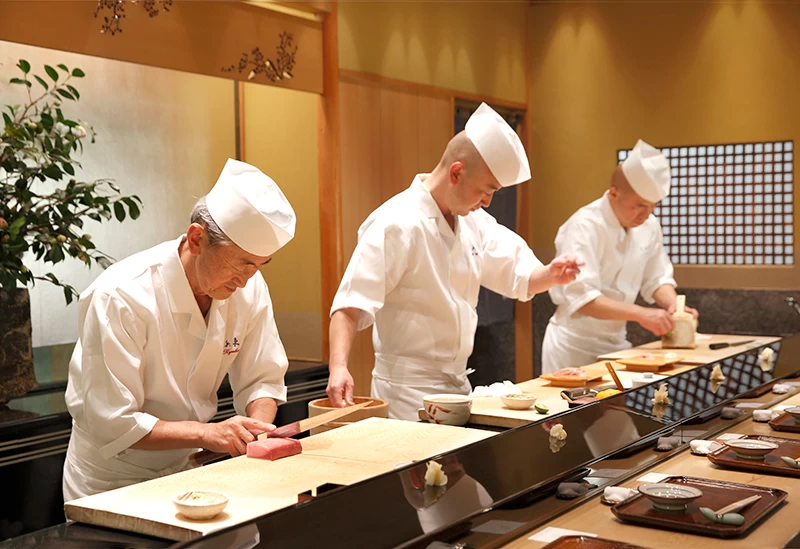
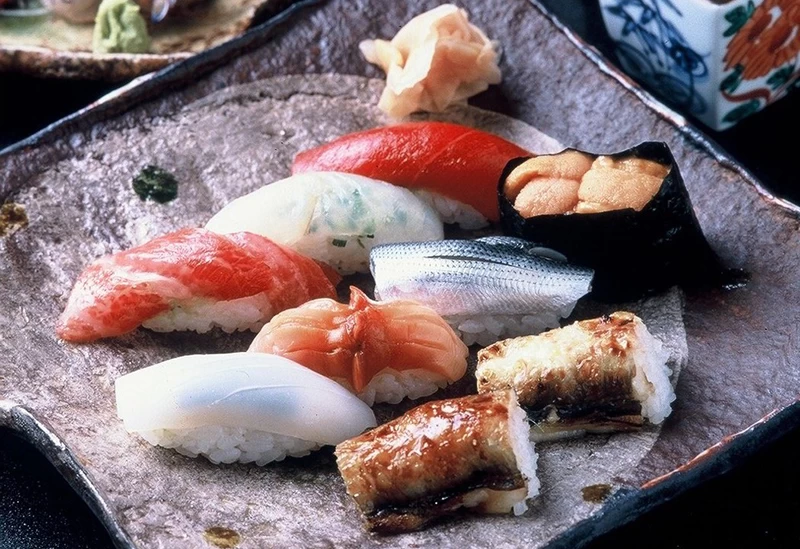
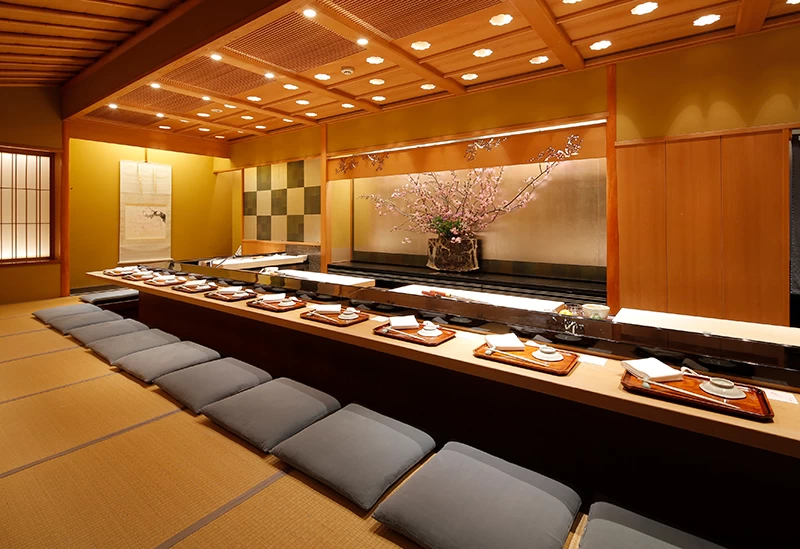
Kyubey is one of the names most closely associated with Ginza sushi, with 90 years of history and a following among guests from Japan and abroad. Its legacy includes the creation of sea urchin gunkan-maki, now carried on by the third generation. With about 80 seats, the restaurant includes counter seating, tables, and Japanese-style private rooms. Lunch and dinner feature nigiri and sushi kaiseki courses, with the seasonal selection revealed during the meal.
Kyubey
- Address
- 8-7-6 Ginza, Chuo-ku, Tokyo
- Access
- 4-minute walk from Shimbashi Station Exit 3 (JR Lines, Private Railway Lines), 8-minute walk from Ginza Station Exit A2 (Tokyo Metro Lines)
- Official Website
- https://www.kyubey.jp/en/
- TEL
- +81 3-3571-6523
- Business hours
- Lunch: 11:30 a.m. to 2:00 p.m.
Dinner: 5:00 p.m. to 10:00 p.m. - Regular Holiday
- Mondays, Sundays, Obon holiday period (mid-August), Year-end and New Year holidays.
- Parking
- Not available
Sushi Hatano Yoshiki
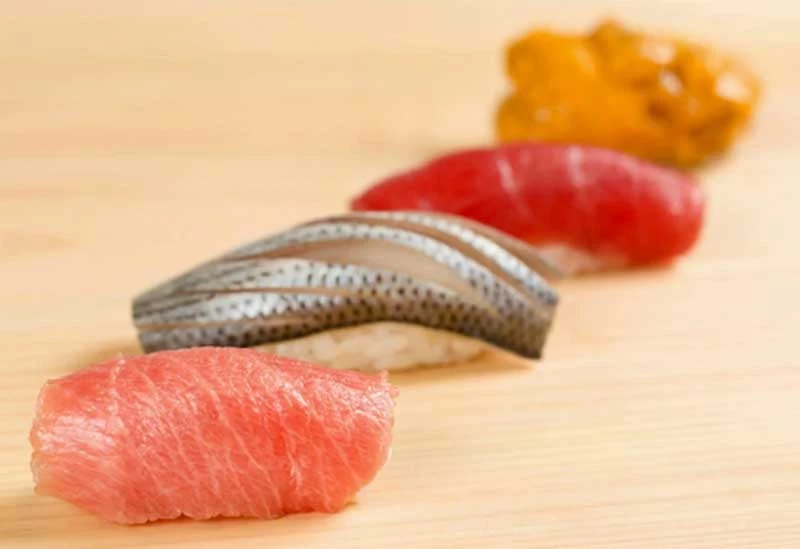
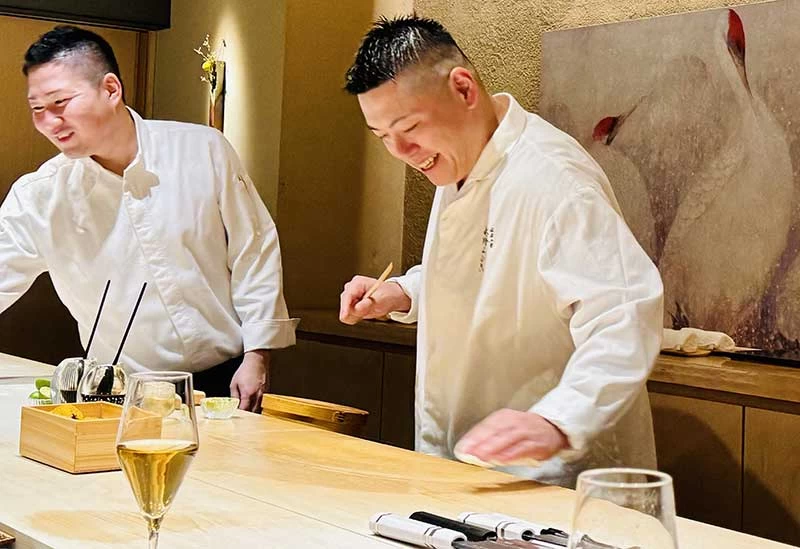
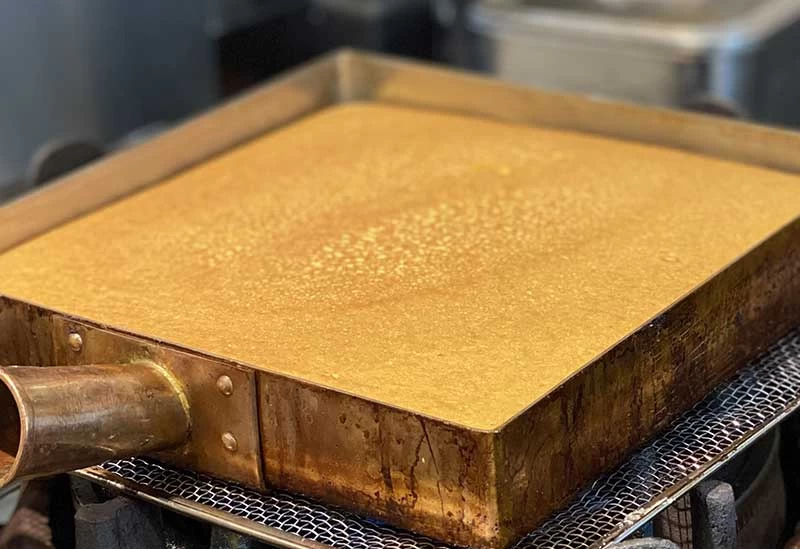
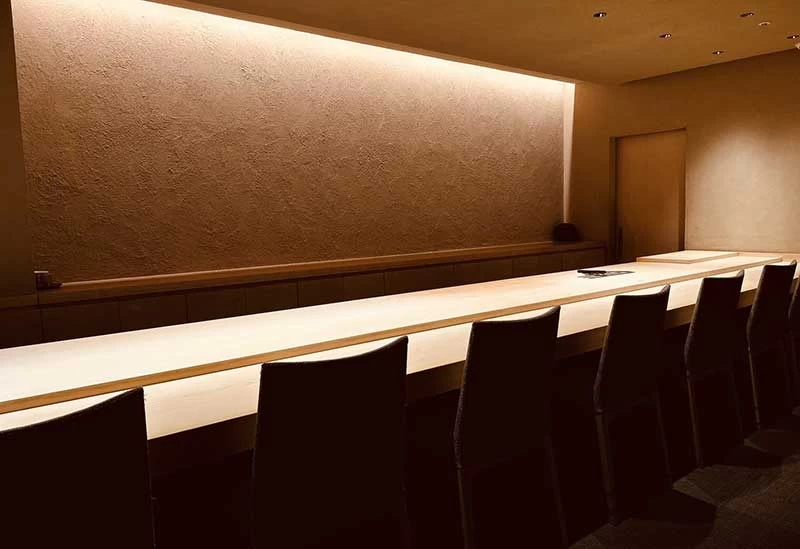
Hatano Yoshiki brings a more inventive edge to Edomae sushi. The chef builds each piece around the balance of sharp, vinegared shari and the richness of each ingredient, using techniques such as curing and aging to refine aroma and texture. His style reflects training at noted Tokyo sushi restaurants as well as time spent in Hawaii, with an omakase that moves between seasonal small dishes and carefully prepared nigiri.
Sushi Hatano Yoshiki
- Address
- B2F L'Abeille Azabujuban, 2-8-6 Azabujuban, Minato-ku, Tokyo
- Access
- 3-minute walk from Exit South 1 of Azabu-juban Station (Toei Oedo Line/Tokyo Metro Namboku Line)
- Official Website
- https://sushi-hatanoyoshiki.com/
- TEL
- +81-3-6809-4250
- Business hours
- 6:00 p.m. to 10:30 p.m.
- Regular Holiday
- Sundays
- Parking
- Not available
SUSHI KISARAGI
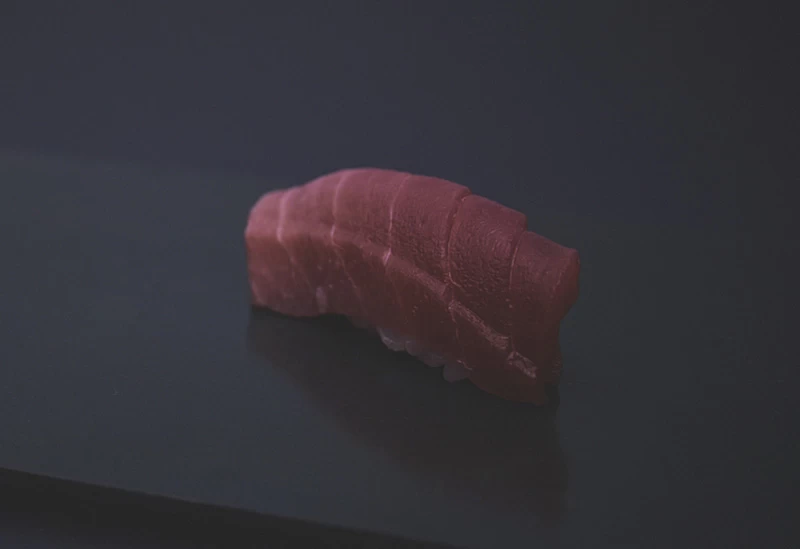
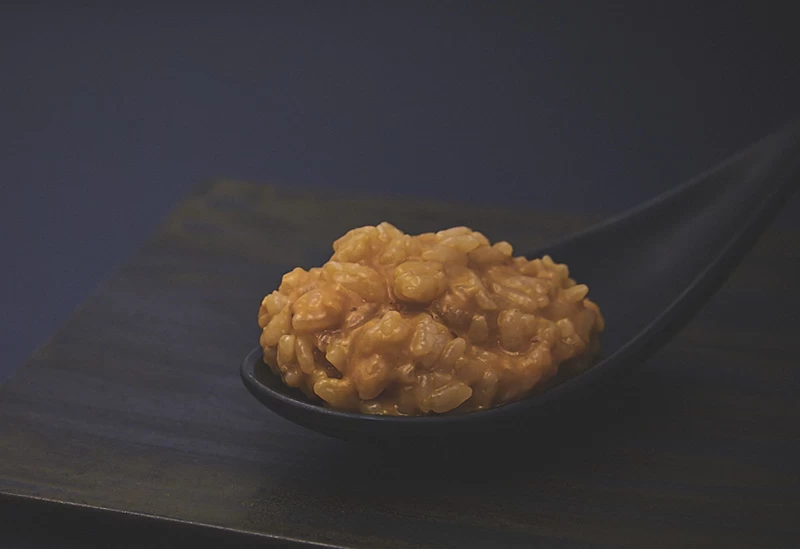
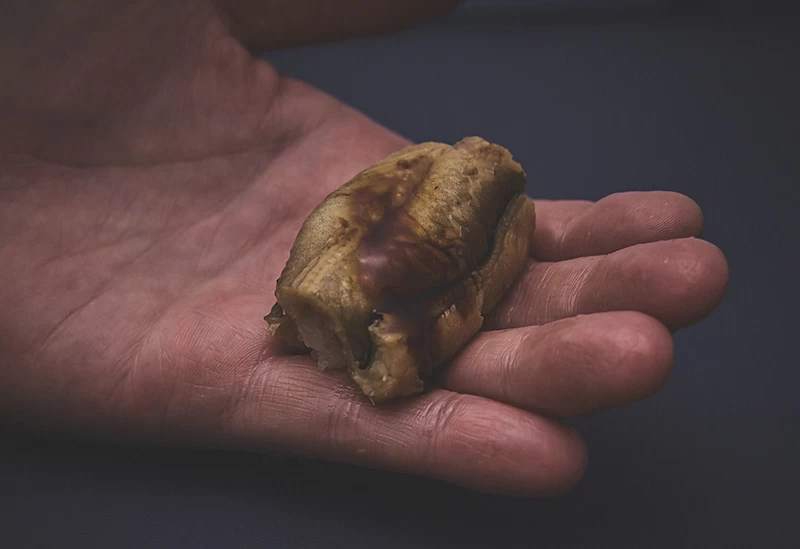
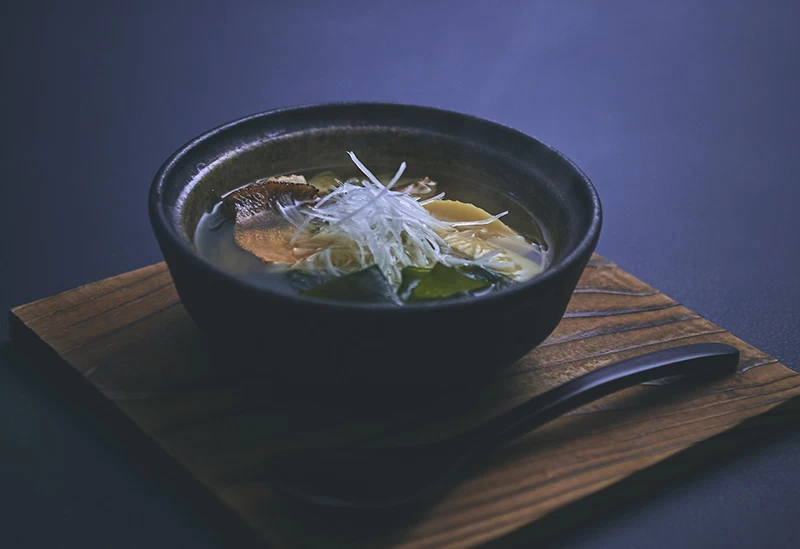
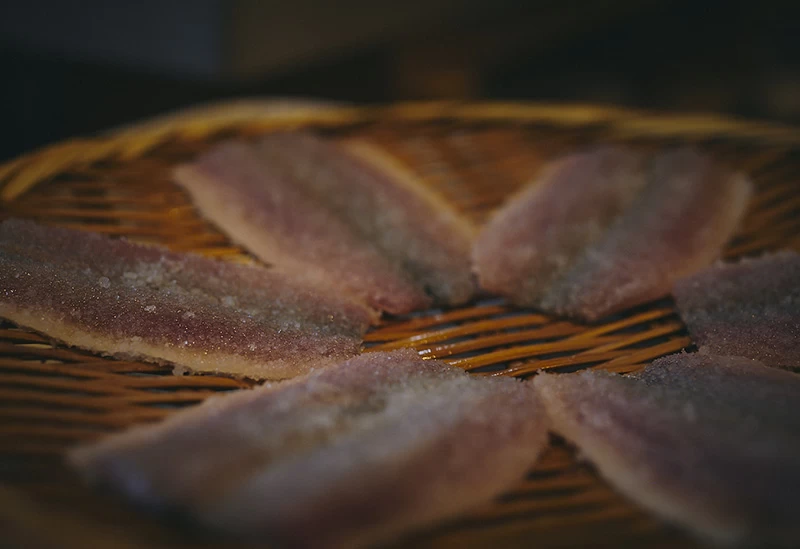
Near Mita Station, SUSHI KISARAGI combines Kyoto-style kaiseki with seasonal nigiri at an intimate seven-seat counter. The chef can give close attention to each guest, building the meal around delicate flavors, varied textures, and careful pacing. Ingredients are selected each morning at Toyosu Market from a trusted wholesaler the chef has worked with for more than 20 years. A thoughtfully chosen sake selection complements the food, making this a refined yet intimate spot for sushi kaiseki in central Tokyo.
SUSHI KISARAGI
- Address
- Leonard Mita 1F, 4-4-4 Shiba, Minato-ku, Tokyo
- Access
- A short walk from Mita Station (Toei Asakusa Line, Mita Line), 6-minute walk from Tamachi Station (JR Keihin-Tohoku/Negishi Line, Yamanote Line)
- Official Website
- https://www.sushi-kisaragi.com/
- TEL
- +81 3-6809-3216
- Business hours
- 5:30 p.m. to 9:00 p.m.
- Regular Holiday
- Sundays and national holidays
- Parking
- Not available
Sushi Hinomoto
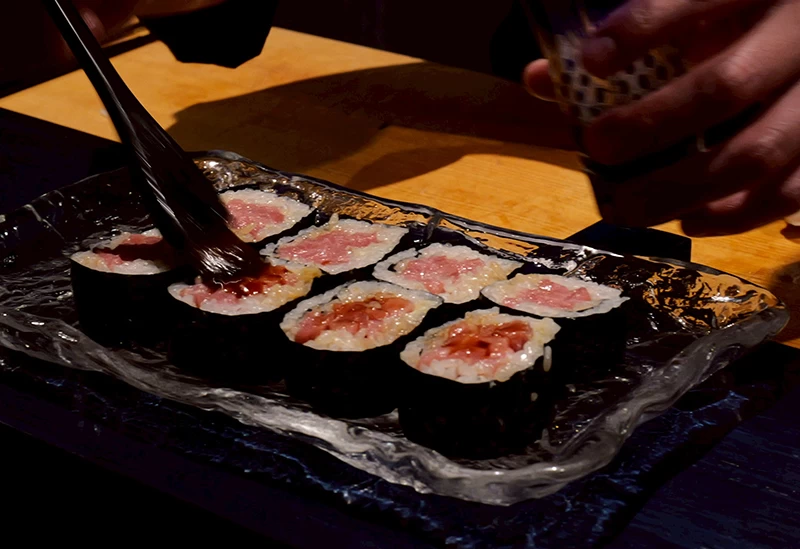
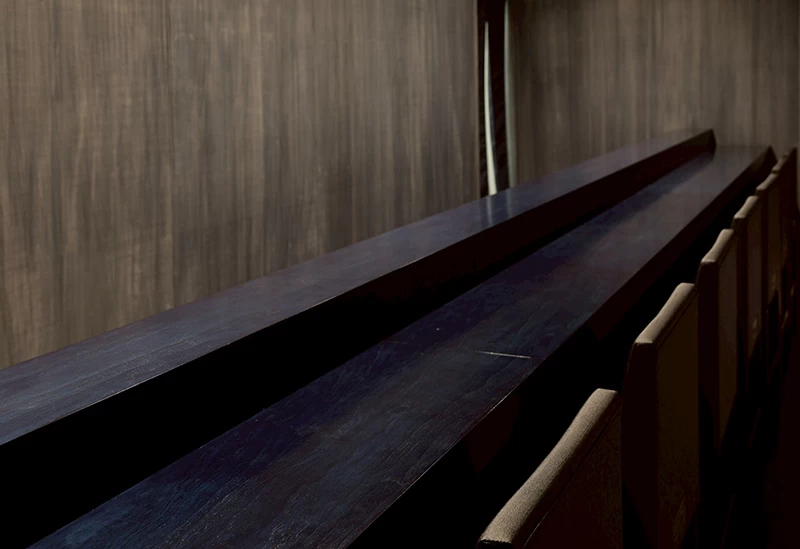
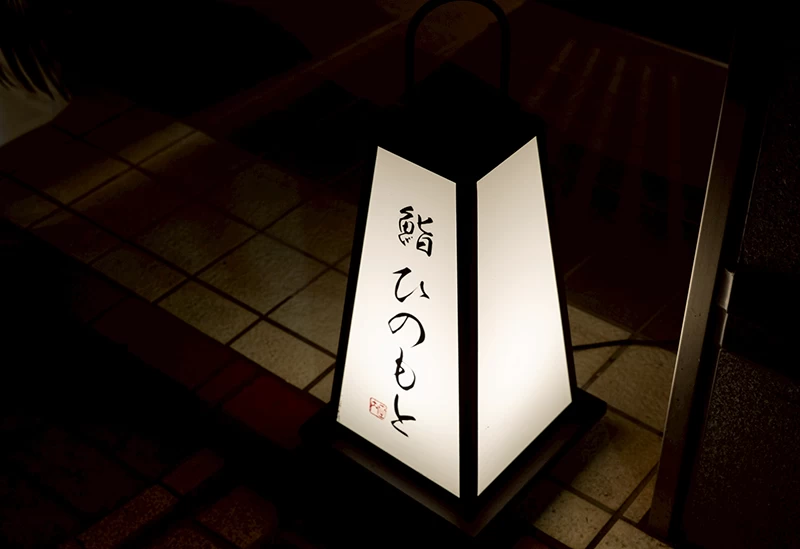
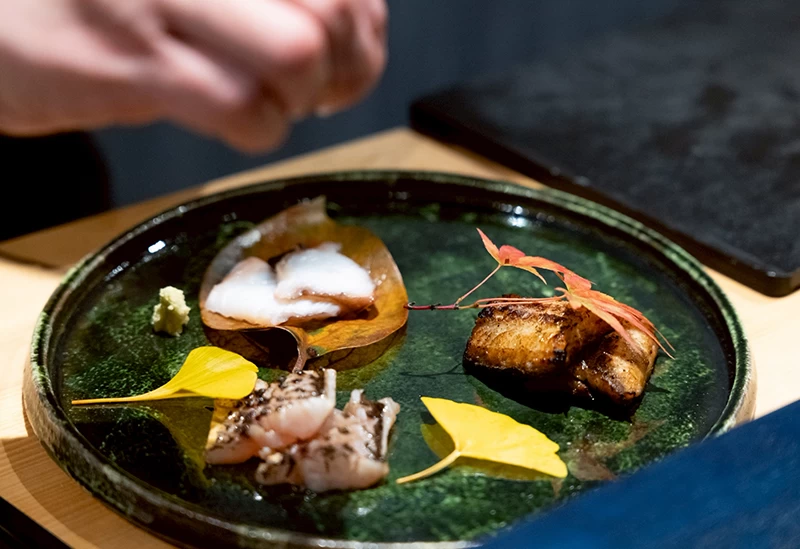
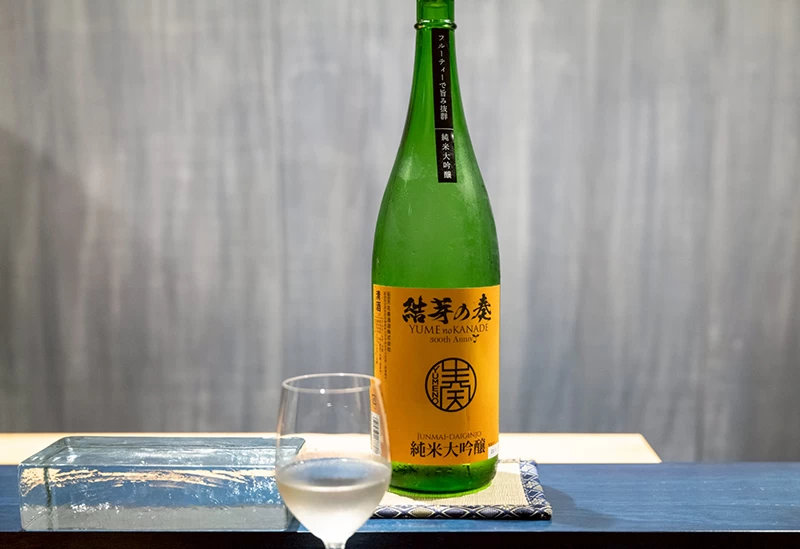
A two-minute walk from Daimon Station, Sushi Hinomoto is easy to spot by the white noren curtain at its entrance. The restaurant offers several omakase courses built around Edomae sushi, where the golden-hued shari gives each piece a distinctive appearance. Carefully selected seafood, including tuna and sea urchin, is paired with sake chosen from across Japan. Soft lighting creates a calm atmosphere at the counter, while the chef's friendly manner keeps the experience approachable, even for first-time visitors.
Sushi Hinomoto
- Address
- 1F, 1-4-5 Shibadaimon, Minato-ku, Tokyo
- Access
- A short walk from Daimon Station Exit A5 (Toei Oedo Line, Asakusa Line), 7-minute walk from Hamamatsucho Station North Exit (JR Yamanote Line, Keihin-Tohoku Line)
- Official Website
- https://sushi-hinomoto.com/
- TEL
- +81 3-5843-7622
- Business hours
- 12:00 p.m. to 2:00 p.m.
6:00 p.m. to 8:00 p.m.
8:30 p.m. to 10:30 p.m.
11:00 p.m. to 1:00 a.m. the next day - Regular Holiday
- Open year-round
- Parking
- Not available
Sushidokoro Yoneyama
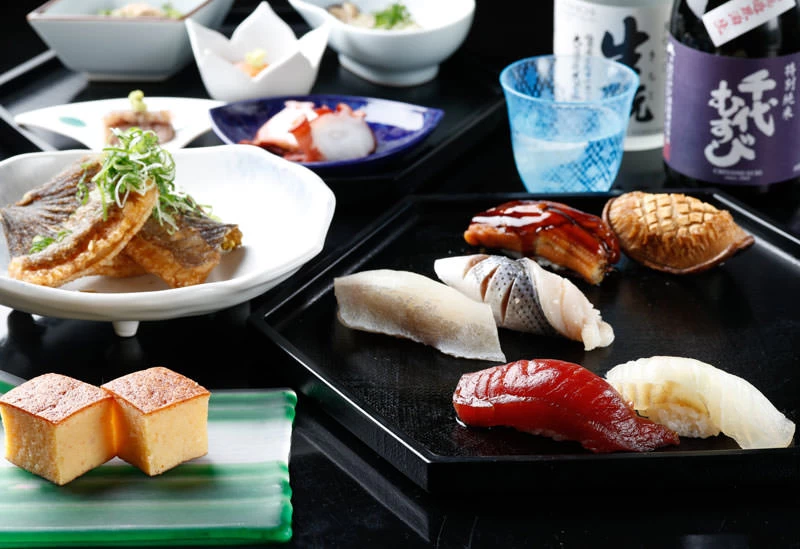
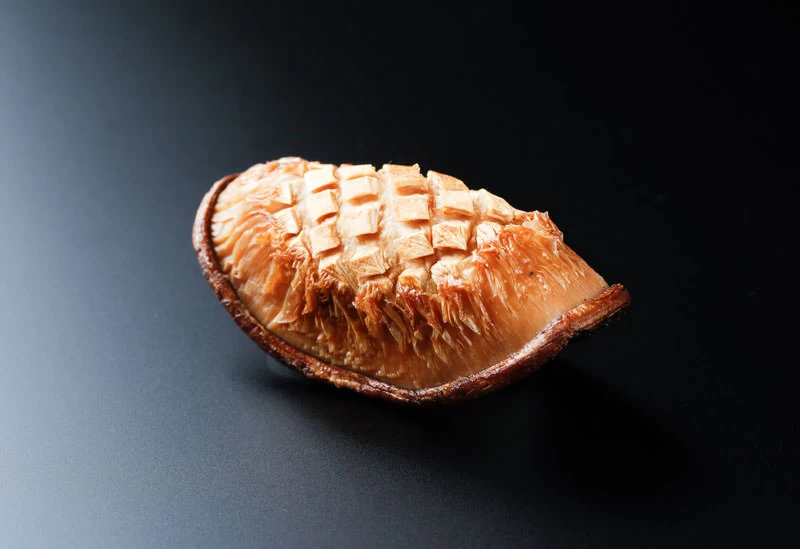
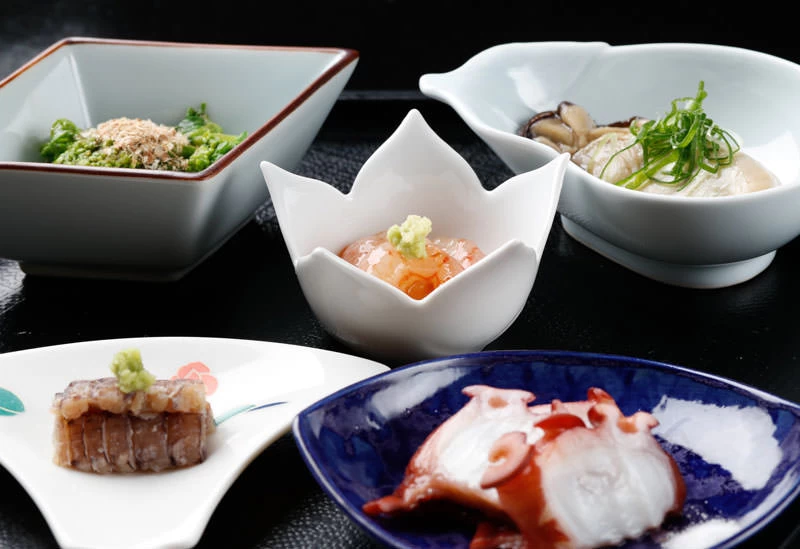
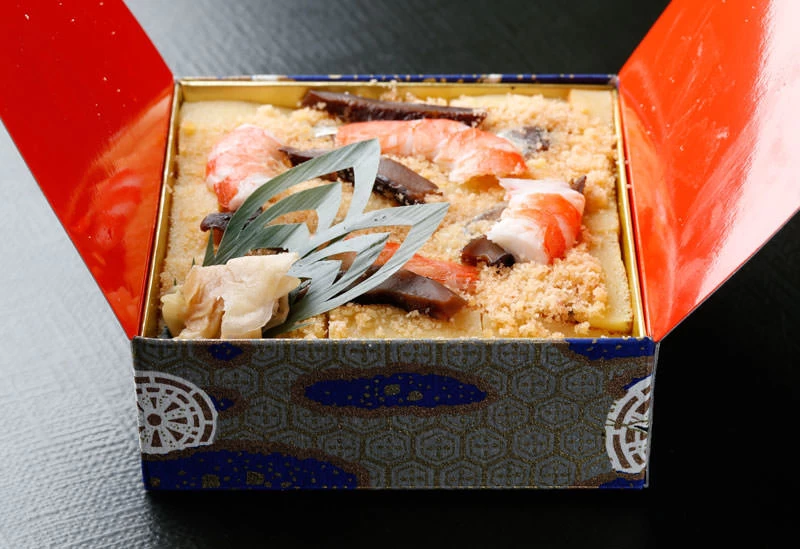
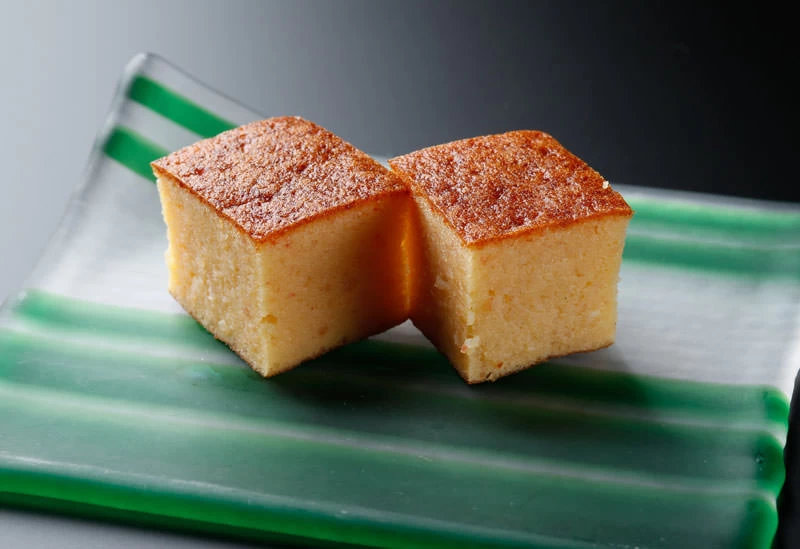
At Sushidokoro Yoneyama, the omakase begins with five small dishes, each paired with sake, before moving into colorful Edomae nigiri. In Kagurazaka, the restaurant is led by a chef who trained for many years at a renowned Ginza sushi restaurant. Counter seats, tatami seating, and private rooms provide a relaxed setting for enjoying sushi and sake. Also worth trying is the house-special bara-chirashi, a colorful rice bowl topped with more than 10 kinds of seafood and house-made oboro, a soft crumbled shrimp topping.
Sushidokoro Yoneyama
- Address
- Mikami Building 1F, 6-66 Kagurazaka, Shinjuku-ku, Tokyo
- Access
- A short walk from Kagurazaka Station (Tokyo Metro Tozai Line), 3-minute walk from Ushigome-kagurazaka Station (Toei Oedo Line)
- Official Website
- https://kagurazaka-yoneyama.com/sushi-e/
- TEL
- +81 3-3235-3889
- Business hours
- 6:00 p.m. to 11:00 p.m.
*Saturdays and Sundays: 6:00 p.m. to 10:00 p.m. - Regular Holiday
- Wednesdays and national holidays
- Parking
- Not available
Sushi Monokuro
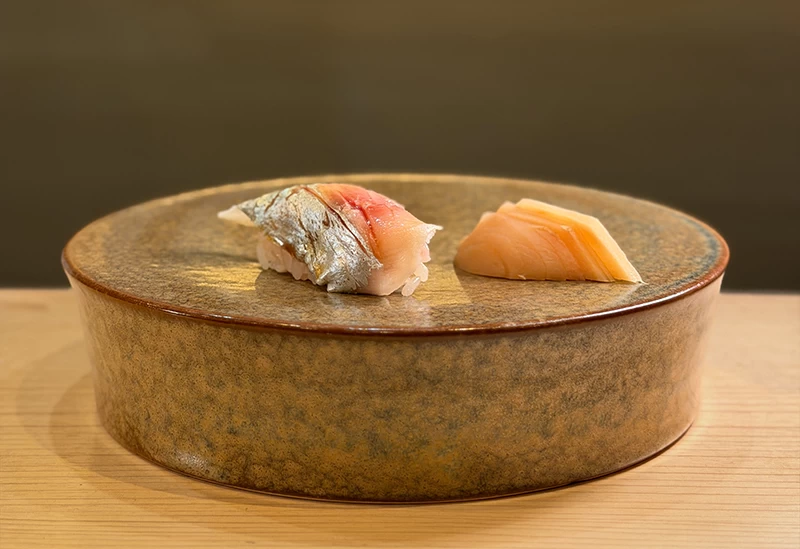
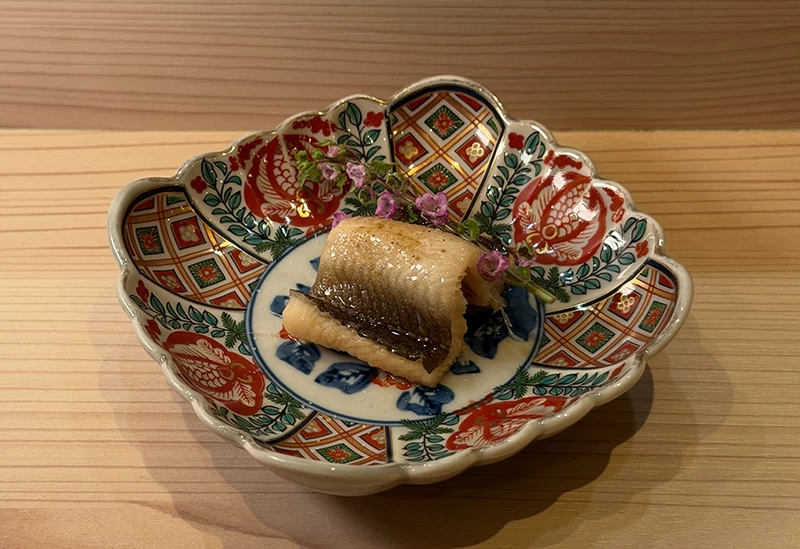
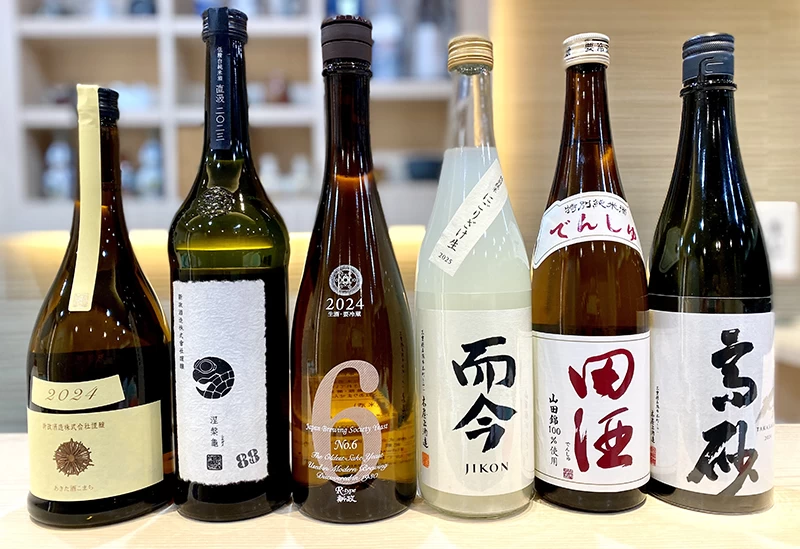
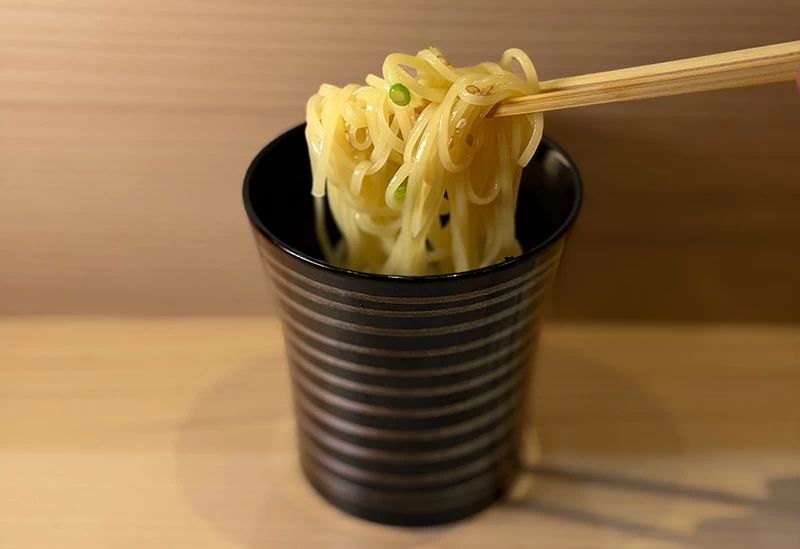
Sushi Monokuro offers Edomae sushi in a relaxed neighborhood setting, a short walk from Senzoku Station. Its omakase features carefully selected seafood from Toyosu Market, with the lineup changing daily to reflect the season. Aged fish and rare seasonal seafood are regular highlights of the menu. A curated selection of sake and a welcoming atmosphere make it an inviting place to enjoy Edomae sushi at ease.
Sushi Monokuro
- Address
- Hirasawa Building 1F, 2-24-12 Senzoku, Meguro-ku, Tokyo
- Access
- A short walk from Senzoku Station (Tokyu Meguro Line), 8-minute walk from Kita-senzoku Station (Tokyu Oimachi Line)
- TEL
- +81 3-6426-8945
- Business hours
- 6:00 p.m. to 11:00 p.m.
- Regular Holiday
- Sundays *If Sunday is a national holiday, closed the following Monday
- Parking
- Not available
The Quiet Craft Behind Edomae Sushi
Edomae sushi is shaped by time, skill, and careful preparation. At a Tokyo sushi counter, each piece reflects the chef's technique, the character of the season's seafood, and a tradition refined over generations. Whether enjoyed at a long-established Ginza institution or a small neighborhood counter, Edomae sushi offers a chance to experience one of Tokyo's defining food traditions, one piece at a time.
Was it helpful? Please try using it when traveling or going out.
Article planning/supervision:editor nakashima
writer:nakashima