


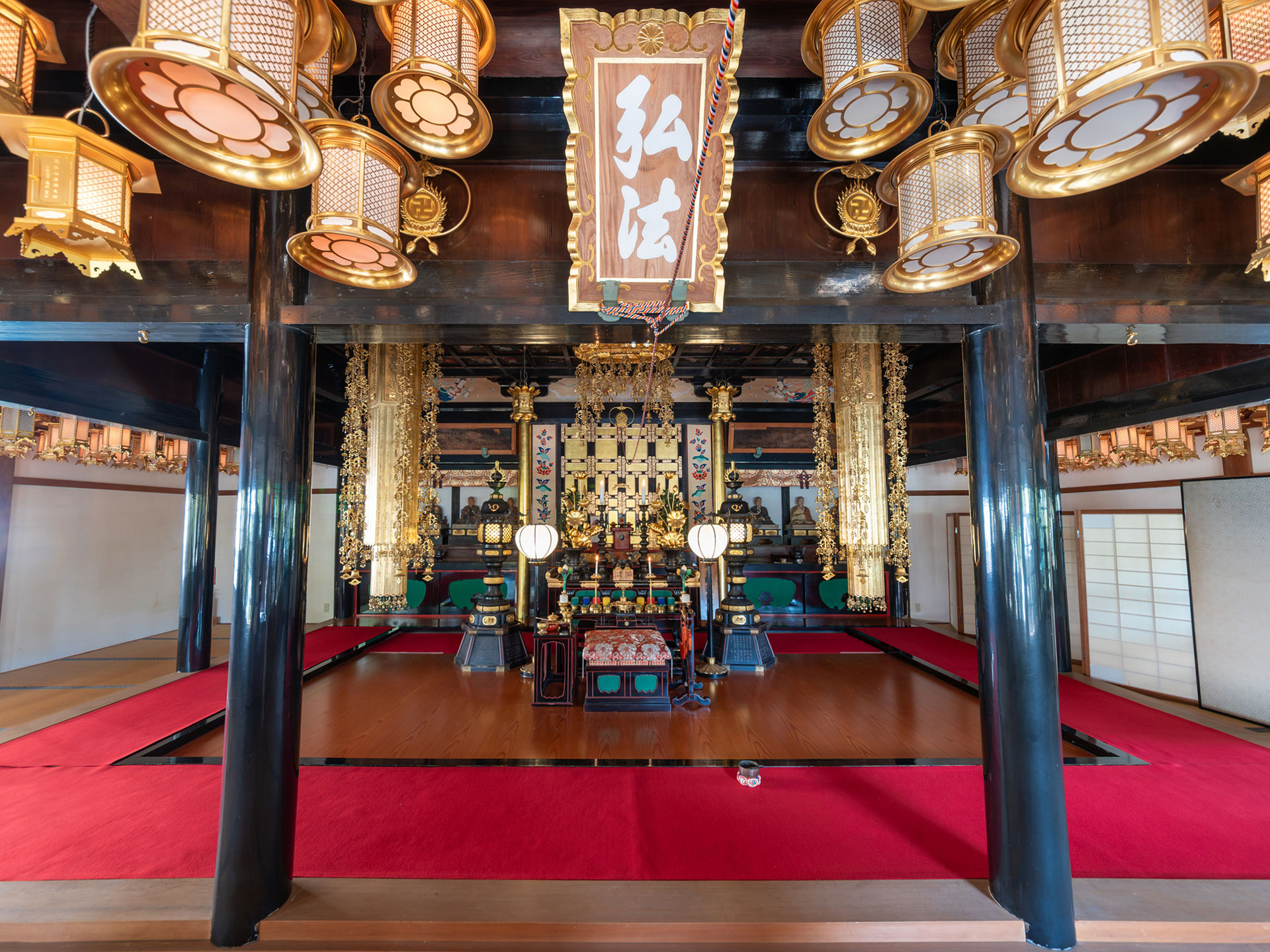
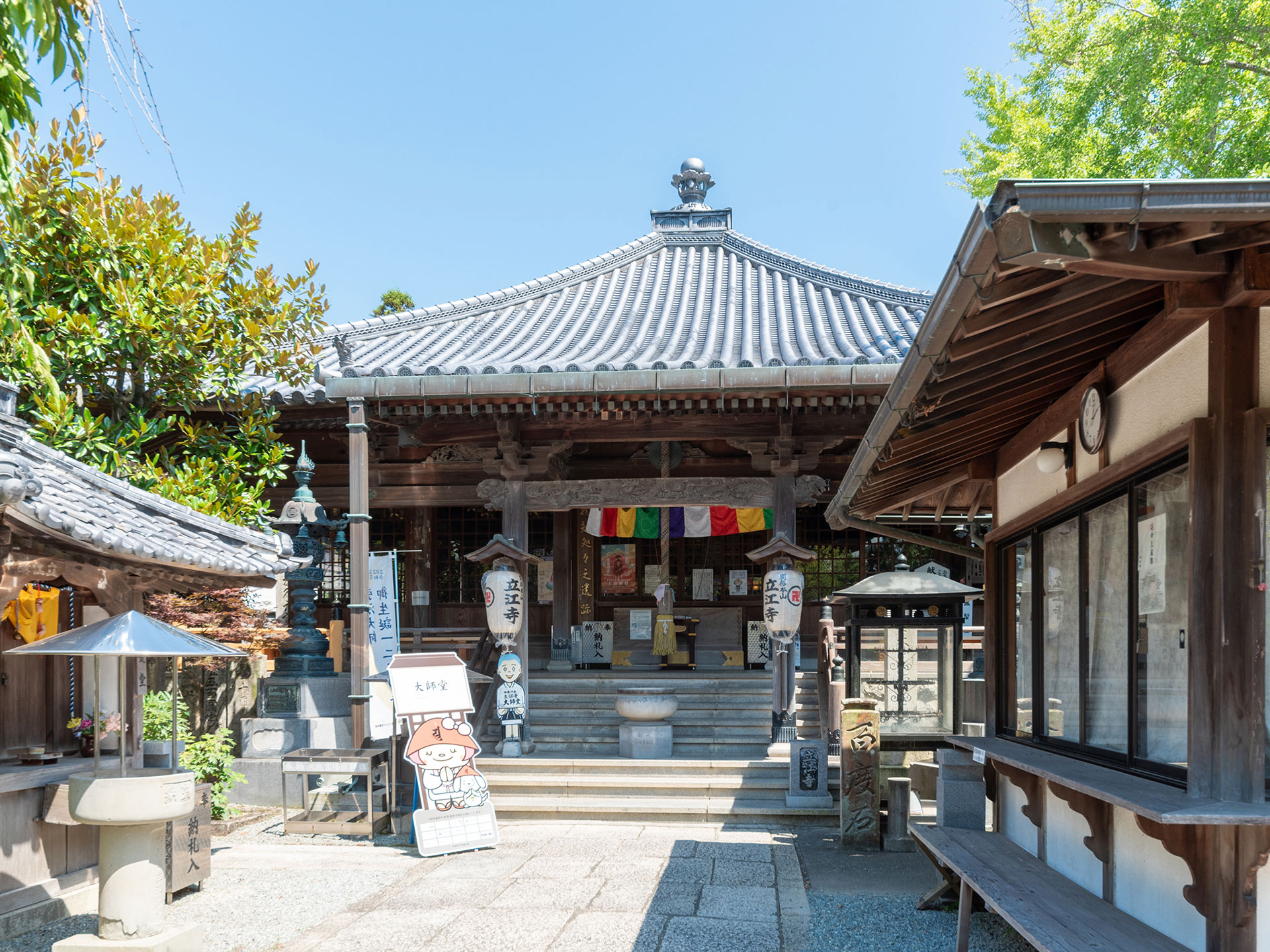
四国第19番札所 立江寺
 Komatsushima City, Tokushima
Tatsueji Temple, No. 19 of the Shikoku 88-Temple Pilgrimage
四国第19番札所 立江寺
A Historic Temple Affectionately Known as 'Tatsue no Jizo-san'
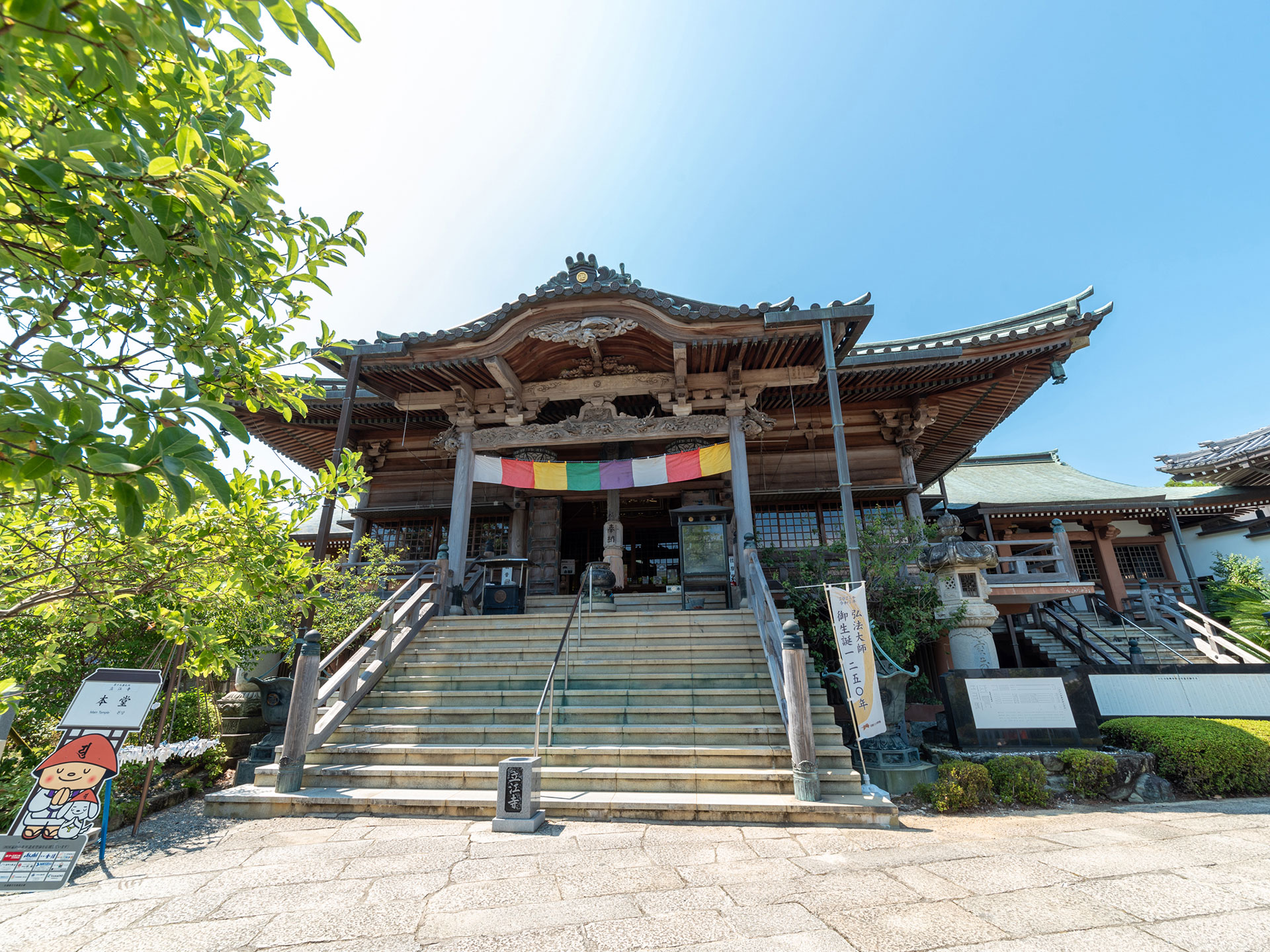
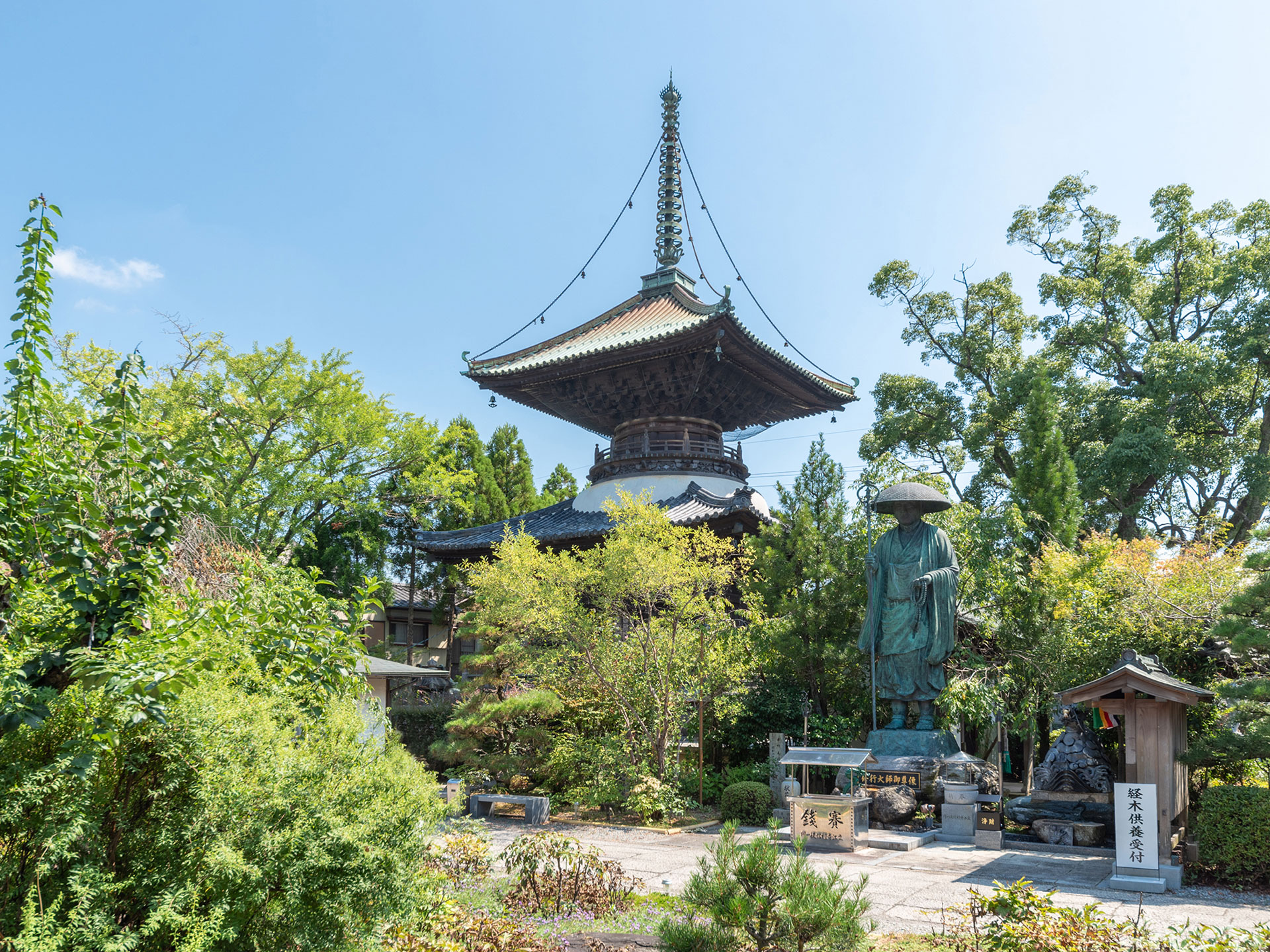
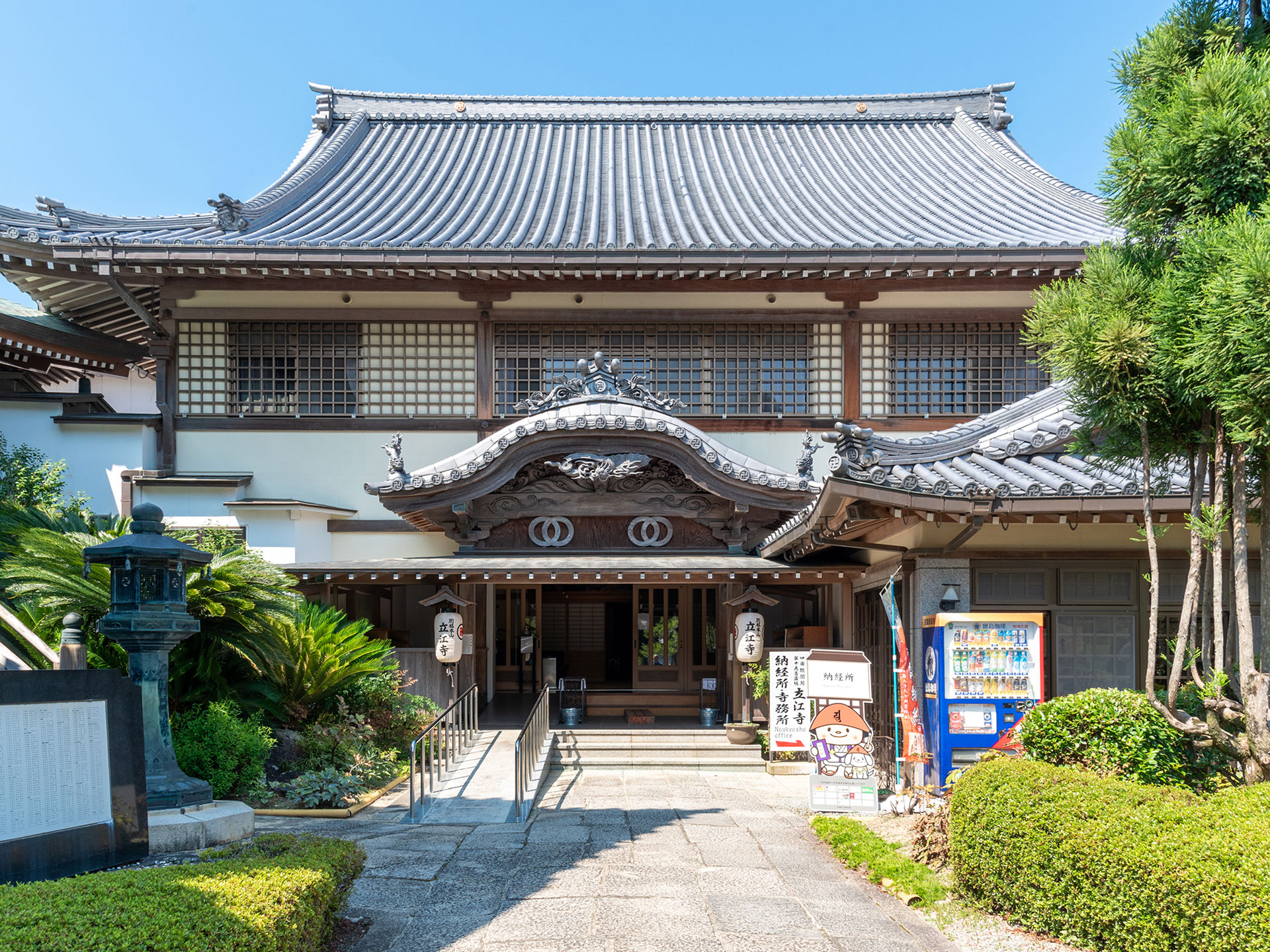
"Tatsueji Temple," the 19th temple on the Shikoku Pilgrimage, stands in Komatsushima City, Tokushima Prefecture. It was founded in 747 (Tenpyo 19) by order of Emperor Shomu to pray for Empress Komyo's safe childbirth. One of four checkpoint temples along the 88-temple pilgrimage, it is also known as "Shikoku's Main Checkpoint." According to legend, pilgrims with evil intentions will be punished. Its principal object of worship is Enmei Jizo Bosatsu, affectionately known as "Tatsue no Jizo-san" and revered for blessings of safe childbirth. The grounds feature a main hall, Daishi Hall, tahoto pagoda, and Kannon Hall. The devotees' hall on the grounds also houses shukubo (temple lodging) for overnight stays.



- It is also known as the "Main Checkpoint of Shikoku" and is traditionally regarded as an important turning point where pilgrims reflect anew on the sincerity of their faith.
- This historic temple is said to have been founded with prayers for the safe childbirth of Empress Komyo. Since then, it has attracted devotion as the "Koyasu no Jizo-son" and has long been known as a temple for prayers for safe childbirth.
- In addition to amulets and goshuin, capsule toy machines dispensing devotional items are also popular. Various features make Buddhist and pilgrimage culture more approachable and accessible.


Chief priest
Shono Koryu
While valuing tradition, we continue to introduce new initiatives suited to the times. We aim to create a place that even those unfamiliar with temples can feel comfortable visiting.
-

The Principal Object of Worship and Ornate Coffered Ceiling Painting
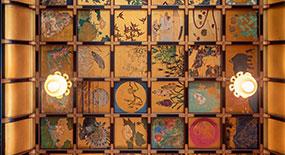
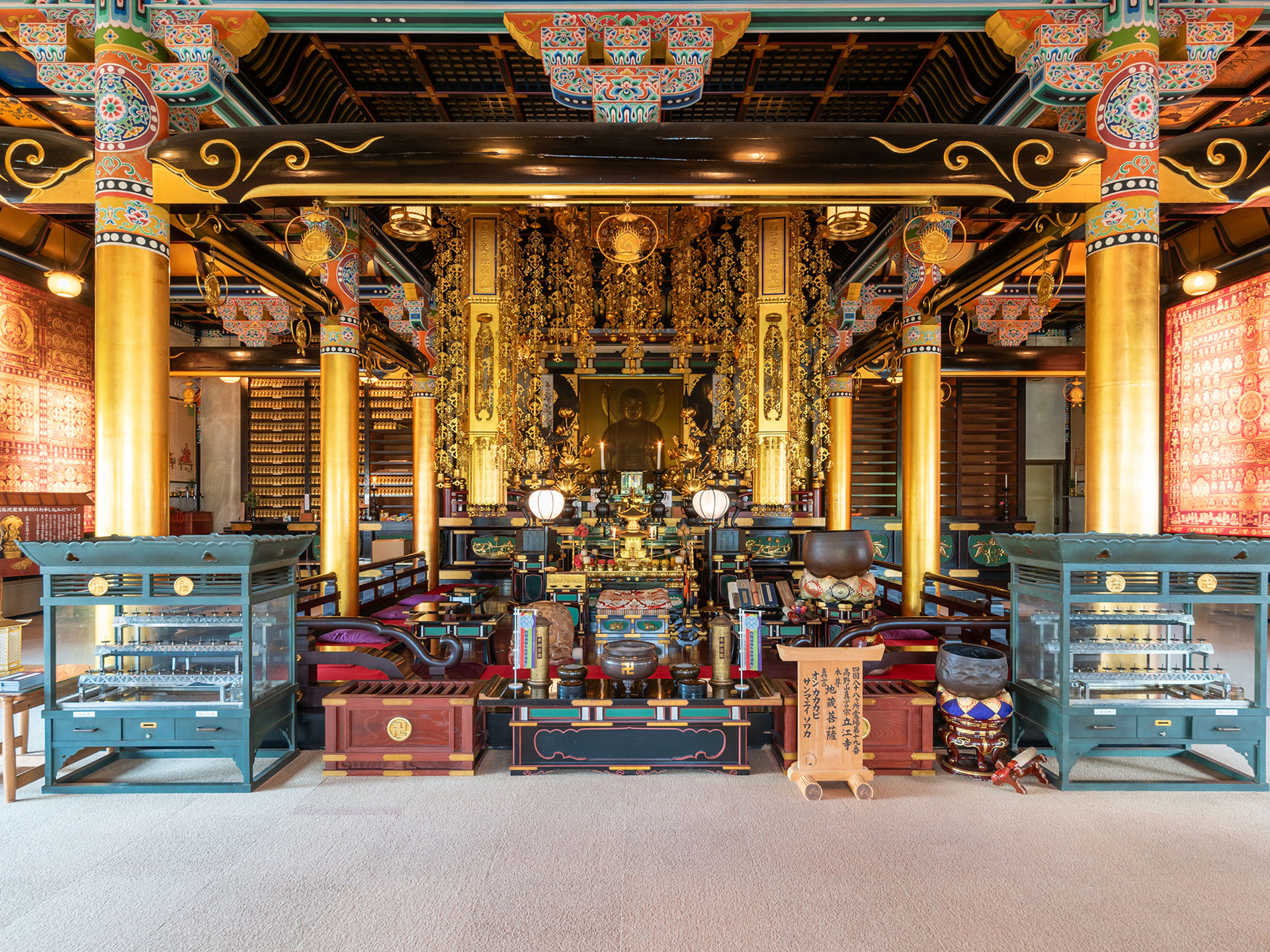
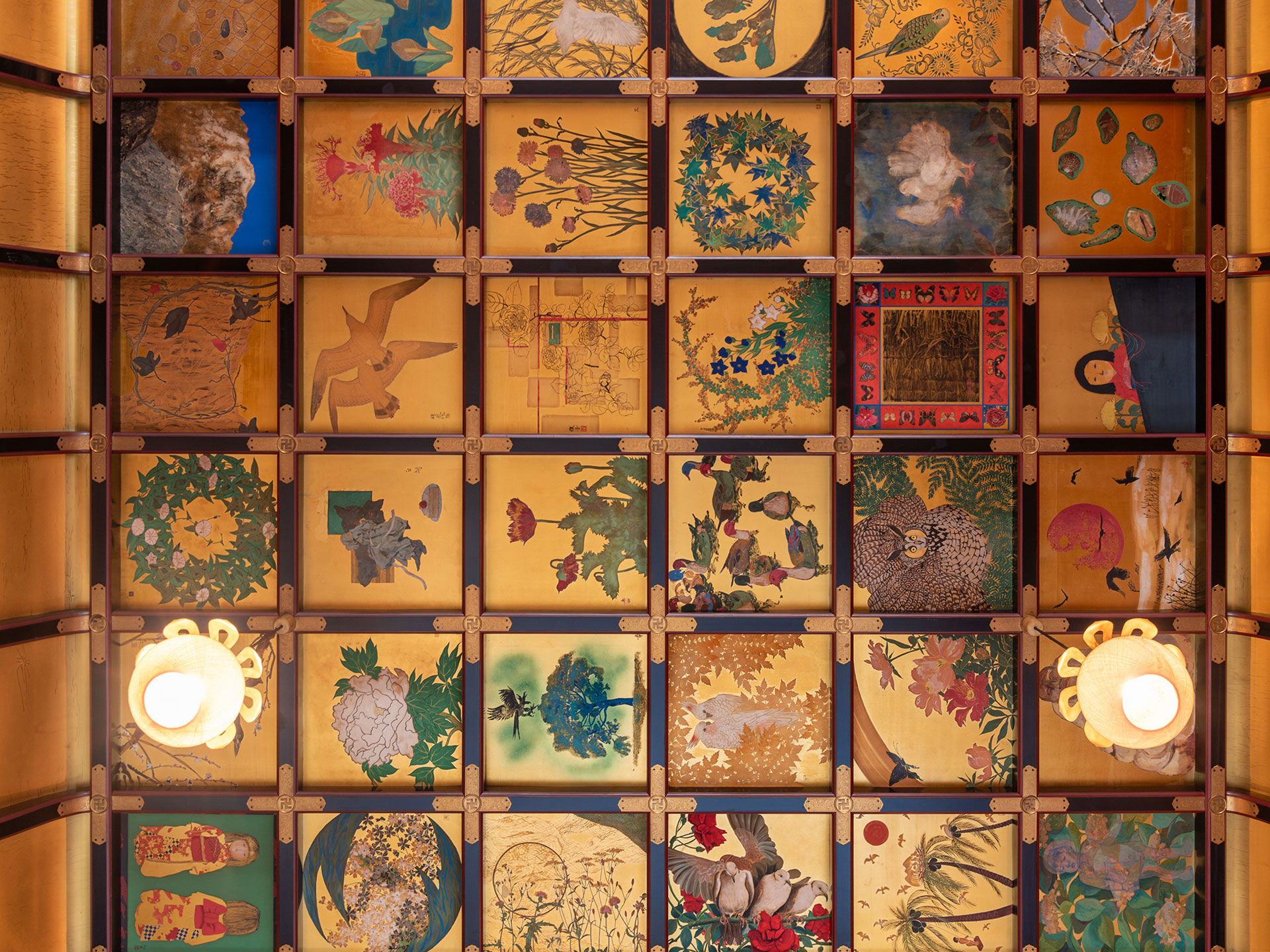
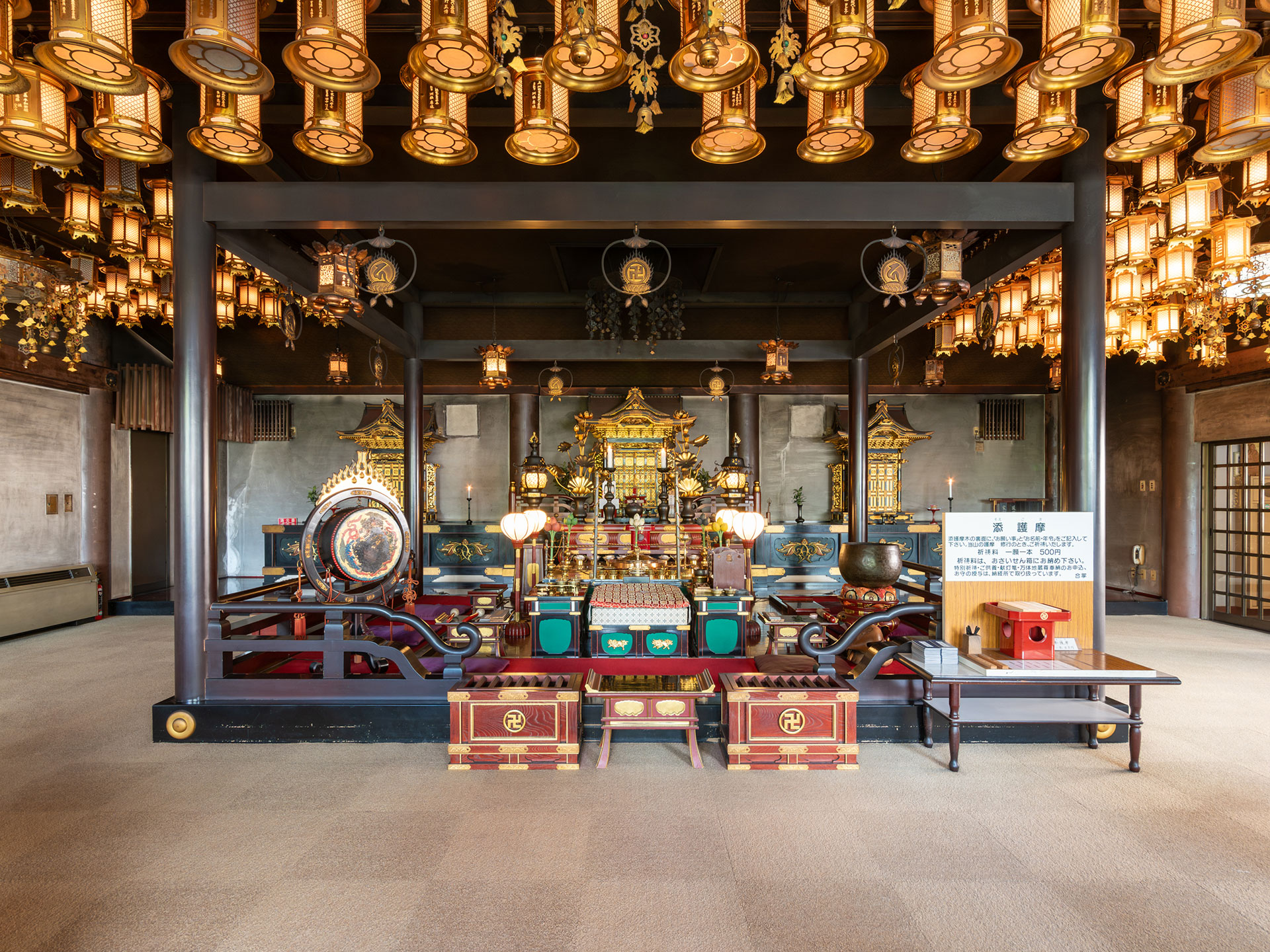
The inner sanctuary of the main hall enshrines Enmei Jizo Bosatsu, the principal object of worship, affectionately known as "Koyasu no Jizo-son" and "Tatsue no Jizo-san". Other Buddhist figures, including "Binzuru-san", are also enshrined there. Another highlight is the ornate coffered ceiling, richly painted with kacho-fugetsu motifs of flowers, birds, wind, and the moon.
-

The Historic Legend of the Flesh-Bearing Bell Rope at Kurokami-do
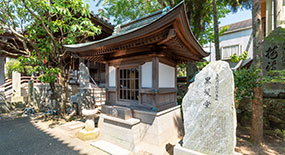
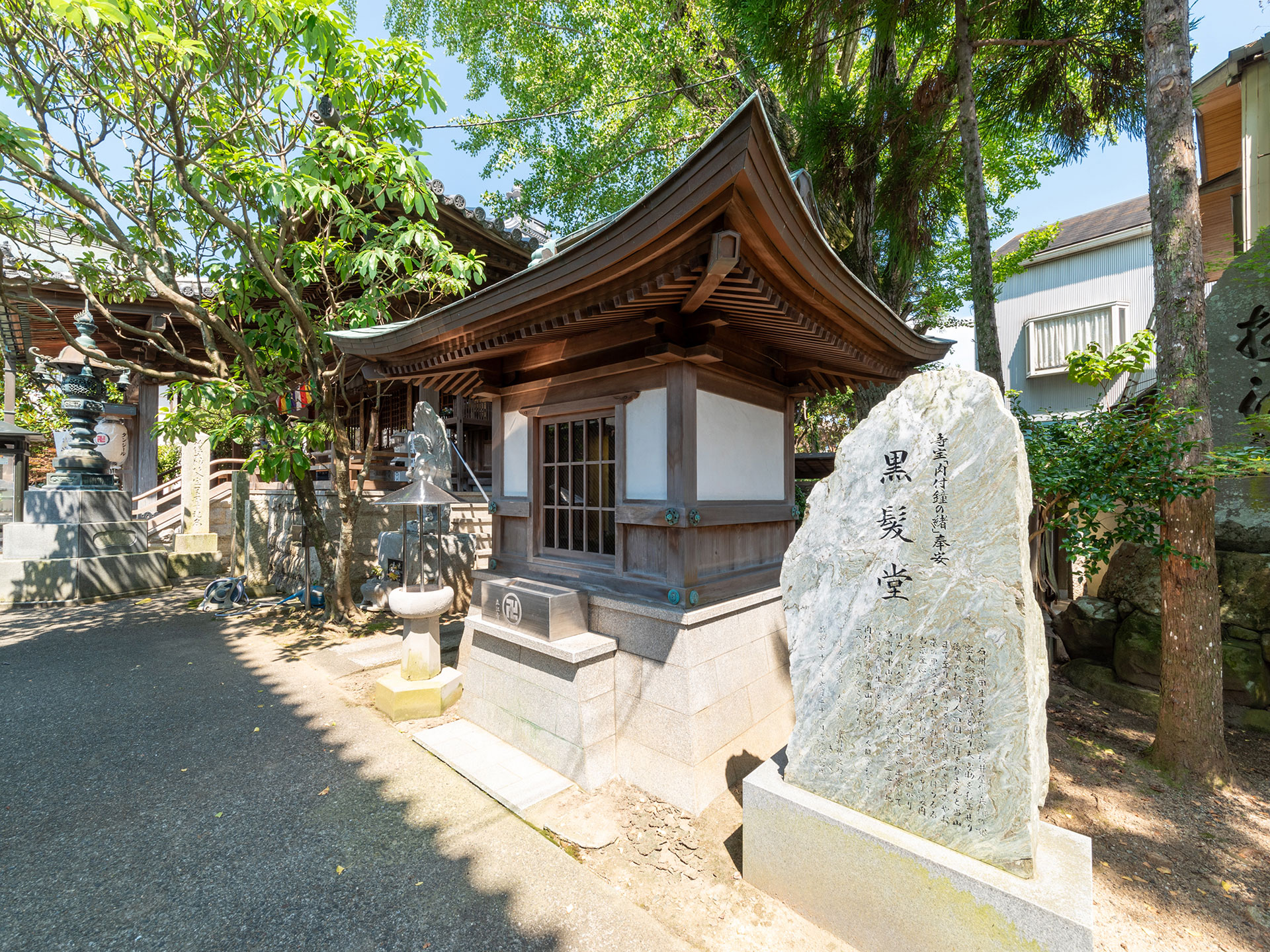
Kurokami-do, standing to the right of Daishi-do, preserves the legend of the "Flesh-Bearing Bell Rope". According to tradition, the long black hair of a woman named Okyo, who had committed a wrongdoing and received Buddhist punishment, was wound around the bell rope and remained there together with part of her scalp. Her hair is still preserved there today, and the legend is one of the reasons the temple is known as "Shikoku's Main Checkpoint".
-

A Peaceful Stay in an Atmospheric Shukubo
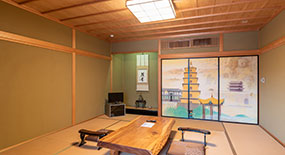
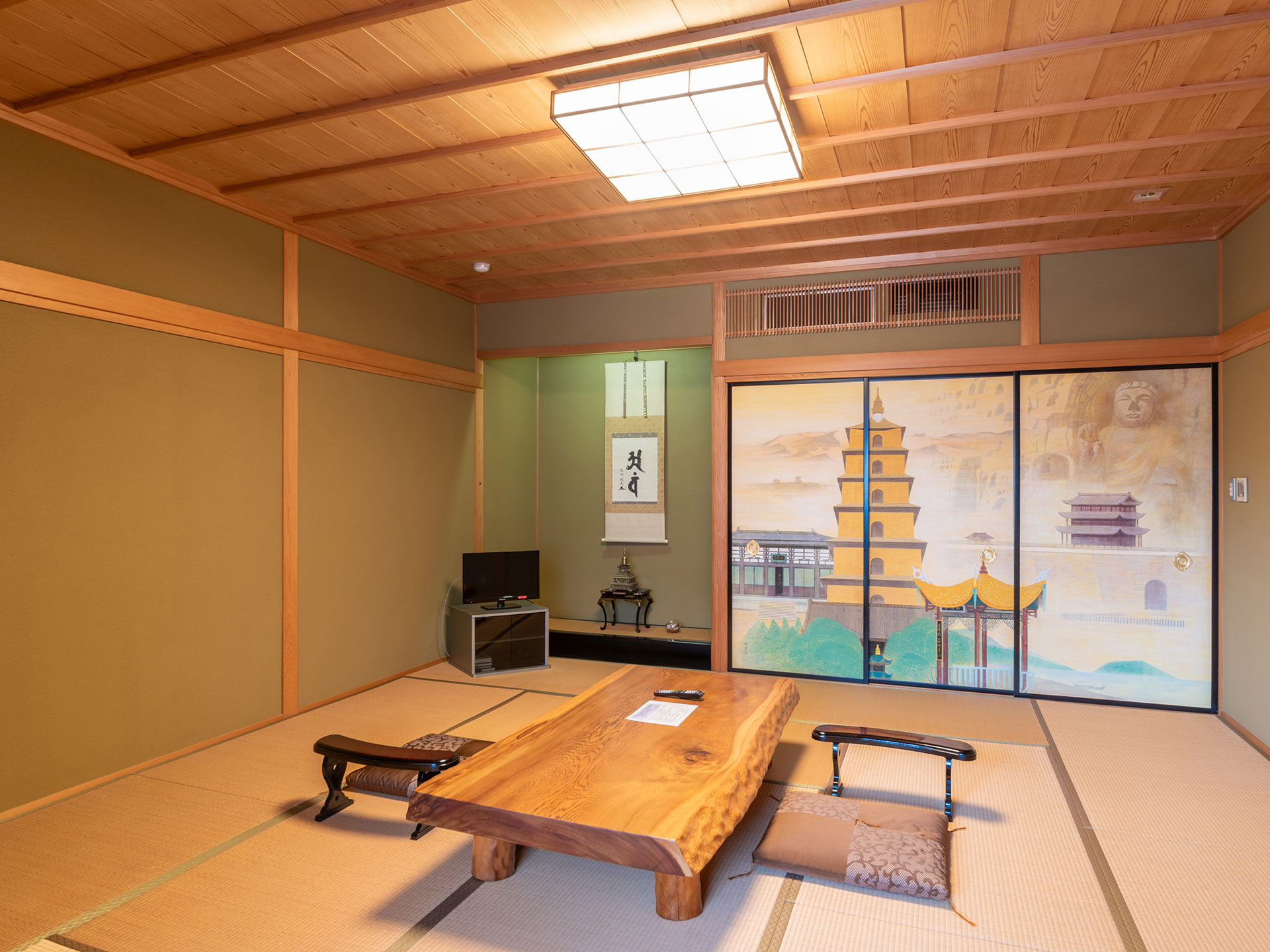
The followers' hall on the temple grounds provides shukubo temple lodging, with quiet, atmospheric Japanese-style rooms for a restful stay. Accommodation is available for approximately 200 guests, with check-in from 1:00 P.M. to 5:00 P.M. Guests may also take part in the daily otsutome Buddhist service from 5:00 P.M., offering an opportunity to spend quiet time unique to a temple stay.
-

Popular Amulets, Goshuin, and Capsule Toys
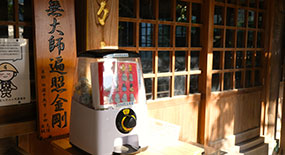
Amulets and goshuin are offered for a variety of wishes, including traffic safety, safe childbirth, protection from misfortune, and good fortune. A capsule toy machine containing original devotional items is also popular with both children and adults. These items offer a way to experience the traditions of this historic temple and make fitting keepsakes of a visit or journey.
-

Buildings on the Grounds Framed by Beautiful Seasonal Scenery
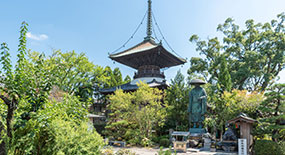
The historic temple grounds feature the main hall, Tahoto Pagoda, Bell Tower, and other structures, creating a peaceful setting for a restful pause during a pilgrimage. Seasonal scenery is another attraction, with cherry blossoms in spring, fresh green maple foliage in early summer, and colorful leaves in autumn. Surrounded by abundant nature, the grounds offer a calm place to spend time in peace.

 Shichi-go-san (Children’s Ceremony)
 Miyamairi (Newborn Blessing)
 Matchmaking
 Cutting Ties
 Financial Luck
 Business Prosperity
 Yakuyoke (Purification)
 Health & Well-being
 Safe Childbirth
 Exam Success
 Traffic Safety
 Fertility
 Performing Arts
 Love Fulfillment
 Bountiful Harvest
 Family Safety
 Academic Success
 Recovery from Illness
Tracing the past
Origins & Heritage
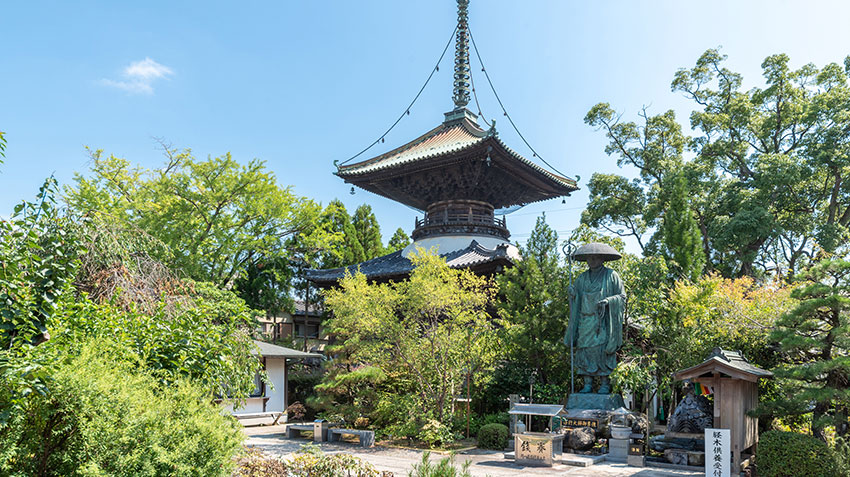
An Ancient Temple Founded by Imperial Prayer of Emperor Shomu
Shikoku Pilgrimage Temple No. 19, Tatsueji has long been known as "Koyasu Jizo" and "Tatsue no Jizo-san," names referring to Jizo, a Buddhist bodhisattva. Tradition holds that it was founded in 747 by order of Emperor Shomu to pray for a safe childbirth for Empress Komyo, and it has since attracted worshippers praying for safe delivery and child-rearing. It is also mentioned in the "Saigoku 33 Kannon Pilgrimage Goeika" alongside Koyasan and Zenkoji and is known as "Shikoku no So-sekisho," the "main checkpoint of Shikoku," as well as an important center of the Shikoku 88 Temple Pilgrimage. The grounds continue to draw many visitors praying for safe childbirth, while pilgrims also visit as part of the Shikoku pilgrimage and to experience the temple's long history of faith.
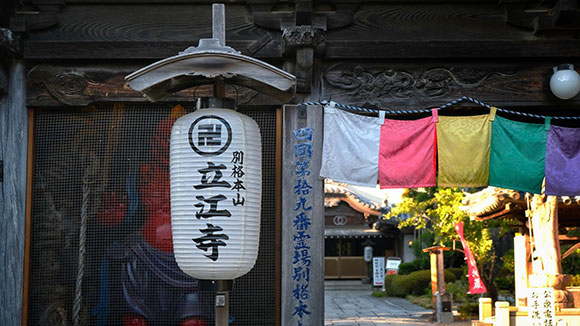
A Symbol of Henro Pilgrimage Culture
The temple was designated by Kukai, also known as Kobo Daishi, as Temple No. 19 of the Shikoku 88 Temple Pilgrimage. The Main Hall enshrines a statue of Enmei Jizo, Jizo, a Buddhist bodhisattva, said to have been carved by Kukai. Enclosed within the statue is the principal image, traditionally attributed to Gyoki Bosatsu. Also known as the "Main Checkpoint of Shikoku," this historic pilgrimage site has long attracted the devotion of many pilgrims and remains an important part of Shikoku pilgrimage culture.
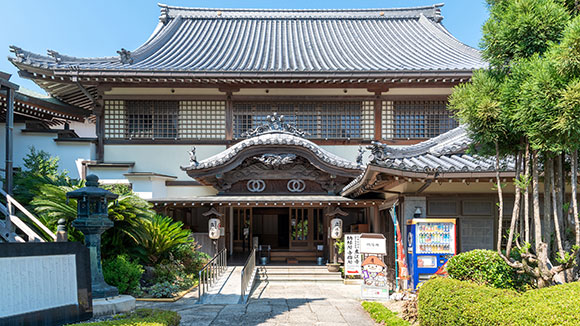
Faith Passed Down at the "Great Barrier of Shikoku"
This historic temple is known as the main checkpoint of the Shikoku 88-temple pilgrimage, with a longstanding tradition that "those with wicked hearts cannot proceed." It has long been revered as a place where pilgrims reflect on their own hearts before continuing to the next temple with a purified mind. Today, pilgrims and many other worshipers still quietly join their hands in prayer, hoping to mark a turning point in life or take a new step forward.
Temple buildings
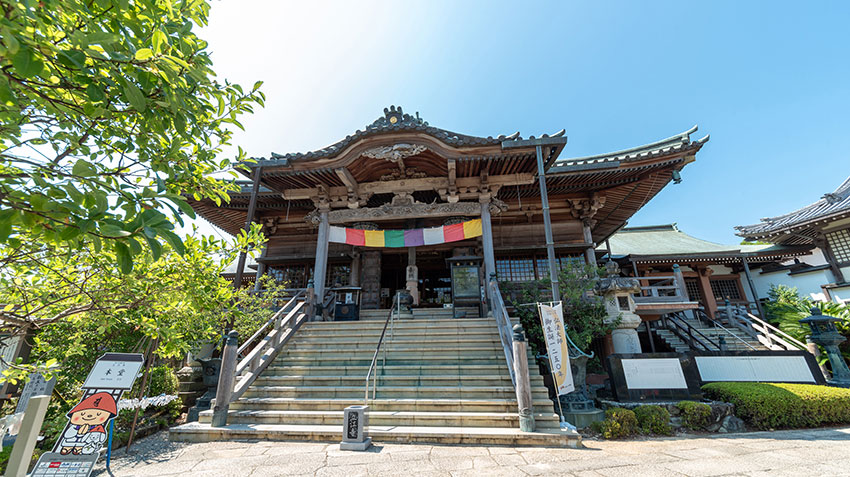
Temple Grounds Where History and Faith Meet
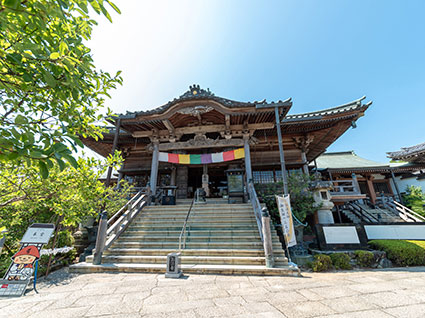
Rebuilt in 1977, the Main Hall features richly decorated coffered ceiling paintings. The temple grounds also contain historic structures including a Tahoto Pagoda, bell tower, and temple gate, as well as the Daishi Hall and Kannon Hall. Walking among these dignified buildings offers an opportunity to encounter the history passed down through each one. The grounds retain the solemn atmosphere characteristic of the Shikoku 88-Temple Pilgrimage, and a leisurely walk reveals the temple's long history. The principal image is Enmei Jizo Bosatsu, the Life-Prolonging Jizo Bodhisattva. Because the temple is known for prayers for safe childbirth, the image is still affectionately known as the "Koyasu no Jizo-son". The Shinto Kaikan on the temple grounds also provides shukubo temple lodging, with quiet, traditional Japanese-style rooms available for overnight stays. Spending a night here during the Shikoku pilgrimage offers a chance to experience the calm atmosphere unique to a Buddhist temple. The temple's architecture and scenery provide further opportunities to appreciate the grounds beyond worship alone.
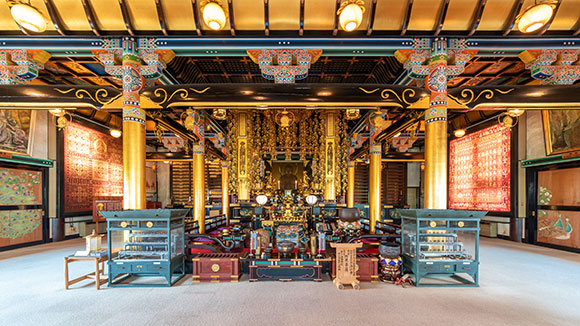
A Quiet Prayer Space Centered on the Main Hall
At "Tatsueji Temple, No. 19 of the Shikoku Pilgrimage", the various temple buildings are beautifully arranged around the Main Hall. The grounds have the quiet, peaceful atmosphere characteristic of a temple on the Shikoku 88-Temple Pilgrimage, offering a setting for unhurried worship. Paying respects at each hall, calming the mind, and turning inward away from everyday life can provide a peaceful moment of reflection.
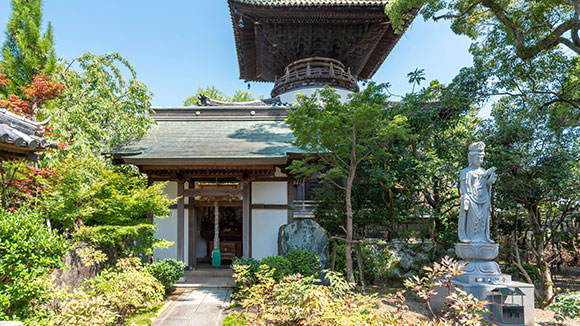
Beautiful Grounds Blending With Nature Through the Seasons
The beautiful scenery, where historic temple buildings blend with nature throughout the seasons, is another highlight. Cherry blossoms in spring, fresh green maple leaves in early summer, and colorful foliage in fall brighten the grounds and enhance the charm of the historic buildings. The grounds take on a different character with each season, offering varied scenery depending on the time of year. A leisurely stroll through this peaceful setting, where nature and history come together, is a pleasant way to appreciate the changing seasons.
Making the Most of a Stay in Temple Lodgings
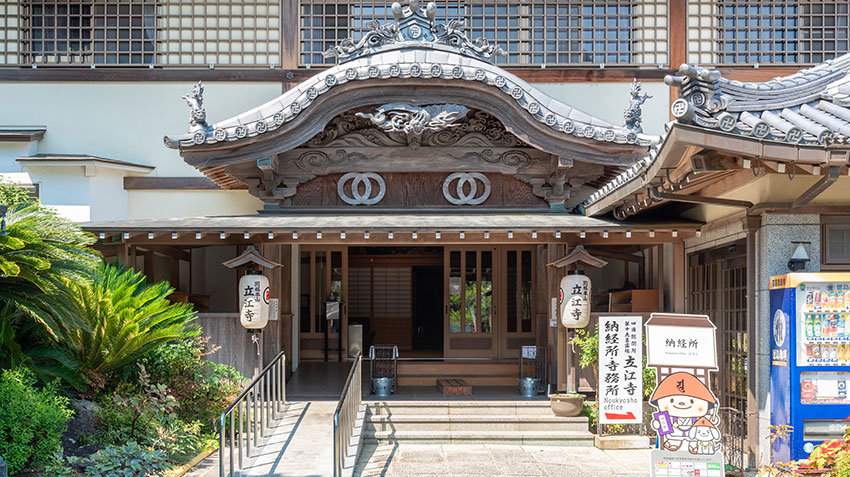
A Temple Lodging Experience at a Historic Temple
Shukubo temple lodging is available in the followers' hall at "Tatsueji Temple, No. 19 of the Shikoku Pilgrimage", with private rooms, shared rooms, and special rooms accommodating approximately 200 guests. Staying at this shukubo on the Shikoku 88-Temple Pilgrimage offers a chance to relax in quiet, atmospheric Japanese-style rooms. The lodging welcomes not only pilgrims but also other temple visitors, making it well suited to those seeking a peaceful break from everyday life. A spacious communal bath is also available. Guests are free to join the evening otsutome Buddhist service, held daily from 5:00 P.M., with dinner served after the approximately one-hour service. The temple grounds take on a different character from morning to evening, and an overnight stay offers time to experience the temple's serene, dignified atmosphere. A goma fire ritual is also held every Saturday at 1:00 P.M. and is open to all. Check-in is available from 1:00 P.M. to 5:00 P.M.
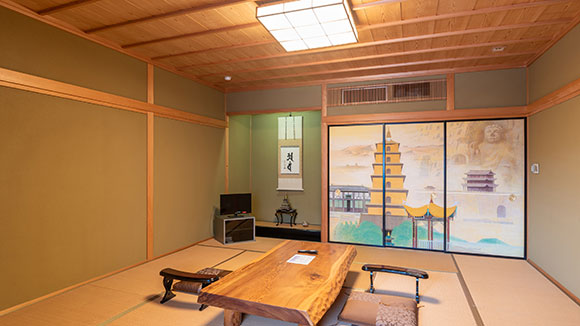
A Peaceful Space to Rest During a Pilgrimage
The shukubo warmly welcomes Shikoku pilgrims as well as those seeking quiet time at a temple. In its peaceful Japanese-style setting, guests can rest from the fatigue of their journey and enjoy the gentle passage of time on the temple grounds. Guests may also take part in the evening otsutome Buddhist service, while mornings and evenings offer a chance to stroll through the quiet grounds when fewer worshippers are present. An overnight stay offers a special experience that can only be enjoyed by staying at the temple.
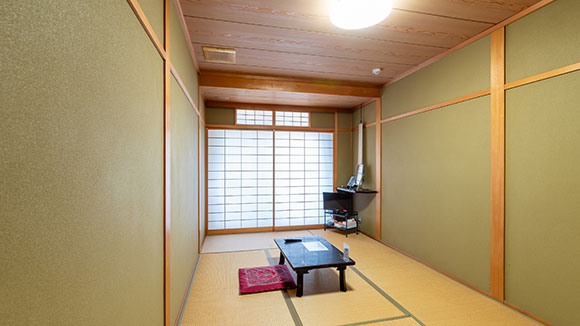
A Stay in a Quiet Japanese-Style Room with Traditional Charm
Staying at the shukubo offers a chance to fully appreciate the temple's quiet atmosphere, distinct from its daytime character. A walk through the grounds when fewer worshippers are present provides time to take in the historic temple buildings and seasonal scenery. Another appeal is the chance to experience the temple's serene, dignified atmosphere at a leisurely pace. Time spent in this peaceful setting allows both body and mind to rest and can make the memories of the journey all the more meaningful.
Interment and Perpetual Memorial Services
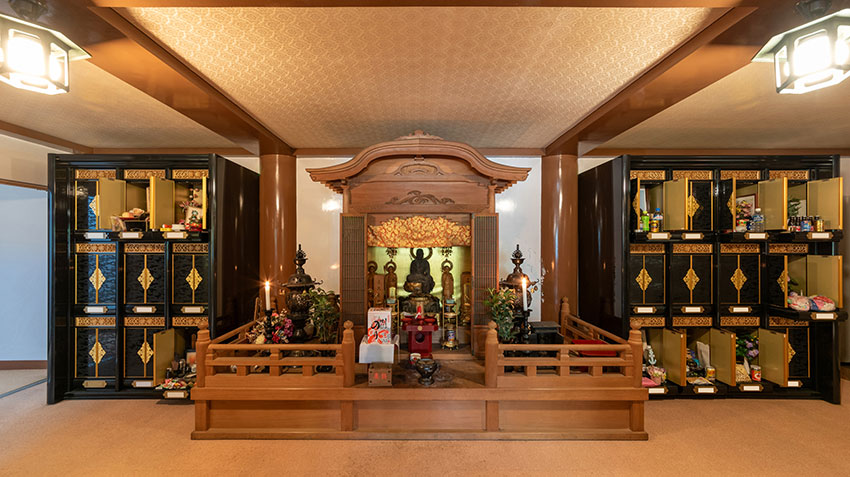
A Columbarium for Comfortable Memorial Visits
The Hoju-den ossuary is an indoor facility offering perpetual memorial care. Because memorial services and ongoing management are provided, there is less need for tasks such as grave cleaning and weeding, and visits can be made comfortably regardless of the weather. Each indoor burial space also incorporates a Buddhist altar, allowing family members and relatives to feel close to the deceased while paying respects in a quiet setting. With the rise of nuclear families and changing lifestyles, some people are concerned about the future care of family graves, such as having no one to inherit responsibility for the grave or having family members who live far away. As the cremated remains are enshrined and memorial services continue in perpetuity, the facility also provides a long-term option for those seeking a place where the deceased can be cared for and remembered for years to come. The ossuary units feature a dignified design in traditional black and gold tones, creating a calm atmosphere in which to remember the deceased. For details regarding fees, availability, and viewing procedures, inquiries can be made by telephone.
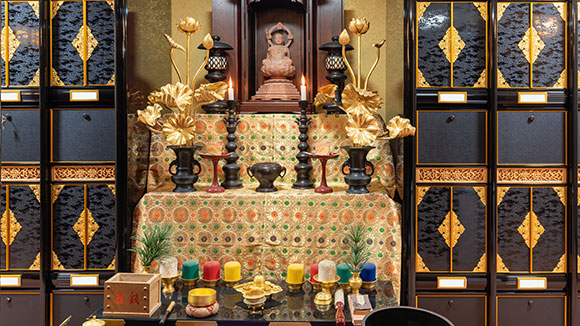
Heartfelt Memorial Services with Daily Sutra Recitation
At the Hoju-den ossuary on the temple grounds, cremated remains are enshrined and cared for in perpetuity. Another distinctive feature is that memorial sutras are recited daily for the deceased regardless of religion or Buddhist sect. Some people are concerned about the future care of family graves because "there is no one to take over the grave" or "family members live far away". For those with such concerns about future grave maintenance and memorial care, the ossuary provides a place where they can entrust their loved ones with peace of mind.
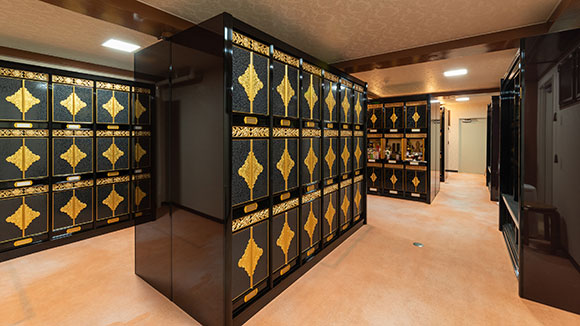
A Columbarium for Quiet, Peaceful Moments
An ossuary has been established on the temple grounds as a quiet place of prayer where people can remember the deceased and pay their respects in peace. Because it is indoors, visits can be made regardless of the weather, and there is no need for maintenance such as cleaning or weeding. Family members and relatives can feel close to the deceased at any time and spend quiet moments in remembrance within the peaceful grounds of this historic temple.
Experience a New Way to Worship
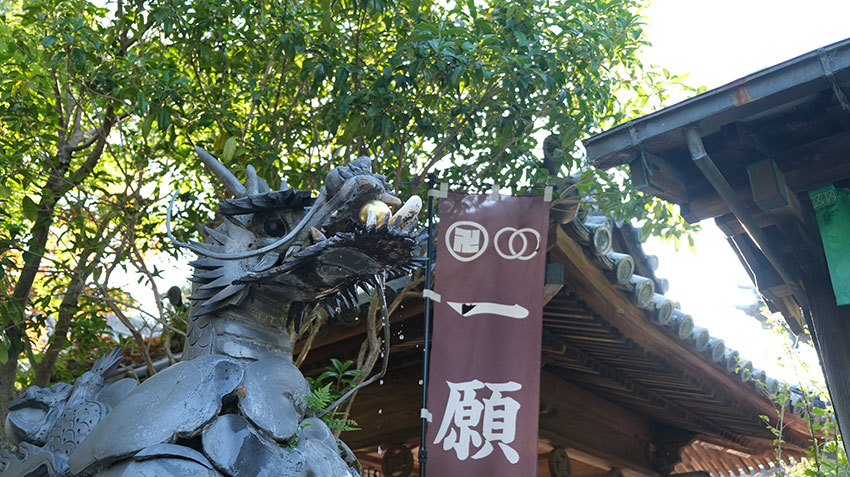
Ichiganryu for Good Fortune and Financial Luck
Ichiganryu, located on the grounds of "Tatsueji Temple, No. 19 of the Shikoku Pilgrimage", is a popular spot for worshippers praying for good fortune and financial prosperity. By immersing a "Koban Amulet" in the purified water flowing from the dragon's mouth and receiving a kaji blessing, worshippers can pray for good fortune and financial prosperity. The "Koban Amulet" is available from either a capsule toy machine or the temple office. Visitors can also take part in kyogi-nagashi at Ichiganryu and offer prayers while making their wishes. The temple accepts a wide range of prayer requests, including safe childbirth, memorial services for mizuko, traffic safety, recovery from illness, family safety, academic success, and prosperity in business. A variety of amulets is also available, including maternity sashes and hara-mamori for safe childbirth, as well as amulets for traffic safety, good fortune, and the animals of the zodiac. They can be chosen as mementos of a temple visit or as gifts for family, friends, and other loved ones.
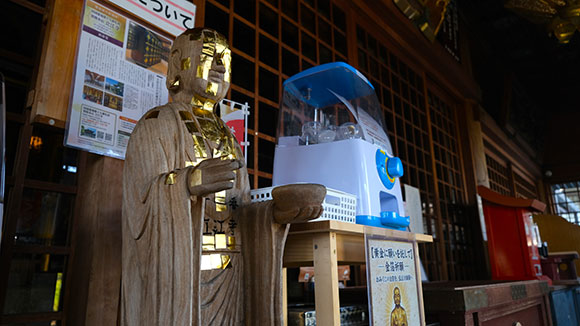
Applying Gold Leaf to a Statue of Kobo Daishi
Another popular experience involves attaching gold leaf from an omikuji fortune slip to a statue while making a wish. The gold leaf attached to the golden omikuji is placed on the part of the Kobo Daishi statue corresponding to the wish to be fulfilled. For protection from misfortune, it may be placed anywhere on the statue; for health, on the part of the body of concern; for wisdom, on Kobo Daishi's head; and for the fulfillment of a heartfelt wish, on his chest.
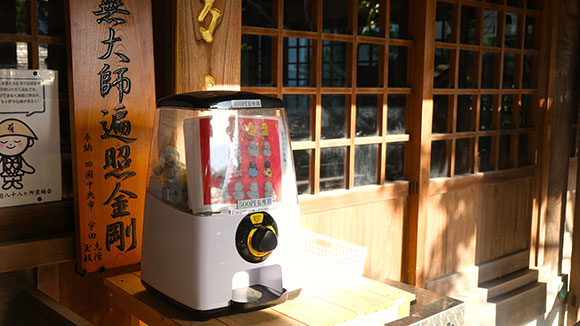
A Popular Temple-Themed Capsule Toy Machine
A capsule toy machine is available on the temple grounds, filled with original devotional items unique to the temple. Each item is handmade individually by an artist, making every one of them unique. What comes out is part of the fun. Popular with adults as well as children, the machine offers a casual way to pick up a keepsake of a temple visit or Shikoku pilgrimage. This playful touch at a historic temple adds another memorable element to the journey.

Tatsueji Temple, No. 19 of the Shikoku 88-Temple Pilgrimage
四国第19番札所 立江寺

- Address
- 13 Wakamatsu, Aza Tatsue Town, Komatsushima City, Tokushima
- Access
- Car: 25 minutes from Tokushima-Tsuda IC on the Tokushima-Nanbu Expressway; Train: 5-minute walk from Tatsue Station on the JR Mugi Line
- Website
- https://www.tatsueji.com/
- TEL
- +81-885-37-1019Please let the staff know that you saw this on "Tabiiro."
- Social media
-
- Business hours
- Nokyosho: 8:00 A.M. to 5:00 P.M.
- Holidays
- Open year-round
- Admission fee
- 祈福・祭拜需諮詢
- Parking spaces
- 100 spaces

Nearby Spots
View MorePick popular spots nearby!
-
7.7kmfromTatsueji Temple, No. 19 of the Shikoku 88-Temple Pilgrimage
Omatsu Daigongen Shrine
Address:63 Fuke, Kamo Town, anan, tokushima
-

40.6kmfromTatsueji Temple, No. 19 of the Shikoku 88-Temple Pilgrimage
Awajishima Ranch
Address:1 Yagiyogikami, minamiawaji, hyogo
-

47kmfromTatsueji Temple, No. 19 of the Shikoku 88-Temple Pilgrimage
Kaiyo Town
Address:128 Kaminakasu, Aza, Osato, ama, tokushima
-

60kmfromTatsueji Temple, No. 19 of the Shikoku 88-Temple Pilgrimage
Taga Shrine
Address:101 Jubancho, wakayama, wakayama
-

60.1kmfromTatsueji Temple, No. 19 of the Shikoku 88-Temple Pilgrimage
Kunjudo
Address:1255-1 Taga, awaji, hyogo
-

60.8kmfromTatsueji Temple, No. 19 of the Shikoku 88-Temple Pilgrimage
Twenty-Four Eyes Movie Village
Address:931 Taurako, Shodoshima Town, shozu, kagawa
-

62kmfromTatsueji Temple, No. 19 of the Shikoku 88-Temple Pilgrimage
Daigenya, Ltd.
Address:3720-360 Mure, Mure Town, takamatsu, kagawa
-

65.9kmfromTatsueji Temple, No. 19 of the Shikoku 88-Temple Pilgrimage
Maruichi
Address:4-1 Minamishin Town, takamatsu, kagawa
-

67.1kmfromTatsueji Temple, No. 19 of the Shikoku 88-Temple Pilgrimage
Kankakei Ropeway
Address:168 Kankakedori, Shodoshima Town, shozu, kagawa
-

69.7kmfromTatsueji Temple, No. 19 of the Shikoku 88-Temple Pilgrimage
Setouchi Island Cruise
Address:796-53 Goto Town, takamatsu, kagawa
-
 Japanese Cuisine
10.8kmfromTatsueji Temple, No. 19 of the Shikoku 88-Temple Pilgrimage
Teppanyaki Kai no Tora
Address:1F, 2nd Corpo Hamada, 1-5 Okihama Higashi, tokushima, tokushima
-
 Café/Sweets
11.6kmfromTatsueji Temple, No. 19 of the Shikoku 88-Temple Pilgrimage
Okinosu Dog Garden
Address:4-14-28 Kitaokinosu, tokushima, tokushima
-
 Local Specialties
12.2kmfromTatsueji Temple, No. 19 of the Shikoku 88-Temple Pilgrimage
Awa Yoidokoro Shizuku
Address:1F Hibari Building, 1-6-2 Akita-machi, tokushima, tokushima
-
 Japanese Cuisine
12.3kmfromTatsueji Temple, No. 19 of the Shikoku 88-Temple Pilgrimage
Sushi Takegami
Address:1F Naruto Building, 2-17 Tomitacho, tokushima, tokushima
-
 Local Specialties
12.7kmfromTatsueji Temple, No. 19 of the Shikoku 88-Temple Pilgrimage
Shina Soba Yoake
Address:3-10 Ichiban Town, tokushima, tokushima
-
 Café/Sweets
14.4kmfromTatsueji Temple, No. 19 of the Shikoku 88-Temple Pilgrimage
nico
Address:1A Hitozai Building, 11-8 Sako Rokuban Town, tokushima, tokushima
-
 Asian/Ethnic Cuisine
22.6kmfromTatsueji Temple, No. 19 of the Shikoku 88-Temple Pilgrimage
Miri Meshi & Sports Cafe RATION
Address:35-1 Higashibari, Saita, Muya Town, naruto, tokushima
-
 Local Specialties
23.6kmfromTatsueji Temple, No. 19 of the Shikoku 88-Temple Pilgrimage
Renmaru CAFE
Address:120 Hamabatakita, Saita, Muya Town, naruto, tokushima
-
 Asian/Ethnic Cuisine
39.1kmfromTatsueji Temple, No. 19 of the Shikoku 88-Temple Pilgrimage
Gyuraku, Wagyu Beef Specialty Shop
Address:120 Shichitatara, minamiawaji, hyogo
-
 Asian/Ethnic Cuisine
39.5kmfromTatsueji Temple, No. 19 of the Shikoku 88-Temple Pilgrimage
Onion, Vietnamese Bistro
Address:620-1 Ichitokunaga, minamiawaji, hyogo
-

5.6kmfromTatsueji Temple, No. 19 of the Shikoku 88-Temple Pilgrimage
Komatsushima Resort
Address:95-3 Higashiyama, Chuden Town, komatsushima, tokushima
-

11.6kmfromTatsueji Temple, No. 19 of the Shikoku 88-Temple Pilgrimage
Tokushima Grandvrio Hotel
Address:3-5-1 Bandai Town, tokushima, tokushima
-

12.8kmfromTatsueji Temple, No. 19 of the Shikoku 88-Temple Pilgrimage
Daiwa Roynet Hotel Tokushima Ekimae
Address:3-8 Terajima Hon Town Higashi, tokushima, tokushima
-

13kmfromTatsueji Temple, No. 19 of the Shikoku 88-Temple Pilgrimage
JR Hotel Clement Tokushima
Address:1-61 Terajima Hon Town Nishi, tokushima, tokushima
-

13.7kmfromTatsueji Temple, No. 19 of the Shikoku 88-Temple Pilgrimage
Kawauchi Town
Address:169-2 Asahino, Kawauchi Town, tokushima, tokushima
-

30.6kmfromTatsueji Temple, No. 19 of the Shikoku 88-Temple Pilgrimage
HOTEL RIDGE
Address:1-1 Tanakayama, Oshima, Seto Town, naruto, tokushima
-

40.5kmfromTatsueji Temple, No. 19 of the Shikoku 88-Temple Pilgrimage
SolaVilla Sea Terrace Minami-Awaji
Address:1131-1 Minato, minamiawaji, hyogo
-

54.7kmfromTatsueji Temple, No. 19 of the Shikoku 88-Temple Pilgrimage
Private Villa*Kuniuminochi
Address:227-3 Fukakusa, awaji, hyogo
-

56.8kmfromTatsueji Temple, No. 19 of the Shikoku 88-Temple Pilgrimage
Wakayama Marina City Hotel
Address:1517 Kemi, wakayama, wakayama
-

59.8kmfromTatsueji Temple, No. 19 of the Shikoku 88-Temple Pilgrimage
Daiwa Roynet Hotel WAKAYAMA
Address:26-1 Nanabancho, wakayama, wakayama