


Where to Rent Kimono or Yukata in Kyoto: 11 Shops for Walking the City
2026/03/19
Due to the impact of the 2024 Noto Peninsula Earthquake, local transportation networks and facilities may have been affected.
Before planning your trip, please check the latest news and official announcements from local authorities.
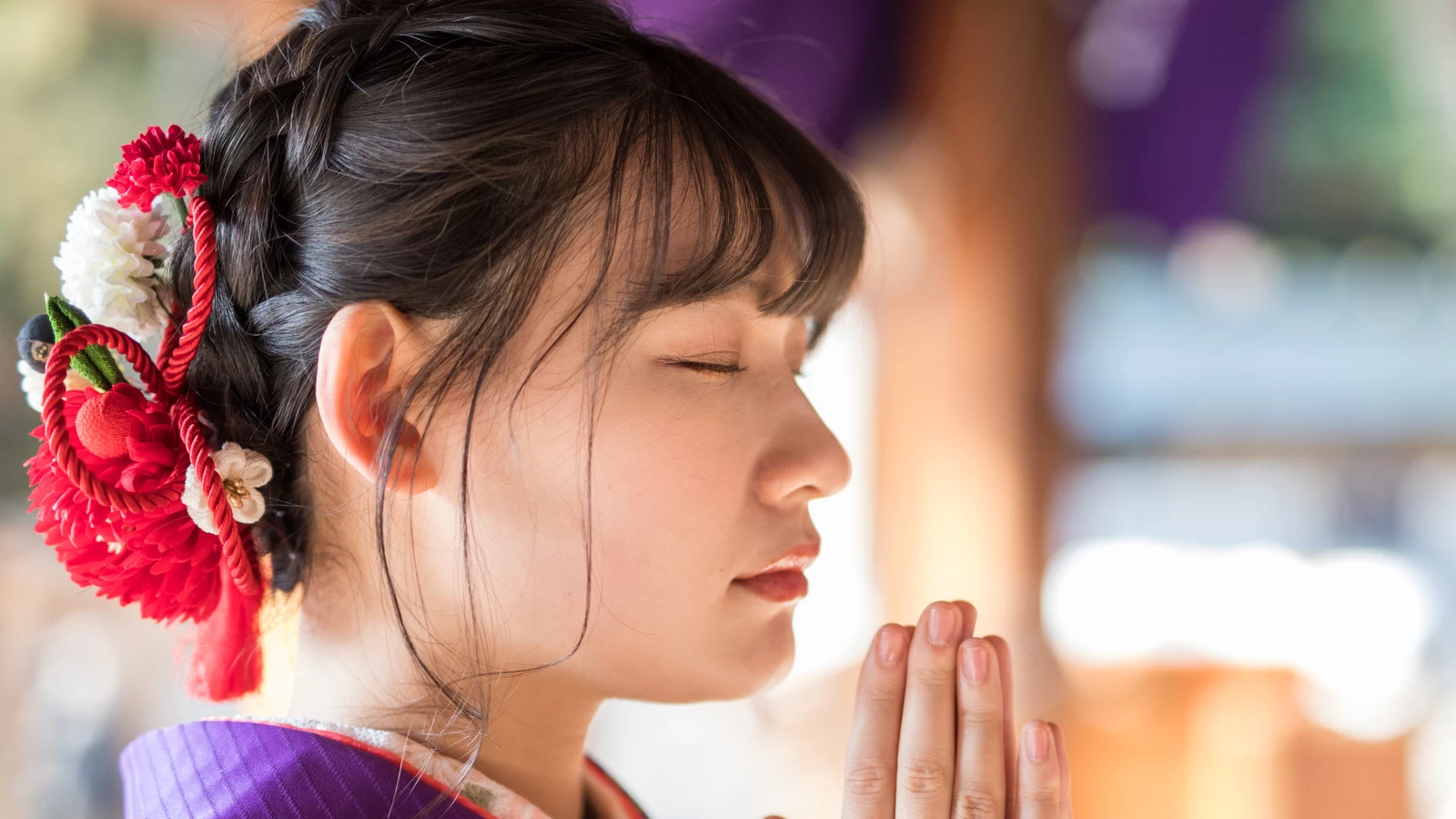
Many people traveling to Japan visit historic shrines and temples. However, the differences between shrines and temples—and how to pray properly at a shrine—can be confusing for many. In this guide, we will explain the basics of Shinto shrines, covering everything from their history to the specific etiquette and steps for a proper visit.
Table of Contents of This Article
Open Table of Contents ▼
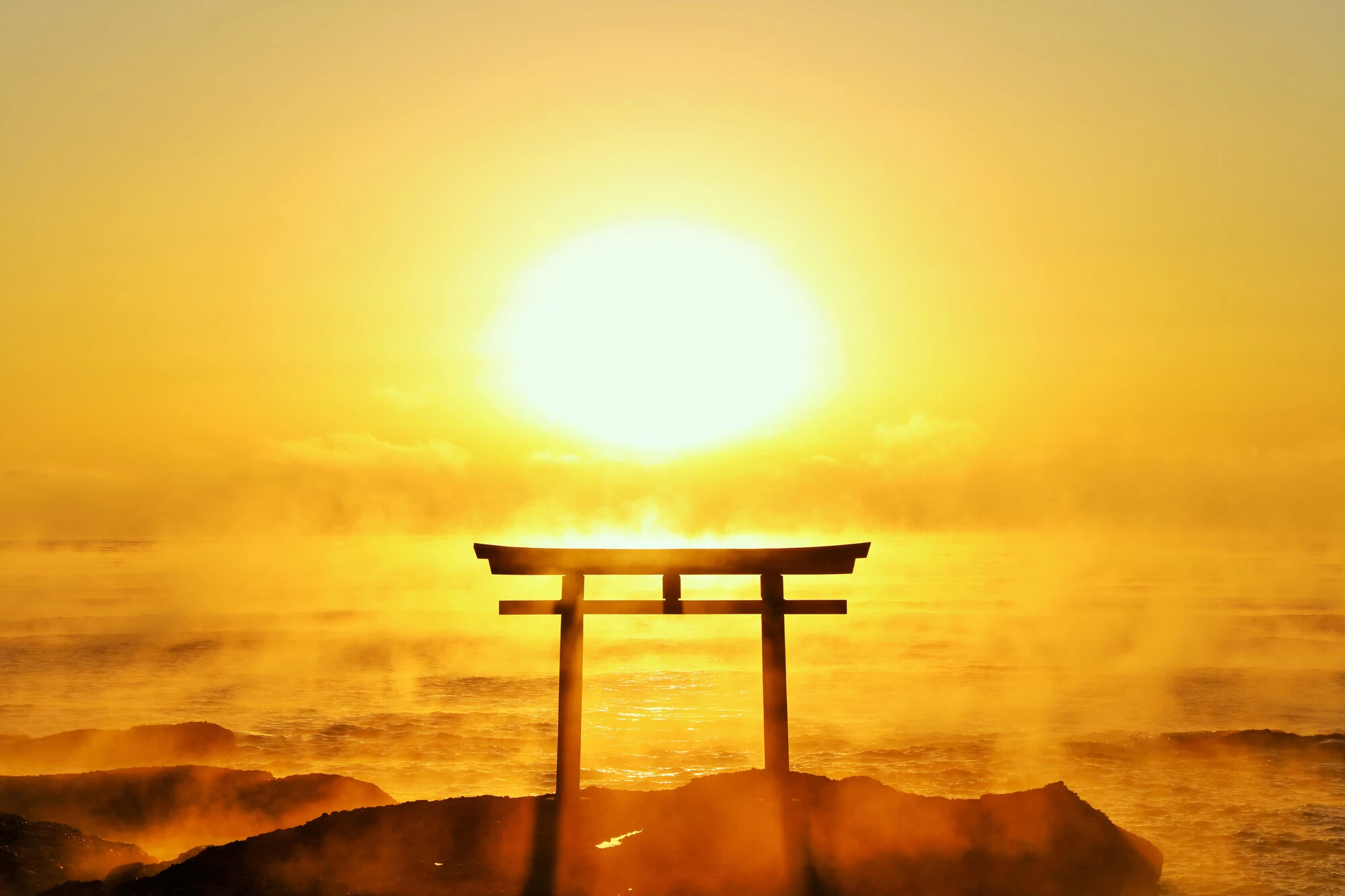
A Shinto shrine is a sacred space dedicated to the kami—the deities or spirits of Shinto, Japan’s indigenous spiritual tradition. Shrines were built as places to honor the divine presence believed to exist in nature in all its forms. Guided by these beliefs, people have long revered the power of the natural world, offering prayers of gratitude. For centuries, shrines have been deeply woven into the fabric of everyday life in Japan.
In Shinto belief, kami refers to the spiritual essence or divine power believed to reside in all things throughout the natural world. This includes natural elements like the sun, mountains, and the sea, as well as ancestors and remarkable historical figures. These beings, existing beyond the reach of ordinary human life, are revered as yaoyorozu no kami—the eight million gods of Shinto, a number symbolizing the infinite presence of the divine in our world.
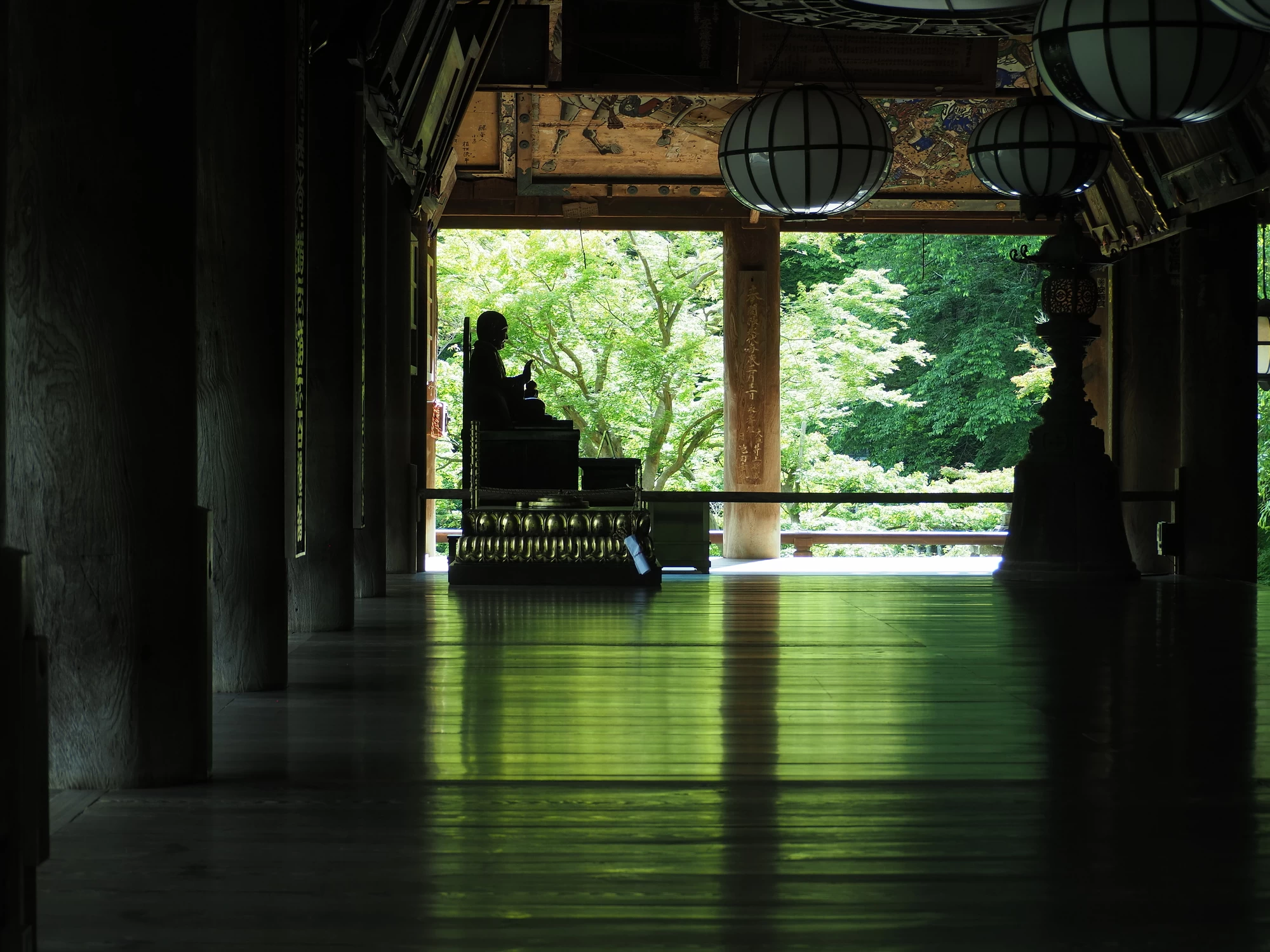
Covered walkway in the temple
A Buddhist temple is a sacred space that serves as a center for spiritual practice and the study of Buddhist teachings. These sites include both the temple buildings and their grounds, where Buddhist statues are enshrined and monks live and train. Temples are places where monks offer spiritual guidance and where visitors can pray, experience practices such as shakyo (sutra copying), and find a moment of peace to reflect on their lives.
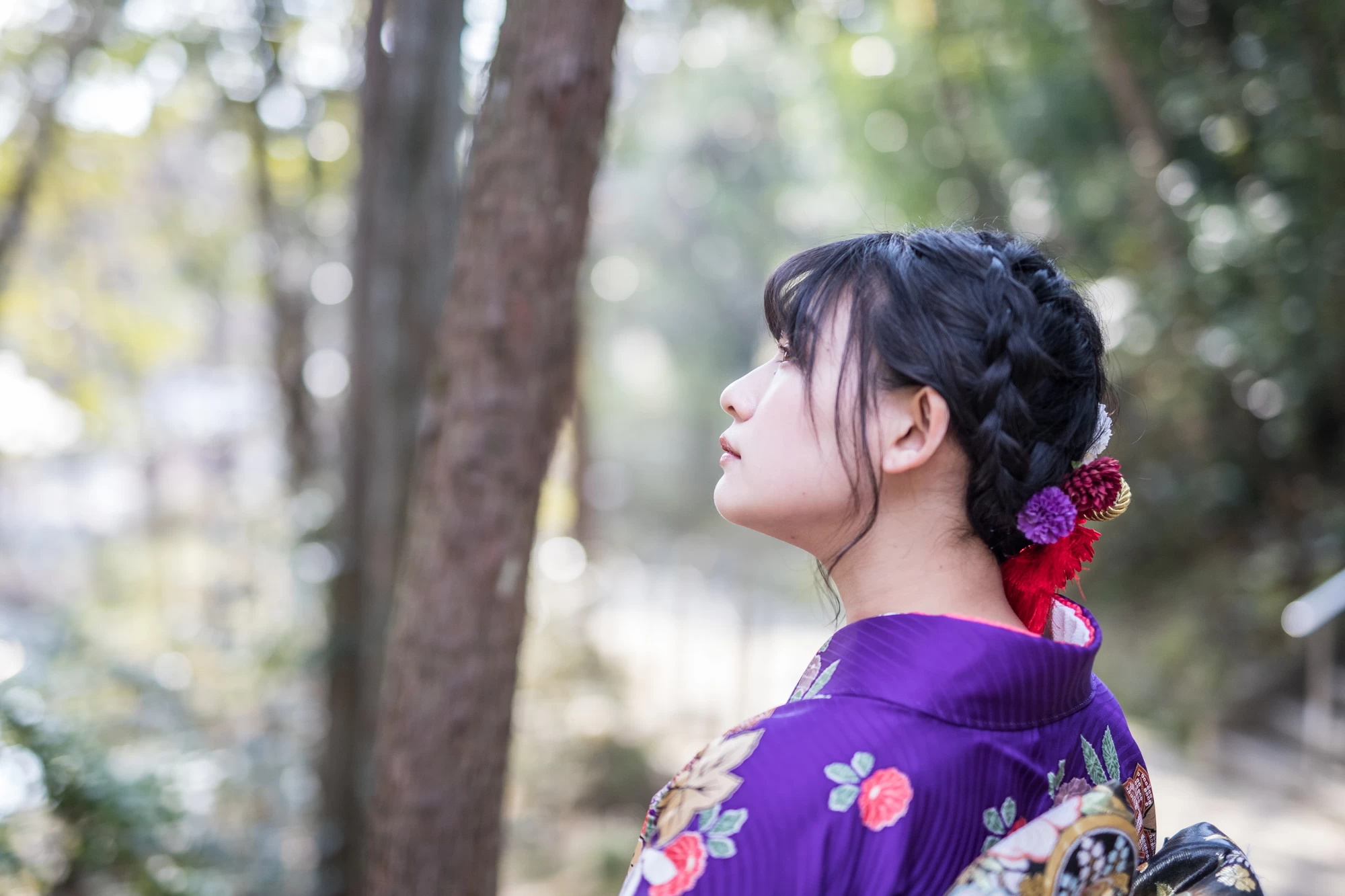
Woman in kimono
When entering a Shinto shrine, you first pass under the torii gate. The torii is believed to serve as a spiritual boundary separating the sacred grounds from the ordinary world. To show respect, it is customary to perform a respectful bow before walking through the gate.
A torii gate is a traditional gateway at the entrance of a Shinto shrine, typically consisting of two vertical pillars connected by horizontal crossbeams. Passing through a torii symbolizes leaving the ordinary world behind and preparing your mind to enter a sacred space. As the area beyond the gate is considered holy ground, visitors are encouraged to speak quietly and maintain a respectful attitude throughout their visit.
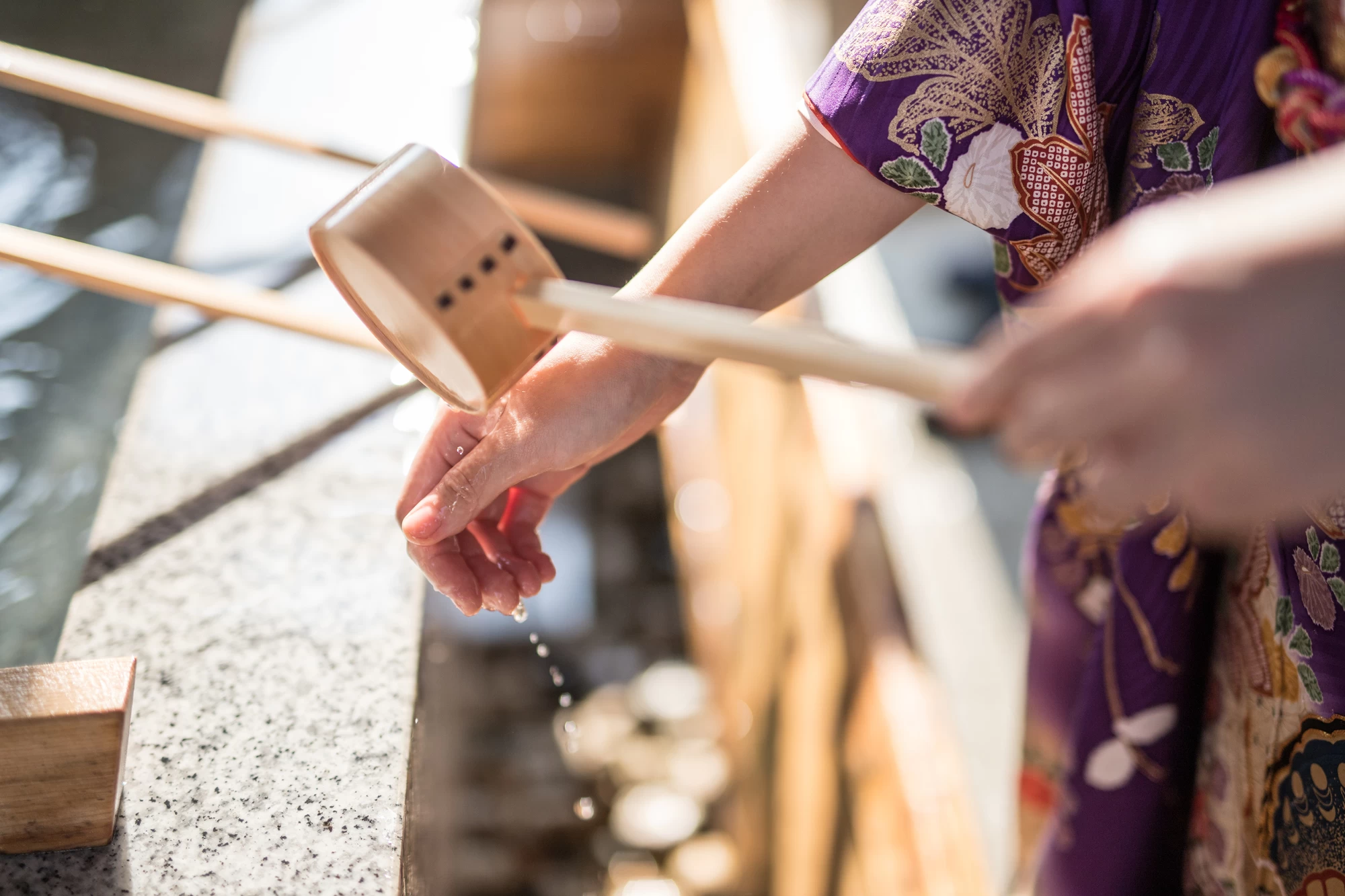
At the purification pavilion (temizuya), visitors perform temizu—a ritual of cleansing the hands and mouth before approaching the kami. This act symbolizes purifying both mind and body before entering a sacred space. First, hold the ladle in your right hand and pour water over your left hand. Switch the ladle to your left hand to rinse your right. Next, hold the ladle in your right hand again, pour a small amount of water into your left palm, and rinse your mouth. Finally, tilt the ladle upright so the remaining water runs down the handle to cleanse it, then return it to its original position.
*Please remember not to touch the ladle directly to your mouth.
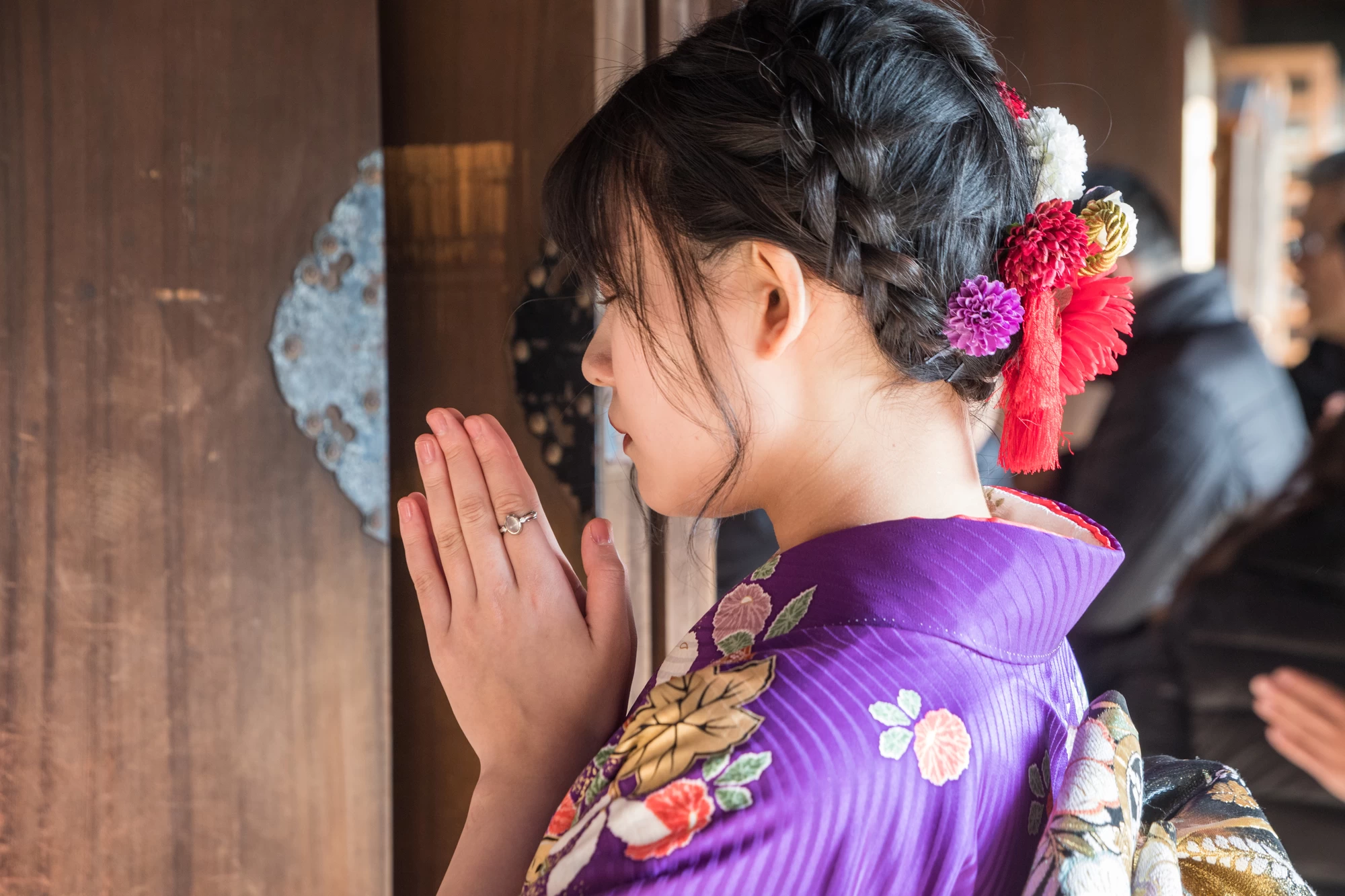
Praying at shrine
Prayer at a Shinto shrine is commonly performed according to the ritual known as two bows, two claps, one final bow. First, give a slight bow in front of the offering box and place your coin inside. Next, ring the bell if one is provided, then perform two deep bows. After that, bring your hands together in front of your chest and clap twice, offering your gratitude and prayers to the kami. Finally, make one more deep bow to conclude your prayer.
Tamagushi-hairei is a more formal way of paying respect by presenting a tamagushi before the kami. A tamagushi is a sacred offering made from a branch of the sakaki tree decorated with strips of zigzag-shaped white paper called shide. It is offered to the kami as a symbolic bridge between the worshiper and the divine. These rituals are typically performed during special ceremonies, such as Shinto weddings and other significant shrine rites.
The center of the shrine approach is considered the path of the deities, so it is polite to walk along the sides and avoid the middle. Once inside the shrine grounds, please refrain from eating, drinking, or smoking, and make an effort to maintain a quiet and respectful atmosphere.
At a shrine, it is considered good etiquette to remove hats and sunglasses. Visitors should also avoid speaking loudly or behaving noisily, and instead maintain a calm and respectful manner.
When making a coin offering, place it gently into the offering box rather than throwing it in forcefully. It is customary to bow your head slightly and offer the coin with a sense of gratitude. When presenting a tamagushi, hold it respectfully and place it so that the stem faces the kami.
The traditional prayer ritual, known as two bows, two claps, and one bow, is performed in the following steps
1. Two Bows: Stand up straight and calm your mind. Then bow deeply twice, bending at the waist to about a 90-degree angle.
2. Two Claps: Bring your hands together in front of your chest and clap twice. For the correct form, slide your right hand slightly down before bringing them together to clap.
3. One Bow: Finally, bow deeply once more at a 90-degree angle to conclude your prayer with respect.
When visiting a Shinto shrine, please remember to approach the kami with a heart full of gratitude. Whether you are offering thanks for the blessings of daily life or for a wish that has come true, take a moment to pray sincerely from the heart.
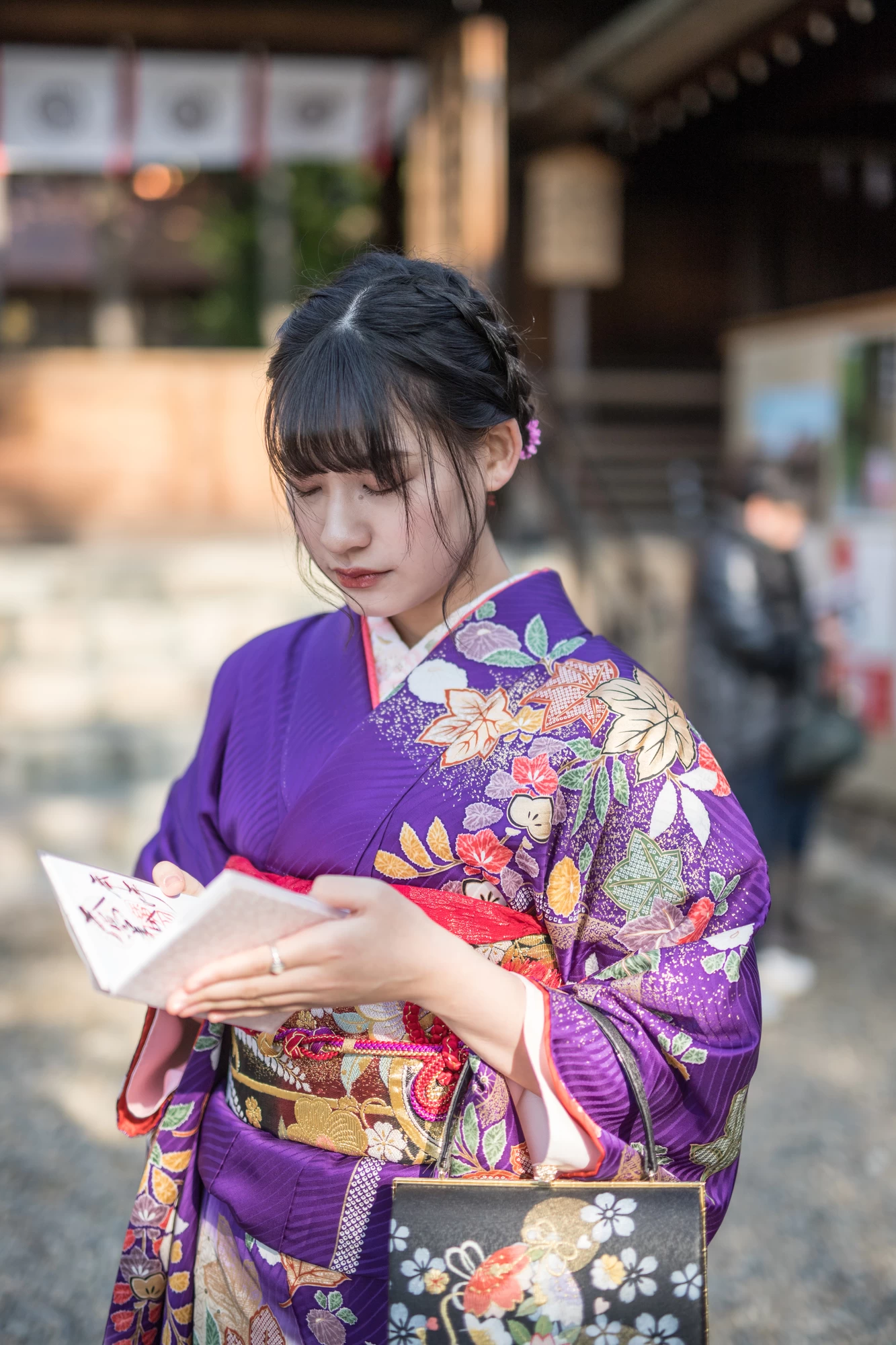
Goshuincho stamp
A goshuin is a unique, handwritten calligraphy inscription and sacred red seal given at a shrine or temple as a formal proof of your visit and prayer.
Goshuin are inscribed in a special book called a goshuincho. These books can be purchased at most shrines and temples.
Goshuin are typically received after completing your visit and prayer. It is also a good idea to check the operating hours in advance to make sure the goshuin counter is open.
Shrines host a variety of festivals and ceremonies throughout the year. In particular, the grounds come alive with crowds during major events such as New Year celebrations, spring festivals, and autumn festivals. When planning your visit, it is worth checking the event schedule on the official website in advance—it can be a wonderful opportunity to witness traditional Japanese culture firsthand.

Shrine visit attire
A shrine is a sacred space; please remember to be mindful of your words and actions, approaching your prayer with a sincere heart and a spirit of reverence.
Since shrines are sacred spaces, please try to choose modest, neat, and clean attire, avoiding revealing clothes, flashy patterns, or overly casual clothing such as T-shirts and shorts. In Japanese culture, even the colors of your clothing can carry symbolic meanings, so we recommend checking the article below to help you prepare for a respectful and meaningful visit.
When leaving the shrine grounds, it is customary to give a small bow at the torii gate.
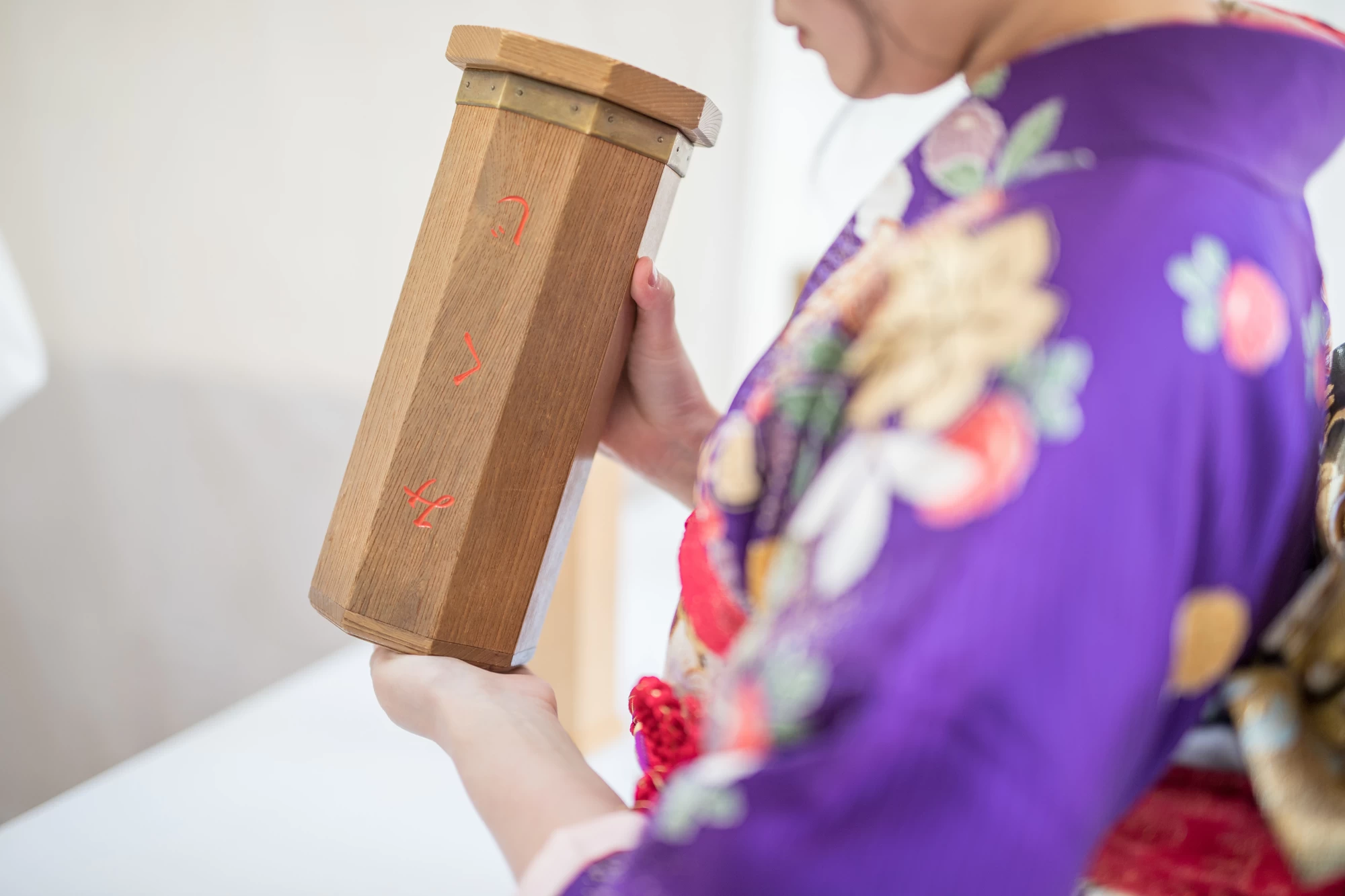
Omikuji
Omamori and omikuji are considered sacred gifts from the kami and should be treated with care and respect. When they are no longer needed, it is customary to return them to a shrine so they can be properly offered back.
When visiting with children or as an international guest, showing respect for Japanese culture and being mindful of others helps ensure a peaceful experience for everyone at the shrine.
Within the shrine grounds, eating, drinking, smoking, and photography may be restricted in certain areas. To preserve the sacred and quiet atmosphere, please refrain from speaking loudly or engaging in any disruptive behavior.
Shrines welcome visitors year-round; however, during peak periods such as New Year and major festivals, shrines can become quite busy. We recommend allowing extra time for your visit to fully enjoy the spiritual atmosphere at your own pace.
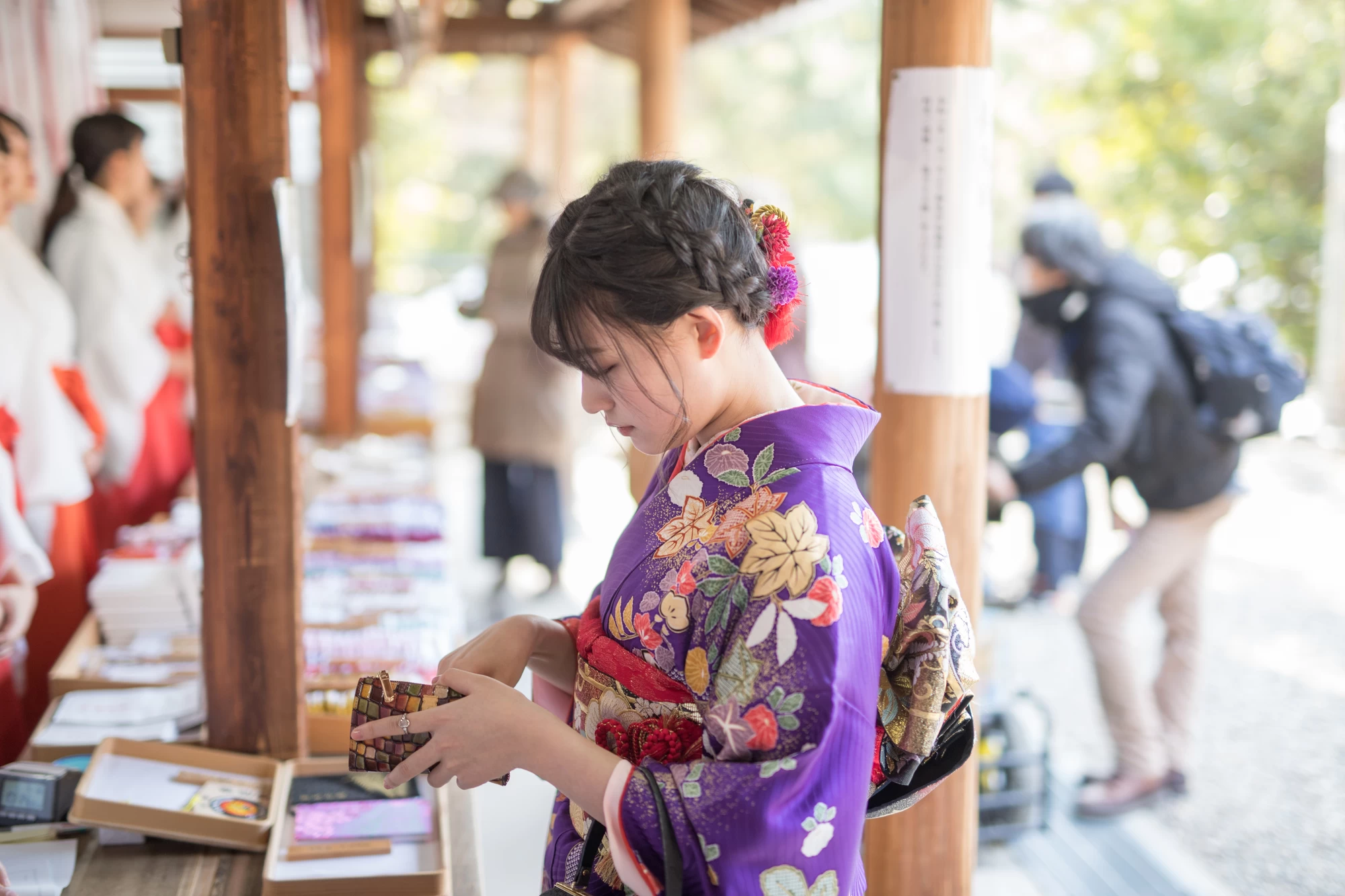
Omamori
Omamori are sacred amulets granted at shrines and are believed to carry the protection and blessings of the kami. They come in many forms, offering support for various areas of life, such as traffic safety, good health, and success in studies or business.
At a shrine, you may offer your personal wishes and hopes to the kami. When doing so, please remember to hold a respectful heart and choose your words and thoughts with proper reverence.
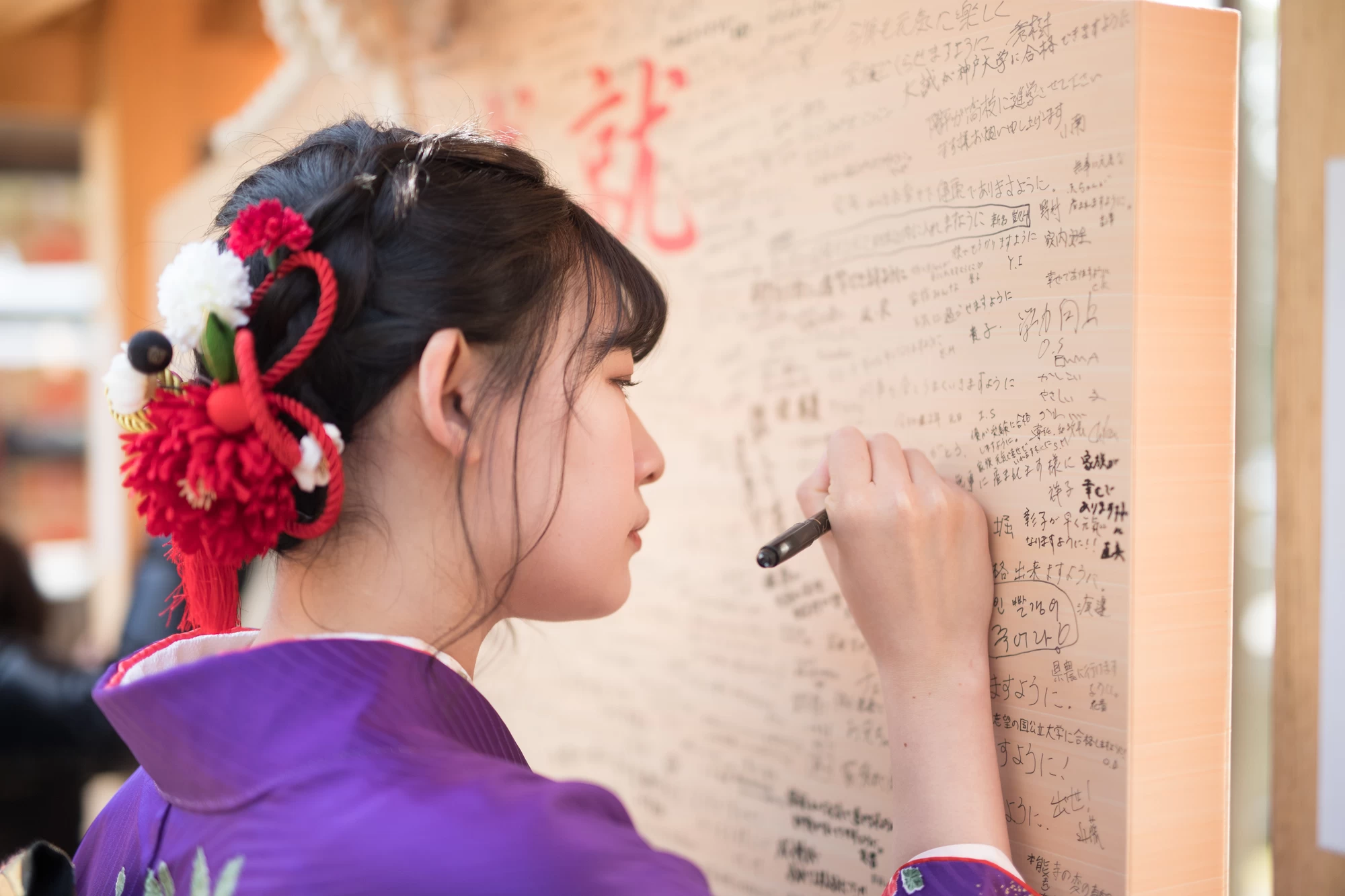
Writing a wish
At many shrines, visitors can request formal prayer services for specific blessings, such as family well-being or success in business. If you would like to receive a formal prayer service, we recommend contacting the shrine in advance to confirm details and availability.
This guide explains the proper etiquette and customs for visiting a Shinto shrine. As shrines are sacred spaces, it is essential to approach your visit with a sense of gratitude and respect. By understanding these traditions, you can enjoy a peaceful and meaningful shrine experience.
Note: The information in this article is provided for general guidance and does not represent the specific teachings of any particular religion, sect, or shrine.
Was it helpful? Please try using it when traveling or going out.
Article planning/supervision:旅色編集部 fukai
writer:ふかい
Where to Rent Kimono or Yukata in Kyoto: 11 Shops for Walking the City
2026/03/19
Seal Carving Experience at Kamakura Hanko: Create Your Own One-of-a-Kind Seal Near Kamakura Station
2026/02/27

SHIBUYA SKY: A Firsthand Visit Report From 229 Meters Above Tokyo
2025/12/12
![[Tokyo Sightseeing] 22 Must-Visit Cherry Blossom Spots for the Best Hanami Experience](https://imgen.tabiiro.travel/kankou.tabiiro.jp/articles/images/1740625949-02_23_thum.jpg?w=180&h=180&mode=crop)
[Tokyo Sightseeing] 22 Must-Visit Cherry Blossom Spots for the Best Hanami Experience
2025/02/23
![[Aichi Tourism] 20 Famous Cherry Blossom Spots Introducing the Best Spots for Cherry Blossom Viewing!](https://imgen.tabiiro.travel/kankou.tabiiro.jp/articles/images/1740626126-02_27_thum.jpg?w=180&h=180&mode=crop)
[Aichi Tourism] 20 Famous Cherry Blossom Spots Introducing the Best Spots for Cherry Blossom Viewing!
2025/02/21
Updated every Monday: Total number of views for 30 days


Coin lockers at Disneyland! Also what to do when you don't have a place or space to leave your belongings!
2024/11/25


Summary of Luggage Lockers (Coin Lockers) at Yokohama Station! Where Can You Find Free or Affordable Options?
2025/01/31

Kochi Tourism: 11 Cherry Blossom Spots – Discover the Best Spots for Cherry Blossom Viewing!
2025/02/24

![[Nagasaki Tourism] 10 Famous Cherry Blossom Spots - Introducing the Best Spots for Cherry Blossom Viewing!](https://imgen.tabiiro.travel/kankou.tabiiro.jp/articles/images/1740626326-03_02_thum.jpg?w=180&h=180&mode=crop)
[Nagasaki Tourism] 10 Famous Cherry Blossom Spots - Introducing the Best Spots for Cherry Blossom Viewing!
2025/02/27

A Local Walk by a Writer Living in Kyoto: Discover Kyoto's Hidden Cherry Blossom Spots
2025/04/01